The Ten Most Anticipated Upcoming Streaming TV Shows

The streaming wars is at a fever pitch with the unveiling of Disney+, Apple TV+, and of course, the current TV streaming king Netflix going full out with its offerings. A great benefit for us fans are the plethora of genre shows that various streaming services are producing. The most talked about sci-fi streaming show is The Mandalorian, the first live-action Star Wars show, but there are other upcoming shows that could rival The Mandalorian’s buzz and production values. Here are the most anticipated shows. Keep in mind this list will only cover upcoming original programs. So no revivals like The Orville or The Expanse. With that out of the way, let’s get started…

10. Dune: The Sisterhood (HBO Max):

A companion piece and prequel to next year’s Dune, this series will focus on the Bene Gesserit. Dune director Denis Villeneuve will direct the pilot and executive produce it along with Frank Herbert’s son Brian.

9. Foundation (Apple TV+):

Isaac Asimov’s classic science fiction saga about attempts from exiles in the far future to preserve their galactic civilization will finally be adapted into live-action. Rivaled only by Dune, Foundation might be a big draw to the streaming service with fans if adapted correctly.

8. Raised By Wolves (HBO Max):


The premise alone is reason enough to pique anyone’s interest. Two androids carefully raise human children on a mysterious world and have to deal with belief systems and other hardships. Ridley Scott is one of the show’s executive producers.

7. Avatar: The Last Airbender (Netflix):

Due to be released in 2020, this live-action adaptation of the revered Nickelodeon animated fantasy series looks to avoid the controversy and failure of the 2010 live-action film. Unlike that film, this series won’t whitewash the characters and will be executive produced by the creators of the original show.

6. Green Lantern (HBO Max):

Greg Berlanti is noted for his numerous DC superhero TV shows on the CW and for his harder-edged Titans on the DC Universe streaming service. He will spearhead this attempt to reintroduce the ring-wielding superhero to general audiences and hopefully make everyone forget the 2011 film that starred Ryan Reynolds. Thankfully for him and us, he is busy with Deadpool these days, which is a role that fits him well.

5. The Lord of the Rings prequel (Amazon Prime):

Amazon secured the elusive rights to produce this prequel series which takes place before The Fellowship of the Ring. It’s already noted for being the most expensive TV series ever produced with an estimated cost of over $1 billion. Surely, the budget will make the prequel look like a big-screen epic that will dwarf the competition. But will it be as popular as Game of Thrones? Or match it in quality (complaints about the last season aside)?

4. Battlestar Galactica (Peacock):

This will be yet another reboot of the popular space epic about humanity fleeing their ravaged civilization on a desperate quest to find planet Earth. Some may be disappointed this version of Battlestar Galactica won’t be a direct continuation of the lauded Syfy version from the last decade, but there is the promise it may offer a unique take of the star-spanning story and create a new generation of fans that will revere it as much as the original and the first reboot.

3. Obi-Wan Kenobi (Disney+):

Ewan McGregor will reprise the role he made his own in a Star Wars solo series. Many have clamored for years for more of McGregor’s Obi-Wan Kenobi, the noble Jedi Knight that survived the Clone Wars and watched over Luke Skywalker while he was in exile. Originally planned as a feature film, the project has morphed into a TV show on the Disney streaming service. This is the best of both worlds because as we can see with The Mandalorian, the Star Wars show will feature film-quality production, acting and effects and be able to tell fleshed out stories about Kenobi that will hopefully explore the character and his life.

2. The Marvel Cinematic Universe shows (Disney+):

If the announced TV shows featuring established heroes and villains from the proper Marvel Cinematic Universe (MCU) were to be listed individually, there wouldn’t be room for anything else! Unlike past Marvel TV productions, the upcoming shows are produced by Marvel Studios and will star the actors from the MCU films. Also it has been promised that these shows will tie-in closely with the MCU. There are many announced TV shows which range from an animated version of What IF? to direct continuations of situations from the films like The Falcon and the Winter Soldier to new IP like Ms. Marvel and She-Hulk. The ranking of the most anticipated shows goes like this: The Falcon and the Winter Soldier, What If?, She-Hulk, Moon Knight, WandaVision, Loki, Hawkeye and Ms. Marvel. They all sound promising and any true MCU cannot wait until next year when the first one (The Falcon and the Winter Soldier) premieres on Disney+

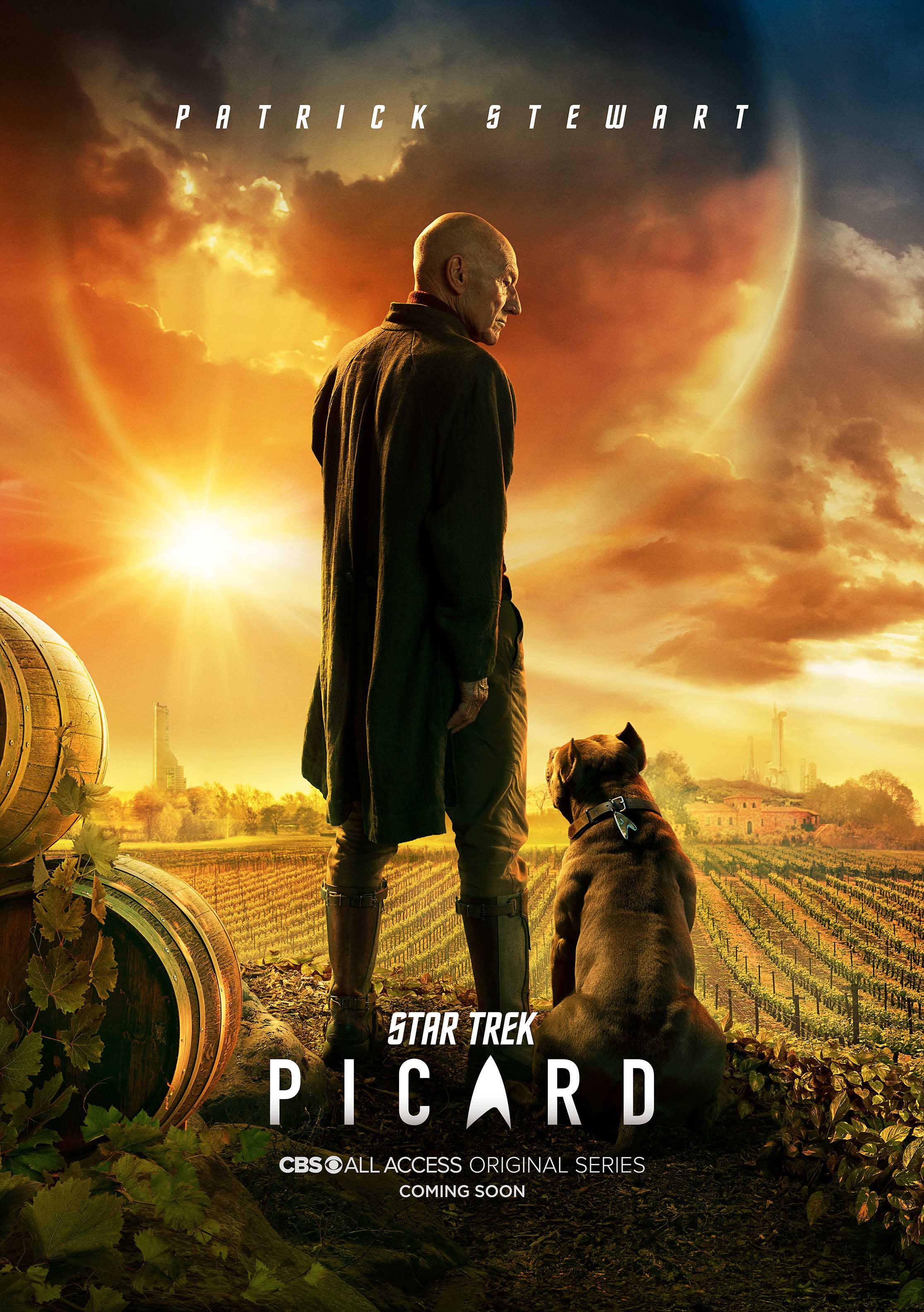
1. Star Trek: Picard (CBS All Access):

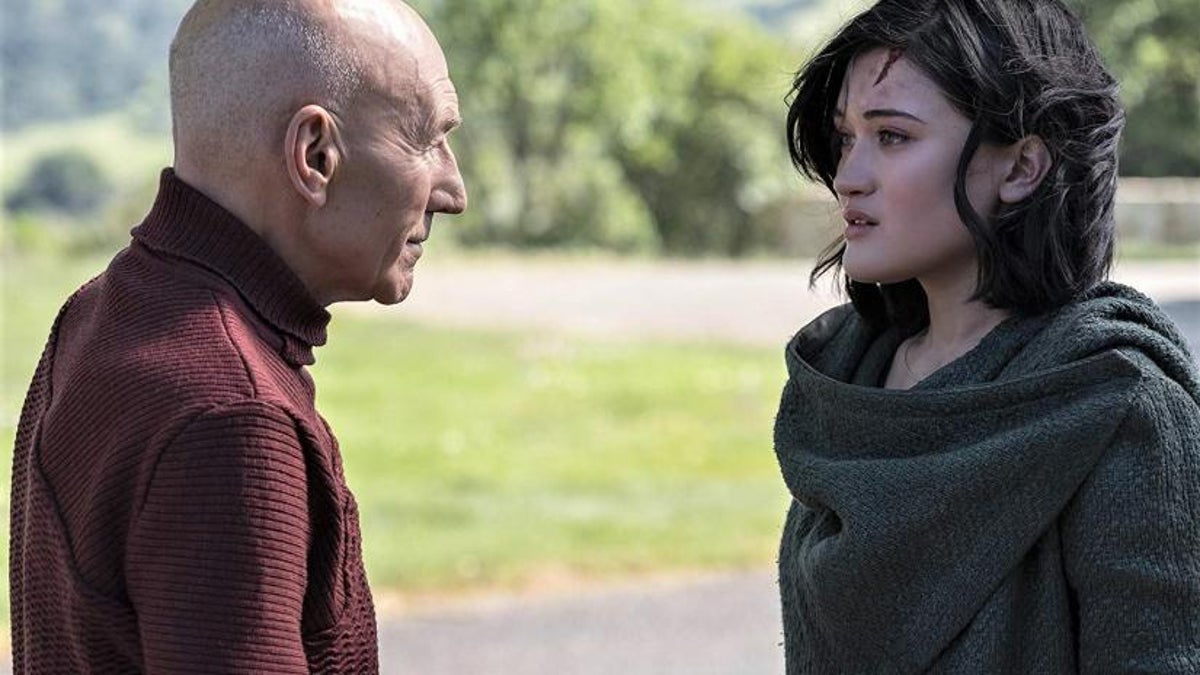
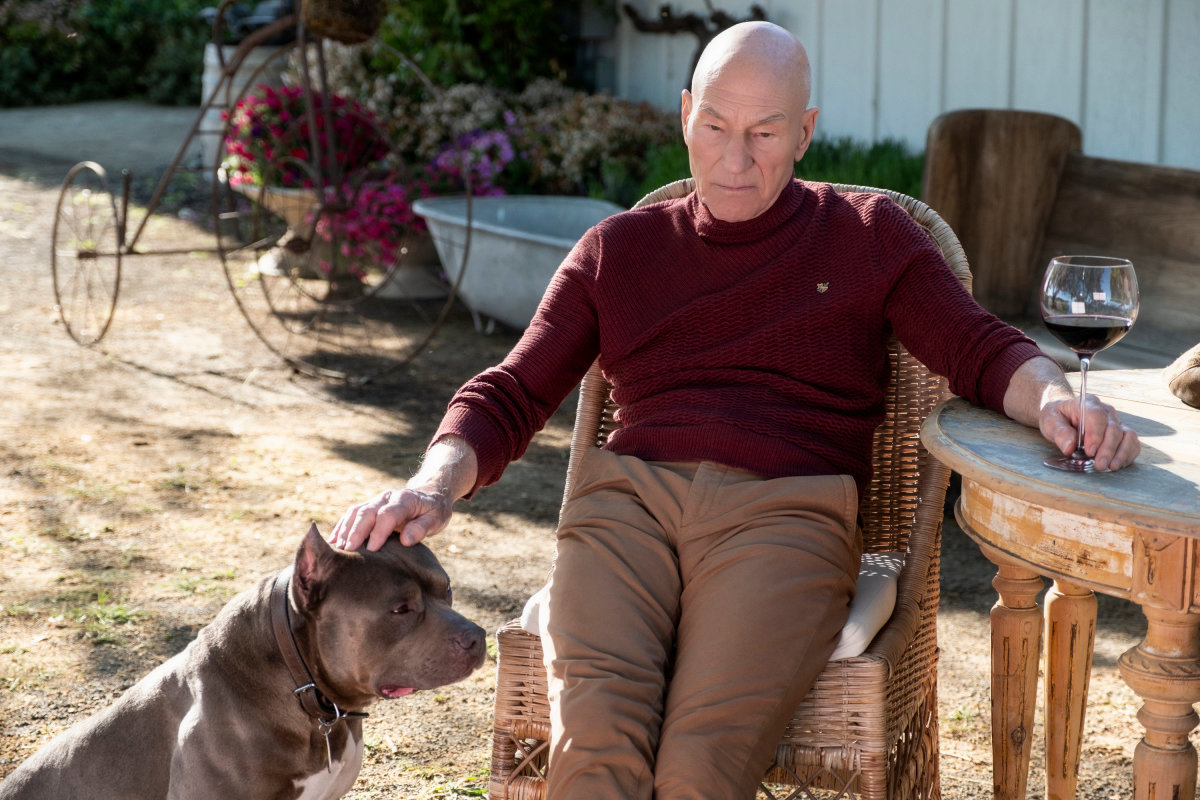
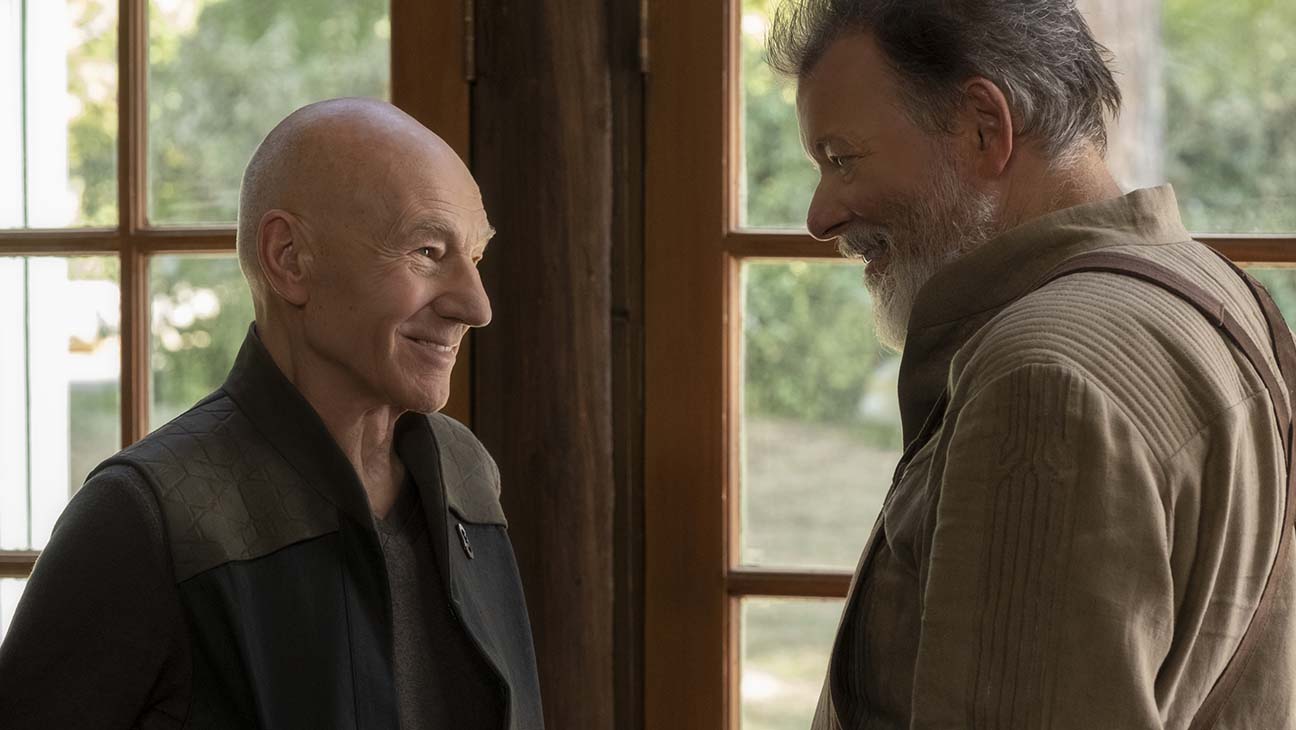
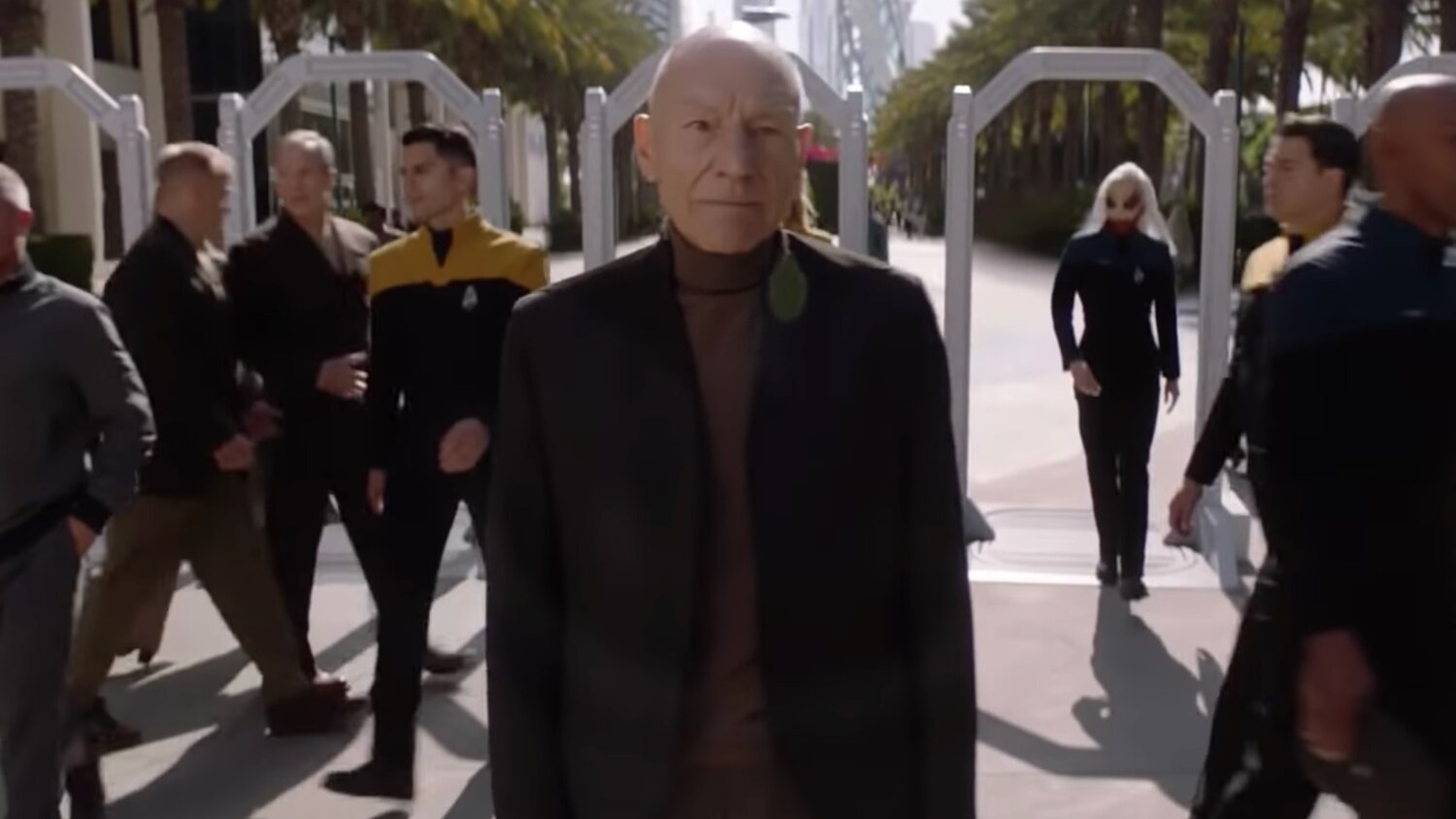
The recent Star Trek TV revivals spearheaded by CBS All Access got a much-needed boost with the announcement that Star Trek legend, Patrick Stewart, would reprise his iconic role of Jean-Luc Picard. From what we’ve seen of the trailers, the upcoming Star Trek show looks like a winner. What makes Star Trek: Picard so anticipated is that not only does the show brings back Picard, but assorted characters from the ’90s Star Trek shows and its a direct continuation of the original Star Trek timeline. This makes it clear the show is not a reboot and it gives fans what has been wanted for some time now: A Star Trek show that takes place in the future of the ’90s TV shows.

Other Shows:

Always (Netflix), Cassian Andor (Disney+), Amazing Stories (Apple TV+), Brave New World (Peacock), Lysey’s Story (Apple TV+), Cowboy Bebop (Netflix), DC’s Strange Adventures (HBO Max), Marvel’s Helstrom (Hulu), Station Eleven (HBO Max), The Witcher (Netflix)

Latest Terminator Suffers From More Than A Dark Fate. Major Spoilers

Terminator Dark Fate is the latest film in the long-running science fiction/action franchise that sees the return of creator James Cameron as a producer and contributed to the story, Linda Hamilton as Sarah Connor and, of course, star Arnold Schwarzenegger as the famous killer cyborg.  The film has been divisive with fans because of rumors about certain plot points and this as such will affect reception of the film. As an action movie, Terminator Dark Fate is decent with some good action pieces and having Sarah Connor back in action is a treat. Unfortunately, the movie also makes the mistake of killing off a key character in the first few minutes. *What follows below will contain major spoilers, so unless you’ve seen the film, read at your own risk.

*

*

*

In this case, John Connor, the savior of humanity whose existence was at the core of these movies, is gunned down as a child a few years after the events of Terminator 2: Judgment Day by yet another terminator sent back in time to kill him. Just like that, the events of the first two films are basically rendered pointless!  The film then jumps to 2020 and shows an augmented human called Grace (Mackenzie Davis), who is sent back in time to Mexico City to protect a young woman named Dani (Natalia Reyes), who now holds the key to the future of humanity. There is, of course, a terminator also sent back to kill her. This model, called a Rev-9 (played by Gabriel Luna) is basically two terminators in one, with a metal endoskeleton and a liquid metal exterior that can separate into a second cyborg. Basically, when John and Sarah destroyed Skynet in Terminator 2: Judgment Day, it created a new timeline where Skynet was never created, but instead has another artificial intelligence called Legion that comes into existence in 2042 that tries to wipe out humanity. When Grace shows up and escapes with Natalia only to be cornered by the Rev-9, Sarah Connor shows up and helps them to flee.

Sarah Connor reveals that she has been receiving text messages with the locations of terminators who were sent through time and she hunts and destroys them. The three women find the source of these texts, who is revealed to be the same T-800 that killed John, and now goes by the name of Carl. He currently sells drapes and has a wife and adopted son. Carl explains that it had no purpose after killing John and found a woman who was in an abusive relationship and it developed a conscience (!). He has been sending Sarah the texts to give her a purpose. Frankly, this part of the movies was ridiculous! I could see the terminator learning about human behavior similar to T2, but the idea of it raising a son and having a relationship with a woman is just not believable. Anyway, Sarah wants to kill Carl, but is stopped by Grace and Dani, and they reluctantly team up with Carl to take down the Rev-9. Without spoiling the rest of it, the ending is basically a rehash of T2, with a set up for the inevitable sequel.

Some reviews have said that this movie is better than previous sequels, but I disagree. Both Terminator 3: Rise of the Machines and Terminator: Salvation were better movies because at least they furthered the story in interesting ways. I always wanted the story to continue after the future-set Salvation, where we finally got away from the same trope of terminators being sent back to the past. Time will tell how this latest plot will go forward, if at all, but hopefully it will be something unique. I did like the future war scene at the very beginning that shows terminator endoskeletons rising out of the water and coming onto a beach, but it was all too brief. Another flash forward scene was somewhat interesting which showed how Grace got her augmentations after a battle with tentacled terminator models.

Linda Hamilton’s return as Sarah is great to see as she is now a grizzled warrior mourning her son and determined to get revenge on those who wronged her. Schwarzenegger is fine as “Carl” but the misuse of his character is not a good thing. Seriously, a drapes salesman? But more importantly how was he sent back in time if Skynet was never created? The terminators that Legion creatre in the future are different than the T-800 models. He should not even exist! Also, how does he know about these other terminators and Legion if he is not from that new timeline? It is never made clear.

The main problem with the idea of killing John Connor and just having someone else step in to the role of leader of the resistance is that it makes everything in the original Terminator film and T2 pointless. What if another terminator is sent back and kills Dani? No big deal, someone will just replace her! What happens when Dani and Sarah destroy Legion in the future? Again, so what? Another AI will take over. If they wanted to move on to new characters and settings, I can understand that.

Maybe the studio should have just made a full on reboot with no connection to the other movies. They keep trying to tie these films together and it makes everything awkward and convoluted. Terminator Genisys had this problem, as well. It started with a terminator being sent back to kill Sarah when she was a child, which changed events in the first film and erased the second movie. They should of just had that basic story of Sarah being targeted as a child as the first film in a totally new continuity with no connection at all with any of the other films and It would not have had any baggage to deal with. This is so frustrating since James Cameron developed the story, along with four other writers, and is behind this film. With the other derided Terminator films, it was easy to lay blame on Cameron not being involved. Well, there goes that argument.

As it stands, Terminator: Dark Fate is an okay action film and casual fans will probably enjoy it, but as a continuation of the Terminator franchise, fans will find it somewhat lacking since it makes the franchise’s logic even more confusing.

C.S. Link

Haunted Houses In Space

Alien, Event Horizon, Ship of Fools, Pandorum, Hull Zero Three, Life, Nightflyers, Dead Space, the list goes on. The basic premise of these stories are the same and boils down to a haunted house in space. It may sound like an odd combination, the haunted house in space, but when executed, this meshing of two genres usually produces some imaginative and scary sci-fi horror stories, films, TV shows, games, etc.

Why is this so? It all goes back to the concept that both genres when blended deal with the fear of the unknown. We don’t know what lies out in space, what we’ll encounter. But a core aspect of the classic haunted house story is the location itself. In such stories the protagonist is stuck in an old house and has to confront ghostly or demonic forces. Many of them are very terrifying and what makes them even more unsettling are their alleged basis on real events like The Conjuring films.

With sci-fi horror films the premise is moved out of rickety old houses and into a sci-fi setting, usually a spaceship or space station or a planet itself. Obvious examples include the mentioned films and games. Let’s focus on Alien. On a side note, its premise wasn’t new when the film came out in 1979 as a similar film It! The Terror from Beyond Space hit theaters way back in 1958.  Anyway, the crew of the space freighter Nostromo are hunted in their own spaceship by a murderous extra-terrestrial or xenomorph. Here you have the Nostromo, a spaceship, taking the place of the haunted house while the xenomorph is a perfect stand-in for a demonic entity or a ghost that is difficult to track. Adding to the horror element of Alien is the claustrophobic feel the spaceship emits. Corridors are dark and foreboding, hiding unexpected perils.

This type of setting highlighted the cult classic Event Horizon, a film that its director actually envisioned as a haunted house story in space. The spaceship design of the title ship is Gothic, cold, and even a bit Lovecraftian. Meanwhile, the non corporeal forces the rescue crew face are perfect updates on demonic forces and spirits as the film infers the spaceship Event Horizon actually traveled to hell and back.

What made the concept of Alien and others even more chilling is that unlike the traditional haunted house story, the characters don’t have anywhere else to go. They’re genuinely trapped. They cannot exactly just step outside the spaceship, it’s they’re life-giving oasis in the inhospitable environment of outer space. A common complaint about haunted house stories is that if a house is haunted why not just leave it and move someplace else? This doesn’t take into account poltergeists and demons that follow a victim everywhere, or the financial burden with suddenly leaving a home, but the question does have merit. The alien or other threat is on a spaceship deep in the cosmos? You’re stuck, my friend. Unless you want to take your chances with a lifepod in the middle of space, which ironically is how many of these sci-fi horror stories conclude. It’s that or take your chances and confront the threat head on.

Thinking about the characters’ limitations and the somewhat plausible nature of the threat then it’s easy to see why this type of sci-fi horror story is superior to a traditional haunted house tale.


You Are About To Enter…The Twilight Zone: 60 Years Later

“There is a fifth dimension beyond that which is known to man. It is a dimension as vast as space and as timeless as infinity. It is the middle ground between light and shadow, between science and superstition, and it lies between the pit of man’s fears and the summit of his knowledge. This is the dimension of imagination. It is an area which we call the Twilight Zone.

Opening narration by Rod Serling to The Twilight Zone in its first season

The Twilight Zone is celebrating its 60th anniversary and is still regarded as one of the most influential sci-fi and fantasy TV series of all time. Its combination of surreal sci-fi and fantasy storytelling and eerie plots has made its many classic episodes quite memorable for genre fans of all types. Hosted and created by the late Rod Serling, his matter-of-fact introductions led viewers to witness many memorable stories that ranged from a gremlin trying to sabotage a passenger jet seen only by one hapless man ( played brilliantly by William Shatner) in “Nightmare at 20,000 Feet”, to a bookworm (Burgess Meredith) who shuns society and yearns for solitude, and gets his wish after a nuclear war only to meet a cruel fate in “Time Enough At Last”.

The pilot episode “Where is Everybody?” started things off 60 years ago this month with an Air Force pilot in a seemingly abandoned town, who slowly succumbs to paranoia, as things are not what they seem. The plot twist at the end of “Where Is Everybody?” would set the tone for the whole series. Countless episodes had twist endings and examples of being careful what you wish for, as well as bizarre otherworldly happenings. Notable examples include: a woman chased by her double during a solitary road trip in “Mirror Image”, “The Howling Man”, which has a man chasing the Devil across the world using the staff of truth to keep him locked up in, a woman going to the top floor of a department store with creepy mannequins in “After Hours” or even seemingly benign aliens giving humans solution to world problems until their true sinister agenda is revealed in “To Serve Man”. These are just the tip of the iceberg with The Twilight Zone.

All of these many great moments have cemented the status of The Twilight Zone and led to many other anthology shows in its wake. Serling himself had a follow-up series Night Gallery starting in 1969 that was horror focused and not as well remembered. There have been two revivals in the 1980s (a film co-directed by Steven Spielberg, John Landis, Joe Dante and George Miller, and a TV show on CBS), a TV film in the 1990s based on Serling’s unused stories, a 2002 revival on the defunct UPN network, and one streaming right now on CBS All Access. Even shows like Amazing Stories, which was more fantasy based, and Tales From The Crypt can all trace their origins back to The Twilight Zone, which had all kinds of genres in its pallet.

The fact that it debuted in 1959 is also quite interesting since there was nothing like it on TV at that time. Unlike today with sci-fi being a huge industry, the era in which it came about was pre-Star Wars and Star Trek. Nevertheless, the show captivated audiences and even today it still holds up with its timeless stories and issues that it tackled. “Eye of the Beholder” dealt with body image and conforming to society’s standards of beauty and “The Monsters Are Due on Maple Street” showed how fear of an outside force can destroy a town. The fact that The Twilight Zone was a genre-based show allowed it to talk about issues such as these in an allegorical setting whereas a more realistic show could not, especially in the the late 1950s and early 60’s. It was one of the reasons why Serling created the show. He wanted to avoid censorship issues when crafting his imaginative and thought-provoking stories. This again, paved the way for later shows like Star Trek to do the same thing with its many takes on issues like civil rights and racism masked in the sci-fi setting of starships and aliens.

The Twilight Zone still gets accolades and is always included in listings of the top TV series of all time. TV Guide ranked it at #5 in their list of 60 greatest shows of all time in 2013 and in 2016 Rolling Stone ranked it at #7 for 100 greatest shows of all time. The Twilight Zone’s impact on pop culture also expands to other areas as well with a theme park ride in Disney’s Hollywood Studios park and numerous spoofs on The Simpsons. All of this for a show that was on the air when there were only three networks on TV and decades before the proliferation of science fiction, horror and fantasy in movies and television.

The power of these stories is still going strong after more than half a century and should continue to excite fans who have seen them countless times and gain new fans who will no doubt be drawn in by the iconic theme music that is still creepy to listen to even today, as well as Rod Serling’s famous words “Submitted for your approval…”

C.S. Link

*The intro shown below for The Twilight Zone is based on its first season. It’s not as famous as the iconic theme we all know of, but IMO is much eerier and more effective.

Science Fiction & Horror: The Perfect Combination

Science fiction and horror have blended well together like peanut butter and chocolate for a long time. One of the earliest examples is Mary Shelley’s classic literary work Frankenstein, or the Modern Prometheus and the melding continues to this day with assorted books, films, comic books, games and other media. Some of the standouts include the Alien films, I Am Legend, The Tommyknockers, the Predator films, Resident Evil, Event Horizon, The Fly, Dead Space, 28 Days Later, A Quiet Place, The Thing (and its source novel Who Goes There?), etc.

Why have the two genres been able to be combine so perfectly? That is to be debated since there are so many reasons and it may not be clear to many. But it can arguably be due for one factor and that is that the genre combo zeroes in to the fear of the unknown. Think about it, what makes horror so tantalizing is that it addresses what we’re afraid of, and that is ultimately death because it is the great unknown. What lies beyond death? Is it truly the end or the pathway to something truly horrific? Science fiction works have dealt with the nature of death and what it entails. As mentioned before, Frankenstein was all about defeating death and the horror of achieving this as Dr. Frankenstein found a way to bring the dead back to life through scientific means rather than using the supernatural.

Obviously it is the use of science or its grounded setting that sets science fiction horror separate from regular horror. And it is why it can be more unsettling…

With the regular horror genre, anyone experiencing it can take some small comfort with the idea in the back of the head that the horror story is implausible. There isn’t any way that a dead corpse will come back to life and start eating you, and despite all the so-called reality ghost hunting TV shows, the existence of spiritual entities still has not been scientifically proven. With films like The Thing, Alien or A Quiet Place, what makes them so terrifying is that we can encounter extra-terrestrial life that means us harm. Science experiments, research and discoveries that should benefit humanity can lead to disastrous results as seen in The Fly, Nightflyers, Event Horizon, Demon Seed, Blindsight, and The Strange Case of Doctor Jekyll and Mr. Hyde.

Then there is the sub-genre in science fiction and horror of humanity grappling with devastating diseases that falls into horror. Some like The Andromeda Strain are clear cut stories where diseases outright decimates us, but other works uses diseases to bring about body horror tales or create tenuously plausible zombie yarns. Examples include The Fireman, Black Hole, 28 Days Later, Cross, I Am Legend, and the Resident Evil franchise. Of course, saying that the events shown in these works are plausible is stretching things and as with any fictional work requires suspension of belief. But when the stories work and terrify us, they work quite well to the point that our rational brains stop questioning and start reacting to the horror of these stories.

Another thing to consider about how well the two genres blend so well is that the stories are often contemporary or take place in the future. These settings also lend to the feeling that what happens in them are possible. We don’t know that the first alien life we will encounter in the future will try to eat us or that using FTL will open a gateway to a hellish dimension. We cannot say for certain that these horrific events will happen.

What is even more unsettling is that what will actually occur in the future or just a few minutes from now can be far worse than what our puny minds can imagine. It all feeds into fear of the unknown and is why science fiction and horror are the perfect combination for storytelling.