The Eve OF The DCU’s Chapter One: Gods & Monsters

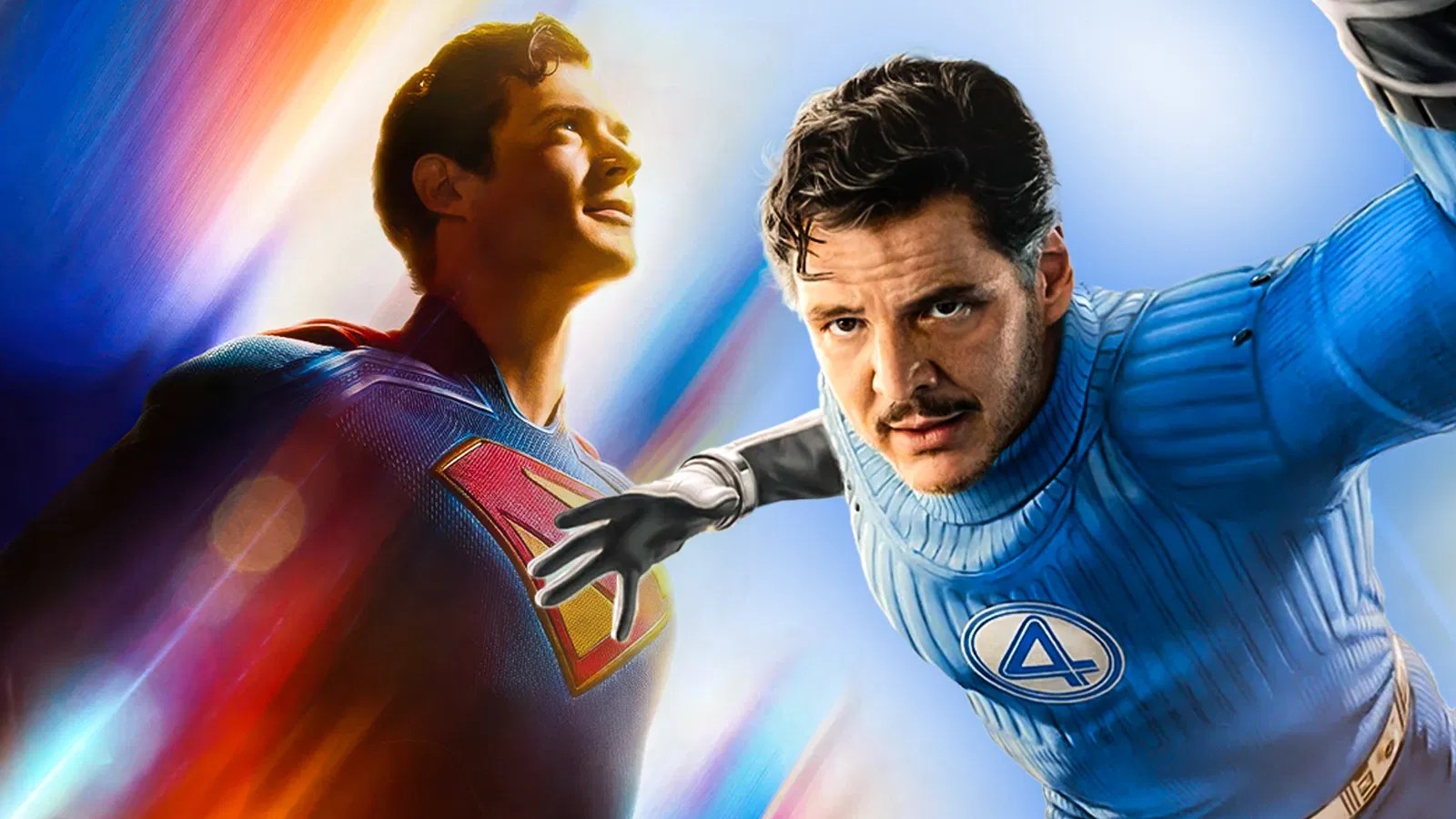
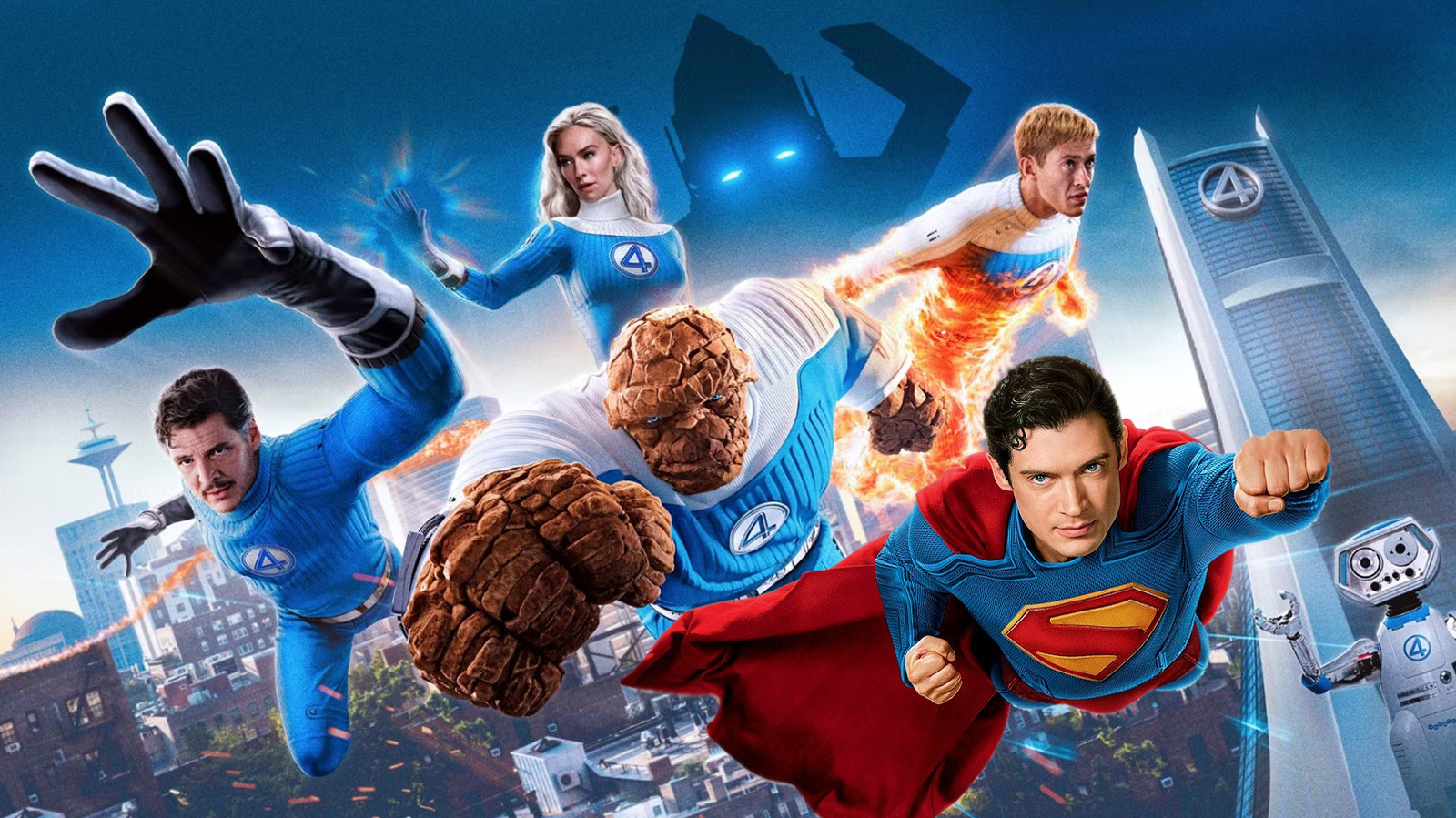
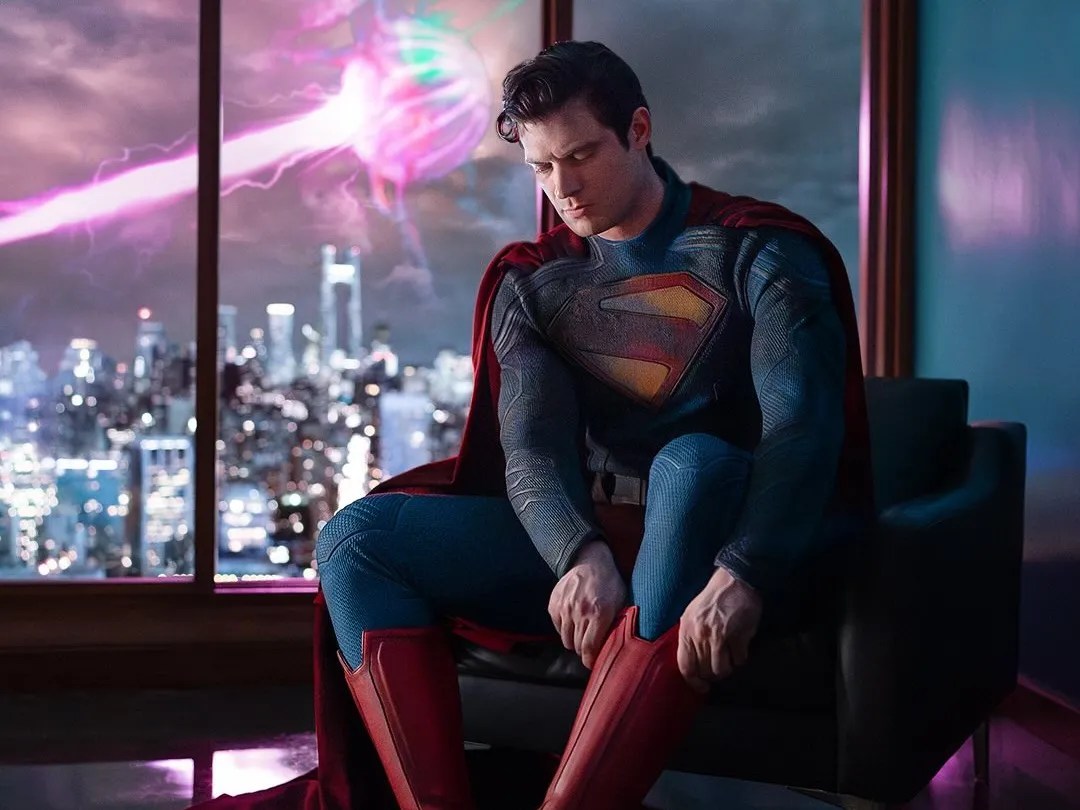
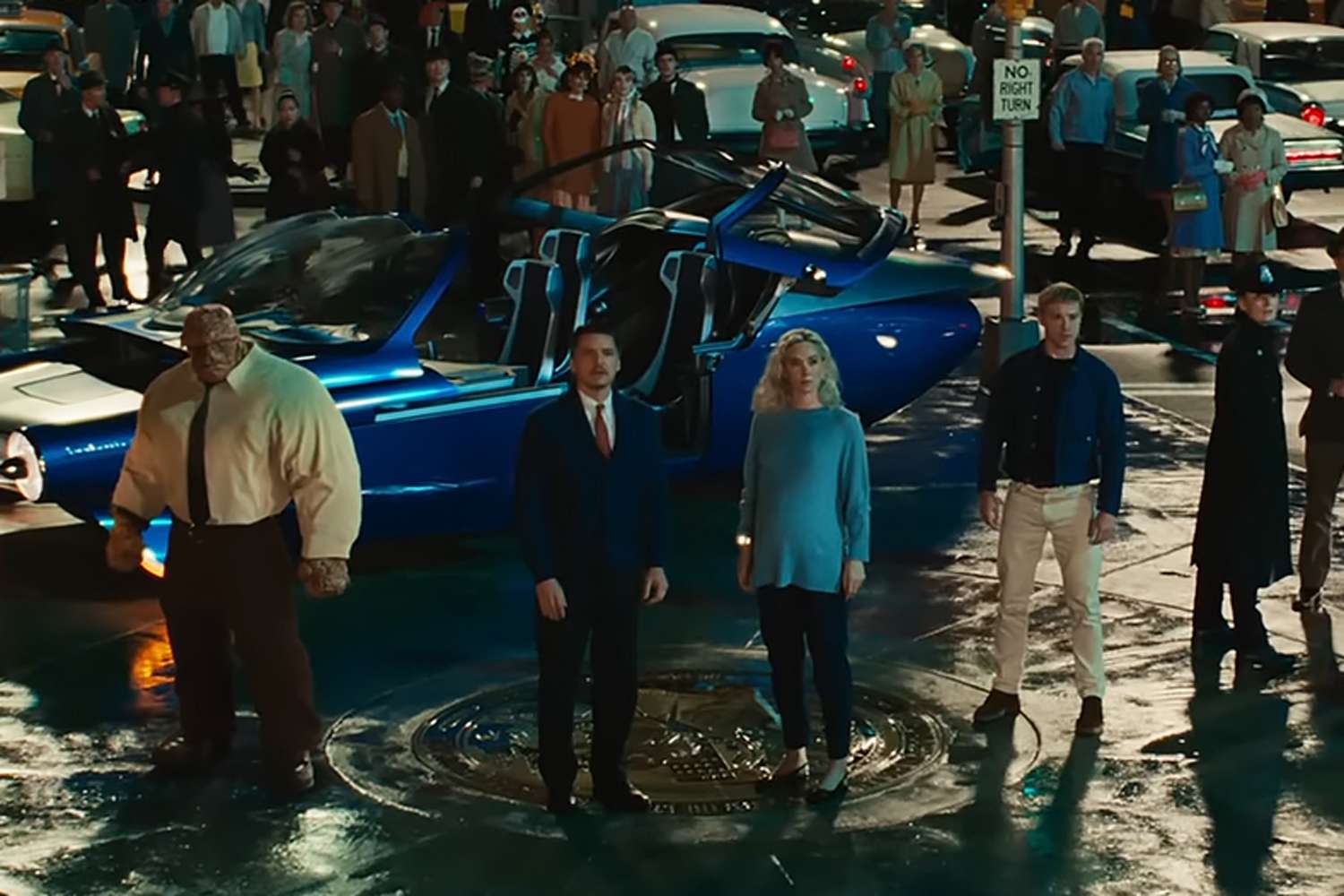
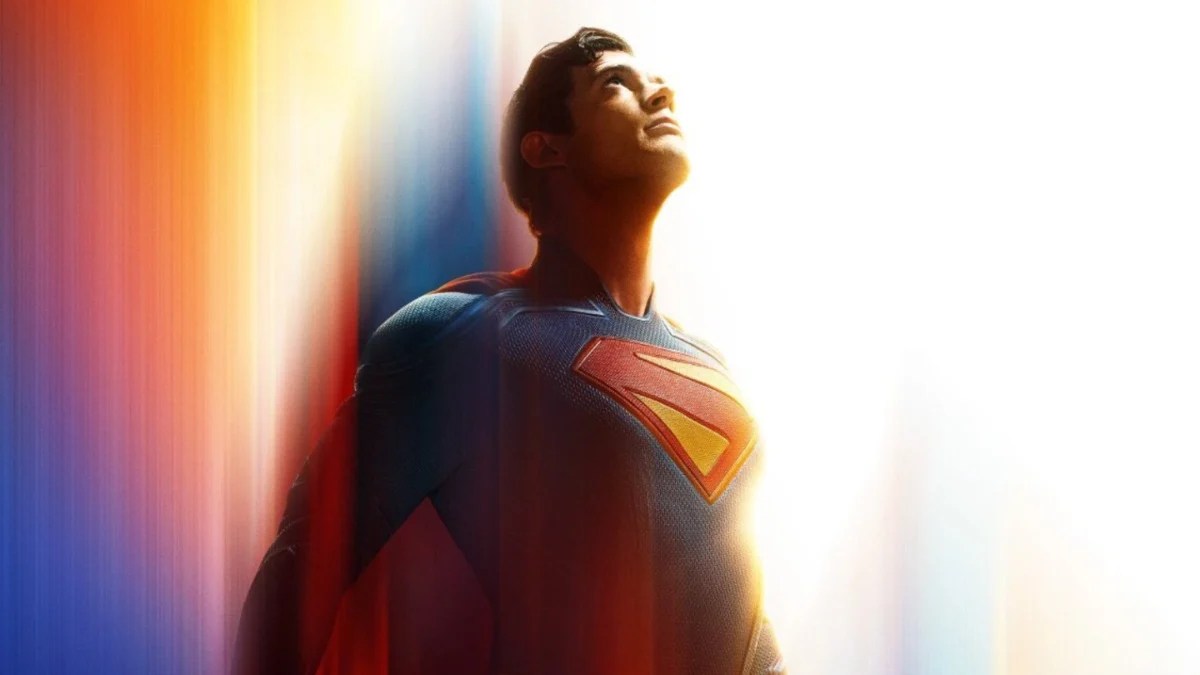
After the downfall of the DC Extended Universe (DCEU), the new DC Universe (DCU) cinematic universe has risen from the ashes and kicks off with Superman on July 11, 2025.

Fans of DC have both eagerly anticipated this meant and dreaded it ever since filmmaker James Gunn announced DC Studios’ planned DCU line up in early 2023 with a slate of films and TV shows. The first TV show which actually started the DCU last year was the animated Creature Commandos which streamed on Max. The show received positive reactions although it seemed similar to James Gunn’s DCEU film The Suicide Squad, but with monsters as the main characters forced to work for the government instead of supervillains. One thing that Gunn made clear was that Creature Commandos was canon to the DCU and even one of the featured characters from that show, Rick Flagg, Sr., will appear in Superman.

Right now, fandom and the public at large are focused on Superman, which inaugurates the DCU in live action. The marketing push for the film is very intense and pervasive with the usual deluge of merchandise and trailers (but gotta admit any merch about Krypto the Super Dog is so damn cute; Gunn has a way with animals) and publicity. There is a good reason for the push by DC Studios’ parent company Warner Bros.

RIP DCEU

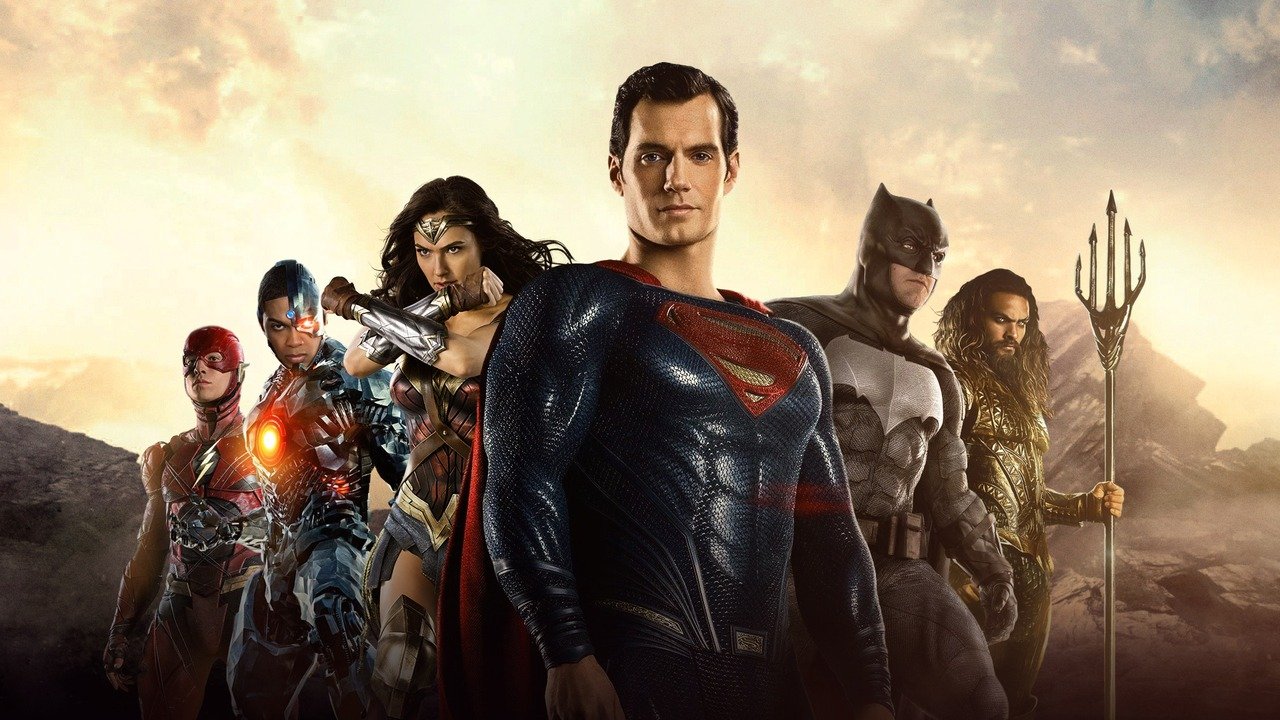
As everyone knows, the DCEU was supposed to be film studio’s answer to Disney’s Marvel Cinematic Universe (MCU), which has been wildly successful ever since it debuted in 2008. The DCEU had everything going for it: popular superheroes that enjoyed success in the box office and TV with projects like Christopher Nolan’s Batman films, the Arrowverse on TV and Smallville. Even Nolan helped launch the DCEU by helping to create Man of Steel. But for many reasons the DCEU was plagued by many problems, mostly due to studio interference, impatience and greed. Warner Bros. was in a rush to compete with the MCU and didn’t allow the DCEU to grow organically and build up a fanbase like with the MCU. Instead of carefully introducing characters, they were clumsily mashed together just to premiere Justice League, the DCEU answer to The Avengers, just a few short years after Man of Steel. Many of the films were not well received and it seemed as if the DCEU was playing catch up with the MCU. But what really killed the DCEU was interference by studio executives who were chasing the almighty dollar and did not seem to care about the quality of the films.

Despite attempts to salvage the DCEU by the early 2020s it was clear that the cinematic universe was without direction and falling apart. To the studio’s credit, they recognized James Gunn’s talent and vision with The Suicide Squad and offered him the opportunity to revamp its cinematic universe. He essentially started over with the DC properties and has launched the DCU with its initial projects being labeled as Chapter One: Gods & Monsters. Of course, this entailed huge changes including the recasting of the DC characters. Actors, like Henry Cavill, were removed from playing iconic characters and in the case of Jason Momoa, he was recast to play a different role in the DCU. This development was controversial and incense some fans of the DCEU who automatically hated anything to do with the DCU and have taken to the Internet to troll Gunn and the DCU. Unfortunately, that is par for the course with social media these days.

Continue reading

The Probability Of 28 Days Later

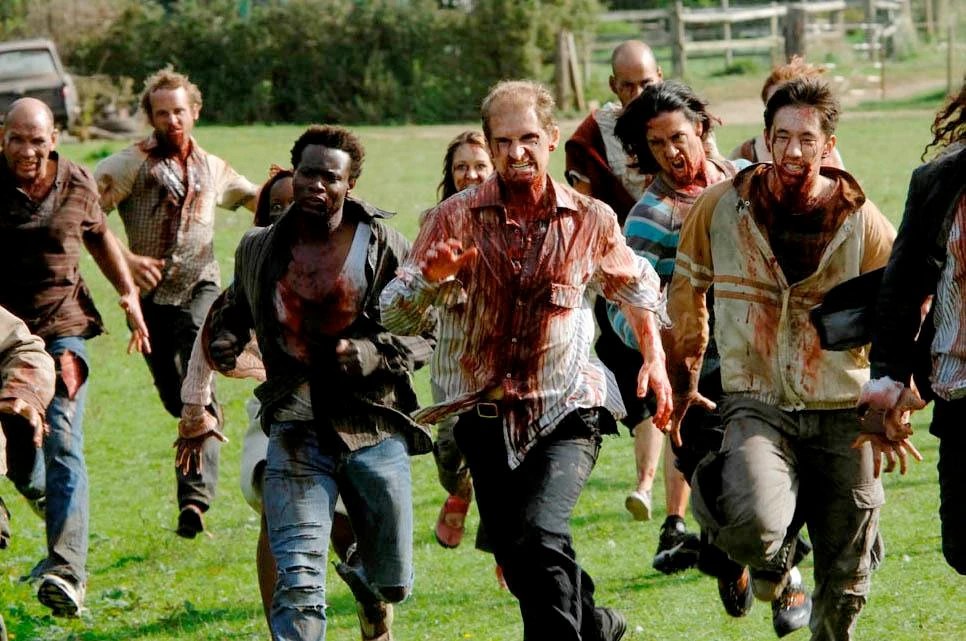
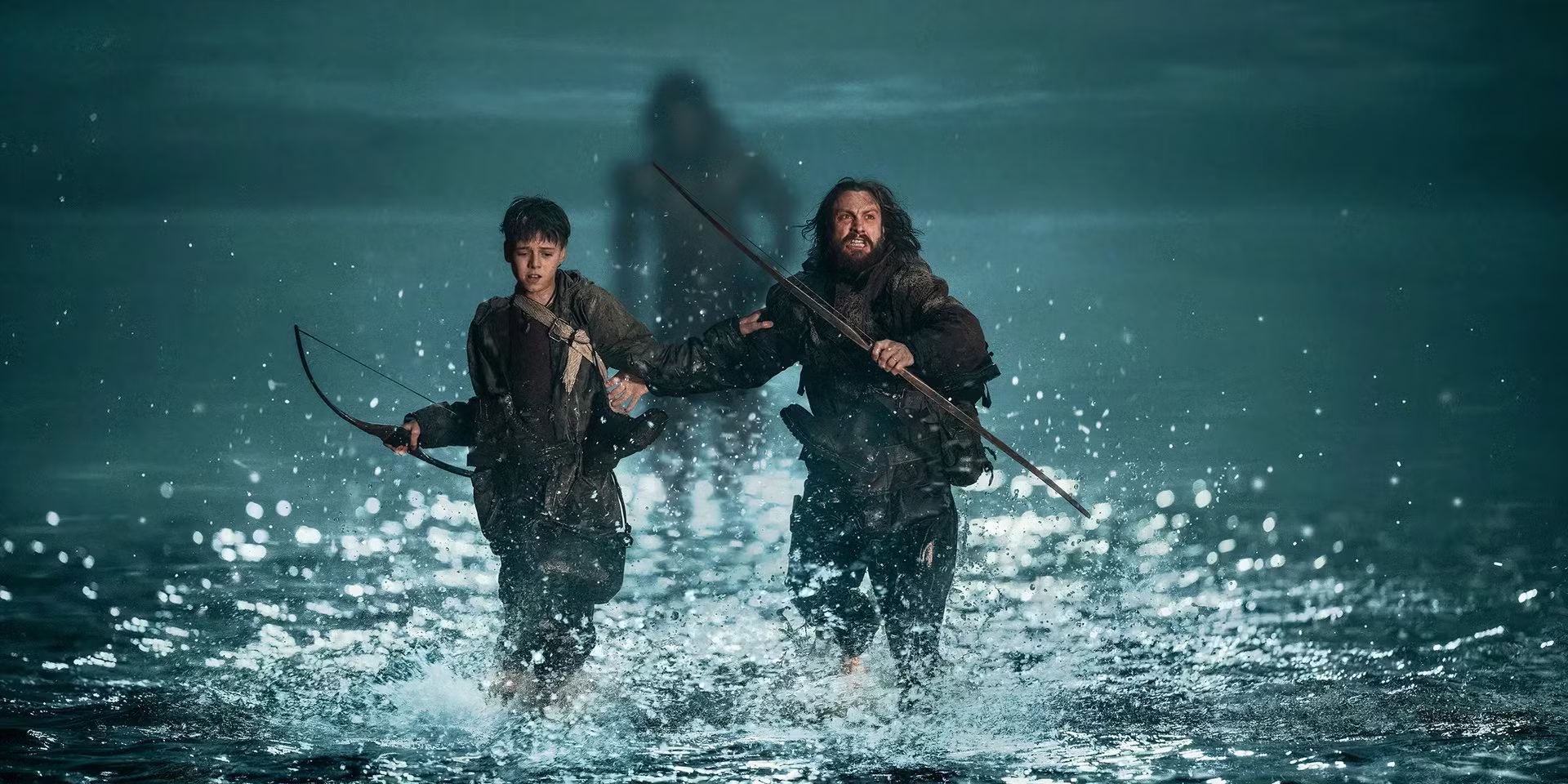
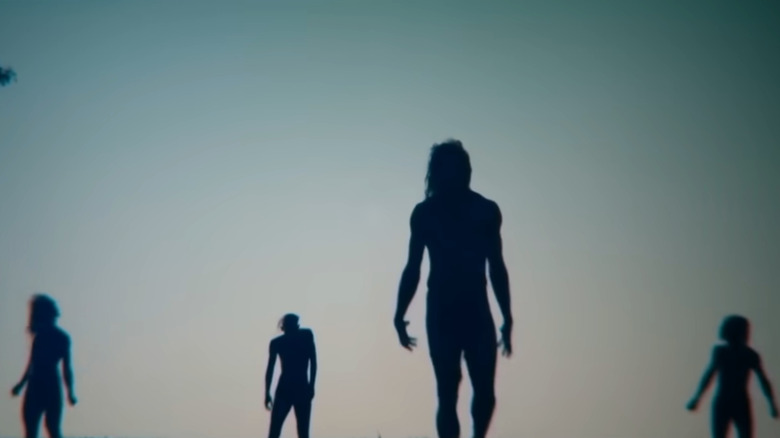
28 Years Later is the latest entry into the 28 Days Later franchise that jumpstarted the zombie genre over 20 years ago. While technically, the “infected” savages that attack humans are still human and not zombies, they are still deadly savages that quickly overran a nation. The premise in the first film is that an artificial virus derived from the Ebola virus is let loose from a lab and soon wipes out the United Kingdom. This happens in the space of about 28 days as the virus was highly contagious and fast spreading. Once infected, the victims of the Rage Virus, turn into mindless, rage-fueled savages in mere seconds and lose all their humanity as they kill anyone within reach. As terrifying as it seems, is this possible? Not just the virus itself, but the entire premise of the films which culminate in 28 Years Later with the UK and Ireland under permanent quarantine from the outside world.

One of the most disturbing aspects of the Rage Virus is by how quickly it turns victims into murderous monsters in seconds. But this is hard to believe. Sure, this is just a film which requires a suspension of belief, but viruses are not capable of having an instant effect in host bodies. Yes, it can rapidly spread in a host body and symptoms can appear quickly, but viruses need some time to manifest. In reality, an infected person will have some time, as short as hours, to remain cognizant and quarantine or kill themselves to protect their loved ones. So while it’s possible that viruses can quickly spread, as we saw with COVID-19, they would not overrun a country the size of the UK within a month. Not with symptoms being so noticeable. Maybe if the virus mutates to be less noticeable and a viral mutation is something that is shown in 28 Years Later.

Then there is the quarantining of the UK. Again as we’ve seen with COVID-19, cutting off communities, even nations won’t stop the spread of a virus. It will slow it down, but in the end, given how interconnected we are, the Rage Virus would’ve been much more widespread by at least in the timeframe of the first sequel 28 Weeks Later. Actually, this was shown to be the case at the end of that film when it’s revealed that the infected reached Paris, France. On the other hand, given how deadly the Rage Virus is, you can bet the world would have gone to great lengths to keep it from spreading. Also, since the UK is largely a group of islands, in theory the spread of the virus could at least be slowed down with a quarantine, but it would not last. Do not be surprised if future sequels have the virus spreading throughout the world.

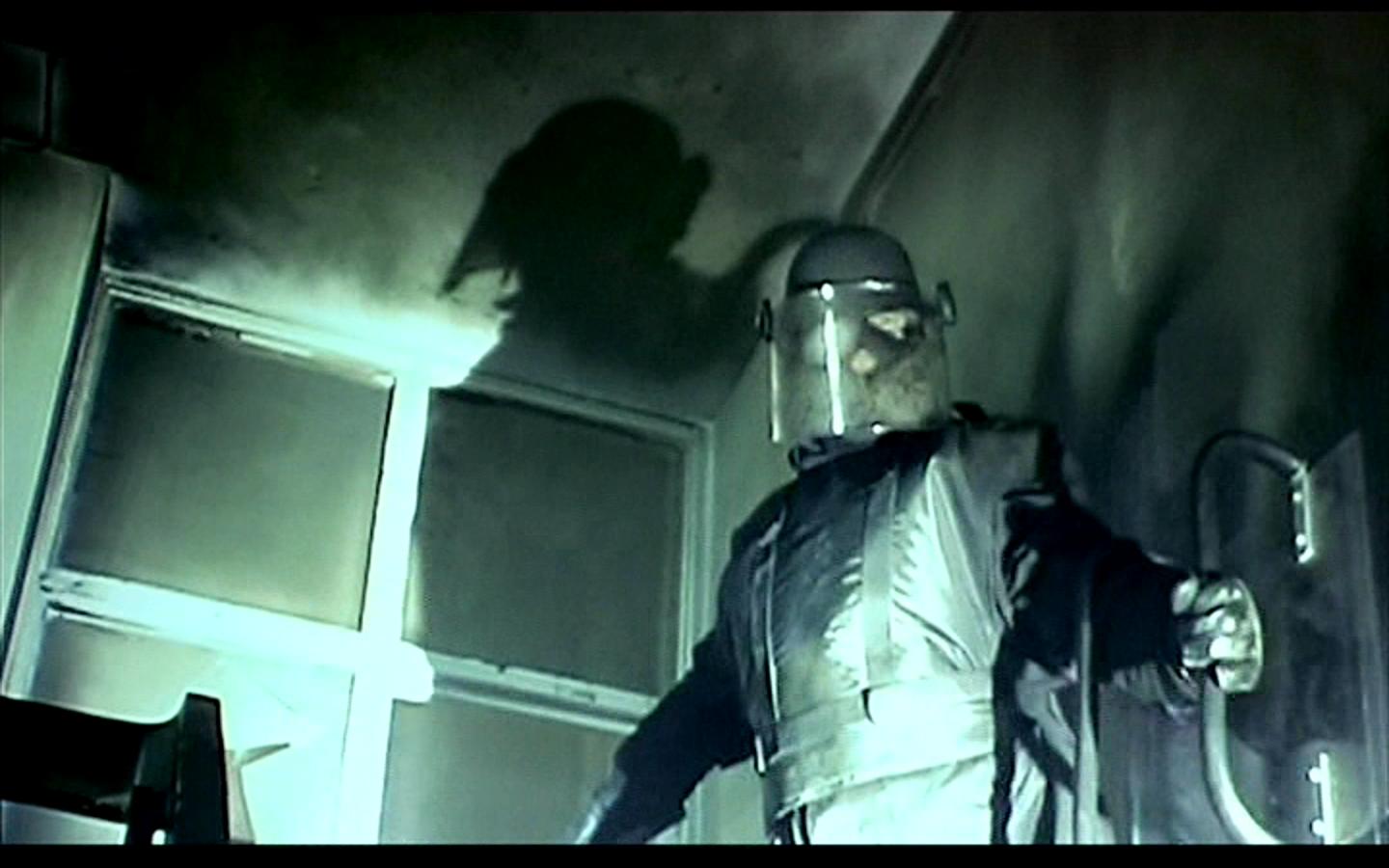
When it comes to curbing the virus’s spread, as most of us resorted to wearing face masks and did not deny the virus during the pandemic, people would have adapted to wearing full face masks to keep infectious fluids from entering the body. Of course, this would not protect them from the murderous wrath of an infected who would tear and bite them. Then again perhaps most people would have started wearing protective clothing or body armor. We actually saw one of the main characters doing this in the first film.

Another puzzling point in the franchise is that there seems to be little to no effort to fight the Rage Virus in the scientific field. Aside from a plot point in 28 Weeks Later where the U. S. Army doctor wants to study an asymptomatic victim, before everything went to hell, there is not any mention of attempts to combat the virus. As we saw with the recent real-life pandemic, our society threw massive resources to find a way to treat COVID-19 and were able to devise vaccines in months. Shouldn’t a vaccine have been developed to curb the Rage Virus, especially in the years that passed up to the latest film? We see in the sequels that it is possible to be asymptomatic of the virus and in 28 Years Later, an uninfected child is born from an infected mother. It would probably be difficult to find a cure as we see with AIDS and other viruses, but a vaccine would certainly have been created 28 years after the first film.

Is the Rage Virus and what happens after it spreads likely in the real world? Most likely, no. But the chances are not zero. The virus was artificially created in the film, so who knows if in the future some fool will create a similar virus and it gets loose in our world. It is a disturbing thought and part of the reason why the 28 Days Later films are so captivating while being horrifying.

After Andor What’s Next For Star Wars?

The Disney + Star Wars TV series Andor concluded to much deserved acclaim, and it did something that seemed improbable given the state of the Star Wars franchise. Andor has helped create renewed enthusiasm for Star Wars as it showed how versatile and mature the franchise can be.

Ever since Disney acquired Star Wars from its creator George Lucas, the projects the company and Lucasfilm put out have received mixed reactions. At first, the franchise received a lot of renewed enthusiasm after the releases of Disney’s first two Star Wars films, Star Wars Episode VII: The Force Awakens and Rogue One: A Star Wars Story.

But the reception to the following films, Star Wars Episode VIII: The Last Jedi, Solo: A Star Wars Story and Star Wars Episode IX: The Rise of Skywalker, was a lot less muted as many fans soured against the Disney films. As a result, the box office returns were not quite as high as the early films and in fact, Solo did not perform well in theaters.

This Was the Way

The Star Wars franchise recovered significantly when the first Disney + Star Wars TV show, The Mandalorian, debuted on the streaming app in 2019. For a couple of years, Mandalorian fever gripped fans and the larger public as Grogu, the infant Yoda-like co-star of the show captured the public’s hearts and imagination. It seemed as if the TV show single-handedly rescued the franchise and injected new life into it. However, many of the other Star Wars TV shows were not as popular or had the level of quality as The Mandalorian, except for Andor. In fact, although Andor did not have the high viewership numbers that The Mandalorian enjoyed, it was a massive critical hit as it presented a fresh and adult take on Star Wars with its grounded look at how the Rebellion began in earnest against the Galactic Empire.

Still, despite Andor’s critical success, Star Wars on the whole was floundering as inferior TV shows like The Book of Boba Fett and Ahsoka disappointed fans and emboldened toxic trolls to attack Star Wars. Then there was the fact that the film franchise was essentially dead as many announced films never went into production, except for next year’s The Mandalorian and Grogu. Even recently, The Mandalorian fell out of favor with many fans because of its third season, which was not as well received as its first two seasons.

New Heights of Quality Star Wars Television

When the second season of Andor first streamed fans and critics applauded the show’s mature, sweeping and complex nature with its nuanced and well-developed characters that quickly generated memes and online discussion about the nature of defiance, sacrifice and societies.

What truly captured the hearts of fans were its story arcs devoted to the Ghorman Massacre and the final arc that wrapped up the story lines of many characters including Cassian Andor himself. The last time we see him, he was departing for what would be his final mission in Rogue One. A mission he never returned from. What made his final on screen moments so heartbreaking was the revelation in Andor’s final scene that he fathered a child that he would never know. And no, this child is not Poe Dameron from the Star Wars Sequel Trilogy.

What made Andor so great and unique was that it had no connection to the Jedi, the Sith, or the larger Star Wars/Skywalker saga. It instead focused on random, everyday people living regular lives and how the Empire affected them to either join the cause or support the Empire through simple acts that cascaded into mass movements that affected the galaxy.

It should be noted that Andor was not the only TV show to break out of the traditional Star Wars mold. Others like Skeleton Crew and The Acolyte gave us different stories that took place at different time periods and had little to do with the Skywalker Saga. However, they were not as regarded as highly as Andor.

Continue reading

Meet The Thunderbolts*…Er, The New Avengers!

By now, most fans of the Marvel Cinematic Universe (MCU) are aware of how the latest MCU film, Thunderbolts* ended, including its post-credits scene. Anyone who hasn’t at this time should stop reading this because we’re going into full on SPOILERS for Thunderbolts* and what is next for the MCU, including next year’s Avengers: Doomsday.

Introducing the New Avengers

To no one’s real surprise, the asterisk in the film title Thunderbolts* was an indication that the title team of dysfunctional mercenaries with personal demons, stood for something else. For most of the film, the team’s comic relief, Alexi Shostakov, the Red Guardian, kept referring to the team as the West Chesapeake Valley Thunderbolts, after the soccer team his adopted daughter, Yelena Belova, played in as a child. By the end of the film, after the Thunderbolts saved New York City, they were introduced to the world as the New Avengers by the film’s antagonist, Valentina Allegra de Fontaine, in a move to save her political career and to stay out of prison.

Speculation had been going on among fans ever since the film title included the asterisk. Some thought maybe it was a placeholder for a subtitle that would be spoilery. They were right to an extent because the asterisk was actually a placeholder for the film’s supposed real title, The New Avengers, which Marvel Studios began to openly flaunt just a few days after the film’s release.

Was the supposed title change to The New Avengers a desperate marketing attempt to drum up more interest in Thunderbolts*? Maybe. Then again, the marketing has been incredibly inventive for the film with innovative posters and some trailers that made the film out to be something that A24 would release. In any event, the fact that the Thunderbolts are actually the New Avengers does increase their profile and hints at what lies ahead for Avengers: Doomsday and Avengers: Secret Wars.

In the film’s two post-credits scenes and the montage shown during the initial credits, the so-called New Avengers are not well received by the world. Who could blame them? Just as how many of us complained about the lackluster lineup of the Thunderbolts when the film was announced, it was natural that most people would have a negative reaction to the replacement for the original Avengers. Where were the heavy hitters like Hulk or Thor? The New Avengers was made up of a bunch of mercenaries/super soldiers with similar and limited skill and power sets. As Yelena quipped at one point, “we just punch and shoot.” Then add in their questionable pasts, which probably could not be glossed over by marketing; although the original Avengers team members also had checkered backgrounds, including Yelena’s sister, Natasha Romanov, a fellow assassin.

But unknown to most of the world, deep down, these characters had heart and faced down their insecurities and flaws, which made them more endearing to audiences. Each of the Thunderbolts wanted a chance at redemption and to be part of something greater. This was obvious with Alexi who dreamed of recapturing the glory he had during the Cold War in Russia, Yelena dealing with depression and wanting something else in her life, or John Walker, who couldn’t fill in the shoes of Captain America as seen in The Falcon and the Winter Soldier and wanted to prove himself. They just didn’t expect it to be as the lineup for the new incarnation of the Avengers.

Sure, these Thunderbolts were not superstars like Tony Stark, but they grew on us as they created a sort of family bond forged by the events they underwent together. What made the film so quickly beloved was that these characters were deeply flawed, yet had great chemistry, which helped them succeed in the end as they came together as a team. How they will carry on going forward is anyone’s guess, but we can speculate based on the final post-credits scene.

Continue reading

De-Extinct Dire Wolves: We’re One Step Closer To Jurassic Park

The news about the dire wolf being de-extinct came very suddenly and surprisingly yesterday. The idea of using biotechnology to bring back extinct animals had been the stuff of many imaginative sci-fi stories, notably with Jurassic Park and the films the novel inspired. The announcement by Colossal Biosciences that they actually revived an extinct species now made a science fiction concept a science fact.

The method behind the de-extinction was fairly straightforward. The company extracted DNA from a fossil skull and tooth of dire wolves and was able to analyze the genome. After that, Colossal Biosciences used gene editing on the cells of a gray wolf to create dire wolf embryos and implanted them into a surrogate dog.

The first two dire wolves were born on October 1, 2024 and named Romulus and Remus, and a third one, named Khaleesi, after the Game of Thrones character, was born two months ago. As the pups grew their different physical characteristics from gray wolves were undeniable. Sporting distinctive thick white fur, unusual vocalizations and larger body proportions they still exhibited wolf-like behavior such as stalking, hunting and howling. Fortunately the trio are healthy and kept safe in a private, undisclosed nature sanctuary where they could live in peace.

With the success of the dire wolf being de-extinct, Colossal Bisociences is moving ahead with their plans to de-extinct the thylacine, the dodo bird and the wooly mammoth.

As exciting as this sounds we are still a long way from de-extincting dinosaurs if it is even possible since extracting dinosaur DNA is impossible. There are also ethical issues that have come up with the unbelievable feat by the company. Namely, what is the point of bringing animals back from extinction? We already have a difficult time keeping living species of animals alive in our increasingly crowded world. Where can these animals go? What role will they serve in Earth’s ecosystem, considering that many of their previous roles have been taken by modern animals? Right away, these animals will have to compete with modern animals and humans for resources in an Earth with dwindling supplies and land space. Then there would be intense pushback from people who would not approve of the de-extinction or of re-introducing them to the wild. We have seen this already when wolves were re-introduced into many parts of North America as they threatened livestock.

Jurassic-World-Fallen-Kingdom-Volcano-and-T-Rex

A likely scenario is that these de-extinct animals would not be allowed to live in the wild and forced to live out their lives in zoos, which would enrage opponents. Then there is the worst case scenario of nature running amok and well, we’ve seen the Jurassic Park and Jurassic World films. In other words, their re-introduction would have unpredictable and unwanted results.

There is the argument that we have no way to know how to properly raise these animals since we can only guess as to how they lived. Romulus, Remus and Khaleesi seem to be behaving like wolves, but is that because they have wolf DNA? This would make them a new hybrid species and not true dire wolves, which are distant relatives of modern gray wolves. The same situation would apply to recreated mammoths and other prehistoric extinct animals. The first mammoths would more likely be Asian elephants with outward mammoth characteristics, and the same would go for the dodo and others.

Colossal Biosciences has stated that they intend to apply their technology to help preserve current animal species such as elephants that are more and more endangered as they face loss of habitats from human encroachment and hunting by poachers.

Despite the legitimate concerns about de-extincting animals there are arguments for doing this. Proponents claim that de-extinct animals can fill in roles that are vacant in ecosystem. For example, the thylacine was an apex predator in Tasmania and Australia and their re-introduction into the ecosystem would help keep in check the populations of prey animals. Other proponents claim that mammoths would be able to help preserve the tundra in Asia with their foraging and in a way arrest climate change. That is very far fetched to be sure, and calls to mind Stephen Baxter’s book Icebones, which was about cloned mammoths on Mars. This argument about using de-extinct animals to keep ecosystems healthy is valid. Also, since humans were responsible for the extinction of animals like the thylacine, Stellar’s sea cow and the passenger pigeon, they have a moral obligation to try to bring back these species if there is a need for them in an ecosystem.

No matter where anyone sides in the argument, it is important to note the responsibility we all bare with using science and co-existing with other species in our fragile world. Still, the revelation that dire wolves have been de-extinct is exciting as it demonstrates that extinction isn’t forever.