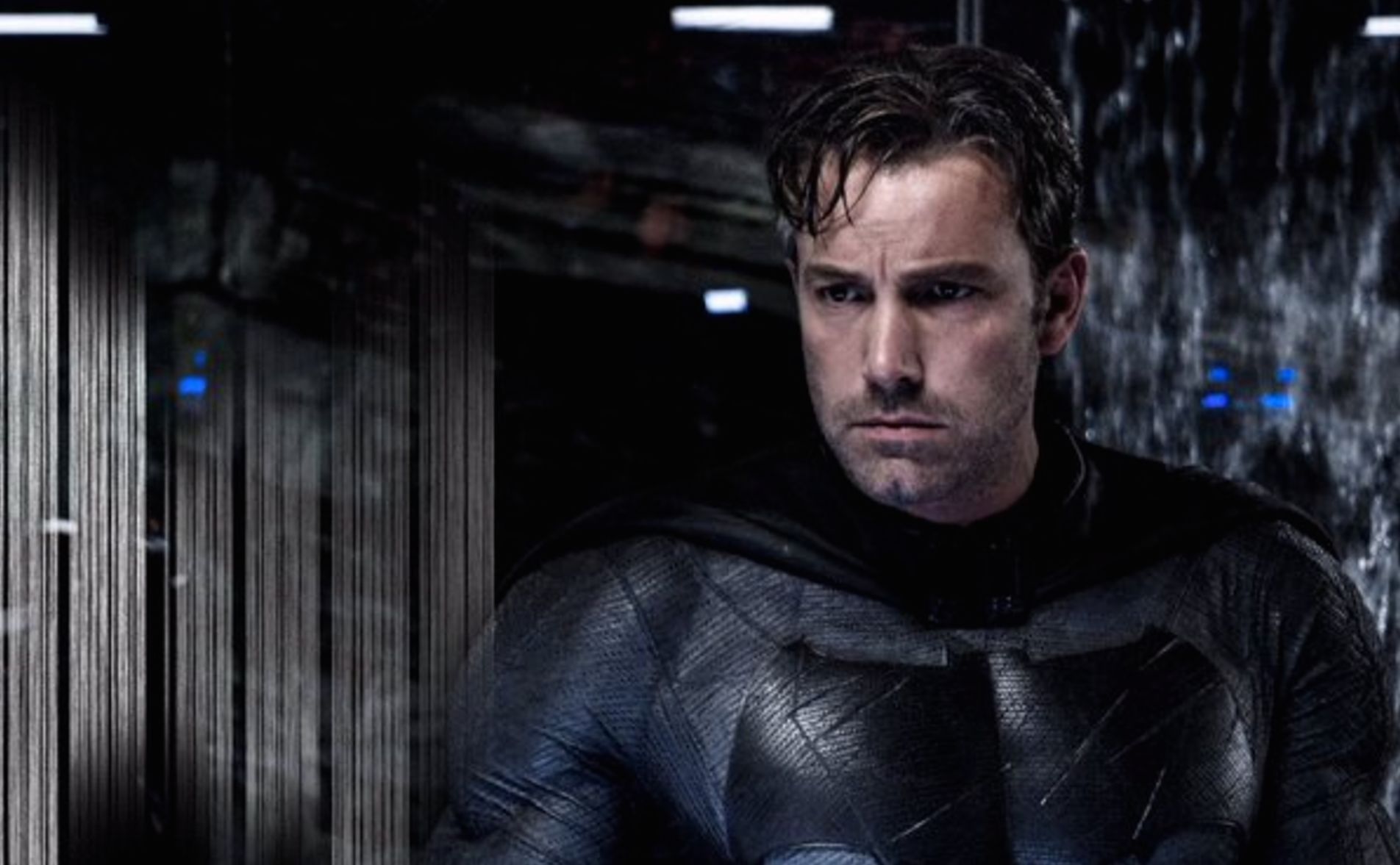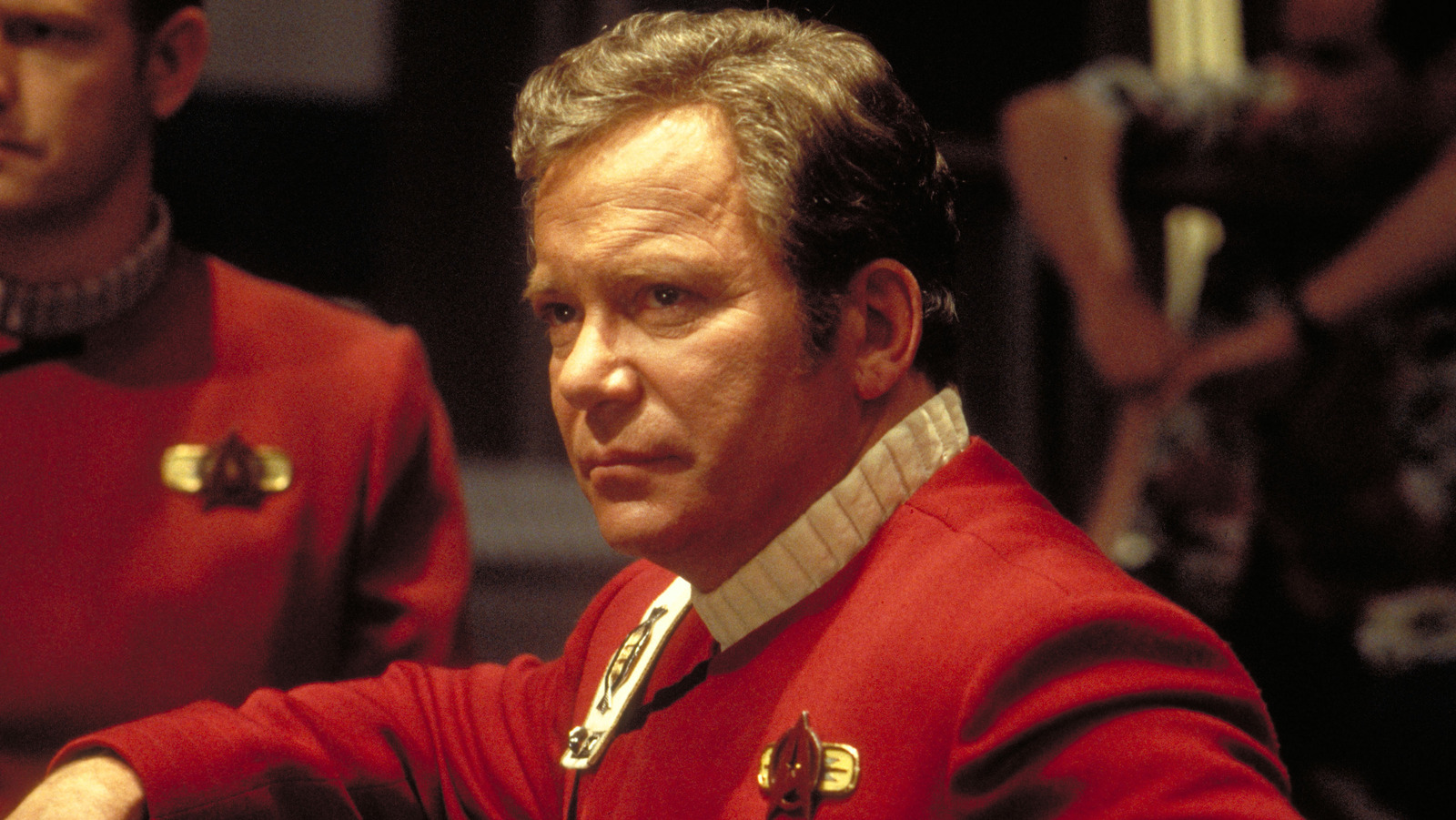
The Return Of James T. Kirk?

Sure, this title seems like your typical Aprl Fool’s Joke on Trekkers, but the possibility in official Star Trek canon was raised last week with the recent Star Trek: Picard episode, “The Bounty”. Spoiler warning for anyone who has not seen the episode.

During the episode Worf, Riker and Raffi raid the clandestine Daystrom Station. Unlike the noble, scientific think tanks named after Daystom shown and mentioned in other Star Treks, this orbital facility was the 25th century version of Area 51. The station stored many of Starfleet Intelligence’s top secret technology, weapons and alien contraband. The Daystrom Station was littered with many Star Trek Easter eggs and call backs, but the one that raised the most eyebrows among fans was the revelation that the station had the remains of Captain James T. Kirk.
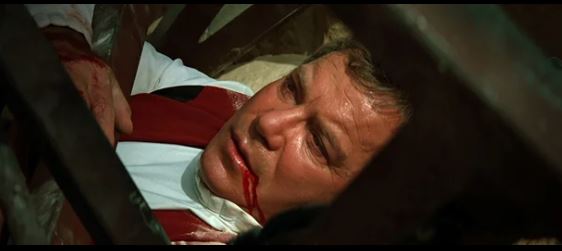
The last time Kirk was seen onscreen, as played by William Shatner, was in the 1994 film Star Trek Generations. The late, great captain of the starship Enterprise met his end anticlimatically when he fell off a bridge while aiding Captain Jean-Luc Picard. To many fans this was an unsatisfying way to kill off the beloved Enterprise captain as they felt he warranted a more heroic death. Of course, this was not the last fans saw of James Kirk as he was portrayed by other actors, notably Chris Pine and Paul Wesley. But Shatner’s version of Kirk remains the definitive Kirk that is beloved by fans and many hoped that the actor would someday reprise the role. The closest we got to that was in Star Trek: Enterprise where there were plans for Shatner to reprise the Mirror Universe version of Kirk, and Shatner was slated to cameo in the Star Trek reboot film, but these plans never came to be.
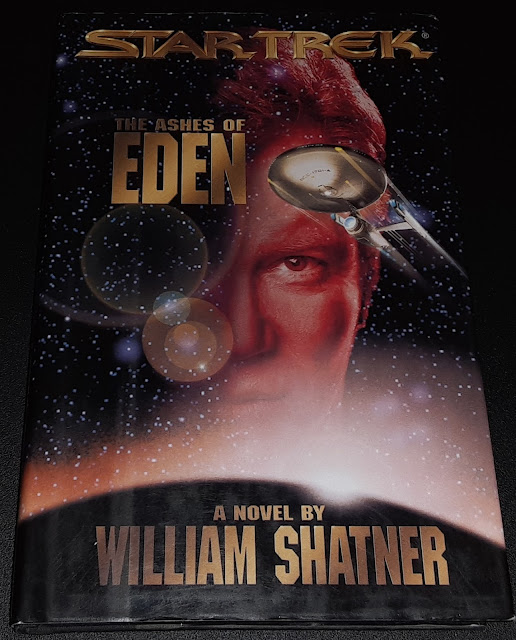
Shatner himself expressed his dissatofaction with the way his character died on screen and went as far as to co-author a series of books with Garfield and Judith Reeves-Stevens where Kirk was resurrected. The first of these post-Star Trek Generations books was The Return and its plot revolved around Kirk being revived by Romulans using Borg technology to use him against the United Federation of Planets. Kirk with the aid of many Star Trek heroes overcame this plot and went on to live a full life in the 24th century. The books, called the Shatnerverse, are considered an alternate reality for obvious reasons, Still, they were popular with Kirk fans.

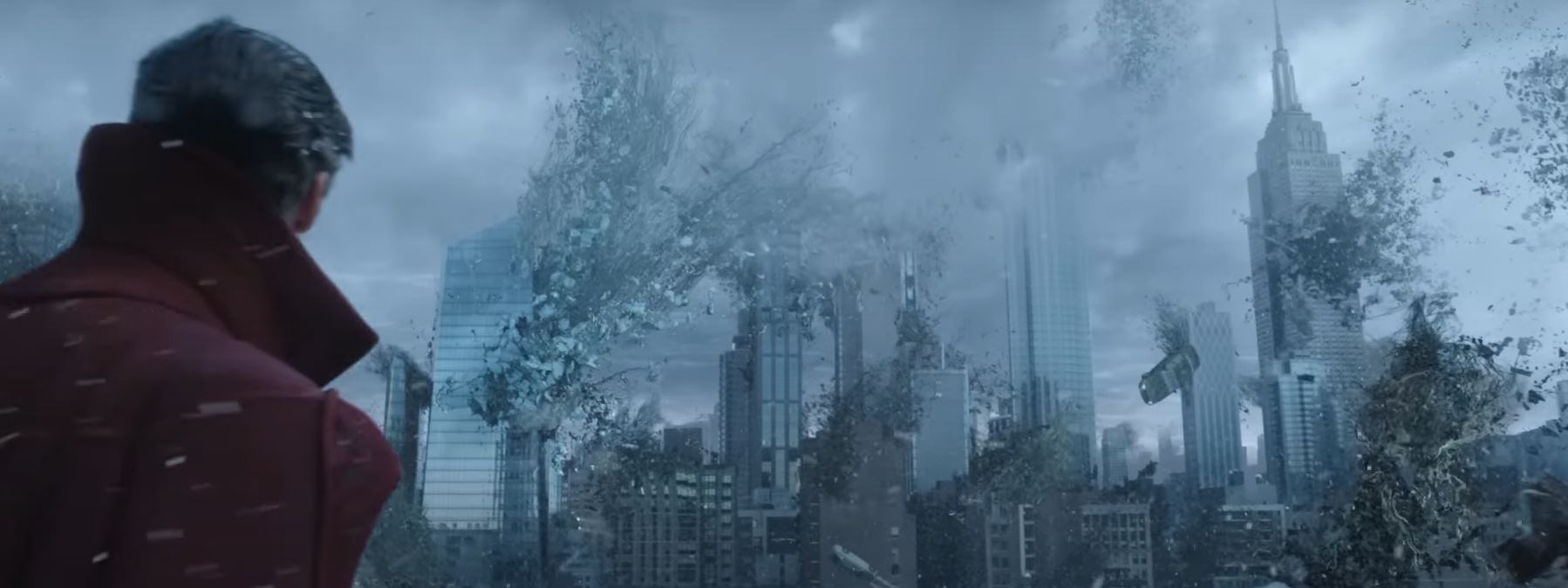
Getting back to Star Trek: Picard, which is official Star Trek canon, when Raffi passed by a containment unit in the Daystrom Station, a holographic display showed an image of a skeleton with the signage “James T. Kirk”. This image also had some biographical data and what was interesting was that the display revealed that Kirk was “critically injured” in the events of Star Trek: Generations. It does not say that he died in the film even though Picard was clearly seen standing over Kirk’s grave. So what gives?
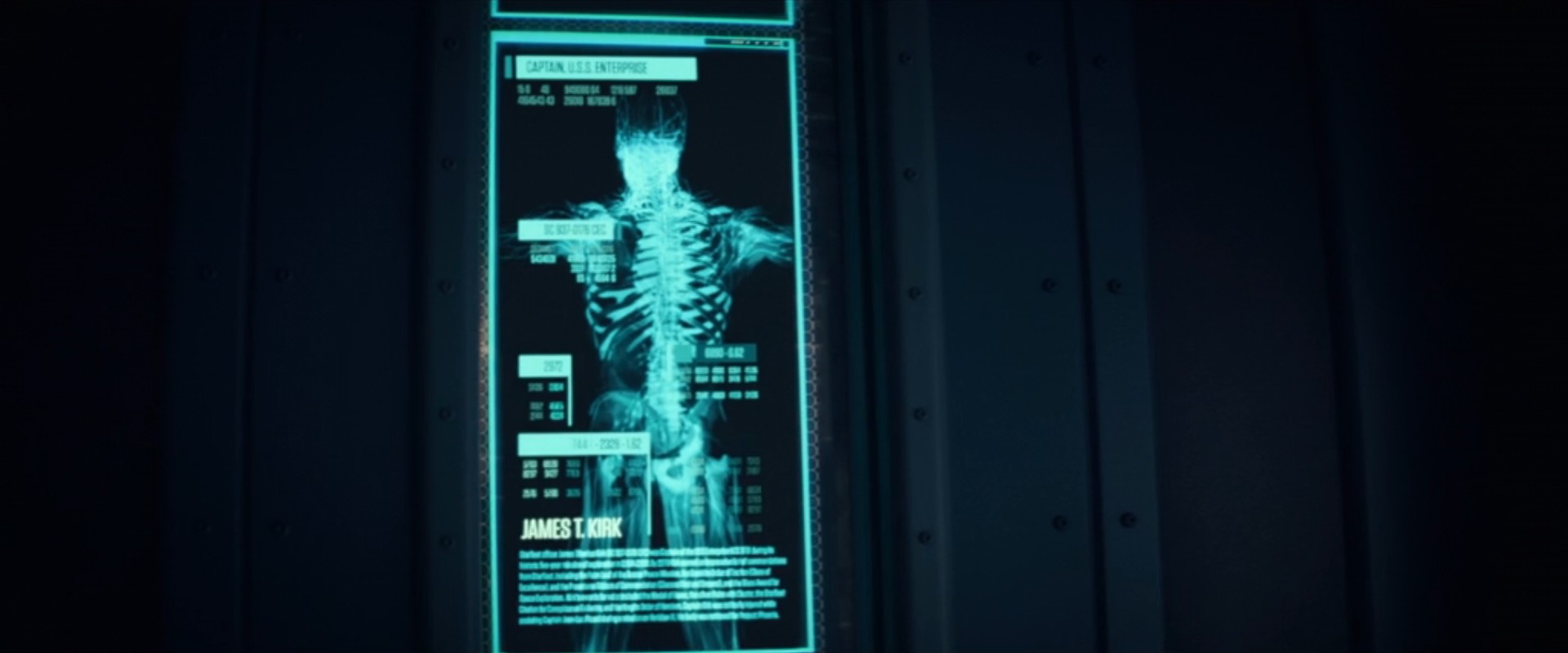
Technology will be much more advanced in the far future, especially when it comes to medicine. For all we know a critical injury like falling off a bridge and being clinically dead as we know it today may not be the actual end of a person’s life. It can be possible to revive a person hours after death in the future and it’s possible this could be top-secret technology in the Federation that is reserved for very important people. Or perhaps Kirk remained dead but Starfleet Intelligence and its black-ops offshoot Section 31 may be trying to clone James T. Kirk for their own reasons. This is not far fetched since the Romulans cloned Picard in the film Star Trek Nemesis.

Most likely nothing will come of this, but this Easter egg is fertile ground for future screenwriters. It is also unlikely that Shatner, who is in his early nineties, will reprise his role one last time. However, this tantalizing Easter egg gives fans of the legendary James T. Kirk some hope that he can somehow return someday for one last, great adventure, at least in their imaginations. After all, legends never die.
Where Are The MCU’s New Avengers?

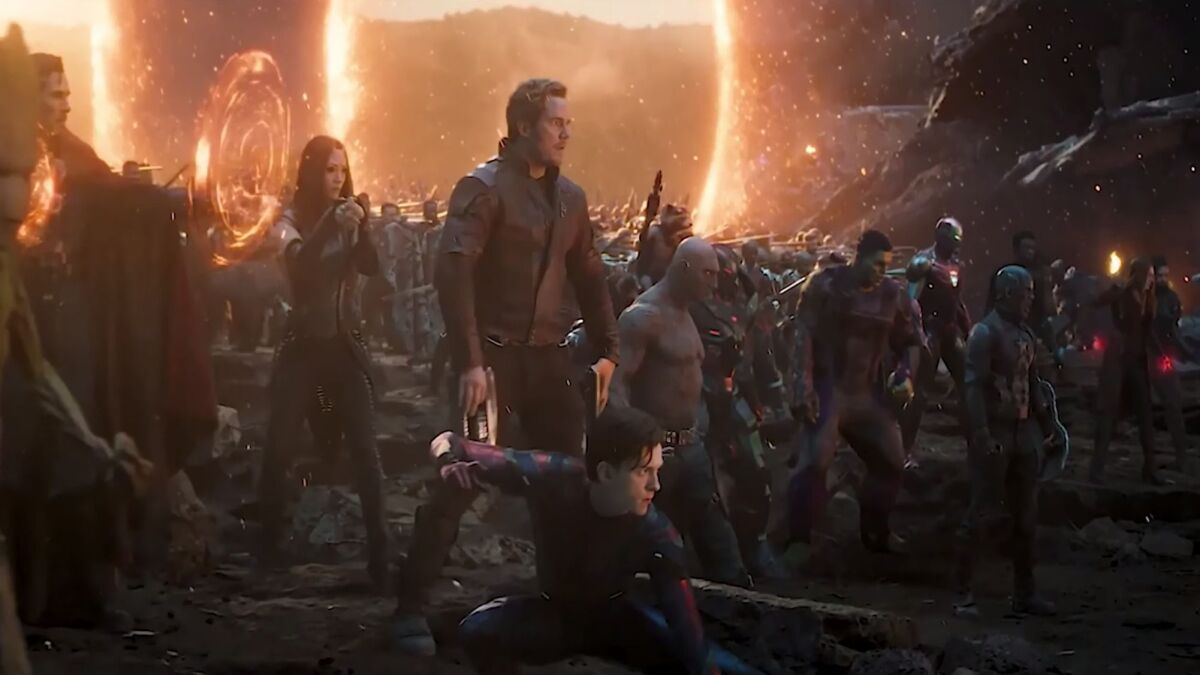
This is a nagging question that many have had ever since Avengers: Endgame. At the end of the film, after the Avengers and company defeated Thanos, the superhero team was effectively finished. Tony Stark/Iron Man and Natasha Romanoff/Black Widow were dead, Steve Rogers/Captain America went back in time and returned as Joe Biden, Bruce Banner/Hulk was maimed, Thor left for space to pursue adventure with the Guardians of the Galaxy, and Clint Barton/Hawkeye went back to retirement in order to spend time with his family. While this was a fitting way to close the chapters on these heroes, their departures left a void that has yet to be filled by another team.

This has not happened so far in the Marvel Cinematic Universe (MCU). After the Avengers split up, which was not the first time since they first broke up in Captain America: Civil War, no one came forward to continue the team. This feels irresponsible since there are still threats going on in the world and beyond, so there is still a need for the Avengers. Also, part of the reason why Thanos was triumphant in Avengers: Infinity War was because the team no longer existed. You would think the surviving heroes in Avengers: Endgame would have at least given thought to continuing the team to face any future threats.

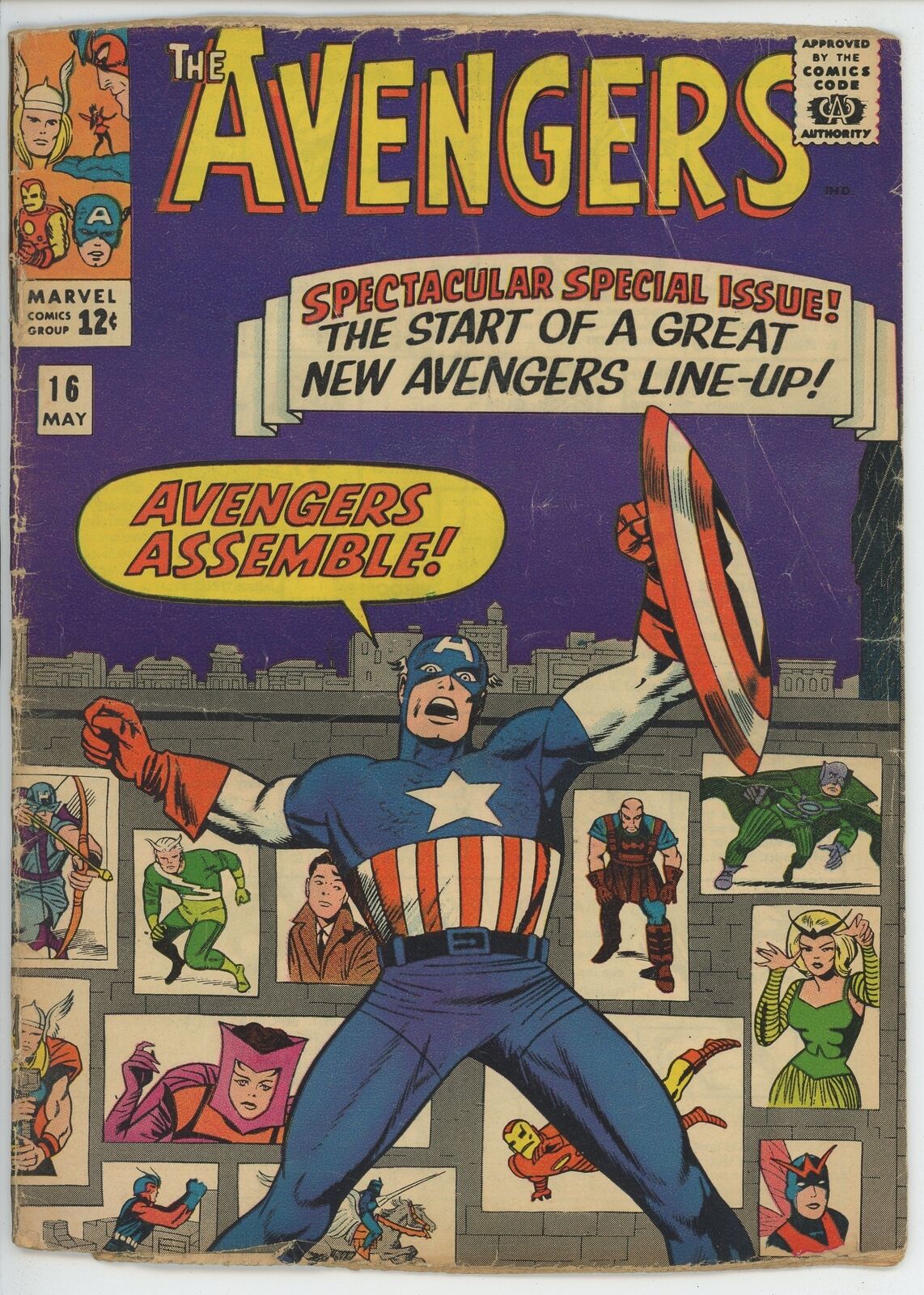
In the Marvel Comics, whenever there were a lot of vacancies in the Avengers, there would be a huge rush of heroes to fill the void of the departed Avengers to form a new roster for the team. The first time this happened with the Avengers actually was very early in the comic book’s run with issue number 16, where the OG Avengers Iron Man, Giant-Man, the Wasp and Thor left the team. This left only Captain America, who was the first recruit, to form a new team of Avengers with Scarlet Witch, Quicksilver and Hawkeye. Over time, heroes came and went as the make up of the tesm radically changed.

What is unusual about the MCU is that post-Endgame various superheroes operating solo in the films and TV shows often claim to be an Avenger, yet they are not part of an active team. We saw Spider-Man, Ant-Man, Falcon and to some extent, Hawkeye doing this in their solo films/TV shows. If there was an actual team of Avengers in the MCU after Avengers: Endgame think of how quickly the calamities would have ended for the heroes in their individual films and TV shows. Now it seems as if history is repeating itself as Kang has emerged as the next high-level threat following Ant-Man and the Wasp: Quantumania, although in Ant-Man’s defense, he believes that Kang has been killed. But we know better.

Why hasn’t there been a new roster of MCU Avengers, yet? It boils down to two reasons: Resources and leadership. With Tony Stark gone, there wasn’t anyone who could effectively bankroll the team. Sure, there is his wife, Pepper Potts, but as we saw in Spider-Man: No Way Home, Stark’s company landed in hot water with the authorities because of their drones that were used by Mysterio in Spider-Man: Far From Home. So, the company is probably not in the best financial shape to provide resources for an Avengers team. Once Iron Man and Captain America were written out of the MCU, there has been a lack of leadership in the MCU. Unlike that issue of Avengers #16, there is no Captain America or some equivalent to lead the way and put together a new roster.

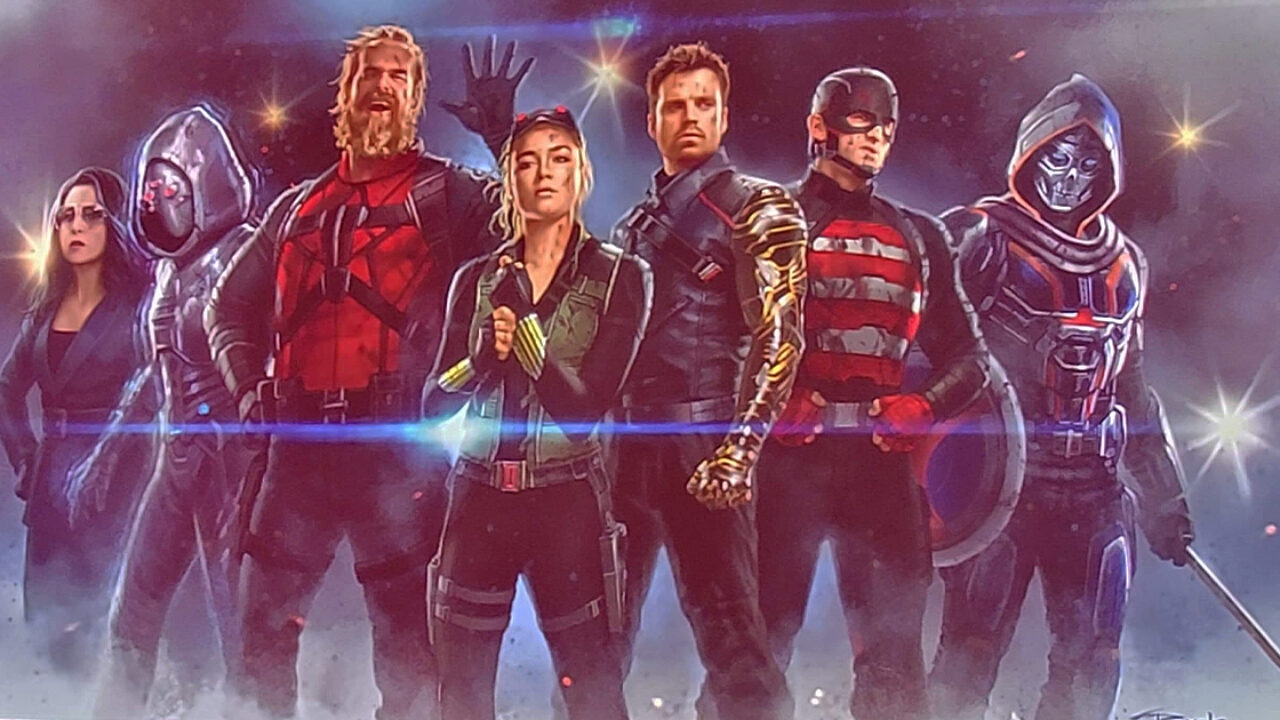
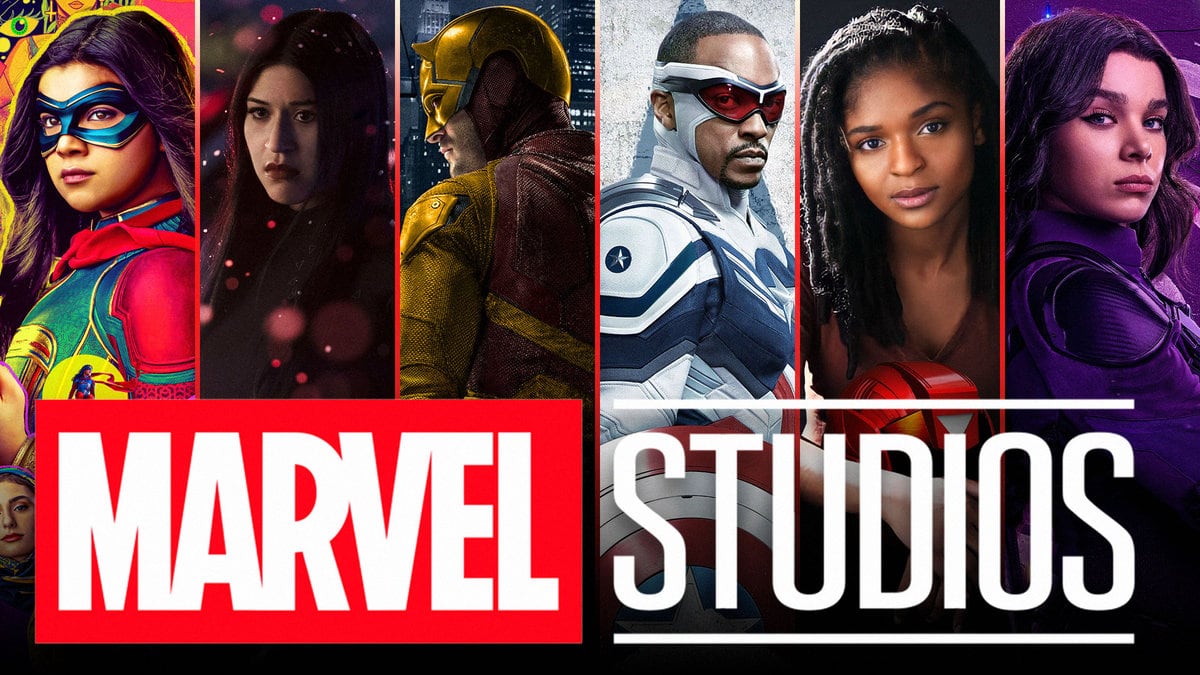
Of course, this will change fairly soon with Avengers: The Kang Dynasty and Avengers: Secret Wars. It’s clear that a new team of MCU Avengers will emerge to face a threat that no solo hero can handle, namely Kang or Doctor Doom. This may start to happen with next year’s Captain America: New World Order, as the new Capain America/Sam Wilson, who has no super-soldier serum, is forced to create a new team of Avengers. The Thunderbolts could also serve as a catalyst for a new roster of Avengers. Made up of mercenaries, the Thunderbolts in their debut film will probably operate in a less-than-noble manner and prompt the creation of a new Avengers team for the MCU. It’s too bad the MCU version of the Thunderbolts could not more closely match the original comic book counterpart, but to keep the true nature of the team under wraps would be impossible for fans and the “surprise” reveal would lack the same impact as the end of Thunderbolts #1.

There have been recent rumors that the new Captain America would not lead the new Avengers and Spider-Man would do so instead. That is hard to believe for real-world reasons in that the Spider-Man film rights are held by Sony Pictures and it is unlikely that Marvel Studios would have the leader of the Avengers be a character they don’t own the rights to. It will be interesting to see who else will lead the team if not Captain America.

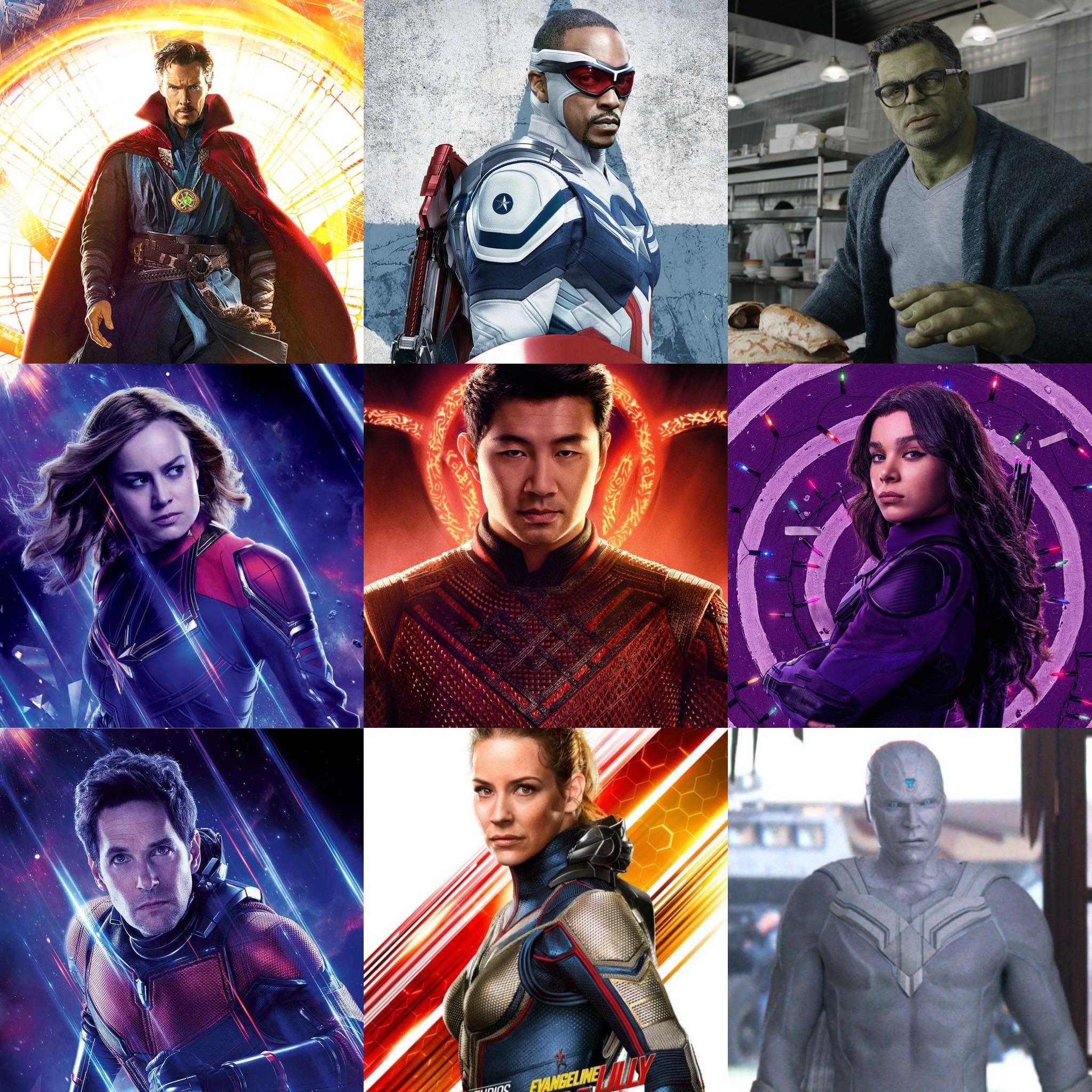
An interesting development that the MCU could do is have the Young Avengers become the de facto Avengers, at least briefly. We have seen many of the Young Avengers members like Kate Bishop, America Chavez, Patriot, and Stature appear in the MCU. Perhaps they will be the new Avengers led by Sam Wilson, or the team could be made up of the following: Captain America, the Hulk, She-Hulk, Ant-Man, the Wasp, Doctor Strange, Black Panther, Spider-Man, Shang-Chi, all three of the Marvels, and some members of the Eternals and even the Thunderbolts.

Part of the fun right now is speculating over who will be in the new lineup of MCU Avengers. The waiting for the revelation will be worth it as soon as the new team in the films rallies with the iconic battle cry “Avengers Assemble!”.

The Eve Of Marvel’s Phase Five

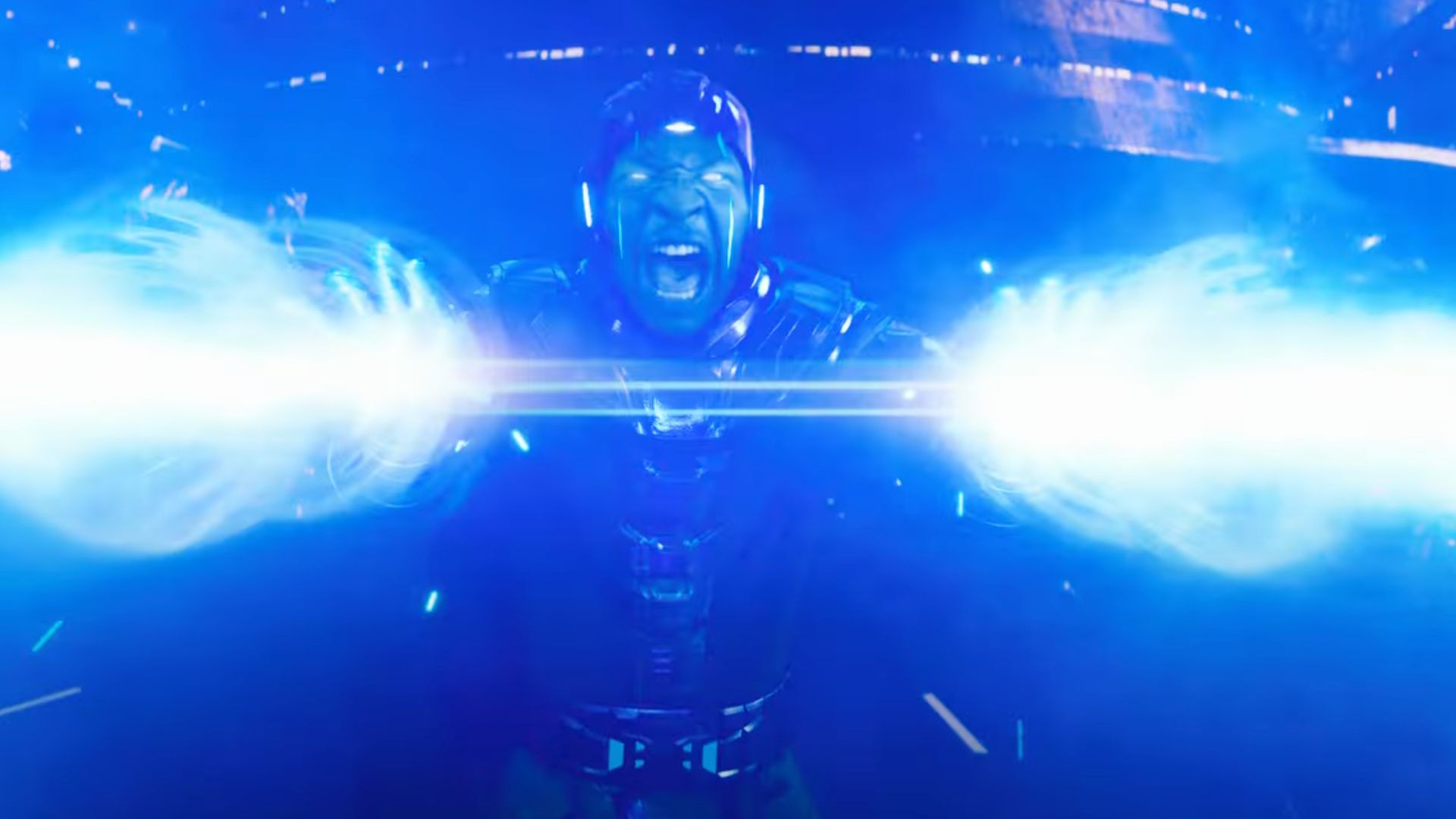
Phase Five of the Marvel Cinematic Universe (MCU) launches this week with the wide release of Ant-Man and the Wasp: Quantumania. The film is supposed to help pave a firm direction for the MCU with the introduction of the next big bad of the MCU, Kang the Conqueror, and will culminate with the next Avengers films, Avengers: The Kang Dynasty and Avengers: Secret Wars. What should be noted is that the next Avengers films will be part of Phase Six, so Phase Five will serve to set up the grand finale of the so-named Multiverse Saga.

Many MCU fans are hoping that after the mixed results of Phase Four that Phase Five will course correct for the MCU and keep the cinematic universe on top. There were many issues with Phase Four such as a lack of focus, films and TV shows that were not as high in quality as the previous MCU offerings, and so on. There were also many successes and material that Phase Five and Six will build upon, especially with the introduction of the Multiverse concept. Ant-Man and the Wasp: Quantumania is rumored to dwell on this with the inclusion of Kang, who is a time-traveling villain.

There are many reasons why Phase Four of the MCU was not as revered as previous phases. Given the success of the MCU, there has been increased pressure by Disney to Marvel Studios to create more films and TV shows (the TV shows were a new feature for the MCU beginning with Phase Four) at a faster rate. This overstretched the capability of Marvel Studios to maintain the level of quality with previous MCU projects. Adding to the release pressure was the COVID-19 pandemic which severely affected productions and created delays, which we’re are still grappling with today. Then there were the expectations of fans and the fact that many of the MCU products simply were not as appealing since popular characgters like Iron Man and Captain America were absent. Many of these issues still remain as Marvel Studios plows ahead with Phase Five of the MCU, but hopefully they are better prepared to meet the challenges.

When being critical of Phase Four it is important to realize that it did a lot more to help set up the Multiverse Saga. Films like Spider-Man: No Way Home and Doctor Strange in the Multiverse of Madness were important to the Saga, as well as TV shows like Loki and What If…? Phase Four also set up plot lines and characters that will be further explored in Phase Five and beyond. Both TV shows will have second seasons as part of Phase Five, which will dive even deeper into the concept of time travel and alternate realities. The second Doctor Strange film also introduced the plot line of Incursions, where traveling to different realties will ultimately cause them to collide and destroy one another. This was a major plot line in Marvel Comics that culminated with the second Secret Wars mini-series event. With a title like Avengers: Secret Wars it is certain that the upcoming film will be a loose adaptation of the comic book mini-series. By now, given how well received Marvel Comics storylines were adapted in MCU films, even if they were adaptations in name only, the Secret Wars film will also be acclaimed.

Aside from Ant-Man and the Wasp: Quantumania the only Marvel film that directly deals with the Multiverse will be Deadpool 3, which is due next year. This film is technically not part of the MCU or Phase Five, but it reportedly will deal with Deadpool and Wolverine traveling through alternate realities and it’s fairly certain that the two will visit the MCU. There are also rumors that a third Doctor Strange film is in the works, which will deal with Incursions as seen in the post-credits scene of the last Doctor Strange film. But if this film is made it most likely will be a part of Phase Six as the Multiverse storyline starts to ramp up.

The remaining Phase Five films and TV shows will either be about new characters (Blade, Daredevil: Born Again and Thunderbolts) or continue individual stories that, as far as we know, doesn’t involve the Multiverse (Guardians of the Galaxy Volume 3, The Marvels, Captain America: New World Order, Echo, Secret Invasion, Ironheart and Agatha: Coven of Chaos). However given the subtitle of Coven of Chaos, it is possible the Agatha Harkness TV show might have something to do with the Incursions or the Multiverse.

There is also the wildcard to consider for Phase Five: another MCU Spider-Man film. In the past, Spider-Man films have never been part of official MCU film announcements. That is because the film rights to the superhero are held by Sony Pictures, who is off trying to launch their own cinematic universe based on Spider-Man characters. But given the huge success of Spider-Man: No Way Home and that many consider it to be the best Phase Four film, it is obvious that Sony is planning a fourth MCU Spider-Man film. Will it be produced in time to make it part of the Phase Five slate? That is unknown at this time. If filming starts later this year, it is possible the film will be completed in time to be scheduled for a 2024 release and be part of Phase Five. Otherwise, the fourth MCU Spider-Man film will be part of Phase Six.

Given that Phase Four of the MCU was not as well received as previous MCU films, Phase Five of the MCU will be subjected to greater scrutiny by fans. In other words, Phase Five of the MCU has to deliver much more than Phase Four. The people behind the films and TV shows are aware of this and will do their best to deliver the same quality product that were so revered by fans in the past. While some expectations have been lowered for the MCU and superhero films and TV shows it is unwise to count out Marvel Studios and the MCU at this point.

José Soto

Reaction To The New DCU Announcement

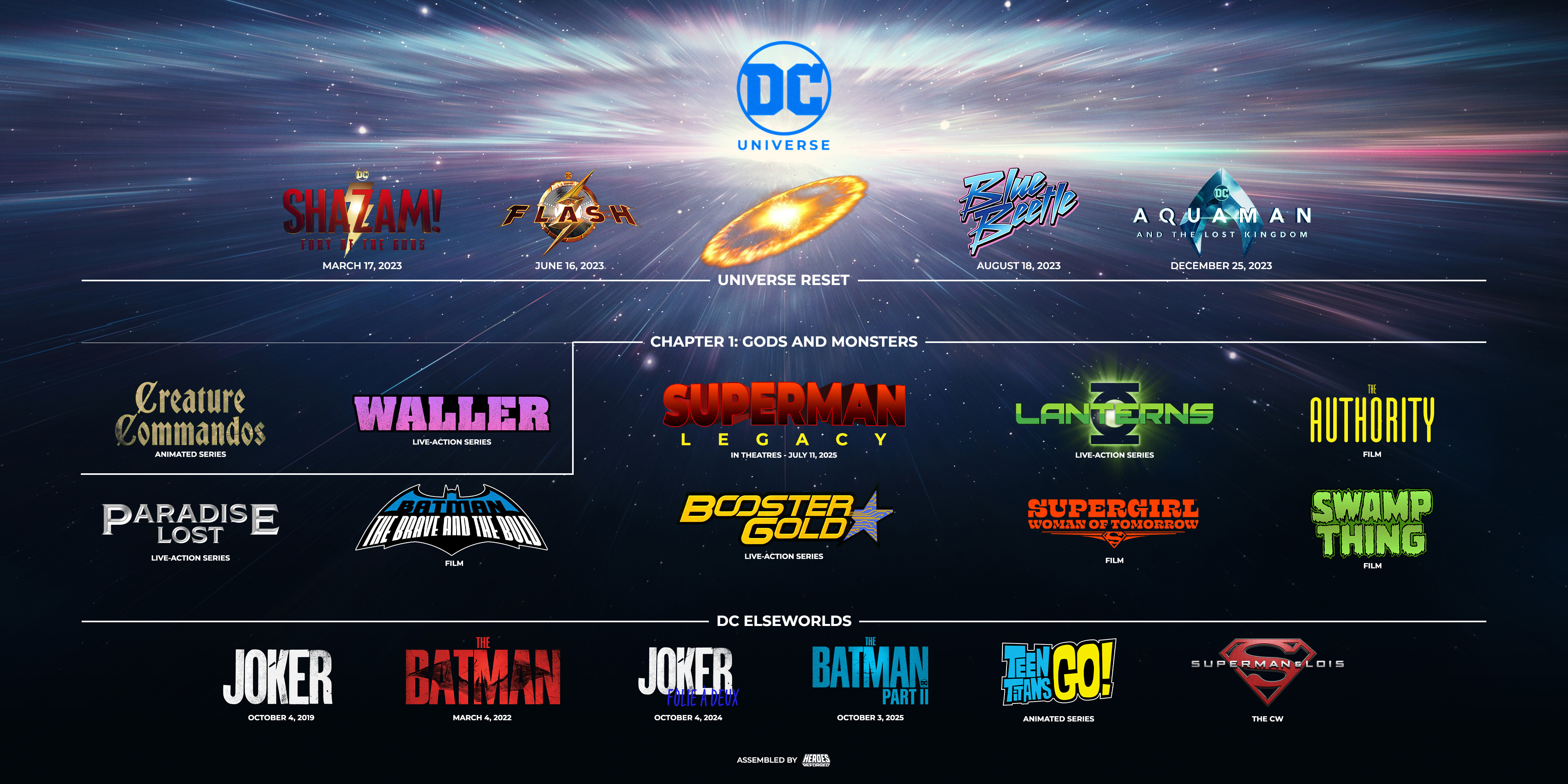
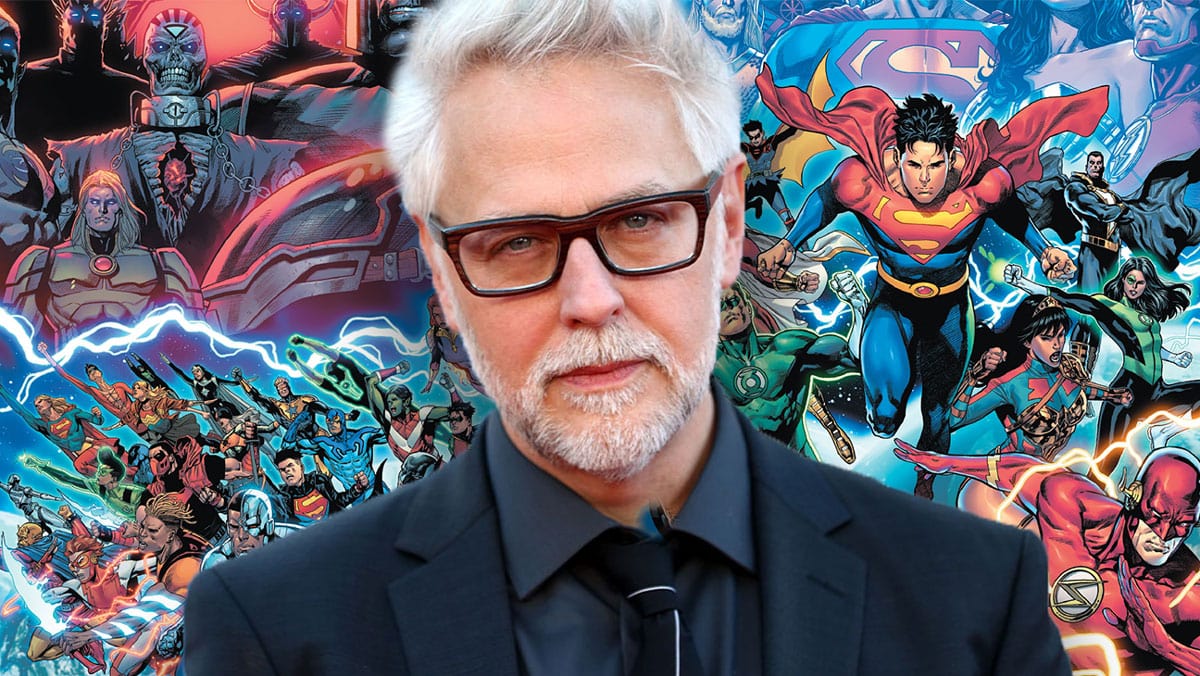
To be frank, it was best to wait a few days after the announcement from DC Studios’ head James Gunn about their new slate of DC Universe (DCU) films and TV shows. The immediate reaction for these types of announcements often run wildly until the news is fully digested. What was interesting about Gunn’s announcement was not the rage from fans of the ending DC Extended Universe (DCEU), but the large collective shrug from most.

There are many reasons for the various reactions, but the pervailing muted response has to do with the content of the upcoming DCU films and TV shows and that fans have been burned before with the intial announcement of the DCEU. When the first batch of DCEU films were announced last decade there was a lot to get fans super excited, especially with Batman v Superman: Dawn of Justice. Now we know how all that turned out. Some of the films were never made (with The Flash finally premiering later this year), while some released films failed to deliver. Then there is the fact that some of the more well-received aspects of the DCEU, namely actors like Henry Cavill and Gal Godot, will not be a part of the DCU. So, naturally the skepticism and outrage was expected.

But let’s face the truth: the DCEU was a failure. Blame the executives at Warner Bros.. Blame the producers, writers, directors and actors. Blame the unrealistic expectations and toxic fans. But the fact remains that there were too many missed opportunities and that Warner Bros. was too reactionary. Instead of trying to fix what was wrong with the DCEU, the film studios had a scattershot approach to their DC properties. They ignored what worked with the DCEU and doubled down on films and TV shows that featured DC characters, but were not connected to the DCEU. What made things worse for the cinematic universe was that non-DCEU films like Joker and The Batman were huge successes. More and more DC films and TV shows were greenlit that were not part of the DCEU, while the DCEU itself was left behind.

This was a mistake. Warner Bros. have the characters in a shared superhero universe that should have rivaled Marvel Studios and their properties. While this may please Marvel fans, the fact is that Marvel Studios needs healthy competition to keep them on their toes, and we were seeing the effect, as their recent films and TV shows were not as well received as earlier releases.

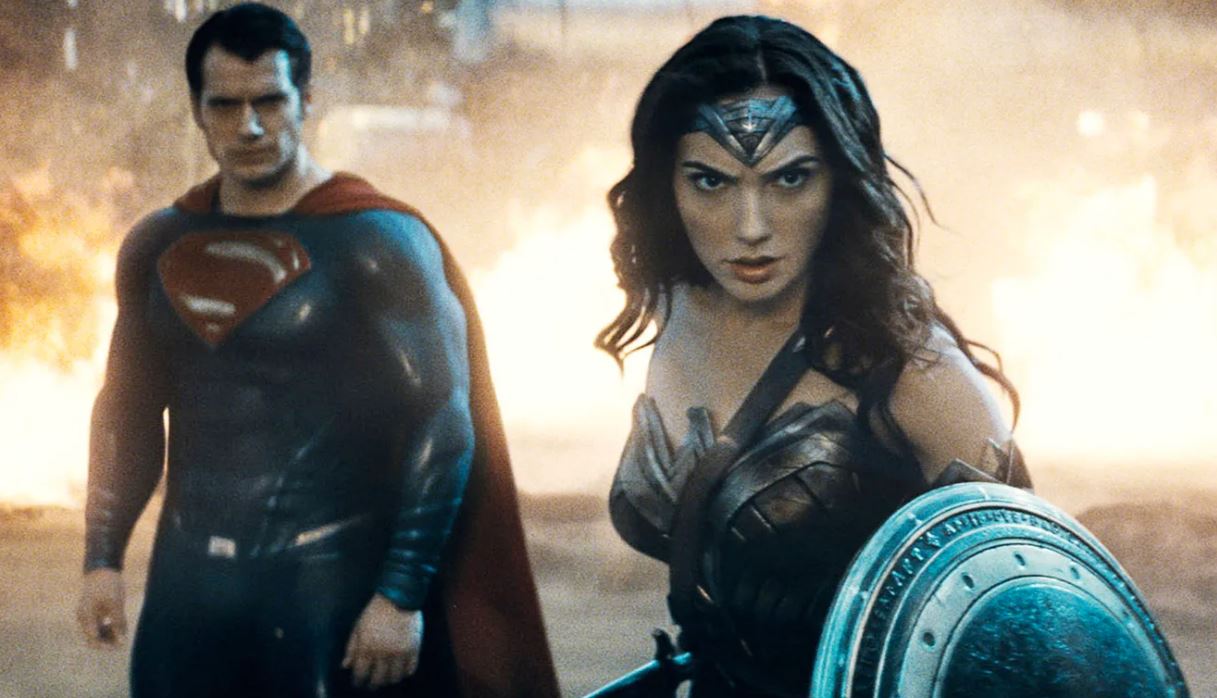
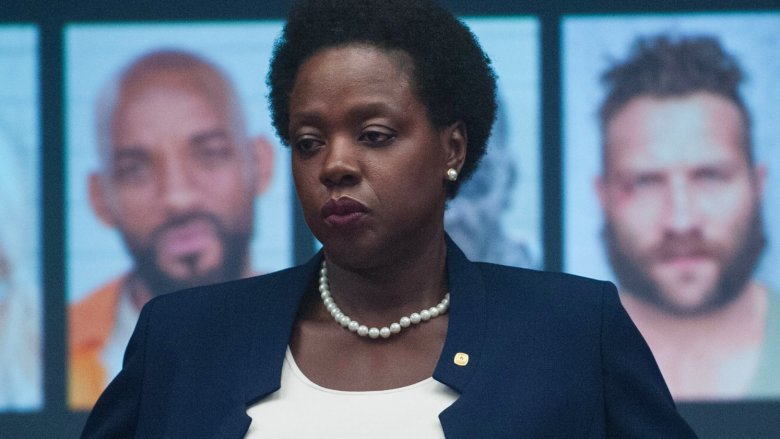
What could have been done to salvage the DCEU? Nothing, at this point. James Gunn took the right approach by starting over. But there should have been a complete reboot. Instead we are getting a TV show about Amanda Waller starring Viola Davis, who was prominent in the DCEU. Then there are reports that other actors from the DCEU like Ezra Miller will be a part of the DCU. Why keep Davis and Miller but not Cavill and Gadot? The latter two actors were very popular and turned in iconic performances as Superman and Wonder Woman. Unfortunately, while they were great in their roles they are too identified with the DCEU and nervous executives probably feared that keeping them in a new cinematic universe would be too confusing for the average moviegoer. Whatever.

On the other hand, to dismiss the DCU without seeing the final product is foolish. James Gunn is a very talented filmmaker who took the obscure Marvel Comics property Guardians of the Galaxy and made them beloved superstars. He also did this to a lesser effect with DC characters in his film The Suicide Squad and TV show Peacemaker.

Do some of the announced films and TV shows sound uninspiring? Sure. Who is clamoring for Waller or The Authority or Paradise Lost (sorry this last announced project seems too much like Game of Thrones)? Who the hell can replace Henry Cavill? Anyone trying to answer this should remember how many fans were attached to Christopher Reeve as Superman or bemoaned about how Brandon Routh was short changed. Who knows, maybe Cavill and Gadot will return at some point. It happened to Routh when he had the opportunity to reprise Superman in the Arrowverse version of Crisis on Infinite Earths. That is one crossover event that is begging to be redone properly by Gunn and his people.

It stinks that we have to wait until 2025 to see the first DCU entry Superman: Legacy, but until then we should be patient and see what happens. We should also be rooting for the DCU to succeed because if it falters like the DCEU then it will be a long time before such effort is made to create a live-action cinematic universe based on the beloved DC characters.

The DCEU: How It Should Have Launched

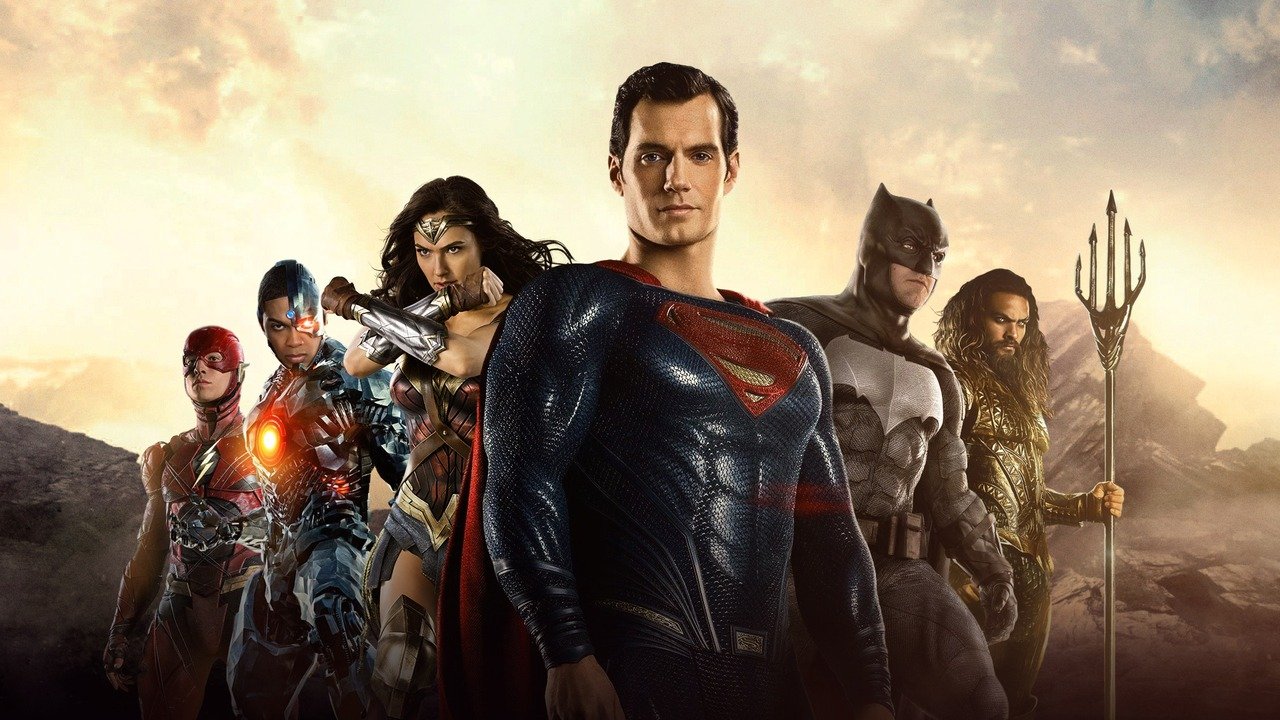
Whether we’re excited for what James Gunn and Peter Safran have planned for their relaunched films based on DC Comics properties or lamenting the demise of the DC Extended Universe (DCEU), it is clear by now that the DCEU has lost its way.

There are many reasons why the DCEU ultimately faltered and a common factor that many point to has to do with the schedule of its early films and who they were centered on. Many fans have griped that there never was a proper sequel to Man of Steel or that Batman never had a solo film, while other announced films have yet to materialize.

So, could the DCEU have succeeded early on? It is possible and there are many avenues the films could have taken. Some have suggested that the DCEU films should have taken a gradual approach in introducing the heroes before releasing Justice League in the same way Marvel Studios led up to the release of The Avengers. There were many reasons why Warner Bros. did not take this approach with their reps publicly stating they did not want to copy the formula used by Marvel Studios. But if they did try to emulate the formula, how would the DCEU have turned out? Let’s look further.

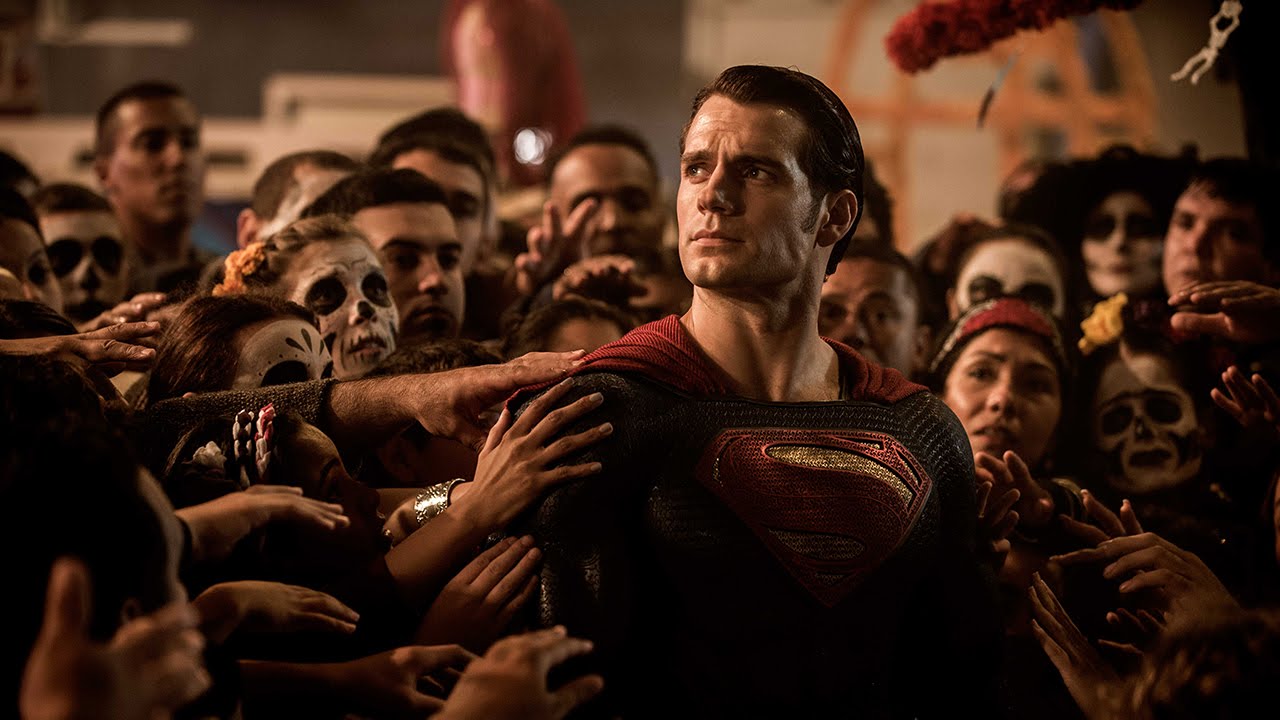
The first film of the DCEU, Man of Steel, is released in 2013 as it happened in real life. Except, this time the film would have more Easter eggs to a greater DCEU instead of a quick glimpse of a satellite belonging to Bruce Wayne. The film would have a post-credits scene which would show a news montage about the Kryptonian invasion of Earth and the revelation of Superman. As the talking heads would debate about an alien being walking among us, the images would pull back to show they are coming from a TV screen or monitor and we would see that this scene is taking place in the Batcave or in S.T.A.R. Labs.

2015

Instead of waiting until 2016 to release the next DCEU film, Warner Bros. would release two films in 2015. A proper sequel to Man of Steel called Man of Tomorrow, which would be a solo Superman film, and a solo Batman film called The Caped Crusader.

Man of Tomorrow would have been very similar to Batman v Superman: Dawn of Justice except that Lex Luthor would have been recast and Batman/Bruce Wayne would only make brief appearances. He never would have fought or even met Superman. That opening in Batman v Superman: Dawn of Justice where Bruce Wayne personally witnesses the destruction in Metropolis from Superman’s fight with the Kryptonians would swap out Wayne with Luthor. This gives Luthor more of a reason to hate Superman because he saw firsthand the danger of this superpowered alien. The rest of the film would have explored the ramifications of Superman’s presence in the world with Luthor trying to discredit him. The film could have had references to other DC heroes who at this time are operating in the shadows or have not become superheroes yet.

Like Batman v Superman: Dawn of Justice, Man of Tomorrow would have concluded with Superman confronting by himself a genetic monstrosity that Luthor created but instead of Doomsday it would have been an evil Superman clone, who we would know was a malevolent version of Bizarro. The film would include two post-credits scenes. One would show that Luthor had created another genetic opponent for Superman that was locked up. This creature would have been revealed to be Doomsday. The other scene would take place in another world and reveal that the recent superhuman activities have caught the attention of Darkseid.

The Caped Crusader film would be a proper solo film for Batman and it would have shown Batman to be coming out of semi-retirement. It also would have shown that Batman is largely considered to be an urban myth but by the end of the film, Batman would be revealed to be an actual person who fights crime. The Joker would not appear in the film or even be hinted at. Instead the villain would be Deathstroke as The Caped Crusader would have been based on Ben Affleck’s script for the scrapped Batman solo film where Deathstroke blamed Batman for the death of his son and tried to get revenge on Batman. As with Man of Tomorrow, the Batman film would have had references to the greater DCEU and possibly featured Superman in a cameo, probably as part of a newscast. It possibly could have introduced Diana Prince as a mysterious and potential love interest for Wayne. The film also would have post-credits scenes that set up a sequel and have Prince revealed to be Wonder Woman.

Continue reading