Marvel (MCU) & Star Wars Have A Bright Future At Disney

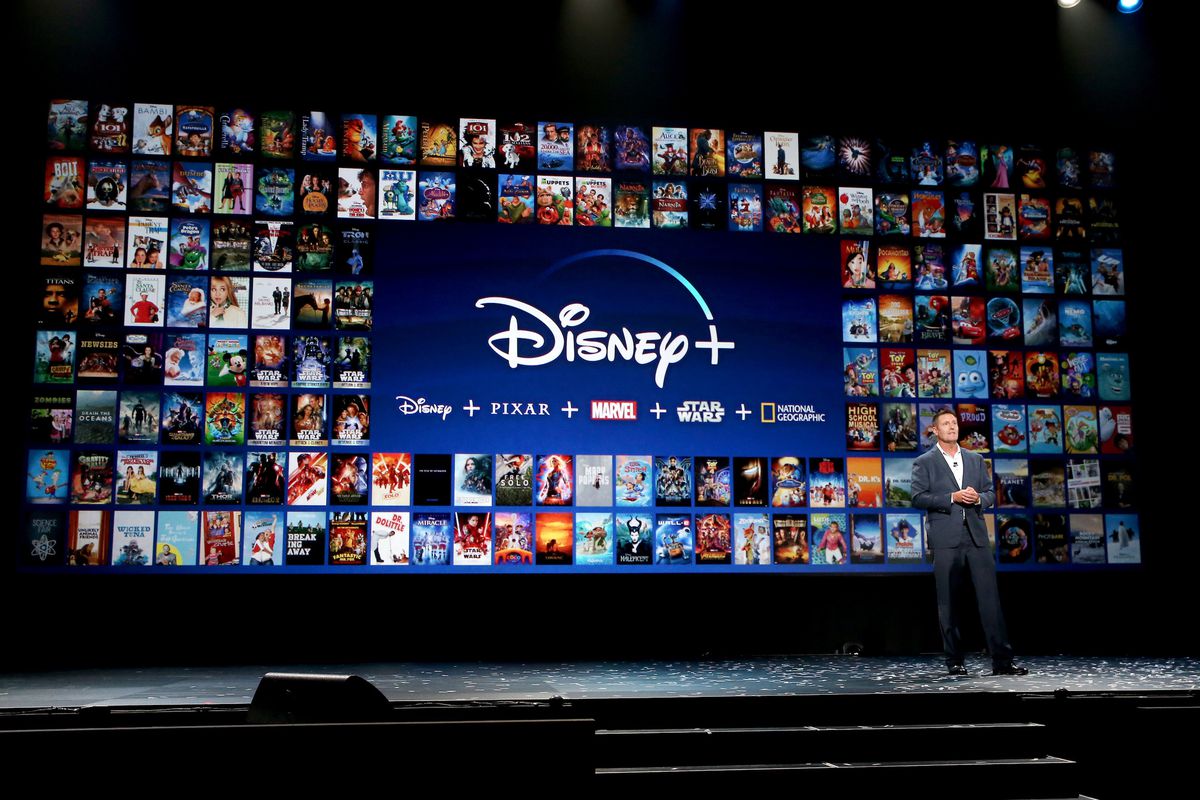
By now, everyone reading this must have heard of the Disney 2020 Investor Day announcements on Decelber 10, which left us geeks and nerds salivating and tickled pink with excitement over what Disney has planned with our favorite IPs in their Disney+ streaming platform and theatrically. That last point alone is enough to hearten us since Disney more or less declared that the theatrical viewing experience will not die out. The best example of their commitment came when presenter and Marvel Studios head, Kevin Fiege, affirmed that the long-delayed Black Widow film will debut in theaters next May. This squashed any rumors that the film would premiere first on Disney+ and marks a return of the Marvel Cinematic Universe (MCU).
MCU Phase 4

Marvelous News

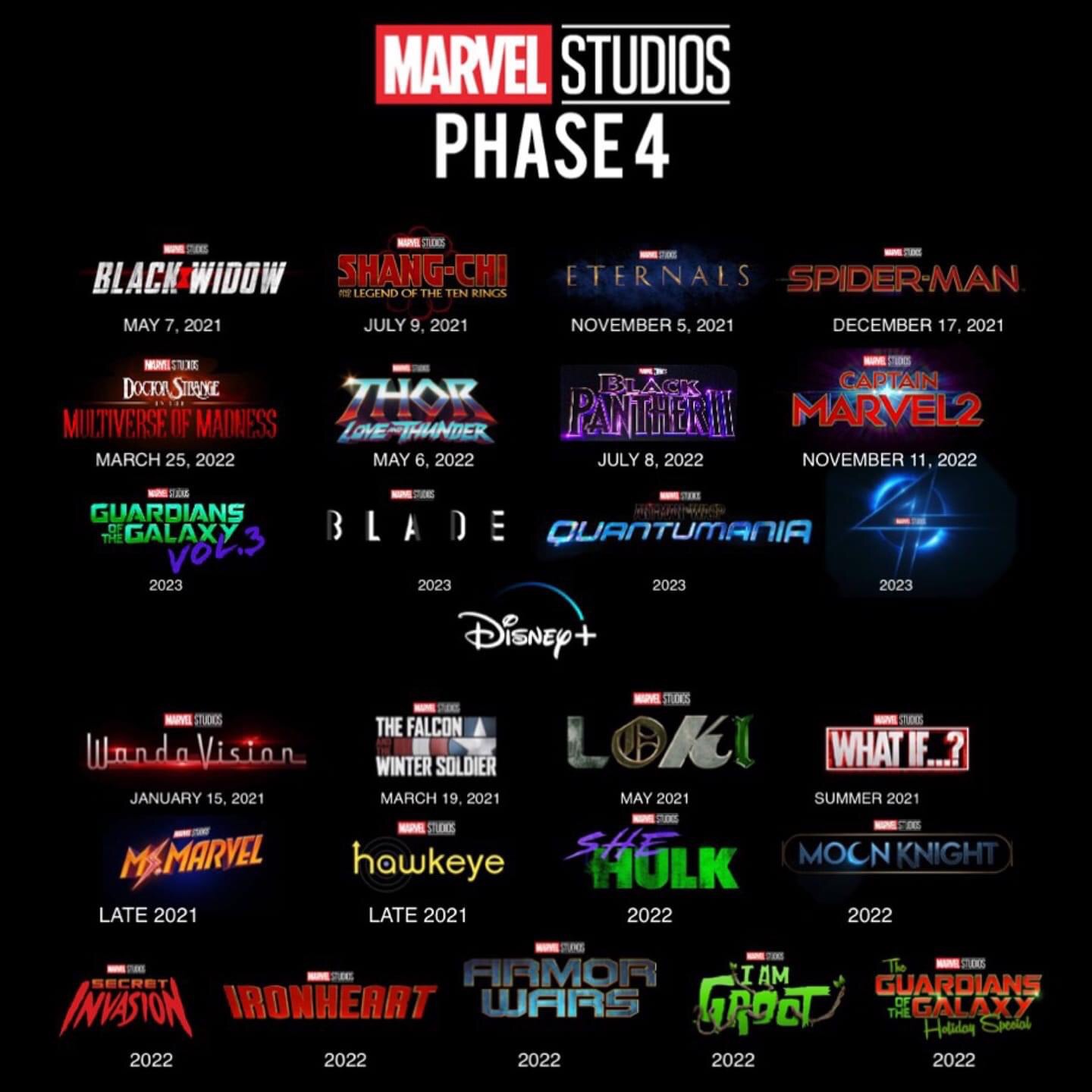
Kevin Feige gave perhaps the most anticipated presentation since we’ve all been suffering from MCU withdrawal this year. Fortunately the wait will soon end as WandaVision will finally stream next month on Disney+ and the new trailer shown on Disney 2020 Investor Day was just as bizarre and trippy as the previous trailers. WandaVision looks like it will be a pivotal anchor in the MCU going forward and is rumored to be the first of a multiverse-connecting trilogy that will be further explored in the next Spider-Man film before concluding with Doctor Strange in the Multiverse of Madness. It was confirmed that the Doctor Strange sequel will feature America Chavez.

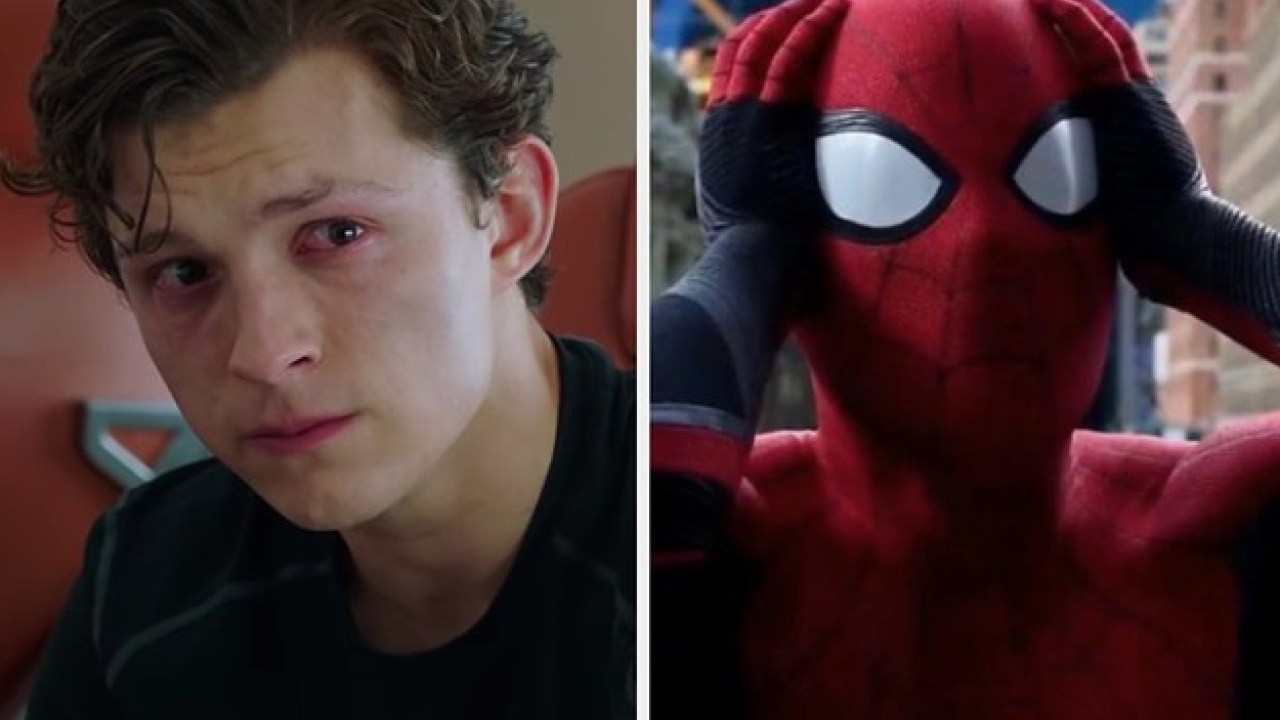
By the way, very little information was given about the new Spider-Man, probably because it’s a Sony film, but the non-stop reports about cast members from all the previous Spider-Man  films coming back just leaves us very ecstatic.

Other highlights from Feige’s presentation were the news that the She-Hulk TV show will star Orphan Black’s Tatiana Maslany, have appearances by Mark Ruffalo as Bruce Banner, and Tim Roth will return as the Abomination; two mini-series about the Secret Invasion and Armor Wars comic book events will stream on Disney+; the third Ant-Man film (Ant-Man and the Wasp: Quantumania) will feature Kang the Conqueror as the villain; Christian Bale will play Gorr the God Butcher in Thor: Love and Thunder; and from the footage shown the best were the previews of the new Loki series which will deal with the Time Variance Authority, the animated What If…, and the tantalizing behind-the-scenes footage of Ms. Marvel, who will also appear in Captain Marvel 2. Perhaps the most exciting news was the confirmation that Marvel Studios will produce a proper Fantastic Four film to be directed by Jon Watts, who directed the MCU Spider-Man films. Finally, a chance to do the Fab Four correct! Hopefully Spidey can make an appearance in that film!

Aside from Black Widow it is at this point too early to go into the release dates announced by Feige because we all know the schedule can change. But it is exciting and comforting to know that Marvel Studios is plowing full-steam ahead with their productions and 2021 will mark the Great MCU Comeback. Continue reading
Farewell To Agents Of S.H.I.E.L.D.

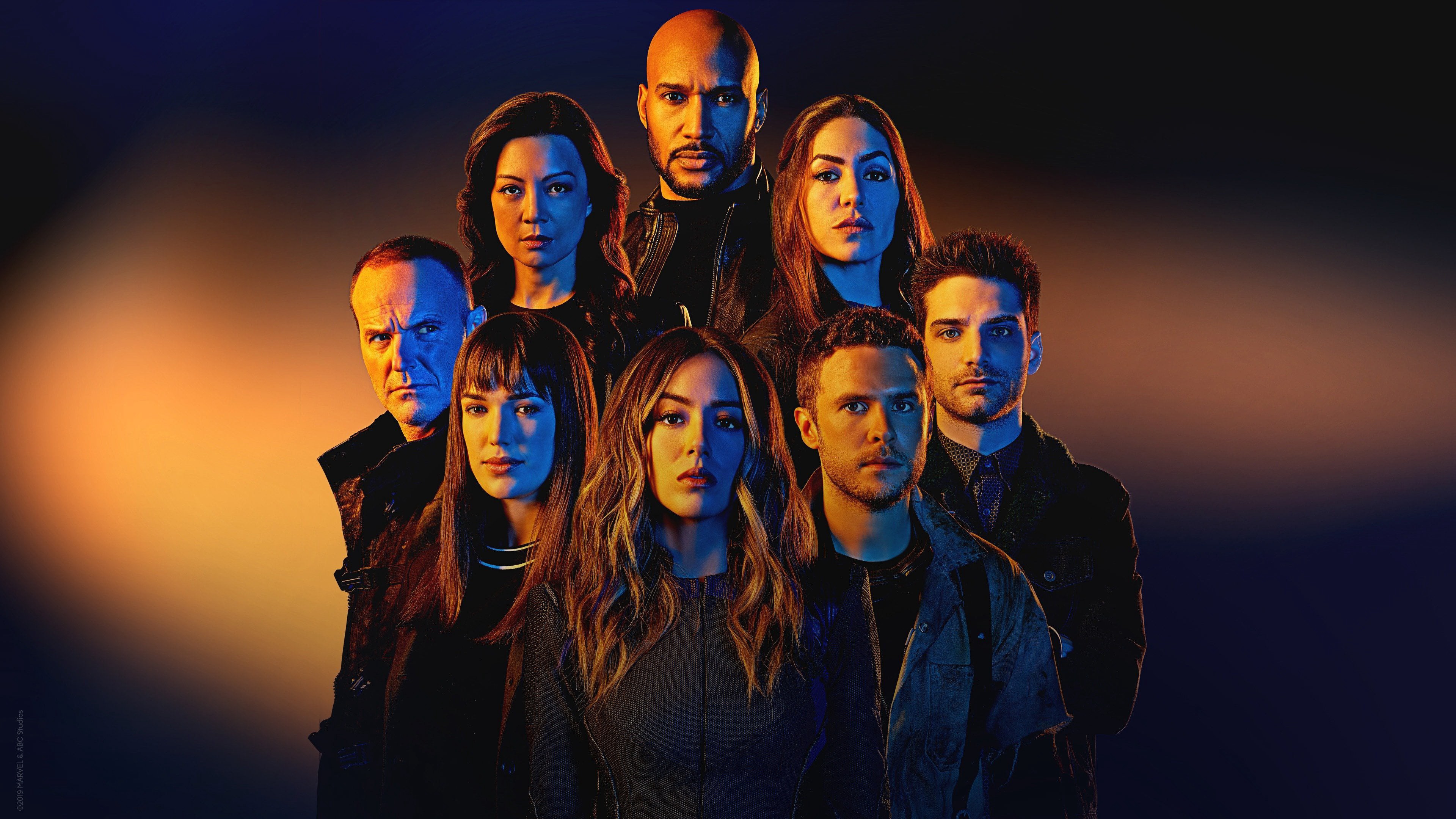
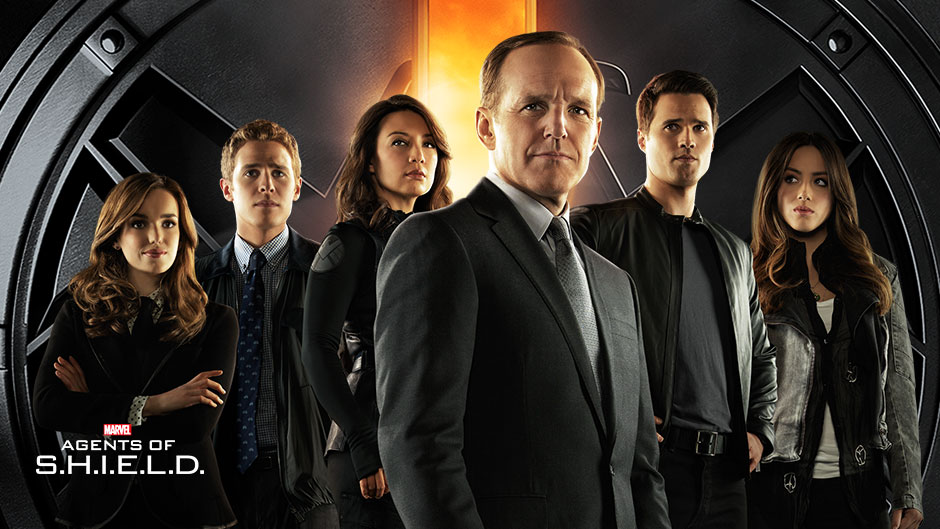
The final episode of Agents of S.H.I.E.L.D. that aired last night marked the end of an era in Marvel Comics-related television fare. The show was the last TV show produced without the involvement of Marvel Studios guru Kevin Feige. Of course, there are a couple of other shows that are coming soon like Hellstrom and some animated fare, which are not spearheaded by Feige. But with Agents of S.H.I.E.L.D.’s conclusion a chapter has been closed in a time of shows not directly related to the Marvel Cinematic Universe (MCU).

Early Missions

When Agents of S.H.I.E.L.D. debuted in 2013, there was a lot of anticipation for it. After all, Joss Whedon, the director of the hit film The Avengers, created it and directed the pilot episode, but more importantly it was supposed to be set in the MCU. It did star Clark Gregg, who played S.H.I.E.L.D. agent Phil Coulson, a recurring character in the MCU films. The complication was that Coulson was killed off in The Avengers so a big mystery in the early episodes was how he was resurrected. There were numerous other connections to the MCU such as guest appearances by Samuel L. Jackson as Nick Fury, Jaimie Alexander as Sif, Maximiliano Hernandez as Agent Jasper Sitwell, Powers Boothe as Gideon Malick and a few other actors that appeared in the MCU films. Not to mention, the early seasons of the show were directly connected to MCU films, notably Captain America: The Winter Soldier and Thor: The Dark World.

However, many viewers came away disappointed with Agents of S.H.I.E.L.D. in that many episodes were bland, unimaginative and did little to satisfy the cravings for the MCU between films. That was not entirely the fault of the show’s producers. It turned out the show was the victim of a turf war between Kevin Feige and the head of Marvel Entertainment, Ike Perlmutter. The two men often clashed over the direction of the MCU and while Feige was in charge of the films, Perlmutter handled the TV shows and other media. As we all know, Feige ultimately was allowed to directly control Marvel Studios and the MCU without having to report to Perlmutter and Agents of S.H.I.E.L.D. began its slow divorce from the MCU.

Tenuous Connections

Even before the schism fans complained about how the show was never referenced in the MCU films. Meanwhile, for a time it seemed as if Agents of S.H.I.E.L.D. namedropped whenever it could every single MCU character or incident. It was clear any connection to the MCU was a one-way street.

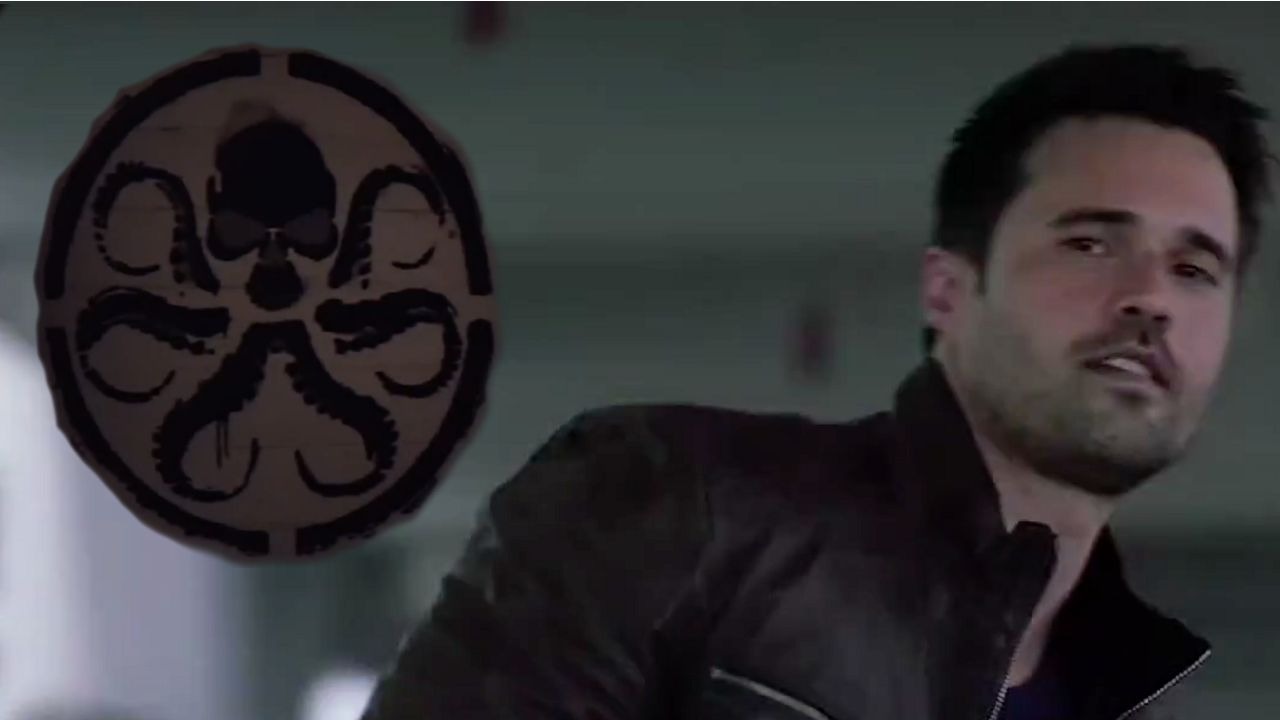
Still, despite its missteps, Agents of S.H.I.E.L.D. did find its legs and made the most of its tenuous connection to the MCU. This was best seen during the latter half of its first season which tied-in with Captain America: The Winter Soldier and that film’s plotline of the S.H.I.E.L.D. spy organization revealed as having been infiltrated by the terrorist organization Hydra. Agent Grant Ward (Brett Dalton), one of the core characters in the show, was revealed to be a Hydra agent and the show fully dealt with the ramifications of the film’s events.

A major story line that was supposed to be carried over into the films was with the Inhumans. Originally, Ike Perlmutter wanted a film made based on the characters since he wanted these superhumans to fill in the role of the mutant X-Men. At this time, Marvel Entertainment did not have the film rights to the X-Men and Permutter did not want to promote them in the remaining media. Thus, characters who were Inhumans popped up in Agents of S.H.I.E.L.D. and took on prominent roles. It went so far as to retroactively make another major character, Daisy Johnson (Chloe Bennett), to be an Inhuman (the Marvel superhero Quake). But once Feige was allowed to go his own way, he dropped any plans for an Inhumans film and the show was left holding the bag.

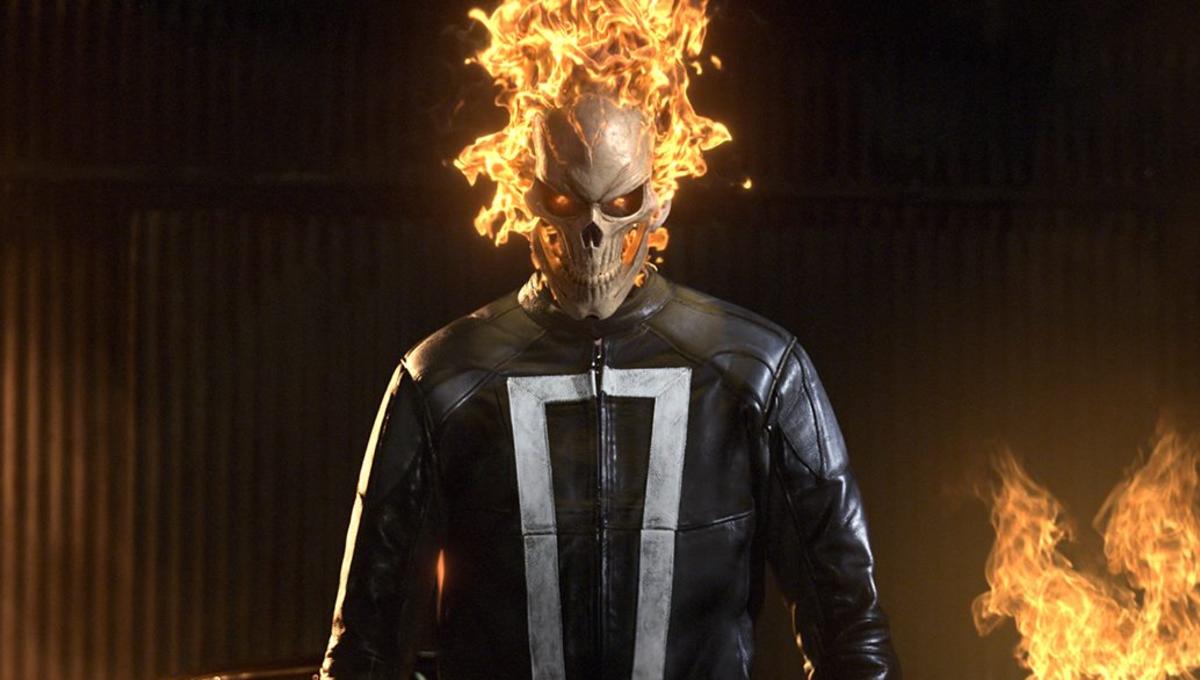
While this was frustrating, this gave the show the opportunity to find its own voice. It wholeheartedly embraced the Inhumans plot point and then embarked on season-long arcs that allowed the show to shine. It introduced other characters from the Marvel Comics such as Ghost Rider, Mockingbird, the Hive and the Aborbing Man, and they were well received by fans. At one point, Ghost Rider was to be spun off into a new series but those plans were cancelled.

Arguably its best arc was during its fifth season when Coulson’s team was hurtled into a future where Earth was destroyed and the remnants of humanity were slaves of the alien Kree. A new character Deke Shaw (Jeff Ward) a scruffy, goofy, Peter Quill-type character was introduced and became part of the team after he and the agents returned to the present to prevent Earth’s destruction. Another interesting character that joined the team was Enoch (Joel Stoffer), a Chronicom anthropologist (a race of alien androids). He was perpetually fascinated with humanity and the actor’s befuddled and whimsically befuddled mannerisms were often the highlights of episodes.

Continue reading

X-Men: Herald Of The Modern Age Of Superhero Films

It was twenty years ago on this day that X-Men premiered in theaters. While many at that time knew of the film’s potential impact, its success was still surprising given how the superhero film has grown in stature.

Before the first X-Men film came out on July 14, 2000, there were many prominent and successful superhero films that made their mark in pop culture like Superman: The Movie, Batman and The Mask. However, the splash they made was not as intense as the one X-Men made. Yes, after those films made millions at the box office, superheroes were the craze with merchandising and copycat films and TV shows, yet X-Men heralded a new and lasting age of superhero films that continues to this day (well, coronavirus notwithstanding and causing most theaters to shut down and film studios to delay film releases). It was not that X-Men was a better film than say Superman: The Movie, it probably was that it was the first genuine hit based on a Marvel superhero IP. Before anyone brings up Blade, that film was marketed more as an action/horror film and most had not heard of Blade. The X-Men were different, they were prominent in geek culture and many fans were aching for a big-budget adaptation of the superhero mutants. They wanted to see how Wolverine would be realized in live action, how filmmakers could translate the complexity of the X-Men comic books. 

Director Bryan Singer did a fine job distilling and presenting a somewhat simplified version of the X-Men. This is not a criticism but rather a compliment in that he and the filmmakers (which included future Marvel Studios head Kevin Feige) were able to strip down what worked in the comic books, which were the best characters to bring forth, and knew what would resonate with audiences and fans. 

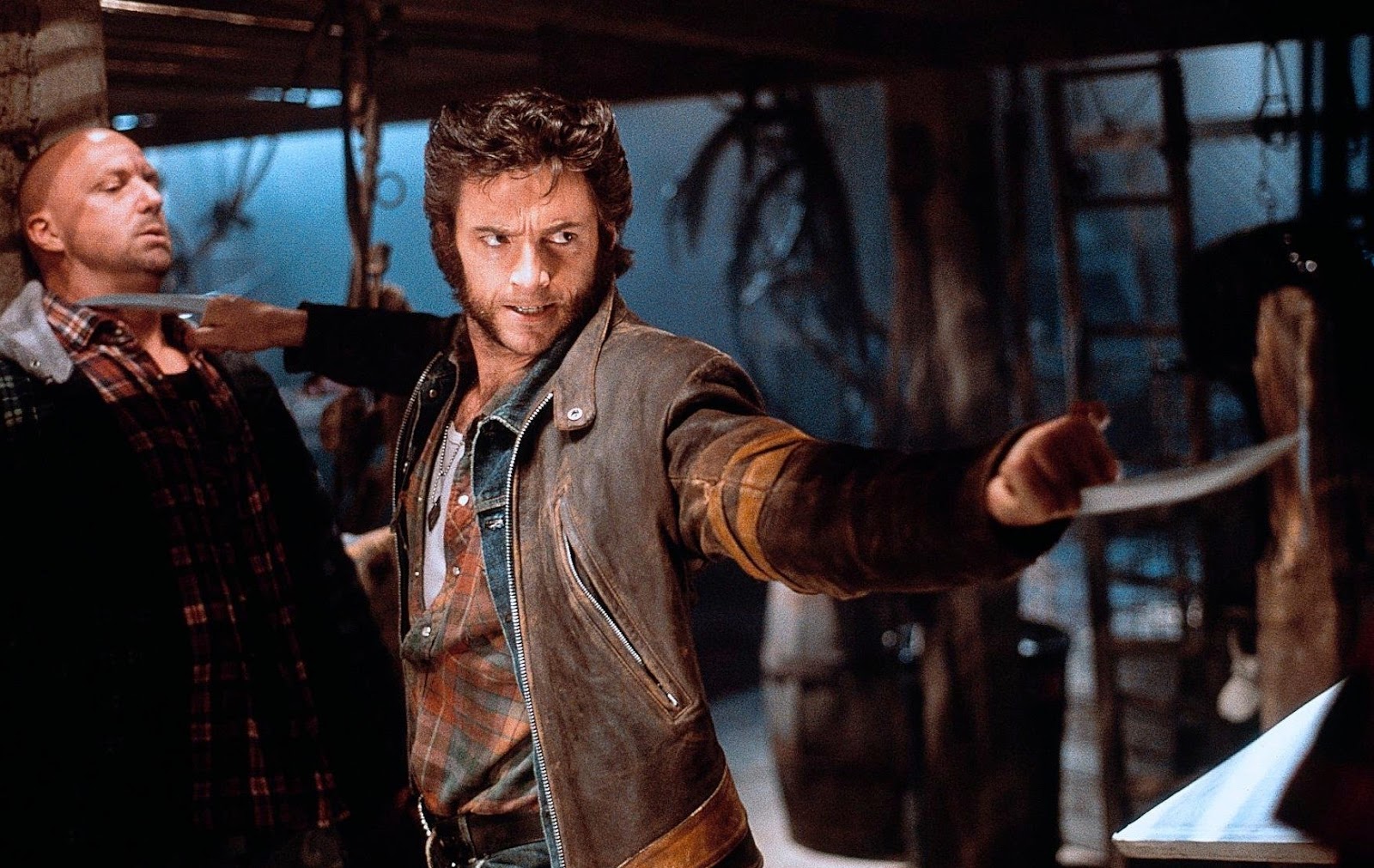
In their wisdom, they were nearly spot on with their casting. Starting with Hugh Jackman as Wolverine, which was ironic considering Jackman replaced the original actor cast in the role, Dougray Scott, after Scott was injured during filming of Mission: Impossible II. Some scoffed at Jackman’s casting because he was tall, good looking and lacked a filmography that screamed comic book action star. But from the moment that Rogue (Anna Paquin) met Wolverine in a Canadian bar following a cage fight, we all knew after witnessing Wolverine’s feral nature that the casting gods were generous. 

Another equally important casting choice was Patrick Stewart as Professor Charles Xavier, the leader and heart of the X-Men. Often, people mock fan casting for being ridiculous and unrealisitc. But time and time again Stewart was the fan favorite for a hypothetical X-Men film. Thankfully this proved to be perfect as Stewart brought gravitas and humanity to the role. We believed he was a kind and just mentor, who championed humanity. Needless to say. Ian McKellan as the villainous Magneto was a pleasant surprise given so many doubted his casting due to his age. However, McKellan displayed the same gravitas as Patrick Stewart and was able to believably match Hugh Jackman’s vicious Wolverine with his own cunning and hatred towards humanity.

For years, filmmakers were challenged by the idea of bringing the mutant team to life. Two reasons were because of budget and the complexity of the team. Their storylines were more mature than standard comic book stories as they tackled racism and related strife. It would not do to treat an X-Men film as a campy romp, nor could it be a mindless action fest. The villains were more nuanced with causes that audiences could sympathize with, namely the evil mutants’ actions resulted from humankind’s fear and bigotry. X-Men displayed this naunce splendidly, thanks to solid performances and Singer’s direction.

The film is not perfect, namely in the execution of the action pieces, which feel a bit pedestrian and low key compared to what filmmakers have been able to pull off in recent years. Some of those fights were cringe worthy! But no one should hold that against X-Men and the accomplishment of everyone involved with the film.

X-Men was not the biggest hit of that year, but it did well enough to excite fans and film executives who saw the box office potential of superhero films. Helping to cement the modern age of superhero films in the early years were Spider-Man, X2: X-Men United and Batman Begins. There were fits and starts in that decade but by 2008, the runaway success of Iron Man and The Dark Knight signaled that superhero films were here to stay and be a major influence in films. 

This was all due to X-Men; keep that in mind during the next viewing of this film.

The Tangled Web Of The Sony & Disney Spider-Man Debacle

Spidey out of MCU

AAARRGGH! We fans thought things were bad with the imploding DCEU and Henry Cavill and Ben Affleck’s departures, but now this! Superhero fans are still reeling from yesterday’s news that Spider-Man will no longer be in the Marvel Cinematic Universe (MCU). To say this was a surprise is putting it way mildly. It’s a bigger shock to our collective consciousness than Trump winning the presidency in 2016. We all thought things were going great between Sony, who owns the film rights to Spider-Man, and Disney/Marvel. Spider-Man: Far From Home is a smash hit, earning $1.1 billion dollars, making it Sony Pictures biggest money maker of all time. Disney’s Marvel Studios, which produced Spider-Man: Far From Home, is continuing to earn accolades as they sit on top of the box office world. The sharing of Spider-Man with Marvel Studios was for him to appear in six MCU films and so we all waited for news of when that film would happen and when the two film studios would announce a new deal extending Spider-Man’s presence in the MCU.

But it was not to be. Deadline reported that negotiations broke down between Disney and Sony after Disney demanded unreasonable terms. When the news first broke, everyone was out with the pitchforks for Sony because let’s be honest, their track record for their own Spider-Man films has not been great. Sure, they released the classic Spider-Man: Into the Spider-verse, which won the Academy Award for best animated film and Venom was a far bigger success than it had a right to be. But their last three live-action Spider-Man films have not enthralled the world and the studio was seeing diminishing returns for their efforts, which prompted them to make a deal with Marvel Studios.

dancing emo peter parker

The arrangement to share Spider-Man between the two studios worked beautifully for everyone. Marvel and MCU fans got to see comic book company’s most popular hero be a part in the MCU. Marvel Studios used their topnotch talent to create a Spider-Man that felt more faithful to his comic book source while being updated. This led to a revitalized interest in the hero as audiences responded positively to the MCU reboot of the Web-slinger. His presence in the last two Avengers films and Captain America: Civil War were delightful highlights and he gelled nicely with the larger MCU. Meanwhile, Sony was able to reap the financial rewards of the two Spider-Man MCU solo films, Spider-Man: Homecoming and Far From Home. One would think that the two studios would want to continue this relationship.

Continue reading

Celebrating The 10th Anniversary Of The MCU

marvel studios ten years

Marvel Studios is certainly on a roll. For the past couple of years their films have been well received by fans and critics and the success just keeps building. After delivering three epics last year, Marvel Studios expanded on that success with the unbelievable reception to this year’s Black Panther and Avengers: Infinity War.

To think, it all began when a B-list Marvel Comics superhero made his big-screen debut ten years ago.

That character, of course, is Iron Man. Back in May 2008, the Golden Age of Superhero Films had arrived with the premiere of Iron Man. Superhero films had gained prominence in the first years of the 21st century with explosive adaptations of Marvel Comics characters like the X-Men and Spider-Man and DC properties like Superman and Batman. When Iron Man was announced, many thought it would be another fun and entertaining big-budget film. What few realized was that it would spark a phenomenal interconnected film universe that became known as the Marvel Cinematic Universe (MCU). From that moment, the MCU exploded and captured our imaginations (and wallets). Which is why we are here celebrating the MCU 10th anniversary.

Many know by now the history of the MCU and how it came to be. Marvel Comics in the 1990s was bankrupt and sold the film rights of  many of its characters to various film studios. While this saved the comic book company in the short term, this act left Marvel’s beloved characters in the hands of others who made their own changes when it came to the films. When Marvel formed Marvel Studios to have creative control over its characters the company had a dilemma in that their A-list characters weren’t available. In fact, the initial characters in the MCU where in the hands of other film studios. However, Marvel Studios was able to regain the film rights for all except a few like the X-Men, the Fantastic Four and Spider-Man. This forced the studio to rely on their less popular characters and this allowed them to fully realize their potential on film.

Birth Of A Film Universe

When Iron Man premiered, many saw how special it was since it focused on the flawed main character. Whereas, the main draw of the DC films at that time were the villains, such as in The Dark Knight, the first MCU film set a standard where the title character was the primary focus, not the foe. This led to a common problem with MCU films which had weak villains, but fortunately, the heroes were so endearing that audiences forgave the films.

Avengers

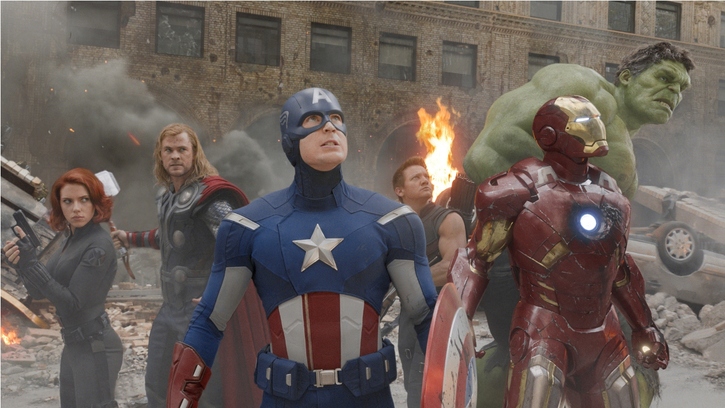
There was one thing that enabled Iron Man to stand out from the other blockbuster superhero films. Those who stuck around through the film’s ending credits found out what it was when they were tantalized with the idea of interconnected films. The hero Tony Stark was greeted by the mysterious Nick Fury who informed him he was not the only superhero around. Fury presented Stark with the idea of the Avengers Initiative, thus the Marvel Cinematic Universe was born. This budding film universe was given a boost a month later when The Incredible Hulk premiered. While it is kind of dismissed these days, the second Hulk film was a vast improvement over Ang Lee’s pretentious and over-the-top Hulk, but it cemented the MCU. Aside from its many Marvel Easter eggs, at the end of The Incredible Hulk, Tony Stark appeared, which connected the two films. From there, the MCU continued growing. A few short years later, Iron Man had a sequel and two more MCU films came out (Thor and Captain America: The First Avenger) that helped lay the groundwork for the culmination of the MCU at that time: The Avengers. Needless to say films were never the same.

Here we are at the MCU 10-year anniversary, celebrating it with their newest smash hit Avengers: Infinity War. Many film studios tried and failed to copy the success of the Marvel Cinematic Universe. These include Warner Bros. and DC’s DCEU, Universal’s Dark Universe, and Sony’s Spider-Man film universe. 20th Century Fox came close with their X-Men films but their films were hit or miss.

Continue reading