Venom, Spider-Man & Sony’s Upcoming Crossover Film Event

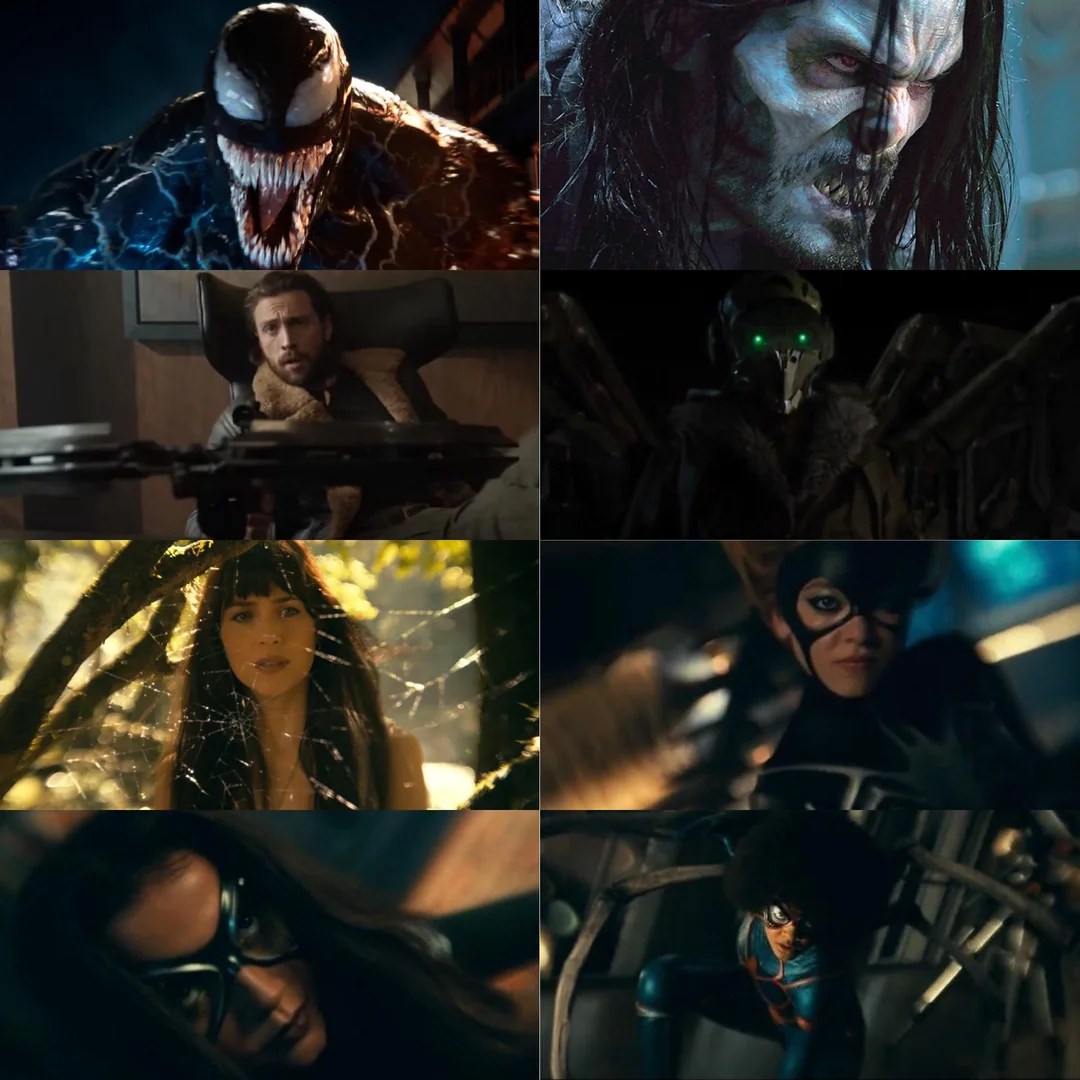
The latest Spider-Man-related venture by Sony Pictures, Venom: The Last Dance, has teased viewers with an attempt to create a crossover storyline that spans several different films. Sony has tried for years to create their own cinematic universe but failed miserably for the most part because they weren’t able to deliver anything cohesive or high quality. Unfortunately, that problem will continue.

WARNING: Spoilers will be revealed related to Venom: The Last Dance.

Ever since the success of the Marvel Cinematic Universe (MCU) and the emergence of other cinematic universes, Sony wanted in on the action given the massive box office success of the MCU. On paper, it seemed easy to copy the MCU’s success: have a bunch of films interconnect with each other with some kind of B-plot storyline running throughout the films that will culminate in an epic crossover event like Avengers: Infinity War. But as the cliché goes, easier said than done.

Sony first tried creating a shared universe with The Amazing Spider-Man films with the last one dropping obvious hints of a film featuring the supervillain team, the Sinister Six. However, given the bad reception of The Amazing Spider-Man 2 and announcement for a Sinister Six film, those plans fell by the wayside. But Sony would not give up. Afterall, they hold the exclusive film rights to Marvel Comics’ most popular character and all related characters, and they would lose those rights if they did not pump out some kind of Spider-Man-related film every few years.

This is how we got the Venom films. By no means are they superhero film classics, but they are entertaining enough (including Venom: The Last Dance with its plot holes and other flaws) and more importantly to Sony, financially successful. This encouraged them to greenlight other films related to Spider-Man, but the dreck they released could not match the success of the Venom films. Still, they plowed ahead as seen with that non-sensical post-credits scene in Morbius where the title character met the Vulture, who was transported over from the MCU. What was so baffling was that for reasons unknown to us, Morbius decides to join Vulture in attacking Spider-Man, even though Morbius never met the superhero! It seems as if Sony is still hellbent on their Sinister Six film and more will probably be revealed in December with Kraven the Hunter, where there will most likely be some post-credits scene that has Kraven meeting the Vulture. Thankfully this did not occur in Venom: The Last Dance.

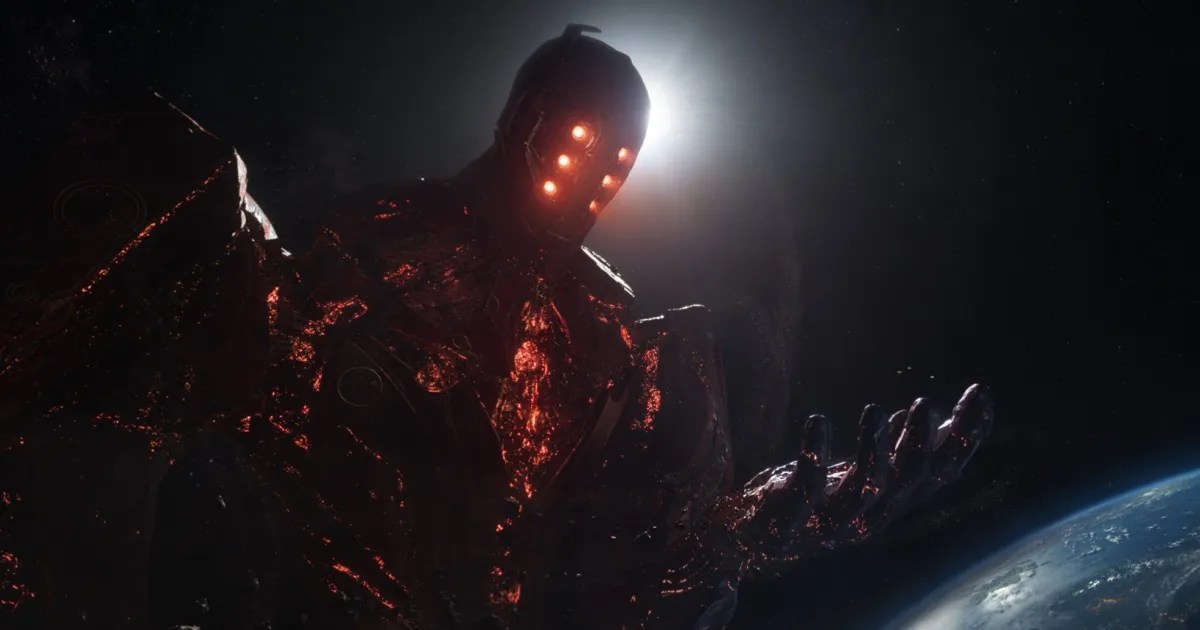
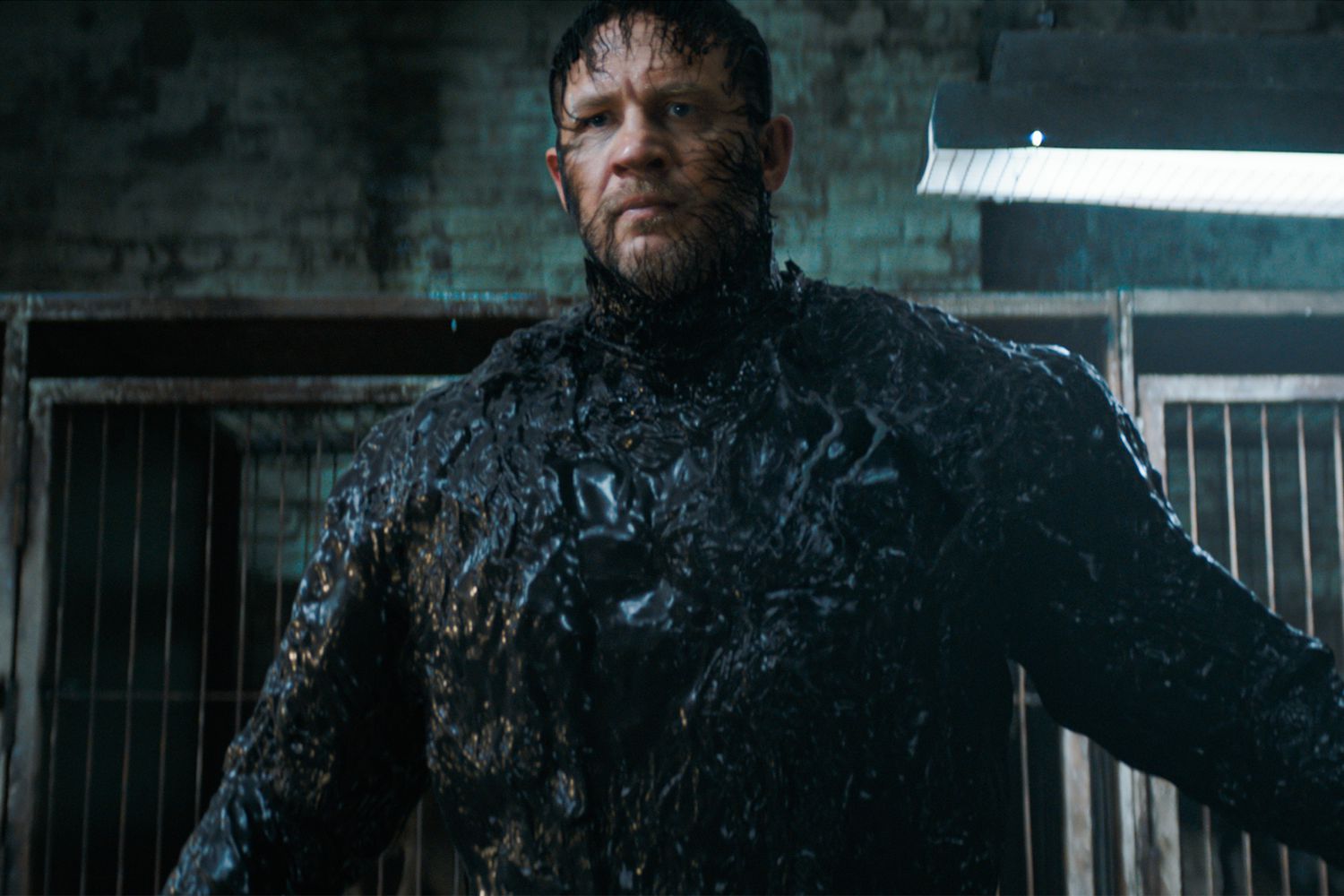
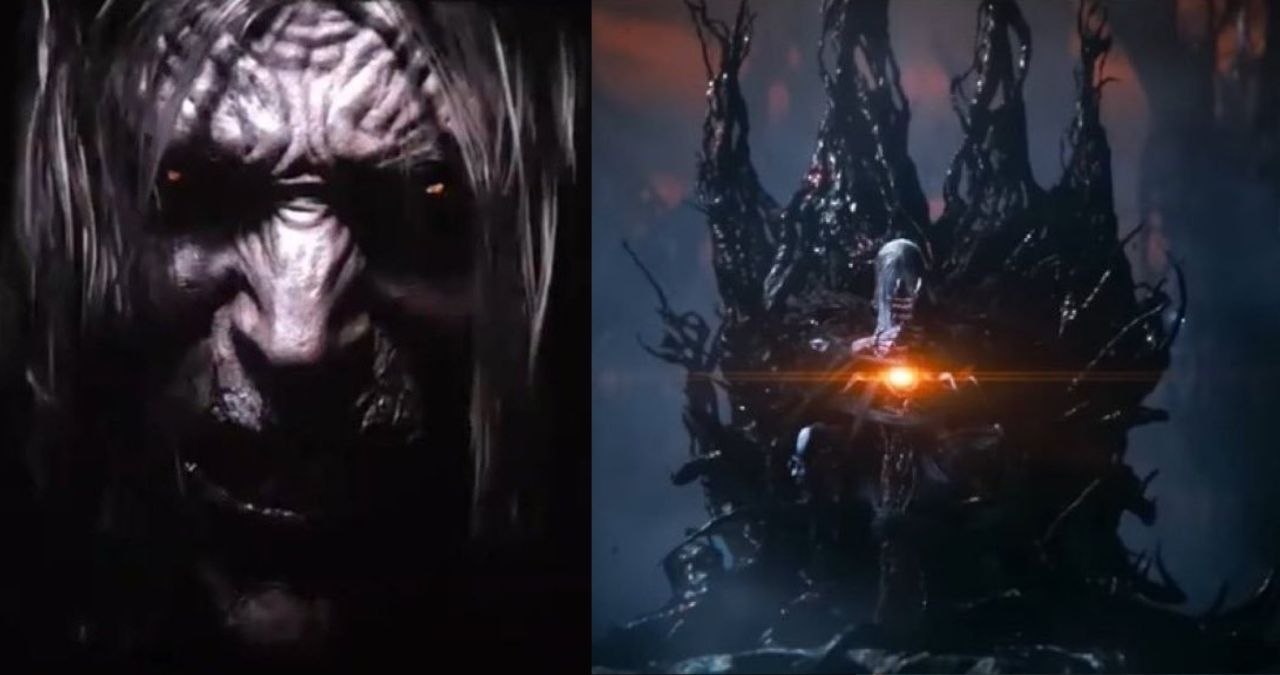
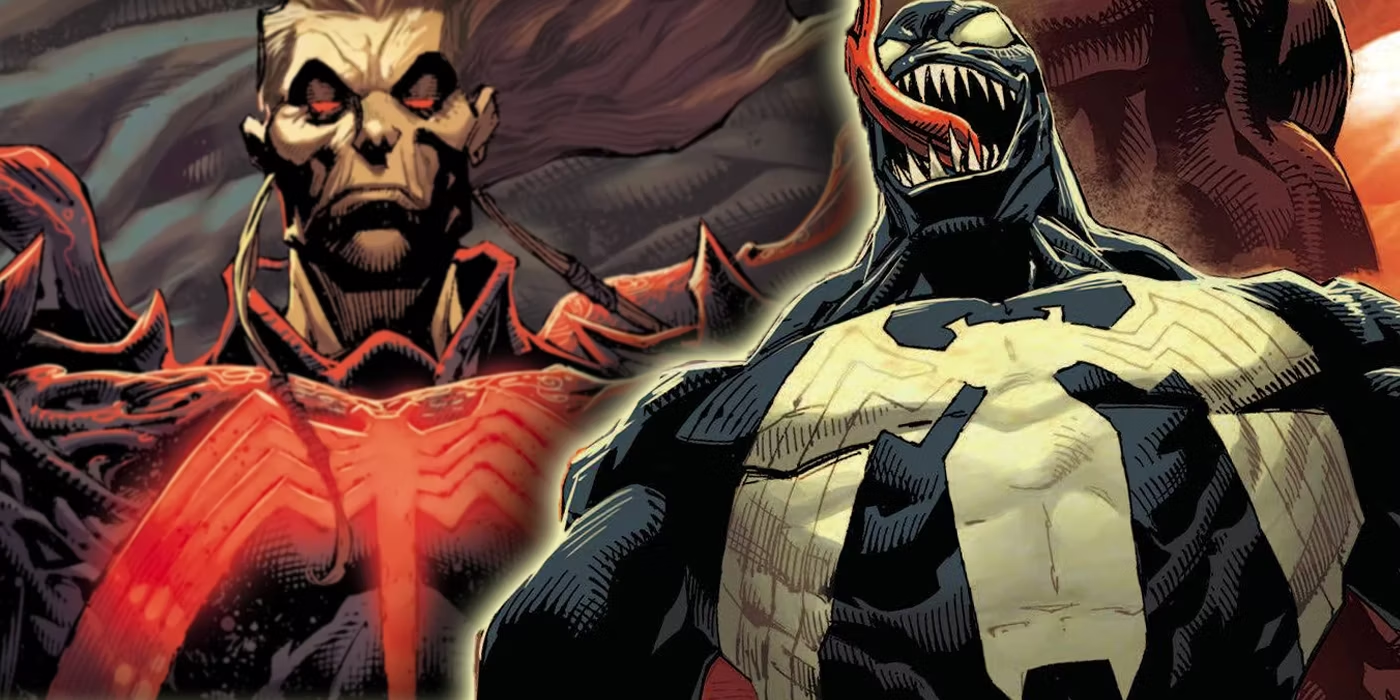
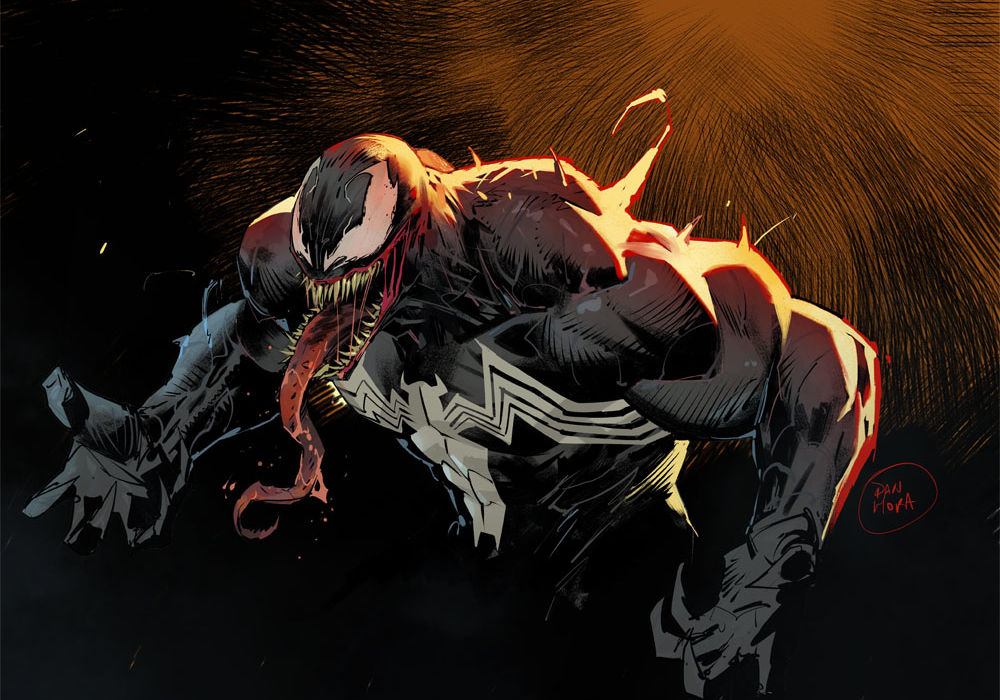
Instead, the third and (for now) final Venom film introduced the beginning of an adaptation of the King in Black comic book event. That storyline was the culmination of Donny Cates’ Venom run which explored the backstory of the Venom symbiote and introduced the supervillain, Knull, who created the symbiotes and invaded Earth. While it was tantalizing to see Knull on the big screen, he didn’t receive much screen time and was a background menace who drove the action. In the film’s prologue, it’s revealed that Knull is being held prisoner by the symbiotes he created and only Venom can break him free through some biological MacGuffin. After Venom and other symbiotes defeats the small army of alien creatures sent by Knull to Earth, the Venom symbiote is killed and a still-imprisoned Knull vows in a post-credits scene to escape and wipe out all life in the universe.

That sounds great but this development happens in the so-called final Venom film. Where else can this Knull story continue? Well in a Spider-Man film, of course.

There are reports that Sony and Marvel have been at odds over the story for the next Spider-Man film. Marvel wanted it to be a grounded film involving Spider-Man with street-level threats and heroes like the Kingpin and Daredevil and fans have been demanding this since such a plot would return the character back to his grounded, street-level roots, which has been missing from the MCU Spider-Man films. However, Sony is demanding the character be involved in universe-threatening events as seen with Spider-Man: No Way Home since it is the best platform for crossovers with the characters the studio has the film rights.

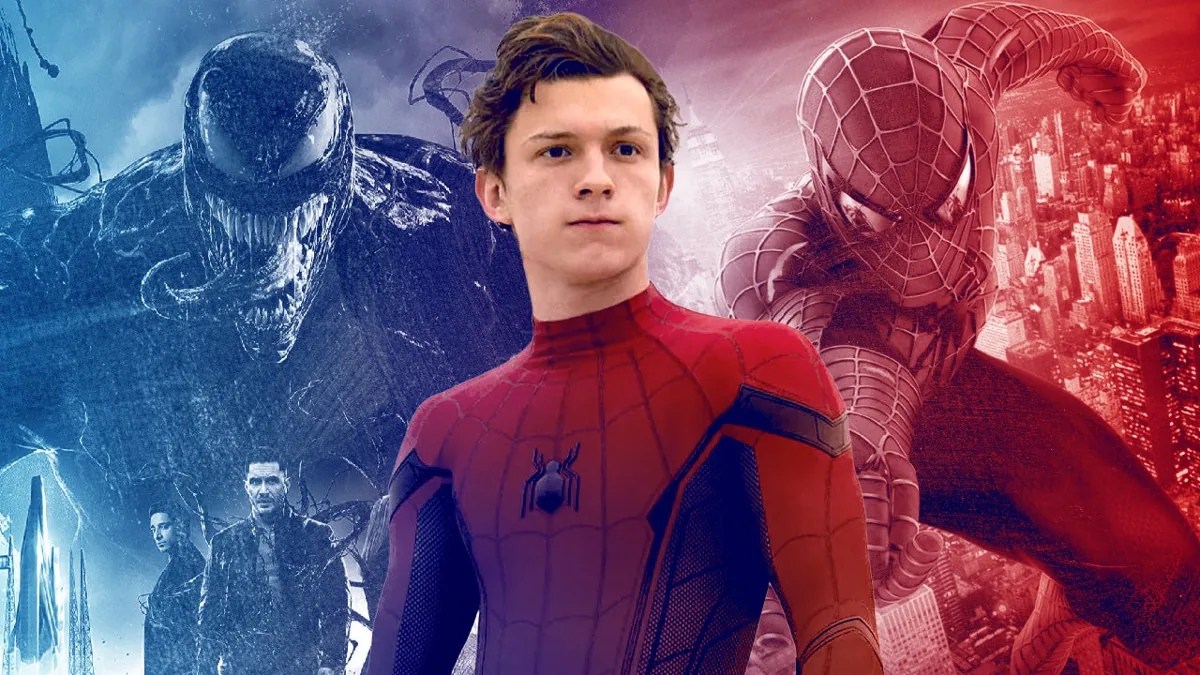
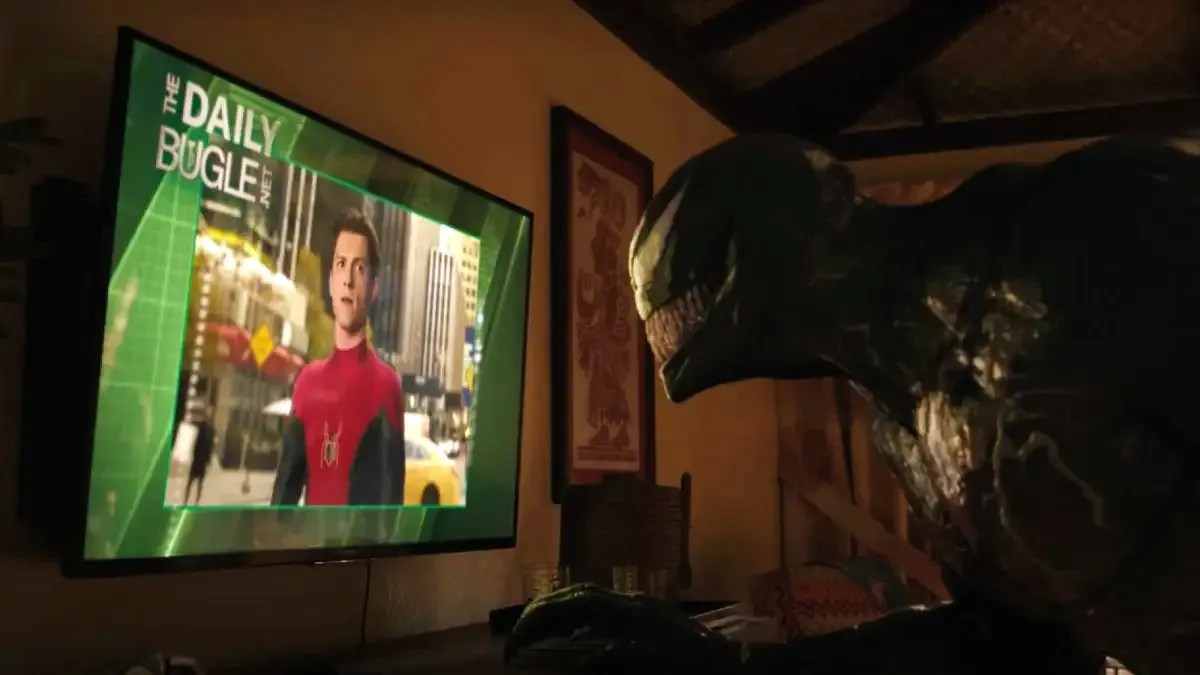
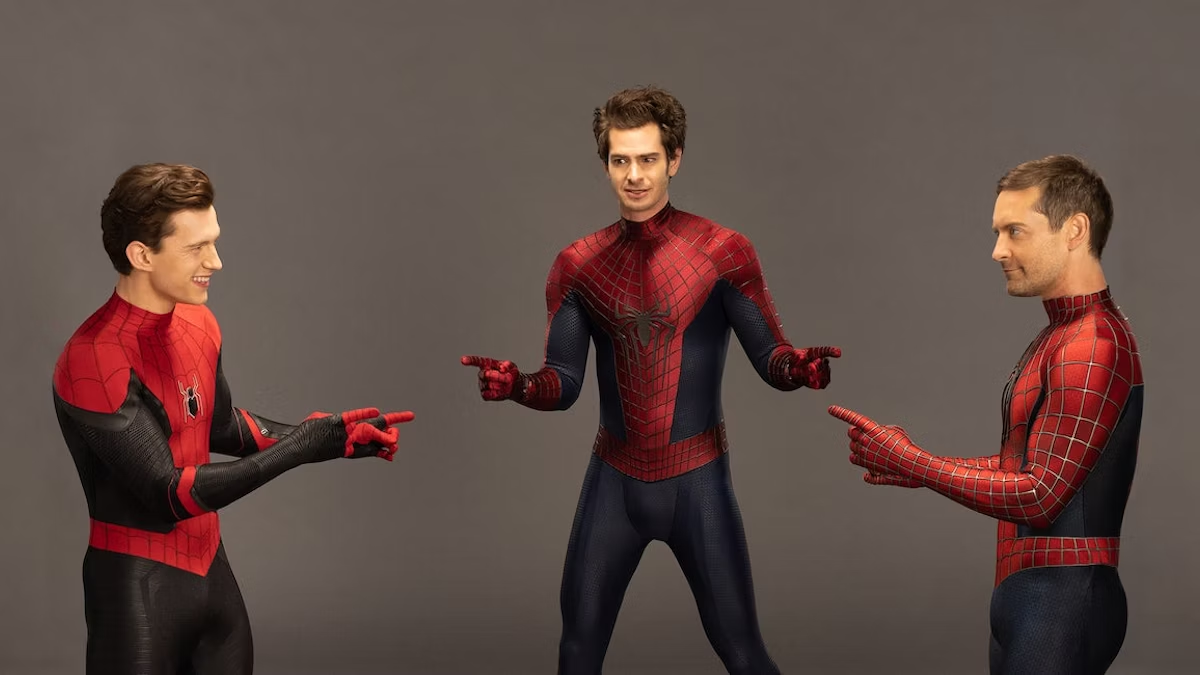
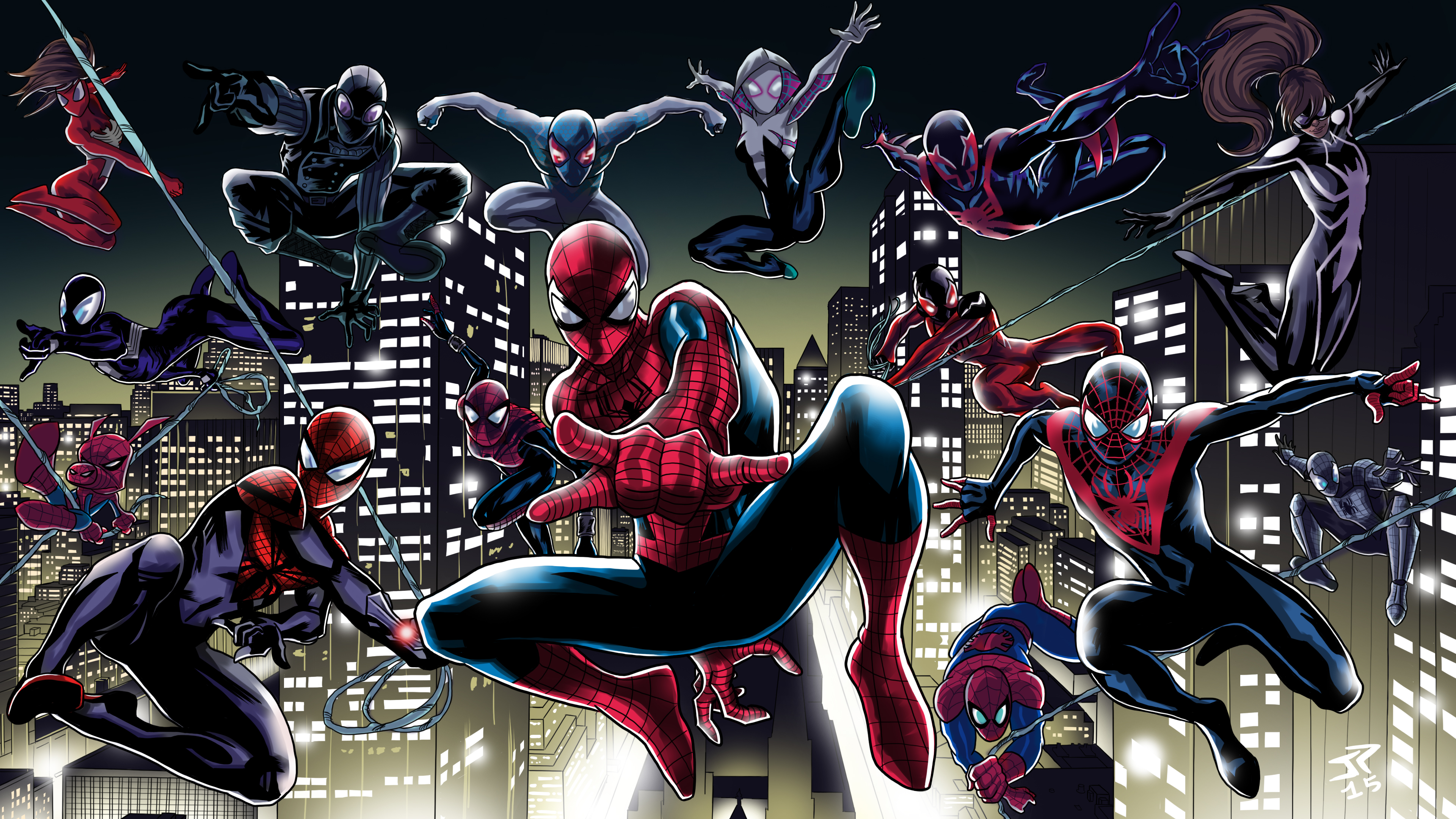
The current rumor is that the next Spider-Man will not only feature the non-MCU Spider-Men teaming up with the MCU Spider-Man but that at long last Venom will meet Spider-Man. This was something that was teased in Venom: Let There Be Carnage when Venom was transported to the MCU, but that turned out to be a disappointment because Venom returned without meeting Spider-Man.

So, why would the two meet? To fight Knull, of course! But wait didn’t the Venom symbiote die in Venom: The Last Dance? Yes, but a post-credits scene teased us with an offspring of Venom that was loose, who will probably seek out Eddie Brock to bond with him. Or the offspring that was left behind in the MCU during Spider-Man: No Way Home be the new symbiote for Eddie to bond with. Maybe this time, the new Venom will sport the iconic large white spider symbol on his chest.

While there is some potential with this plot, given Sony’s inability to give us a coherent Spider-Man-related film without the help of Marvel Studios, there is the possibility that the buildup to this event will be bungled, and we’re seeing that already. Knull should have been introduced in the Venom films much sooner or made a more prominent menace in the current Venom film. He also should have appeared in the other Sony Spider-Man-related films like Madame Web, which would have been natural given Madame Web’s psychic powers that enabled her to detect him.

Then there is the problem in that Knull is a Venom villain, having him being the main foe in a Spider-Man film does not feel right. Also, the King in Black story involved all of the Marvel heroes with Venom leading the fight against Knull. Forcing Venom to share this burden in a Spider-Man film takes away from Venom’s transformation in the comic book story into a full-fledged hero and the new King in Black of the symbiotes after defeating Knull.

Also, the meeting of Spider-Man and Venom should be a film event unto itself and jamming it with the dense King in Black storyline will make this event feel rushed. That is unless Sony plans to split the King in Black story into a couple of Spider-Man films. The first film would have Spidey meeting and fighting Venom, then the second film they would team up to fight Knull along with the other crossover characters. As to how this story would mesh with the MCU’s Infinity Saga and the upcoming Avengers films, who knows at this point? But do not be too disappointed if Sony drops the ball, but on the other hand, since Marvel Studios will be involved with the Spider-Man films, hopefully the result will be better than expected.

The Not-So-Radical Superhero Reboots In Comics

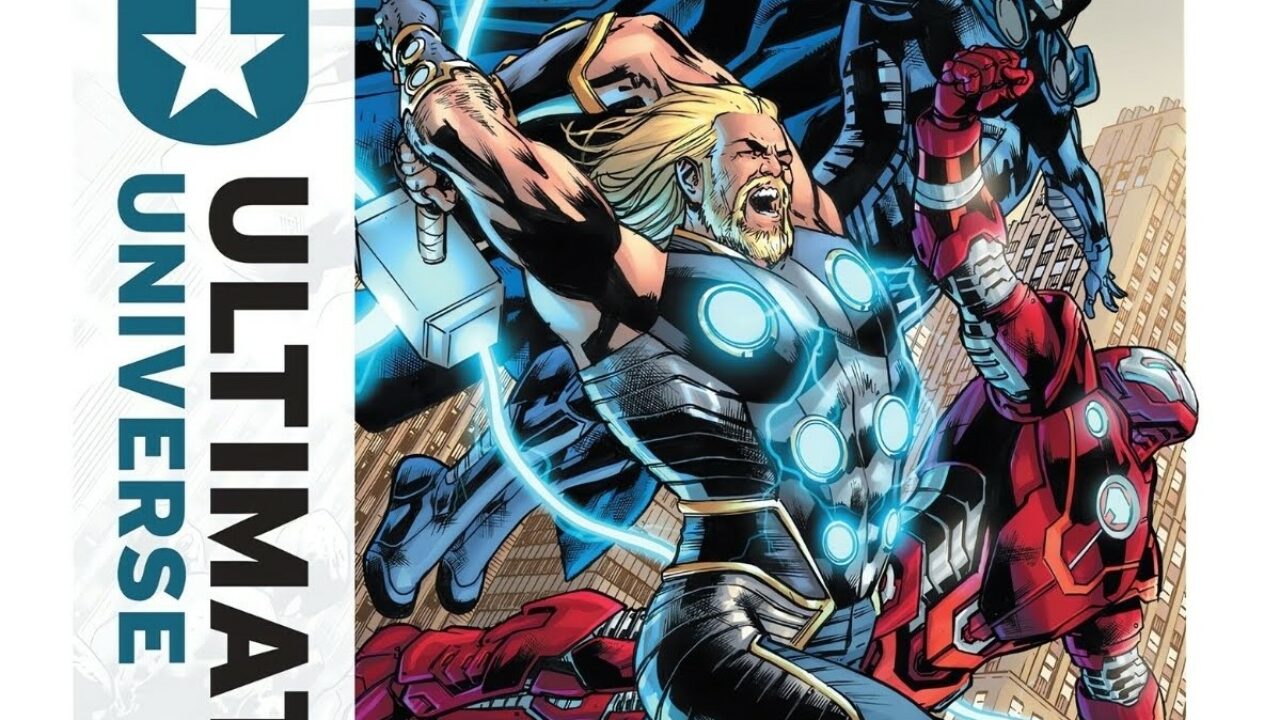
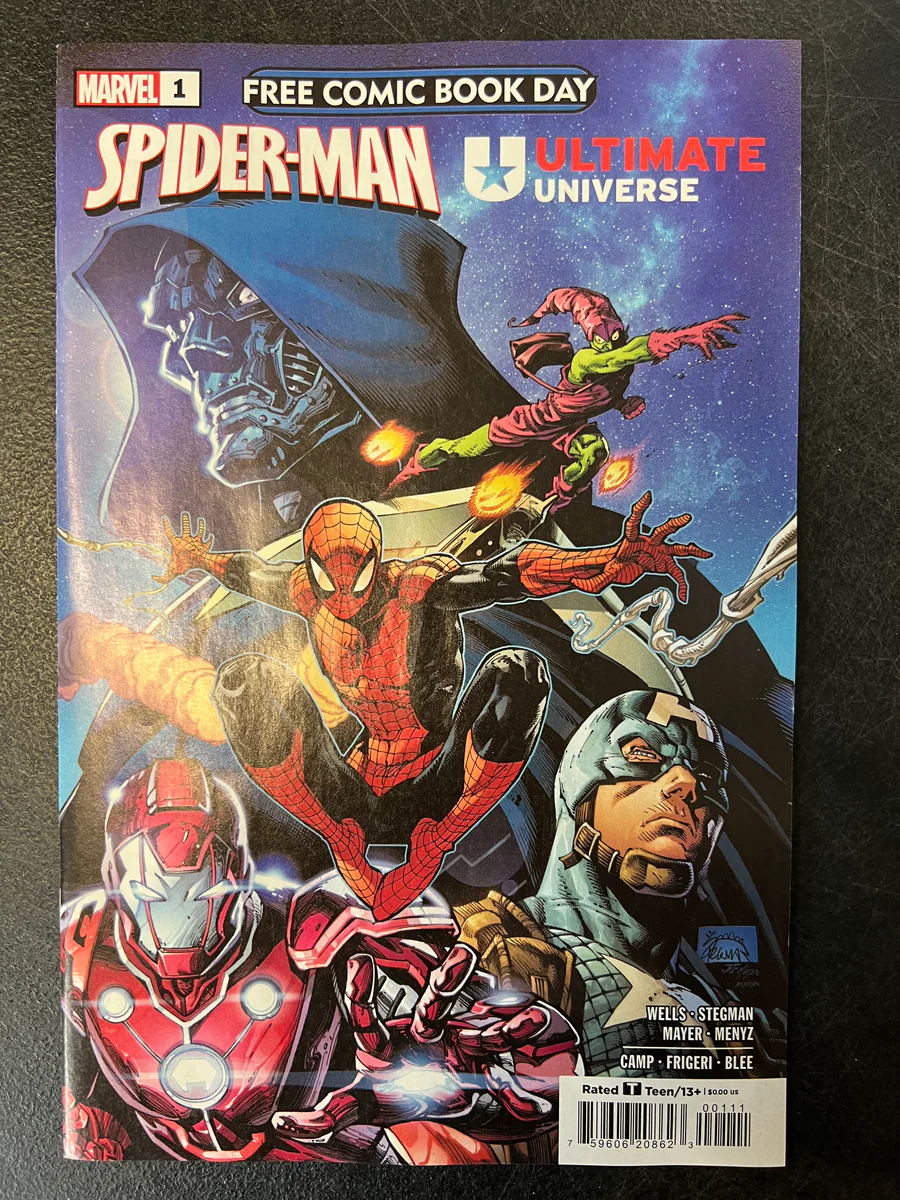
An increasingly popular sub-genre in comic books these days are reboots or reimaginings of famous superheroes and supervillains. We’ve seen this earlier in the year with the relaunch of Marvel Comics’ Ultimate Comics line, with Ultimate Spider-Man being the most popular and successful series in that line. The comic book reimagines Peter Parker/Spider-Man as much older than his counterpart in the regular comics, and is married with children, and only recently became Spider-Man.

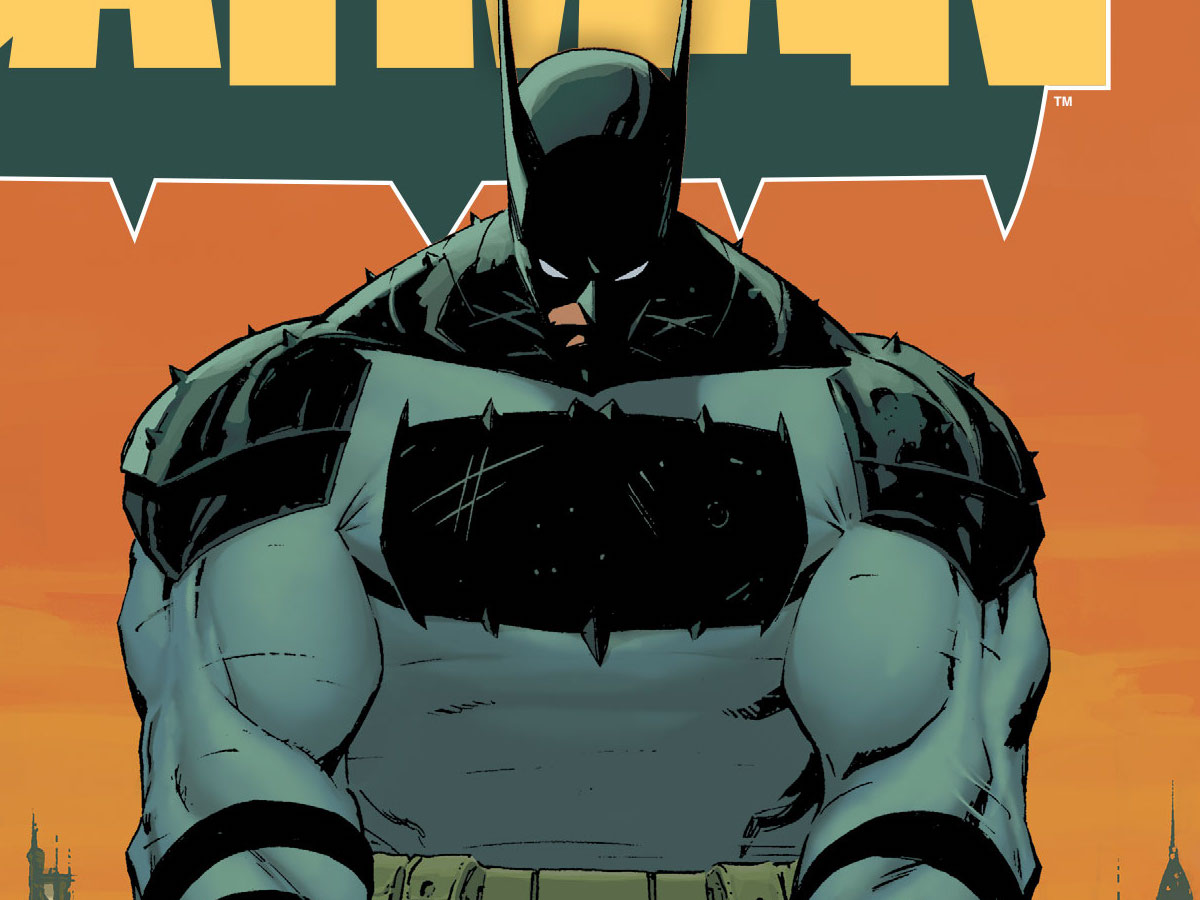
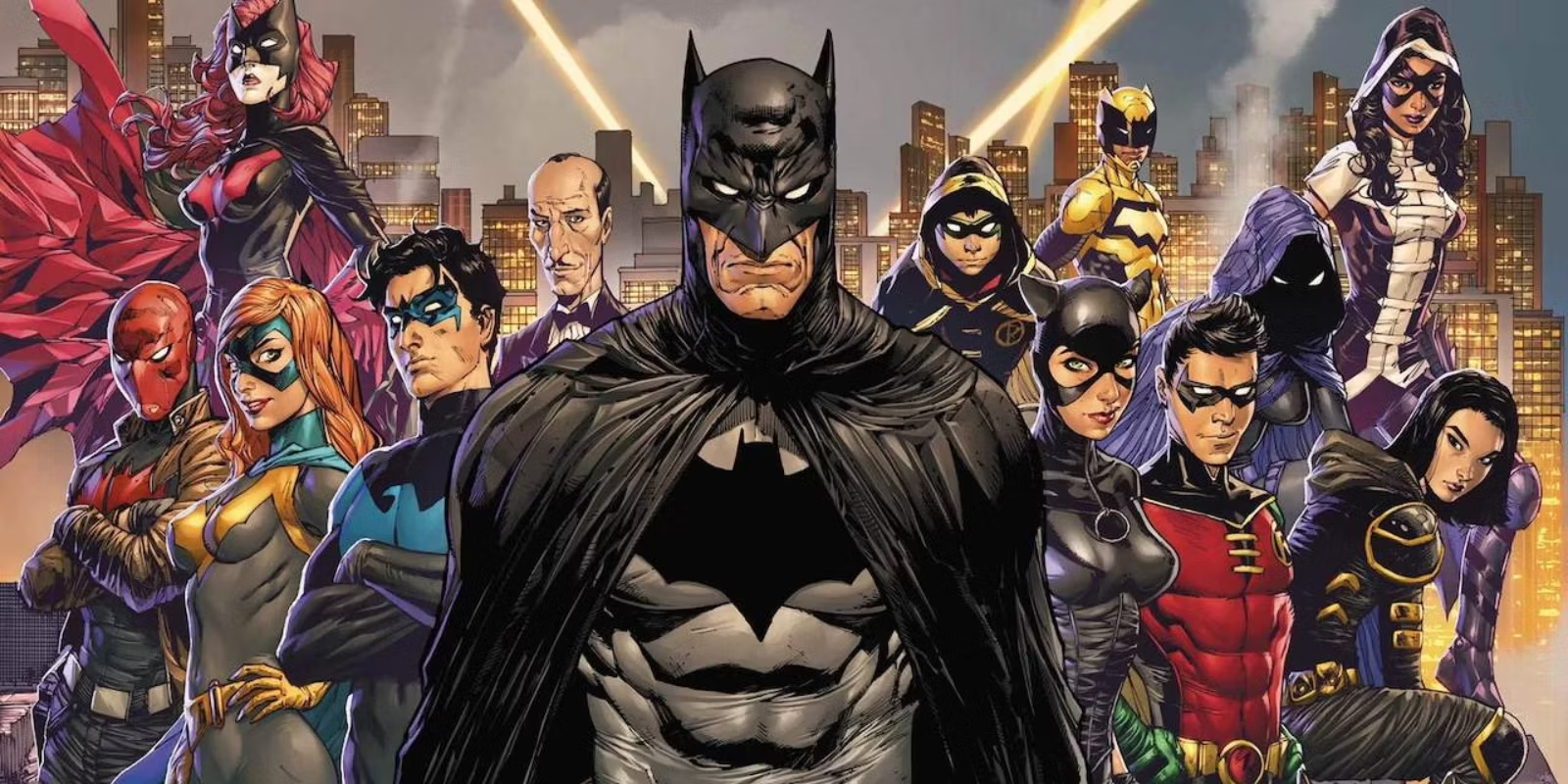
DC Comics has also jumped into reboot game (though they pioneered this back in the 1950s) with their Absolute line of comics that began this week with the release of Absolute Batman. In this series, Bruce Wayne/Batman is not a mega-rich playboy whose parents are dead. Instead he is an ordinary, lower-class citizen of Gotham, who happens to be the Dark Knight Detective. The Absolute line will continue shortly with the release of Absolute Wonder Woman and Absolute Superman, which will present radical interpretations of the iconic superheroes. Or are they?

These comics have caught on and become very popular thanks to inspired writing and artwork, but the heroes in the comics are essentially the same. Despite being older and married, Peter Parker is still a wisecracking superhero who looks and acts the same way as he does in the regular comics. The same goes for Batman. Sure there are some changes to the costume (with Batman’s bat-themed chest symbol doubling for a huge axe), but he is still a brooding vigilanted patroling the crime-infested streets of Gotham. Again, these are well done comics, but maybe the comic book companies could have gone further and given us radically different takes of these characters. In fact, it’s been done before.

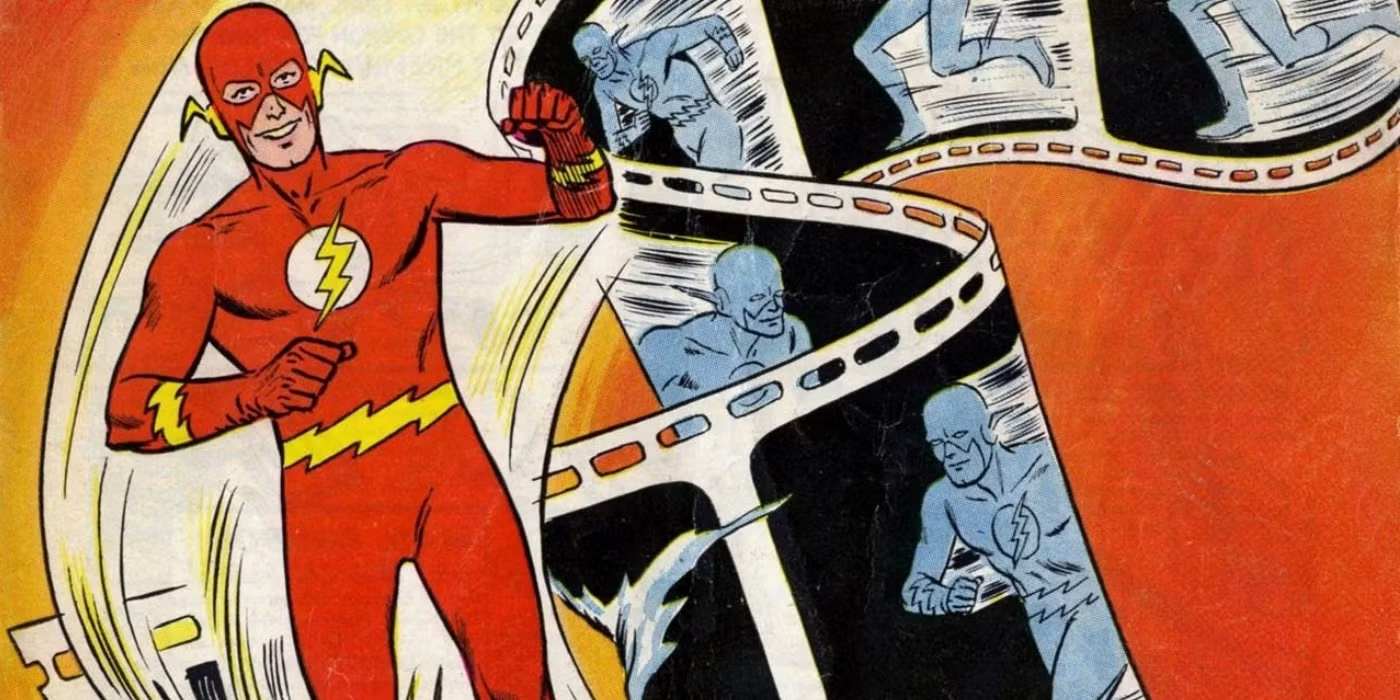
As mentioned before, DC Comics debuted a completely new version of their Golden Age hero, the Flash, in Showcase #4 in 1956, which actually launched the Silver Age of Comics. Originally, the Flash was Jay Garrick, a college student who accidently inhaled these special vapors that gave him his superspeed powers. His costume was fairly simple, with the only distinguishing feature being his steel helmet with wings. When the superhero was reintroduced in Showcase #4, he was reborn as Barry Allen, a police forensic scientist who was struck by lighting and doused with chemicals that gave him his powers. His scarlet costume was a stark contrast to the original Flash, by the way.

Following the success with the new Flash, DC gave readers new, distinctive reinterprations of their older, less popular heroes like Green Lantern, who now boasted a space-themed background, whereas the original Green Lantern had a mystical background. The comic book company went on to reinvent some of the Golden Age supervillains that plagued their most popular superheroes.

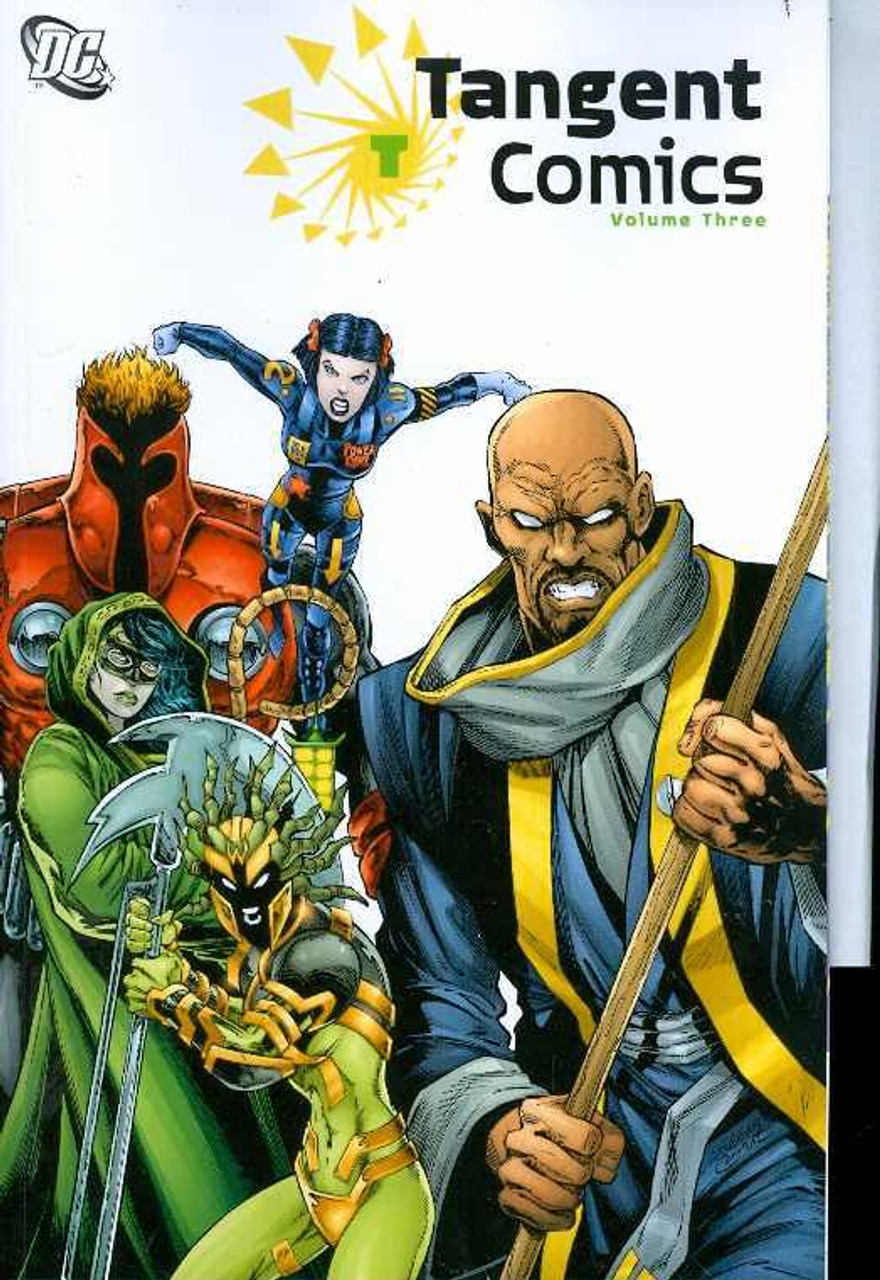
The last time DC presented radically different versions of their characters was in the 1990s and early 2000s with their limited imprint of Tangent Comics. Characters were wildly different from the traditional counterparts. For instance, the Flash was now a teenage girl with light-based powers, and the Joker was a female anti-hero who fought crime in the city of New Atlantis.

In 2001 and 2002, DC hired Marvel guru Stan Lee to reinterpret their famous characters. This led to several one-shots called Just Imagine… where Batman was a Black crimefighter whose real name was Wayne Williams and Wonder Woman gained her magical powers from an artifact.

While there is the potential for these radical reimagings to succeed as seen with the Barry Allen version of the Flash, there is also the possibility that the new versions fail to capture reader’s imaginations. The Tangent imprint, while very well done, did not take off in the long run and are largely forgotten to this day, though the comics are worth checking out. This is probably the main reason why the current reimagings of popular superheroes play it safe. Aside from some minor updates and tweaks, Peter Parker and Bruce Wayne are still the characters we know and love. But the comic book companies should be more willing to push the envelope and go for broke.

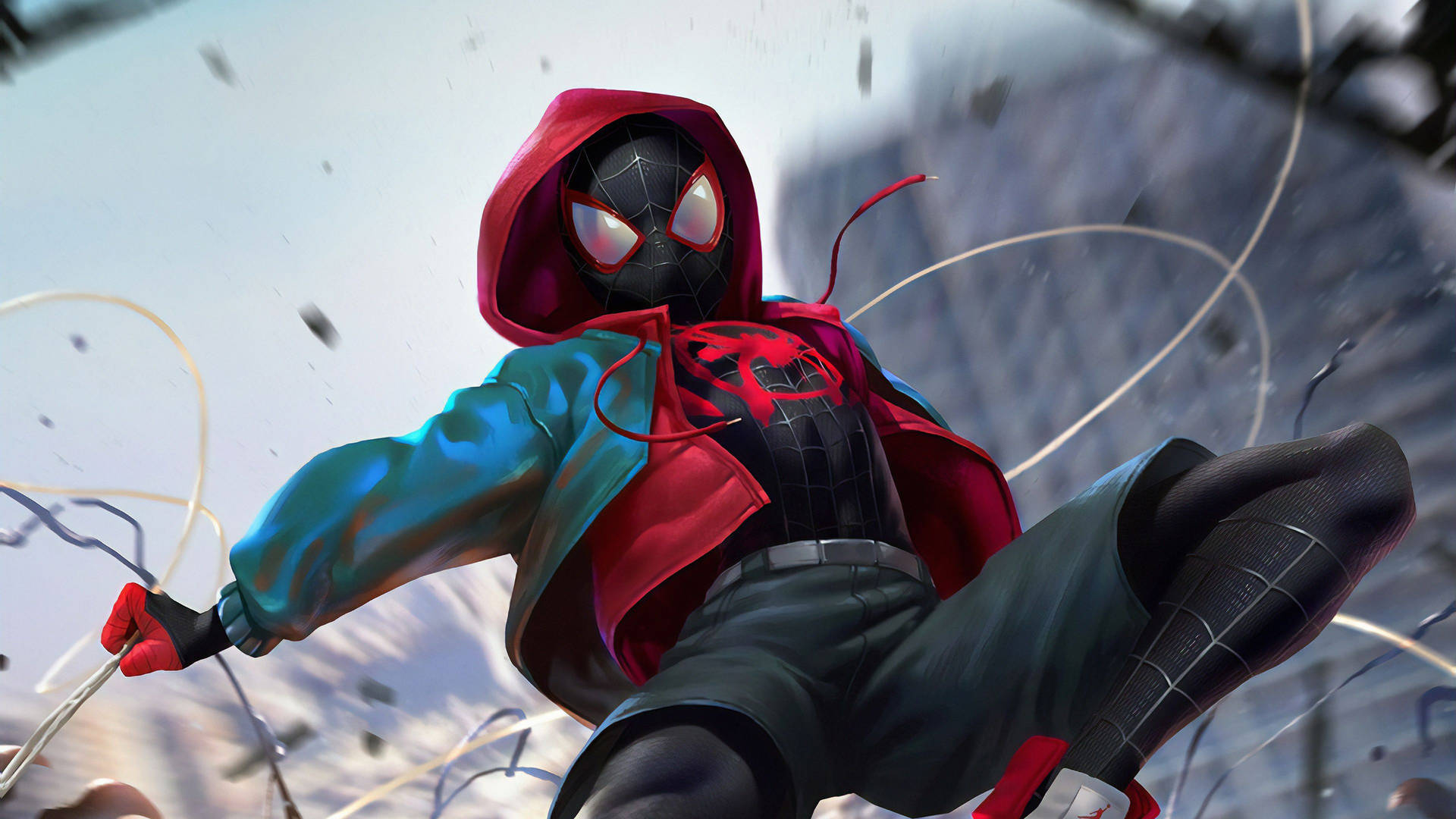
This has worked in the past, as with the Flash and even with the Miles Morales version of Spider-Man. Perhaps the Ultimate Comics imprint that Marvel first introduced in the early 2000s might have endured to this day if, for example, they had started off with Spider-Man being Miles Morales or have a completely different line up for the Ultimates (the Ultimate Comics version of the Avengers who were essentially the same superheroes in the regular comics).

One character that organically developed into a wildly different version than his regular counterpart was the Ultimate Comcis version of Reed Richards. In the Ultimate Fantastic Four comics the only noticeable difference with the team was that they were much younger than the traditional Fantastic Four. Yes, there were other differences such as the origin of their powers and group dynamics but none of it was out of the ordinary. However, over time, Reed Richards was radicalized and became the villain called the Maker, who continues to pop up. Actually, the Maker is responsible for the new Ultimate Comics line, since he time traveled to the past and prevented the creations of the Marvel superheroes, which is why heroes like Spider-Man got a late start in their careers.

It remains to be seen how long the new interpretations will last or maintain their quality, but comic book companies should not hesitate to allow their creators the freedom to let their imaginations run wild and present readers with radical and unique reinterpretations of their beloved heroes and villains.

Top Ten Cameos & Appearances In Deadpool & Wolverine…Spoilers, DUH!

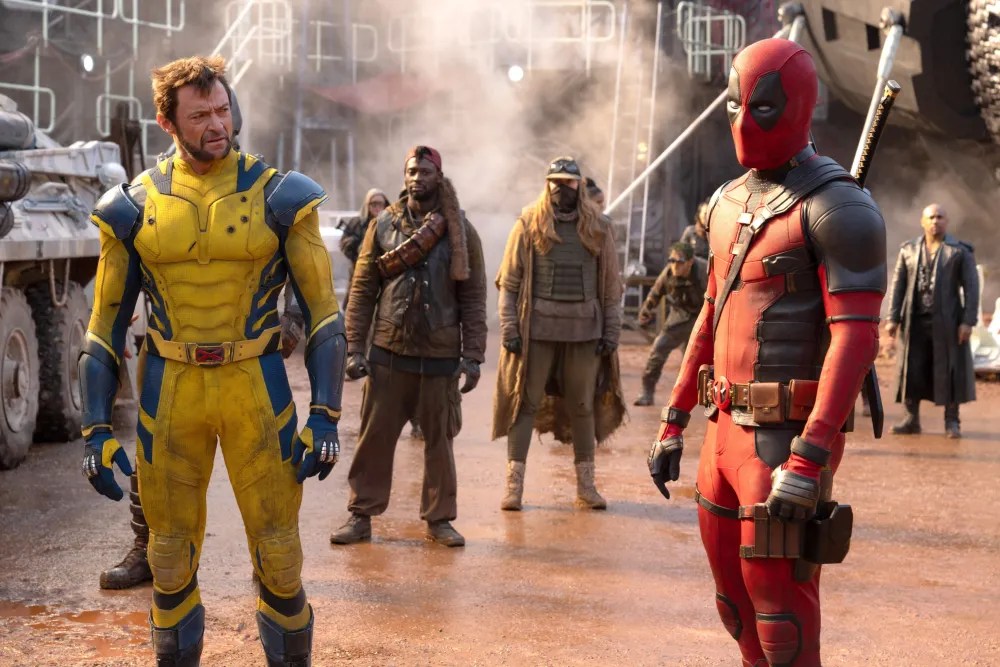
By now most fans have seen Deadpool & Wolverine and enjoyed all the cameos and appearances of the characters and actors that appeared in numerous Marvel films including the Marvel Cinematic Universe (MCU). Here is a top ten list of cameos and appearances in Deadpool & Wolverine, and as a bonus there will be a mention of cameos that never materialized in the film but should have.

Obviously, there will be major spoilers in this list for anyone who hasn’t seen the film yet (What are you waiting for? It’s the best MCU film of the year! Actually, it’s the only MCU film for the year. Spend a few bucks and see this already in theaters!).

10. Thor

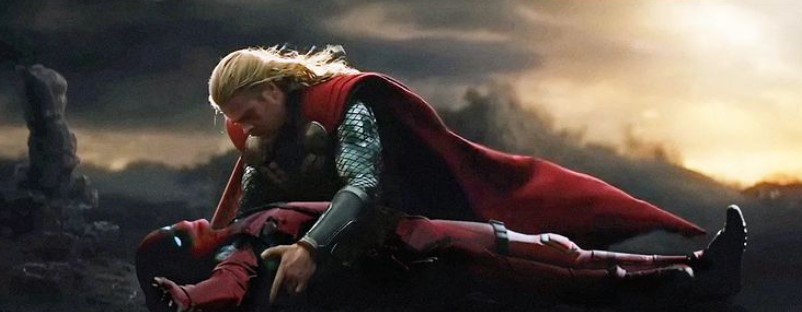
Thor’s brief appearance where he cradled a dying Deadpool in archival TVA footage from the future was just repurposed footage from Thor: The Dark World with Deadpool swapping out Loki.  However, it set up a gnawing mystery that was never resolved in Deadpool & Wolverine and left us wondering if this was a scene from the upcoming Avengers: Secret Wars or some other film.

9. Pyro and the Evil Mutants

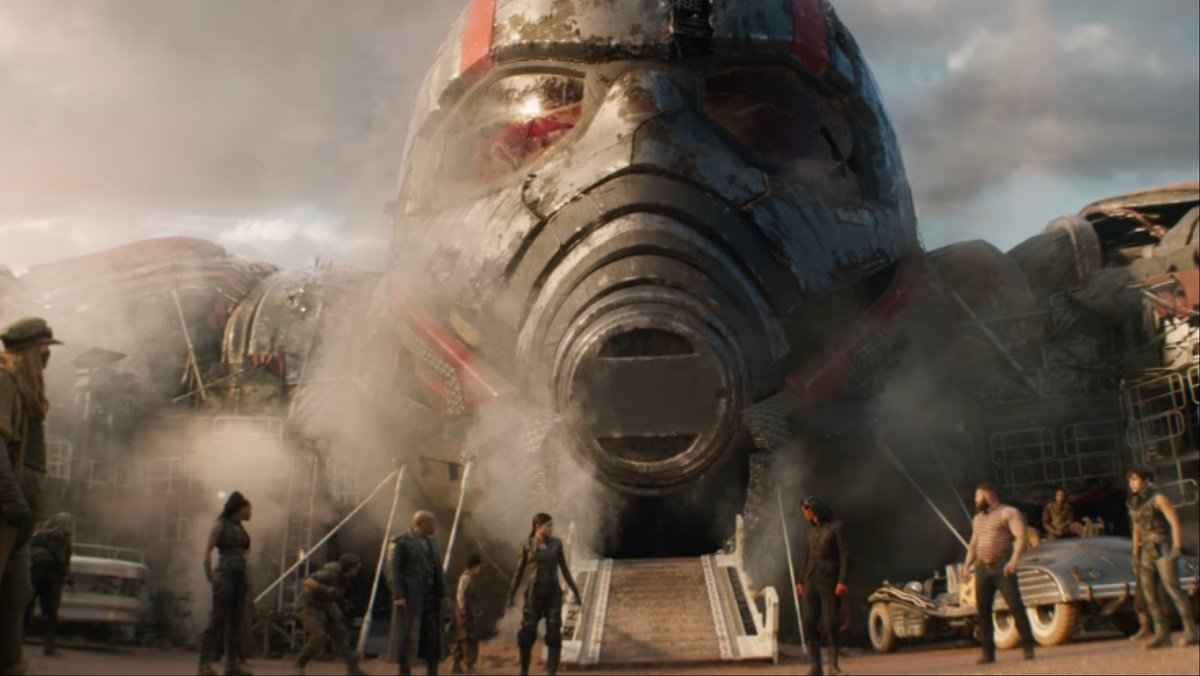
It was a blast seeing many of the evil mutant characters from the Fox X-Men films, which included Pyro, Toad, Juggernaut, Azazel, Psylocke and more. For the most part they were good foes and deserved to be seen again. It was also great seeing Aaron Stanford reprising his role of Pyro again, who was a scummy as ever and one of the more developed villains.

8. Elektra

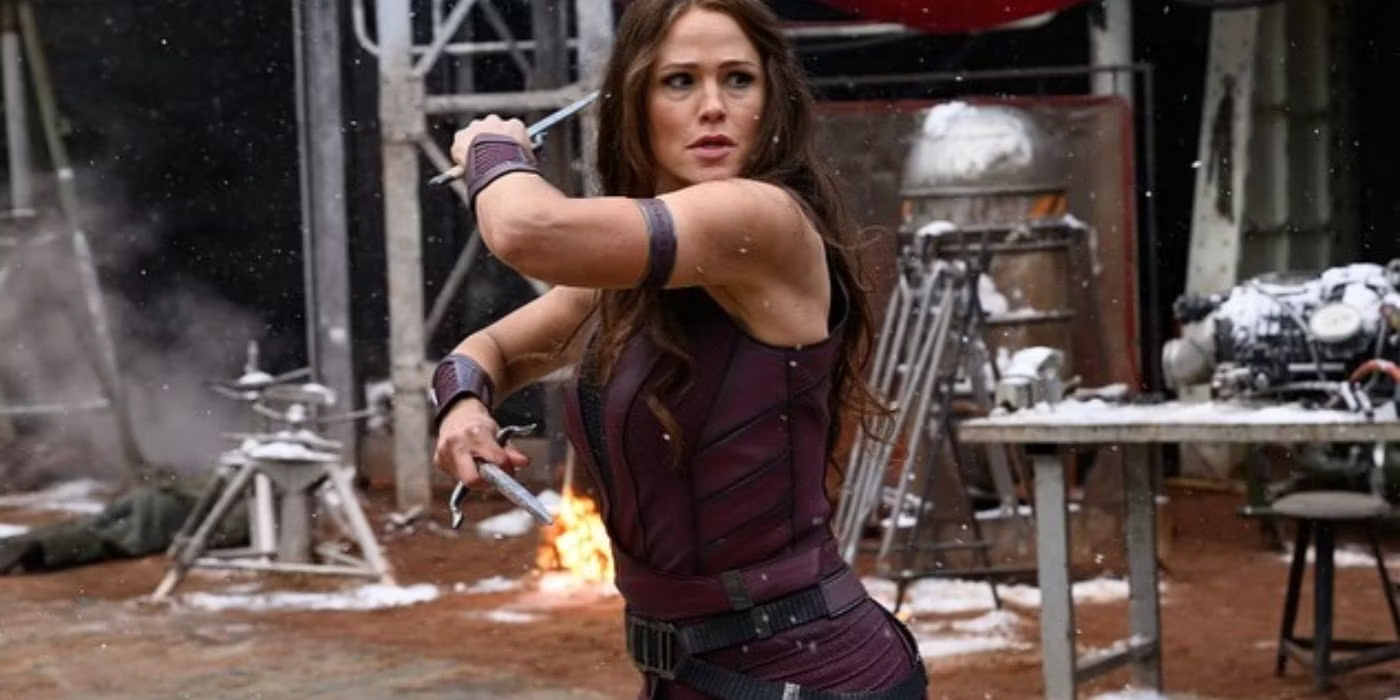
Jennifer Garner’s reprisal of the assassin may not have been wanted by those who hated the Fox Daredevil and Elektra films. Yet, her strong performance and off-color remark about Daredevil (once portrayed by Garner’s ex-husband, Ben Affleck) being killed, not only gave her character credibility, but provided some mischievous meta humor.

7. The Deadpool Corps

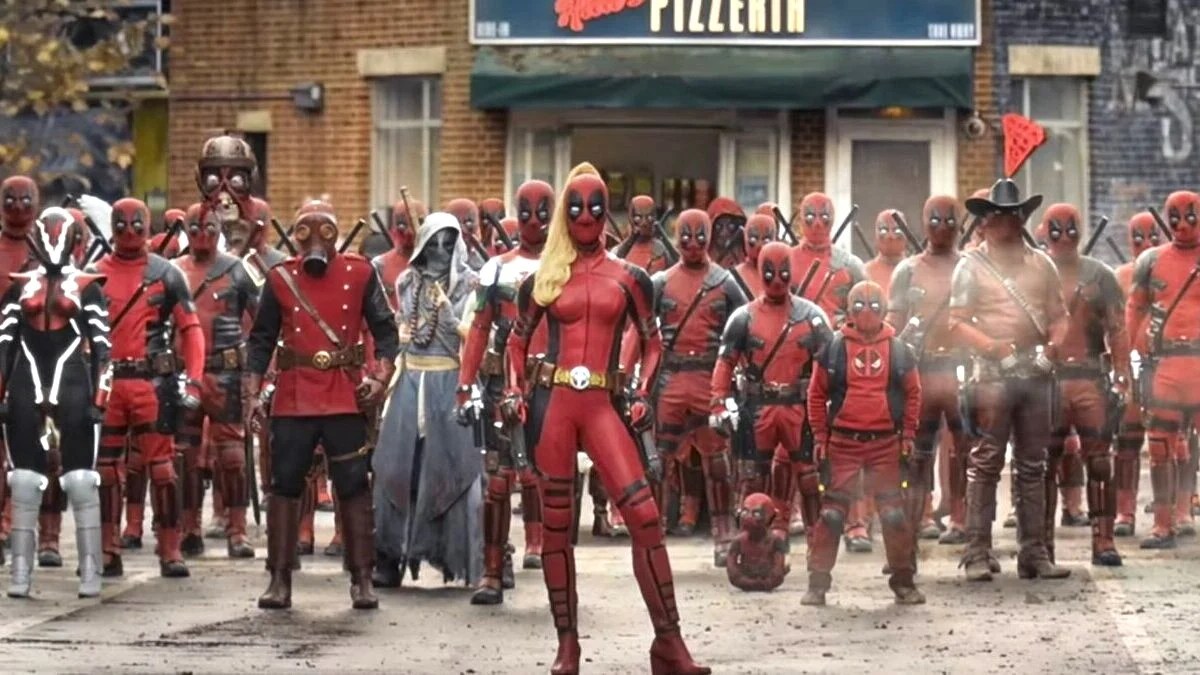
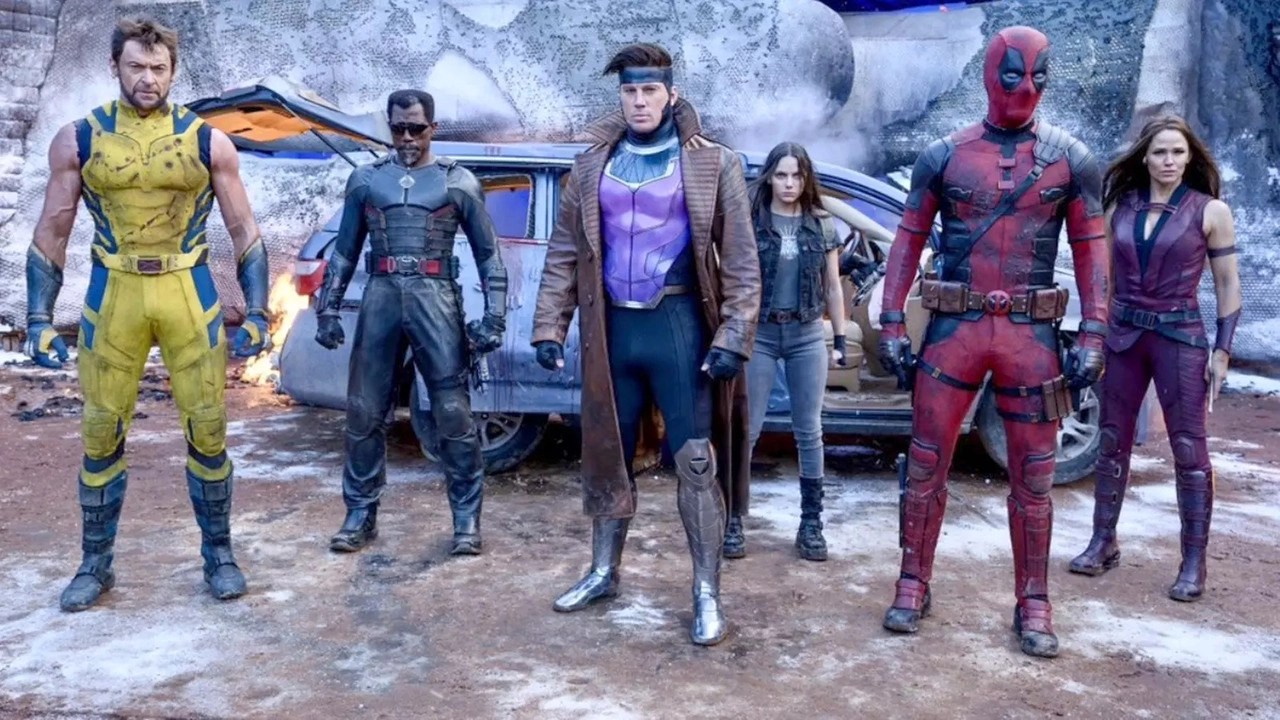
For a film that is about the main character jumping around the multiverse, it was only natural that he would encounter outlandish versions of himself. And this film certainly did not disappoint us. From Lady Deadpool to Kidpool, to Dogpool and Nicepool, the Deadpool variants were hysterical and imaginative. It’s guaranteed that we’ll be pausing the scenes when all the Deadpool variants appear together whenever the film hits home media.

6. The Hulk

The green giant made a quick appearance during Deadpool’s visit to a timeline where the events of The Incredible Hulk #181 (the debut appearance of Wolverine for you non-fans) were taking place. Sadly, we did not get to see the epic throwdown between Hulk and Wolverine, but it was a tantalizing tease. Maybe this can happen in Avengers: Secret Wars? We fans can only hope.

5. X-23

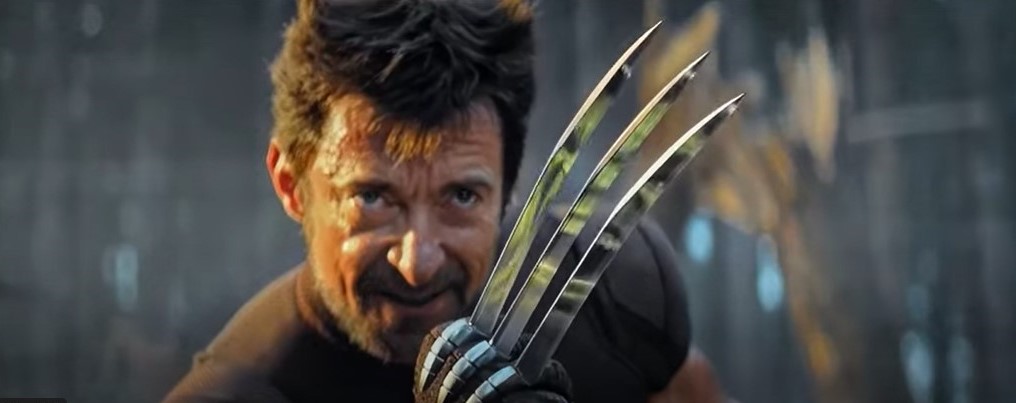
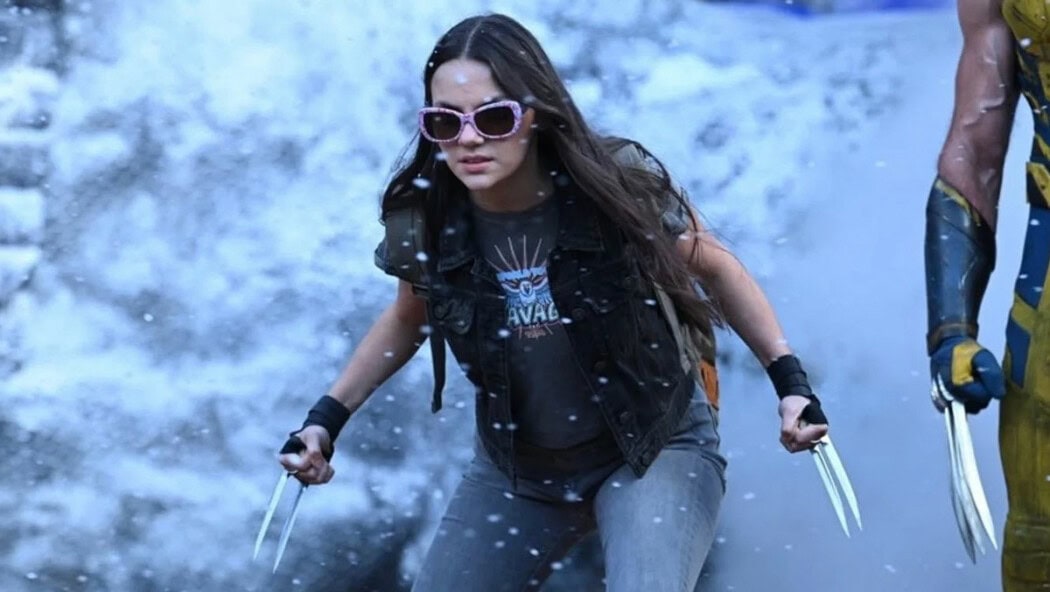
Having Dafne Keen reprise her role as a now-adult X-23 was an appropriate way to follow up Logan and reunited her with Hugh Jackman. The two actors have a natural chemistry and their scenes together provided Wolverine with needed emotional growth and a means to embrace his humanity. Keen was also such a kick-ass when she ripped those evil mutants apart later in the film.

4. Gambit

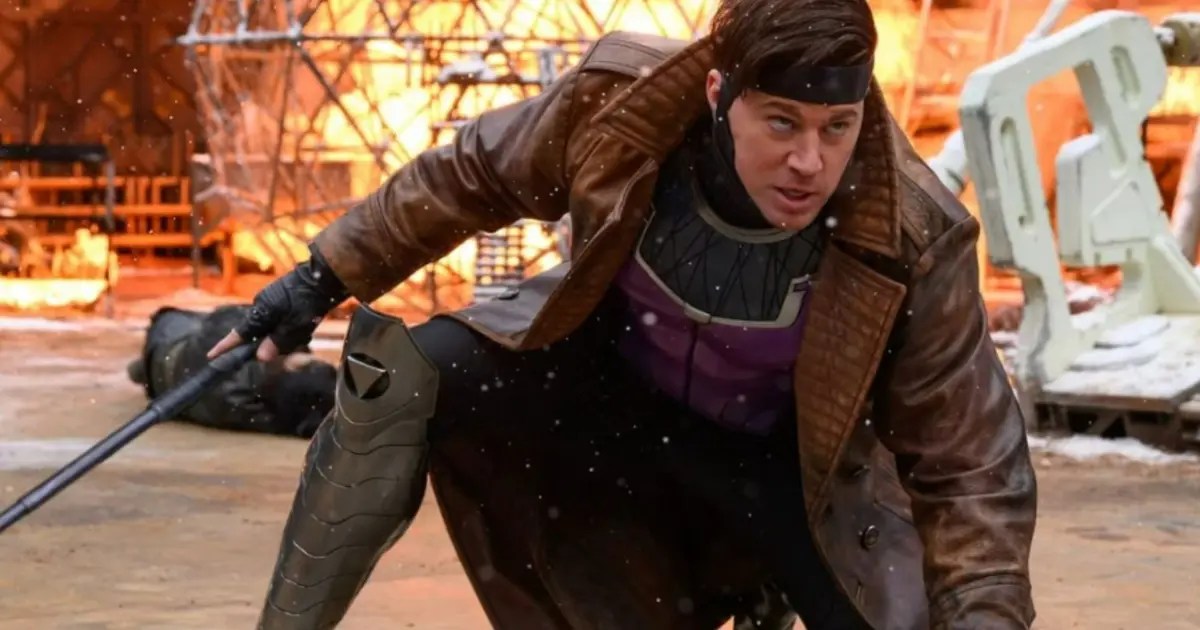
Channing Tatum was thisclose to having his own Gambit solo film before the project was canned during the time when Disney acquired the rights to the Fox X-Men films. It was a passion project for the actor and thankfully Deadpool & Wolverine gave him the chance to show off how awesome he would’ve been as the Cajun mutant, who was comic book-accurate down to his thick Cajun accent. Remember it!

3. Wesley Snipes as Blade!

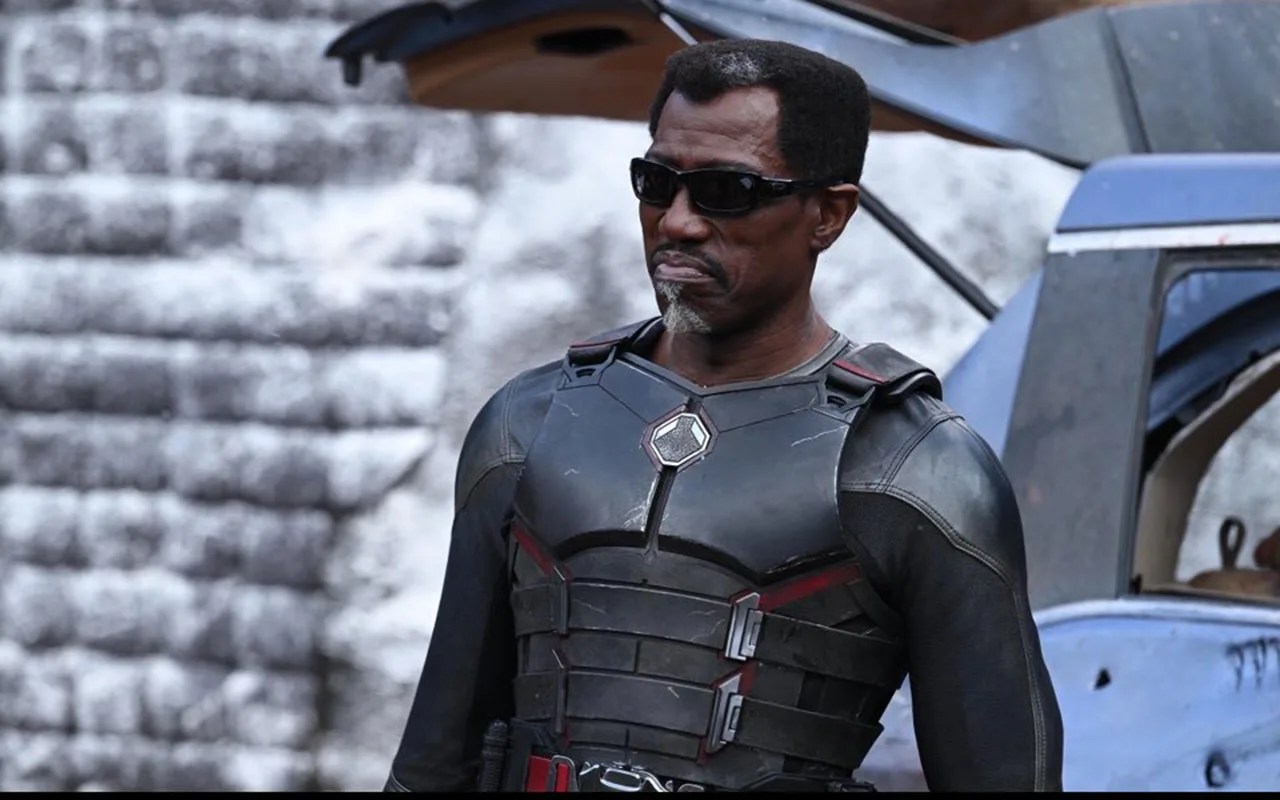
The original Blade is back, baby! With all the behind-the-scenes headaches in trying to reboot Blade for the MCU, having Wesley Snipes return as Blade was a great surprise and a fitting tribute to the actor. After all, his films ushered in the modern Marvel films and his appearance has now sparked calls for Marvel Studios to forego the character’s recasting with Mahershala Ali and allow Snipes to reclaim the role for future MCU films.  

2. Cavillerine!

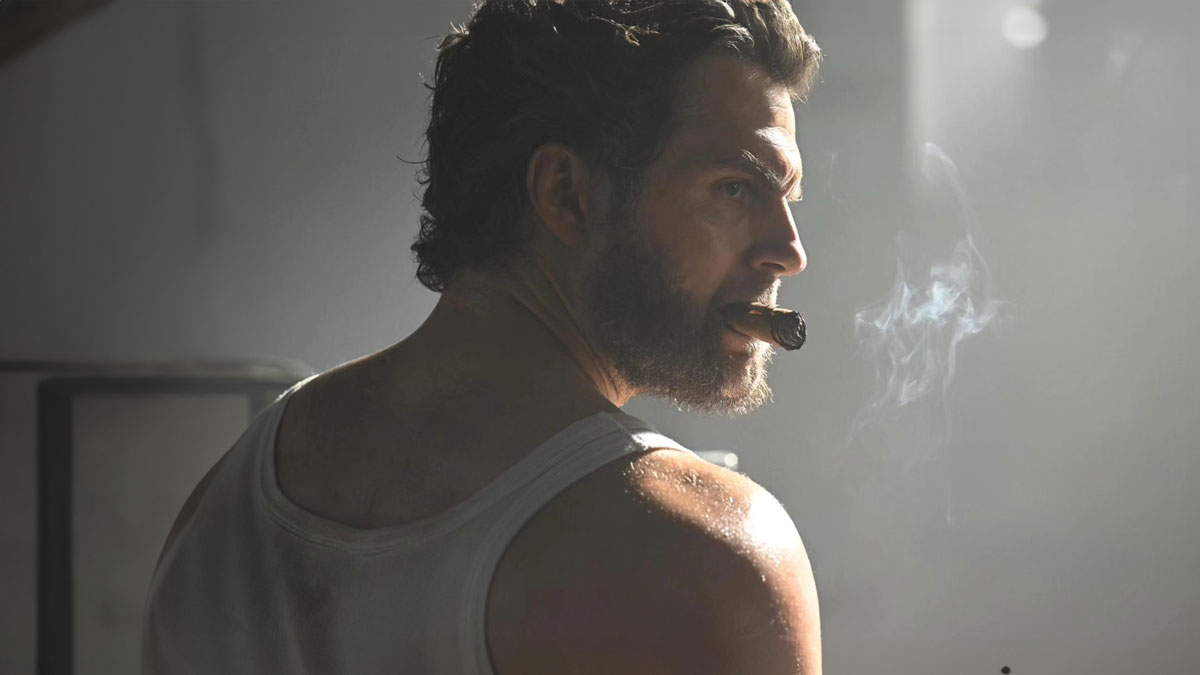
Henry Cavill’s brief appearance as Wolverine was the most unexpected cameo in the film and the best Wolverine variant to appear (though the comic book-accurate Wolverine was hysterical). Not only did it allow fans to see someone else credibly play Logan, but it was a well-deserved middle finger to Warner Bros. for the way they mistreated the actor during the entire DCEU debacle.

1. Chris Evans…as the Human Torch!

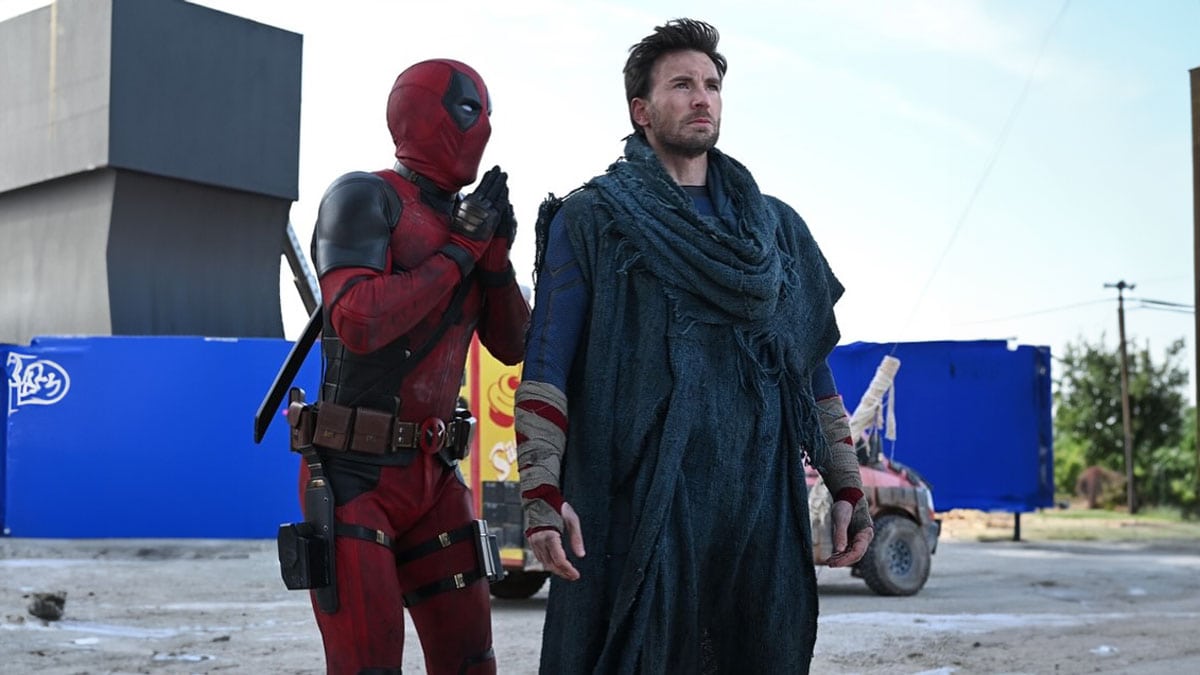
The funniest and most out-of-left-field appearance in Deadpool & Wolverine was Chris Evans who did not reprise his role as Captain America, as Deadpool and many audiences expected, but as the Human Torch from the Fox Fantastic Four films. The way he was introduced was misleading and ingenious, and a nice call back to those films. Evans’ appearance also contributed some of the best laughs in the film, especially the line by Deadpool that the actor was too expensive to keep around for too long, hence his untimely death.

The Unrealized Cameos

Given the fact that Deadpool & Wolverine deals with the multiverse, the possibilities of variant characters were endless. Unfortunately, the realities of filmmaking precluded some possible cameos and appearances, some of which were planned but never materialized.

The Avengers

Aside from archival footage at the TVA we never see the team appear, much less have them interact with Deadpool. At one point, this was supposed to happen but the logistics of gathering the actors together was too much.

Robert Downey, Jr.

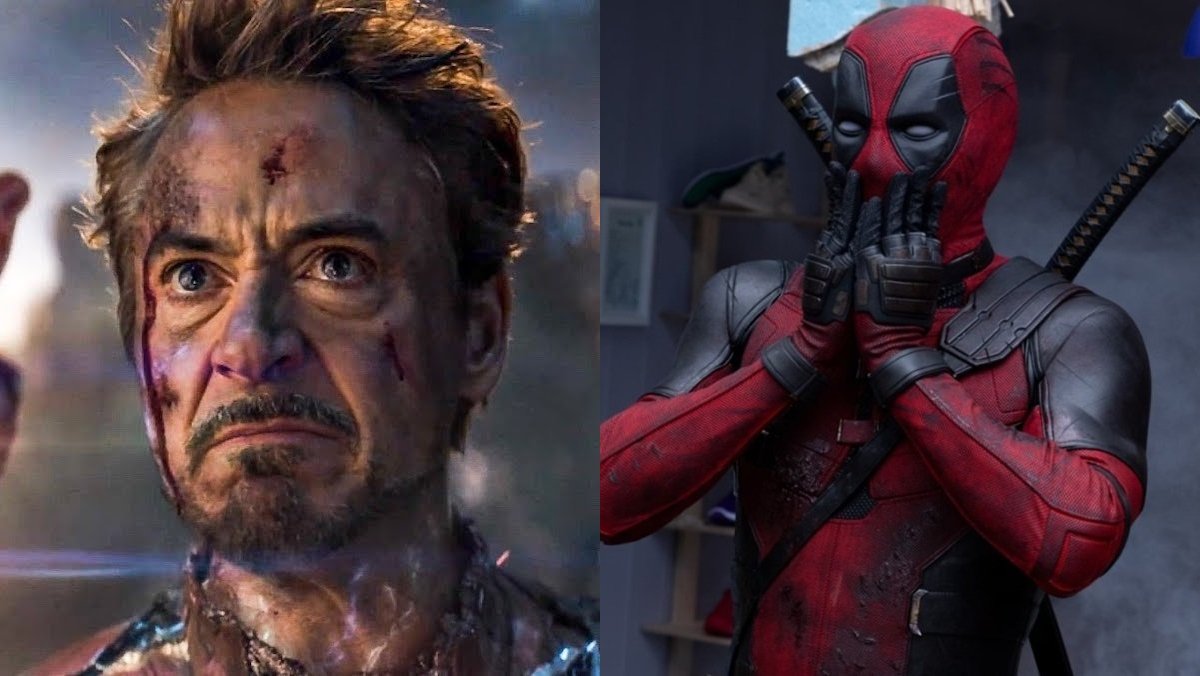
He was supposed to appear in the scene were Deadpool visits the MCU timeline and tries to get a job with the Avengers. But unfortunately, the actor turned down the opportunity and then wowed us when it was revealed that he would portray Dr. Doom, later on.

Ghost Rider

Speaking of actors who turned down the chance to reprise previous Marvel roles, Nicolas Cage was asked to appear as Ghost Rider. The actor was approached with the opportunity but for reasons unknown he passed on the offer. Blame the crappy Ghost Rider films.

Spider-Man

As much fun as it would have been to have Tom Holland, Andrew Garfield or Tobey Maguire to appear in Deadpool & Wolverine the fact that the film rights of Spider-Man are owned by Sony pretty much nipped that idea. They’ll probably appear in Avengers: Secret Wars.

Alternate Castings

Tom Cruise as Iron Man? How about Daniel Radcliffe or Tom Hardy as Wolverine? Sorry, these variants do not appear in the film nor was there any indication that this was considered. But given how busy Deadpool & Wolverine with its cameos, appearances, references and Easter eggs, it is probably for the best that these additional cameos did not happen.

José Soto

Top Ten Worst Comic Book Trends

As we enjoyed last weekend’s Free Comic Book Day event, it reminded us comic book fans about the trends we love to gripe about with the comic book industry. We’ve been griping about these trends for decades and while some have gone away, some new or persistent trends are plaguing the comic book industry.  With that said, here are the top ten worst comic book trends plaguing the industry today.

10. FOMO = Increased Back Issue Prices

Fear of Missing out (FOMO) often plagues many comic book collectors who desperately go out of their way to get the latest trending comic. This was especially bad during the beginning of this decade when any mention of a character appearing in an upcoming movie would cause prices for back issues to explode overnight. This frustrates normal collectors trying to complete a run and at the same time ends up fleecing naïve collectors who have to get the latest trending comic book. Just look at The Amazing Spider-Man #210. A couple of years ago it was highly sought after because it featured the first appearance of Madame Web. Anyone think that book is still in demand after the Madame Web movie bombed?

9. Comic Book Prices Keep Going Up

Right now, the average comic book costs about $5 per issue. Back when the medium first started, a single issue would cost less than a dollar. What used to be a relatively inexpensive hobby, at least for older readers not dependent on their parents’ allowances, is now pricey especially if anyone is trying to buy all the comics that come out on an average month. This has led to overpriced special issues, such as an issue #100, that are priced around $10 and not worth the price as they often turn out to be anthology books featuring forgettable stories instead of monumental events.

8. The Overabundance of Mini-Series

When comic book mini-series first appeared on shelves, they were often devoted to characters who either were brand new or not popular enough to warrant an ongoing series. The limited series served as testing grounds for both the characters or creative teams. Usually, this lead to some characters becoming breakout stars like the Punisher or Wolverine or gave exposure to promising writers or artists. Nowadays, it seems like there is a new mini-series everywhere you turn and often they are about established superheroes like Batman or Spider-Man. Why couldn’t these stories be told in their own titles? Sure, a particular mini-series story may not fit with the ongoing storyline but why not just run the stories in between runs of creative teams? If the famous “Kraven’s Last Hunt” storyline was released today it would have been a mini-series with variant covers and more whistles.

7. Comic Books Villains Turned Anti-Heroes

This is an annoying development with many classic comic book villains. They become so popular that the publishers wind up giving them their own solo titles where they become anti-heroes that we can relate to. The most famous or infamous example is Venom. When he first debuted in the pages of The Amazing Spider-Man, Venom quickly became one of Spidey’s deadliest and most popular foes. Unfortunately, Marvel Comics saw the character as a gold mine and increasing his appearances in the Spider-Man comics was not enough. No, Venom was given a bunch of mini-series where he faced off against other popular Marvel characters until getting his own title. The problem with this is that Spider-Man was deprived of a solid villain who could no longer be seen in the same way since Venom became an anti-hero.

6. The Multiverse Concept

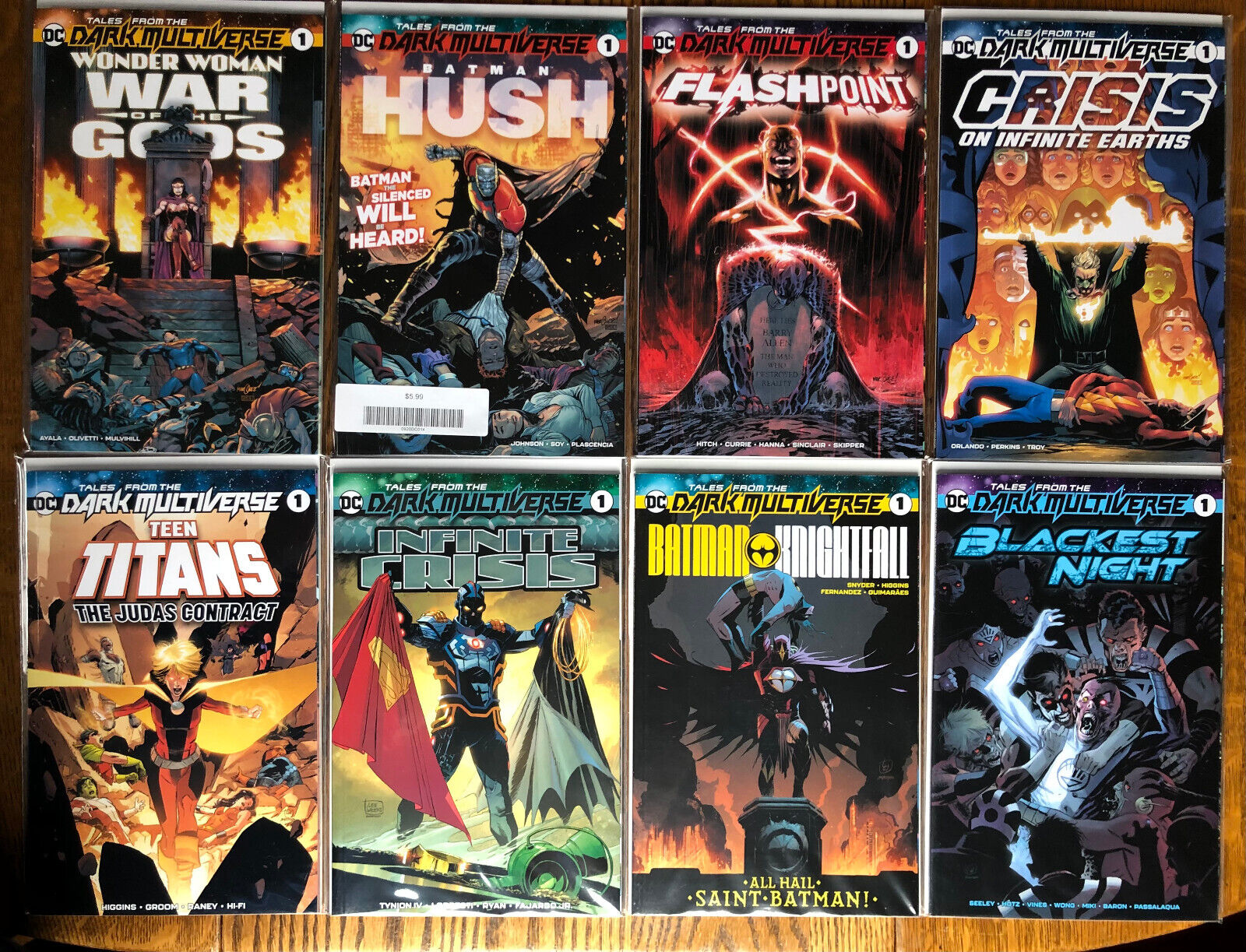
The Multiverse is a great concept that lets creative teams conjure up interesting stories outside of the limiting comic book continuities. Sometimes these stories featured the deaths of popular characters, which was unthinkable in regular comics. Great examples include the classic The Dark Knight Returns mini-series and Kingdom Come. But leave it to the comic book companies to dip into the well one too many times. DC and Marvel have released too many stories that take place in separate realities that dilute the impact of the stories and the characters. Just look at what Marvel is doing with the so-called Spider-Verse. What was a fun storyline in The Amazing Spider-Man that introduced imaginative and outlandish variations of Spider-Man has now become a means to throw up countless mini-series (see Number 8) with Spider-Man variants. On a broader scale, Marvel is going all out with a relaunched Ultimate Comics line that features our favorite characters in a different reality. This probably makes speculators happy as they look for the next Spider-Gwen but the rest of us don’t care and this leads us into the next worst trend.

5. Derivative Characters and Families

Legacy characters like Batman, Superman, or Spider-Man usually spawn a family of characters that are derivatives of them such as Batgirl, Superboy, Scarlet Spider, Red Hulk and so on. When some of these new heroes first appeared, they replaced the main characters and picked up the mantle and inspired fascinating takes on legacy characters. Steve Rogers’ Captain America led to Sam Wilson Captain America or Hal Jordan Green Lantern spawned Kyle Rayner Green Lantern. Other times these characters were just young knockoffs of popular heroes. The most recent example is Spider-Boy, one of the dumbest characters ever introduced to the Spider-Man family. Speaking of families, the problem with these characters based on legacy characters is that they dilute the original character. There should be only one Batman (who works best as a loner superhero), one Spider-Man, one Captain America, one Superman; except when it comes to Green Lantern since that character is just one of many Green Lanterns in the galaxy.

4. Too Many Crossover Events

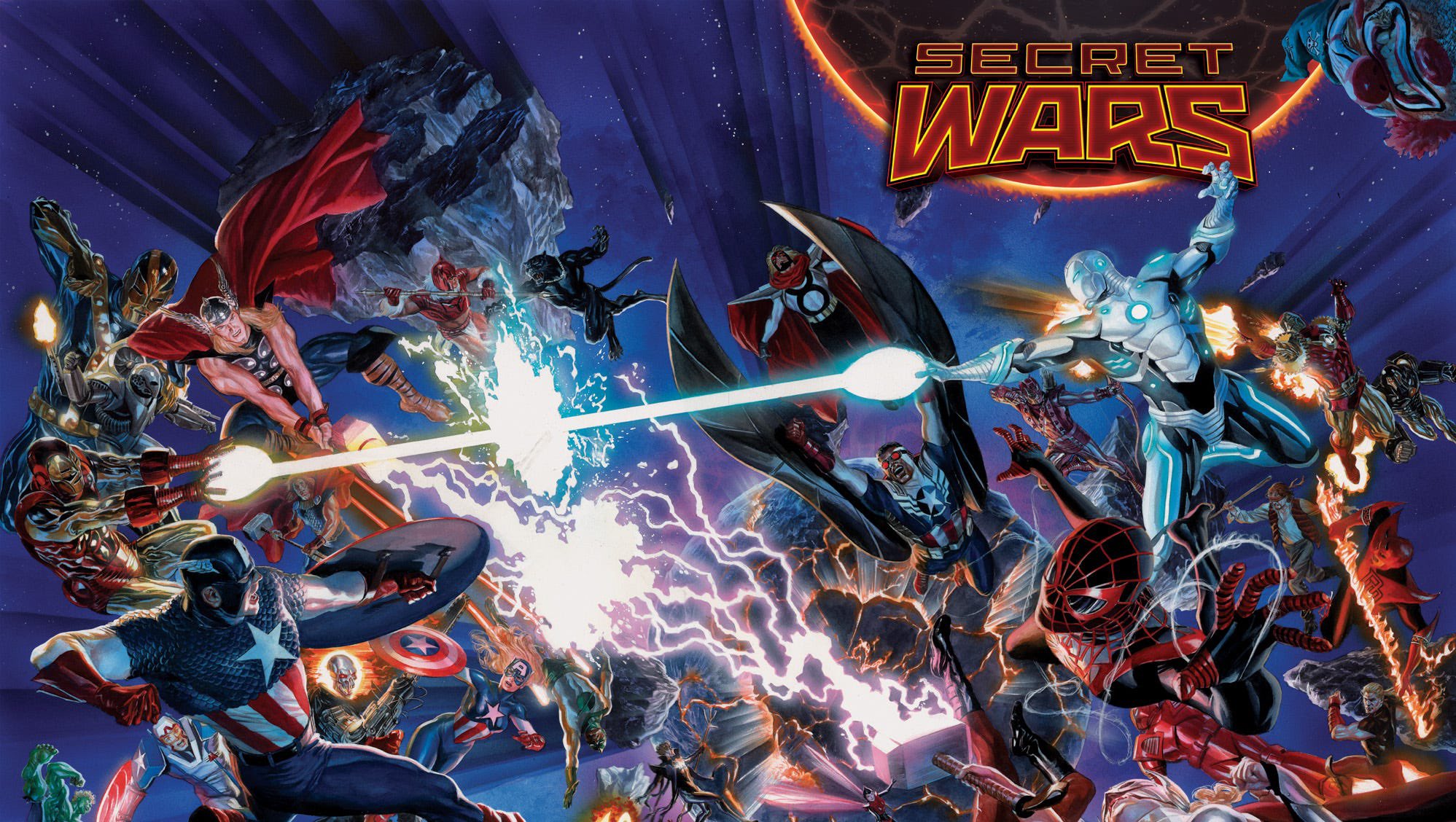
Remember when crossover events were truly special and had consequences? Ever since the success of Secret Wars and Crisis on Infinite Earths, crossover events across comic book titles have overtaken the release schedules of comic books. Often these events spill their way into regular titles and interrupt their ongoing storylines to squeeze in a tie-in story related to the crossover event. This is very annoying when following a run that builds up a certain momentum only to come to a crashing halt just to cram in an issue devoted to a crossover tie-in. Meanwhile, anyone who doesn’t follow a certain title feels compelled to buy it just to get the complete story if they were following the crossover event. We all know why these events happen (hint: $$$), and they are a good way to introduce readers to titles they often do not read, a good example was the “Unity” event in Valiant Comics way back in the 1990s. But there are too many of these crossover events now which has made readers tune out.

3. Meaningless Character Deaths

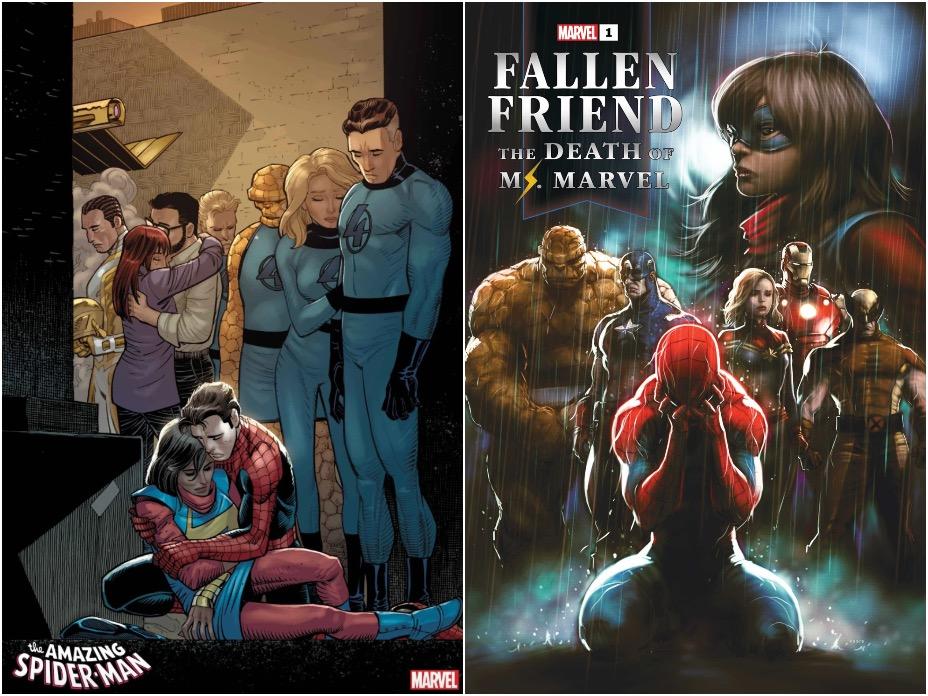
This has gone on for decades in comic books where the villains apparently were killed off only to reappear issues later with some implausible explanation for how they survived. However, this has recently happened with our superheroes, the best example was the famous “Death of Superman” storyline that made headlines and introduced new characters to the Superman family. But too often, these superheroes have been killed off just to tell stories of mourning only to have them resurrected. It has gotten to the point that a death of a character has no emotional impact. Seriously, did anyone believe for a moment that Ms. Marvel was actually dead when she was killed last year in The Amazing Spider-Man #26? The event was filled with empty platitudes and forced emotions. Note to comic book companies: If you kill off a character then that character should stay dead.

2. Variant Covers Everywhere

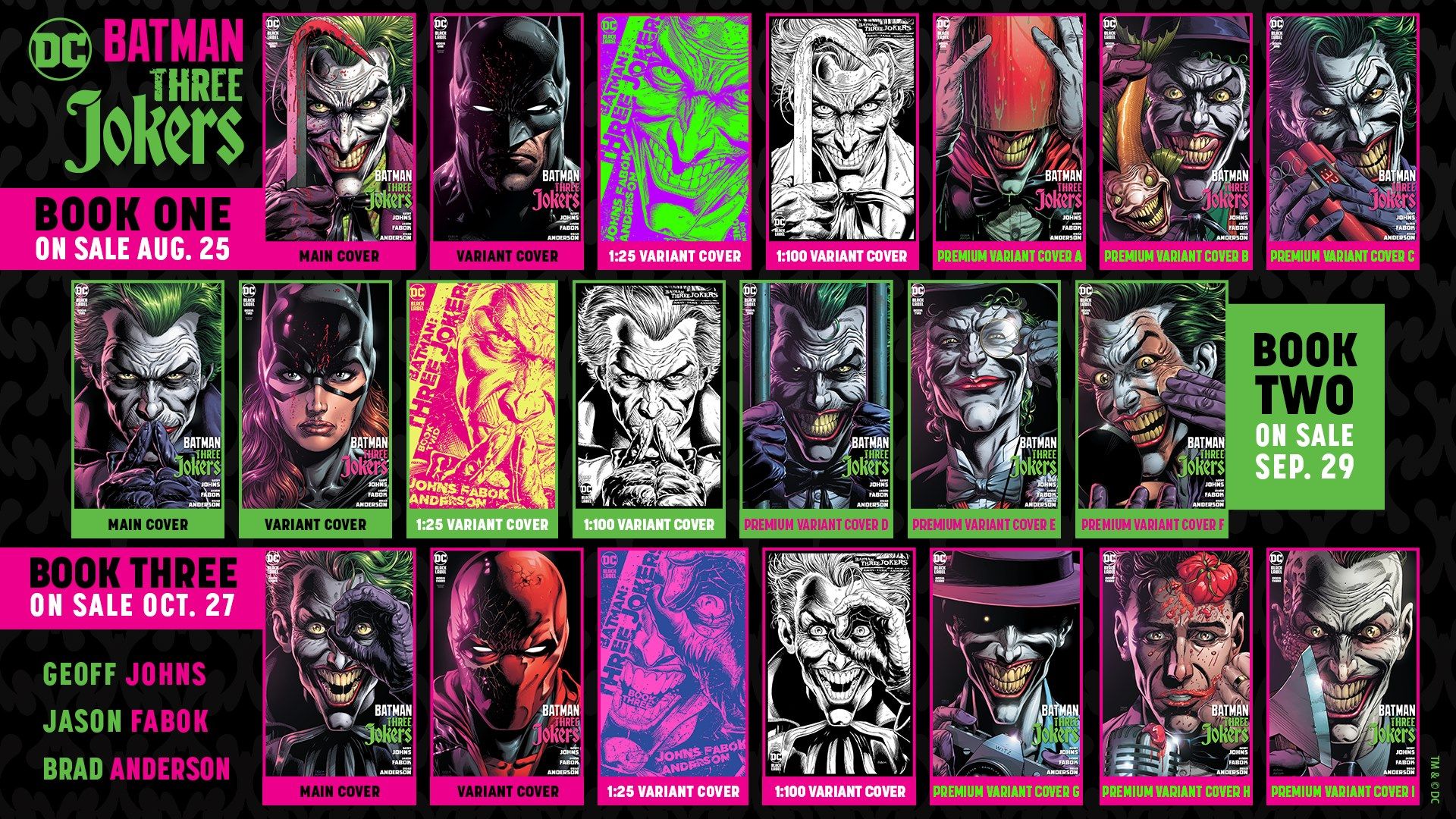
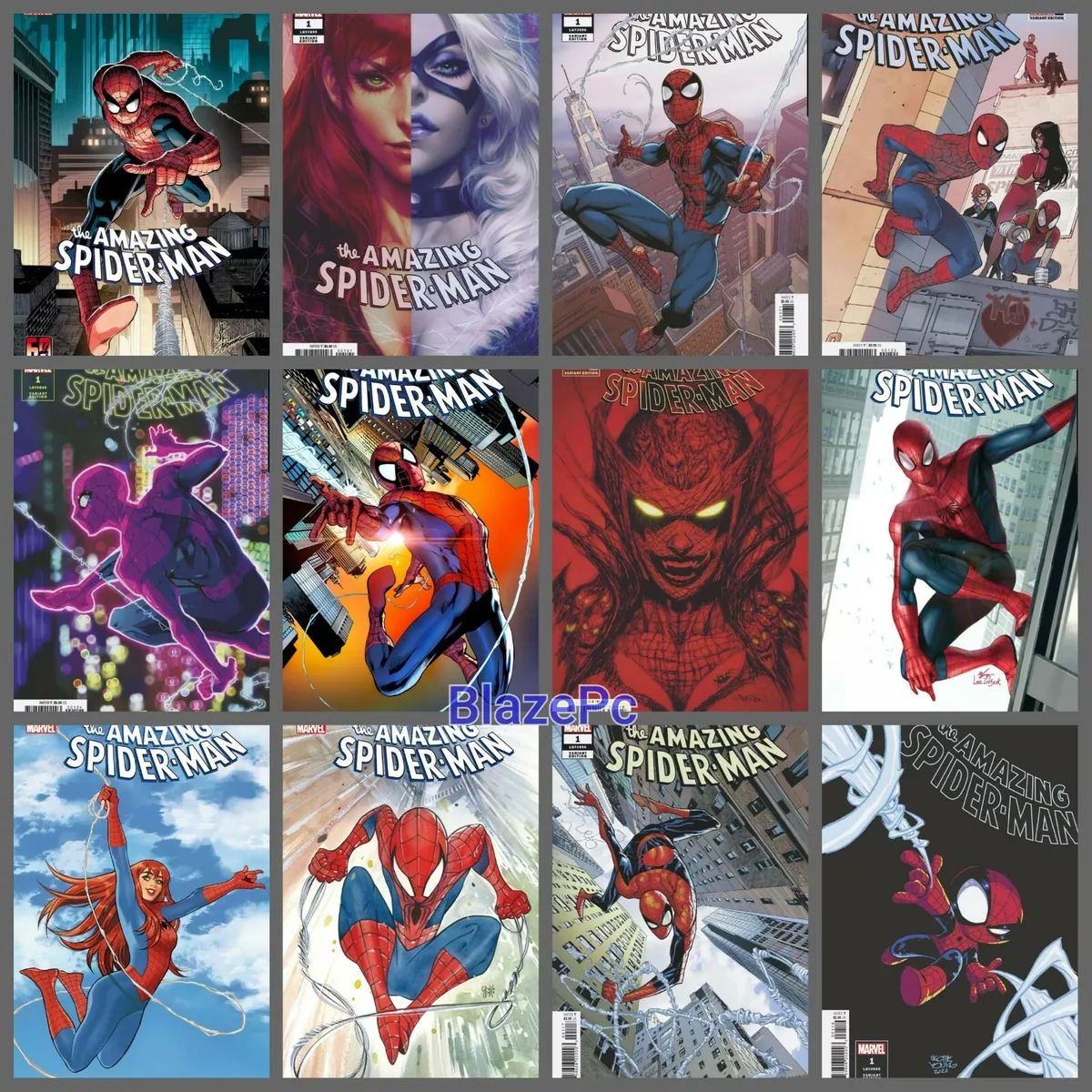
Pumping out so many variant covers to comic books is just a ploy to get collectors to spend more on the titles. It is also annoying and confusing for anyone who just wants to get a particular comic book to follow a story. Of course, no one is forced to get all the variant covers, which would be too expensive for average fans. But some completists can go insane and broke trying to find elusive covers that instantly go up in price at comic book stores. Another dilemma is that a person may only want the regular cover but sometimes that is hard to do, and that person is forced to buy a variant cover, which would be a nightmare for an OCD collector. Another very annoying trend with the variant covers is the tendency to put out covers that feature characters that do not have anything at all to do with the comic book! For proof, just look for any recent issue of The Amazing Spider-Man which is guaranteed to have Spider-Gwen or Black Cat on the cover even though neither character appears in that issue.

1. The Constant Cancellations and Relaunches of Popular Characters

This is the worst trend with comic books today and the most annoying. In the old days, a comic book would have a run that spanned hundreds of issues with creative teams coming and going from titles. It was fun trying to get the complete run or at least some significant key issues. But ever since the 1990s, comic book companies have been intent on canceling comic book titles only to relaunch them a short while later with a brand new number one issue. This is done to increase sales and attention to the comic book. While this may please some collectors who can now legitimately claim to own a copy of Daredevil #1 it annoys the rest of us who get confused when trying to complete a run. In the end, it’s just a tired marketing scheme that will not benefit the comic book in the long run. Want a long, successful run of a comic book title? Just focus on telling great stories. The word will get out to fans who will seek out the title and make it an enduring success.

José Soto

Marvel’s Sony/Spider-Man Problem

Here we go again with the two corporate giants, Sony Pictures Entertainment and The Walt Disney Company, battling over Spider-Man. More specifically the films about the superhero and everyone in his orbit. The colossal failure of Sony’s Madame Web and the delays in producing a fourth Spider-Man film set in the Marvel Cinematic Universe (MCU) only exacerbated the situation between the two companies.

Past Disagreements

Most Marvel fans know by now the convoluted story of how Sony acquired the exclusive film rights to Marvel Comics’ most popular character, Spider-Man. They also know this meant that Disney’s Marvel Studios could not make its own Spider-Man films. After the failure of Sony’s reboot of Spider-Man in the early 2010s, the two companies decided to share the character and have him appear in the MCU starting with Captain America: Civil War.

Things went well for both companies and the superhero. Marvel Studios produced acclaimed Spider-Man films as the character proved to be even more popular than ever. However, as the saying goes, all good things come to an end. After Spider-Man’s appearances in Avengers: Endgame and his solo film, Spider-Man: Far From Home in 2019, Sony decided to end its agreement with Marvel Studios and prepared to make their own Spider-Man films without the involvement of Marvel Studios and Disney. Following a huge backlash from the public, the two companies decided to play nice and the result was one of the greatest Spider-Man films, Spider-Man: No Way Home. Everything was great. The last MCU Spider-Man film essentially set him up to be a more traditional and grounded loner superhero and plans for a fourth film were underway. This was back in 2021/2022. Nothing has happened since then, and now there are reports of tension between the two companies.

Current Disagreements

Apparently, there are disagreements over the direction of the next Spider-Man film. Marvel Studios has planned a grounded, street-level film for Spider-Man that has him facing off against the Kingpin with appearances by Daredevil and other street-level heroes. However, Sony wants a repeat of Spider-Man: No Way Home where the MCU version of Spider-Man is to reunite with the Sony versions of Spider-Man as the trio would team up for another multiverse story. The reason for this is that Spider-Man: No Way Home was the most successful Spider-Man film and Sony wants more of this. While the idea of expanded multiverses has become part of the Spider-Man comic book mythos, to do the same thing after Spider-Man: No Way Home is creatively lazy and plays it safe. Also keep in mind that the recent releases of Sony’s animated Spider-Man films had similar plot lines where the title character interacted with alternate versions of himself. As tempting as it is to repeat the same thing expecting the fourth MCU Spider-Man film to be just as successful as Spider-Man: No Way Home is wishful thinking on Sony’s part. There isn’t any guarantee that lightning would strike twice. Frankly, doing a grounded Spider-Man story that would be part of a larger MCU storyline where the Kingpin is the mayor of New York City is the logical path for Spider-Man: No Way Home left our hero.

Another issue that is being reported is that Sony wants a Spider-Man film to come out next year. But Marvel Studios has four films already scheduled for release next year and adding the MCU Spider-Man film would strain the bandwidth of Marvel Studios’ resources and be too much for the average filmgoer. This could mean that one of the other scheduled MCU films would suffer at the box office. But Sony does not care, obviously they are only concerned about their own studio, which is desperate for a hit after the failures of Morbius and Madame Web. Marvel Studios could play nice and just delay one of their films next year. But the forthcoming MCU films have already undergone significant delays and Spider-Man will reportedly be a major character in the Secret Wars story, so Marvel Studios is in a pickle over how to go forward.

Sony’s Dismal Track Record

The problem with Sony is that they have proven that they cannot make a good Spider-Man or Spider-Man adjacent film. Yes, the first couple of Spider-Man films done by Sam Raimi were classics but that is largely due to the director, who ended up clashing with Sony over Spider-Man 3 and that film was a letdown compared to the first two films. Aside from an occassional Venom and the animated films, the Spider-Man and Spider-Man-related films were not well done and produced to keep the property with Sony. Apparently, Sony is contract-bound to release a Spider-Man film or one featuring characters in Spidey’s universe every few years. This was part of the reason why Raimi left the Spider-Man franchise because Sony was in a rush to release a Spider-Man film before giving Raimi the time to fully develop it. The tendency of Sony rushing out these films would explain why so many of them are bad. Another culprit is probably studio interferrence because that could only explain why Madame Web was so horrible. Let’s be objective, many of the actors and behind-the-scenes people in Madame Web are clearly talented, but the film was such a bad misfire that reeks of last-minute changes, such as poorly done ADR.

Sony is clearly desperate to create their own cinematic universe as seen with their films like Venom, Morbius, Madame Web and the upcoming Kraven the Hunter. On paper, creating a cinematic universe based on Spider-Man and characters in his world makes sense because throughout the decades the world of Spider-Man has seen many interesting characters that have spun off successfully into their own comic books. But what have we gotten from Sony? Aside from their released misfires, there were attempts to launch their own version of the Suicide Squad only this time with Spider-Man’s enemies, the Sinister Six, which was clumsily alluded to in The Amazing Spider-Man 2; a film about Aunt May as a spy in her younger days (!); and the character everyone has been clamoring for: El Muerto. Seriously, Sony, WTF?! We can understand a film about the Black Cat teaming up with Silver Sable, (which fell apart) but El Muerto? And the upcoming Kraven film has him as some kind of anti-hunting hero who gets his powers from being bitten by a lion! “Sigh”

Clearly, Sony does not know what to do with its superhero cash cow. The problem is that Sony’s ineptness is harming the MCU brand. How can this be? The Sony films are set in different universes except for the MCU Spider-Man films, which is what most fans would point out. But the average person would not know the difference. There are people who still confuse the Marvel films with the DC films! They’re not going to look at the fine print in marketing to see that Morbius was made “In Association with Marvel”, they’re going to see the Marvel logo and think that garbage Sony film is part of the MCU. This has a negative impact on Marvel Studios since the average moviegoer will think the inferior Sony films are made by Marvel Studios, which is the last thing Marvel Studios wants now that they are struggling to come back from recent setbacks with their own products.

Marvel’s Options

What can Disney and Marvel Studios do? Ignoring the Sony films is not working. Well, Disney can try to buy back the film rights to Spider-Man. Naturally, Sony will understandably be hesitant to give up its cash cow unless Disney pays them handsomely. But given the company’s financial hurdles, it’s doubtful Disney has the funds readily available for that feat. Disney can sue Sony with the argument that Spider-Man is so entwined with Marvel that the Sony films are hurting the Marvel brand even if future MCU films completely ignore Spider-Man.

Can Sony be forced to sell the rights back to Disney or at least be forced to remove the Marvel name from their marketing? Who knows at this point, but this cannot continue. Of course, the easiest way to get Sony to relinquish or loosen their hold on the rights would be for people to stop seeing the Sony Spider-Man and Spider-Man-related films. This includes Venom and the animated films. Sony has to be convinced that holding on to the film rights is not worth it if there are diminishing returns for these films. After all, it was the failure of The Amazing Spider-Man 2 that coerced Sony to negotiate with Marvel Studios to bring Spidey into the MCU. So, the ball is in our court.