Superman Flies Off To A Promising Start For the DCU

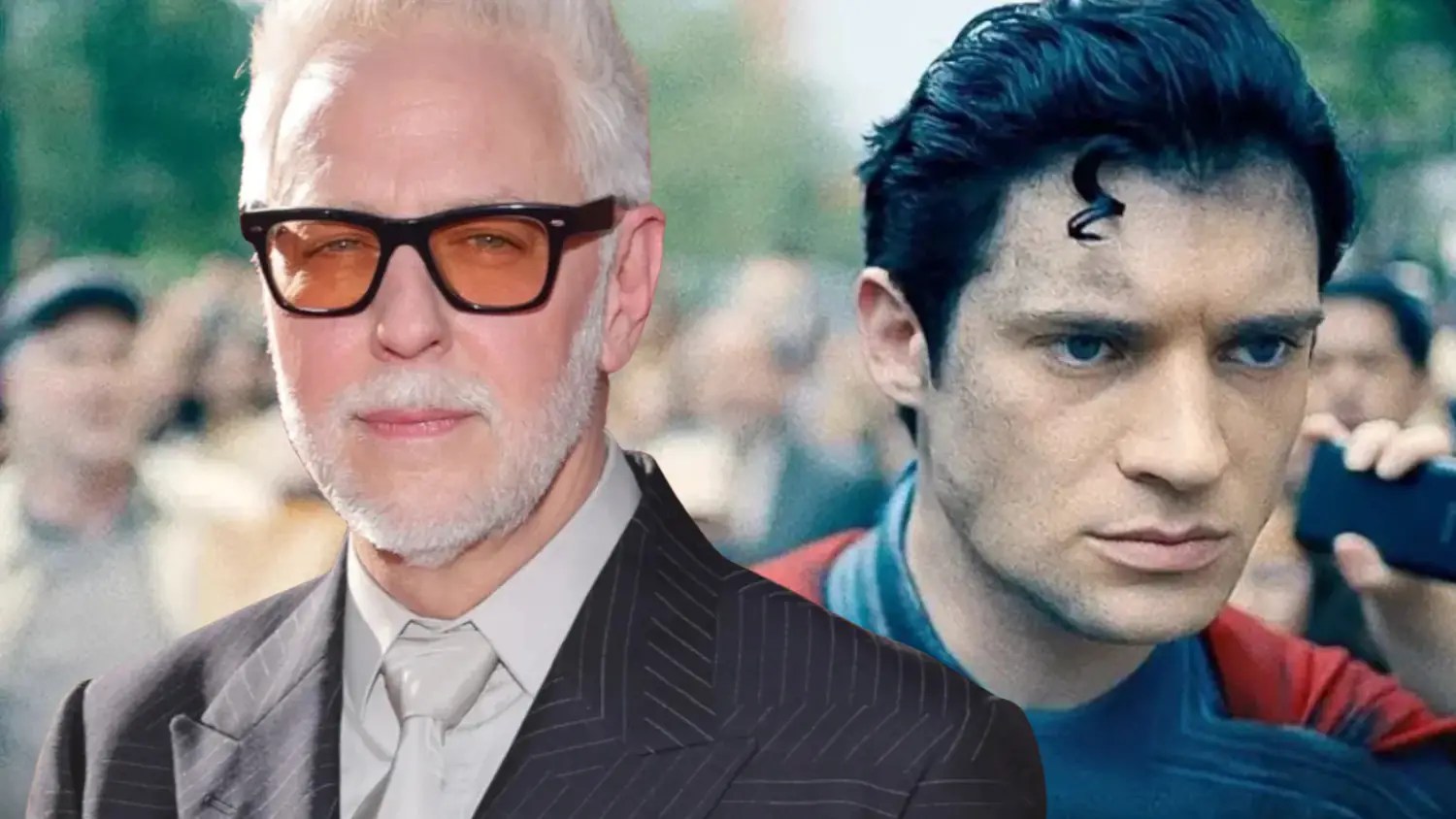
The new DC Universe (DCU) is off to a very promising start with Superman, written and directed by James Gunn, and who is also the guru spearheading the DCU.

Unlike other introductory Superman films, this latest reboot does away with the origin story of Clark Kent/Superman (David Corenswet) arriving to Earth as a child from the doomed planet Krypton and growing up to become the world’s greatest superhero. Instead, the film takes place three years into his debut. As the film starts, Superman has for the first time lost a battle against a foe called the Hammer of Baravia. In the film’s opening text, Superman stopped the country of Baravia from invading its neighbor and this action has proven to be controversial. While Superman sees this as simply preventing needless deaths and protecting a weak country against one ruled by a dictator, many people saw this as him acting recklessly without authority.

As this fallout happens, Superman’s arch nemesis, the evil tech bro Lex Luthor (Nicholas Hoult) manages to break into Superman’s Antarctic lair, the Fortress of Solitude, abduct Superman’s dog, Krypto, and steal video files of Superman’s Kryptonian parents. Luthor uses this footage to smear Superman on social media by revealing that Superman was supposed to conquer the people of Earth. This revelation quickly turns the public against Superman, who is then forced to turn himself into the U.S. authorities for his actions against Baravia. After he is imprisoned in a pocket dimension, it is up to his lover and fellow reporter Lois Lane (Rachel Brosnahan), and allies Mr. Terrific (Edi Gathegi), Guy Gardner (Nathan Fillion), Jimmy Olsen (Skyler Gisondo), and Hawkgirl (Isabela Merced) to find a way to free him, discover Luthor’s true motives and expose him.

Superman works for so many reasons. The film immediately does away with the dour and gritty look of the recent Superman films that divided many fans. This version of Superman is bright, cheerful but not without conflict. However, unlike the last big-screen incarnation of Superman, this one is more human and is not brooding or trying to find his place in the world. In many ways, this version of Superman better reflects the more human and relatable version we last saw in the recent TV show Superman & Lois.

Yes, Superman has its flaws such as some colorful supporting characters did not get much screen time compared to others and the plot moves a bit too quickly, which tamped down some emotional points. But the breakneck pace of the film for the most part works in the film’s favor as it keeps everything moving at a lively pace that rarely lets up. It is refreshing that James Gunn was not afraid to embrace the characters’ goofy and sci-fi fantasy comic book roots and present them in an endearing and fun way that celebrates the DC Comics, especially during its late Silver and Bronze Ages.

It goes without saying that Superman is probably the most comic book-oriented film in recent history. It is not afraid of its comic book roots; it actually celebrates them. In our very cynical time that is full of strife and misery the bright, optimistic nature of Superman is a much-needed escape into a more hopeful world where good triumphs over evil in the end, and decency is commended as represented by Superman himself. This brightness also stands out in contrast to many recent superhero/comic book movies.

James Gunn must be applauded for having the vision and skill to pull off this exuberant debut for the DCU. He exhibits a lot of the quirky humor and pulse-pounding action beats that he demonstrated with his Guardians of the Galaxy films and The Suicide Squad. The camera work is simply breathtaking in many of the fight and flying scenes. The special effects are nearly perfect as is the production design. At the same time, the film is injected with so much emotion and character. This would not be possible with an inferior cast, but thankfully, Gunn recruited some of the best actors for this film.

Corenswet does a fine job as a more relatable Superman, although there was not enough time given to his dual identity of Clark Kent, but that can be remedied in the next film.  The other acting stand outs include Brosnahan, who probably portrays the best big-screen version of Lois Lane, Hoult as Luthor, who eerily evokes current D-Bag tech bros who are becoming the ruination of our society, and Gathegi, who steals many scenes with his dry one liners and goofily stoic nature. But the true star of the show, aside from Superman himself, was Krypto the Superdog. As he did with Rocket Raccoon, Gunn presents us with an endearing animal character that steals many scenes with great humor and genuine affection. And he’s a good dog!

Superman could not come at a better time, not just for DC Studios or even superhero films, but for everyone in general. Just as the original Superman in 1978 was a beacon of hope and light in a troubled time in our history, this 2025 version of Superman also serves as reminder that we can be better, and we will be. With such a great start to the DCU, it’s exciting to see what comes next for this new cinematic universe.

José Soto

The Eve OF The DCU’s Chapter One: Gods & Monsters

After the downfall of the DC Extended Universe (DCEU), the new DC Universe (DCU) cinematic universe has risen from the ashes and kicks off with Superman on July 11, 2025.

Fans of DC have both eagerly anticipated this meant and dreaded it ever since filmmaker James Gunn announced DC Studios’ planned DCU line up in early 2023 with a slate of films and TV shows. The first TV show which actually started the DCU last year was the animated Creature Commandos which streamed on Max. The show received positive reactions although it seemed similar to James Gunn’s DCEU film The Suicide Squad, but with monsters as the main characters forced to work for the government instead of supervillains. One thing that Gunn made clear was that Creature Commandos was canon to the DCU and even one of the featured characters from that show, Rick Flagg, Sr., will appear in Superman.

Right now, fandom and the public at large are focused on Superman, which inaugurates the DCU in live action. The marketing push for the film is very intense and pervasive with the usual deluge of merchandise and trailers (but gotta admit any merch about Krypto the Super Dog is so damn cute; Gunn has a way with animals) and publicity. There is a good reason for the push by DC Studios’ parent company Warner Bros.

RIP DCEU

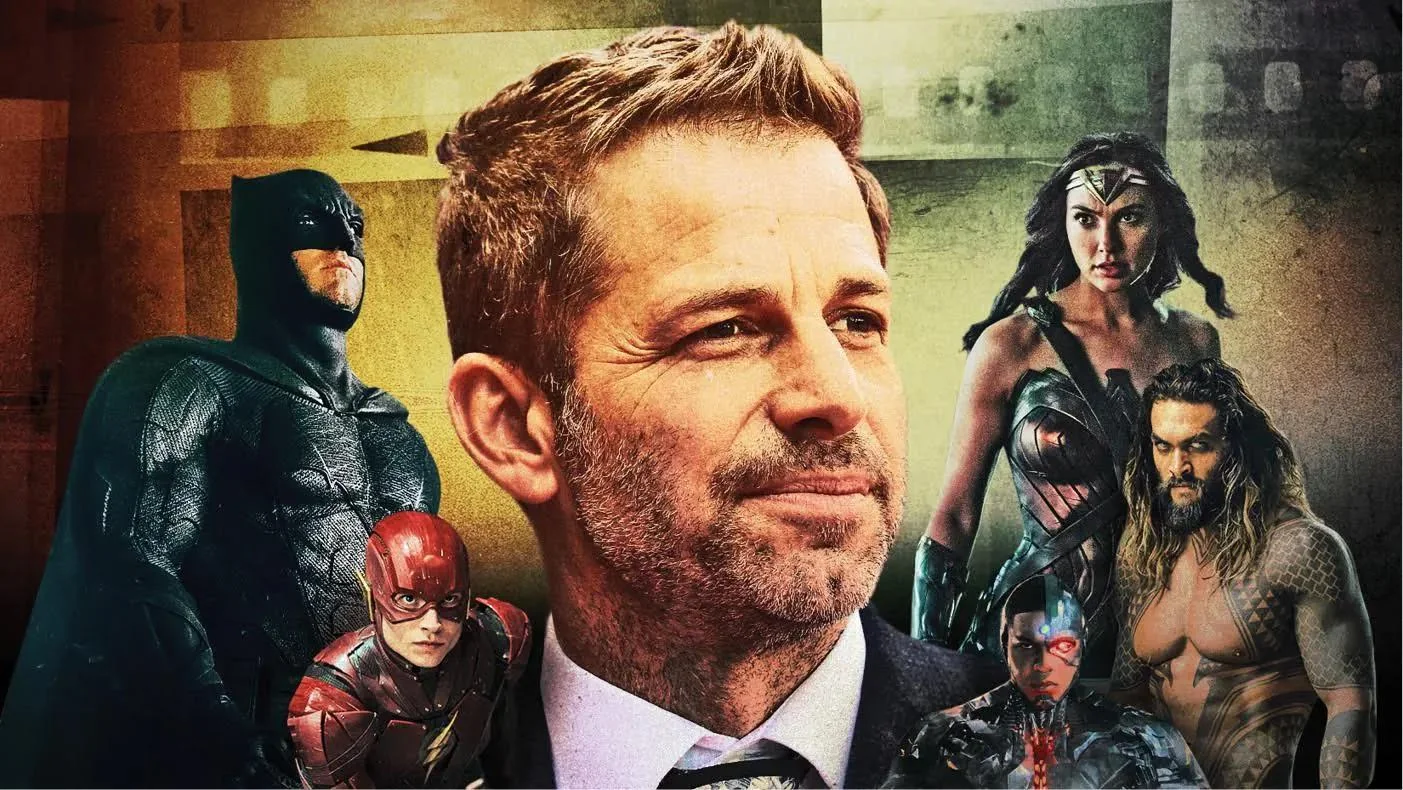
As everyone knows, the DCEU was supposed to be film studio’s answer to Disney’s Marvel Cinematic Universe (MCU), which has been wildly successful ever since it debuted in 2008. The DCEU had everything going for it: popular superheroes that enjoyed success in the box office and TV with projects like Christopher Nolan’s Batman films, the Arrowverse on TV and Smallville. Even Nolan helped launch the DCEU by helping to create Man of Steel. But for many reasons the DCEU was plagued by many problems, mostly due to studio interference, impatience and greed. Warner Bros. was in a rush to compete with the MCU and didn’t allow the DCEU to grow organically and build up a fanbase like with the MCU. Instead of carefully introducing characters, they were clumsily mashed together just to premiere Justice League, the DCEU answer to The Avengers, just a few short years after Man of Steel. Many of the films were not well received and it seemed as if the DCEU was playing catch up with the MCU. But what really killed the DCEU was interference by studio executives who were chasing the almighty dollar and did not seem to care about the quality of the films.

Despite attempts to salvage the DCEU by the early 2020s it was clear that the cinematic universe was without direction and falling apart. To the studio’s credit, they recognized James Gunn’s talent and vision with The Suicide Squad and offered him the opportunity to revamp its cinematic universe. He essentially started over with the DC properties and has launched the DCU with its initial projects being labeled as Chapter One: Gods & Monsters. Of course, this entailed huge changes including the recasting of the DC characters. Actors, like Henry Cavill, were removed from playing iconic characters and in the case of Jason Momoa, he was recast to play a different role in the DCU. This development was controversial and incense some fans of the DCEU who automatically hated anything to do with the DCU and have taken to the Internet to troll Gunn and the DCU. Unfortunately, that is par for the course with social media these days.

Continue reading

How To Train Your Dragon (2025) Shows How To Do Live-Action Remakes

Fifteen years ago, DreamWorks Animation (DreamWorks) graced the world with the brilliant film adaptation of Cressida Cowell’s How to Train Your Dragon (HTTYD) novel series. The film was released to massive fanfare from both critics and casual audiences, citing the film’s plot, music, and characters as great and unique. The success of the first film led to 2 sequels and even spinoff TV shows of the same name, and now, 15 years later, comes a live-action remake. This came as a surprise since DreamWorks has never dabbled in the “live-action remake trend” spearheaded by Disney, so I along with many others had mixed feelings on this. However, just in time for Father’s Day, I decided to watch it with my dad, and I was pleasantly surprised at the outcome.

DreamWorks’ How to Train Your Dragon (2025) is a brilliant homage to the original film, taking care of the original vision, helped by the return of the first film’s director, Dean DeBlois. The story follows young chief-to-be Hiccup (played by Mason Thames) as he flails around a brave Viking village, being of no use as always when a hoard of dragons terrorize the village. He luckily manages to shoot down the most feared dragon type, a Night Fury, but nobody takes him seriously. His father, Stoick (played by Gerald Butler, surprisingly reprising his role from the animated films), feels dissatisfied with his unworthiness, so he leaves him in the caring hands of his best friend Gobber (played by Nick Frost), to both babysit and train him. Hiccup pursues the Night Fury he shot down hoping to confirm the kill, but when he finds it, he is unable to finish it off, leading into a masterful and heartfelt story.

I am happy to report that the original story is done justice with every major beat being preserved and at times even elevated by the script and acting. Speaking of which, the actors do a phenomenal job portraying the characters and they feel as if you’re watching these characters as actual people. People complained about Astrid’s casting, with the actress (Nico Parker) not looking much like the original rendition, but she portrays the character amazingly. Unlike previous Disney live-action remakes having poor acting (“cough, cough” Snow White “cough, cough”), DreamWorks seemingly knocked them out of the water in every aspect when it comes to remakes, in addition to the topnotch casting and script in HTTYD.

In addition, the music in How to Train Your Dragon is absolutely beautiful and always elevates the scenes in an inspirational way. One scene of note is the iconic “test drive” scene with Hiccup riding the flying Night Fury he names Toothless which has an amazing score complimenting it. I have seen mixed opinions about the new rendition of the same music, but in my opinion, it made the scene even more jaw dropping, sprinkling a feeling of grandiose into the already majestic landscapes as Toothless and Hiccup take their first flight together. This is most likely the case because of the return of the original film’s composer, John Powell, to score this film. A trend that aligns with the success of this film that I’ve noticed is it brought back a lot of the original team and got their creative influence to assist with bringing a beloved film to life. If Disney were to take notes from DreamWorks, maybe their live-action remakes can feel more than just soulless cash grabs.

It is worth noting that the visuals in How to Train Your Dragon were really well done, adapting the dragons and the vivid world of the series in a careful matter that proves that Berk can translate into realistic visuals. With these live-action remakes, Disney tends to butcher the visual aspect, which is arguably the most important part of said translation. You cannot possibly expect fans of a beloved story to be on board with slapping lazy and chalky visuals while simultaneously ruining their childhood. This is why movies like Snow White (2025), The Lion King (2019),and Dumbo (2019) may have had some financial success, but bombed when it came to positive reviews.

The set pieces in How to Train Your Dragon can range from spectacular and gorgeous to dark and grim while keeping the same visual soul of the original animated film. When it came to the designs for the dragons, I will admit I found it a bit strange that Toothless stood out amongst the rest. Every dragon other than Toothless felt like they came out of Game of Thrones, being hyper realistic rather than being more on the cartoony side with Toothless. I understand why this was done, most likely to emphasize that the rest were actual threats to humans and at the same time, make Toothless more adorable, but it was odd to me.

Overall, DreamWorks’ How to Train Your Dragon (2025) remains a spectacular and emotional journey of changing the future for the better and dealing with familial tensions. The return of the original team greatly helped this project feel lively and not like most of Disney’s recent live-action films. Stand out features include the brilliant cast, the heartfelt music, and the jaw dropping visuals. I would highly recommend giving this film a shot if you were a fan of the original, and even if this is your first exposure to the How to Train Your Dragon franchise! Also, the film comes out just in time for the opening of Universal’s newest park, Epic Universe, which features a land based on the HTTYD franchise, Isle of Berk.

Angelo Soto

After Andor What’s Next For Star Wars?

The Disney + Star Wars TV series Andor concluded to much deserved acclaim, and it did something that seemed improbable given the state of the Star Wars franchise. Andor has helped create renewed enthusiasm for Star Wars as it showed how versatile and mature the franchise can be.

Ever since Disney acquired Star Wars from its creator George Lucas, the projects the company and Lucasfilm put out have received mixed reactions. At first, the franchise received a lot of renewed enthusiasm after the releases of Disney’s first two Star Wars films, Star Wars Episode VII: The Force Awakens and Rogue One: A Star Wars Story.

But the reception to the following films, Star Wars Episode VIII: The Last Jedi, Solo: A Star Wars Story and Star Wars Episode IX: The Rise of Skywalker, was a lot less muted as many fans soured against the Disney films. As a result, the box office returns were not quite as high as the early films and in fact, Solo did not perform well in theaters.

This Was the Way

The Star Wars franchise recovered significantly when the first Disney + Star Wars TV show, The Mandalorian, debuted on the streaming app in 2019. For a couple of years, Mandalorian fever gripped fans and the larger public as Grogu, the infant Yoda-like co-star of the show captured the public’s hearts and imagination. It seemed as if the TV show single-handedly rescued the franchise and injected new life into it. However, many of the other Star Wars TV shows were not as popular or had the level of quality as The Mandalorian, except for Andor. In fact, although Andor did not have the high viewership numbers that The Mandalorian enjoyed, it was a massive critical hit as it presented a fresh and adult take on Star Wars with its grounded look at how the Rebellion began in earnest against the Galactic Empire.

Still, despite Andor’s critical success, Star Wars on the whole was floundering as inferior TV shows like The Book of Boba Fett and Ahsoka disappointed fans and emboldened toxic trolls to attack Star Wars. Then there was the fact that the film franchise was essentially dead as many announced films never went into production, except for next year’s The Mandalorian and Grogu. Even recently, The Mandalorian fell out of favor with many fans because of its third season, which was not as well received as its first two seasons.

New Heights of Quality Star Wars Television

When the second season of Andor first streamed fans and critics applauded the show’s mature, sweeping and complex nature with its nuanced and well-developed characters that quickly generated memes and online discussion about the nature of defiance, sacrifice and societies.

What truly captured the hearts of fans were its story arcs devoted to the Ghorman Massacre and the final arc that wrapped up the story lines of many characters including Cassian Andor himself. The last time we see him, he was departing for what would be his final mission in Rogue One. A mission he never returned from. What made his final on screen moments so heartbreaking was the revelation in Andor’s final scene that he fathered a child that he would never know. And no, this child is not Poe Dameron from the Star Wars Sequel Trilogy.

What made Andor so great and unique was that it had no connection to the Jedi, the Sith, or the larger Star Wars/Skywalker saga. It instead focused on random, everyday people living regular lives and how the Empire affected them to either join the cause or support the Empire through simple acts that cascaded into mass movements that affected the galaxy.

It should be noted that Andor was not the only TV show to break out of the traditional Star Wars mold. Others like Skeleton Crew and The Acolyte gave us different stories that took place at different time periods and had little to do with the Skywalker Saga. However, they were not as regarded as highly as Andor.

Continue reading

Season Two Of Andor Proves It Is The Greatest Star Wars TV Show Of All

Andor just completed its second and final season on Disney + and it proved beyond question that it is the greatest Star Wars TV show ever presented. Some fans may complain that it is too slow or too adult or too unlike Star Wars, but they are missing the point. Andor demonstrates that Star Wars can be much more than action-oriented, near fantasy stories that are supposedly geared more to children. The IP is much more than that and Andor shows us the potential of what Star Wars can be.

The second season of Andor is broken up into three-episode arcs, with each arc taking place a year apart as the overall narrative counts down to the original Star Wars and Rogue One: A Star Wars Story. As each arc progresses, we get to see how the complex characters develop and grow.

Among the great things about Andor are its rich characters starting with the title character himself, Cassian Andor (Diego Luna), a spy for the burgeoning Rebel Alliance. In the early years of the rebellion against the Galactic Empire, Andor travels through many worlds on spy missions to undermine the Empire. But in his heart, even though he detests the Empire, he wants to retire to a quiet life with his girlfriend, Bix Caleen (Adria Arjona), who is suffering from PTSD after being tortured by the Empire in the first season. Sadly, as anyone who has seen Rogue One knows, that is not to be for Cassian. Knowing Andor’s ultimate fate and the impact he will unknowingly have in the fight against the Empire makes his personal growth so compelling. We see that he has grown as a character since the first season. Back then, he largely looked out for himself and only through tragedies did he join the Rebellion. When we see him throughout the second season, Andor is now a polished spy who could blend into several environments as he pulls off capers like stealing advanced Imperial TIE fighters or doing reconnaissance in the tragic world of Ghorman, as it becomes a hotbed for unrest against the Empire.

It turned out that the storyline in Ghorman, which continued through two arcs, was the centerpiece of Andor. We get to see a rich culture that seemed vaguely European and an obvious stand-in for France during World War II with amateur spies and rebels facing a hopeless situation against the Empire. What made matters worse was that the unrest on Ghorman was orchestrated by the Empire just to create a media narrative that the populace was full of terrorists just so the planet could be mined for a mineral needed for the Death Star battle station. The entire storyline was an unsettling mirror and a damning commentary for our current situation where people blindly believe whatever narrative government officials tell them and the misuse of media.

The two-part story arc of Ghorman culminated in the so-called Ghorman massacre in the seventh episode as many brewing subplots came to a head. Several characters had cathartic encounters with each other, notably the Imperial bureaucrat Syril Karn (Kyle Soller), who was obsessed with finding and arresting Andor that was like Inspector Javert chasing after Jean Valjean. While Syril is a sniveling and insecure man, his storyline is quite captivating and is a grounded look at how civilians live in the age of the Galactic Empire. He was basically a nobody who was needled by his mother and only wanted to move up in middle management. What made his story interesting was that we see that he slowly began to sympathize with the Ghormans and that he was being manipulated by his girlfriend Dedra Meero (Denise Gough), an Imperial operative who was equally ambitious.

Deedra herself was obsessed with learning the identity of who she considered to be the mastermind behind the Rebellion: a person she called Axis. This turned out to be none other than Andor’s recruiter and mentor Luthen Rael (Stellan Skarsgard), a master spy who runs an antique shop in the Imperial capital world Coruscant and helped fund and coordinate the intelligence network for the Rebellion. Skarsgard gave what is probably the performance of his career as Luthen, a morally complex and mysterious operative who has no boundaries and will use anyone and any means to defeat the Empire. That is incredible considering how perfect the performances are from the other cast members, starting with Luna.

Getting back to the Ghorman Massacre, the incident in the episode “Who Are You?” was very disturbing and hammers home how evil the Empire is; they really are space Nazis who should not be admired. This incident turned out to be a turning point not just with the Galactic Civil War but with the destinies of many characters including Andor. As mentioned before, Andor played a critical role in the early days of the Rebellion. In the second season his most important contribution was when he went to Coruscant and extracted Mon Mothma (Genevieve O’Reilly), one of the few senators who spoke out against the Empire after the massacre and ended up becoming the leader of the Rebellion. The episode “Welcome to the Rebellion” is where Andor extracts her from Coruscant and it was very intense and rousing, especially in the scenes where she gives her speech to denounce the Empire and afterwards when Andor has to get her to safety. What made everything so heartbreaking for Andor was how everything ended for him personally after he succeeded. These developments helped set him up for his situation when we saw him in Rogue One.

A remarkable thing the second season of Andor did was seamlessly connect to Rogue One. The final episode of the series “Jedha, Kyber, Erso” felt like a countdown as many story arcs concluded and featured characters that would show up in the film. The entire series helps us look at the film in a new way when it comes to Andor as we now understand the strife he went through in life and the level of sacrifice he made for the cause. One story line that was never resolved was that of Cassian looking for his little sister. As shown in the first season, the two siblings were separated as children and his search for her when he was an adult set in place his involvement with the Rebellion and his destiny. In one tragic sequence, in the last moments of the last episode, Andor is still dreaming about her, and he never will find out what happened to his sister. That is how life goes unfortunately.

Grounded moments like Andor’s bitter memories, the tragic deaths of beloved characters, the bitter sacrifices made by most characters, and how characters weave in and out of each other’s lives are what set Andor apart from most television shows. It’s a miracle that the show’s creators like Tony Gilroy were given the freedom and the budget to present this masterpiece. It is also unfortunate that we only got two seasons of Andor as it was originally planned for five seasons, one can only wonder how much greater the series would have been.

But perhaps it is for the best that Gilroy decided to conclude the series as it probably helped him, and the other creators to focus on the complex stories and had the budget to develop these impressive worlds with rich cultures. Yes, the entire production was of movie quality and captivating. It is not known if Lucasfilm will ever greenlight a TV series like Andor again, but it should. It would be great to see other series focusing on other Rogue One characters like Chirrut and Baze or even Bodhi. But we are fortunate that at least we had Andor, which is not only the best Star Wars TV show of all time but one of the greatest TV shows of all time.

José Soto