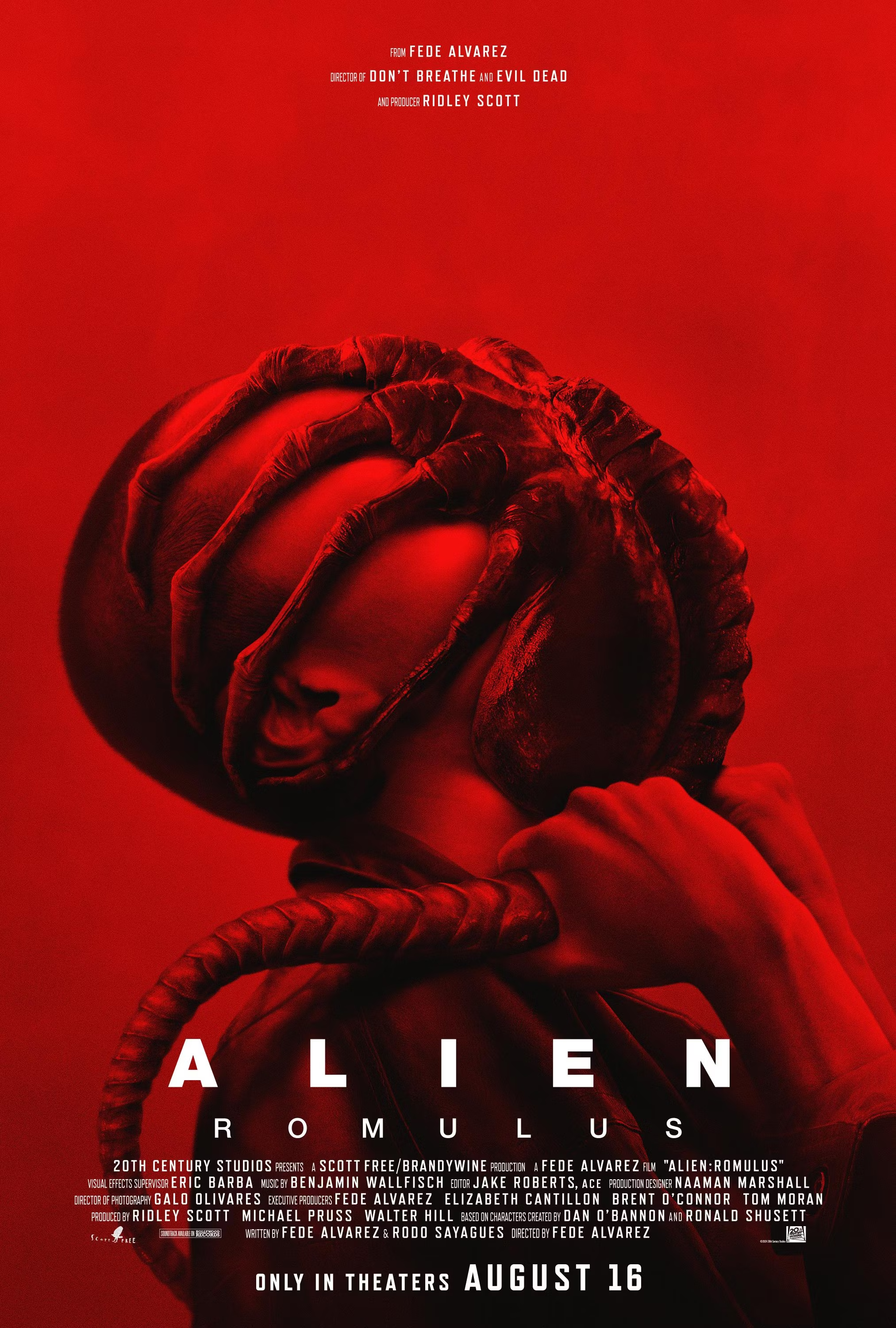
Alien: Romulus Brings The Alien Franchise Back To Basics

The Alien films have had its share of stumbles with the last few films in the franchise. Director Ridley Scott’s recent attempts at expanding the lore of the franchise had mixed results with Prometheus and Alien: Covenant. After Alien: Covenant did little to reinvigorate the franchise, it seemed as if the franchise would go dormant. Thankfully, this is not the case with this weekend’s release of Alien: Romulus and the upcoming TV show, Alien: Earth.

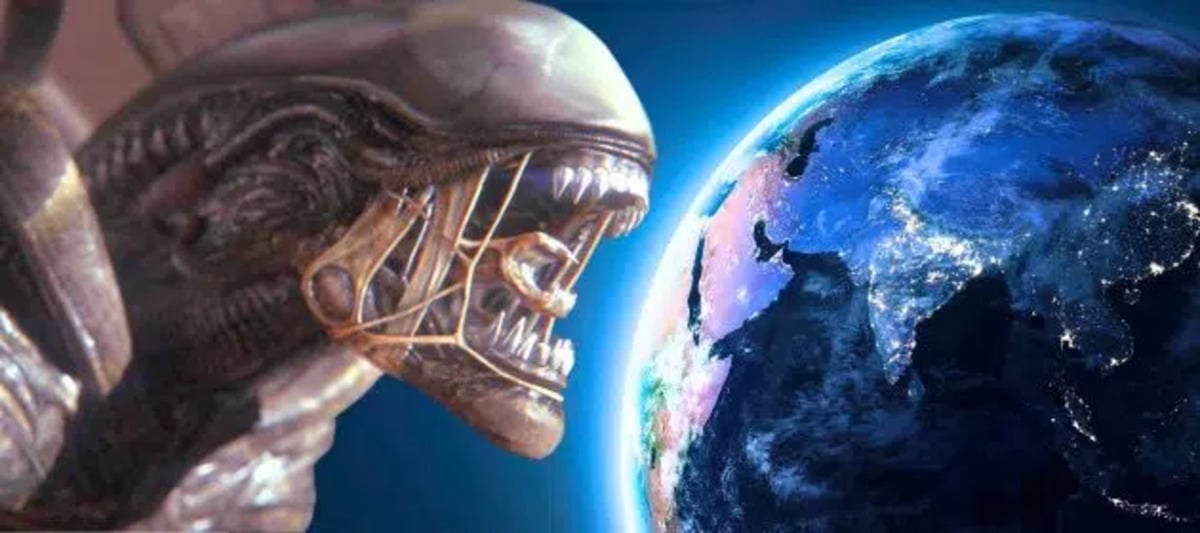
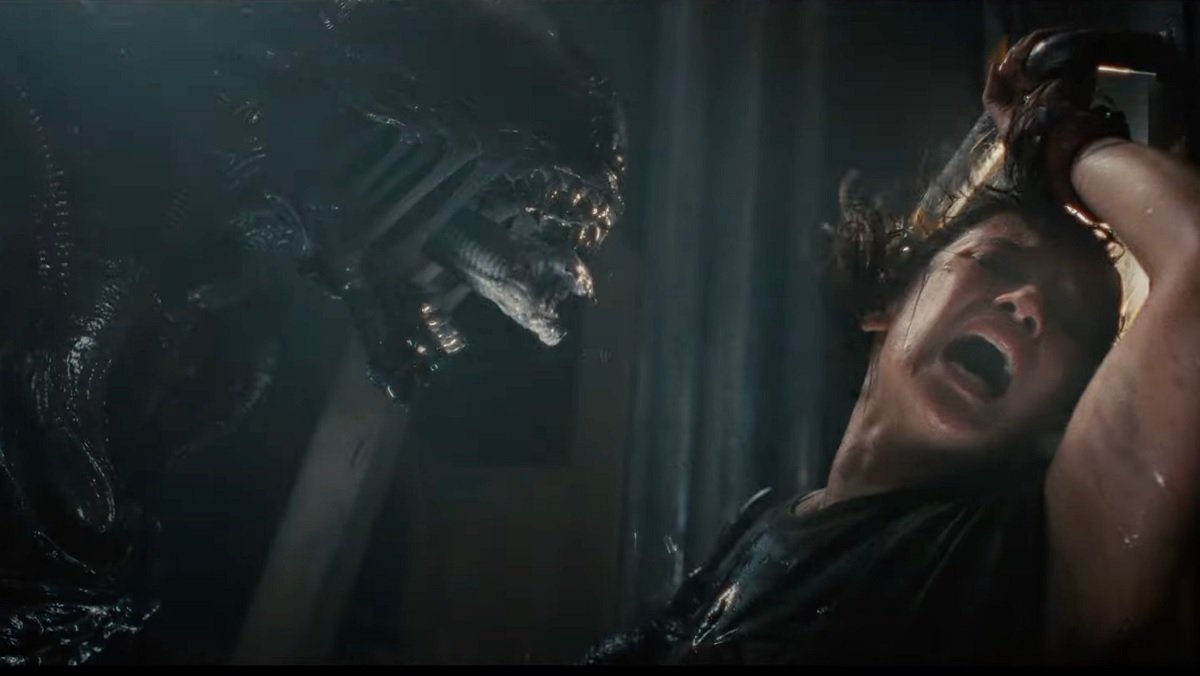
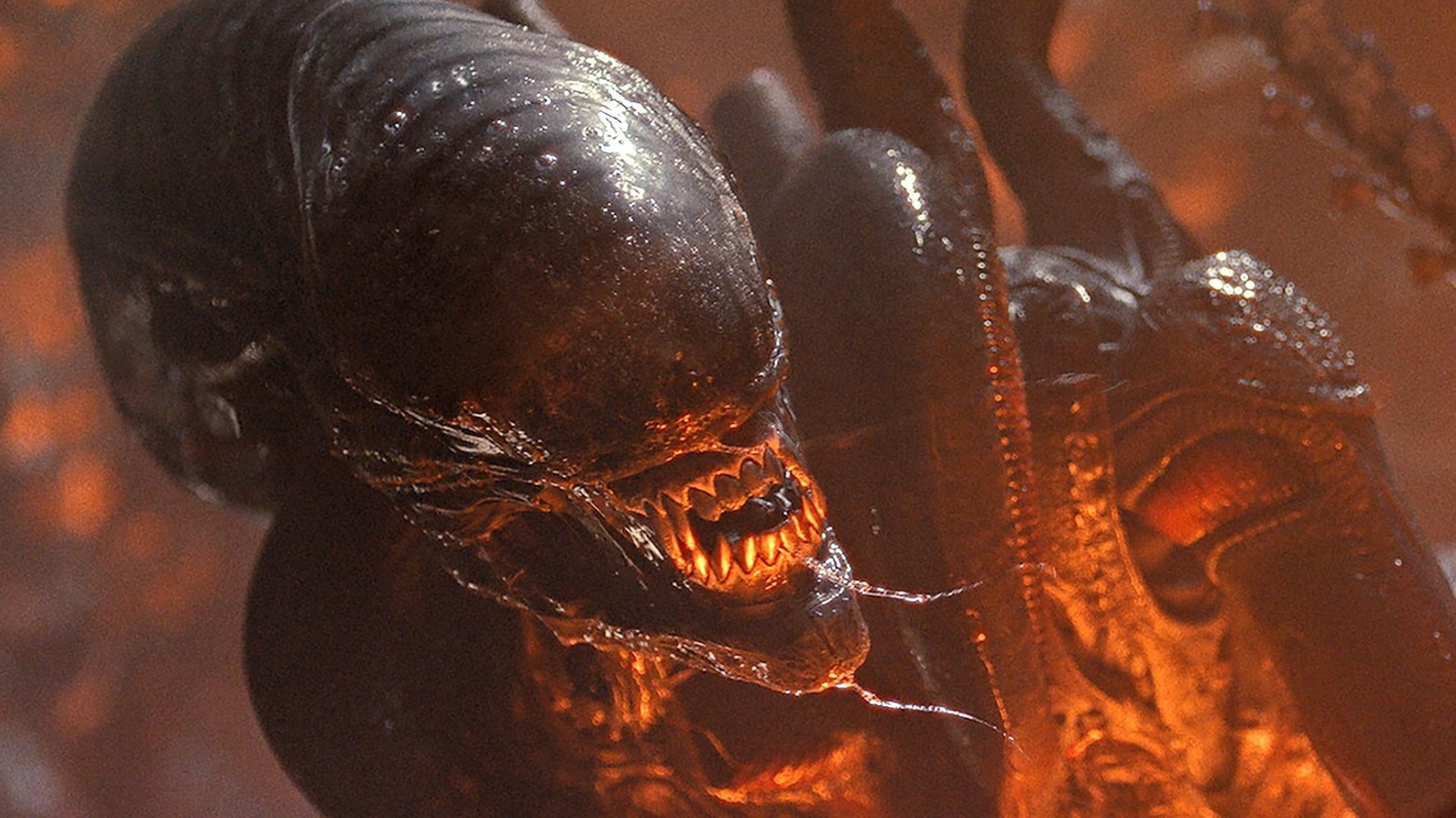
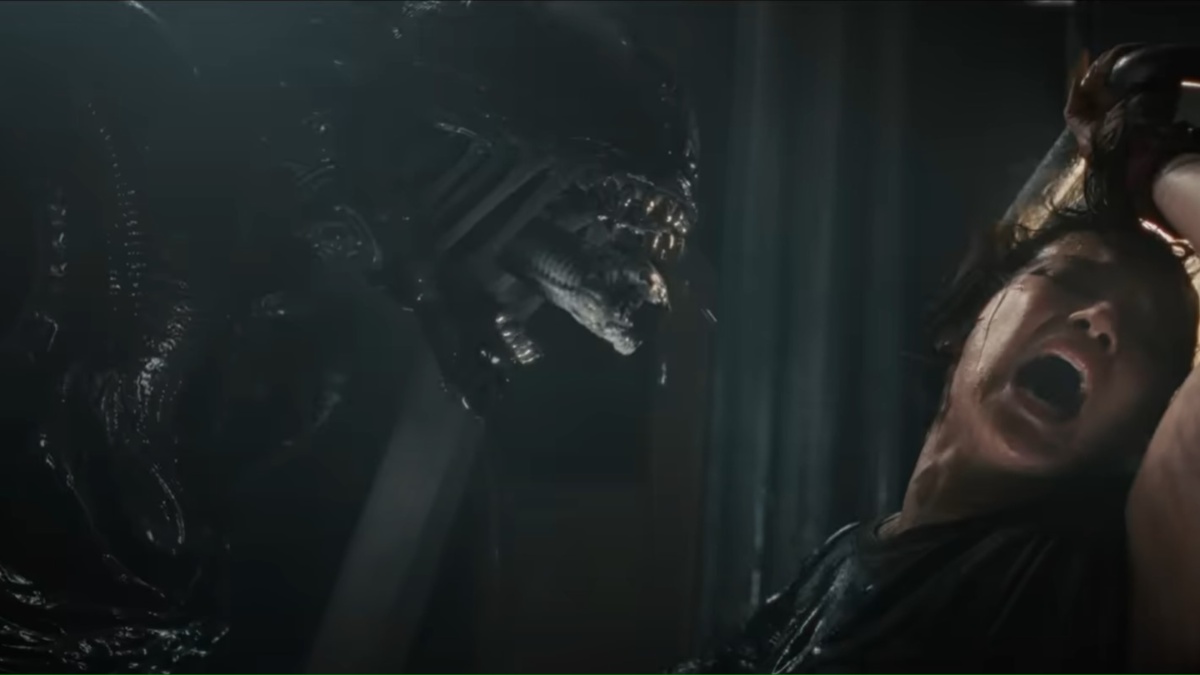
Alien: Romulus succeeds where most of the films in the franchise have failed with its back-to-basics approach that emphasizes horror and favors the use of practical special effects. Even though, there is CG used in the film, it’s usage is restrained and blends nearly flawlessly with practical effects. However, what makes the film stand out is the tight, claustrophobic atmosphere created by director Fede Alvarez, which harkens back to the original Alien.

The film opens with a spaceship probe finding the floating wreckage of the Nostromo from the first Alien film. Among the wreckage the ship recovers the fossilized body of the alien xenomorph that was ejected into space at the end of Alien.

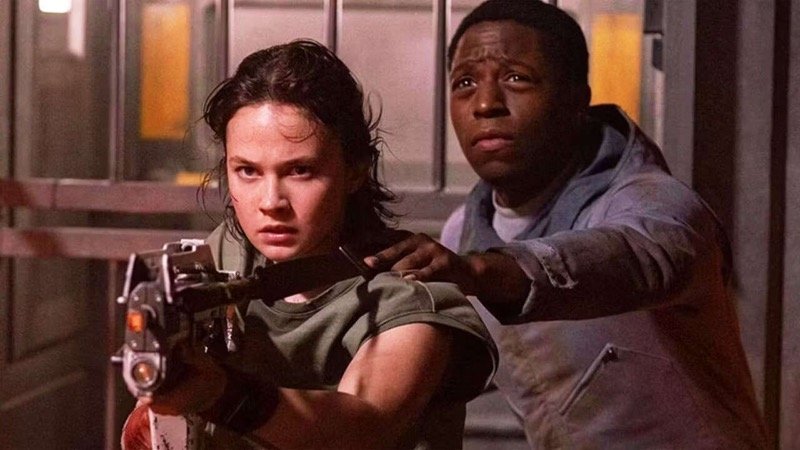
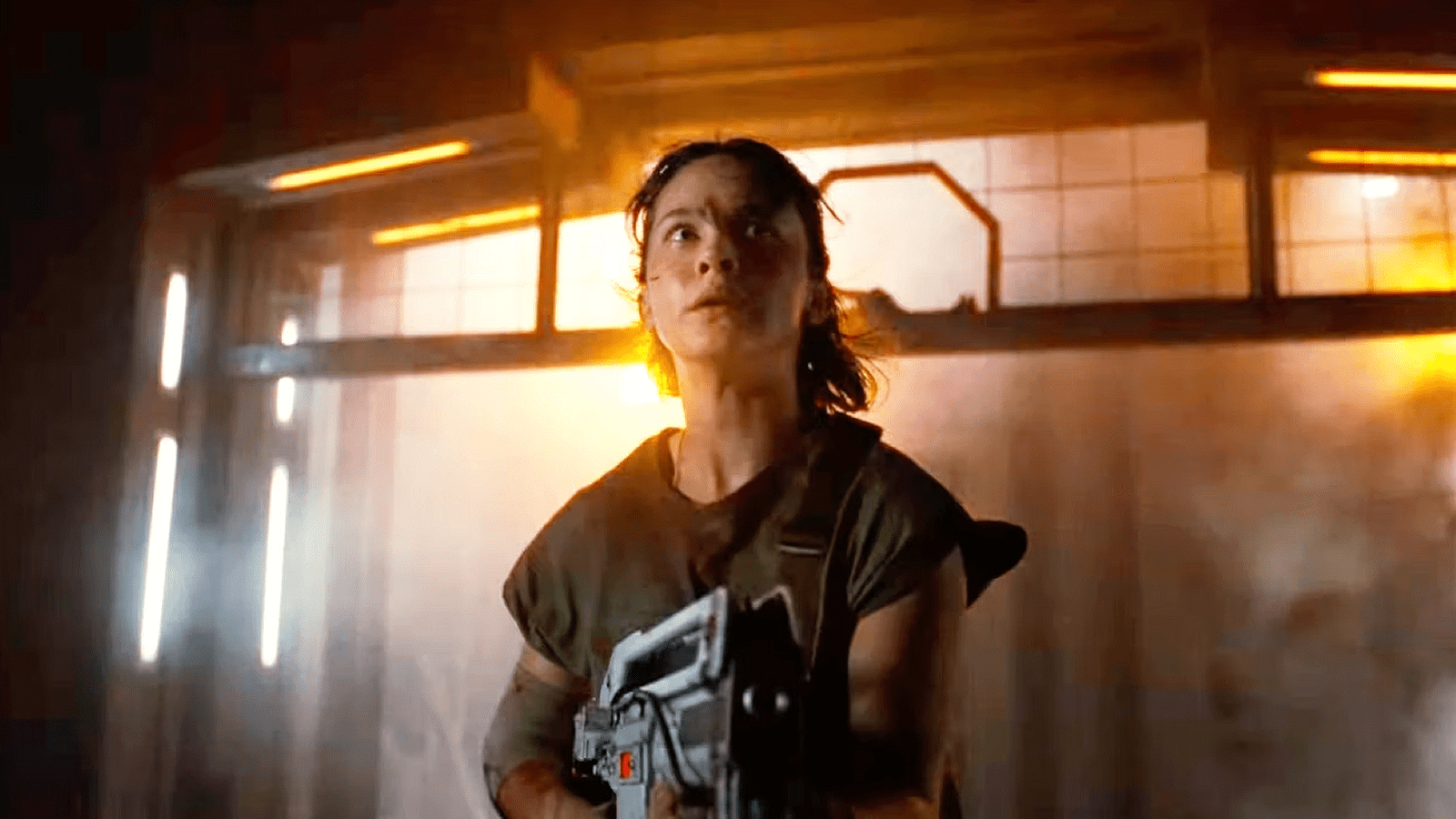
Alien: Romulus shifts ahead to a mining colony on the planet, Jackson’s Star, and Rain Carradine (Cailee Spaeny), a young miner who is desperate to leave the colony along with her adoptive brother Andy (David Jonnson), an artificial being who is an older model of the artificial beings featured in other Alien films. After her attempts to legally leave the planet fail, she is approached by her friend Tyler (Archi Renaux) to help him and his crew of his ship, the Corbelan, to raid a derelict space station that entered the planet’s orbit, but will soon crash. The crew of the Corbelan consists of Tyler’s sister, Kay (Isabela Merced), his abrasive cousin Bjorn (Spike Fearn), and the ship’s pilot, Navarro (Aileen Wu). Like Rain, Tyler and his crew hope to leave the planet but need cryopods to make the long journey to the next world. Tyler plans to raid the station in order to salvage unused cryopods for themselves.

Once the group boards the station, they discover that the crew aboard the station are dead because the xenomorph they recovered from the Nostromo revived, massacred the crew and irreparably damaged the station. Onboard the station are dormant alien facehuggers, which are a crab-like form of xenomorph that forcibly impregnates victims in order to hatch infant versions of the skeletal xenomorphs. It turns out that the station is owned by the company, Weyland-Yutani, which as seen in the other films is dedicated to capturing xenomorphs at the expense of anyone else in order to carry out scientific experiments on the alien creatures.

During their efforts to retrieve the cryopods, Tyler and Bjorn accidently revive the facehuggers, which soon imperils the crew of the Corbelan, as well as Rain. Andy, meanwhile receives a software upgrade in order to find out how to deal with the facehuggers and adult xenomorphs that are nestled within the dark corridors of the station. However this upgrade overwrites his benevolent personality and his motives become more nebulous as Rain and the others try to escape the station.

While Alien: Romulus has a fairly simple storyline, it delivers with well-earned jump scares and a pervading sense of dread and intense suspense throughout the film. It also has a few homages and call backs to the other films, which are sometimes a bit too-on-the-nose. But overall, these references pan out and the film manages to add new wrinkles to the Alien lore as the motivations behind Weyland-Yutani are fleshed out, which leads to some truly horrifying moments in the final act.

Fede Alvarez deserves much of the credit for how well Alien: Romulus turned out. He injects the film with a back-to-basics approach that focused on horror, which is what made the first film so memorable. Alvarez knows how to keep audiences in suspense with his use of shadows and sounds, which made the station feel like a haunted house in space as the deadly xenomorphs stealthily stalked their victims. He wisely keeps the creatures in the shadows, which adds to the feeling of primordial terror we and the characters feel while confronting the deadly and opaque unknown.

The actors turn in solid performances with Jonnson being the best standout thanks to his portrayal of Andy. At first, Andy, being an obsolete model, comes off as a sympathetic character from the way he is mistreated by humans. We can see that although Andy is synthetic, he has emotions and only wants to protect Rain and the others. But once, he receives his upgrade he transforms into a cold and unfeeling being who is compromised by the goals of the Weyland-Yutani company to the point that the characters cannot be certain that he has their best interests in his artificial heart.

By going back to basics, Alien: Romulus reinvigorates the Alien franchise by focusing on what made the first two films work so well. That is the sense of cosmic terror one may encounter out there in the unknown regions of space.

José Soto

Beyond A Quiet Place

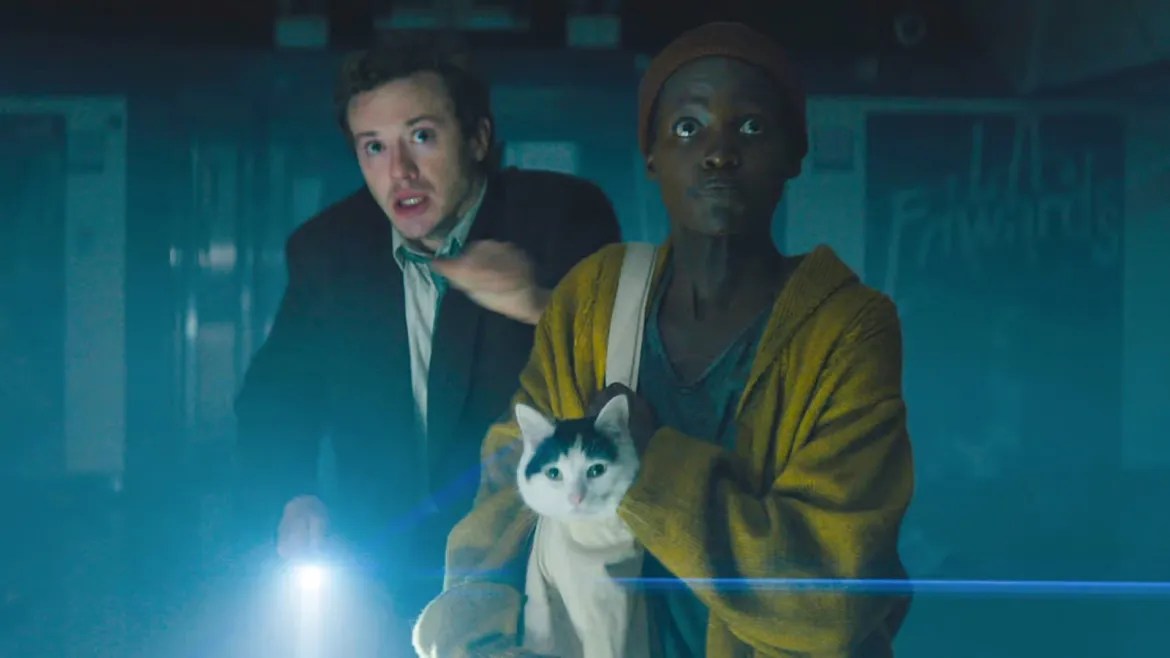
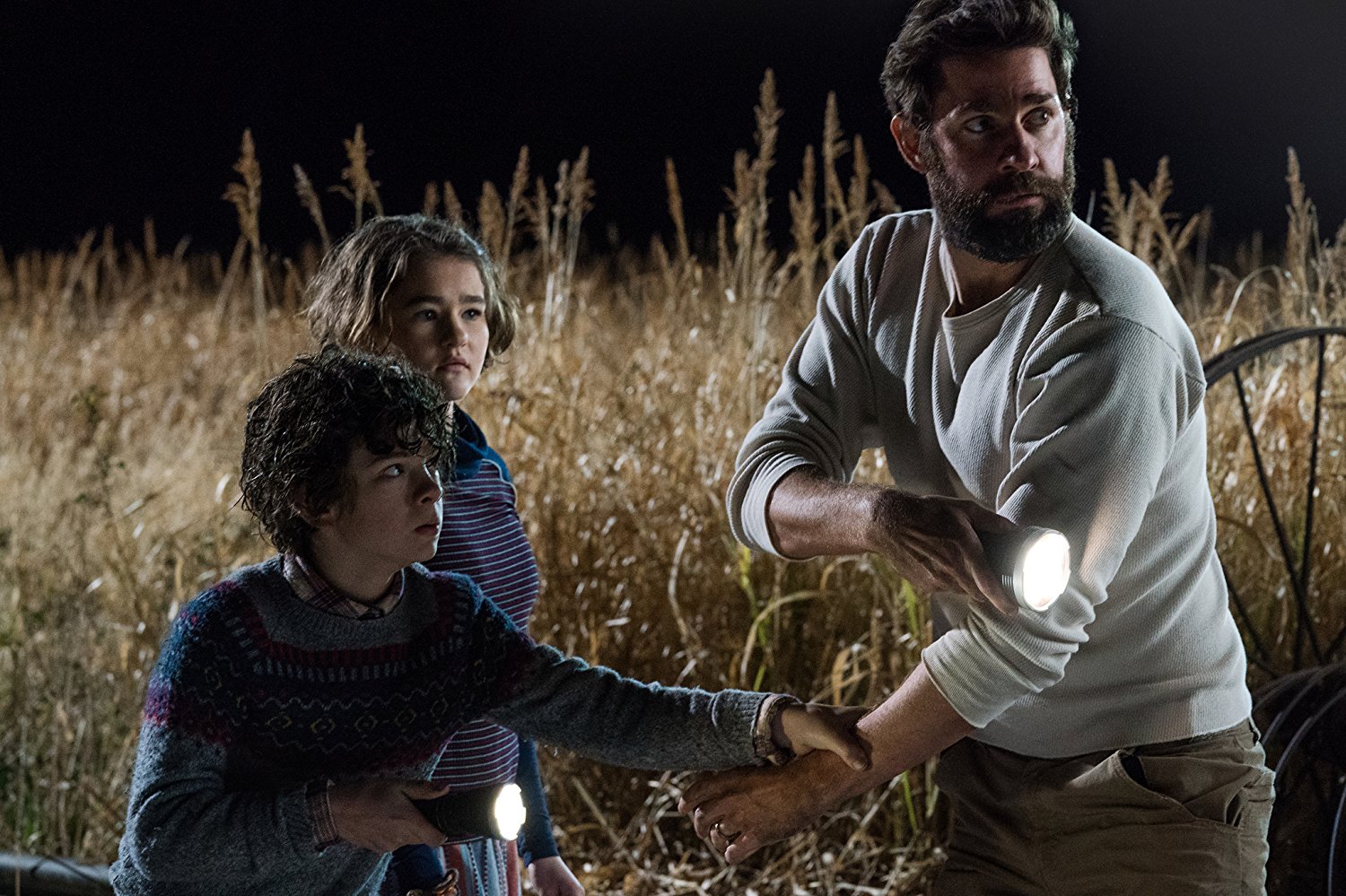
With the success of A Quiet Place: Day One, the future of the series seems promising. especially since there are plans for A Quiet Place, Part Three, though if that sequel actually happens expect the title to change to avoid confusion with A Quiet Place: Day One. Even though A Quiet Place: Day One is the third film in the series it’s actually a prequel to the first film and has little connection to the first two films.

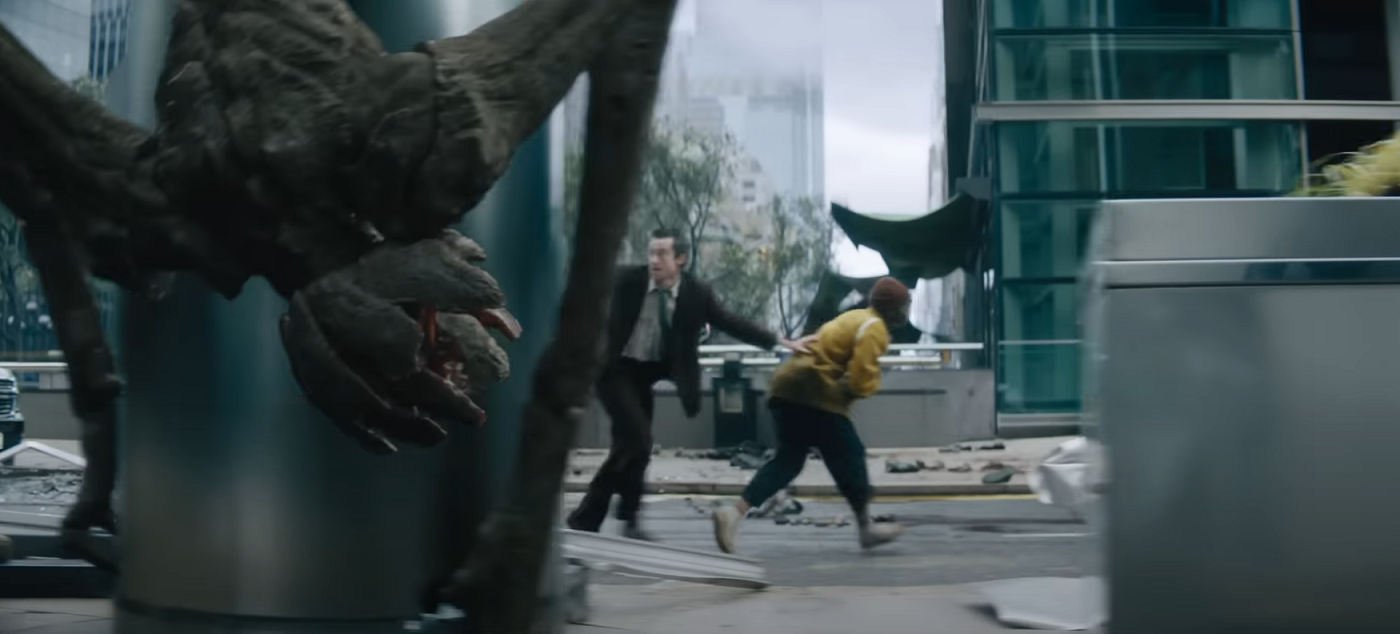
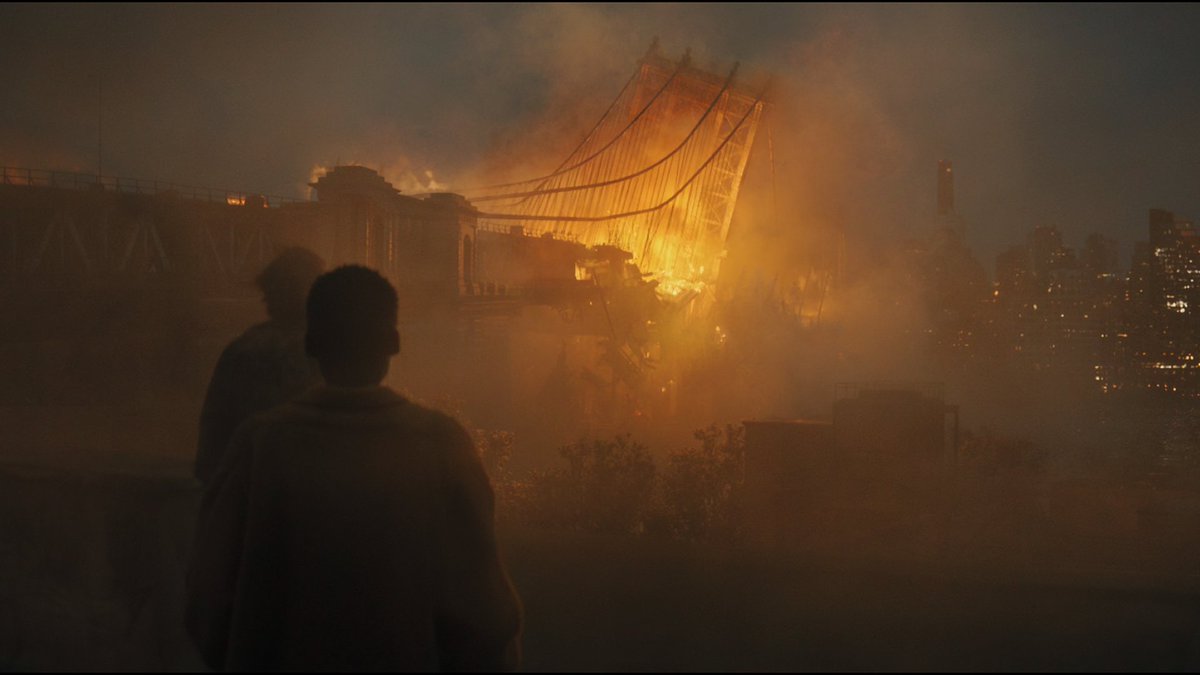
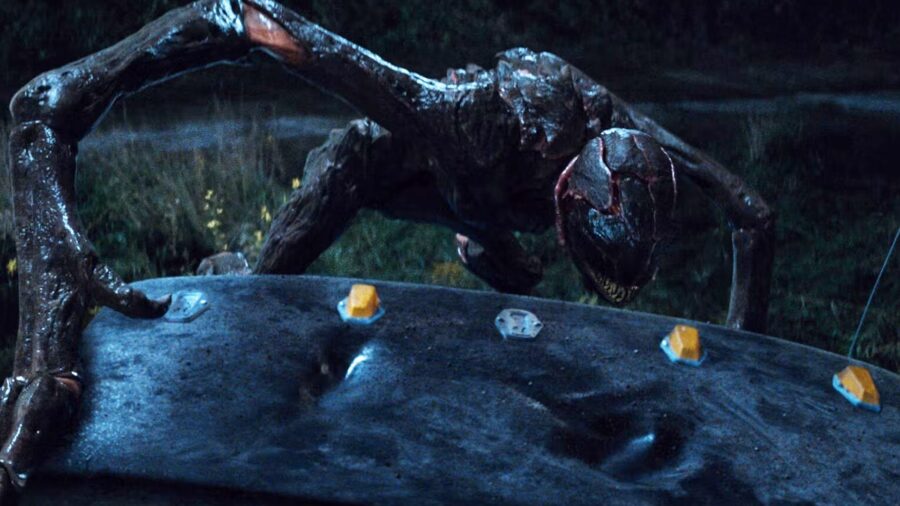
Part of the reason for the success of A Quiet Place: Day One is because it expanded the horrifying world we were introduced to in the first film. We the audience got to see how the worldwide invasion of the blind savage aliens, who are called the death angels, began. While the film was an excellent study about the need for companionship and finding solace in the simple things in life, it still left audiences with many unanswered questions about the alien invaders. We do know they arrived in meteors and their arrival was too abrupt for the authorities to handle before most of humanity was wiped out. We also know from the previous films that ways to defeat the death angels were found and used, which could set up a final confrontation between humanity and the aliens in a future film that concludes the series.

Future films, aside from A Quiet Place, Part Three, should take place in other corners of the world. Having A Quiet Place: Day One take place in New York City was a smart move since the first two films were set in rural communities. Where can other films go? How about a different country? The suburbs? Given that the death angels are vulnerable to water, have a film set in a makeshift community made up of ships filled with survivors and present their plight as they try to get supplies in the ravaged world. How about the perspective of surviving scientists and military trying to devise a means to fight back? That could be the focus of a final film.

But before the series finishes, more explanations about the death angels are warranted. Were they part of an advanced wave meant to wipe out our defenses and soften our world for an actual invasion? Or were they sent to herd humanity for their masters in the same way humans use dogs during hunts? There is evidence for that in that the death angels are never seen eating their victims and as shown in the third film they only ate food that came with them in the meteors. There is so much that needs to be explored with these savage creatures that would captivate audiences and give us some kind of explanation as to their motives. Or maybe they are just uncontrolled animals like the Xenomorphs in the Alien films that have no purpose other than to survive and multiply.

Another appealing aspect with the A Quiet Place films has to do with the characters that we quickly sympathize with, which is vital to get us invested during their dangerous plight. While the focus on the characters must remain in place with the film series, going forward, more development and explorations about the death angels has to be covered. But we don’t have to know everything all at once. We could use a few more terrifying entries like A Quiet Place: Day One before we get our answers. 😀

The Curse Of Blade

About five years ago at a Comic-Con appearance, Marvel Studios president Kevin Feige eagerly announced that a new film about the vampire hunter Blade would be produced by Marvel Studios to join the Marvel Cinematic Universe (MCU). What made the announcement even more exciting was that Mahershala Ali would portray Blade, a role made famous by Wesley Snipes. That was then. Now? Nothing. The film keeps getting delayed over and over again to the point that many are asking if the project is cursed.

At the same Comic-Con, several other film and TV projects were announced and they have been produced and released since then. Only Blade remains unrealized; the closest we got to having Blade appear in the MCU was hearing his voice during a post-credits scene in Eternals. There are several reasons why the reboot of the Wesley Snipes film has been delayed, some of it has to do with the pandemic and the recent Hollywood strikes. But the main reason for the delays has to do with the inability to come up with a script and holding onto a director.

Marvel Studios has not been impressed with the scripts. The first one was penned by Stacy Amma Osei-Kuffour in 2021, while Bassam Tariq was chosen to direct the film. Tariq left a year later due to the lack of progress with the film while Marvel Studios brought in other writers to revamp the script. Reports have it that the first script was very light on action, a staple of the Blade films, and supposedly took place in the 1920s. Other writers who took a shot at Blade included Beau DeMayo, who was responsible for the well-received X-Men ’97 animated series, but time and time again Marvel Studios brought more and more screenwriters to turn in a suitable script. Mahershala Ali himself has expressed dissatisfaction with the original script and the pace of the project and it would not be surprising if he winds up leaving the project, even though he approached Marvel Studios with the idea of portraying the vampire hunter.

Meanwhile, Yann Demange, the director who replaced Tariq, left the project a few weeks ago, and no replacement has been announced yet. This is going on as the film is supposedly slated to begin production later this year for a 2025 release. At this rate, it is doubtful the film will meet the deadline or even be made.

Kevin Feige and Marvel Studios recently announced their desire to focus on the quality of their films and TV shows, which is commendable. But the unfortunate result of focusing on quality has been the delay of Blade. This is very frustrating for fans of the character and the original films who wanted to see the MCU take of the Daywalker (as he is called by the vampires he hunts), as well as Ali’s interpretation of the superhero.

It is baffling why Marvel Studios is having a hard time with this project which should be a slum dunk and would have a ready audience for a character with huge name recognition. The Blade films were popular even before the MCU existed and most people were not even aware that the supernatural hero was actually based on a Marvel Comics character. The premise should be fairly simple to produce. Why not just do a remake of the original Blade film Deacon Frost as the villain? The story worked in the first Blade, just throw in some MCU references and call it a day.

The answer to that is that Marvel Studios wants a fresh new take on the character and probably as rumors have it, wants Blade to help launch the Midnight Sons superhero team for the future. This is a great idea, but Marvel Studios has a lot on their plate and it’s anyone’s guess as to when they will get around to it.

Until Marvel Studios decides on a script and hires a solid director (supposedly they are eyeing Jordan Peele or Chad Stahelski who have either shown interest or been approached for Blade), the least they can do is have the character appear in upcoming MCU projects. This would keep fans happy and maybe even Ali, too.

However, the constant delays has become an embarrassment for Marvel Studios. They must settle on a script and director very soon in order to meet the production schedule and release date. Otherwise, Blade is doomed.

Top Ten Worst Comic Book Trends

As we enjoyed last weekend’s Free Comic Book Day event, it reminded us comic book fans about the trends we love to gripe about with the comic book industry. We’ve been griping about these trends for decades and while some have gone away, some new or persistent trends are plaguing the comic book industry.  With that said, here are the top ten worst comic book trends plaguing the industry today.

10. FOMO = Increased Back Issue Prices

Fear of Missing out (FOMO) often plagues many comic book collectors who desperately go out of their way to get the latest trending comic. This was especially bad during the beginning of this decade when any mention of a character appearing in an upcoming movie would cause prices for back issues to explode overnight. This frustrates normal collectors trying to complete a run and at the same time ends up fleecing naïve collectors who have to get the latest trending comic book. Just look at The Amazing Spider-Man #210. A couple of years ago it was highly sought after because it featured the first appearance of Madame Web. Anyone think that book is still in demand after the Madame Web movie bombed?

9. Comic Book Prices Keep Going Up

Right now, the average comic book costs about $5 per issue. Back when the medium first started, a single issue would cost less than a dollar. What used to be a relatively inexpensive hobby, at least for older readers not dependent on their parents’ allowances, is now pricey especially if anyone is trying to buy all the comics that come out on an average month. This has led to overpriced special issues, such as an issue #100, that are priced around $10 and not worth the price as they often turn out to be anthology books featuring forgettable stories instead of monumental events.

8. The Overabundance of Mini-Series

When comic book mini-series first appeared on shelves, they were often devoted to characters who either were brand new or not popular enough to warrant an ongoing series. The limited series served as testing grounds for both the characters or creative teams. Usually, this lead to some characters becoming breakout stars like the Punisher or Wolverine or gave exposure to promising writers or artists. Nowadays, it seems like there is a new mini-series everywhere you turn and often they are about established superheroes like Batman or Spider-Man. Why couldn’t these stories be told in their own titles? Sure, a particular mini-series story may not fit with the ongoing storyline but why not just run the stories in between runs of creative teams? If the famous “Kraven’s Last Hunt” storyline was released today it would have been a mini-series with variant covers and more whistles.

7. Comic Books Villains Turned Anti-Heroes

This is an annoying development with many classic comic book villains. They become so popular that the publishers wind up giving them their own solo titles where they become anti-heroes that we can relate to. The most famous or infamous example is Venom. When he first debuted in the pages of The Amazing Spider-Man, Venom quickly became one of Spidey’s deadliest and most popular foes. Unfortunately, Marvel Comics saw the character as a gold mine and increasing his appearances in the Spider-Man comics was not enough. No, Venom was given a bunch of mini-series where he faced off against other popular Marvel characters until getting his own title. The problem with this is that Spider-Man was deprived of a solid villain who could no longer be seen in the same way since Venom became an anti-hero.

6. The Multiverse Concept

The Multiverse is a great concept that lets creative teams conjure up interesting stories outside of the limiting comic book continuities. Sometimes these stories featured the deaths of popular characters, which was unthinkable in regular comics. Great examples include the classic The Dark Knight Returns mini-series and Kingdom Come. But leave it to the comic book companies to dip into the well one too many times. DC and Marvel have released too many stories that take place in separate realities that dilute the impact of the stories and the characters. Just look at what Marvel is doing with the so-called Spider-Verse. What was a fun storyline in The Amazing Spider-Man that introduced imaginative and outlandish variations of Spider-Man has now become a means to throw up countless mini-series (see Number 8) with Spider-Man variants. On a broader scale, Marvel is going all out with a relaunched Ultimate Comics line that features our favorite characters in a different reality. This probably makes speculators happy as they look for the next Spider-Gwen but the rest of us don’t care and this leads us into the next worst trend.

5. Derivative Characters and Families

Legacy characters like Batman, Superman, or Spider-Man usually spawn a family of characters that are derivatives of them such as Batgirl, Superboy, Scarlet Spider, Red Hulk and so on. When some of these new heroes first appeared, they replaced the main characters and picked up the mantle and inspired fascinating takes on legacy characters. Steve Rogers’ Captain America led to Sam Wilson Captain America or Hal Jordan Green Lantern spawned Kyle Rayner Green Lantern. Other times these characters were just young knockoffs of popular heroes. The most recent example is Spider-Boy, one of the dumbest characters ever introduced to the Spider-Man family. Speaking of families, the problem with these characters based on legacy characters is that they dilute the original character. There should be only one Batman (who works best as a loner superhero), one Spider-Man, one Captain America, one Superman; except when it comes to Green Lantern since that character is just one of many Green Lanterns in the galaxy.

4. Too Many Crossover Events

Remember when crossover events were truly special and had consequences? Ever since the success of Secret Wars and Crisis on Infinite Earths, crossover events across comic book titles have overtaken the release schedules of comic books. Often these events spill their way into regular titles and interrupt their ongoing storylines to squeeze in a tie-in story related to the crossover event. This is very annoying when following a run that builds up a certain momentum only to come to a crashing halt just to cram in an issue devoted to a crossover tie-in. Meanwhile, anyone who doesn’t follow a certain title feels compelled to buy it just to get the complete story if they were following the crossover event. We all know why these events happen (hint: $$$), and they are a good way to introduce readers to titles they often do not read, a good example was the “Unity” event in Valiant Comics way back in the 1990s. But there are too many of these crossover events now which has made readers tune out.

3. Meaningless Character Deaths

This has gone on for decades in comic books where the villains apparently were killed off only to reappear issues later with some implausible explanation for how they survived. However, this has recently happened with our superheroes, the best example was the famous “Death of Superman” storyline that made headlines and introduced new characters to the Superman family. But too often, these superheroes have been killed off just to tell stories of mourning only to have them resurrected. It has gotten to the point that a death of a character has no emotional impact. Seriously, did anyone believe for a moment that Ms. Marvel was actually dead when she was killed last year in The Amazing Spider-Man #26? The event was filled with empty platitudes and forced emotions. Note to comic book companies: If you kill off a character then that character should stay dead.

2. Variant Covers Everywhere

Pumping out so many variant covers to comic books is just a ploy to get collectors to spend more on the titles. It is also annoying and confusing for anyone who just wants to get a particular comic book to follow a story. Of course, no one is forced to get all the variant covers, which would be too expensive for average fans. But some completists can go insane and broke trying to find elusive covers that instantly go up in price at comic book stores. Another dilemma is that a person may only want the regular cover but sometimes that is hard to do, and that person is forced to buy a variant cover, which would be a nightmare for an OCD collector. Another very annoying trend with the variant covers is the tendency to put out covers that feature characters that do not have anything at all to do with the comic book! For proof, just look for any recent issue of The Amazing Spider-Man which is guaranteed to have Spider-Gwen or Black Cat on the cover even though neither character appears in that issue.

1. The Constant Cancellations and Relaunches of Popular Characters

This is the worst trend with comic books today and the most annoying. In the old days, a comic book would have a run that spanned hundreds of issues with creative teams coming and going from titles. It was fun trying to get the complete run or at least some significant key issues. But ever since the 1990s, comic book companies have been intent on canceling comic book titles only to relaunch them a short while later with a brand new number one issue. This is done to increase sales and attention to the comic book. While this may please some collectors who can now legitimately claim to own a copy of Daredevil #1 it annoys the rest of us who get confused when trying to complete a run. In the end, it’s just a tired marketing scheme that will not benefit the comic book in the long run. Want a long, successful run of a comic book title? Just focus on telling great stories. The word will get out to fans who will seek out the title and make it an enduring success.

José Soto

The Post-Superhero Film & TV Era

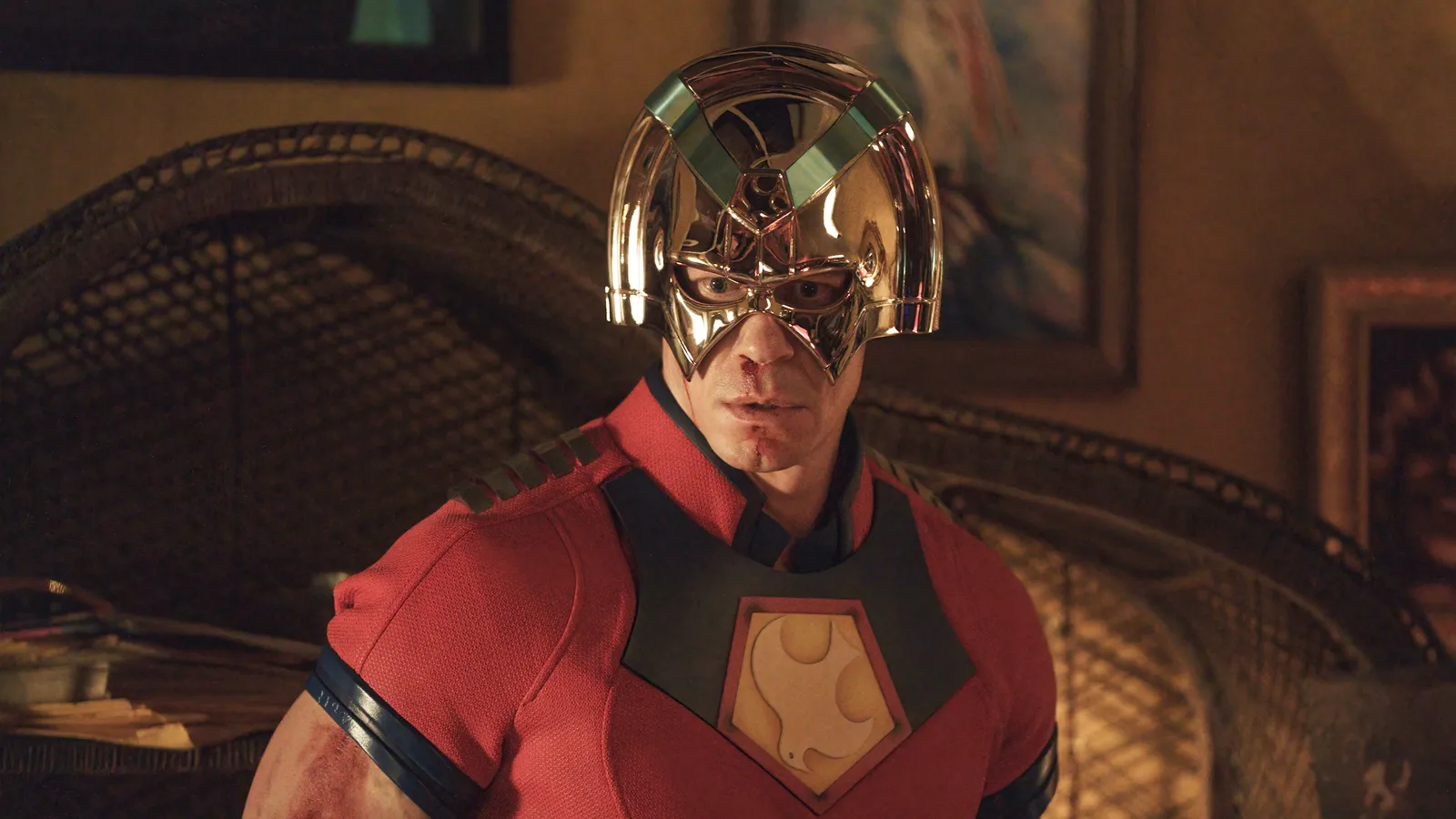
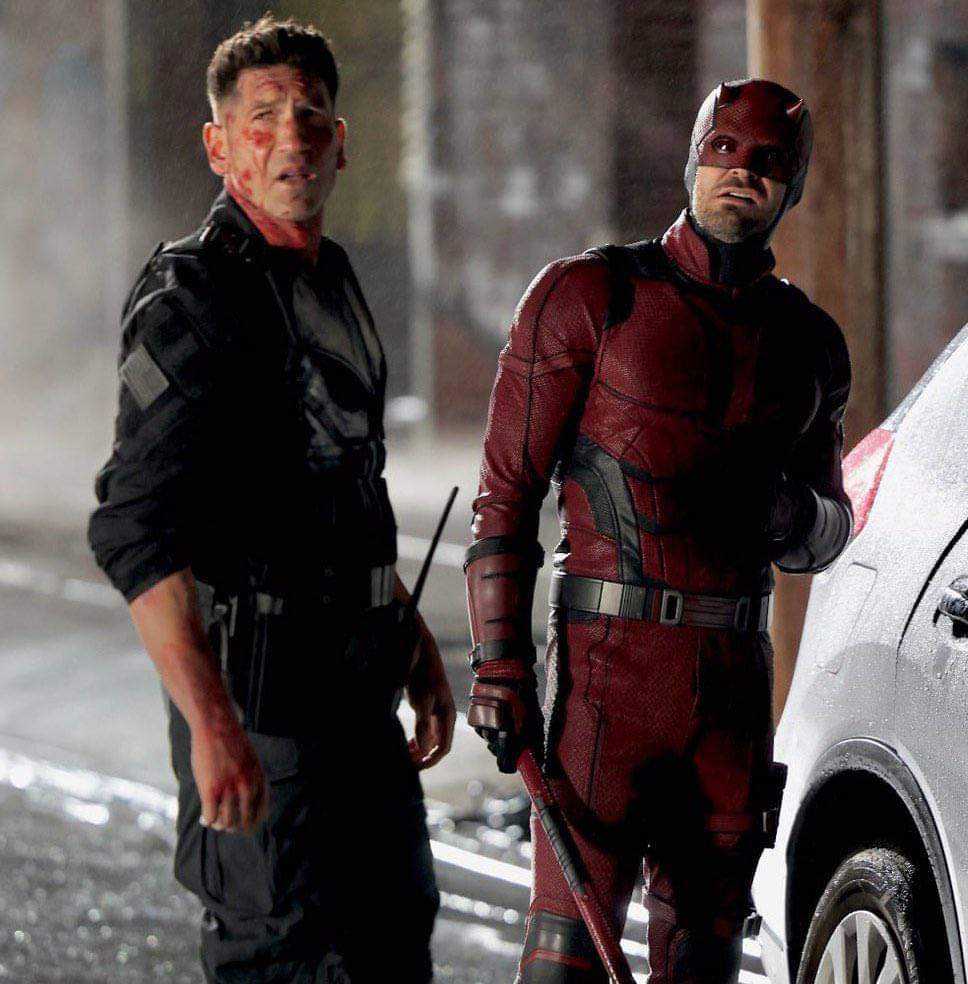
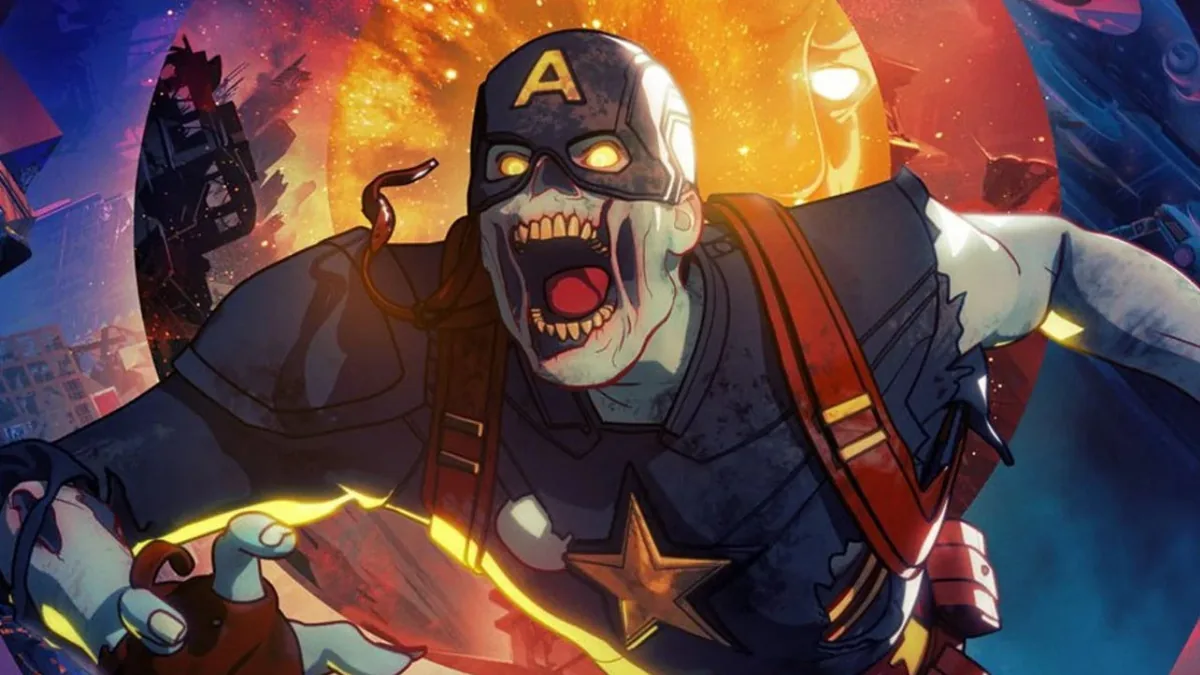
As we move further into this decade, it is apparent that the superhero era in films and TV shows has ended. We all know about the hurdles many recent superhero films and TV show have faced with diminished quality and profit. Guaranteed would-be hits like The Marvels or The Flash failed spectacularly last year and help cement that the superhero films and TV shows are no longer as popular at they were in the previous decade.

This does not mean that there won’t be anymore superhero films or TV shows or that they will never be popular again. There are several superhero films and TV shows in various stages of development and it is possible that a new era could arise. It has happened before. Back in the early 2000s, superhero films became dominant in films thanks to the success of Spider-Man and X-Men, but they then diminished in quality and several films did not perform well. However, as we all know the Marvel Cinematic Universe (MCU) exploded on the scene and launched an even more successful and popular era of superhero films and TV shows. It is similar to what has happened with the comic books that inspired these live-action films and TV shows.

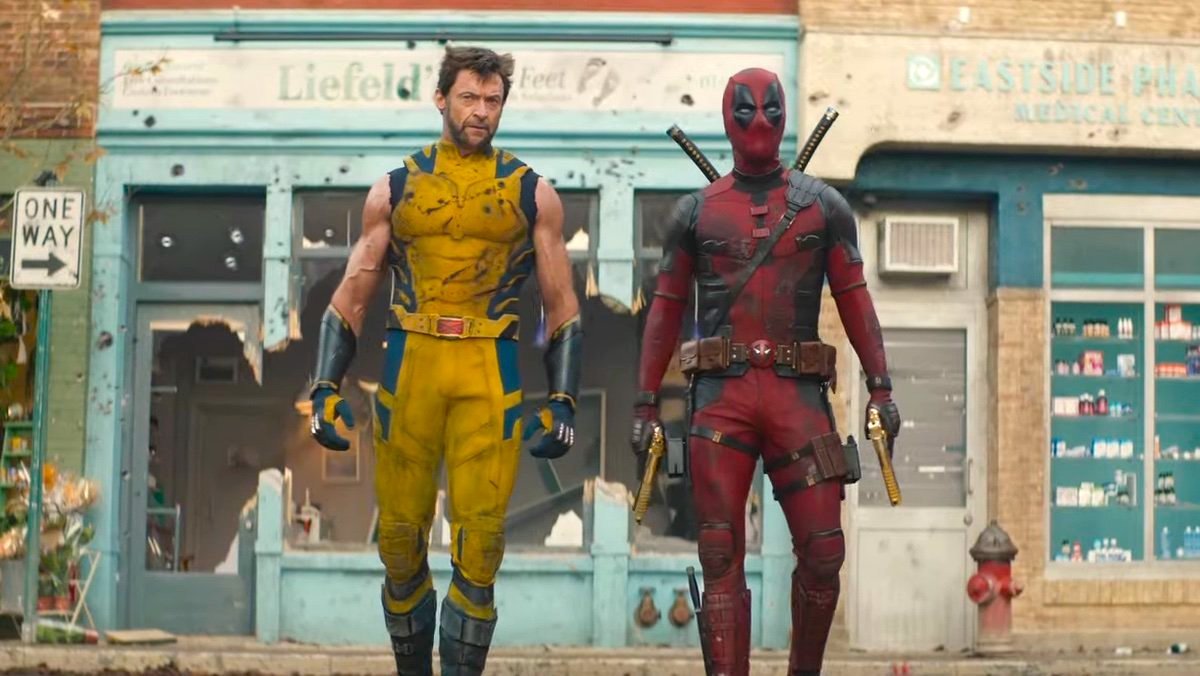
As comic book fans know, comic books have had their ups and downs throughout history with different ages. When they first came into prominence in the late 1930s they sold very well, but by the mid 1950s comic books declined in popularity and sales until the release of Showcase #4, which revamped the Flash and introduced a new age of comic books. Essentially, the eras come and go in cycles with comic books as they reinvented themselves and there is little reason to doubt this won’t happen with superhero films and TV shows. For all we know this year’s Deadpool & Wolverine will usher in a new age of superhero films and TV shows. Or it may be a while as other genres capture the attention of viewers as they offer a fresh new take on superheroes.

So, until then what genre can replace the superhero films and TV shows in terms of prominence and popularity?

It is too early to tell, but we have a couple of contenders: video game-based properties or monster-based properties.

The MonsterVerse based on giant kaijus like Godzilla and King Kong has proven to be unexpectedly popular, while Godzilla Minus Zero blew away audiences and critics with its high quality and success. There are plans for films based on classic movie monsters like the Wolfman and Frankenstein’s monster, which could fulfill the failed promise of the so-called Dark Universe from ten years ago. The only issue with these monster films is their limited scope in terms of story. It is difficult to make compelling stories that focus on giant monsters while ignoring poorly developed human characters. But it is possible, again look at Godzilla Minus Zero.

On the other hand, video games have provided ample material for filmmakers to mine from. The most popular video games are based on science fiction, horror and fantasy and everything in between. In the past, films based on video games fared poorly as filmmakers were unable to translate what made the games so popular into film.

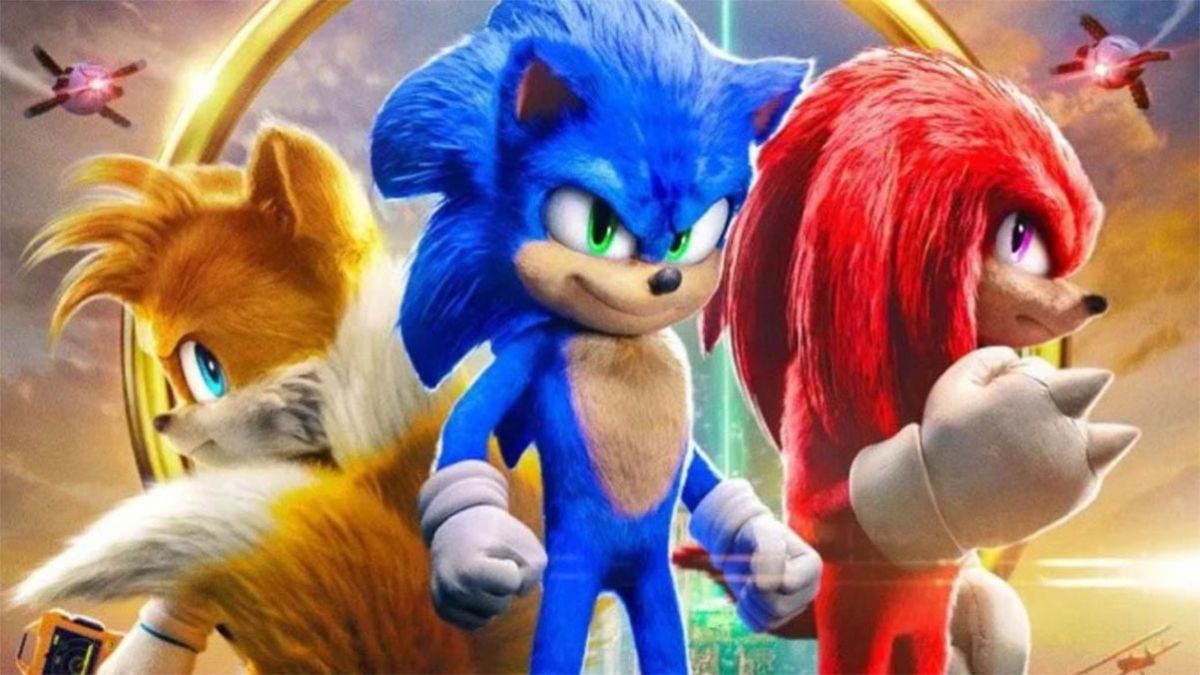
However, there have been many recent films and TV shows based on video games that were wildly successful and were well received. These include Sonic the Hedgehog, The Super Mario Bros. Movie, Five Nights at Freddy’s, The Last of Us, The Witcher, Halo and most recently Fallout. Although the quality and success of these projects varied, it is clear that they are becoming more and more prominent in theaters and in streaming services. These properties are just the tip of the iceberg of available video games that are practically begging to be adapted to live-action. There are plans to produce films and TV shows based on The Legend of Zelda, Death Stranding, Borderlands, Minecraft: The Movie, Metal Gear Solid, Mass Effect and Bioshock. Of course, we will also be getting sequels and new seasons like Sonic the Hedgehog 3, The Last of Us, Knuckles, Five Nights at Freddy’s 2, and Tomb Raider: The Legend of Lara Croft. The subject matter of these projects range from alternate history, hard sci-fi, horror and animated cartoons.

Will these films duplicate the success of the MCU and other superhero films and TV shows? It’s hard to say at this point, but do not be surprised if some video-game based property explodes and captures the public zeitgeist. The Super Mario Bros. Movie was able to do this given that it earned over $1 billion when it was released last year. It’s possible that the sequel could earn more money and cement the Mario Brothers as the next big thing. Or maybe it will be some other video game property. The future is wide open for video game-based films and TV shows to dominate the public consciousness.