Spidey’s Back At The MCU! (For Now)


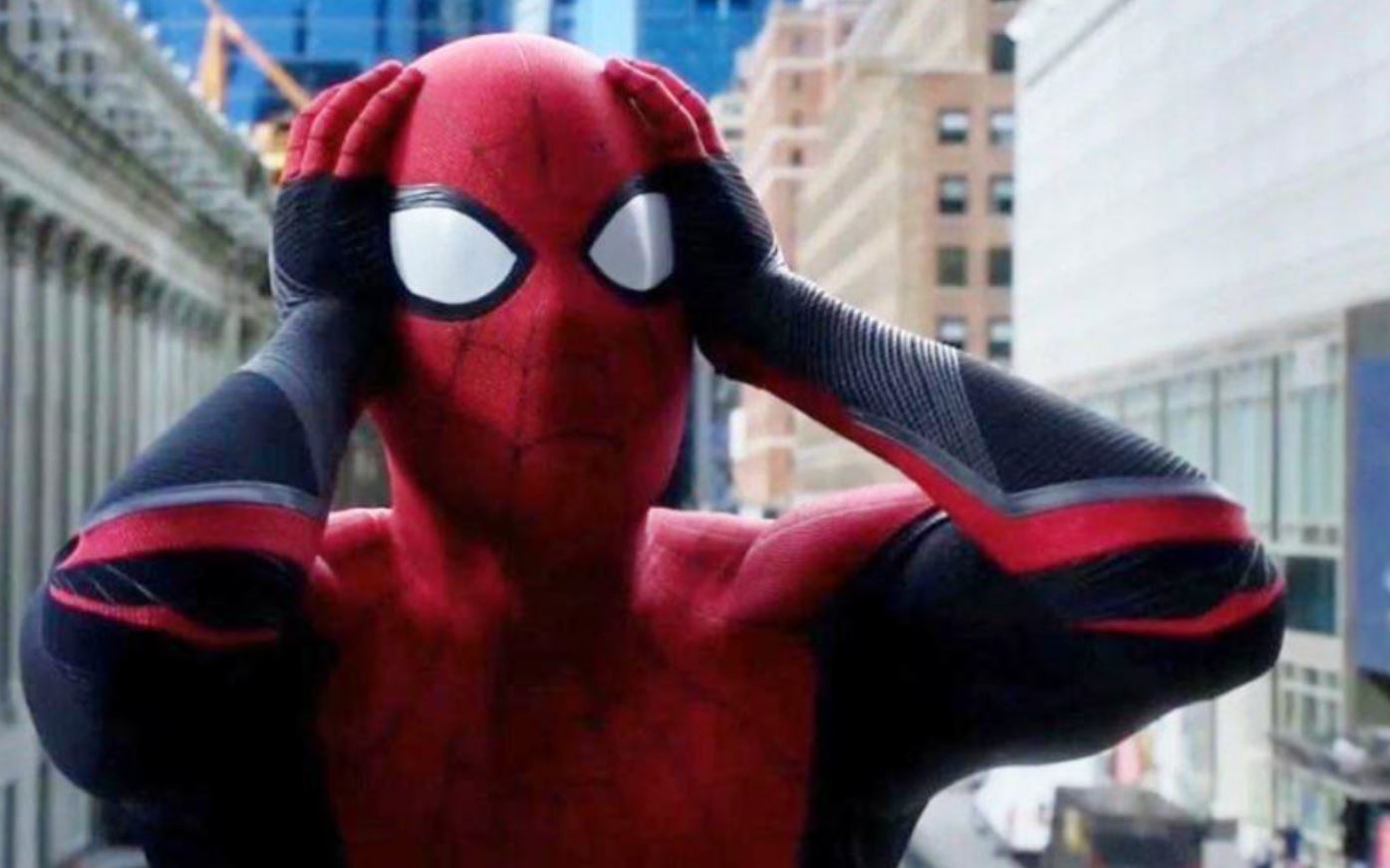
Ok everyone, take a deep breath, the nightmare is over. Spider-Man will remain at the Marvel Cinematic Universe (MCU) for at least two more films.

After weeks of anguish (let’s admit this is solely a First World problem!) we can all rest easy because Sony Pictures and Disney/Marvel Studios were able to reach an agreement over Marvel Entertainment’s most popular superhero. As we know this all started weeks ago this past summer when after the MCU-set film Spider-Man: Far From Home killed it at the box office, it was reported in the trades that Spider-Man, whose film rights lie with Sony, would no longer be in the MCU. This news exploded the Internet and outraged fans who blamed both Sony and Disney for being so greedy at the expense of fans. There were many reasons why negotiations fell apart back then and frankly both sides were at fault. But despite Sony’s announced plans for the Wall-crawler in their own start-up cinematic universe, many swore to boycott Sony films and even Disney suffered a black eye in the midst of their announcements for their upcoming MCU films.

What was worse was that Spider-Man: Far From Home ended in a cliffhanger where Spider-Man’s secret identity was revealed to the world while he was framed for murder. This led to questions over how this would be resolved in an MCU-film, if at all. That in turn led to anxiety over who would be calling the shots in a Spider-Man film now that Marvel Studios head Kevin Feige would not be around to oversee future Spider-Man films.

As time went on, people clung on to desperate rumors about last-minute deals and of Sony being purchased. All of this did not amount to anything, until today when both studios jointly announced that they reached a new agreement where Disney will earn 25% of the next film’s earnings instead of the current 5%.

Spider-Man will conclude his trilogy in an MCU film coming out on July 16, 2021 that will resolve the cliffhanger. Hopefully this film will feature the long-overdue debut of Kraven the Hunter, who would make sense as a villain given his namesake and Spider-Man’s fugitive status. Spidey will also appear in one other MCU film, which presumably will be his final MCU appearance. The question is which film? Captain Marvel 2? Maybe he will be in the rumored Young Avengers film. Or he can help introduce the Fantastic Four because of his close ties in the comic books to the superhero team. This would be a perfect way to show, at least once, the rivalry between him and the Human Torch, which was the highlight of their joint appearances in the comics.

At the same time, it is inferred that the superhero will be featured in Sony’s upcoming films like Venom 2 or any of the Spider-Man spinoff films they have planned. It was not clear either if actor Tom Holland would play the Wall-crawler in the Sony films, although it would not be the end of the world if the character was recast while Holland played Spidey in the MCU. It worked for DC when two different actors played the Flash at the same time on film and TV. Now, as to how good those films will be and how they will affect Spidey’s popularity is anyone’s guess, but Sony’ has a very mixed track record with their Spider-Man films.

For all we know, the agreement could very well be a stop-gap measure until a newer deal can be ironed out when the time comes. Perhaps, Sony might really be sold down the line, which would mean Disney gets the film rights to Spider-Man for free (and no Disney will not spend $10 billion dollars, as was recently rumored, for the character. After their Fox acquisition and setting up Disney+, the company is not going to spend that much money for just one character). Or Sony and Disney will be able to extend Spidey’s appearances in the MCU. But even if this does not happen and we are left with just two more Spider-Man appearances in the MCU, at least the new agreement gives fans a sense of closure and will prepare us for Spidey’s eventual departure.


The Coming Star Trek Renaissance


Not too long ago it seemed as if Star Trek was at a low point. Yes, the IP had a lot of attention thanks to its 50th anniversary, but it appeared that its corporate owners CBS and Viacom/Paramount Pictures could not fully take advantage of this event. There were many specials and such, but the only new product in 2016 was the film Star Trek Beyond, which did not do too well in the box office. In fact, to date it is the last Star Trek film to be produced. Then there was the backlash against both corporations when they came down hard on Star Trek fans with stringent, draconian guidelines regarding their ability to create fan films. At that time, aside from some TV specials, there wasn’t any original Star Trek content on TV. This was striking being that the franchise got its start in the television medium and flourished there.

However, CBS did announce at that time that a new Star Trek TV show, Star Trek: Discovery, was coming, except that it would only be available for subscribers of their new CBS All Access streaming app. So to see new Star Trek content on TV, one was forced to pay for it. This did not bode well for Star Trek: Discovery, and the show already had to face harsh criticism from disgruntled fans. Many of them balked at the design aesthetics, the cast that focused on women and people of color and different sexual orientations, and the fact that most of its season was devoted to a war. As Star Trek: Discovery debuted and failed to meet fans’ expectations, the franchise was further hobbled with the reports that a new Star Trek film was stuck in development hell. It seemed to be that as many cynics and haters were proclaiming: Star Trek was dying.

But the Star Trek franchise, as always, proved that it had life. Star Trek: Discovery began to find its legs and winning over skeptics. Its second season was light years better than its first with new cast members and better written scripts. This culminated in an epic season finale that rivaled anything seen in a Star Trek film and launched the series in a bold new direction while setting up respectfully the original TV show. That wasn’t all.

It was announced that there were other Trek shows in development. While the announcement was greeted with some interest it was Star Trek: Picard revelation that awoke the sleeping Star Trek fandom. The news that Star Trek: The Next Generation (TNG) star, Patrick Stewart, would reprise his iconic role of Jean-Luc Picard excited Star Trek fandom as did the news that the show would take place decades after TNG. This placated those who disliked the idea of reboots. It was clear that the original Prime Star Trek universe still existed and had stories worth exploring in it.

Star Trek: Picard was a much needed boost for the franchise as we fans eagerly wait for it to stream early next year. What added to the enthusiasm was the fact that Star Trek: Picard will feature other characters from TNG and even Star Trek: Voyager. This illustrates that the corporations finally recognized that they have their very own fictional universe to play with and utilize to its fullest. They have even given it an official name: the Star Trek Universe. We last saw this going on in the noughties with Star Trek: Nemesis and Star Trek: Enterprise. It is hoped that Star Trek: Picard will also feature characters and events from other series like Star Trek: Deep Space Nine and Star Trek: Enterprise. Additionally, there are two new animated shows coming soon and rumors of even more shows featuring the Klingon, Worf, and Captain Christopher Pike (as played by Anson Mount, who stole his scenes in Star Trek: Discovery’s second season). Even all does not seem lost on the film front. A Star Trek film directed by Quentin Tarantino is still being discussed. With all this, it can be said that a new Star Trek renaissance is upon us.

What is aiding the new coming Star Trek renaissance is that the corporations CBS and Viacom are merging and the two mediums they had the rights to, TV and film, can now fully interact with each other as last seen in noughties before both corporations separated from one another. So now full resources can be used for Star Trek with less of the corporate red tape over the usage of characters and situations.

Star Trek has faced many ups and downs throughout its fifty-plus years of existence. Some of its worst lows were after the original show and Star Trek: Enterprise were canceled. But time and time again after a lull, the franchise came back strong with renewed vigor. The upcoming shows and developments clearly show that Star Trek is coming back strong.


Spider-Man: Life After The MCU

The dust still has not settled over the shocking news last week that Spider-Man is leaving the Marvel Cinematic Universe (MCU). So much for making Spider-Man: Far From Home earn over $1 billion to keep Spidey in the MCU! As we all digest this huge turd sandwich and cling on to every nugget of hope that Sony Pictures and Disney/Marvel Studios can still work out a deal, it’s time to face reality and ponder on what happens next for our favorite Wall-crawler in live-action films.

As mentioned in the previous post, actor Tom Holland still is contracted to do one more Spider-Man film and right now plans for that film are going forward from Sony. The film studio has the right to do a Spider-Man film without Disney’s blessing but obviously, cannot have it connect to the successful MCU. Sony may feel they can get along fine without the MCU and it may very well be the case, but it’s a dangerous gamble now. The animosity towards Sony by many fans is well documented with campaigns starting to boycott any Sony Spider-Man or related film. The question is will this anger keep up next year when Morbius and Venom 2 premiere? If both films falter or just earn less than expected in the box office then it can be attributed to fan backlash and can force Sony back to the negotiating table. This may not happen but then again look at Solo: A Star Wars Story and the backlash it received for The Last Jedi.

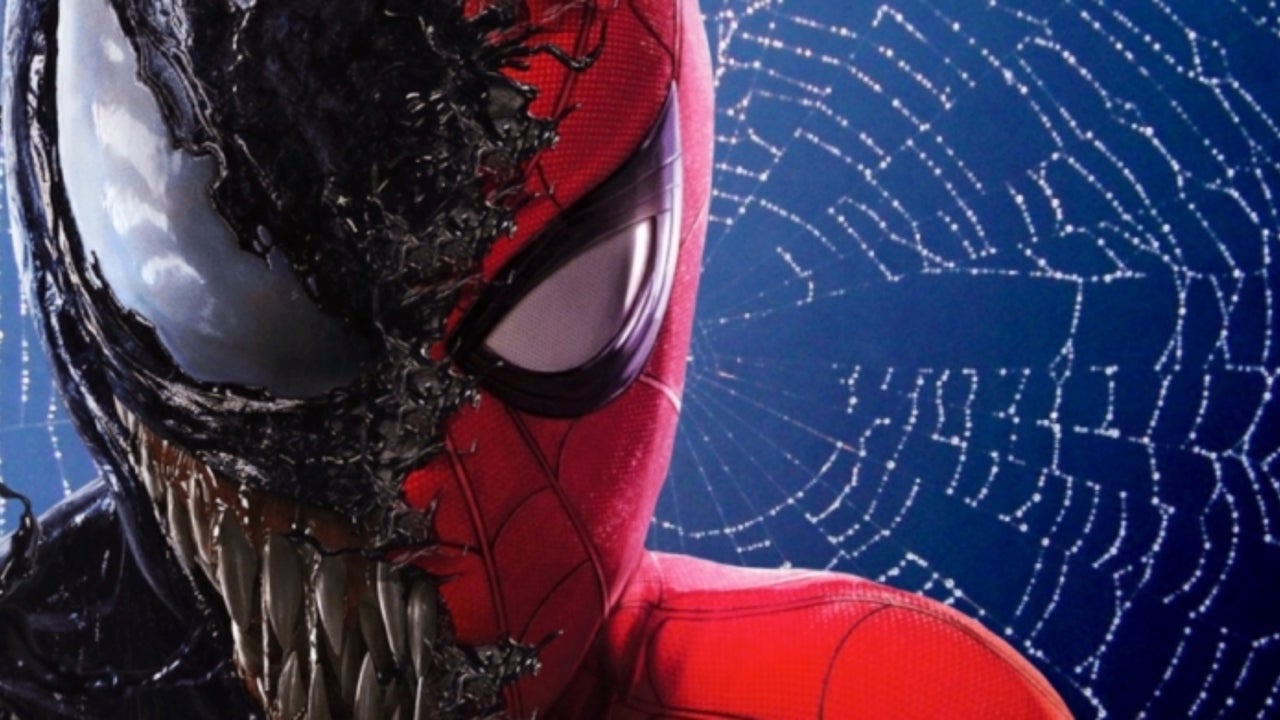
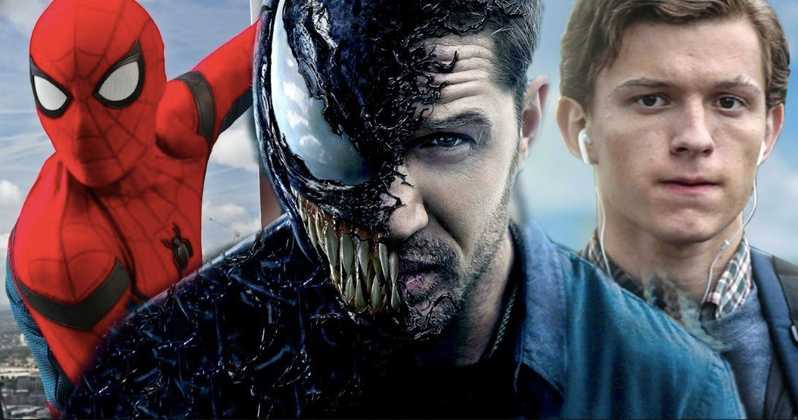
One no-brainer way to entice Spider-Fans to make Venom 2 a success is to shoehorn in Spider-Man now that Sony has him. One thing the studio has in its favor is that many fans are dying to see Spider-Man meeting Venom and fighting Carnage. Yes, the two characters fought each other in Spider-Man 3, but that version of Venom was poorly received. The Tom Hardy version was a hit with with fans though the film Venom was not as well thought of. If Spider-Man and Tom Holland are forced to appear in Venom 2 do the filmmakers have the skills to make it an organic appearance rather than an obvious cash grab? We’ll see.

Continue reading

Is Star Wars Losing Its Luster?


The title of this post sounds click baity, but it brings up a nagging thought among many fans over the beloved sci-fi franchise. There are many indications that Star Wars is losing its luster with the general public. No need to worry, Star Wars is not going anywhere, but the property just doesn’t seem to be capturing our excitement these days. Instead that is going to Disney’s other blockbuster IP, the Marvel Cinematic Universe. Star Wars is still a behemoth that brings in tons of dollars to Disney, but the evidence is becoming more clear. Let’s look at some facts:

  • The property has been swept up in the toxic culture wars that is strangling our society. It started with the release of the controversial Star Wars: The Last Jedi, which has enraged many conservatives fans who accused it of being too politically correct.
  • The mixed to negative reaction to The Last Jedi, not just from haters but many die-hard Star Wars fans helped lead to the failure of Solo: A Star Wars Story. That in turn led to the cancellation of planned Star Wars films.
  • Disney head Bob Iger admitted that too many Star Wars films were being released too quickly and cited this as a reason for Lucasfilm to cut back on Star Wars films.
  • Even though there is another Star Wars film coming out later this year, the enthusiasm for it is not as high as it was for previous Star Wars films.
  • Merchandising sales are down, with many retailers severely discounting Star Wars toys, especially those related to the Disney-era films.
  • The recent opening of Star Wars: Galaxy’s Edge at Disneyland has not brought in the massive crowds that Disney anticipated.

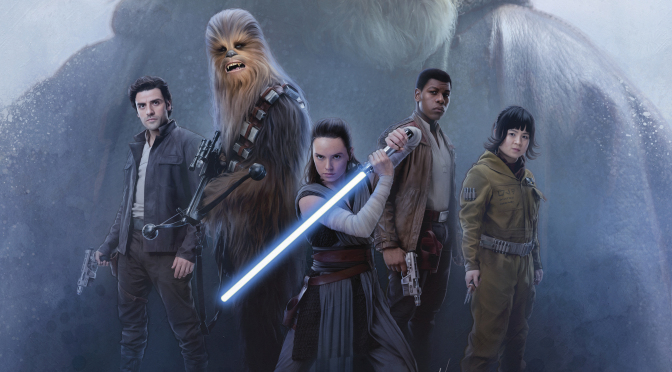
So, what is happening and why? The answers are not quite simple and it really depends on context. Yes, Star Wars is a victim of the stupid culture wars going on but that has affected other properties and franchises as well. Yes, there are too many sites and videos from haters infesting the web, but they also target Star Trek and even Marvel. Then the fact that these places champion underdog properties indicates that many of them just want to kick at the top dog of the moment. What didn’t help Star Wars is how Rey was written to be a Mary Sue and how the deconstruction of Star Wars in The Last Jedi alienated many die-hard fans who hated what writer/director Rian Johnson did with the characters.

There are many reasons why Solo didn’t perform well. A big part of it was due to the backlash of The Last Jedi, which is unfortunate because Solo was actually a fun film that evoked the traditional adventurous Star Wars films.

The scaling back of Star Wars films is a natural reaction to the mixed reception of recent films. However, more films are still being planned and the Disney streaming service, Disney+, will premiere this year The Mandalorian, the first live-action Star Wars film and it is highly anticipated. Plus, the same service will include a new season of the beloved animated series, Star Wars: The Clone Wars, which has many fans excited. So, for now, Star Wars’ future lies with television to keep us satiated until the next standalone or saga film.

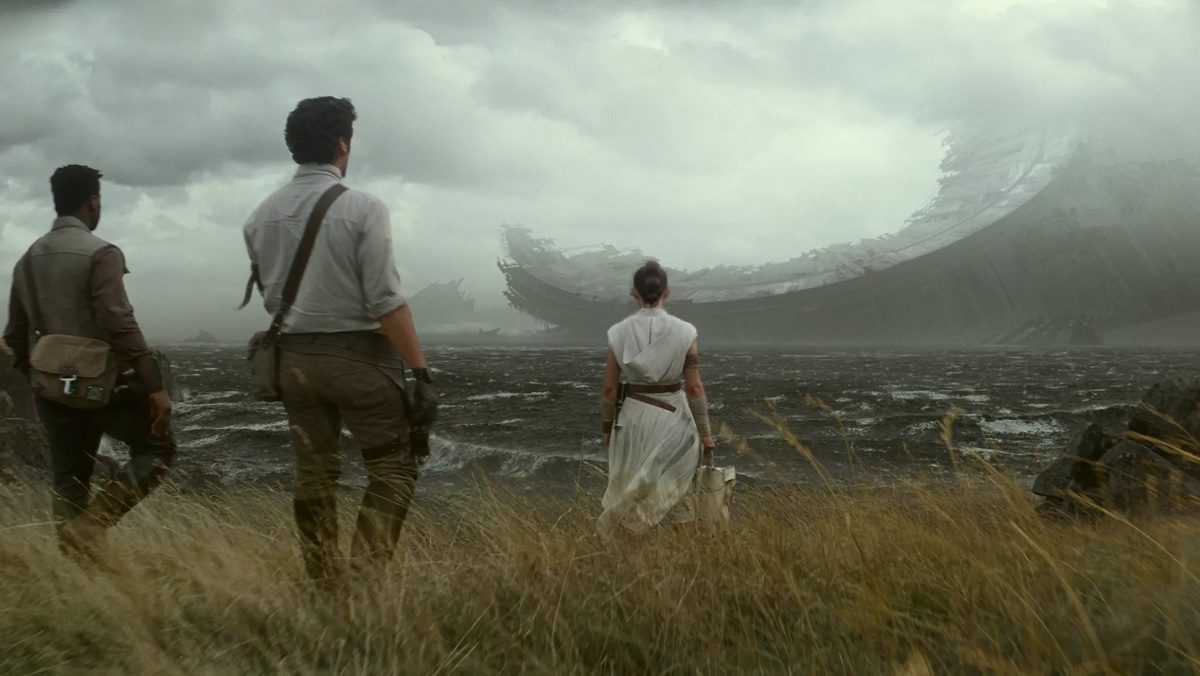
All this hand wringing over the property could wind up being silly if the next film, Star Wars: The Rise of Skywalker, recaptures the magic and leads to new films coming out sooner. Given how Star Wars: The Last Jedi turned out, it is nearly certain that The Rise of Skywalker will play it safe and give fans what they want. In the long run, it could wind up hurting the franchise in the same manner that some were ultimately turned off by Star Wars: The Force Awakens because it was too derivatives of A New Hope. But a short-term win is called for.

Let’s face it, Disney went overboard with the marketing and merchandising of the property At first, it worked wonders for the company when they acquired the IP in 2012. The build up to The Force Awakens was immense and was a genuine phenomenon. Unfortunately, this led to Disney slapping the Star Wars label on practically everything. If we thought creator George Lucas was bad with the merchandising when he owned the property, Disney took the marketing to the nth degree. it is only natural that there would be a backlash and this led to lowered sales.

Continue reading

A Closer Look At Avengers: Endgame & The Future Of The MCU, Part Two

We’re continuing our look at the superhero film event, Avengers: Endgame. This time we’ll speculate on a major plot device, what lies ahead for the team and the Marvel Cinematic Universe (MCU) and even who will be in the team later in the future. As before, major spoilers will follow, so turn back now if you have not seen Avengers: Endgame yet.


3…


2…


1…


The Smallest Hero with the Biggest Impact

Avengers: Endgame didn’t just feature story arcs about the OG Avengers but on allies that joined the team and their mission to undo Thanos’ snap. Nebula and Rocket Raccoon from the Guardians of the Galaxy, along with everyone else were at the end of their rope, feeling defeated after Thanos’ victory in the previous film. There was significant time spent on them and they had their special character moments. While they made important contributions to the team’s quest to reverse Thanos’ snap, one of other ally became the most unlikely Avenger of them all: Ant-Man. He is not only the smallest MVP in Endgame but the most important one because the Avengers’ ultimate victory would not have been possible without Ant-Man.

Lang shows up

When Scott Lang aka Ant-Man re-emerged from the quantum realm after the film’s five-year time jump, he quickly realizes that time travel is possible due to the way he experienced time differently in the micro-dimension. He goes out of his way to locate the Avengers and presents them with this idea. Lang, fresh and eager from his experience in the quantum realm becomes a beacon of hope and new-found resolve for a defeated team. He inspires everyone into believing that the devasting effects of the Decimation could be undone.

ant-man in Avengers Endgame

To think this was all possible because of a rat. This anonymous rodent just happened to step on the controls of the quantum tunnel machine in a storage unit that brought Lang back into the world. Coincidence? Sure. Blind luck? You bet! But sometimes all it takes is the right circumstance to change everything. Even if some rat didn’t accidently save the universe, Lang would have been released some other time, what is important is that his re-emergence happened at the right time. Given his contribution, including his actions which later saved the Hulk, Rocket Raccoon and War Machine, Ant-Man is a shoe-in not only for another solo film, but as an Avenger in the team’s next film.

A Soldier’s Final Mission

At the end of Avengers: Endgame, Steve Rogers traveled back to different time periods to return the Infinity Stones and nip the creation of alternate timelines.

His final journey raised many questions given how his mission ended. As mentioned in part one of this post, Rogers decided to spend his days in the past with Peggy Carter and grew old with her. We know this because moments after he disappeared into the quantum tunnel, he turns up nearby as an elderly man.

This started rampant speculation about how he returned since he didn’t use the same quantum tunnel machine he left in. Some theorized he was in the Prime MCU all along and never created a new timeline. The writers for the film agree with this, but it’s hard to believe because given his heroic nature, there isn’t any way that Rogers, whether or not as Captain America, would not interfere with history. He would have prevented Bucky from becoming the Winter Soldier, stopped the Hydra infiltration of S.H.I.E.L.D., or Thanos’ quest for the Infinity Stones, let alone real-world tragedies like the JFK assassination or 9/11. The Avengers: Endgame directors, Joe and Anthony Russo, contradict this notion and believe that Rogers lived out his years in an alternate timeline. Good evidence for this is the fact that he comes back with an intact shield. Remember that his shield was broken during his battle with Thanos. Rogers must’ve obtained the new shield in the alternate timeline. Perhaps that timeline’s Captain America died or the shield was no longer needed in the brave new world Rogers created.

The question is how did he return? The temporal/quantum technology in the new timeline must have advanced more significantly than in the Prime MCU. Or that timeline’s Doctor Strange could have used magic to transport Rogers back to his native timeline. This and how did Rogers return the Stones are intriguing material for a potential film or series on Disney+, though we’ll probably never know.

Continue reading