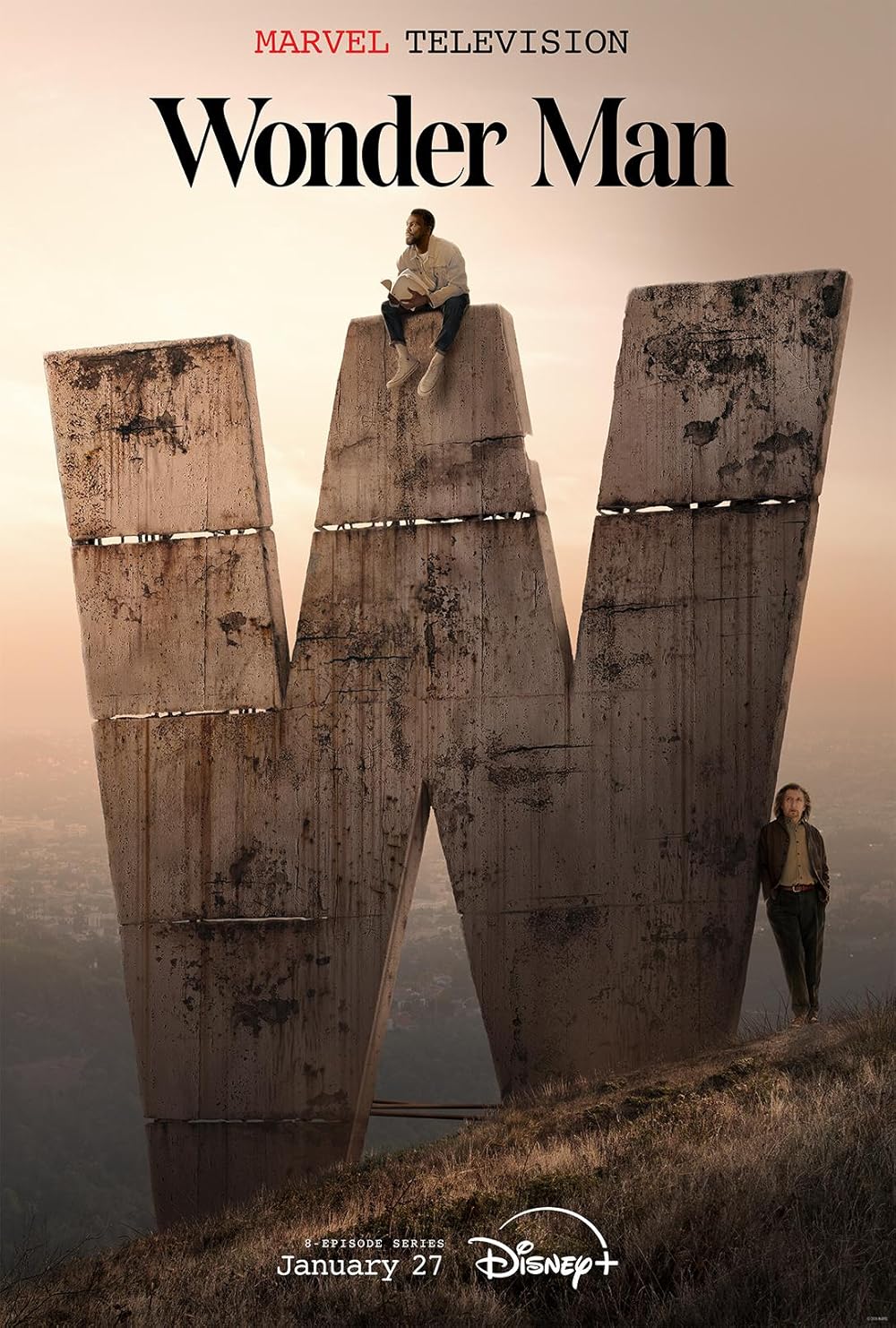
Wonder Man is the latest Disney+ Tv show based on the Marvel Cinematic Universe (MCU) and it is so unlike the typical MCU project, which can be either a pleasant surprise for some or disappointing for fans expecting your typical superhero fare. No matter how a viewer may judge the show, it has to be admitted that it is different.
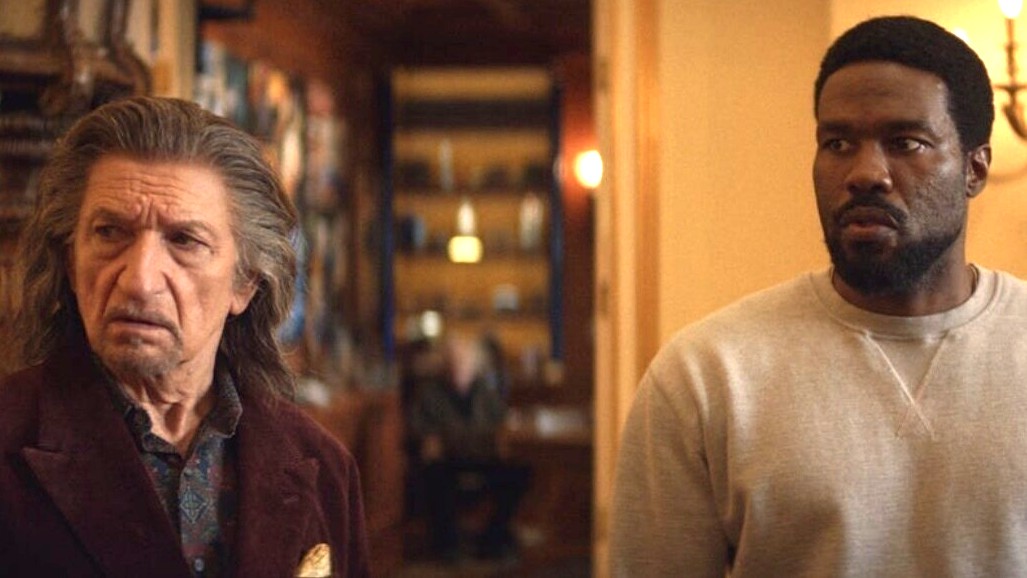
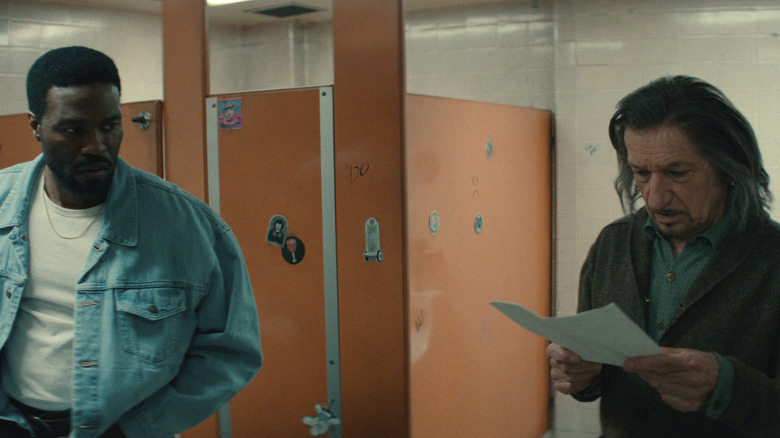
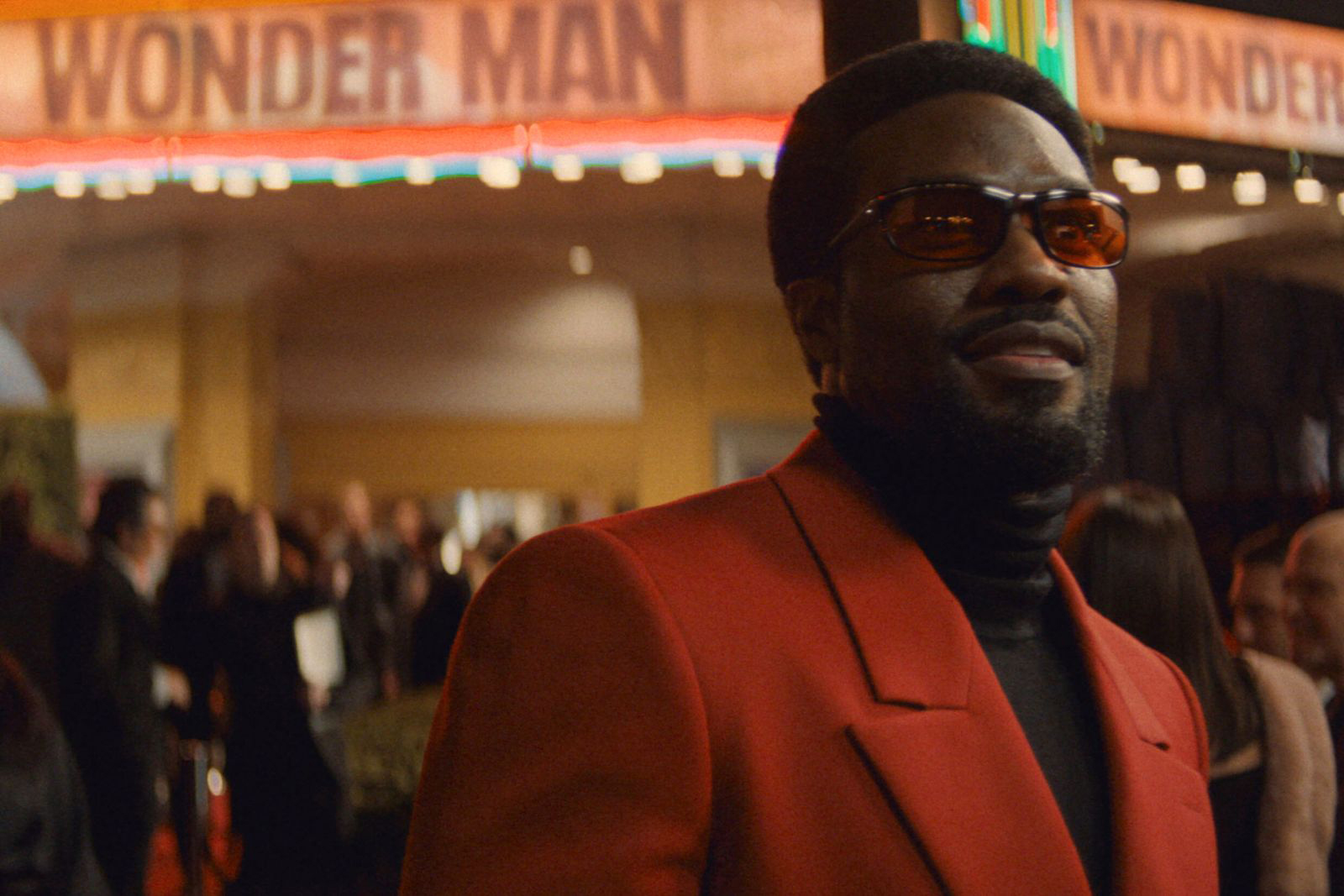
Yahya Abdul-Mateen II stars as Simon Williams a down-on-his-luck actor in Hollywood looking for his big break and learns that an ‘80s sci-fi action film, Wonder Man, is being remade by the renowned eccentric director Von Kovak (Zlatko Burić). Simon is eager to be cast in the title role because it was a favorite film of his when he was young. What needs to be mentioned is that he learned about the role from Trevor Slattery (Ben Kingsley), the disgraced actor who was jailed for portraying the terrorist, the Mandarin, in Iron Man 3.
The two actors form an unlikely bromance as the elder actor mentors the younger one about being a true thespian and how to navigate the Hollywood filmmaking landscape. Unfortunately, Trevor was forced to initiate the friendship with Simon because he was arrested by the Department of Damage Control (DODC) for escaping jail and was promised his freedom if he entrapped Simon. The DODC suspects Simon of harboring superpowers and wants to jail him for being dangerous and to meet quotas. Meanwhile, Simon, who actually has superpowers, is desperate to keep his powers a secret from everyone because superpowered people are banned from acting in Hollywood and obviously his acting career would be over if the world learned his secret.
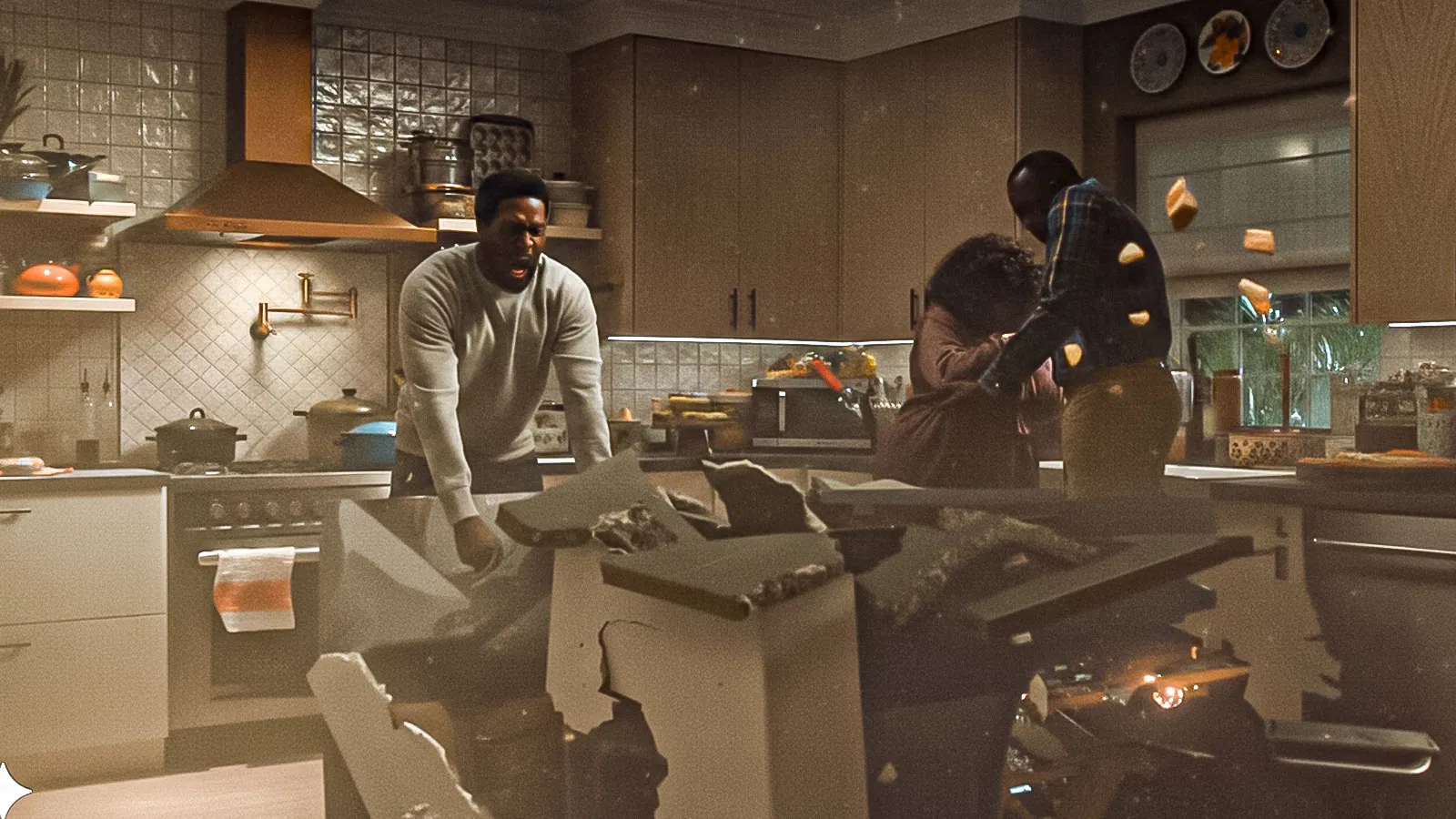
That is basically it about Wonder Man. Anyone expecting superhero escapades and world-ending threats will be sorely disappointed. There are not even any pesky villains or any deep connections to the MCU aside from Trevor and the DODC. So, the TV show can be enjoyed and understood by non-MCU fans. Anyone with an open mind will find out that Wonder Man is an enjoyable and slightly humorous look at the plight of modern actors. In many ways, the TV show is Marvel Studios’ version of Entourage or The Studio but not as comedic, but that’s fine. The emotions are in the right place and anyone can’t help but feel for Simon as he navigates his life and the quirky people he meets. We get enough details about Simon to relate to him, which was best seen in the episode “Pacoima” where Simon visited his mother (Shola Adewusi) for her birthday and had to defend his acting career, especially with his older brother Eric (Demetrus Grosse). Highlighting that episode was the classic sitcom trope of the main character’s buddy, in this case Trevor, tagging along for the family gathering.
What helps Wonder Man tremendously is the terrific and genuine chemistry between Abdul-Mateen II and Kingsley. The two have great rapport with each other and the friendship between them feels very authentic and natural. Kudos, of course, go to both actors, and Kingsley turns in one of his best performances and this MCU vehicle is the best one to showcase Trevor. It would be a crime if we never saw the duo again since they light up every scene they are in.
The future for Wonder Man is unknown at this time, since Marvel Studios has reduced their offerings in light of recent disappointments. Unlike other MCU TV shows, this one was released with all eight episodes simultaneously, which implied that Disney did not have confidence in the TV show. But anyone dismissing it for that reason would be mistaken since it is one of the better MCU TV shows that tried something different that worked thanks to the talent in front and behind the cameras. This is a case where being different worked for Marvel Studios. As long as the talent is there, they should do more of this.
Wonder Man is under the Marvel Spotlight label, which implies it was just a limted series. But even if a second limited series never comes to fruition, Simon and Trevor deserve to be seen again whether dealing with Hollywood politics or L.A. living or just shooting the breeze in a movie theater as they discuss film and TV shows. Besides, without giving anything away about the final episode, anyone who enjoyed Wonder Man should know what else happened to Simon and Trevor.
2026 looks to be another jam-packed year with all the sci-fi, horror, fantasy and animated projects planned for the year. There are many promising original films and TV shows and returning franchises that will excite any fan. Also, it can be said that 2026 will be do or die for the Marvel Cinematic Universe (MCU), since it has struggled lately. Once their films were guaranteed to rake in the money, but that’s not the case anymore and Marvel Studios is betting it all with the films Avengers: Doomsday and Spider-Man: Brand New Day. On the other hand, the DC Universe is off and running with this year thanks to the success of last year’s Superman film. Now let’s look at the most anticipated films and TV shows of 2026.
Films
10. Toy Story 5
It’s incredible that Pixar has been able to come up with a new angle for a Toy Story film that is very relevant to current times. Tom Hanks and Tim Allen return to voice the iconic toy characters Woody and Buzz as they and their toy companions now have to contend with a tablet that threatens their popularity with their child owner.
8. The Dog Stars
Not a lot is known about this post-apocalyptic film about a pilot, his dog and a disgruntled veteran, but master director Ridley Scott is behind this adaptation of Peter Heller’s novel. Given Scott’s track record with genre classics like Alien, Blade Runner and The Martian, this one should be another winning notch in the director’s filmography.
8. The Mandalorian and Grogu
Earlier this decade, a film based on the TV show, The Mandalorian, would have set fandom on fire. But given how Disney loves to milk their IP to the death, interest in the galactic bounty hunter Mandalorian and his adopted Force-sensitive child Grogu has declined and the timing of this film may be unfortunate. Still, it will be the first Star Wars film released since 2019, so that should generate interest.
7. Supergirl
The next DC Universe (DCU) film features Superman’s drunken cousin, Kara-Zor-El (Milly Alcock) aka Supergirl, in an outer space adventure that supposedly adapts Tom King’s acclaimed comic book mini-series, Supergirl: Woman of Tomorrow. The film gets bonus points for featuring the return of Krypto the Superdog and Jason Mamoa making his DCU debut as Lobo, the intergalactic bounty hunter.
6. Project Hail Mary
The directing team of Christopher Miller and Phil Lord return to live-action with this adaptation of Andy Weir’s novel about a lone astronaut (Ryan Gossling) sent on a desperate mission to another star system to find out why the stars in the universe are suddenly being extinguished. Given the credentials of the directors, who were revered for their work on the Spider-Verse films, and the off-kilter look of the trailer, Project Hail Mary should be a unique and off-beat film that could resonate.
5. Dune, Part Three
The third film adapts the Dune sequel novels, Dune Messiah and Children of Dune and completes the epic sci-fi trilogy by director Denis Villeneuve. The first two films received nearly universal praise from critics and fans for its faithful adaptation of Frank Herbert’s novel about political intrigue and religion in the distant future, which featured stunning visuals, strong performances and engrossing worldbuilding. Dune, Part Three will conclude the spiritual journey of the messiah-like Paul Atreides as he struggles to set a course for humankind in the universe while retaining his own humanity.
4. The Odyssey
The latest film from director Christopher Nolan which is based on the epic Greek fantasy poem by Homer has generated tremendous word of mouth thanks to the meticulous artistry of Nolan and the reputation his films have garnered. The Odyssey is a suitable project for Nolan because of its grand nature, and he is only one of a handful of directors who can do justice to the film. The six-minute trailer that was recently released which focused on the subterfuge of the Trojan Horse increased the fervor for the film given how impressive and large scale the scenes looked on large screens.
3. Disclosure Day
Steven Spielberg, one of the most acclaimed directors of all time, returns to his genre roots with this UAP/UFO-related film that is largely shrouded in mystery. Unlike his previous UFO films that seemed hopeful, Disclosure Day feels more grounded, mysterious and ominous judging by the teaser trailer alone. The teaser implies the film will tackle government conspiracies and spirituality. After a long period of non-genre dramas and musicals, seeing Spielberg tackling aliens once again is a welcome event.
2. Spider-Man: Brand New Day
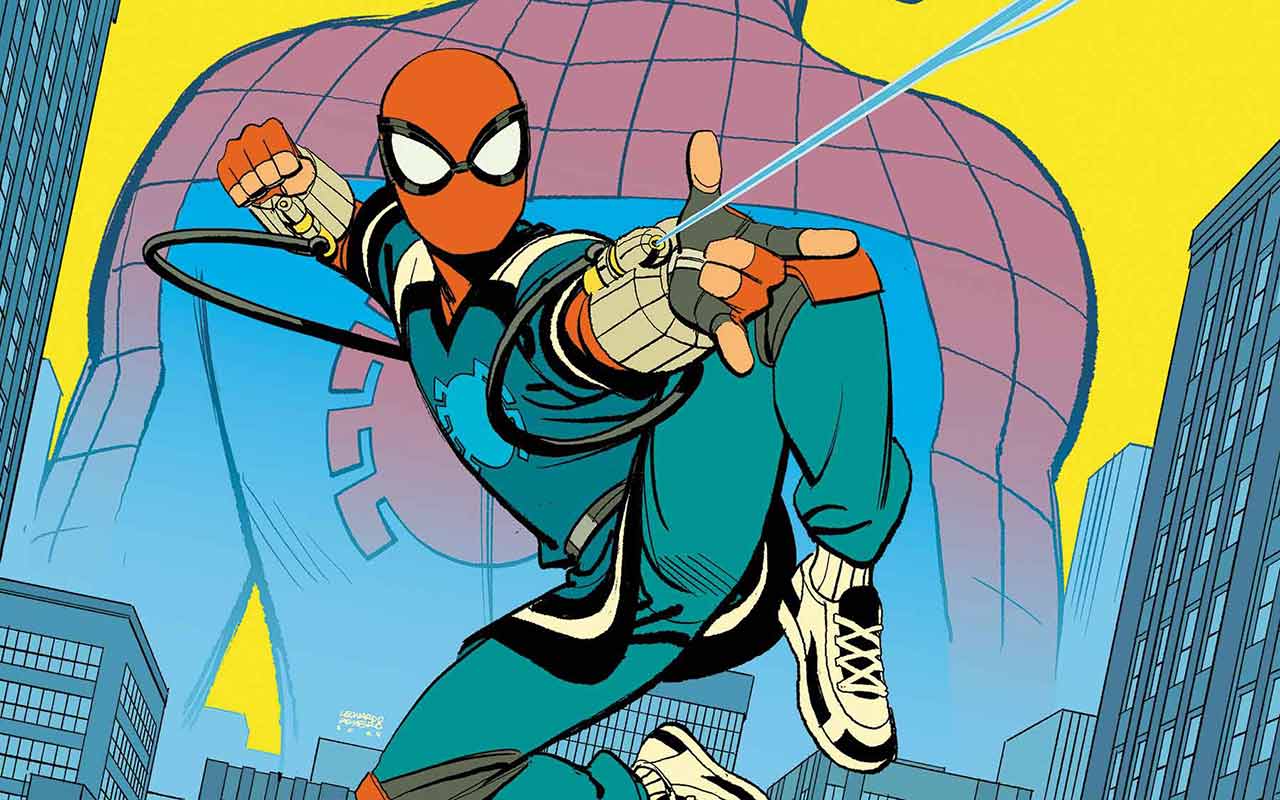
Following the aftermath of Spider-Man: No Way Home, the latest MCU Spider-Man picks up after Spider-Man’s (Tom Holland) civilian identity has been erased thanks to a magical spell. Not a lot has been revealed about the next MCU Spider-Man film but it features popular Marvel characters like the Hulk and Punisher, a bunch of new supervillains and a mysterious new character played by Sadie Sink. Aside from speculation about Sink’s role, the film is noted for being directed by Destin Daniel Cretton who directed the well-received MCU film Shang-Chi and the Legend of the Ten Rings.
1. Avengers: Doomsday
From the chair announcement trailer to the character teasers, no other film coming out in 2026 has generated the amount of buzz as the first Avengers film since Avengers: Endgame. The film begins the conclusion of the MCU’s Multiverse Saga, which will finish with next year’s film Avengers: Secret Wars. Marvel Studios has a lot riding on the success of this film given how MCU films and TV shows have had uneven reception lately. The film is pulling out all stops to bring back fans to guarantee a box office win with its hard pivot to legacy characters and actors, notably those from the Fox X-Men films and Robert Downey, Jr. who returns not as Iron Man but as the premier Marvel villain Doctor Doom. No matter how it ends up, Avengers: Doomsday will be the event film of 2026.
Notable Mentions:
28 Years Later: The Bone Temple; The Bride!; Clayface; Coyote vs. Acme; Evil Dead Burn; Flowervale Street; Forgotten Island; Godzilla: Minus Zero; Good Luck, Have Fun, Don’t Die: Greenland 2: Migration; Hokum, Hoppers; Iron Lung; The Legend of Aang: The Last Airbender; Masters of the Universe; The Mummy, Primate; Redux Redux, Werwulf, Wildwood
Television
10. Star Trek: Starfleet Academy
Most likely the latest Star Trek TV show will be garbage given the cringy publicity images and clips that highlight cliche teenage angst. Also going against it is that not many fans were interested in a Star Trek show set in the unpopular Star Trek: Discovery era of the 31st century, but it looks well produced and could surprise us.
9. The Boroughs
Fresh off concluding their popular TV series, Stranger Things, the Duffer Brothers follow up that TV show with The Boroughs. This one focuses on middle-aged residents of a suburban community instead of kids who team up to face an unusual threat. Starring Al Molina, Geena Davis, Bill Pullman and others, The Boroughs should echo the same magic that made Stranger Things so well regarded.
8. Monarch: Legacy of Monsters
The second season of the Monsterverse TV show is finally upon us. The first season unexpectedly provided depth and intriguing worldbuilding for the action-oriented Monsterverse films while featuring many appearances by our favorite kaijus like Godzilla. The second season will provide more of this and should develop the Monsterverse storyline further.
7. Neuromancer
Apple TV has turned into the premier streaming service for high-quality sci-fi programs and given recent adaptations of popular sci-fi literary works like Foundation and Silo, it was time for the streaming service to jump into adapting the William Gibson novel that jumpstarted the cyberpunk subgenre. Details are not available but since Neuromancer will stream on Apple TV, it should be a quality adaptation.
6. Spider-Noir
While it is lamentable that this program about an alternate take on Spider-Man set in the 1930s will stream on MGM+ (who actually subscribes to that streaming service?), it offers a unique take on Spider-Man. Filmed in black and white to establish a noir mood, the series will star Nicolas Cage (who voiced the same character in the Spider-Verse animated films) as Ben Reilly, an older and more jaded version of Marvel’s most popular hero.
5. X-Men ’97
After the triumphant first season that redefined the animated X-Men TV shows, this second season takes place right after the events of the first season as the heroic mutants find themselves scattered in different time periods and have to find a way back home. Only this time, the X-Men have to grapple with the mega-villainy of Apocalypse. However, being that Beau DeMayo, the showrunner of the first season, has been fired by Marvel Studios, it has to be seen if the new showrunners can match DeMayo’s work.
4. VisionQuest
This MCU TV show concludes the loose trilogy made up of WandaVision, Agatha All Along, and now VisionQuest. This shows follows the journey of the white android Vision (Paul Bettany) who was imbued with the memories of the original Vision in the final episode of WandaVision and now he has to struggle to find his identity. What makes the concluding part of the trilogy more exciting is that Terry Matalas, who was responsible for the popular third season of Star Trek: Picard, will be the showrunner.
3. Lanterns
The sole DCU TV show coming out in 2026 is a detective show will feature the intergalactic sentinels Green Lanterns Hal Jordan (Kyle Chandler) and John Stewart (Aaron Pierre) investigating a murder in Nebraska that will lead to dark and otherworldly events. Given the success of other DCU TV programs like Peacemaker and Creature Commandos, and the bonafides of the showrunners, including DCU head James Gunn, Lanterns should be another win for the fledgling superhero cinematic universe.
2. The Boys
The final season of the adaptation of Garth Ennis’ comic book series about “superheroes” dominating popular culture and the world itself promises to go all out as a ragtag group of anti-heroes led by Bill Butcher (Karl Urban) have their final confrontation against the twisted and sadistic Homelander (Anthony Starr) who rules the United States in a reign of terror with his lackeys and cohorts. The final season of The Boys promises to be just as brash, graphically violent and sardonic as the previous four seasons and its spinoff TV show Gen V.
1. Daredevil: Born Again
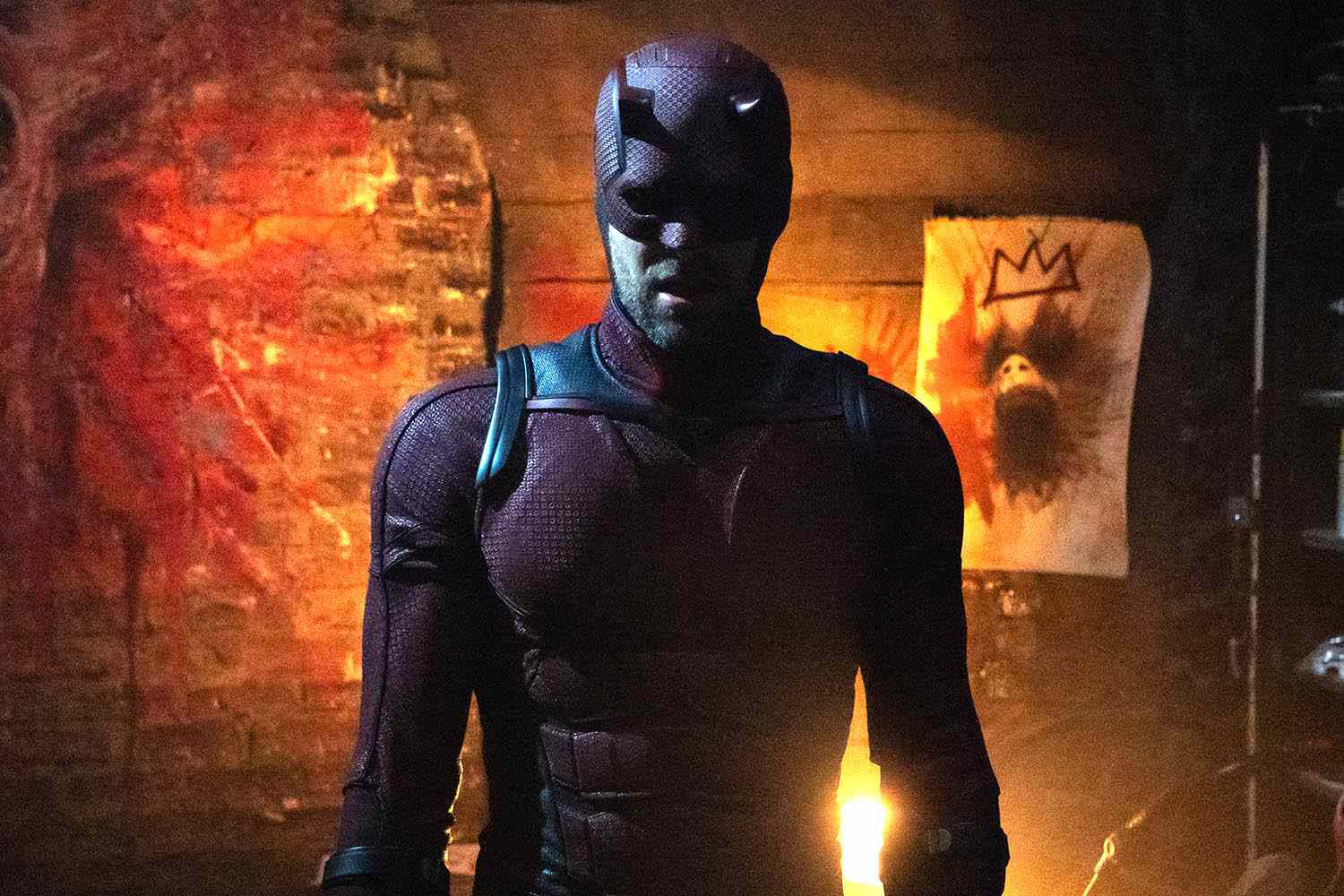
It’s true that the first season of Daredevil: Born Again turned out to be uneven, but the best episodes of that season were produced by Dario Scardapane and directed by Justin Benson and Aaron Moorhead, who were the showrunners of the original Daredevil TV program on Netflix. The second season will be completely done by them and that is reason alone to look forward to it. Another reason is that it will focus on how the blind superhero Daredevil (Charlie Cox) and his allies (including Kristen Ritter reprising her role of Jessica Jones) operate on the streets of New York City under martial law as the police enforce a ban on vigilantes imposed by Daredevil’s nemesis Mayor Wilson Fisk (Vincent D’Onofrio).
Notable Mentions
3 Body Problem, Army of Shadows, Avatar: The Last Airbender; The Beauty, Blade Runner 2099, For All Mankind; Invincible, A Knight of the Seven Kingdoms, One Piece, Paradise; Silo, Star City, Star Trek: Strange New Worlds, Star Wars: Maul-Shadow Lord; Stranger Things: Tales From ’85; The Testaments, Wonder Man, Your Friendly Neighborhood Spider-Man
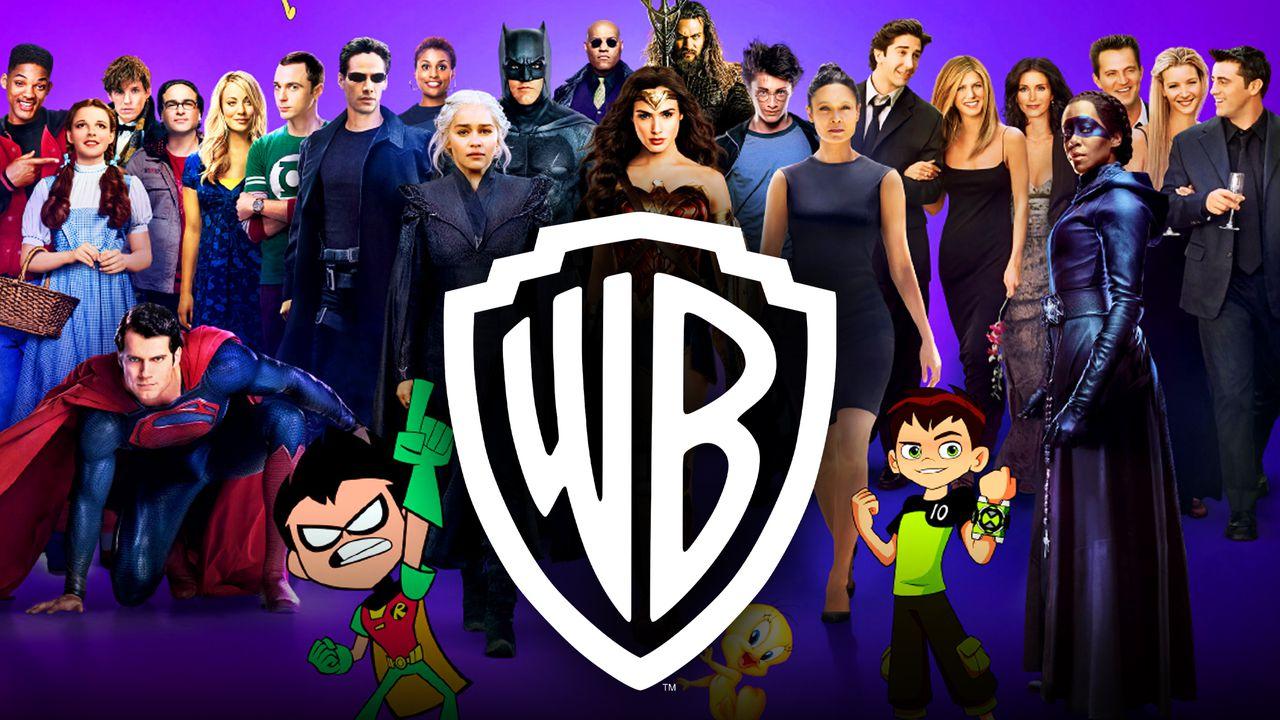
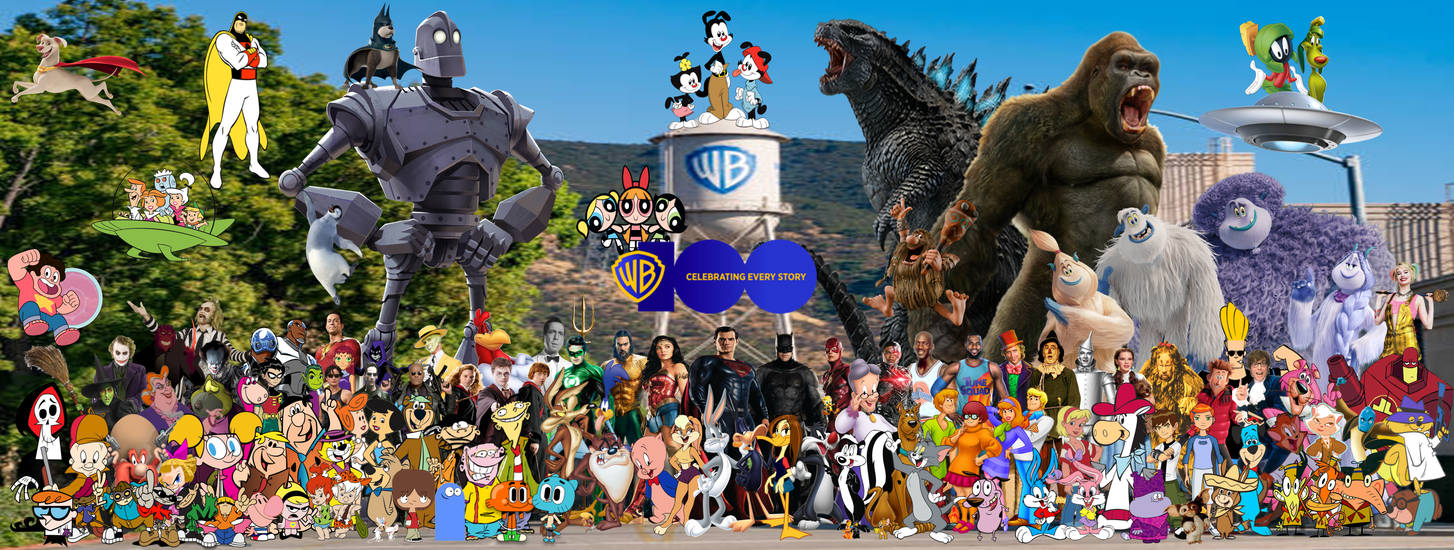
Warner Bros. had been up for sale for some time and several major companies expressed interest in buying it, especially Paramount Skydance. Many expected Paramount to purchase Warner Bros. given their public and aggressive efforts to purchase the company but in the end the streaming giant Netflix beat out Paramount and will acquire the film and HBO segments of Warner Bros. as it chose not to purchase the cable TV channels that were part of Warner Bros. Discovery. This acquisition will give Netflix access and ownership to an impressive film and television library and major IPs, including DC, Looney Tunes, Hanna-Barbera, The Wizarding World of Harry Potter, The Matrix, Game of Thrones, Mad Max and more.
Many have watched the bidding war with caution and were concerned with a possible ownership by Paramount, mostly because its CEO, David Ellison, has openly expressed fealty to the Trump Administration to the point that a Rush Hour 4 has been greenlit simply because Trump expressed interest in such a film. This meant that the government has influence on what media entertainment gets released, which leads to First Amendment questions. Imagine if Paramount bought Netflix and the government had a hand in deciding the direction of DC films, TV or comics. A film like Superman, which openly criticized America’s current immigration policies, would never be allowed by Ellison. On the other hand, the purchase by Netflix has opened up another can of worms that has the film industry reeling because of the implications.
Streaming Influence
One possibility of the purchase is that it could lead to the death of cinemas since the majority, if not all, Warner Bros. films could be released straight to streaming. This would create a domino effect with other film studios copying the release model, which would hasten the demise of the theater-going experience.
This has been a growing problem in recent years that was accelerated by the COVID-19 pandemic which caused many film and TV studios to lean heavily on streaming to provide content to consumers. Netflix has upended the conventional model of film releases where films normally had theatrical lives of a few months before being available on digital or for streaming. This has conditioned viewers to skip going to theaters and just wait for a film to appear on a streaming app a short while after its release. Now it is becoming the norm that films would be released on streaming weeks after a theatrical release and even the same day the film premieres in theaters. Many have speculated that Superman might have had a larger box office haul if it was not announced roughly a month after its initial film release that it would be available for home viewing. While short theatrical runs is convenient and deceptively cheaper for consumers (the idea that they will see the film for free on streaming is silly since they still have to pay for the service), this practice is a major issue with theaters with lost revenue and content.
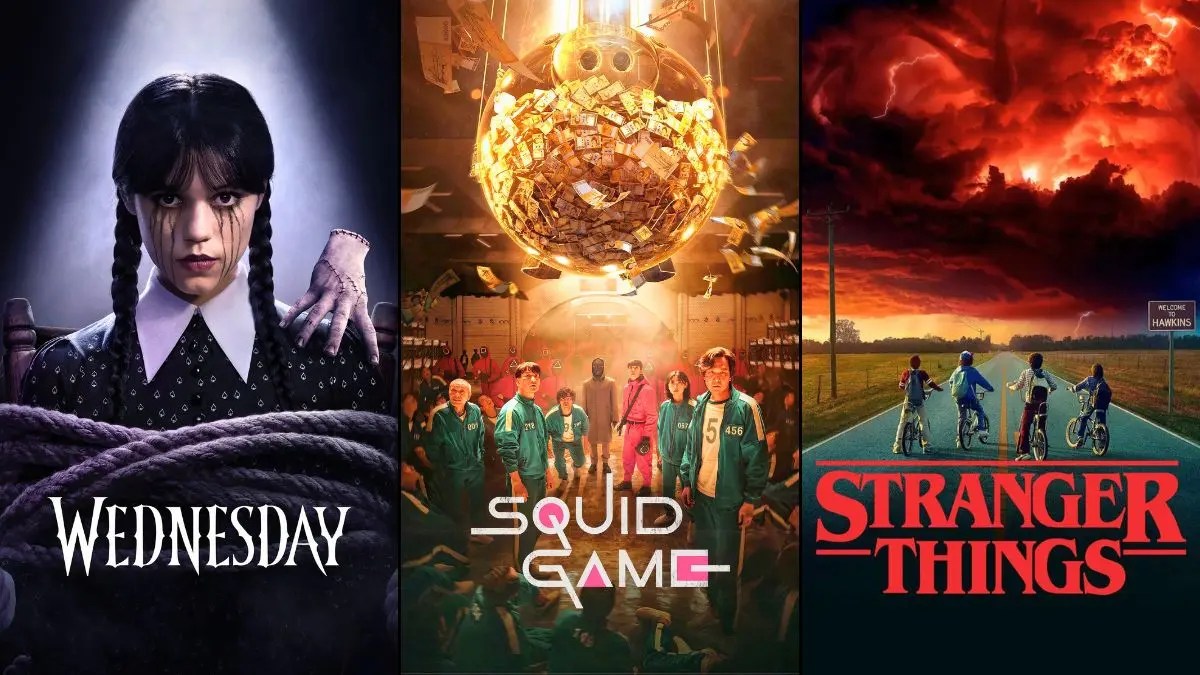
Another supposed plus for Netflix subscribers is that the service will have an even more exhaustive library of content, but now with prestige content. One problem for the streaming company was that recently it did not have easy access to popular content as film and TV companies created their own streaming services. Netflix has been criticized for having a glut of inferior films and TV shows that are just placed on the streaming app with little promotion. It’s true that Netflix has many quality and popular TV and films like Stranger Things, Wednesday, Squid Game, The Witcher, Black Mirror, and KPop Demon Hunters, with the glut of content dumped on the platform a lot of quality product has gotten lost in the overwhelming mixture. How will prestige films and TV shows from HBO and Warner Bros. stand out from the low-budget dreck flooding Netflix’s landing page?
One possibility is that Warner Bros. and HBO could have their own pages or remain as separate streaming services as we see now with Hulu, which is owned by Disney but is its own streaming service that subscribers of Disney+ could access by purchasing a bundle service. This would allow Netflix to have its own prestige platform to stream high-end quality products that stand out in the crowded streaming service.
But do not be surprised when the monthly subscription rate for Netflix increases dramatically to help pay for the $82 billion purchase. Expect to pay up to $50 and more monthly in a few years.
Impact on DC & Other Popular IP
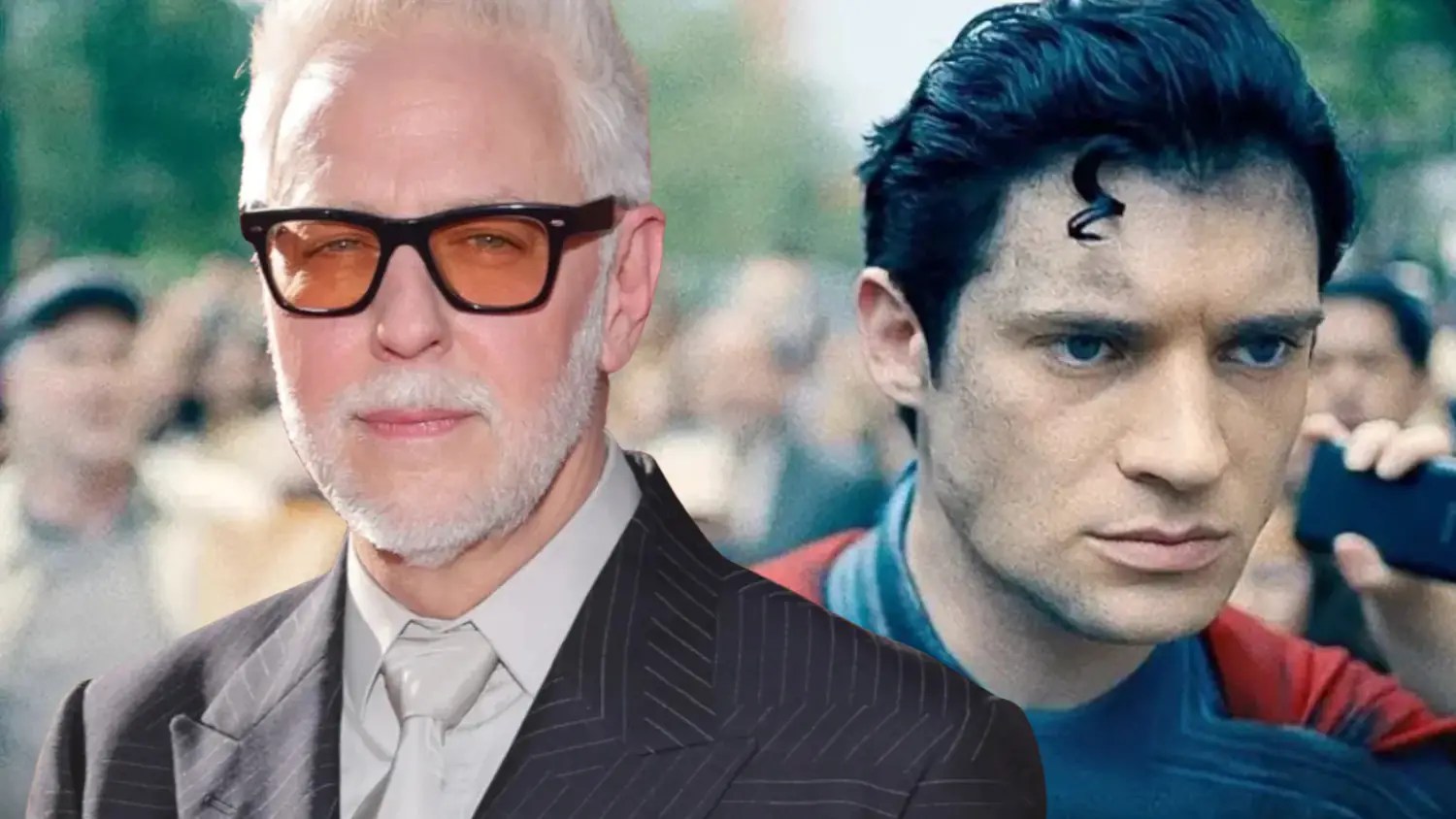
Now the big question genre fans have is what impact will the purchase have on DC Studios and the DC Universe (DCU) and other popular genre IP? For now nothing. There are contracts that have to be honored so projects in production should be safe, so no worries about Man of Tomorrow, Clayface, or Supergirl. However, the head of DC Studios, James Gunn, might get pressured to favor some popular characters like Batman over obscure ones that he favors such as Booster Gold. Let’s hope that Netflix executives learned a lesson from Disney and Marvel Studios, where in the early 2020s the Disney executives forced the film studio to quickly churn out a lot of TV shows and films to fill out content on Disney+ and to announce projects before they were ready. What happened was that a lot of mediocre films and TV shows were released which damaged the reputation of Marvel Studios’ films and TV shows and led to the recent reduced box office haul for some of their films. Sure, Marvel Studios is taking steps to course correct, but they’re still recovering from this misstep.
Getting back to DCU and all things DC, it’s possible Netflix may force Gunn to step up the output of DC films and TV shows since again Netflix wants a return for their investment. Thankfully, The Batman, Part II is about to enter production, which may keep the streaming company off Gunn’s back. On the other, the company might pressure him to make a decision on the DCU version of Batman soon, and casting some of the more popular DC characters in order to greenlight productions already. Despite rumors about Gunn leaving DC Studios, which were rampant when Paramount was actively looking to purchase Warner Bros., it has been reported that Gunn will stay put. Even though there hasn’t been a lot of DCU projects released to date, Superman, Peacemaker and Creature Commandos have been well received and Netflix is not foolish enough to scrap the DCU and go through the trouble to launch another reboot at this time.
One thing to consider is that while the more obscure DC characters may not get the big-screen treatment, they could wind up as straight-to-streaming projects that could be a proving ground for the characters. The main thing is to just let Gunn alone to produce quality product and all should be fine. In fact, this should be the case for all of the film and TV projects.
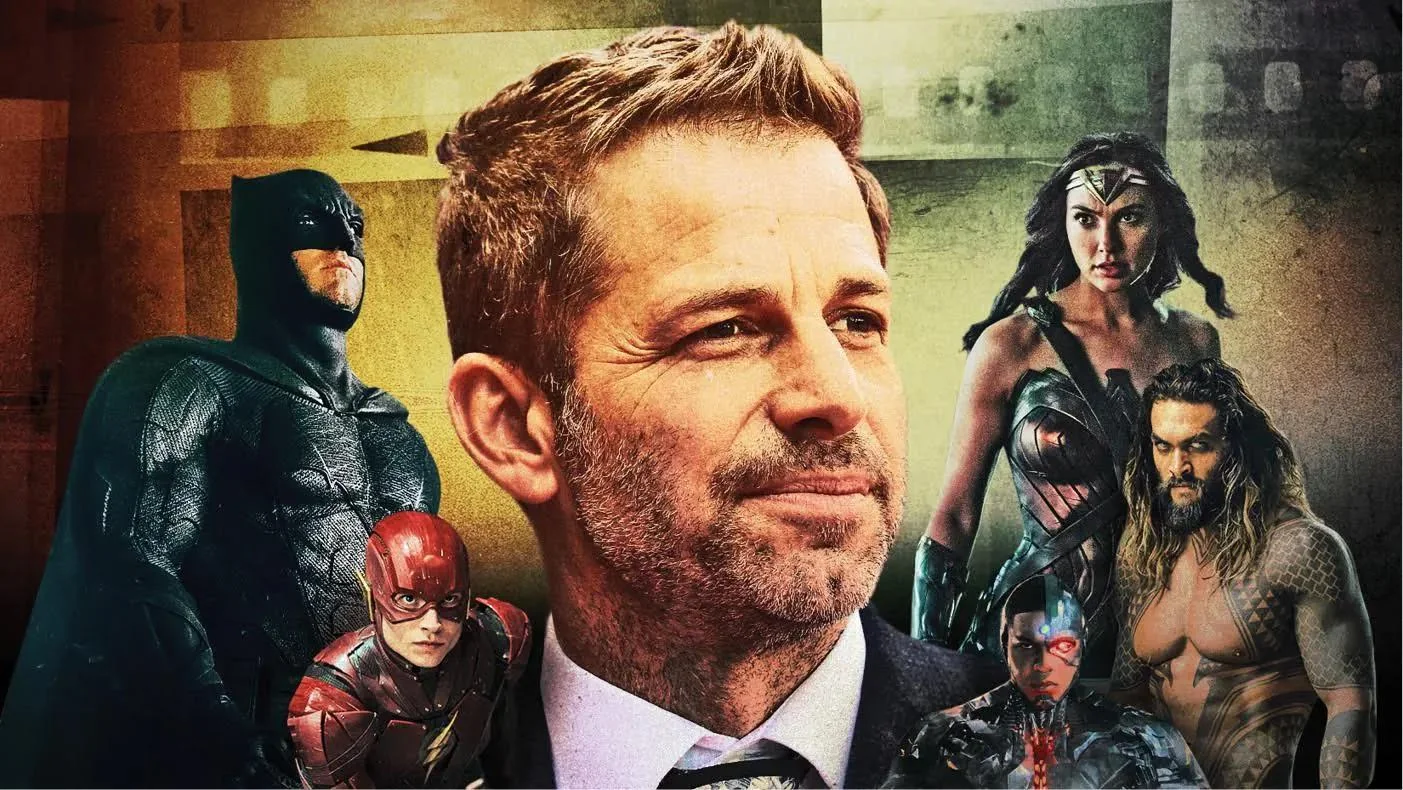
While it’s very possible that Netflix will greenlight a lot of DC animated films there won’t be a revival of the Snyderverse. After the dismal failure of the Rebel Moon films, Netflix has been moving away from filmmaker Zack Snyder and it is doubtful that the company will approve a revival of his brand of DC films. The slimmest of hope for diehard Snyderverse bros is that some kind of Elseworlds animated film will be made.
Oh yes, expect Stranger Things and DC to have a crossover in the comics, along with comic books featuring Harry Potter and other popular Warner Bros. IP.
As for other IPs like Mad Max, It and related Stephen King works, and Harry Potter, there has not been any word yet about them. But it’s expected that Netflix will take full advantage of their newly acquired IP. Announced projects like the reboot of Harry Potter, more TV shows based on Game of Thrones, and the second season of It: Welcome to Derry will proceed as scheduled and if HBO is kept as a separate streaming platform those prestige projects will stream there first before migrating to Netflix years later. Will we ever see shelved projects like Batgirl or genre TV shows that were removed from HBO Max such as Westworld or Raised By Wolves? It’s anyone’s guess, but consider this: these projects were removed to save on paying residuals or for tax write offs by Warner Bros. Without these burdens and with the need to put out recognizable content, it is possible that these projects may have a second life on Netflix.
Of course, there are a lot of hurdles for Netflix such as government approval so it will be at least two years before we see any impact. For now, the company indicated they will leave things alone, and supposedly commit to theatrical releases for Warner Bros. films, which would be to their and everyone’s benefit.
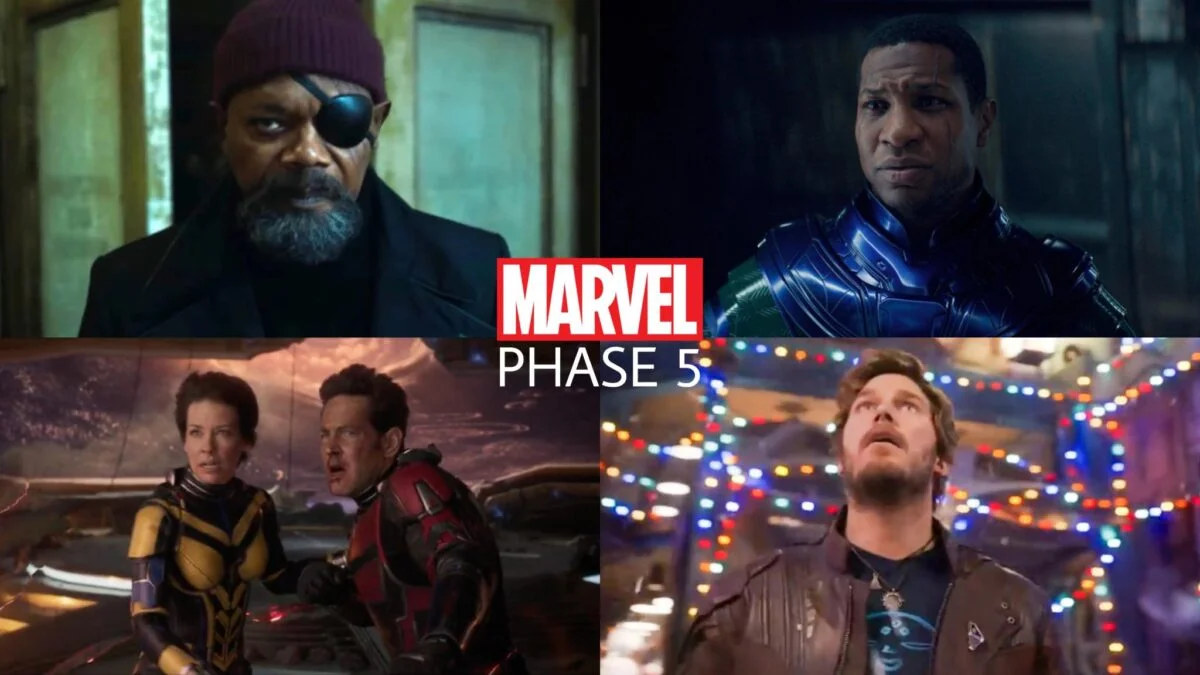
Now that Ironheart has been released on streaming, Phase Five of the Marvel Cinematic Universe (MCU) has concluded, and the films and TV shows of Phase Five can now be ranked. On the whole, this phase suffered for many reasons, some of which were beyond the control of Disney and Marvel Studios, and included entertainment strikes, the conviction of actor Jonathan Majors (who played the would-be MCU big baddie, Kang), and rushed productions without completed scripts. However, there were certainly some projects that are considered as some of the MCU’s best and should be lauded. As we move on to Phase Six, let’s rank all the Phase Five MCU films and TV shows. Just note that X-Men ’97 is not included because officially the animated series is not considered part of the MCU, but if it was it would be placed in sixth place.
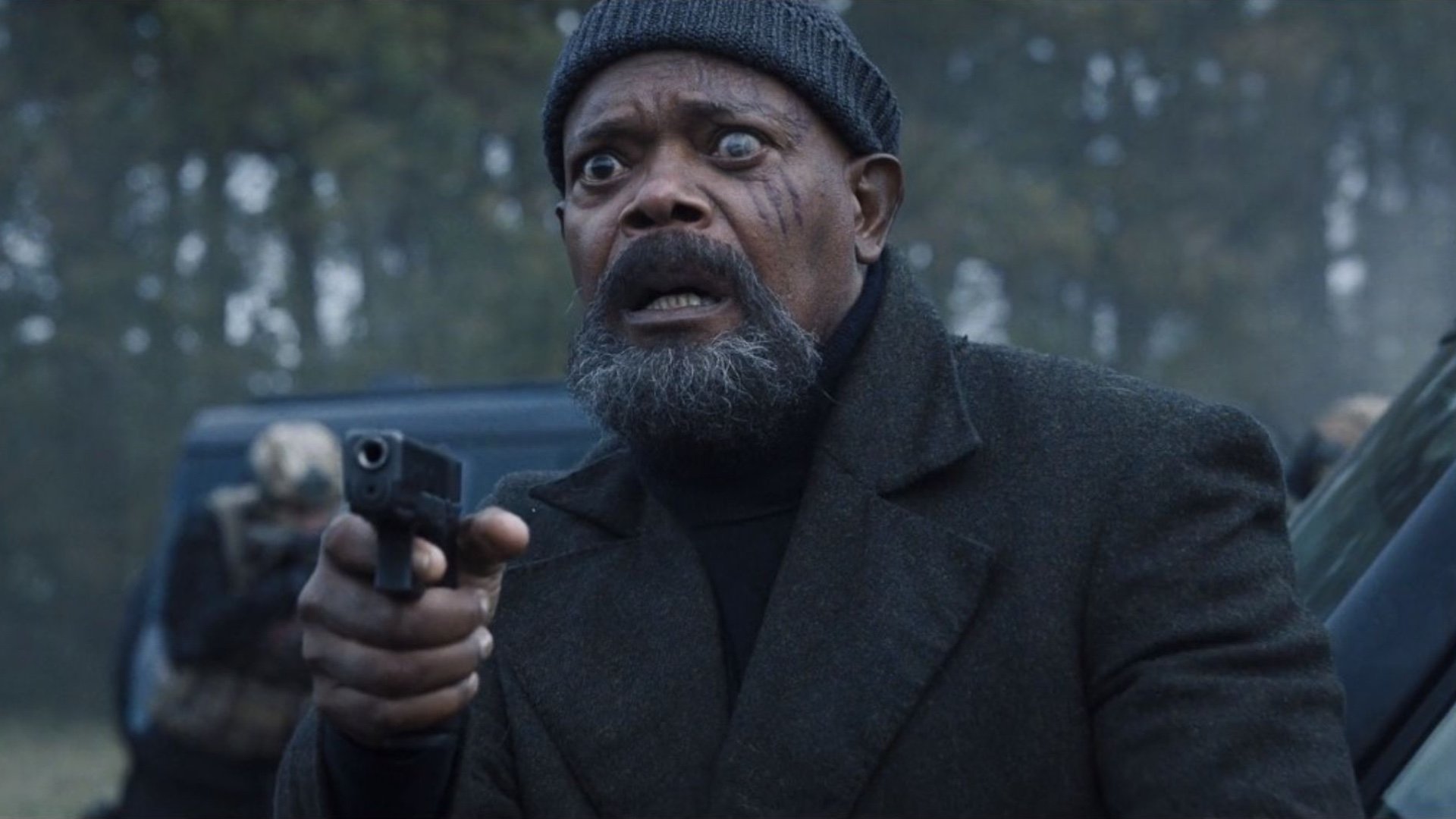
15. Secret Invasion
Not only is this limp, would-be spy thriller about alien Skrulls infiltrating our civilization the weakest entry of Phase Five, but it is the worst MCU project ever produced. The goal of the Skrulls was moronic, as was the execution of the pedestrian scripts that failed to live up to the premise of the comic book event this limited series was based on. For a supposed paranoid thriller, Secret Invasion lacked any tension, drama, suspense or sense.
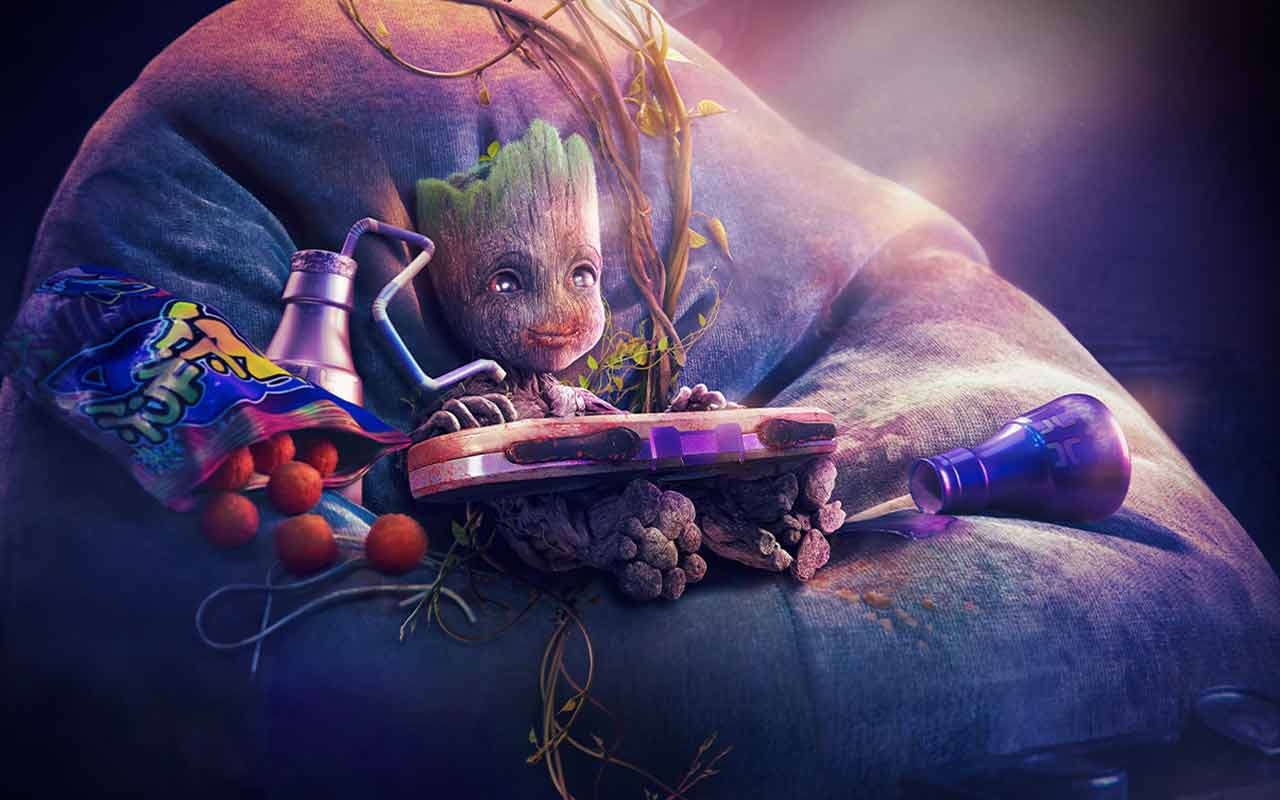
14. I Am Groot (season two)
Eh, the animation was well done, and the stories were cute, but as with the first season, the animated shorts were strictly for the kids. One segment, however, was buoyed by the appearance of the enigmatic Watcher and it was rather humorous.
13. Echo
It is clear that this TV show was a leftover from the Bob Chapek era of Disney were anything and everything was rushed into production whether it deserved to or not. The former gangster Echo was one of the dullest characters from Hawkeye, yet somehow, she was given her own TV show which largely came off as a standard and dull crime drama. The appearance by Daredevil and later Wilson Fisk livened things up, but that was about it.
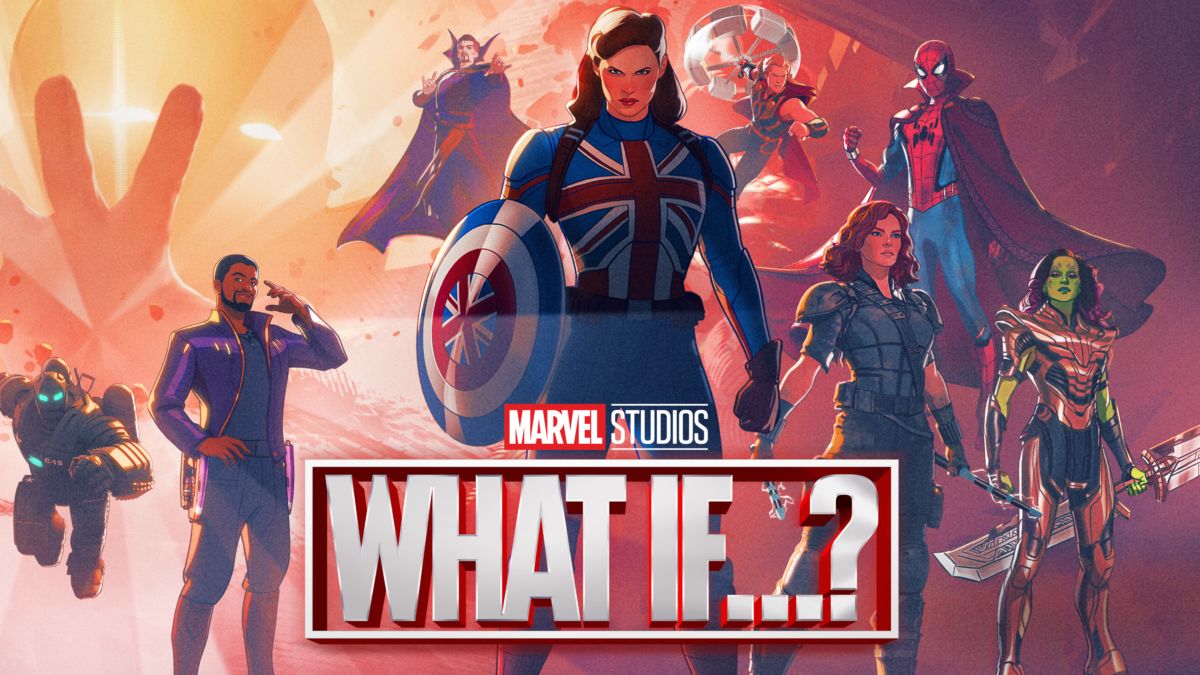
12. What If…? (seasons two and three)
The animated series that explored the Multiverse was a mixed bag with an average second season and a disappointing third season. There were many great premises that could have been explored in the third season, but sadly that never happened. Instead, we got Howard the Duck and his girlfriend protecting their egg in a painfully unfunny episode. But there were a couple of gems featuring Agatha, Winter Solider and Red Guardian. The second season was definitely the stronger of the two as it further explored the more interesting variant characters from the first season like Captain Carter and Stephen Strange. But overall, the Multiverse animated show did not live up to the promise of the first season or the comic books.
11. The Marvels
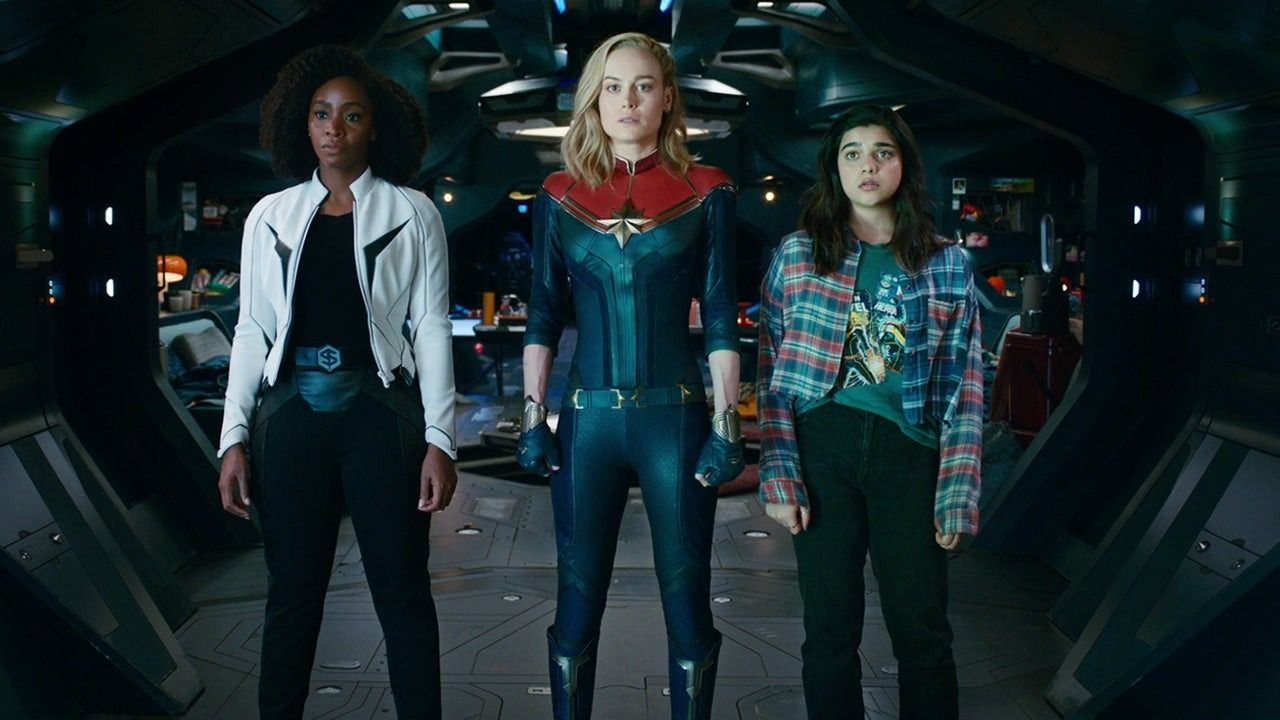
The semi-sequel to Captain Marvel is not bad, but it is not good either. There are some interesting character developments that are only glossed over, like Ms. Marvel’s hero worship of Captain Marvel vs. reality or Photon’s abandonment issues with Captain Marvel. But the villain was completely forgettable, and the film felt very rushed. What did not help were some Godawful moments like the alien cats swallowing people as “Memory” played in the soundtrack, or the planet populated by singing people. The introduction of the X-Men into the Multiverse Saga in the post-credits scene was great and nearly salvaged the film, but it was not enough.
10. Ironheart
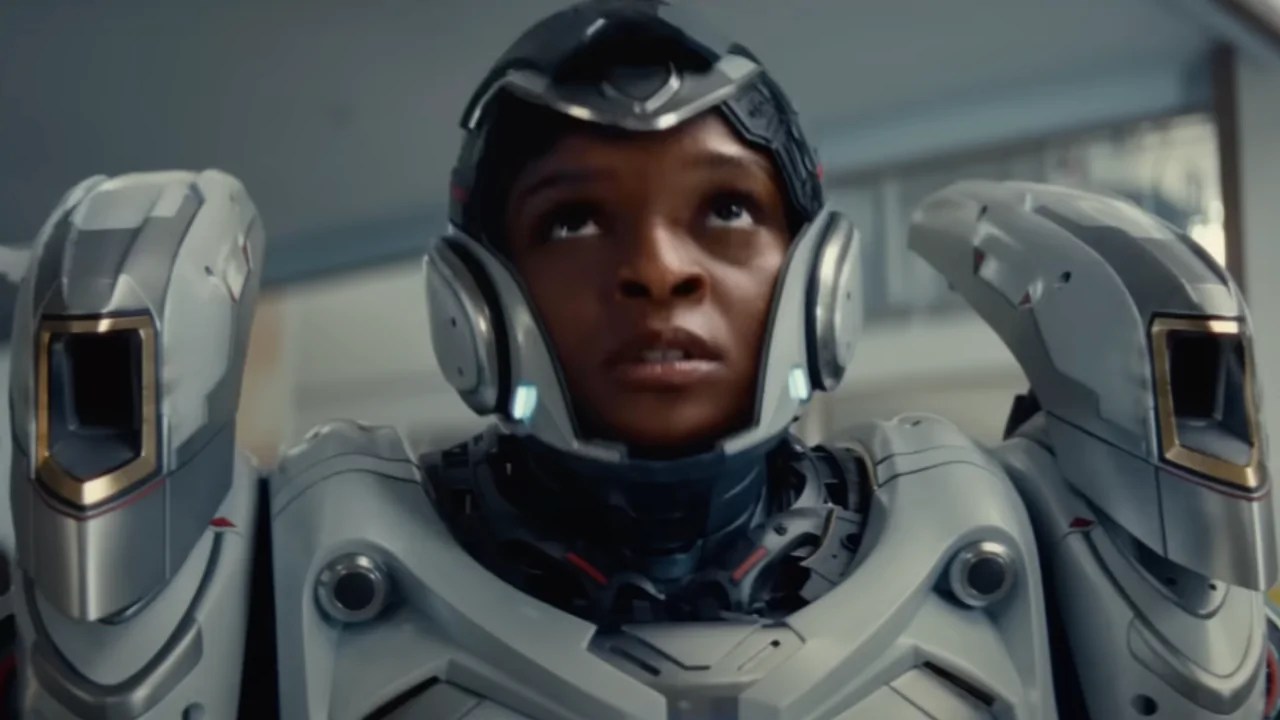
Here’s another case of a TV show starring an unpopular MCU character. This time it’s Riri Williams from Black Panther: Wakanda Forever. However, Ironheart does a good job presenting Riri Williams/Ironheart. She is a painfully flawed person trying to do what is best but some of her decisions are questionable, as are her associates. The effects were surprisingly good despite the reputation MCU TV shows gained over the years, and many characters were interesting. Not the greatest MCU TV show ever, but it’s still worth watching.
9. Ant-Man and the Wasp: Quantumania
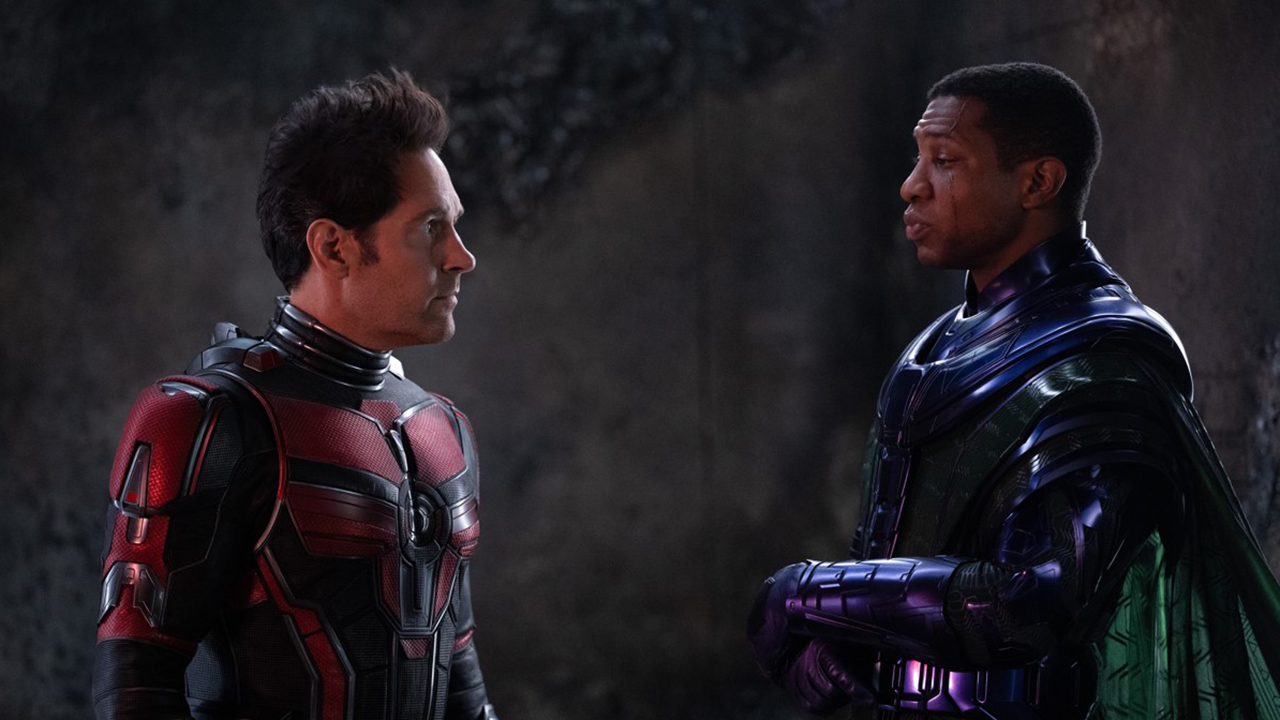
The third Ant-Man film gets a lot of unwarranted hate from fans who were disappointed by the introduction of Kang, the would-be big baddie of the MCU and the Multiverse Saga. Many fans who expected another caper heist film instead were treated to a loopy sci-fi adventure in another dimension featuring giant ants and weird creatures like the floating head MODOK. It did not help that some of the special effects were sketchy. Still, the film was fun in its own way and had some solid performances and was a decent entry into the Multiverse Saga, although its importance has diminished since Kang has been sidelined.
8. Agatha All Along
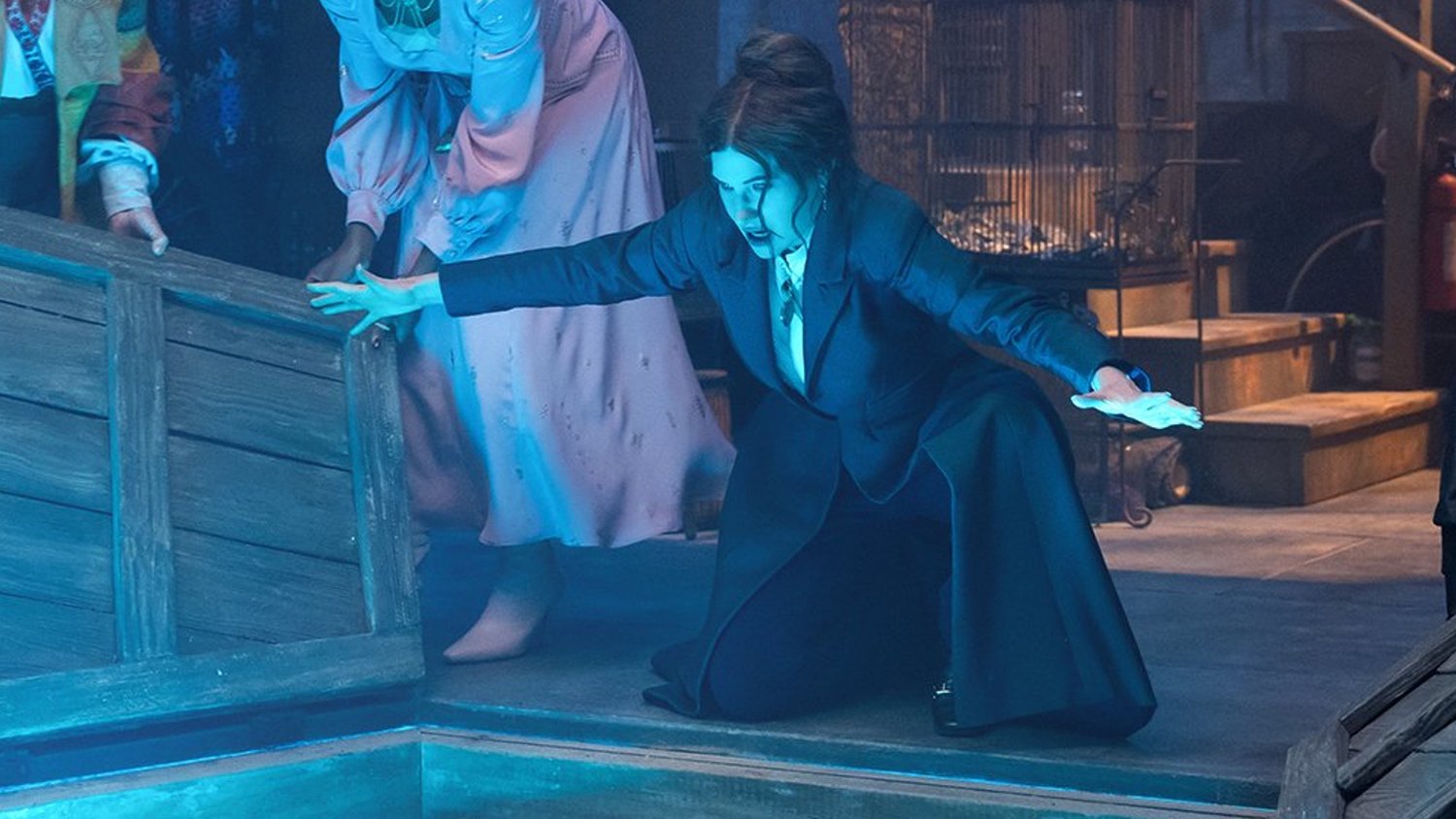
This sequel to WandaVision was unexpectedly effective thanks to an inspired performance by Kathryn Hahn as the anti-hero sorceress, Agatha Harkness, as she traverses the mystical Witch’s Road with a ragtag coven of eccentric witches. The character development of Agatha was surprisingly effective and made her more of a sympathetic character with a rather tragic backstory. Agatha All Along is a solid entry into the darker and more mystical part of the MCU and a worthwhile middle part of the Scarlett Witch saga that will be conclued with the upcoming Vision Quest.
7. Captain America: Brave New World
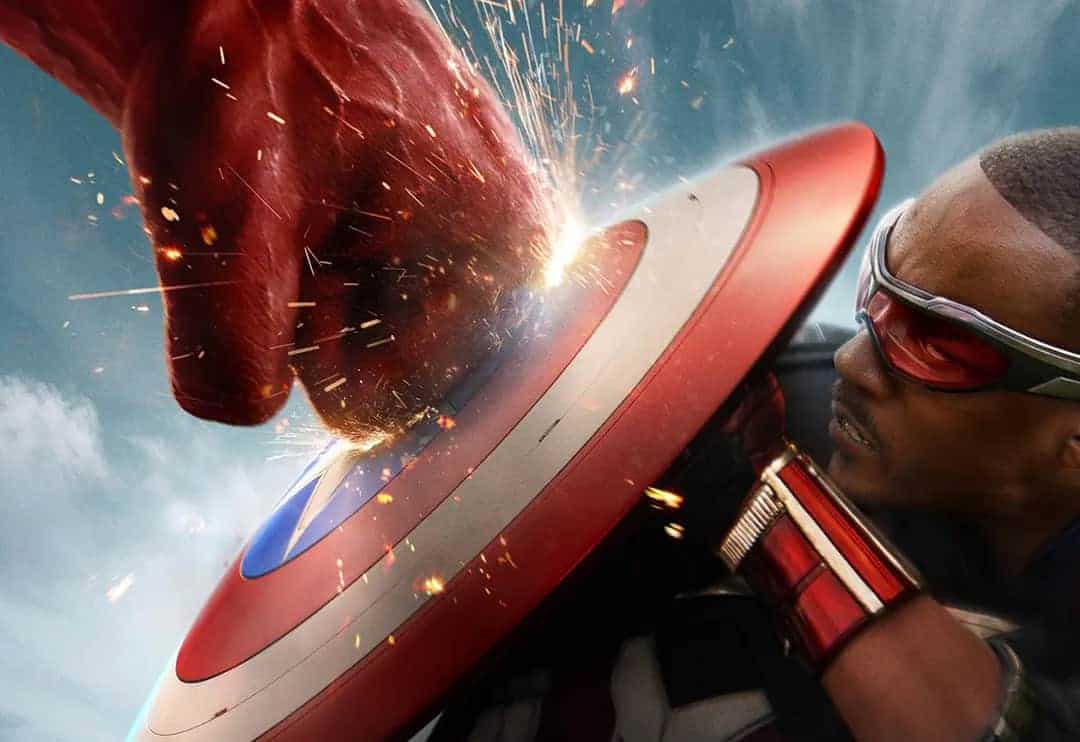
In this mishmash of a film there are elements that could have made it a truly great political thriller. But constant reshoots and rewrites of the script noticeably impaired it, although the fourth Captain America film tries very hard and has many memorable elements. For instance, it has great performances by Anthony Mackie and Harrison Ford and many action scenes are well shot and choreographed. A couple of these feature a terrific battle of Captain America fighting the Red Hulk and an intense segment where Captain America and his partner take to the skies to prevent a major war over the ocean. What ultimately harmed the film were the clumsy exposition dumps and haphazard editing that could not quite salvage the film.
6. Your Friendly Neighborhood Spider-Man
This animated series was one of the best surprises in Phase Five of the MCU. At the same time, this exploration of the high school years of Peter Parker/Spider-Man was quite refreshing with its poignant coming-of-age storyline and genuine. The highlight of the series was not the fight scenes or appearances of superheroes like Doctor Strange or Daredevil but the exploration of Peter’s angst and his complicated relationships, especially with Norman Osborn. We know Osborn will become his greatest foe, but in the show, he serves as his hardened mentor who teaches him lessons about having “great power”.
5. Daredevil: Born Again
Charlie Cox and Vincent D’Onofrio make their triumphant returns as Matt Murdock/Daredevil and Wilson Fisk in this sequel to the original Netflix series. As a loose adaptation of the storyline in the comics where the criminal Fisk becomes mayor of New York City, the series was quite engrossing, especially the early and final episodes. It soon became clear that the middle episodes were produced by a different team when it came to their quality. These middle episodes were fine but were wildly outclassed by the early and final episodes, which were nearly perfect works of television art that thankfully we will see more of in the second season.
4. Deadpool & Wolverine
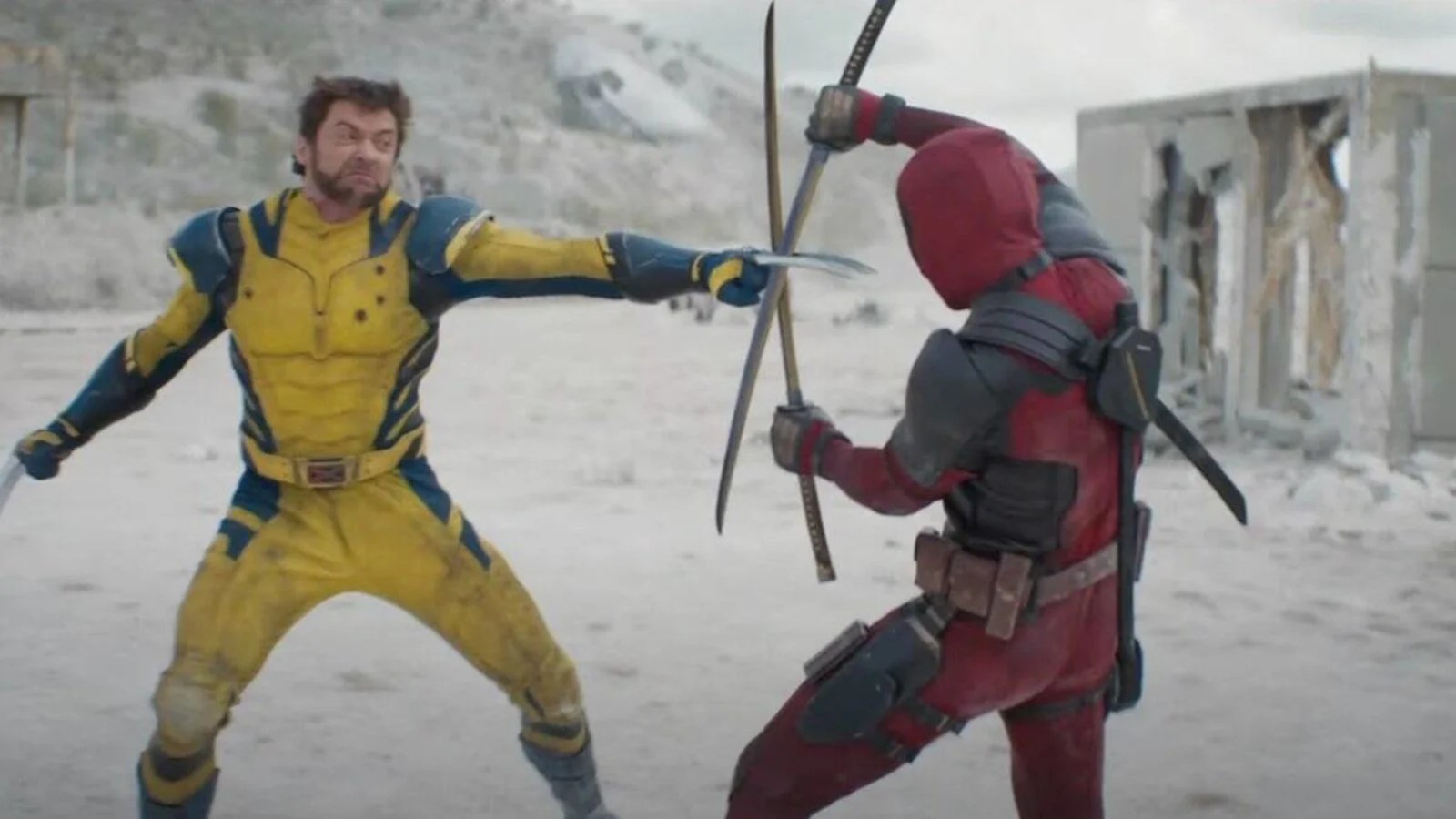
Ryan Reynolds and Hugh Jackman return to their iconic superhero/mercenary roles that were the highlights of the Fox-era X-Men films. Teaming up for the first time, the two have a wild multidimensional romp as they encounter classic and forgotten characters from the pre-MCU Marvel films ranging from the X-Men to Blade. Some may criticize the film for just being a collection of callbacks to previous films and the script did quite have the wit and energy of the first two Deadpool films. Still, Deadpool & Wolverine was a hysterical, gross and action-packed tribute to the pre-MCU era of Marvel films.
3. Loki (season two)
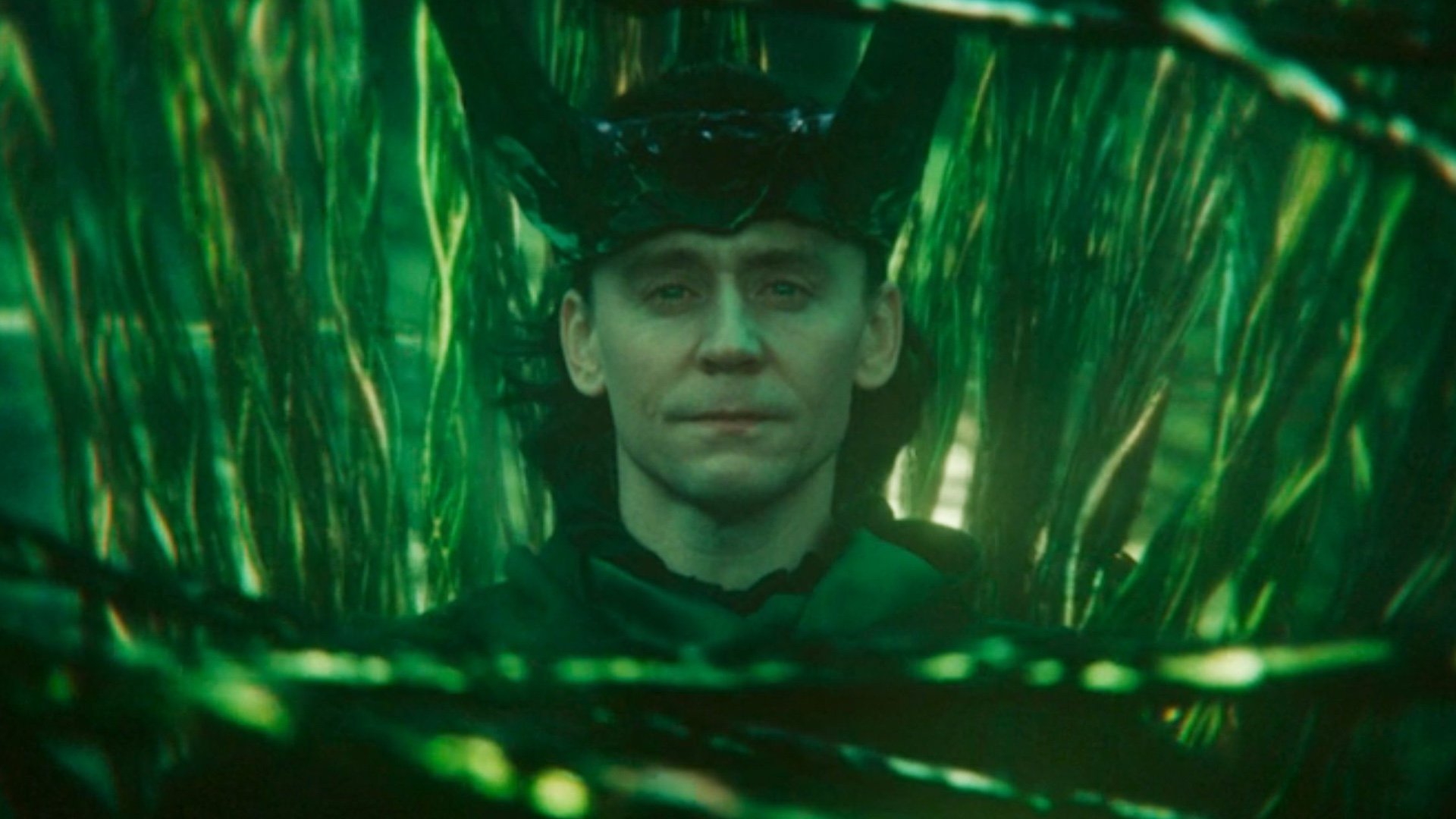
The second and final season of Loki was a time-traveling and mystical marvel (pardon the pun) that was highlighted by the title character’s transformation. The episodes were witty and inventive as Loki worked with his allies to keep time from unraveling. Loki also featured wonderful acting, not just from Tom Hiddleston as Loki, but from Ke Huy Quan, Jonathan Majors and Owen Wilson. The best part of the show, however, was seeing Loki’s emotional journey as he grew into someone much more noble and magnificent as he made the ultimate sacrifice to save the Multiverse and achieve his “Glorious Purpose.”
2. Thunderbolts*
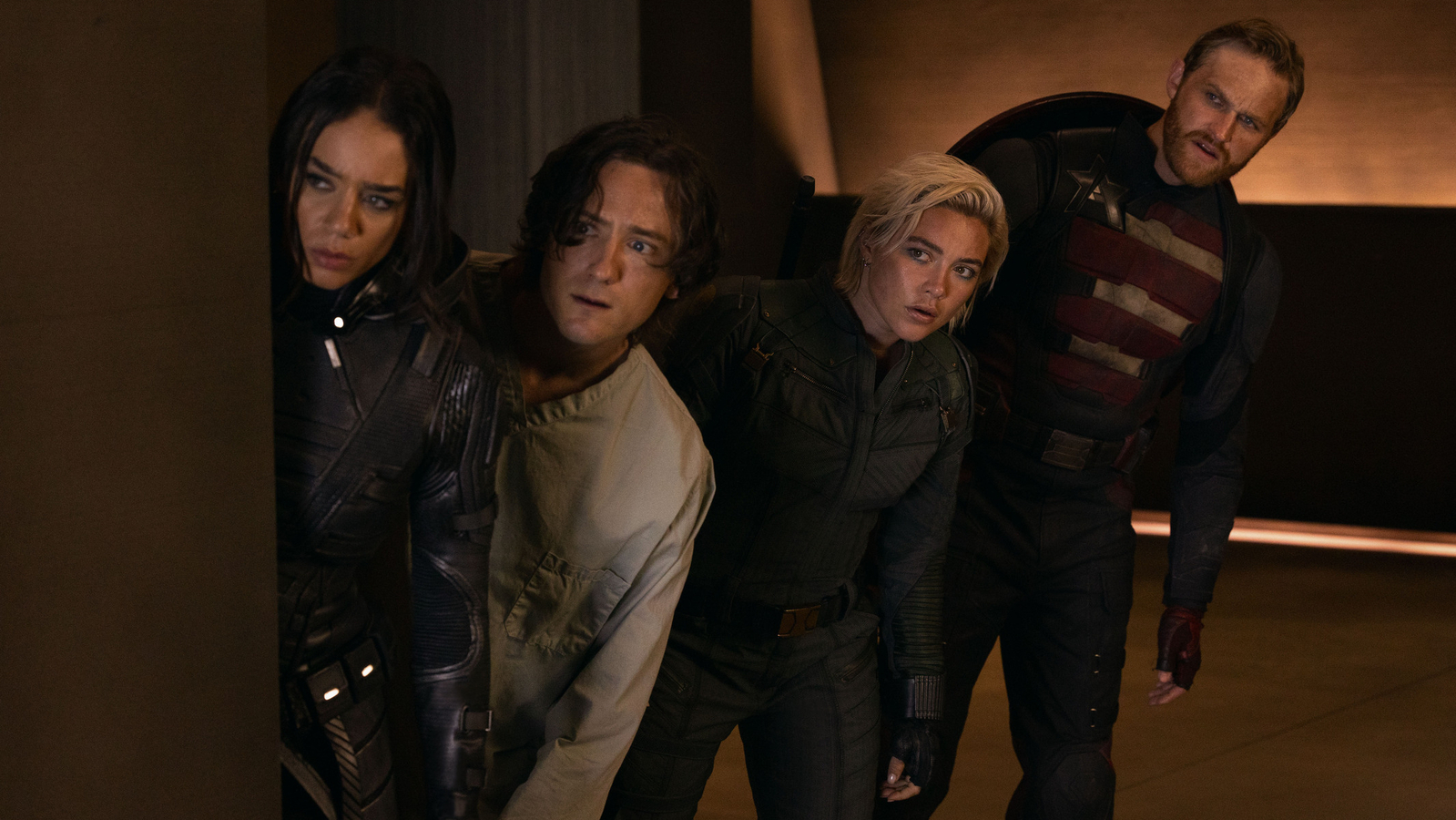
Or The New Avengers as marketing both in the film and IRL would rather you call this misfit team of mercenaries. The film was unexpectedly engaging and full of emotion as it focused on the characters’ inner turmoil. Even though we’ve seen this before: a bunch of losers form a dysfunctional team and actually become heroes, it was done splendidly. After a few misfires during Phase Five, Thunderbolts* signaled that Marvel Studios finally got its act together and went out of its way to present a winning MCU film. While it’s regrettable that the film had disappointing box office returns, this almost does not matter because of the film’s quality. Here’s hoping that the film resonates later on with home viewings.
1. Guardians of the Galaxy, Vol. 3
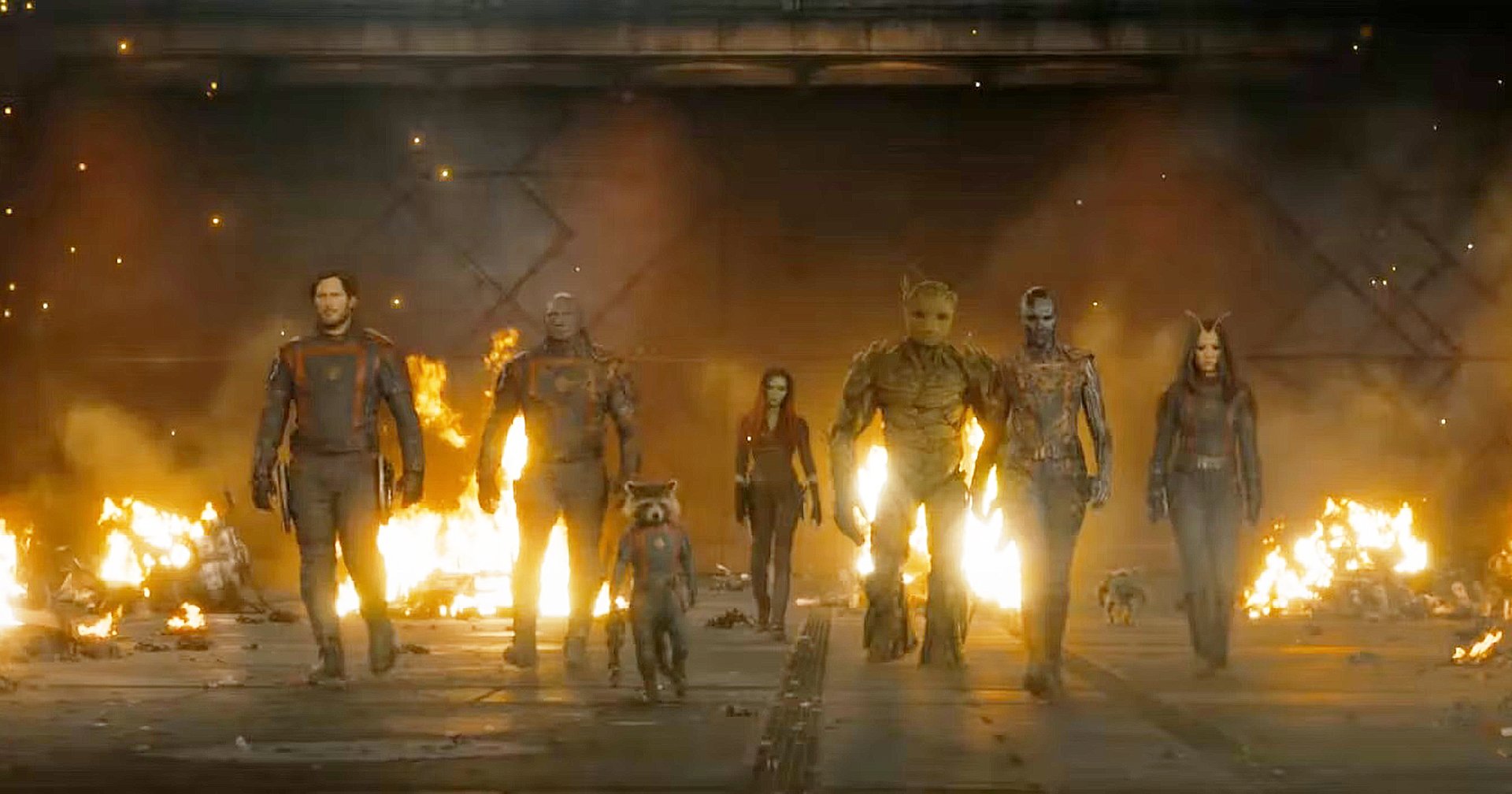
James Gunn sends of the beloved Guardians of the Galaxy with a masterful finale that hit all the right emotional spots. Focusing on the team’s soul, Rocket (later Rocket Raccoon), Gunn gave us a painful and traumatizing origin story that doubles as an animal rights tale that deserves to be told. Everyone involved was on point and beyond with Guardians of the Galaxy, Vol. 3, as it was the last hurrah for our favorite cosmic superhero team of misfits. This was classic Guardians at its best with goofy moments, perfect needle drops, wild visuals, a terrifying villain and exciting fight scenes. Gunn’s final film for the MCU is to be cherished because now that he has moved on to Warner Bros. to lead their superhero films, he is already sorely missed by MCU fans.
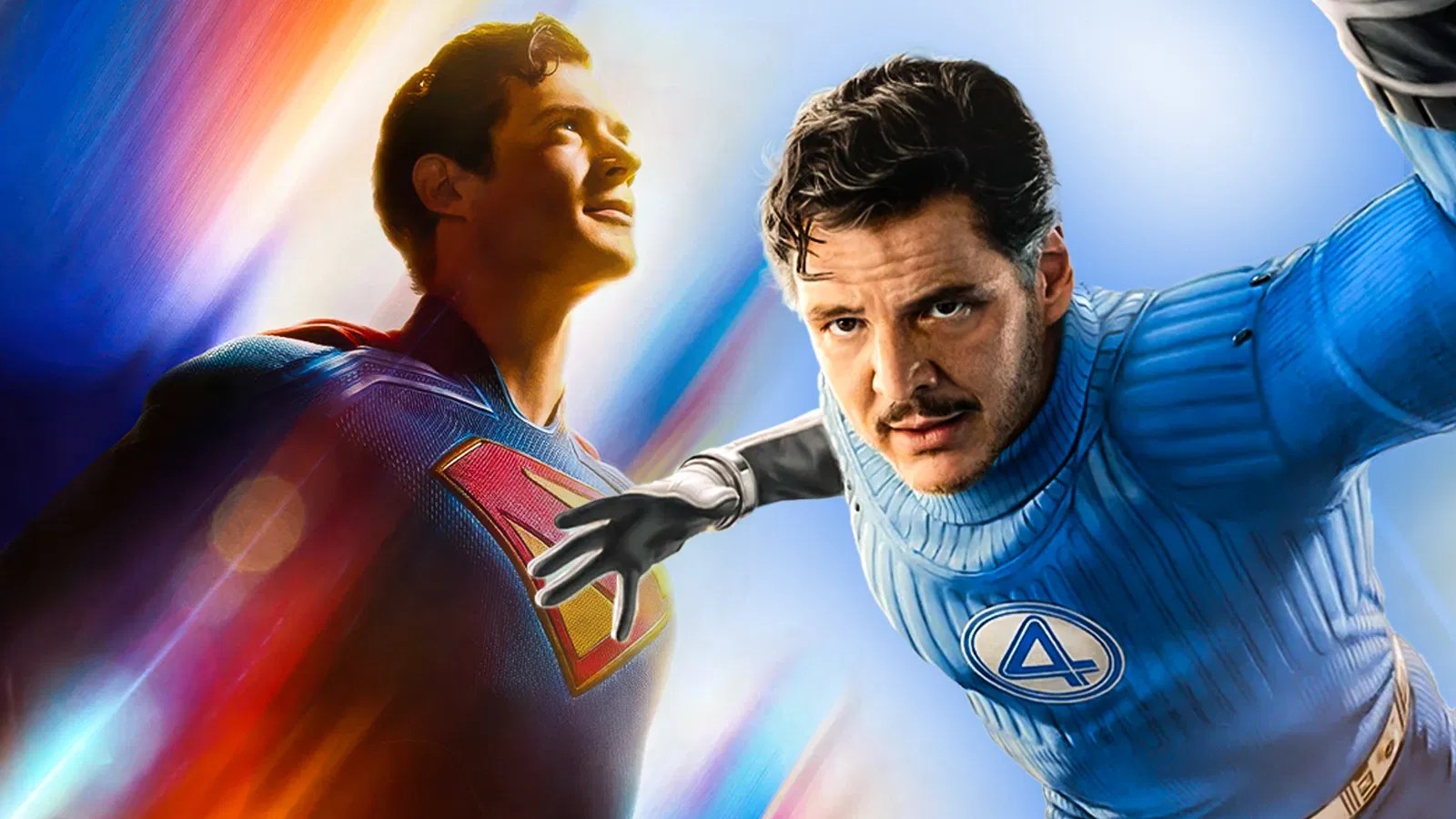
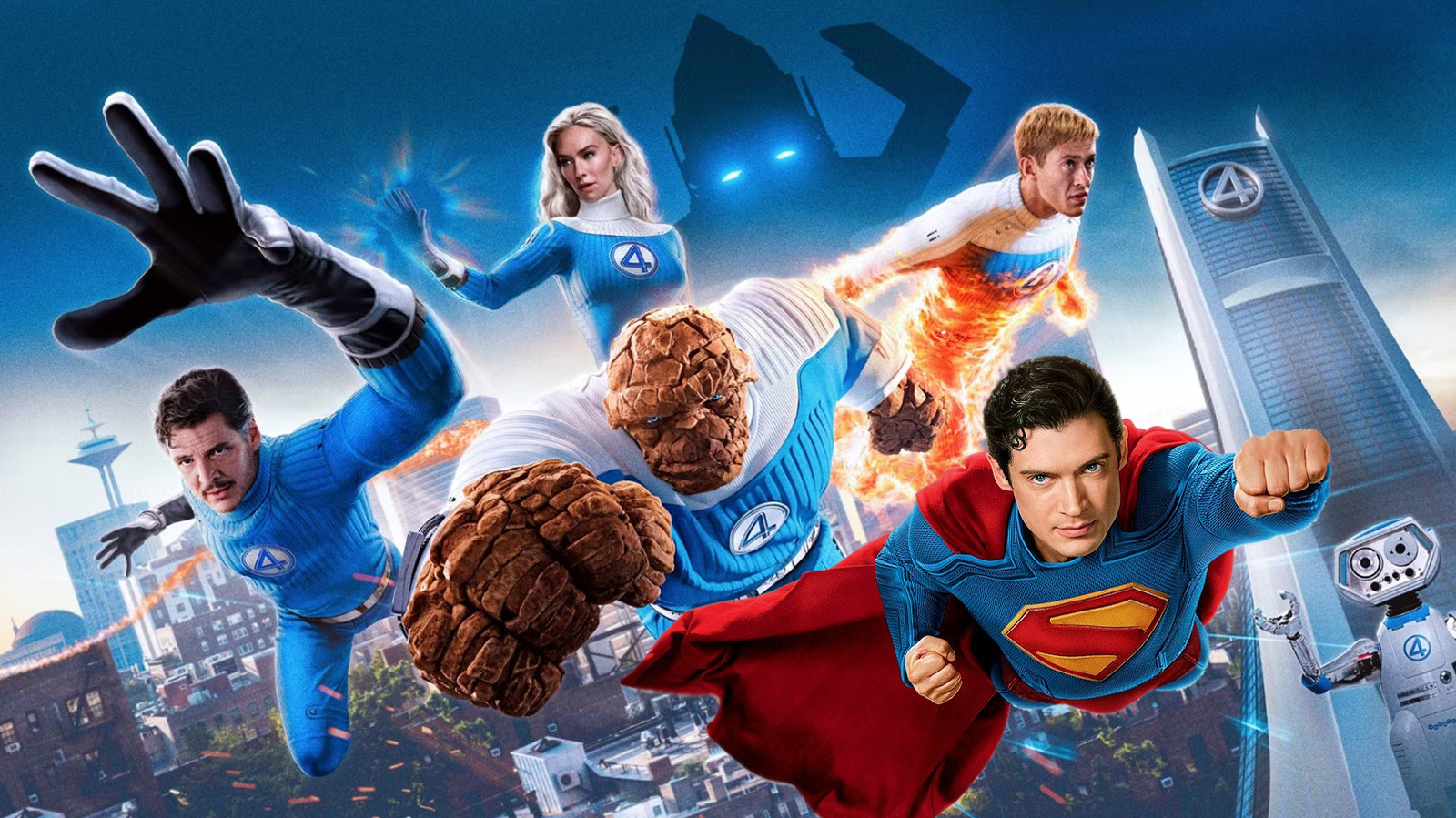
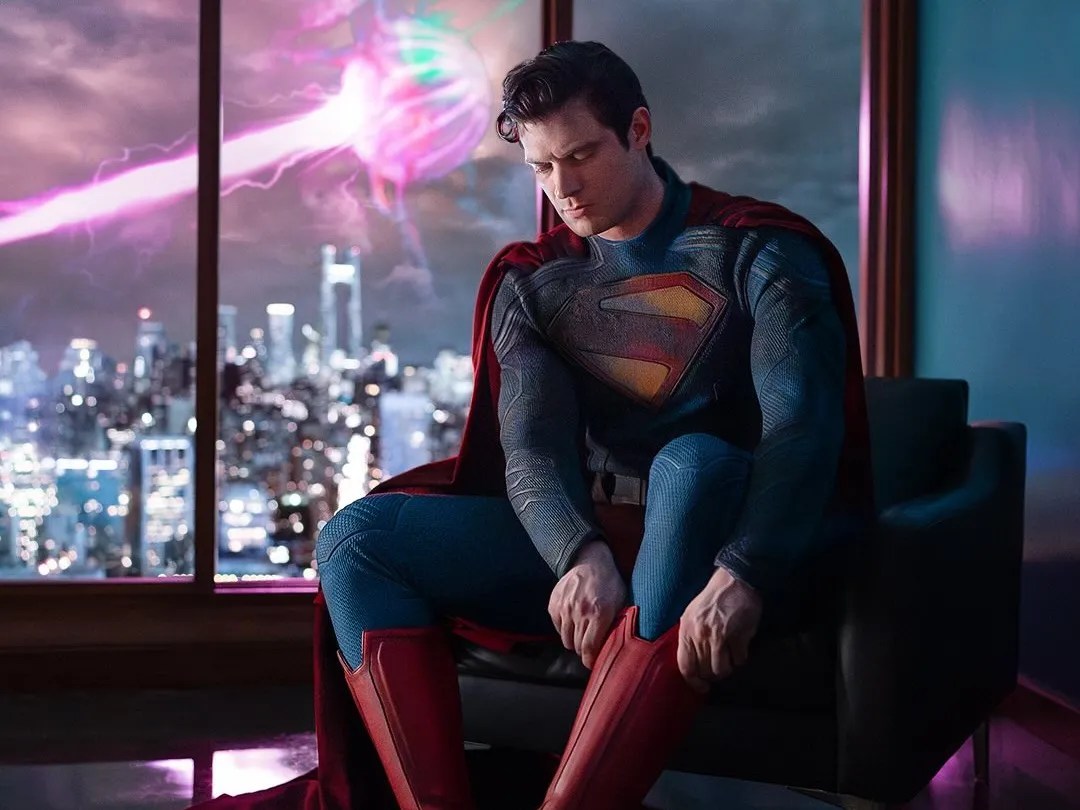
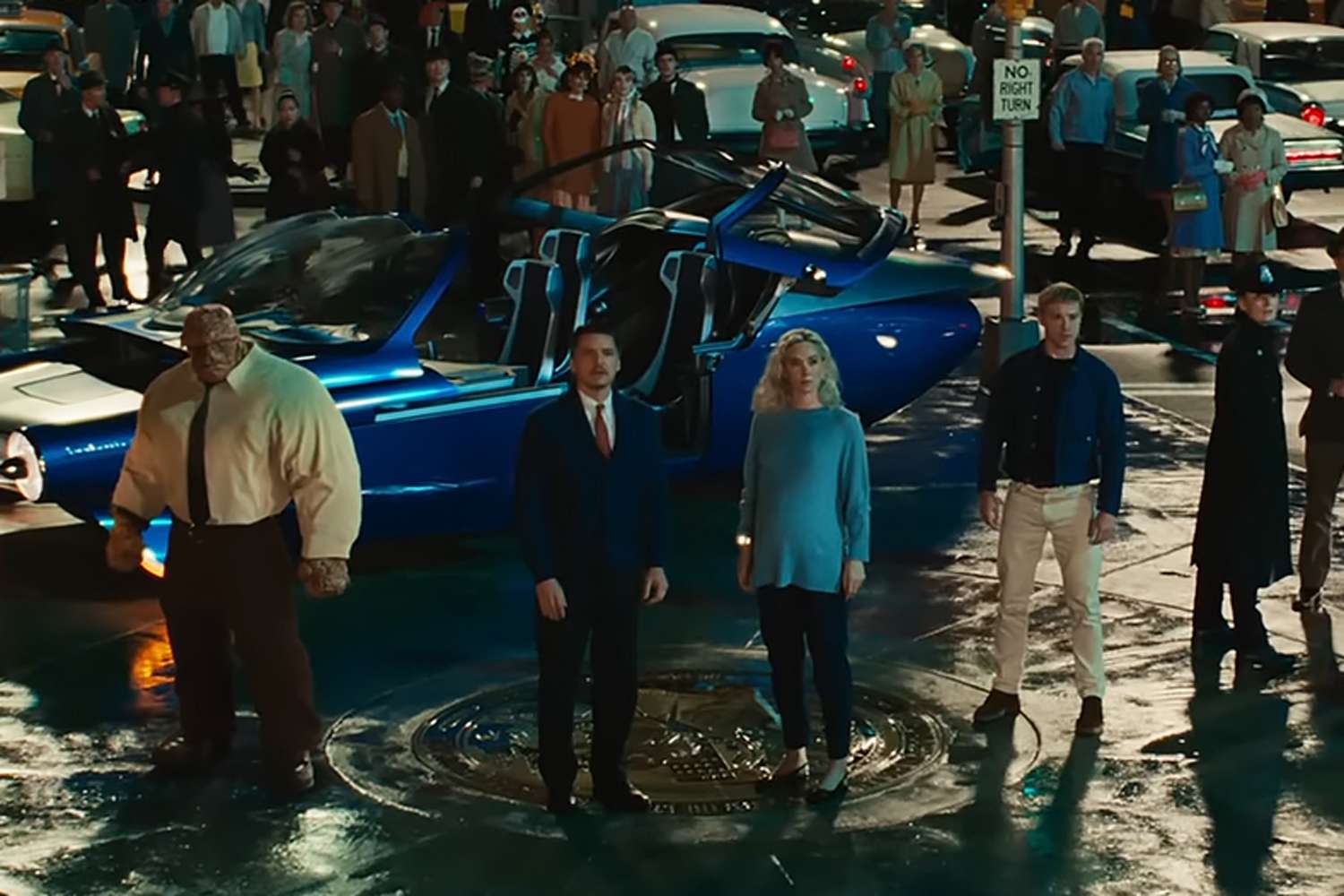
It sounds like a cliche by now to make a statement that we fans are the true winners of summer 2025’s superhero film wars between Marvel and DC, but it’s true. It does not matter which of the two films, Superman and The Fantastic Four: First Steps, is better, although fans have made arguments that Superman was better than The Fantastic Four: First Steps and vice versa. It’s all subjective and open to interpretation. What matters is that we finally got a summer where the two superhero-based film studios, Marvel Studios and DC Studios, went head to head with top-tier film releases that were well made and successful (more on that soon).
The result was that we were treated to two great superhero films in a relatively short amount of time. It would have been better if they performed better at the box office but they are not flops. Who knows what would have happened if both films pulled in a billion dollars? Would this have triggered some kind of race between the two studios to outdo each other at every turn? This would not be realistic or viable and probably lead to a huge crash after some of their films failed. Perhaps the films would have made a lot more money if their releases were not so close to each other since the films came out in a two-week period. Both studios should adjust their release schedules to consider this.
One thing to dispel is that there isn’t superhero fatigue. That is something that trolls and others want to create a narrative in order to drive clicks and views. Sure, we are past the heyday of the superhero craze and the new normal is that they are not guaranteed box office gold. But that is because too many inferior films came out which turned off many to superhero films. The two studios should share some blame for that but other studios, especially Sony Pictures, dumped out garbage like Madame Web and Morbius, which diluted the Marvel name and superhero films in general. It does not matter that the Sony Spider-Man-less films were not part of the Marvel Studios films; the average moviegoer does not know or pay attention to such subtleties. Even though Sony announced they won’t produce any more of these films, the damage has been done.
Right now both Marvel Studios and DC Studios are in a rebuilding phase. Both of this summer’s superhero films launched new phases for their shared cinematic universes and past history has shown that the early films of the studios started off relatively small but they built interest for the characters who later on headlined blockbuster films. For example, Man of Steel earned $670 million dollars, while that is great for most films, Warner Bros., the parent company of DC Studios, would have preferred it earned more. The following film after Man of Steel, Batman v Superman: Dawn of Justice was more successful in part because it featured Superman. The problem for Warner Bros. is that they got greedy and impatient and jumped into the big tentpole epics like Justice League, which did not allow for the characters and events to grow naturally. In the end, these films failed to make the money Warner Bros. wanted and eventually the first DC shared universe collapsed.
James Gunn took over the DC films and is now carefully launching a new cinematic universe. For the most part, he is keeping things close as to what direction the films will take. As far as we know the only followup film in the new DC universe that is coming out will be Supergirl, while on TV Lanterns and Peacemaker will be streaming soon. Gunn has made it clear, that future films will only go into production once a complete script satisfies everyone, which is how it should be. Right now, Superman will have earned $600 very soon and maybe will finish out its run earning a bit more, which means it is profitable. This is a promising start for the new DC films but it’s important that Superman appear soon in future films in order to keep the character fresh with audiences.
Meanwhile, the early Marvel Studios films did not even come close to making a billion dollars until The Avengers. The Marvel films released this year were not outright flops nor were they were humongous successes, although the final numbers for The Fantastic Four: First Steps is not known at this time. The films earned from as low as $382 million (for Thunderbolts*) to $434 million and counting for The Fantastic Four: First Steps. In the end, the latter film will probably finish its run with over $500 million, which is respectable.
Marvel Studios tried to repeat this pattern with Phase Four of their films after the Infinity Saga ended. But circumstances prevented followups to the Phase Four films TV shows and characters. Sure, Shang-Chi and the Legend of the Ten Rings was a hit back in 2021 and all, but where is the sequel? Where is Shang-Chi for that matter? Yes, he will appear in Avengers: Doomsday but that will be a time gap of five years between appearances, which is too long. This lack of followup was a huge error on Marvel’s part. They had to keep to momentum going with Shang-Chi, especially since he was an unknown character. In the past, after minor and unknown characters made their debuts, Marvel Studios quickly featured them in other films to keep up interest. Examples of this include the Guardians of the Galaxy and Doctor Strange, who rocketed in popularity after they made appearances in Avengers films and their future films earned much more than their debut films. This even happened with the Marvel Studios version of Spider-Man. His debut film, Spider-Man: Homecoming, did not make a billion dollars but his second and third films did so, easily. This formula will work with the Fantastic Four and other new characters. Thankfully, Marvel Studios will repeat this formula in the upcoming Avengers: Doomsday as that film will feature the Fantastic Four, the Sam Wilson Captain America, and the Thunderbolts.
Both film studios are focusing on quality and long-term strategies, which is great because this will help word of mouth for these superhero films. Marvel Studios now has genuine competition when it comes to producing quality superhero films. Again this is great for us fans. Even the head of Marvel Studios, Kevin Feige, has said in the past that he wanted DC films to succeed because the competition would be good for Marvel Studios. Competition generates innovation and creativity and encourages competitors to do their best work. In fact, the lack of competition from DC could be seen as one of the reasons why Marvel Studios floundered for a few years.
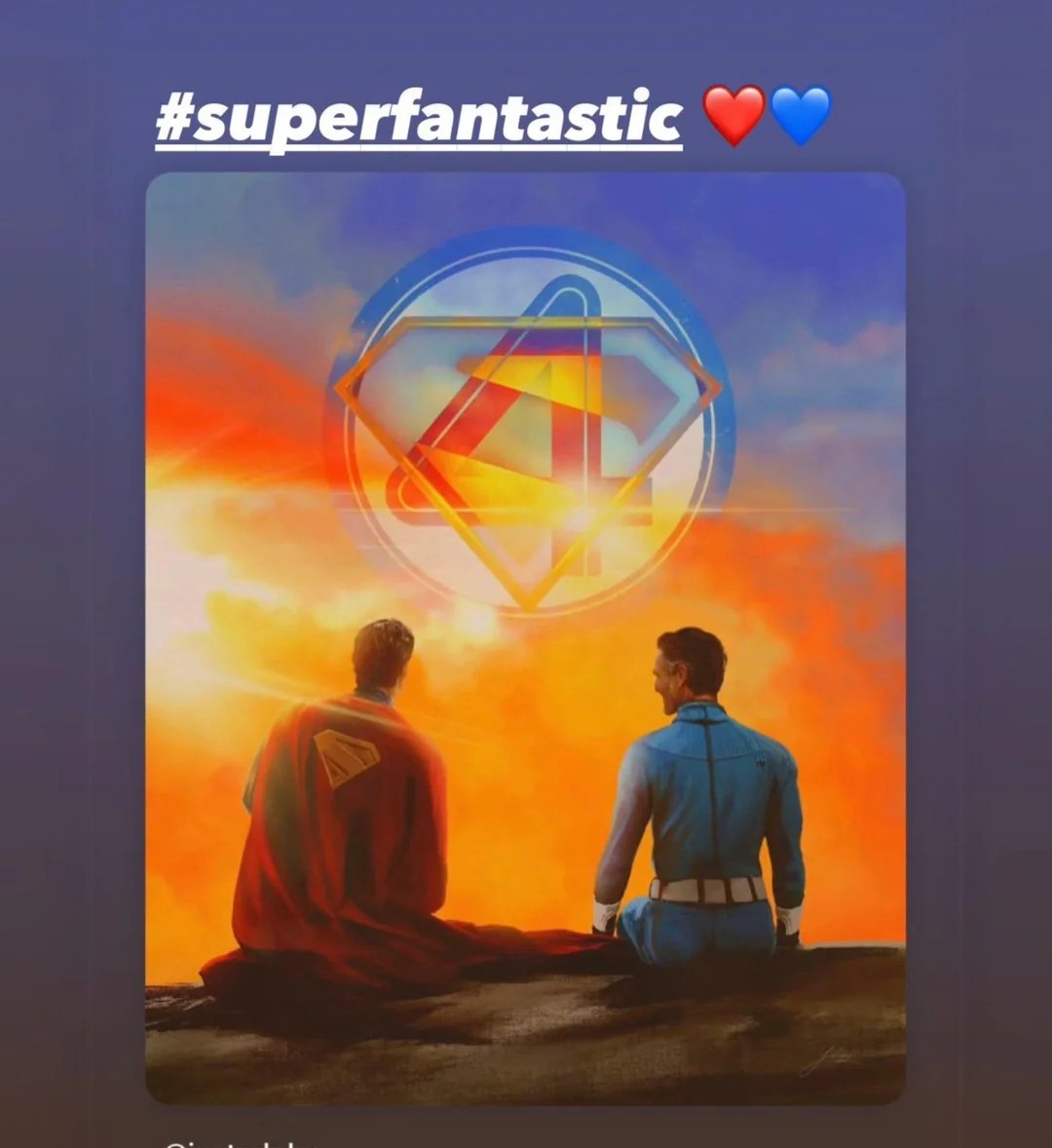
It is great that there is genuine competition between the two superhero film studios. Whether or not Superman or The Fantastic Four: First Steps is more successful is irrelevant at this point, although Superman is the clear winner when it comes to box office result. Both films can be enjoyed by fans for what they bring to the table. What matters is that two great superhero films came out in one summer, which is something we have not had in a while. This is why we are the winners in this competition.



 Starloggers