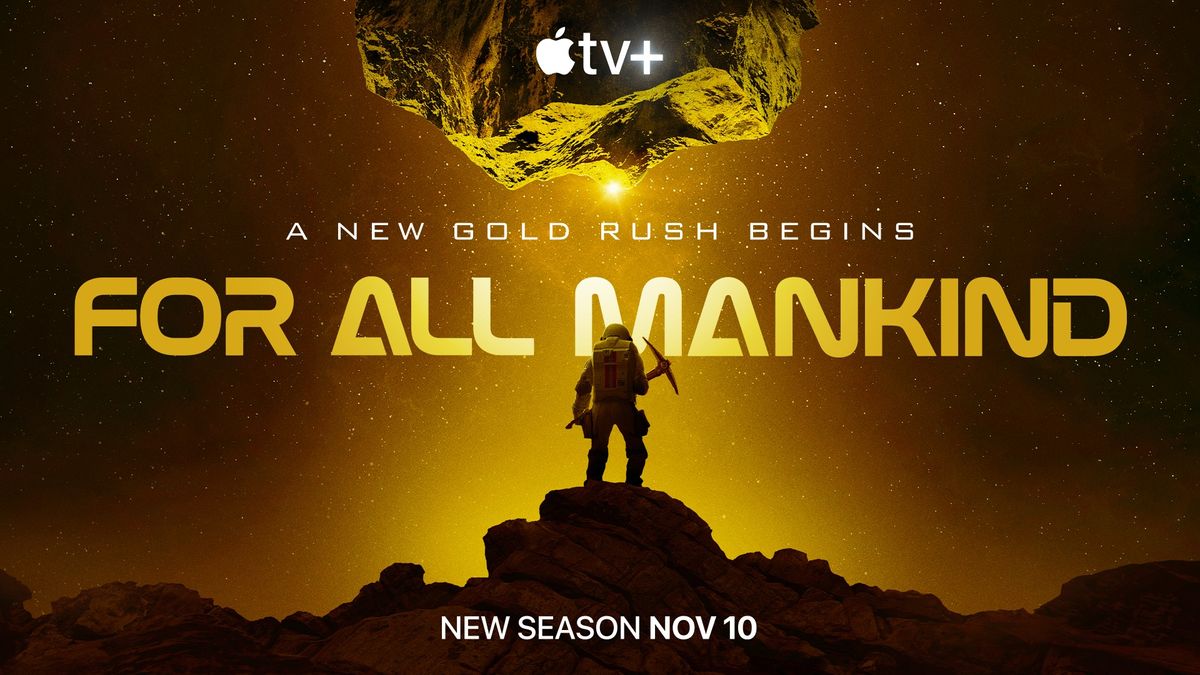
For All Mankind Looks Ahead By Going To The Past

The fourth season of the alternate history TV series, For All Mankind, just concluded with a typical speculative flourish that defines the program.

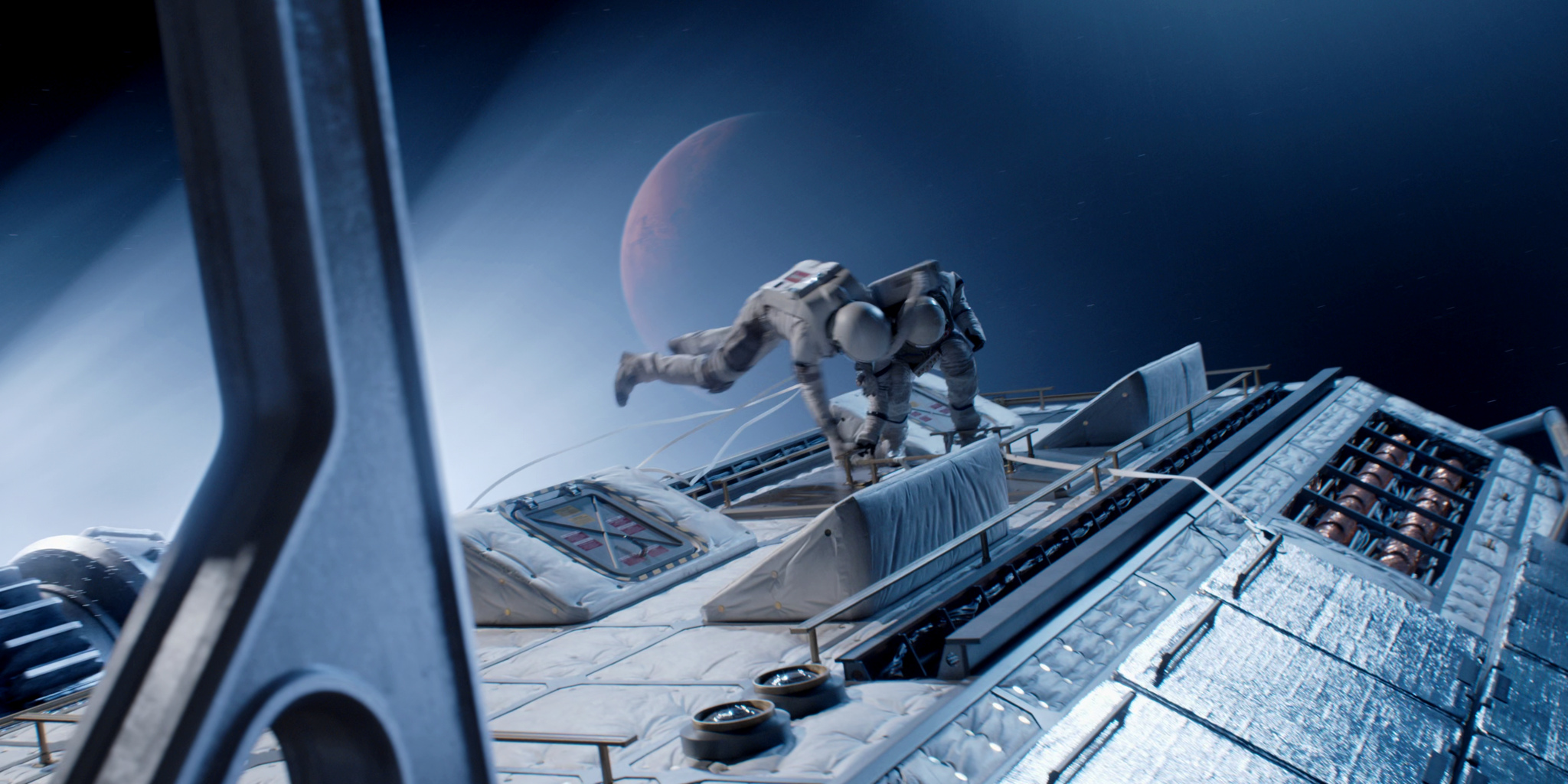
Streaming on Apple TV +, For All Mankind was co-created by Ronald D. Moore and explores a reality where the Soviets reached the moon before the United States could. Instead of stagnating as in our reality, in this alternate world, the United States is inspired to keep pushing the boundaries in space exploration. In each subsequent season, the series jumps ahead roughly every decade and we see how much of an impact the Soviet moon landing has in the world. A lunar station is established in the 1970s, which further fuels the space race between the world powers of the Soviet Union and the United States. Naturally, this also fuels the Cold War which now extended into outer space as seen in season two when the two world powers nearly went to war on the moon during the 1980s.

By the third season, tensions cooled between the two powers in the 1990s. A new space race to reach Mars and the struggles of those who reached the red planet were the focus of the third season. This brings us to the fourth season which just concluded. Taking place in the early 2000s, the fourth season of For All Mankind presents a world where Al Gore is the U.S. president, the Soviet Union continues to exist, John Lennon is still alive and there are only three Star Trek TV shows (!), but as with the previous seasons, the TV show focuses on several characters affected by the alternate space race.
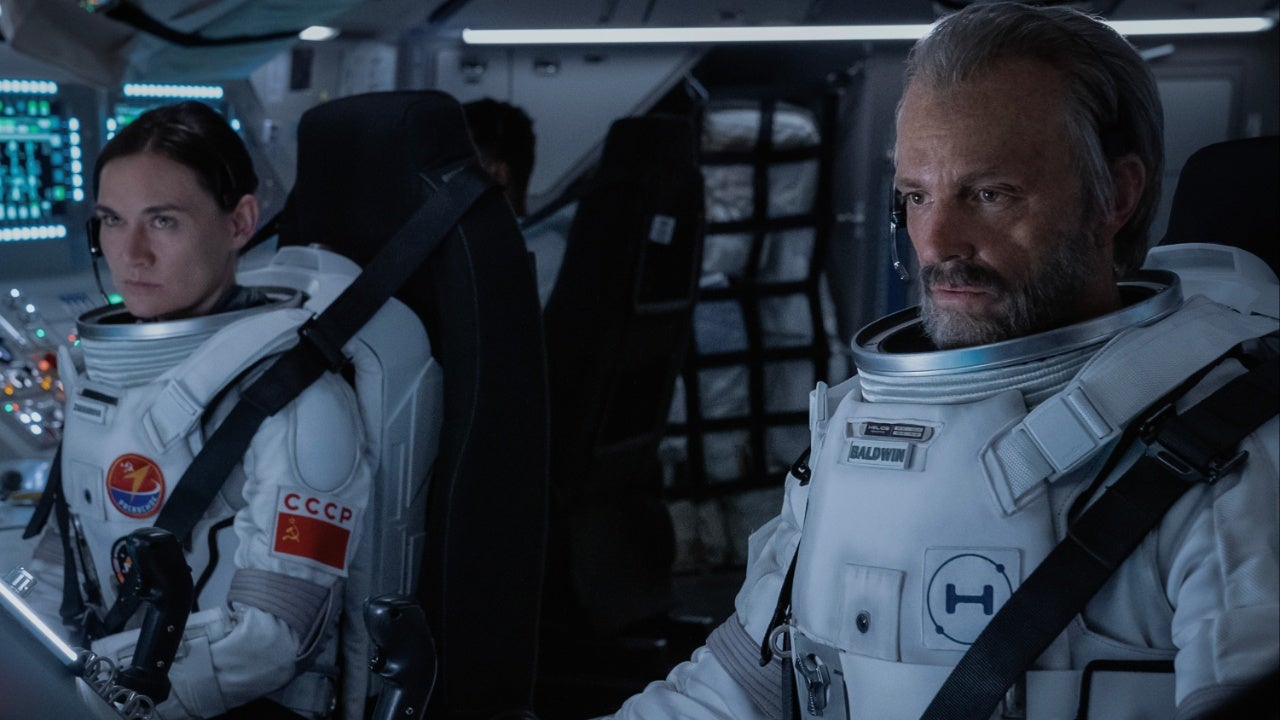
The heart of For All Mankind is the aging astronaut Ed Baldwin (Joel Kinnaman). In the first season, Baldwin had the opportunity to land on the moon on Apollo 10 before the Soviets, but never took it, much to his regret as Alexei Leonov landed on the moon shortly after Baldwin’s mission. Baldwin winds up involved in crititcal points in NASA’s space exploratory efforts such as being commander of the Jamestown lunar station, helping to defuse tensions with the Soviets in the second season during a space shuttle flight, and as the commander of the commercial mission to land on Mars and establish a colony there in the third and fourth season. Despite his many achievements, Baldwin struggles to find meaning in his life, to adapt to a quickly changing world and he does not even want to return to Earth after spending many years on Mars. By the fourth season, Baldwin is facing his twilight years and determined to make a difference. He does this by latching onto the quest to keep the human Martian colony from withering out.

In the fourth season, a large asteroid, called Goldilocks, is discovered drifting towards Mars that is rich in iridium. After a lot of deliberation, the M-7, a conglomeration of seven world powers, including the U.S. and the Soviets, decided to have the asteroid diverted into Earth orbit for immediate rewards and riches. Dev Ayesa (Edi Gathegi), an Elon Musk-type and owner of the corporation Helios Aerospace, has a vision of humanity expanding into the solar system and beyond. He realizes that if the Goldilocks asteroid is diverted to Earth that any interest in developing Mars and exploring space will wither and die as the world powers will be busy enriching themselves with the asteroid in Earth orbit. He comes up with a plan to essentially hijack the asteroid and have it orbit Mars instead in order to force Earth to keep investing in the red planet.
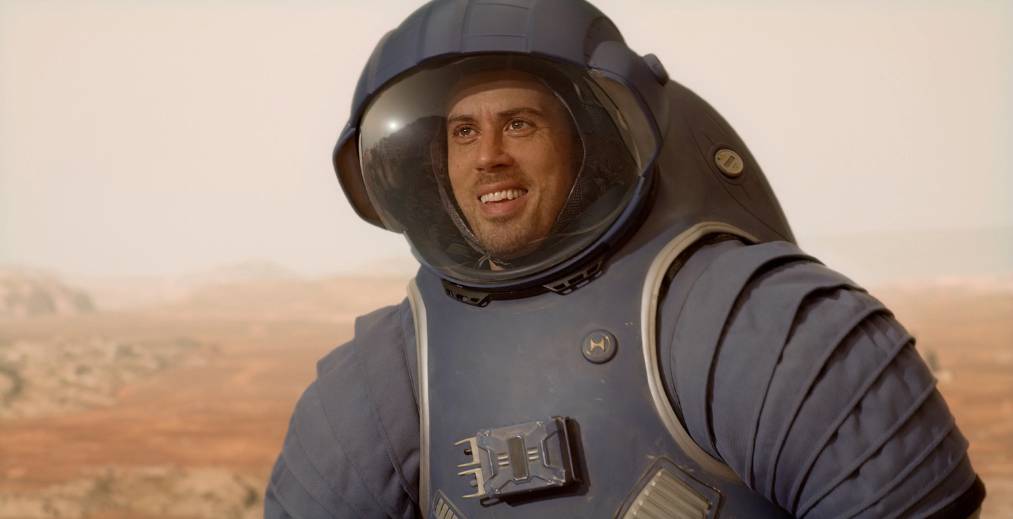
As this is going on, there is a labor struggle in the Martian colony best represented by Miles Dale (Tobey Kebbel), a former oil platform worker turned Martian laborer. In the reality of the TV show, fossil fuels have been phased out of use in the world as new energy technologies made them obsolete. While this may be great for the environment, many workers in the fossil fuel field had to find new means of employment. Dale relocated to Mars for a new opportunity, but the realities and frugality of Helios forced him to run a black market operation in the colony. Underlining these labor struggles is the fact that many of the laborers including Baldwin see Mars as their home not Earth, which means this could be the beginning of Mars eventually becoming an independent world.

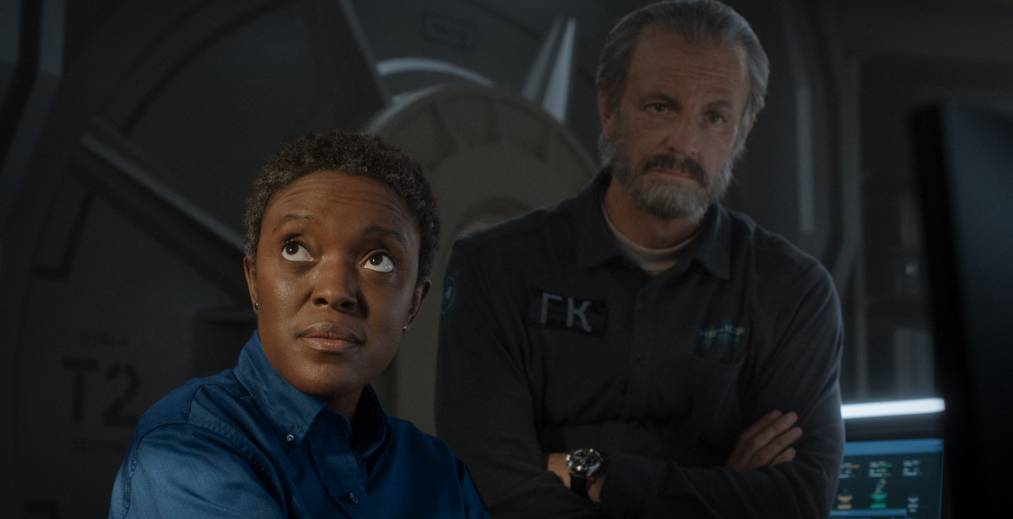
Trying to keep the Martian colony running smoothly is Commander Danielle Poole (Krys Marshall), a Black woman who was one of the first woman astronauts for NASA in the 1970s. As Baldwin is the rebellious heart of For All Mankind, Poole is the soul of the show as we see from her POV how radically different this reality is from our own since women and people of color were able to advance in society much more quickly compared to our own. Like Baldwin, Poole is very relatable but for different reasons. While Baldwin is a sympathetic relic struggling to fit into the new order, Poole is an empathic and level-headed, by-the-book leader who is the moral center of the show. As these situations go, Poole is brought out of retirement to command the Martian colony and becomes embroiled in the labor struggle that morphs into a revolution of sorts on Mars.
In the backdrop of the fomenting Martian revolution, we also follow the stories of several NASA personnel. The most interesting is Margo Madison (Wrenn Schmidt), the first woman to be mission controller of NASA. During the TV show she was forced to work for the Soviets and commit treason by providing them with the secrets of American space technology. In the just-concluded season, Margo, who was believed to have been killed in a domestic terrorist bombing, comes out of hiding from the Soviet Union and has to decide what she will do with her life and how she can contribute to humanity’s space efforts. Her situation brings her into conflict with her protogee, Aleida Rosales (Coral Peña), who also is a woman of prominence in NASA.

What makes For All Mankind so captivating to watch is how it balances interesting personal stories with wider geopolical developments in this world that is distinctly different than ours. We see the impact of how a Soviet moon landing further accelerates society and technology. It’s obvious that we have the capability to have advanced in space exploration but our society lacks the drive to take us there. It’s disheartening that while there is a thriving colony on Mars in the TV show, real-life efforts show how far behind we are. We cannot even manage to return to the moon as we learned recently when the Artemis mission was delayed, yet again.
In some ways, even though we see that this is not a perfect society, it seems to be a better world than our own. Many issues have been addressed much earlier in this timeline such as the struggles of people of color , women, and members of the LGBTQ+ community. Advances in techonolgy are casually noted such as the use of the Internet and cell phones which began in the 1980s, and the rapid development of alternatives to fossil fuels. On the other hand, this altered world has its own problems such as it seems as if socialism/communism has spread throughout the world thanks to the continued exitence of a despotic Soviet Union (in the fourth season of the TV show, Gorbachev was overthrown by hard-line communists). One simple but intriguing tool the TV show uses is that of the montage. At the start of each season, a montage quickly brings viewers up to date on developments of the world, such as the results of presidential elections and pop culture news.

These developments would be meaningless if For All Mankind never presented how these events affected its characters. We see the wonders and struggles of this altered world through their eyes and react accordingly. One of the show’s strengths is that is able to smoothly introduce new characters while moving away from older characters as the show jumps ahead in time. It’s unknown if Baldwin and some other older characters like Poole will continue to be a part of the series though it’s unlikely. In a flashforward tease shown in the season finale, we find ourselves in 2012 without any indication if Baldwin and the others are still alive or active. With regards to the fourth season, For All Mankind continued to soar with its look at a past that is more futuristic than our own. Many episodes and plot lines were fascinating and built up to an intense and cathartic season finale.
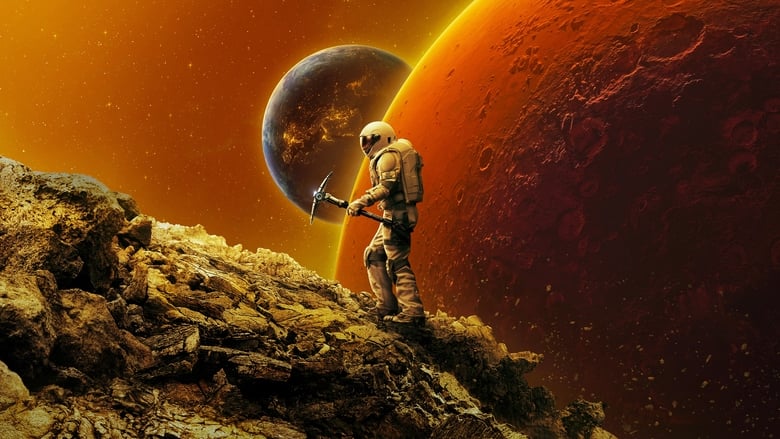
At this time, it is unknown if For All Mankind has been renewed for a fifth season, though it is one of the more popular TV shows on Apple TV +. Not only would it be great if we’re given a fifth season taking place in the 2010s but a sixth season that takes place in this decade and beyond. Who knows, maybe we’ll see the Jovian system being colonized or perhaps of the first steps to faster-than-light travel as humanity begins to contemplate traveling to other star systems. If all goes well Ronald D. Moore and his colleagues will be able to conclude this captivating look at an alternate world of true space exploration.

José Soto
Top Ten Most Anticipated Films & TV Shows of 2024

Despite the fact that there will be a noticeable lack of superhero-related films and TV shows in 2024 there will be plenty of genre fare for us to get excited about. With that, here is the list of the top ten most anticipated films and TV shows (both new series and returning favorites) coming out this year in 2024. Keep in mind, of course, that there will be many schedule changes as well as unexpected films or TV shows that could pop up without any notice that turn out to be great. Be sure to comment below on these picks or any others you may have.

Films

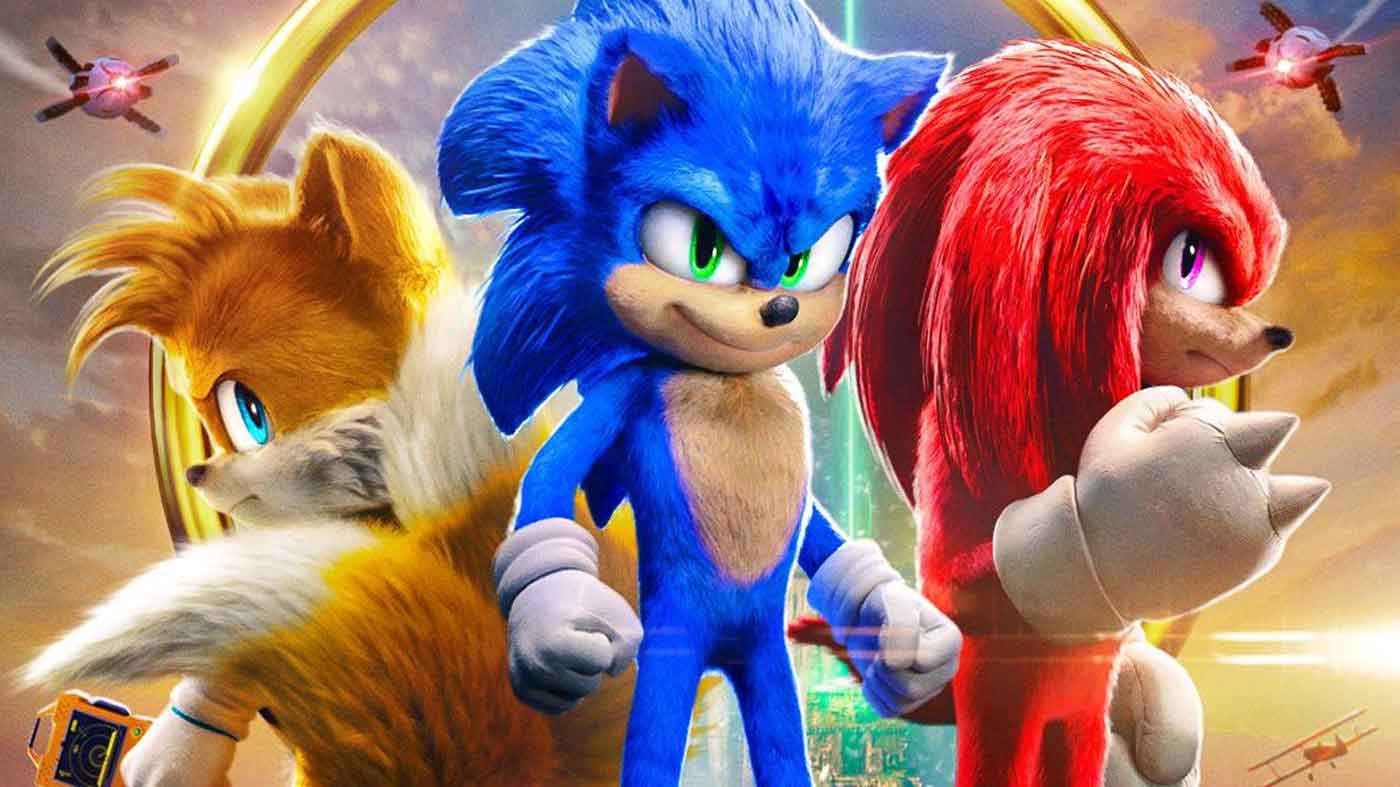
10. Sonic the Hedgehog 3

The previous two Sonic the Hedgehog films were much more fun and engaging than expected, so we should get more of the same.

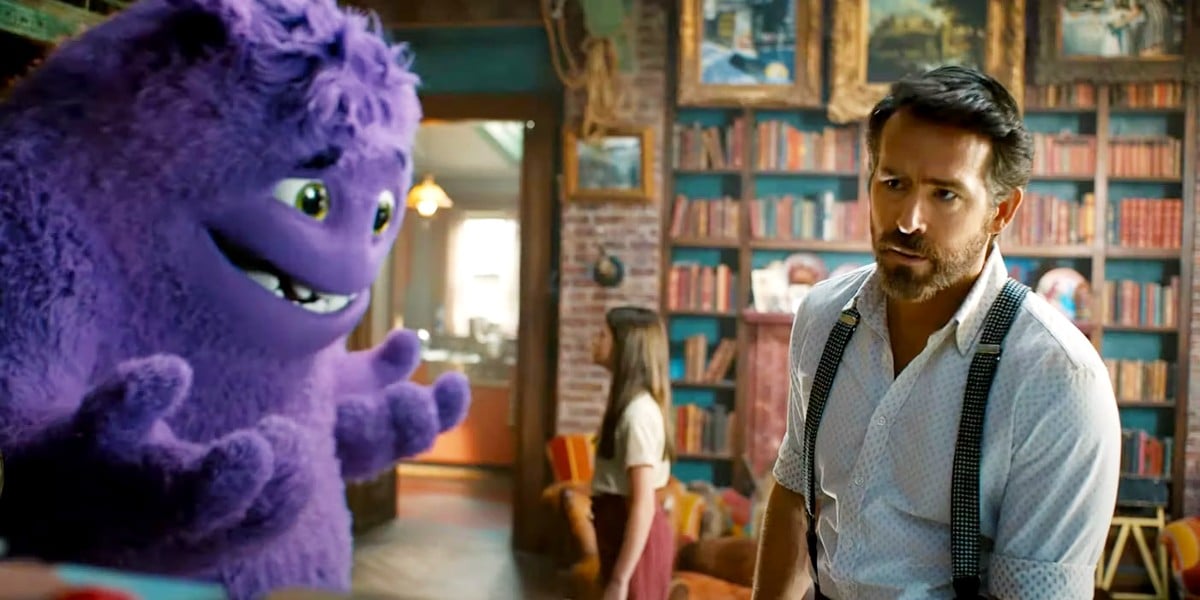
9. IF

Director/actor John Krasinski follows up to A Quiet Place with this creative foray involving imaginary friends and stars Ryan Reynolds.

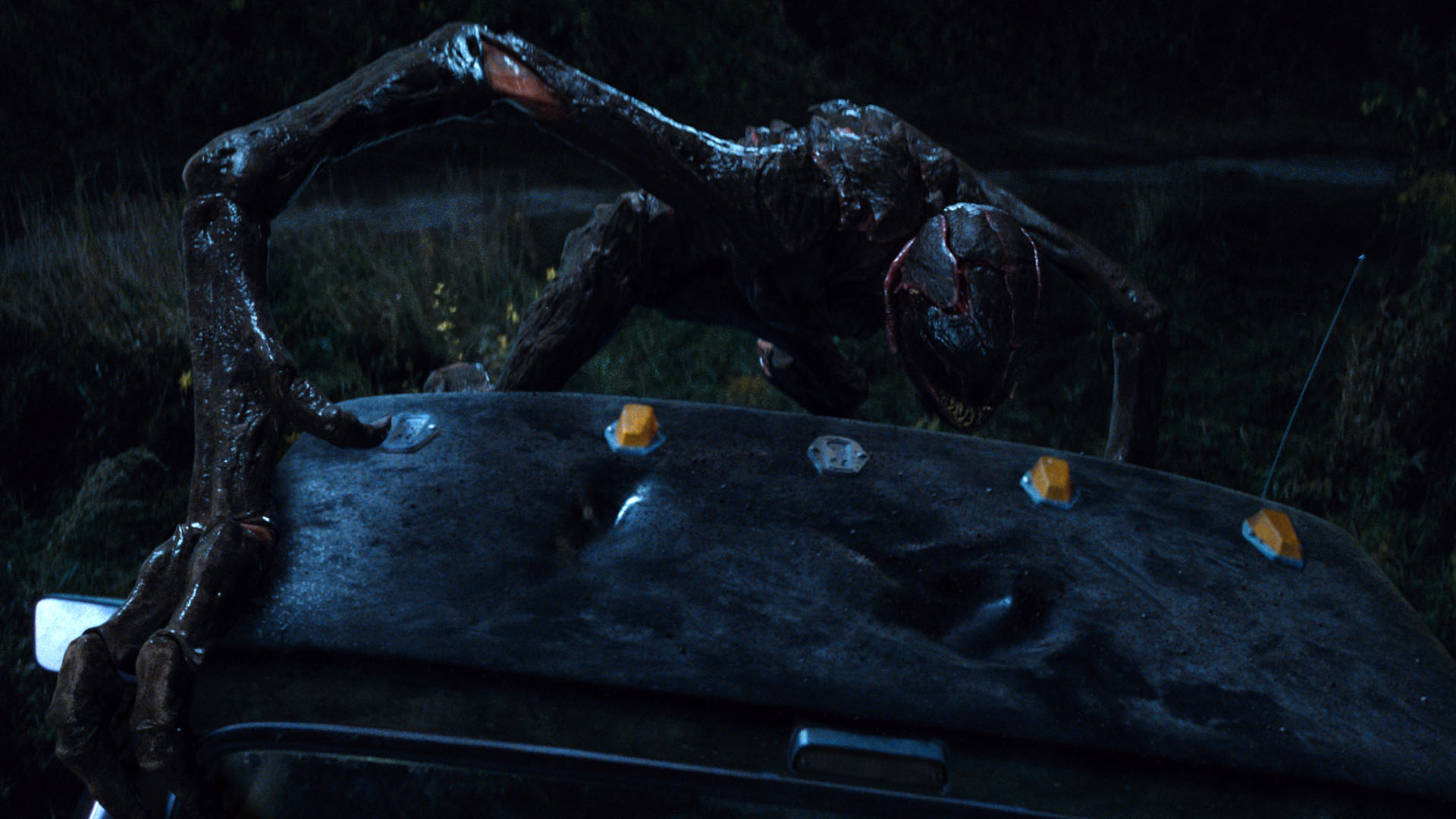
8. A Quiet Place: Day One

Speaking of A Quiet Place, the third film in the franchise will be a prequel that will feature the initial stages of the invasion by the sound-hunting aliens that decimate civilization.

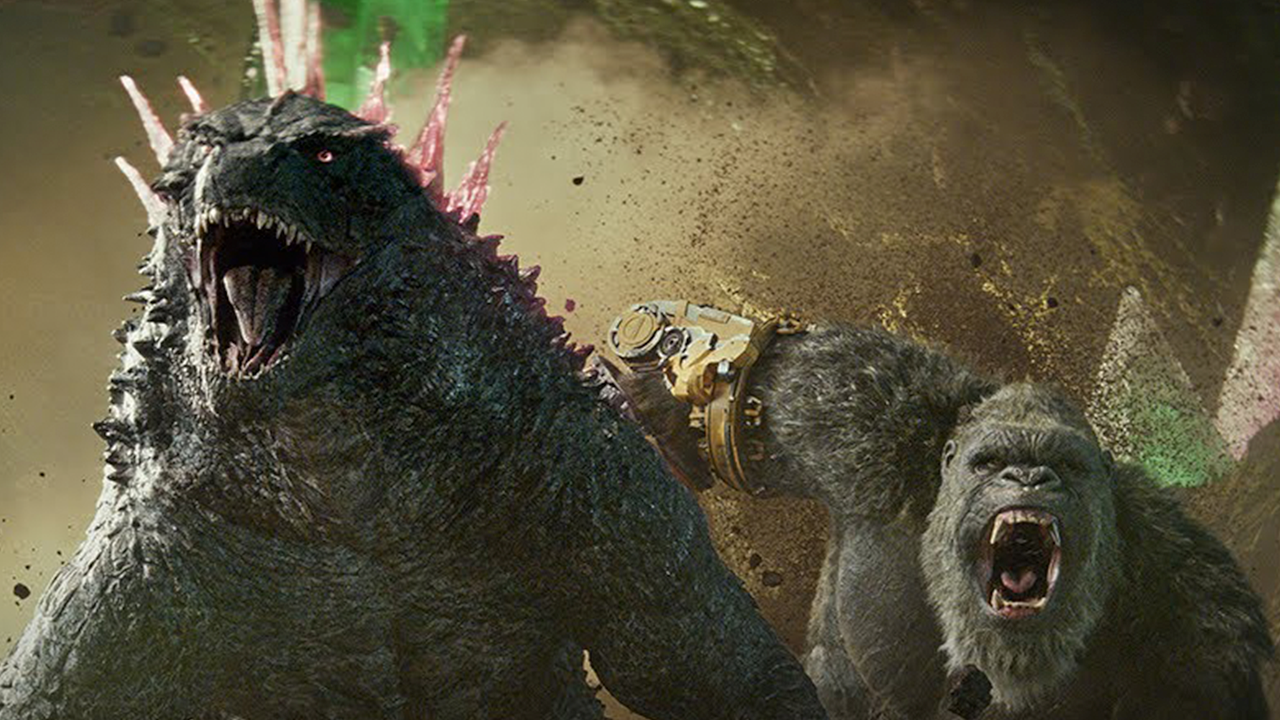
7. Godzilla x Kong: The New Empire

The latest Monsterverse film looks admittedly goofy but fun as the kings of the monsters, Godzilla and King Kong team up to face their deadliest enemy yet in an underground society of kaijus.

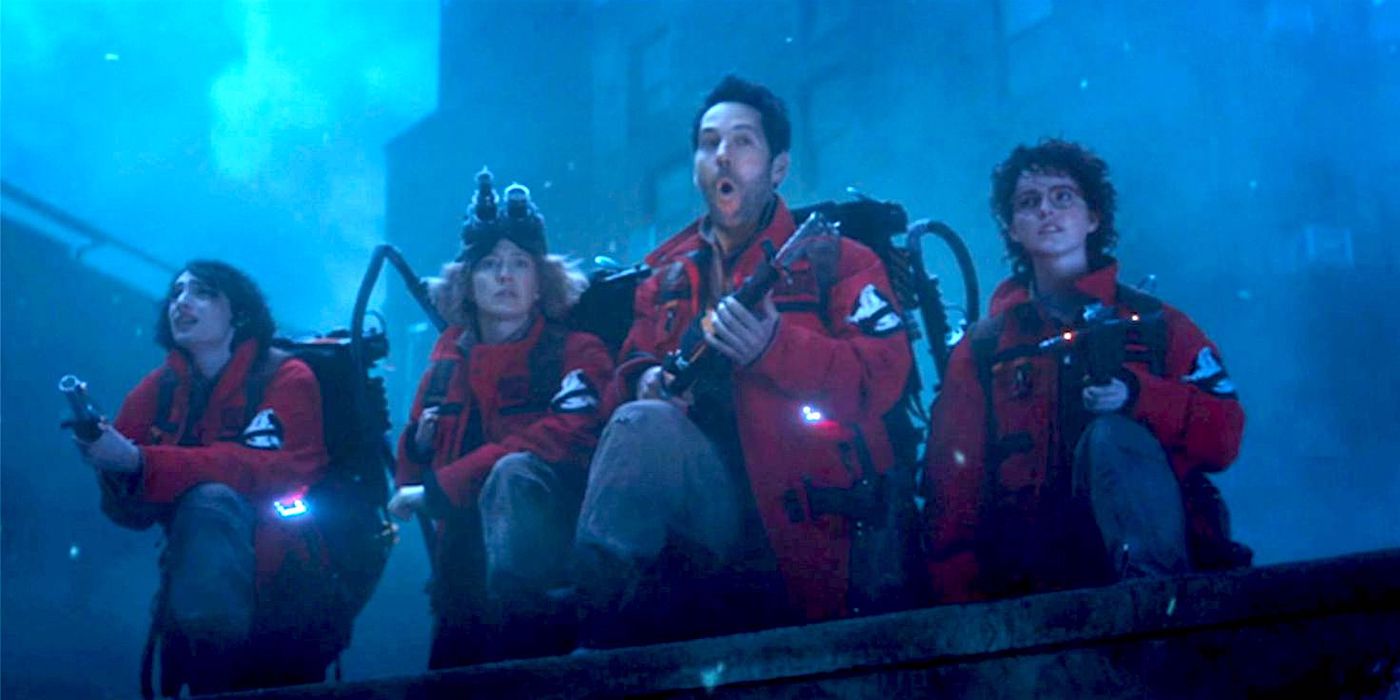
6. Ghostbusters: Frozen Empire

Ghostbusters: Afterlife was a great return to form for the Ghostbusters franchise with endearing new characters. The newest sequel will more closely follow the franchise with its New York setting.

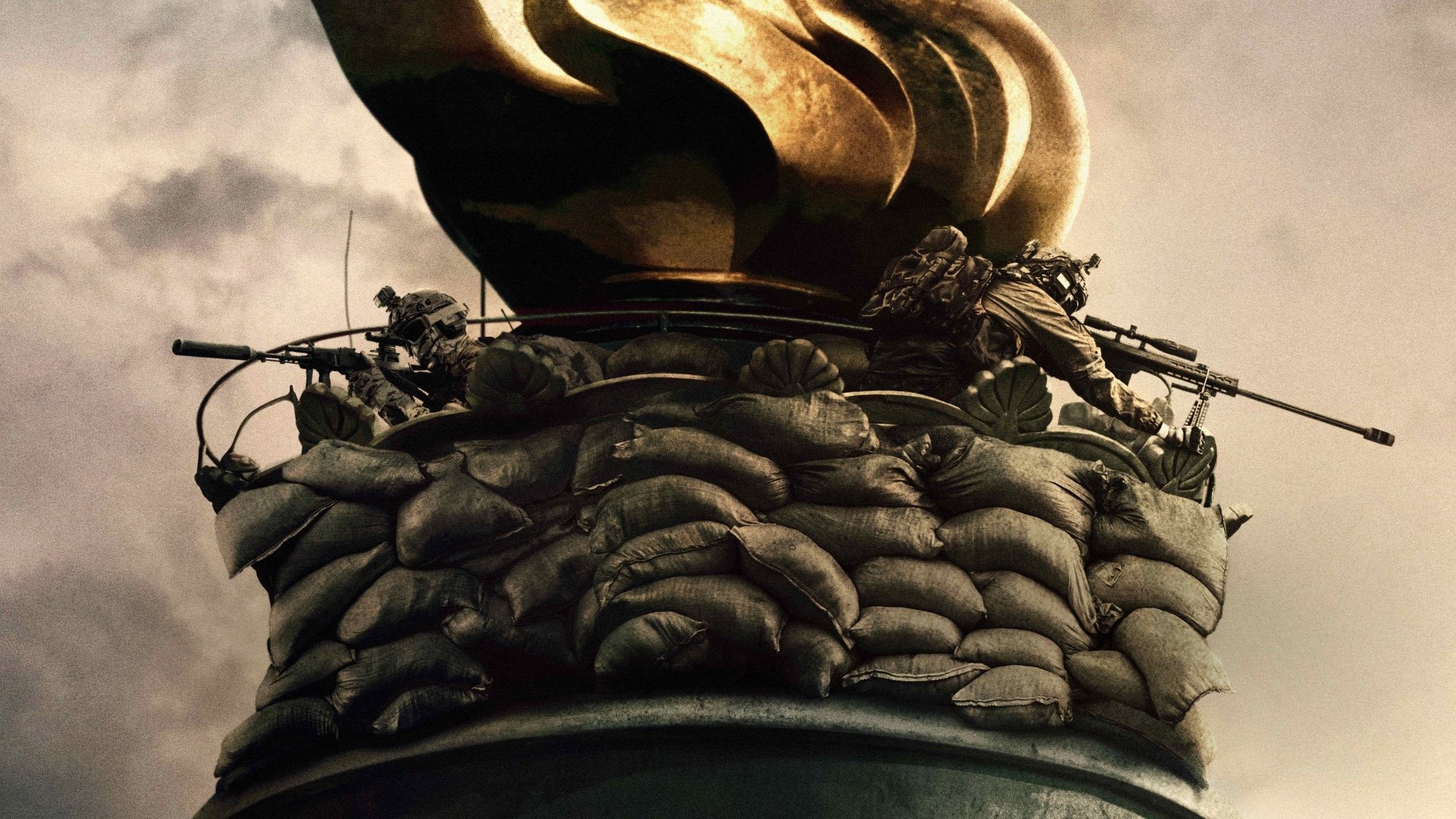
5. Civil War

Alex Garland, known for his provocative sci-fi films, directs this film that could be taken from tomorrow’s headlines. Its setting of a United States in the thralls of a second civil war will probably emphasize challenging themes over action thanks to Garland’s directorial skills.

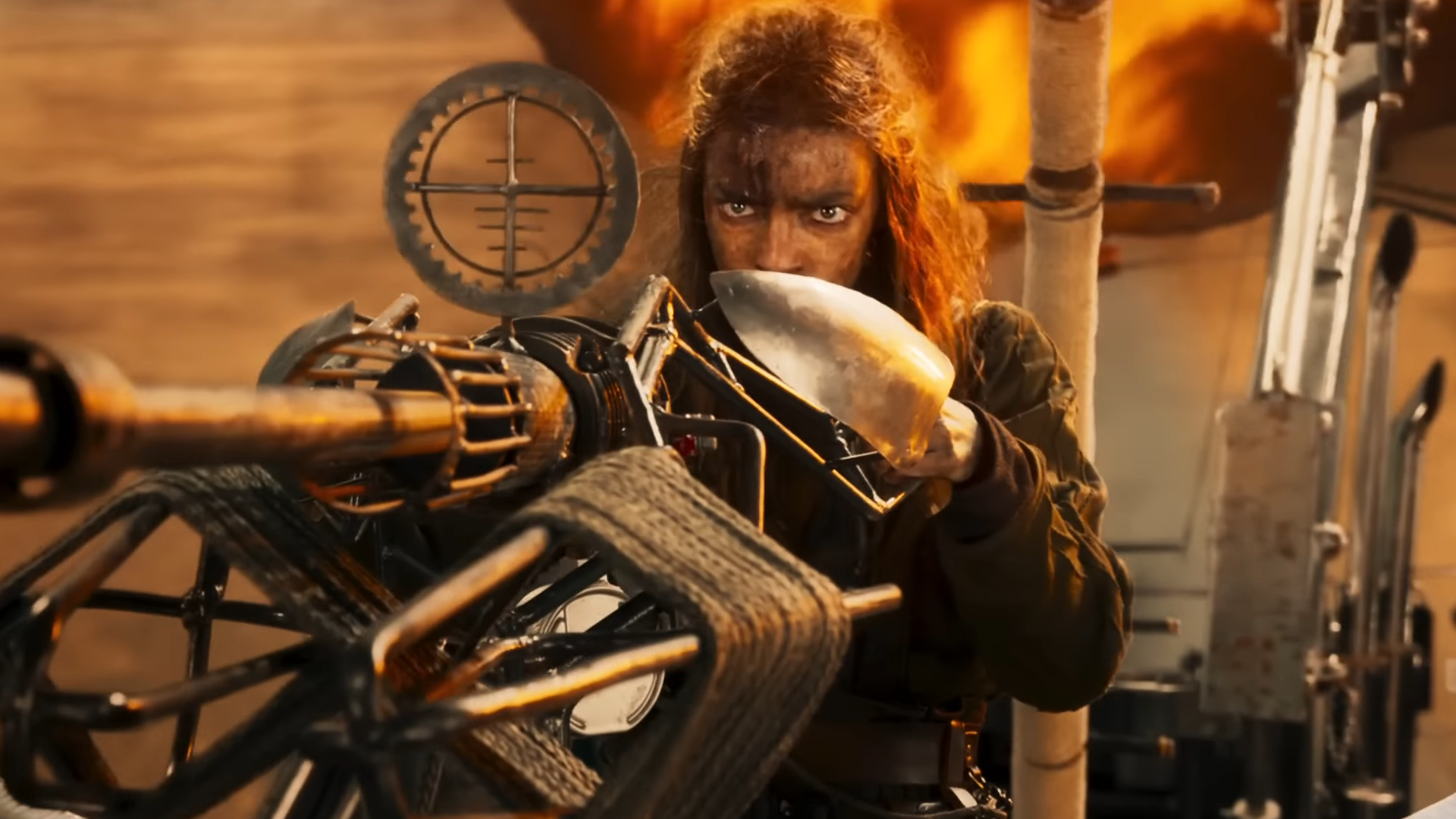
4. Furiosa: A Mad Max Saga

Director George Miller’s latest entry in the Mad Max films focuses on Furiosa, the breakout character from Mad Max: Fury Road. Starring Anya Taylor-Joy as a young Furiosa, this film functions as a prequel that embellishes her character.

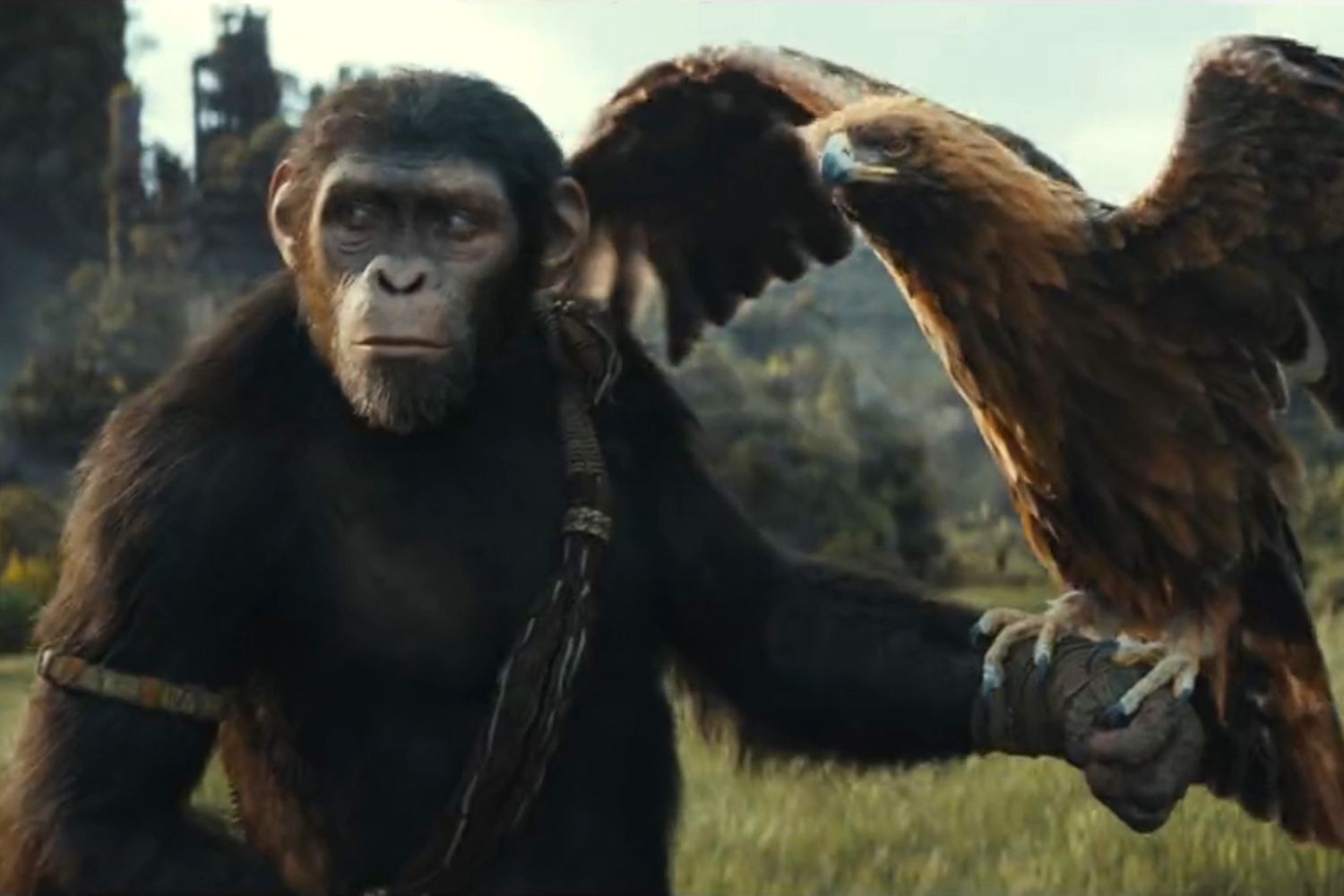
3. Kingdom of the Planet of the Apes

The latest Apes film is set many years after the last film and Ceasar’s death. Naturally, this sequel will do more worldbuilding as it will feature new characters and situations as the ape society evolves further in contrast to a humanity ravaged by a plague.

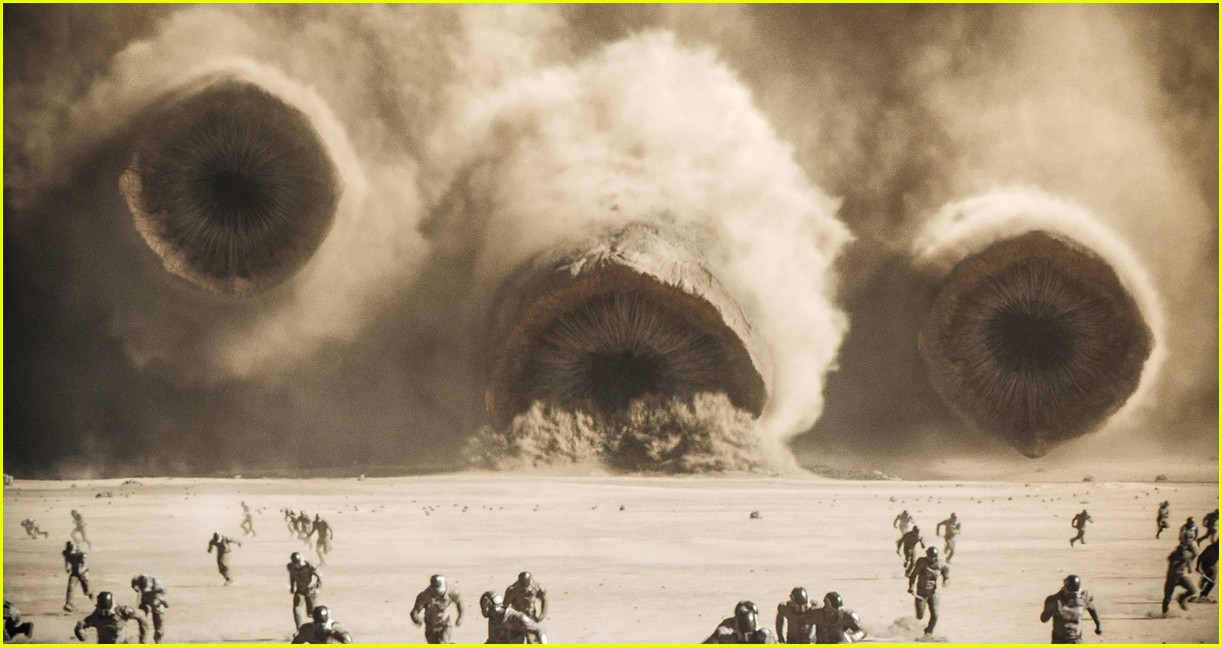
2. Dune: Part Two

The second part of the sci-fi epic was delayed from last year due to the writers and actors strike which nearly crippled Hollywood. This development disappointed fans of the first film who craved to see the conclusion of the saga of Paul Atreides, the future messiah struggling to fight for his adopted people on the desert planet Dune.

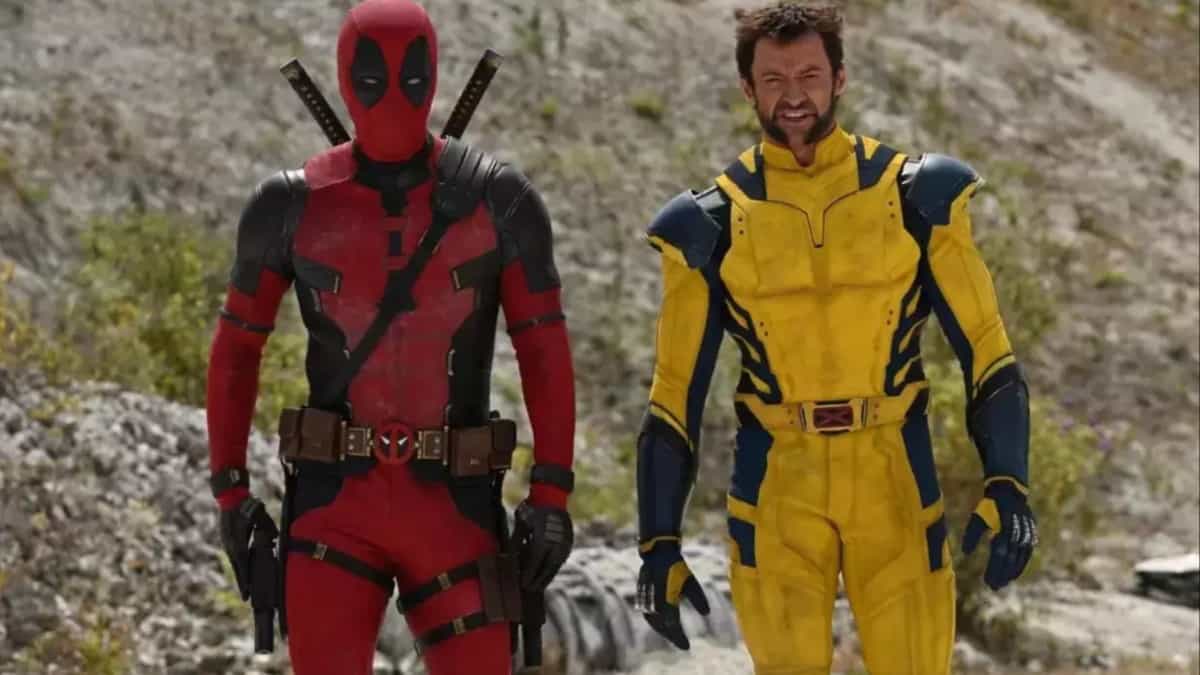
1. Deadpool 3

The third Deadpool film (which could have a name change), has turned out to be a very important film for the Marvel Cinematic Universe (MCU). Due to missteps the MCU faced last year, a lot is riding on the success of Deadpool 3.

The big draw for Deadpool 3 is not just Ryan Reynolds reprising his role of the Merc with the Mouth, but Hugh Jackman returning to his iconic role as Logan/Wolverine. The MCU and the multiverse will feature prominently in the film as the two traverse many universes, which should be more than enough to draw in fans.

Noteworthy Mentions:

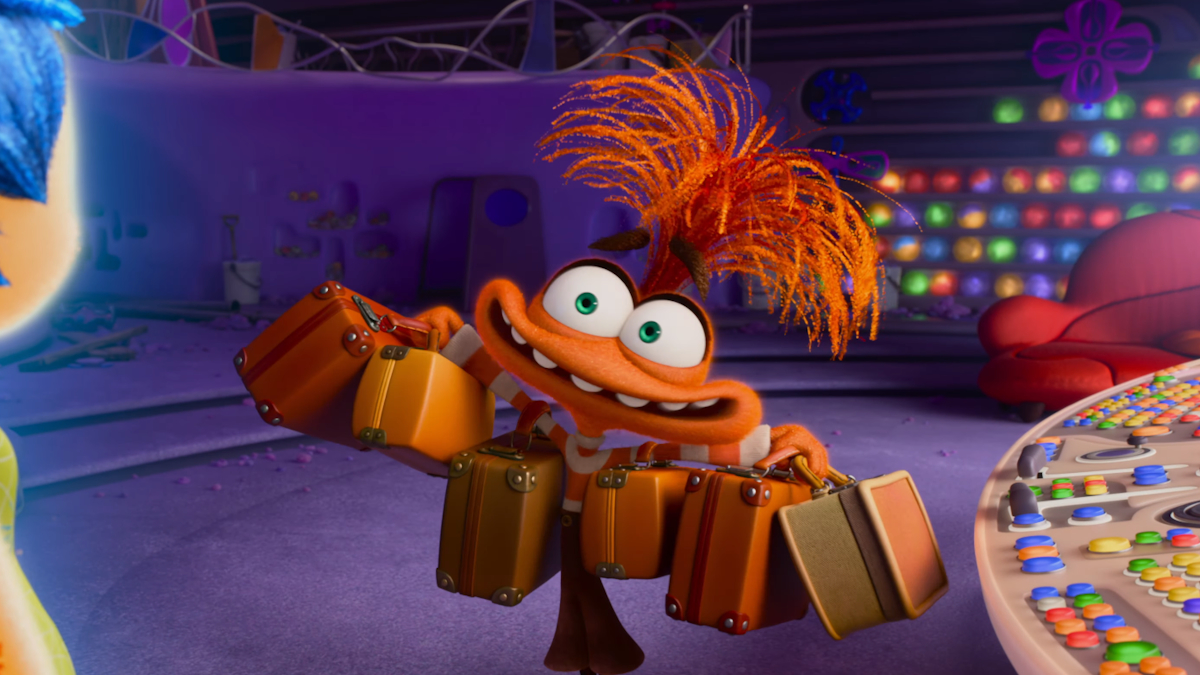
Alien: Romulus, Beetlejuice 2, Joker Folie à Deux, Imaginary, Inside Out 2, Kung Fu Panda 4, Mickey 17, Nosferatu, Rebel Moon, Part Two: The Scargiver, Venom 3

TV Shows

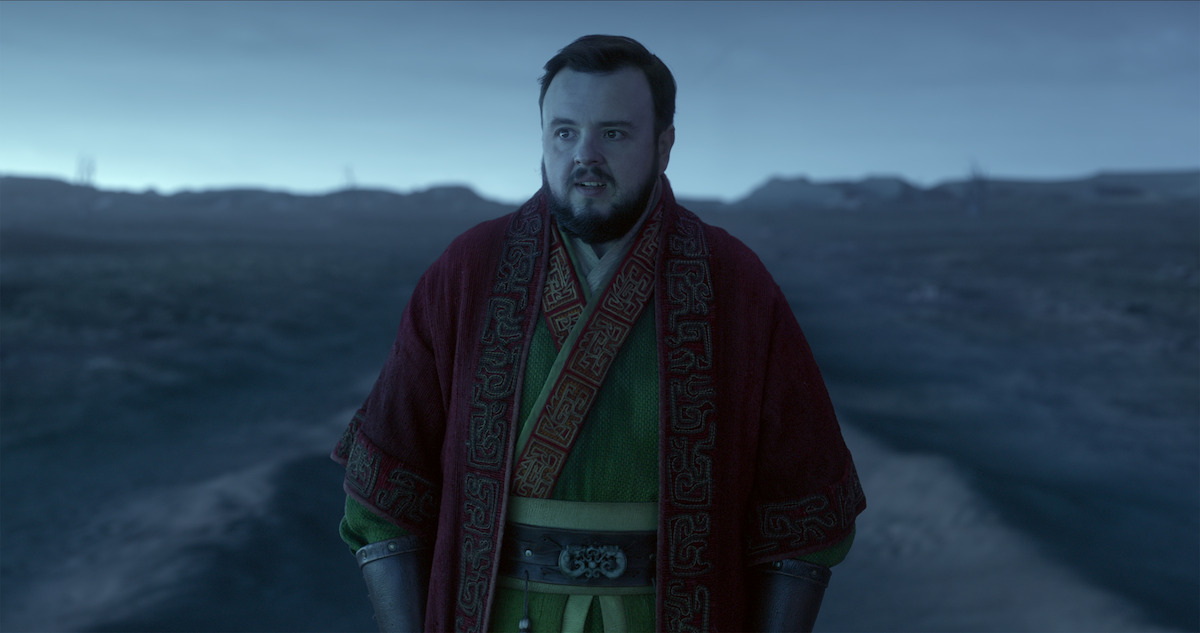
10. 3 Body Problem

The adaptation of Liu Cixin’s novel about an impending alien invasion will hopefully be as complex and mind-bending as the novel.

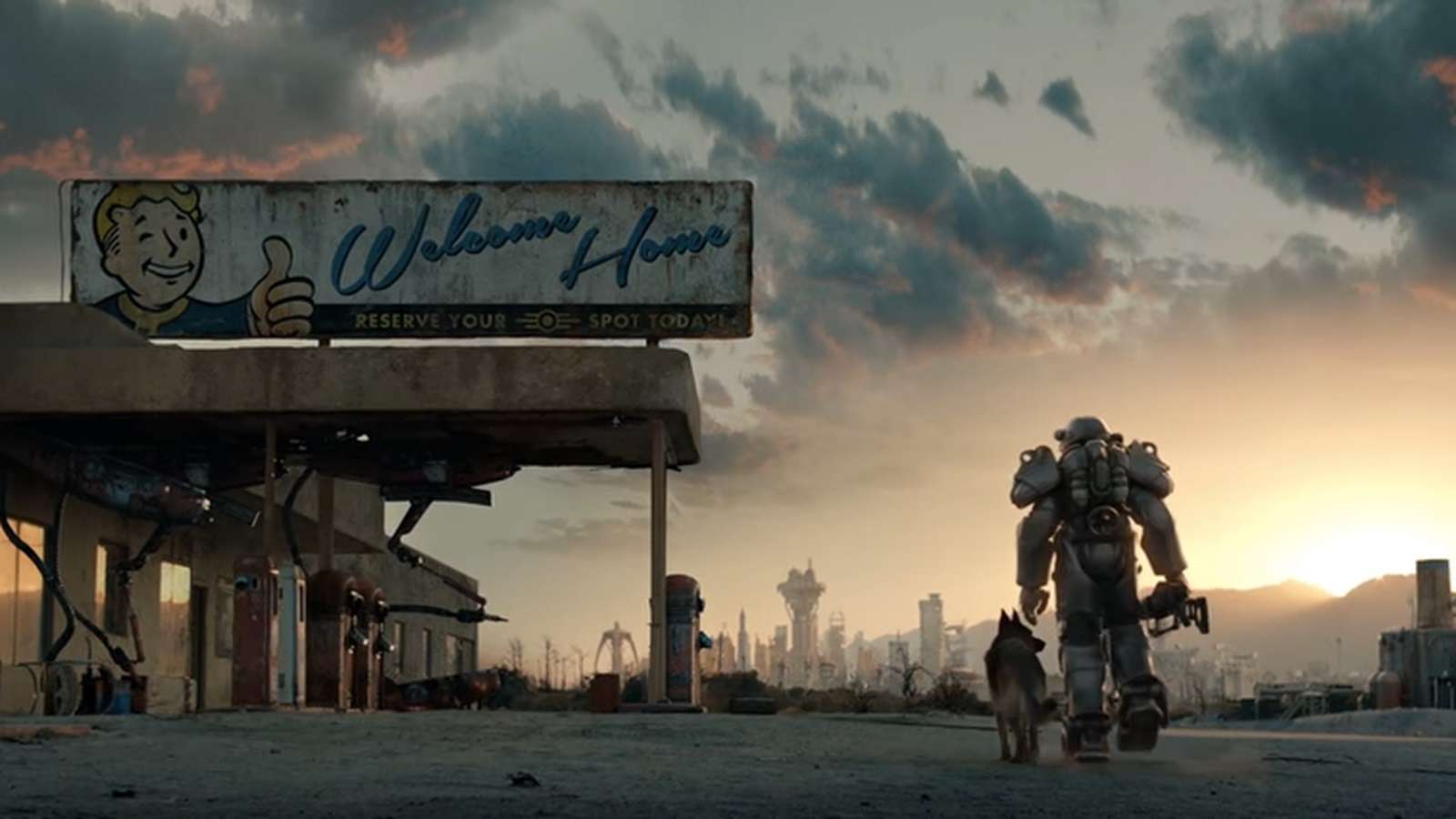
9. Fallout

Amazon Prime’s live-action adaptation of the popular post-apocalyptic video game looks both faithful to the source material and intriguing.

8. The Umbrella Academy

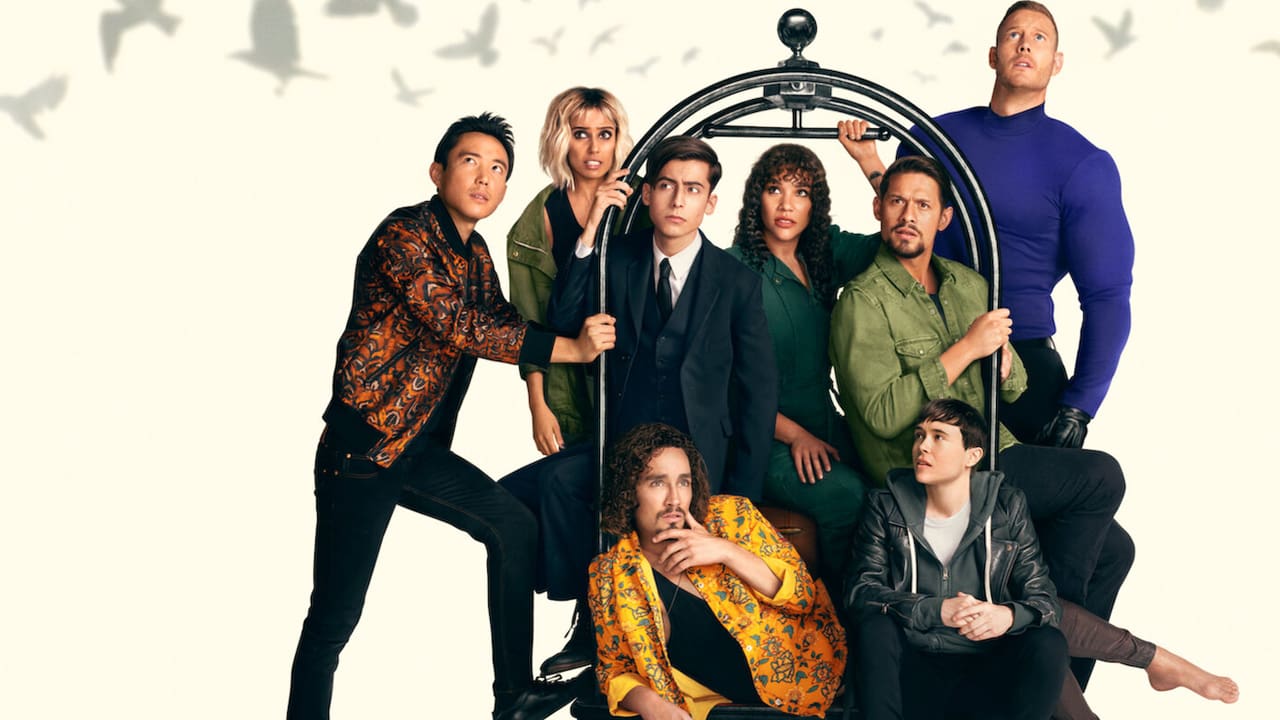
The fourth and final season of the quirky superhero family team should be as goofy and endearing as the previous seasons as it concludes their unique storylines.

7. Star Wars: The Acolyte

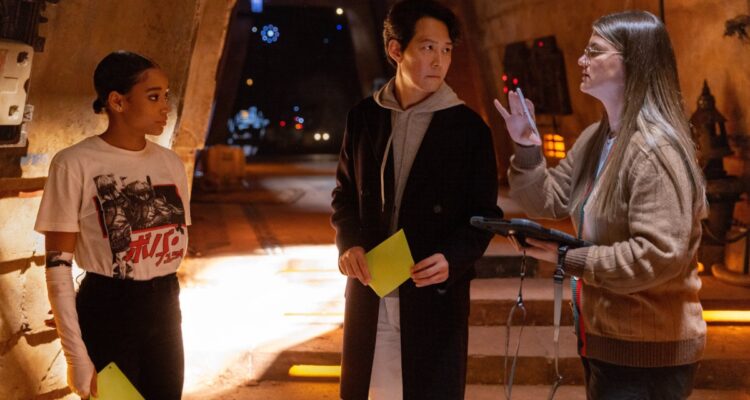
It is unknown if this Disney+ Star Wars TV show, which is set in the era of the High Republic, will air this year. But it seems to be the most interesting of the announced Star Wars TV shows.

6. Star Trek: Prodigy

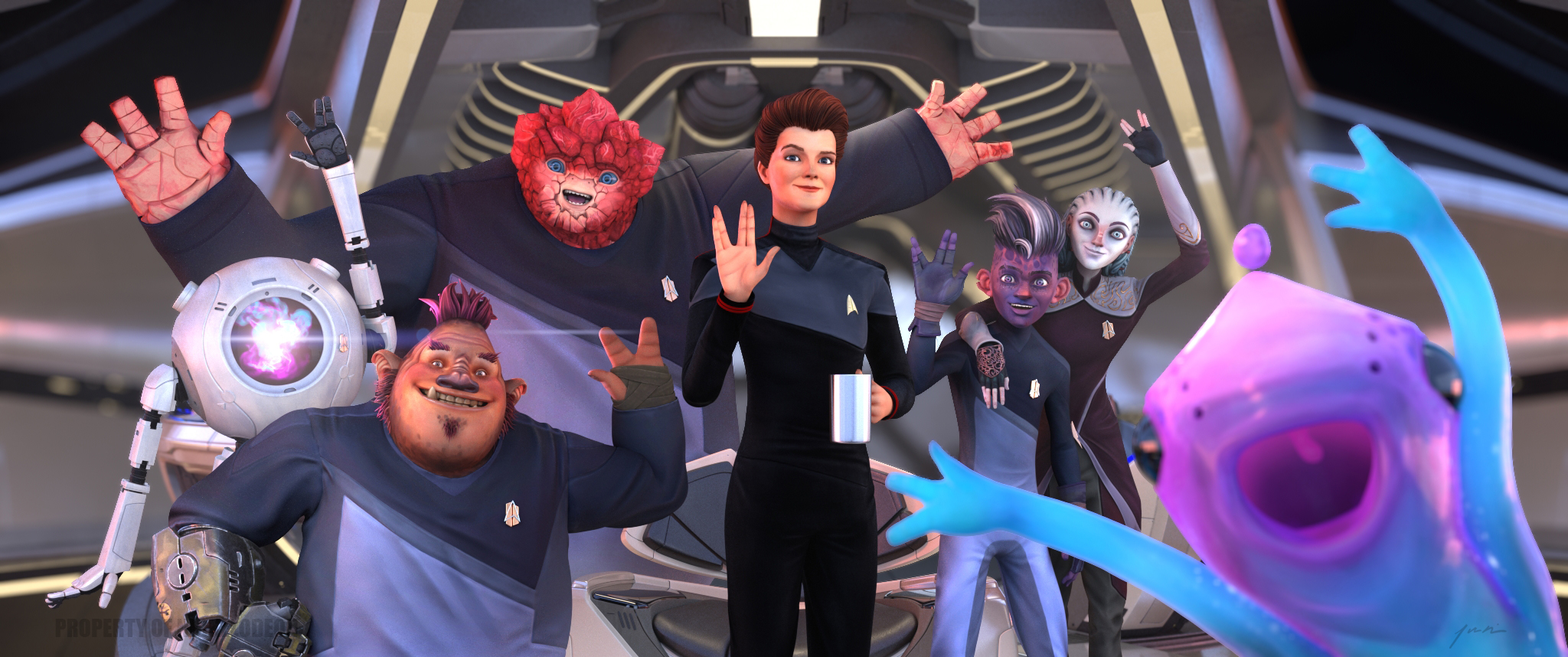
The second and final season of this better-than-expected animated Star Trek TV show will stream on Netflix and hopefully will conclude its storyline of diverse alien youths turned into Starfleet cadets.

5. What If…?

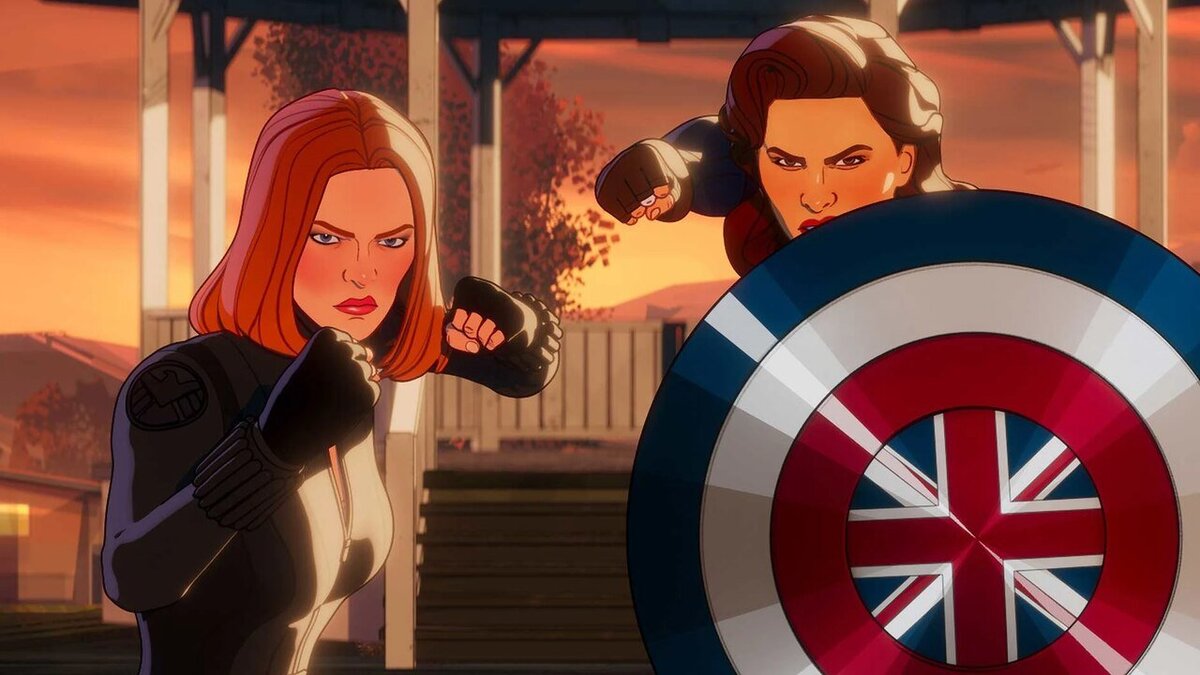
The animated series set in the MCU went all out with its stories of alternate realities. There hasn’t been any word on when it premieres, but Disney+ already gave us a teaser, so it may drop soon.

4. Agatha: Darkhold Diaries

Agatha Harkness was one of the most popular characters and villains to come out of WandaVision. It was only natural that she was rewarded with her own spinoff show, which will dwell more into her background.

3. The Boys

Season 4 of the dark look at superhero celebrities will amp up the conflict between the amoral Homelander with his Superman-like powers and those trying to oppose the popular tyrant in the making.

2 Avatar: The Last Airbender

The Netflix live-action version of the popular animated TV show will be much more accurate than the awful 2010 live-action film that rushed through the intricate fantasy world of the element benders with its whitewash casting.

1. House of the Dragon

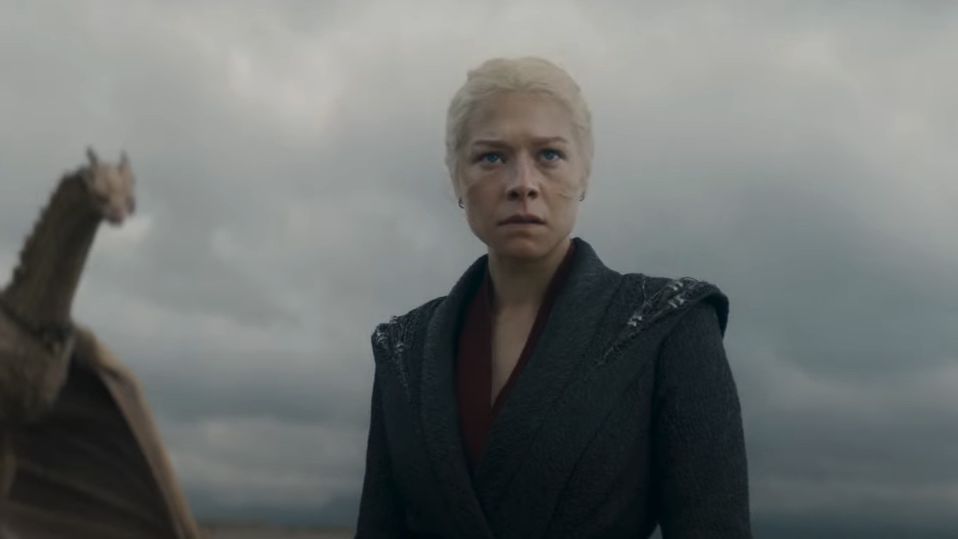
The prequel series to Game of Thrones was unbelievably better than expected as we were instantly enthralled with the family dynamics of the Targaryen royal family.

Season two promises to push these envelopes further with the bitter rivalry with the family as they use their deadly dragons to duel over the rightful claim to the Targaryen throne.

Noteworthy Mentions:

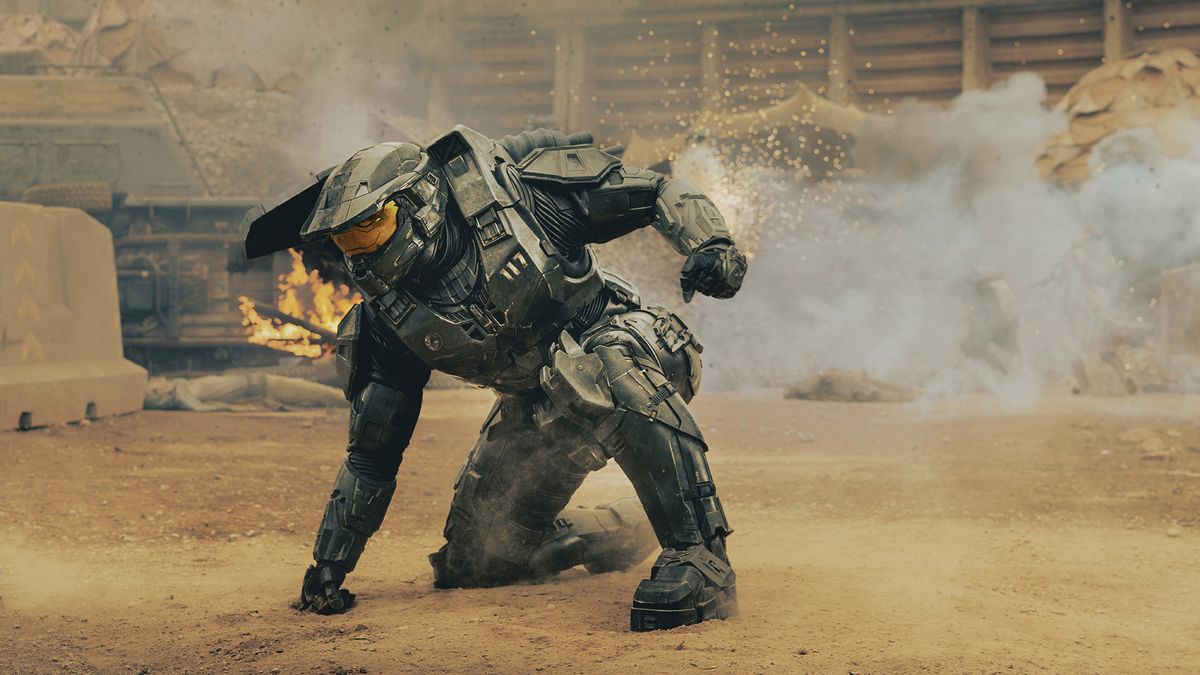
Pablo Schreiber as Master Chief in Halo Season 1, Episode 1, streaming on Paramount+. Photo Credit: Adrienn Szabo/Paramount+

Dark Matter, Echo, Halo, Invincible, Orphan Black: Echoes, The Penguin, Star Wars: Skeleton Crew, Sugar, Time Bandits, The Walking Dead: The Ones Who Live

MCU Kang Actor Jonathan Majors Found Guilty

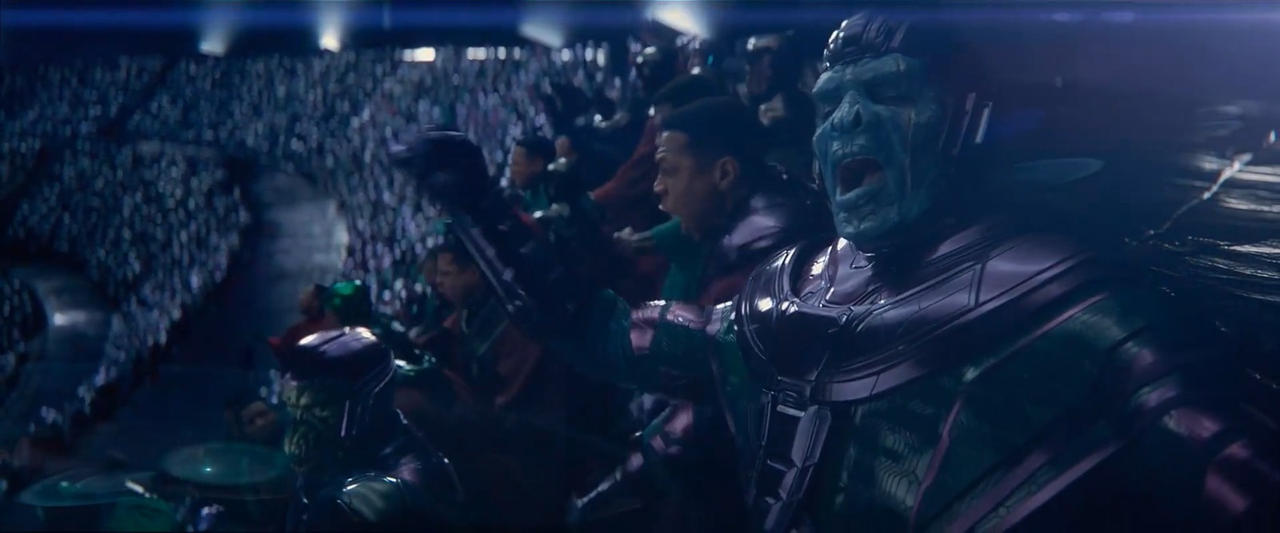
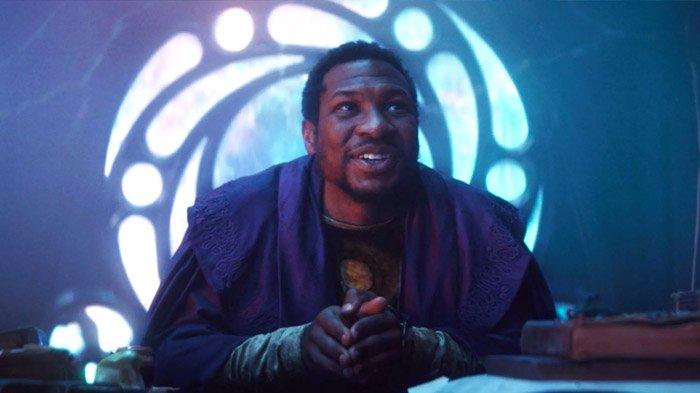
Jonathan Majors, very recently one of the most promising rising actors and best known for his role as Kang the Conqueror in the Marvel Cinematic Universe (MCU), has been found guilty today for assault and harassment in New York City.

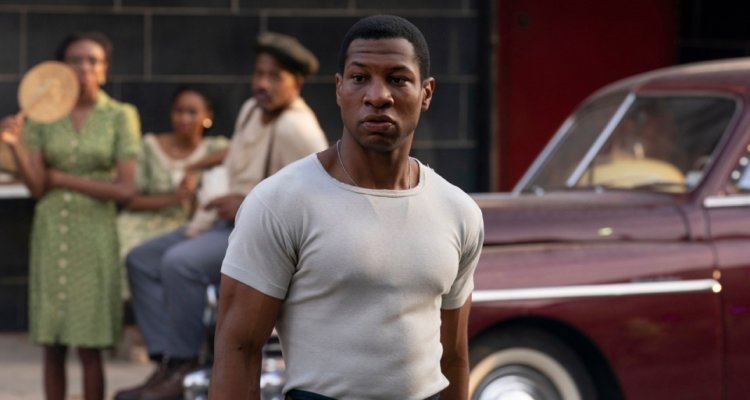
Early this year, Majors had been on an upward trajectory with his acting career, winning a lot of acclaim for his many performances. His most prominent genre roles were as Kang/He Who Remains/Victor Timely in Loki and Ant-Man and the Wasp: Quantumania, as well as Atticus Freeman in Lovecraft Country, and Rafe Drummond in Captive State. In March of this year, Majors was arrested for assault after a major domestic dispute with his girlfriend that turned physically violent. This arrest at the time put his future as Kang in doubt, as well as with other acting projects.

Now that he as been found guilty for misdemeanor charges of third-degree assault and second-degree harassment, Marvel Studios and its parent company Disney have already dropped him from his role as Kang and his acting career is over.

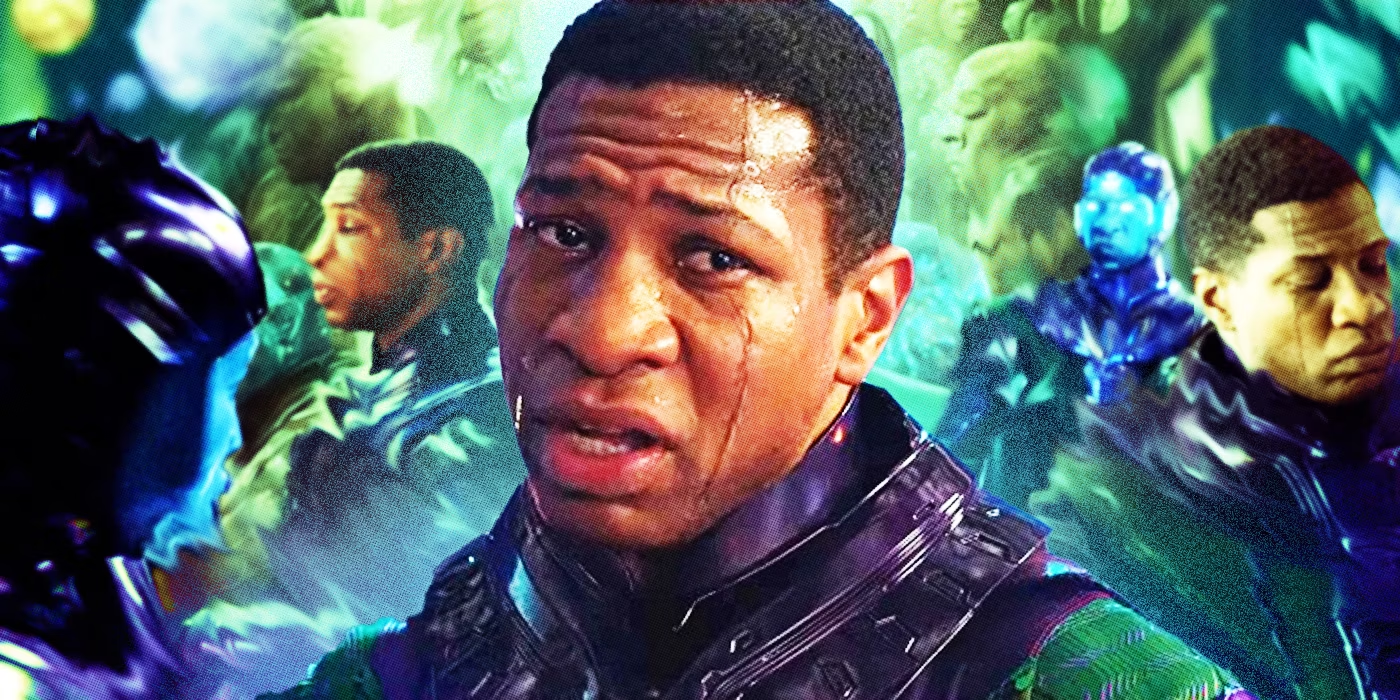
Ordinarily this turn of events would have been catastrophic for Marvel Studios and its MCU given that Kang was supposed to be the cinematic universe’s main villain for its upcoming slate of films including Avengers: The Kang Dynasty. However, being that the character is heavily involved with multiverses and variants as seen in Loki and Ant-Man and the Wasp: Quantumania it should be fairly simple for Marvel Studios to recast the role. To satisfy fans who would question why the character looks different going forward, an in-universe explanation could be that a new variant of Kang came into prominence. There is already precedent for other types of Kangs. In a post-credits scene for Ant-Man and the Wasp: Quantumania we witness not just several thousand Kangs but some that were not even human. So, recasting Kang should not be an issue.

It is regrettable that this has happened given Majors’ talent, but he was found guilty and has to pay for his crimes. His acting career is over but after facing justice, Jonathan Majors will have a chance to get the help he needs.

As for Disney and Marvel Studios, this is just another headache they’ve had to contend with and the second time an actor was suddenly not available for a prominent role as we saw when Chadwick Boseman passed away. It is best for Marvel Studios to move on as they already have in order to prevent any more delays with their upcoming MCU projects. But, the best lesson for the studio is to properly vet the actors and other filmmakers to prevent any future controversies with its MCU projects.

Getting back to Kang’s future in the MCU, just because Jonathan Majors can no longer play Kang, this does not mean the character has to be discarded. Kang showed a lot of potential as a captivating villain and the storyline about a rampant multiverse is rather interesting and should be allowed to be concluded in Avengers: The Kang Dynasty. Hopefully, Marvel Studios will find the right person to replace Jonathan Majors and continue with the multiverse storyline.

Battlestar Galactica Reimagined Circa 2003

After the original Battlestar Galactica TV show ended its run in the late ’70s there have been numerous attempts to revive it. Some included efforts by Bryan Singer and Richard Hatch, the star of the original TV show. But none were successful until Syfy greenlit a remake instead of a sequel to the orignal show, which aired as a two-part mini-series on the cable channel beginning on December 8, 2003.

Distinctly darker and more grounded than the original TV show, the new Battlestar Galactica quickly won acclaim from critics and fans, even those who were skeptical over the changes made to the concept. The mini-series was so successful that Syfy quickly ordered a series, which began airing later in 2004.

The basic premise of the new Battlestar Galactica was similar to the original TV show. In a distant part of the galaxy, a fragile truce between humans and a cybernetic race called the Cylons is shattered when the Cylons launch a surprise attack that destroys the human civilization. The few remaining human survivors set off in a ragtag fleet led by the last remaining battlestar warship called Galactica to find refuge in the lost human colony world known as Earth.

Whereas the original Battlestar Galactica clearly followed the spirit of Star Wars with an emphasis on starship battles and admittedly cheesy scripts, this version was edgier and grittier. It was clear that this 2003 version of Battlestar Galactica was influenced by 9/11. This turned off some fans of the original Battlestar Galactica who desired a more innocent rendition, but the reimagining drew in many more fans to take their place. They welcomed the moral dilemmas and flawed characters that were the main feature of the mini-series as the aftermath of war and its impact on humanity was fleshed out. The show was so grounded that even though these humans lived in a distant part of the galaxy they wore the same kind of clothes we wear today including business suits. They spoke like normal people, too with the exception that the F word was replaced by “frak” to get around censors, although this made up curse word was used too often and unrealistically in normal conversations.

Another way Battlestar Galactica stood apart from the original was with its exceptional acting. Starting from acclaimed and well known actors like Edward James Olmos and Mary McDonnell to relative newcomers like Jamie Bamber, Katee Sackhoff and James Callis, they infused their roles with needed gravitas which engaged the audience. Unlike the original which focused on the adventurous exploits of Captain Apollo and his buddy wingman Starbuck, the clear leads in the remake were Olmos’ William Adama and McDonnell’s President Laura Roslin. Both characters were unexpectedly thrust into leadership roles for the desperate remains of humanity looking for any kind of guidance and hope. Even with the compelling and mature leads, the remake was more of an ensemble piece, as it prominently featured other important characters like Adama’s son Apollo (Bamber) and his best friend, Starbuck (Sachhoff in a role that was orignally portrayed by a man).

Adding to the drama was that the Cylons were hunting down the last remnants of humanity. One of these survivors was Dr. Gaius Baltar (Callis), who unwittingly helped the Cylons destroy human civilization and grapples with his guilt as he is taunted and seduced by an imaginary Cylon called Number Six (Tricia Helfer). She is part of a new race of Cylons that evolved to look and act like humans and were able to infiltrate human society. This new wrinkle with the Cylons added an intriguing twist and put a face to the enemy, which in the original show were just robots without any personality. This development also introduced an element of paranoia as the humans were no longer sure if the enemy was hiding in plain sight among them ready to commit acts of sabotage and terrorism.

The success of Battlestar Galactica revitalized interest in the IP and led to a TV series that ran for four seasons, a spinoff series called Caprica and there are reports of a new version to be produced. Some of the best sci-fi episodes of any TV show were part of the TV show’s lineup as it further developed the plot lines and characters introduced in the mini-series. This would not have been possible if the Battlestar Galactica 2003 mini-series failed to find an audience and it is why it should be praised for its accomplishments twenty years later.

The MCU Woes, Part II: How To Correct Itself

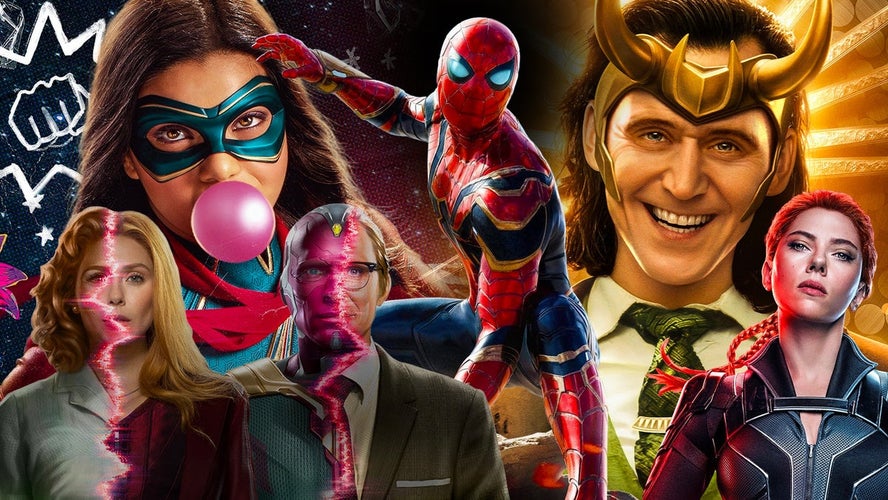
The latest online trend has been to bash Marvel Studios and its Marvel Cinematic Universe (MCU). Toxic trolls have been pouring out with uncontrolled glee proclaiming Marvel Studios is too woke and deserves to fail. They point to the disappointing reception for many of the MCU’s latest offerings as proof that the brand is dead. Further adding fuel to the fire, Marvel Studios has delayed many of its productions to improve them.

It is undeniable that the MCU brand has taken some hits and is not regarded as highly as it was during its heyday, to call the brand dead or beyond repair is a gross exaggeration.

Thankfully, Marvel Studios and its parent company Disney have recognized the situation and are taking concrete steps to course correct and ensure the MCU regain its reputation for quality superhero films and TV shows. Sure, the MCU has taken its lumps, but what brand is not immune to this? Many times it is good to take a tumble, this gives one the chance to learn from mistakes and improve. This is what is going on with the MCU.

First of all, Marvel Studios has shown the willingness to scrap what they have worked on and start over. One example is the Daredevil: Born Again TV show which has been scrapped and been redone. Another example is that Captain America: Brave New World has been delayed in order to rework it due to a poor test screening. Then there are the rumors that Kang will be written out of the future films and TV shows in favor of Doctor Doom. This would take care of the situation with Jonathan Majors facing trial for domestic abuse, especially if he is found guilty. These examples demonstrate that Marvel Studios is willing to take the necessary steps to take the time to produce the best projects possible.

Better Scripts Needed

However, the first and most important step that needs to be taken is to devote more time to the scripts. Allow the writers to tell proper stories and DO NOT GO INTO PRODUCTION UNLESS THE SCRIPTS ARE COMPLETED TO EVERYONE’S SATISFACTION. This would largely take care of the problem of realizing a film is not working and having to do major retooling with it in post-production. This is why recent projects like Secret Invasion fared so poorly. It’s been reported that Secret Invasion had major overhauls and rewrites in the middle of its production, which is why the end product seemed so underdeveloped and rushed. On the other hand, look at two recent MCU successes: Loki Season 2 and Guardians of the Galaxy, Volume 3. Both productions had well-crafted scripts that were full of heart and flowed well. More importantly the stories logically reached their conclusions while servicing the characters. This is a major reason why both projects received so much acclaim and performed well.

Even though it is important to follow a certain narrative as dictated by the higher ups and to meet deadlines, the screenwriters should be given more autonomy with their scripts. It is also important at this point with the MCU to hire great writers who have a record of turning in terrific and solid screenplays.

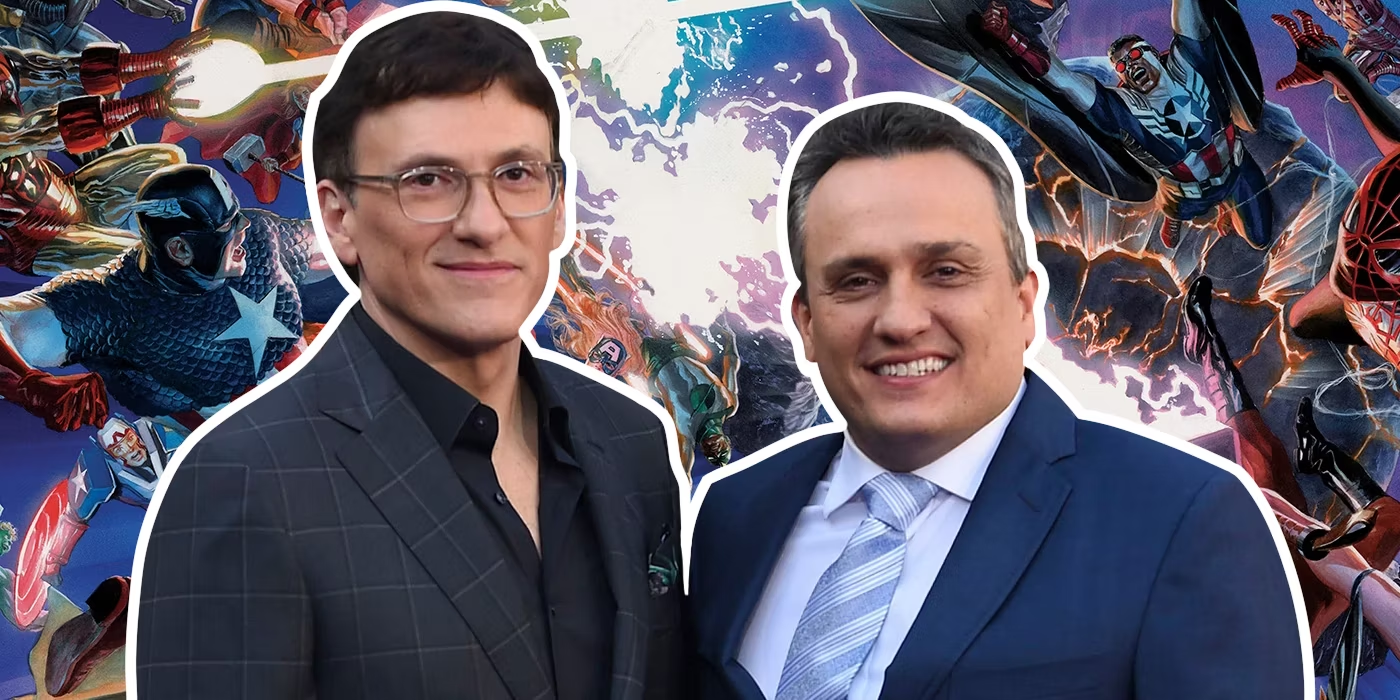
The same should go with directors. This is a difficult task given that Marvel Studios is more hands on with their productions than normal. Still, the past has shown us that great directors like James Gunn and Ryan Coogler, and the Russo Brothers can work within the confines of an MCU production and deliver great films. Oftentimes, Marvel Studios hires relatively unknown directors who wilt under the pressure and demands of the studio and turn in mediocre films or TV shows. Marvel Studios has to make sure that the best possible directors are hired for their projects. If they want to go with lesser known (and cheaper) directors, have them feel their oats with some of the TV shows. Michael Giacchino is a prime example of this. Known only for his film scores, Giacchino blew everyone away with his directing duties in Werewolf By Night.

Continue reading