The Golden Age of Sci-Fi TV

In the previous post, a review of Altered Carbon, it was stated that we are living through the Golden Age of Sci-Fi TV. That may be a bit of hyperbole to some, but with all the quality science fiction TV shows out now or coming soon, it cannot be denied.

Not too long ago, sci-fi TV shows were the laughing stock of television land. Of course, there were the few classic nuggets like Star Trek and The Twilight Zone, which showed the potential of high-quality science fiction tales in the TV medium. However, most sci-fi TV shows were at best pedestrian or at worst embarrassing. Galactica 1980, anyone? Most of these shows had zero budgets, which made them look cheap and amateurish. Having a high budget is critical for many sci-fi programs, but not vital. What crippled many of these shows were the lack of faith from networks and the showrunners themselves who treated their shows like children’s fare and did not take them seriously.

Whenever a science fiction TV show that showed promise debuted, TV networks living by the ratings dogma were too quick to cancel them. The television graveyard of stillborn TV shows is littered with diamonds-in-the-rough like the original Battlestar Galactica, Alien Nation, and Space: Above and Beyond. It was an anomaly to see a genuinely good sci-fi TV show thrive in the competitive television landscape.
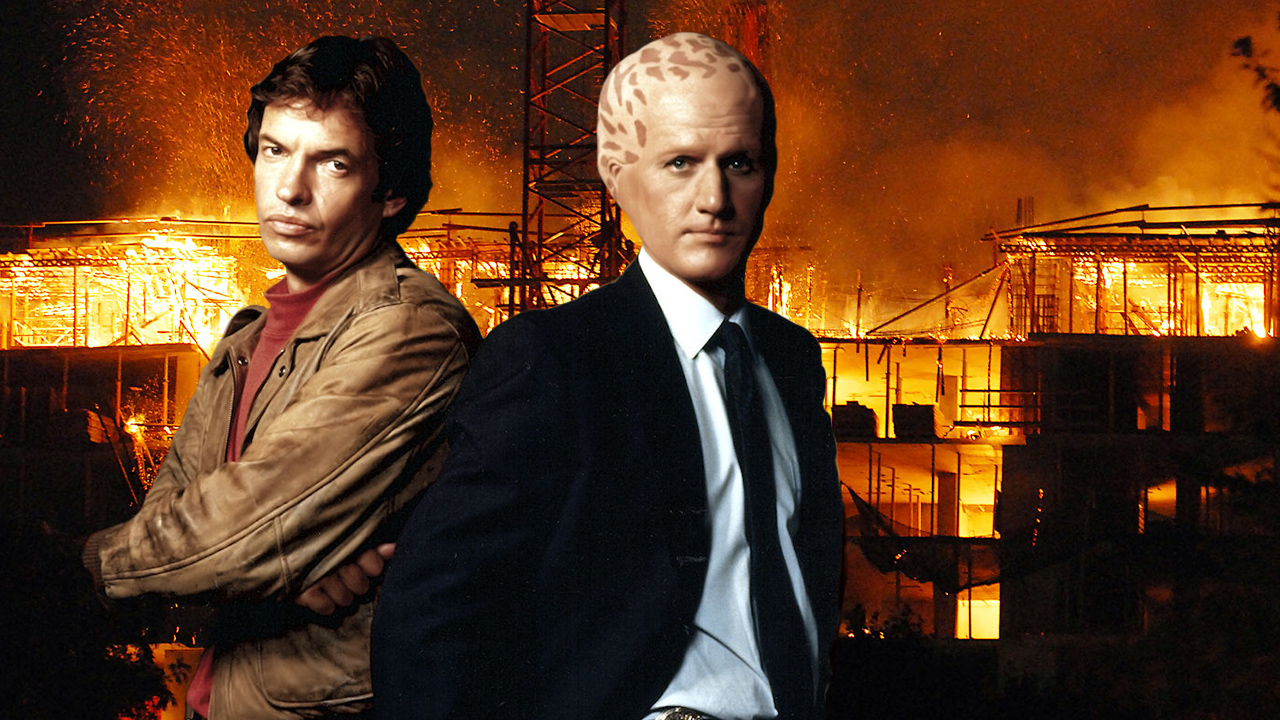
alien nationEven with the Sci-Fi Channel (now known as Syfy), high-quality science fiction TV shows could barely be found. Think about that, a cable network supposedly dedicated to this genre had a spotty record for airing good, original sci-fi television. Yes, the channel did air re-runs of past classics, but when it came to original programming, Syfy usually failed. In short, the genre was not respected by studios and the general public.

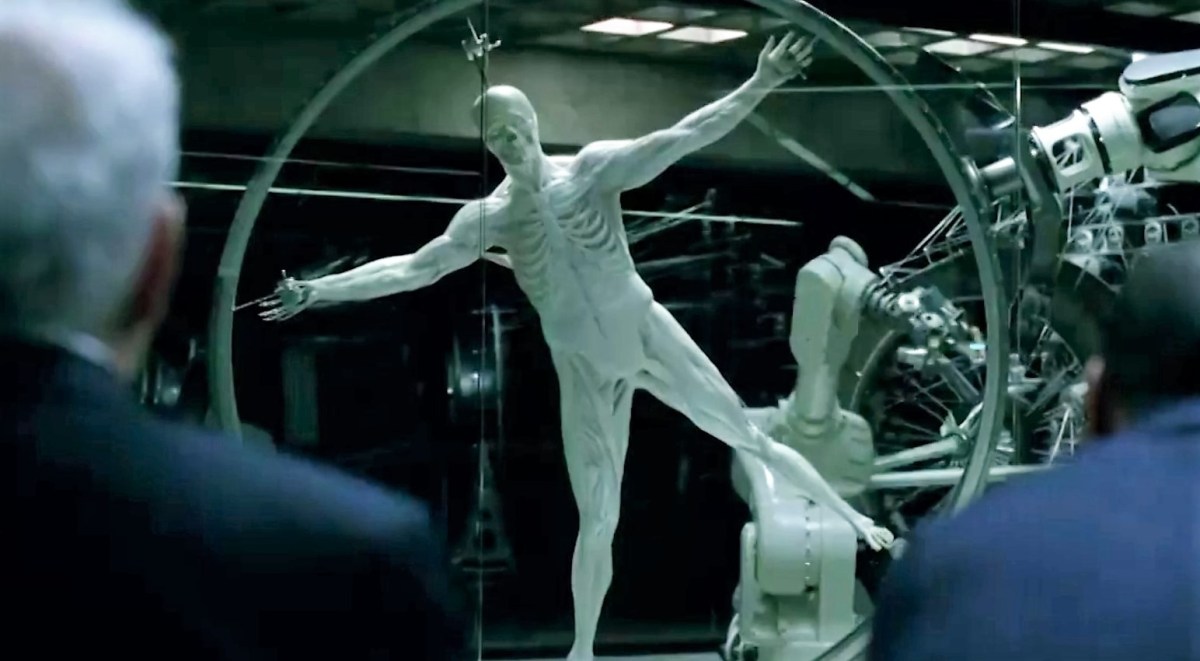
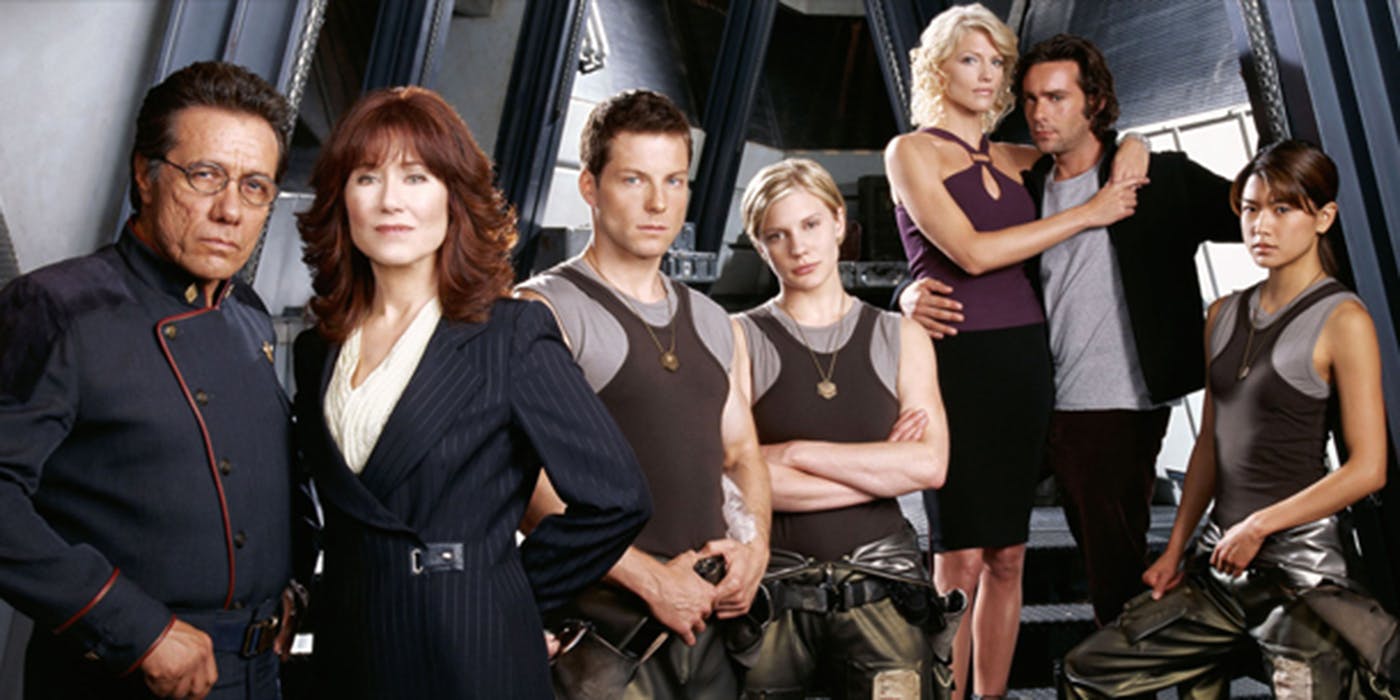
Thankfully, all that has changed. It didn’t happen overnight and it was a series of baby steps, but now science fiction is a viable and respected genre in television. This turnaround came with the success of the Star Trek spinoffs. Then in the 1990s, The X-Files, the paranormal thriller about aliens and other ghoulies became a bonafide hit and a cultural phenomenon. Other shows in the 1990s and the 2000s made their impact like Babylon 5, Syfy’s Battlestar Galactica reboot, Farscape, Doctor Who (which came back after being cancelled in the 1980s), Fringe and Lost (which won an Emmy for Outstanding Drama Series).Battlestar-Galactica-2003-Cast-PictureToday, there are more and more science fiction TV shows competing for our attention and ratings. There are still the goofy TV shows and guilty pleasures but it has gotten to the point that we can pick and choose what to watch as the threshold for quality has increased tenfold. Just look at what is coming out next month: The Expanse (in its third season), the critically acclaimed Westworld, a new version of Lost in Space that looks stunning, and The Handmaid’s Tale. The latter show also won the Primetime Emmy Award for Outstanding Drama Series, and as much as we complain about science fiction films not ever winning an Oscar for Best Picture (though The Shape of Water can be arguably science fiction), it is refreshing to see the genre recognized for excellence. What has brought about this reverence has been the stellar quality of the scripts, production design, directing, FX and acting.Handmaid's TaleThe success and acclaim for Westworld and The Handmaid’s Tale, among others, shows how respected science fiction has become on TV. These TV shows like The Handmaid’s Tale are resonating with viewers who can relate to the themes and characters that shine through the fantastical trappings. This is why we fans are living through a Golden Age of Sci-Fi TV , let’s hope it lasts for a long time.
Lewis T. Grove


Altered Carbon: TV’s Newest Hard-Edged Sci-Fi Tale

Altered Carbon is the latest example that we are living during the Golden Age of sci-fi television shows. It premiered last month on Netflix. but was mostly dismissed by mainstream critics who probably only sample one or two episodes before rendering their verdicts. However, Altered Carbon, much like its characters, is much more than it seems.

Both Kovacs Altered Carbon

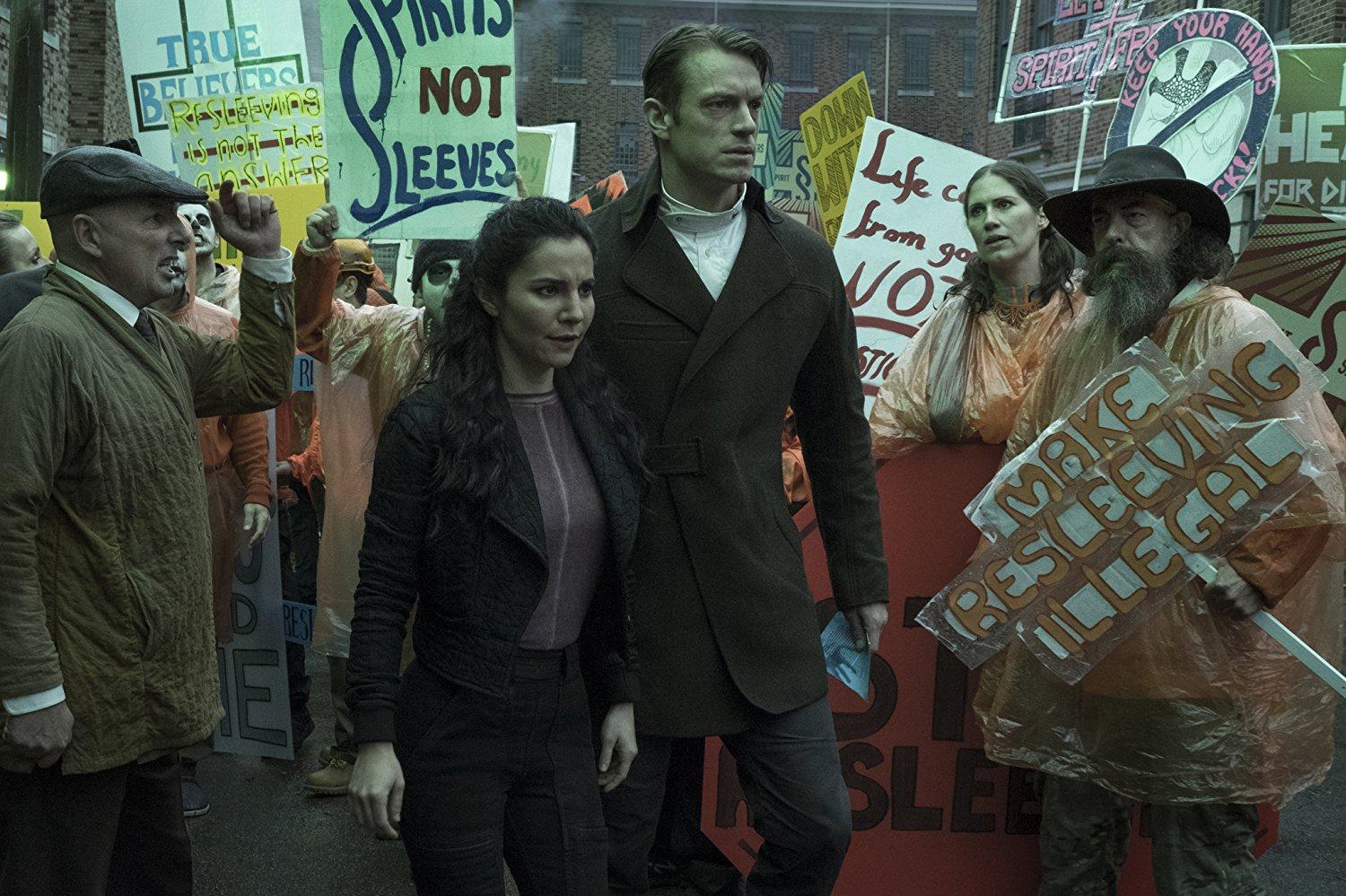
Based on Richard K. Morgan’s novel, Altered Carbon takes place hundreds of years in the future where humanity has essentially become immortal. This was accomplished with the introduction of alien technology that allowed human consciousness to be downloaded into “stacks”, devices that are implanted on the base of one’s neck. Everytime a body is near death, the stack transfers the consciousness into another body, called sleeves, with its own stack. This has a profound effect on humanity as people live hundreds of years and casually transfer onto new bodies as swiftly as we change our clothing. But this has not created a paradise. Constantly switching to new sleeves has a profound affect on the mind, soul and even society itself. This process has created a class of super-rich hedonists called meths who consider themselves to be above humankind and its morals.

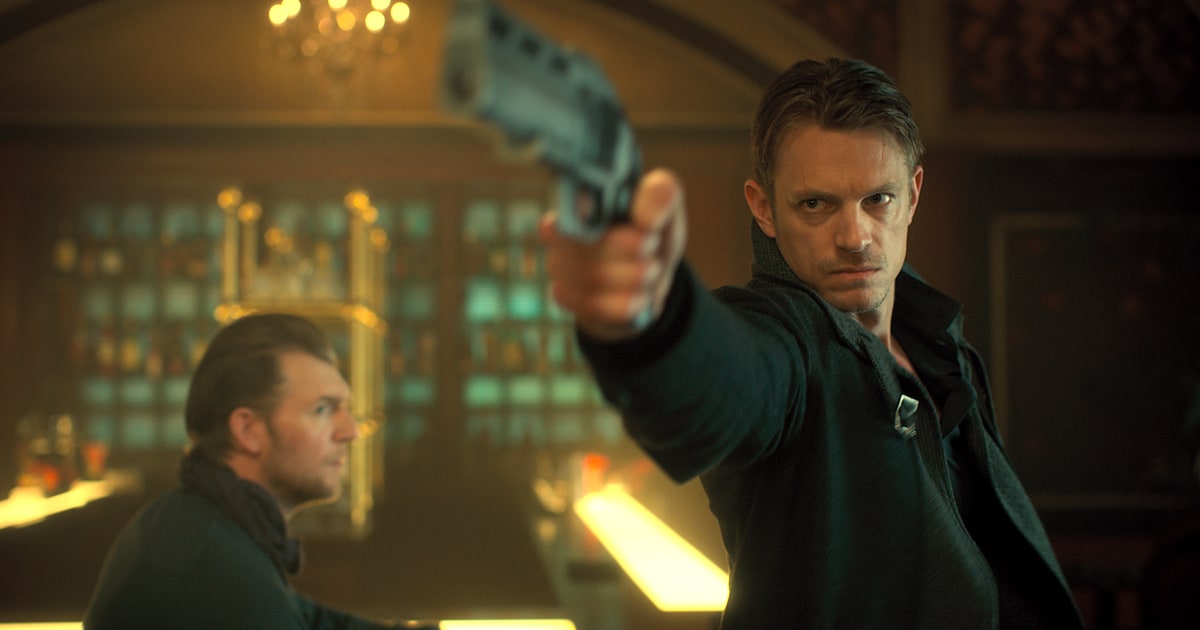
The show focuses on Takeshi Kovacs (Joel Kinnamen and Will Yun Lee), a revolutionary soldier who was captured and placed into a new sleeve hundreds of years later. This new sleeve was activated by Lauren Bancroft (James Purefoy), one of the wealthiest men in the known universe, to solve his own murder. That is the recent murder of one of Bancroft’s previous sleeves. Kovacs was activated because of his reputation as an Envoy, a rebellious group that wanted to end the use of stacks. Envoys are renowned for their tough mental resilience and discipline. which is what Bancroft needs to solve his murder.

 Kovacs grudgingly accepts Bancroft’s offer of indentured servitude in exchange for his freedom. During his investigations, Kovacs travels the seedy underworld of Bay City and the decadent and hedonistic lifestyles of the mega rich, while meeting an interesting cast of characters. There is Kristin Ortega (Martha Higareda), a working-class police detective with an unusual interest in Kovacs, and Edgar Poe (Chris Conner), an AI manifested as a holographic hotel manager. The show also features extensive flashbacks of Takeshi Kovacs’ previous life with people important to him, such as his sister Reileen (Dichen Lachman) and Envoy leader Quellcrist Falconer (Renée Elise Goldsberry).

Due to the nature of his job, Kovacs runs into a lot of trouble, from criminal elements out to settle scores to sadistic hitmen to unsavory VR experiences. Luckily his honed skills as an Envoy allows Takeshi Kovacs to endure his ordeals. As he tries to solve the murder, Kovacs also has to grapple with his lost, previous life and finding his way in the new life.

altered carbon cityscape

Altered Carbon is entrancing, exciting and quite gripping at times thanks to its stylistic and noirish, cyberpunk elements that are similar to Blade Runner and intensely violent scenes that are reminiscent of John Wick or The Raid. Each shot is captivating with rich cinematography, not to mention special effects and production design that completely sell the notion this story takes place in the distant future.

Unlike other current TV shows, while Altered Carbon can be binged watched but is not dependent on this. Most episodes seem more self-contained while servicing the main plot of the Lauren Bancroft murder case. It is something of a relief since it allows the episodes to be enjoyed individually. However, its plots can be quite dense, though in a good way, with its usage of unusual words, exposition, and plot twists that may confuse casual viewers and calls for more focused viewing.

A word of caution is warranted, Altered Carbon is extremely violent and has graphic nudity. If this was a film it would be a hard R, so it is not for the more squeamish viewer.

Getting past its grimy nature and lurid violence, it is clear that the intense scenes underline the show’s theme: that humanity is not ready for immortality. By using stacks, most of humanity takes life and their bodies for granted as seen with the way many are too quick to jump into new sleeves after injuries or to take on new identities.  In essence, they have become desensitized to violence and by being so cavalier about the sanctity of the physical body these people are losing their humanity.

Altered Carbon is a stylistic, hard-edged sci-fi yarn that engrosses you with eye-popping visuals, intense fight scenes, and captivating and tortured characters. But more than that, Altered Carbon does what a a true sci-fi tale sets out to do: to extrapolate where humanity may go.

José Soto


The Pitfalls Of Wakanda’s Revelation In Black Panther

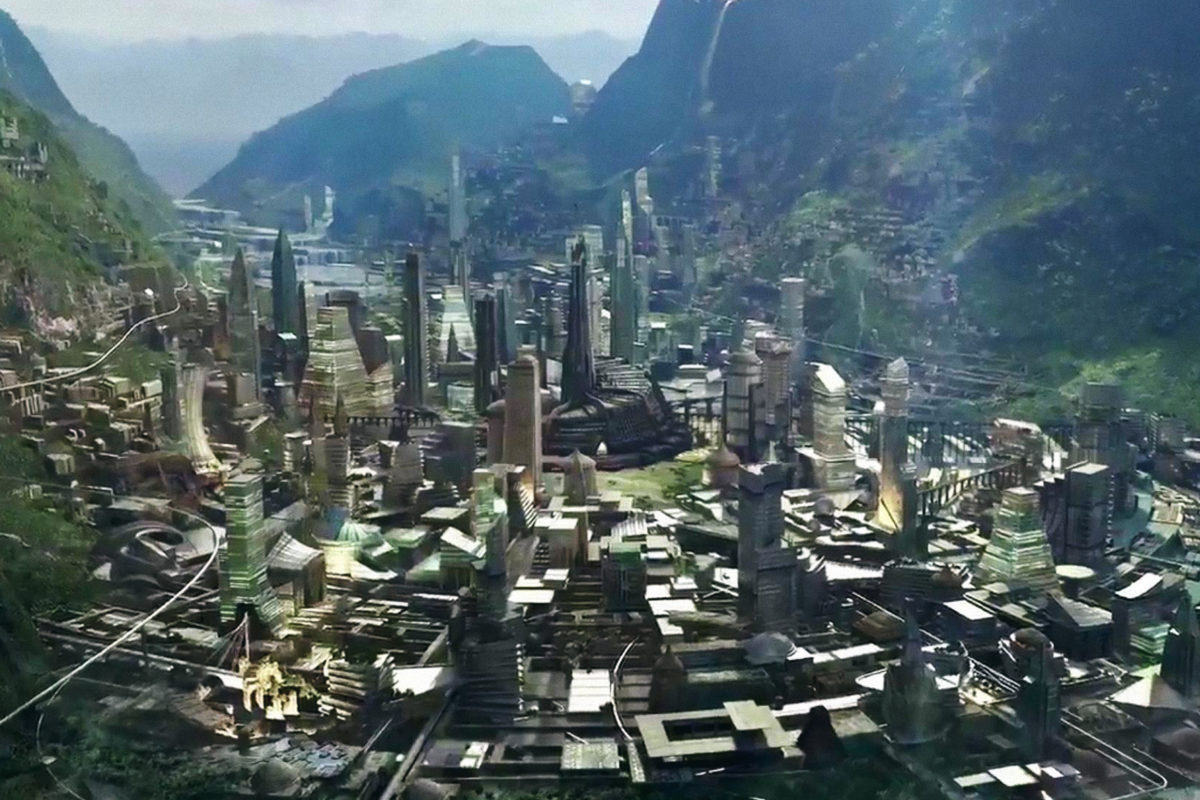
black panther at wakanda

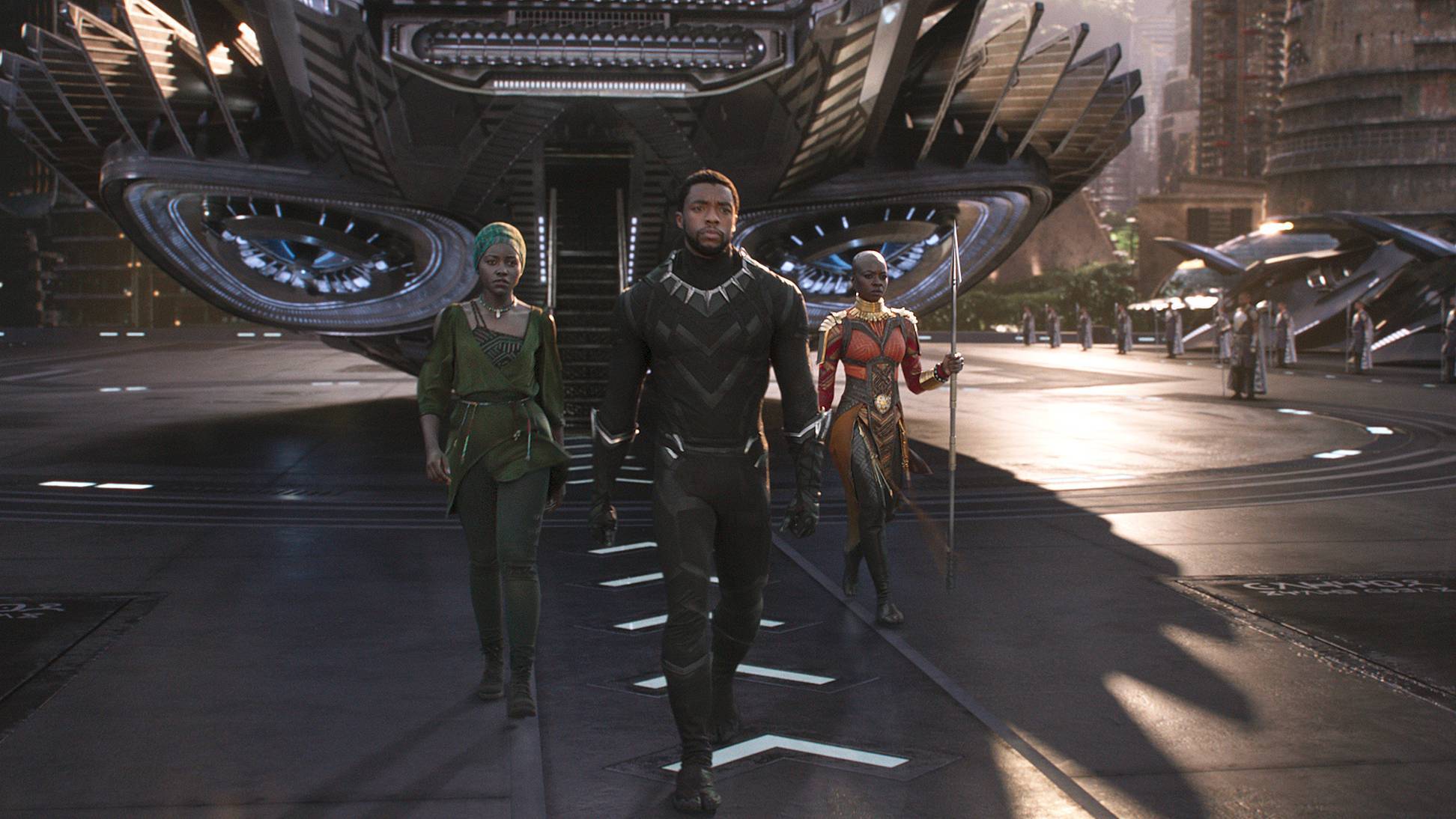
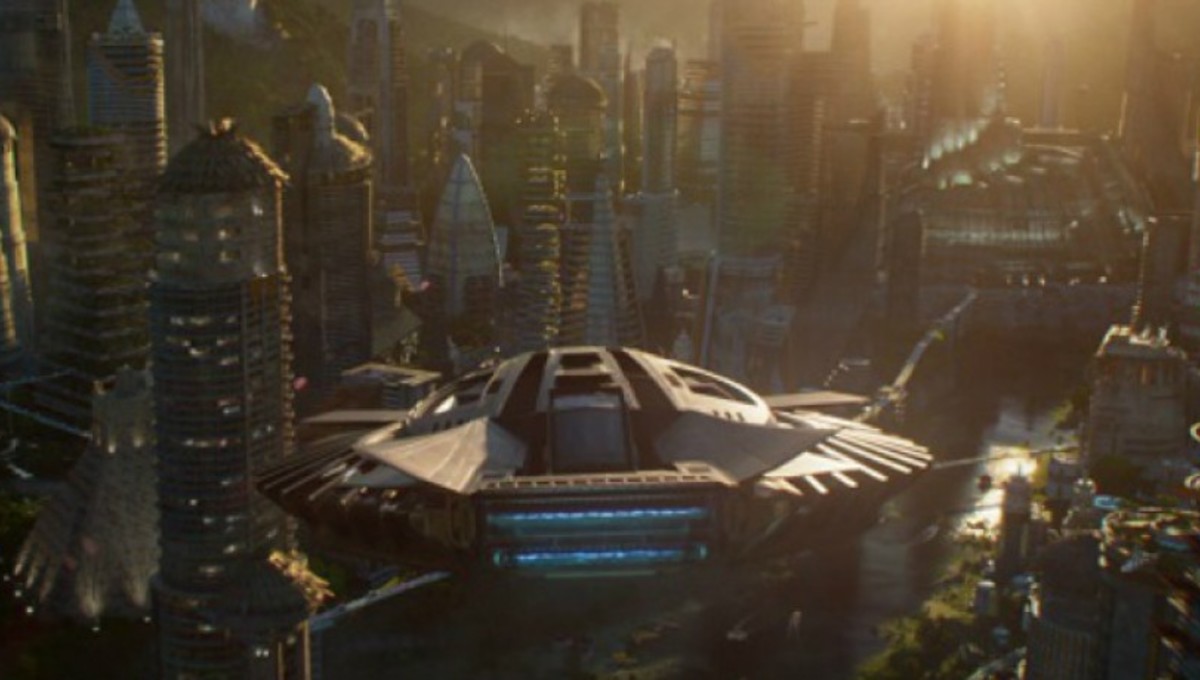
By now all the hardcore Marvel Cinematic Universe (MCU) fans have seen the phenomenal hit Black Panther. Anyone who has not seen it yet should note there will be slight spoilers here. With that stated, one outstanding highlight of that film has been the depiction of Black Panther/T’Challa’s home country Wakanda, an African-centric, futuristic marvel. Seeing the advanced technological society was quite inspiring and offered an optimistic vision of where we might be headed. However, the fictional African nation faces significant problems when dealing with the outside world.

Wakanda became the most technologically advanced country because of its rich vibranium deposits. The technology shown in Black Panther places the country a few decades ahead of contemporary countries. The citizens enjoy advanced mag-levs, nanite-laden clothing and hardware, plus energy-based weapons. The isolationist nation could have conquered the entire world and this is the main point of the film’s villain Killmonger, who wants to use Wakandan technology as a form of retribution for the West’s subjugation of oppressed blacks worldwide. During the course of the film, Black Panther decides to  open up Wakanda to the outside world and share his country’s gifts with everyone.

That is a noble thought. If things go as planned Wakanda will be able to bring up the rest of the world to its level. But by opening up Wakanda, T’Challa opened up a can of worms. How will the world react to the idea that a super-advanced civilization existed right under everyone’s noses? Of course, there would be elation but it is likely that humanity could react with suspicion and envy. Many would question why Wakanda remained isolated for so long since they could have prevented or intervened in many worldwide catastrophes like major wars, famines, pandemics and so on. The revelation would spark a new arms race that would be comparable to nations trying to develop their own nuclear weapons. Some nations may even try to invade Wakanda. It does not matter if the African nation is so advanced. One disadvantage it has is its size compared to the outside world. The best defense going forth would be alliances with many nations. Also, consider that the world of the MCU is already more advanced than ours and can compete with Wakanda. Just look at Tony Stark with his continual advancements of his Iron Man armor, which also sparked an arms race as seen in Iron Man 2. Then there are the many remains of alien tech left over from the Chitauri invasion during The Avengers, which is something that Spider-Man: Homecoming and Agents of S.H.I.E.L.D. explored.

From a storytelling perspective Wakanda and its breathtaking society may wind up becoming de-powered in the future. The reason is that the technology shown in Black Panther is nearly on par with that seen in futuristic films like Star Wars and Star Trek. If the entire world in the MCU were to advance to Wakanda’s level it would become less relatable to viewers. Part of the appeal of the MCU films and other superhero stories is that they tend to take place in modern society. There are many ways around this dilemma, but the ramifications of Black Panther’s decision are terrific story material worth exploring in future Black Panther tales.

Lewis T. Grove

Star Wars Rebels Has A Fitting Farewell

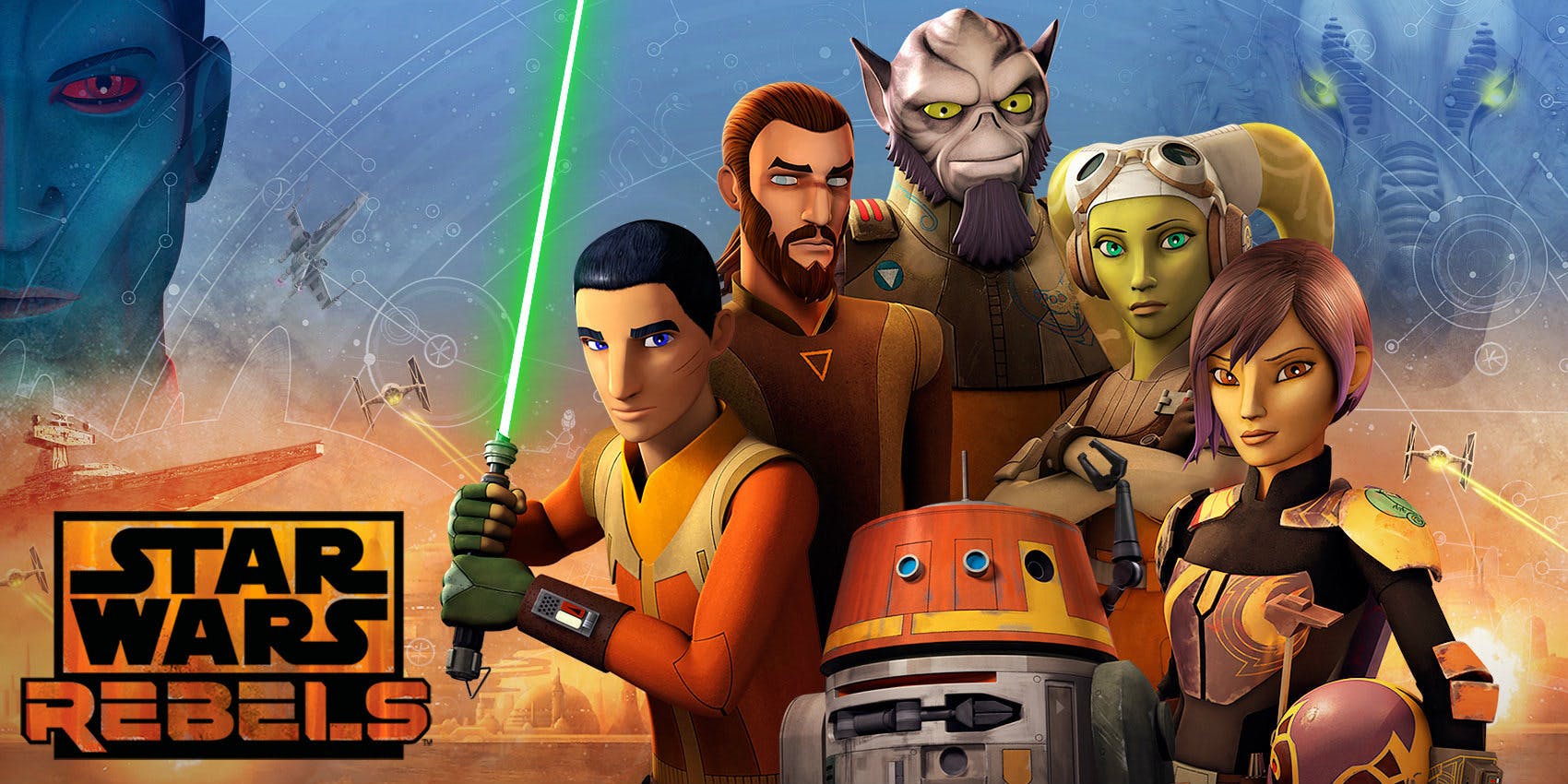
Star-Wars-Rebels-Season-4-Banner

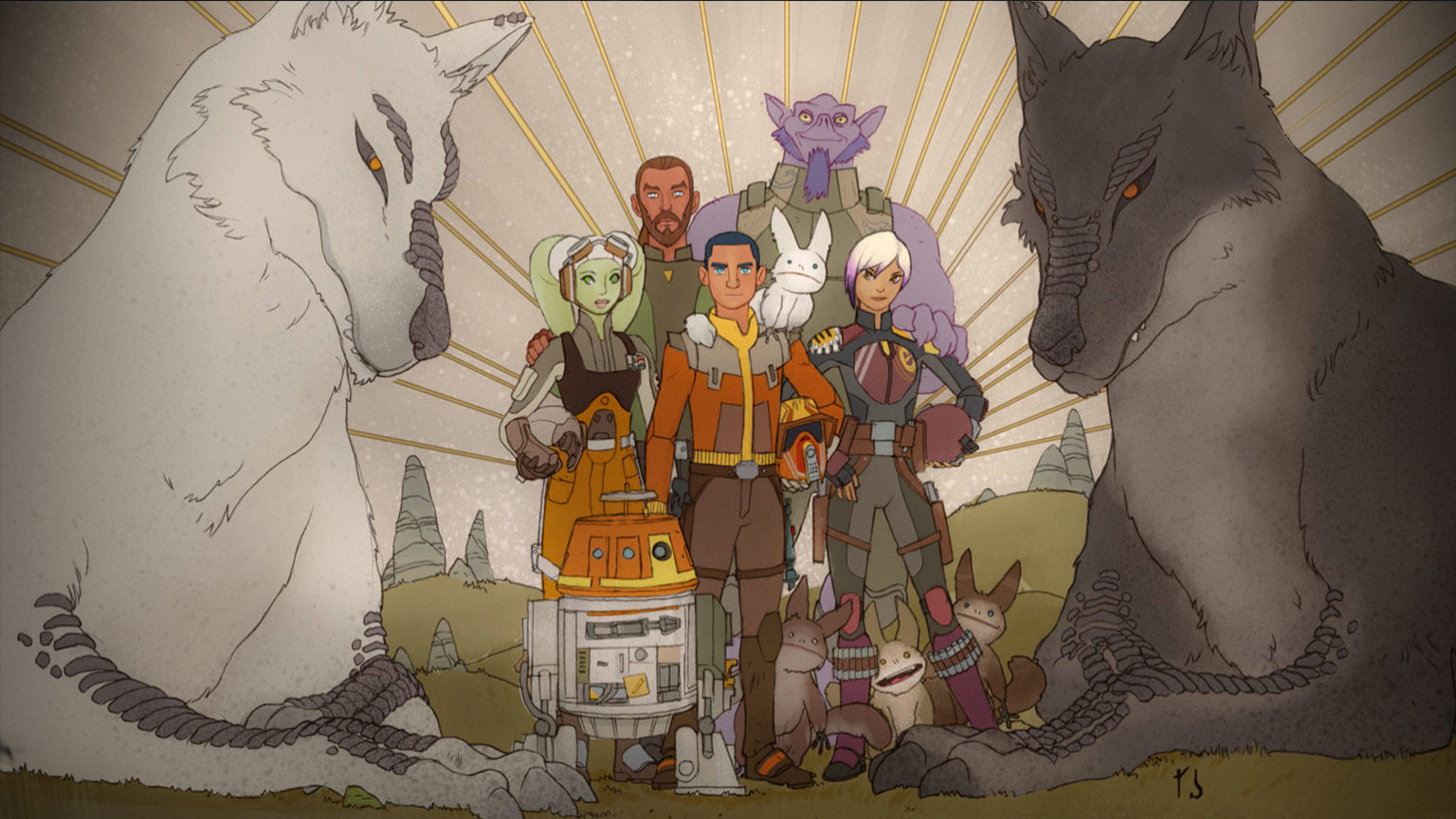
Star Wars Rebels has now finished its run and has seemingly tied up the loose ends fans were wondering about when these new characters were introduced during the series’ beginning. Specifically Jedi Knight Kanan Jarrus, and his apprentice Ezra Bridger. In the case of Kanan, his story concluded in the episode “Jedi Night” where he sacrifices himself to save his friends and destroy an imperial installation. The antepenultimate episode “A World Between Worlds” truly embraced Star Wars’ mystical side with seemingly magical wolves on Lothal aiding our heroes. Plus, Ezra transported to a nexus in time and space by using a Jedi temple mural and rescued Ahsoka Tano from her supposed end while fighting Darth Vader in the season 2 finale “Twilight of the Apprentice”.

All of this sets up the final episode “Family Reunion and Farewell”, where the remaining heroes launch a final plan to free the planet Lothal from the clutches of the Galactic Empire. Ezra Bridger faces his fears and feelings for his lost parents and withstands a final temptation by Emperor Palpatine. Ezra is also able to help his friends free his homeworld, kidnap Grand Admiral Thrawn and disappear with him into parts unknown by using interstellar space whales that can travel in hyperspace. Yes, you read that right. The epilogue is very interesting in that it shows the other characters fans have come to know and love surviving the Galactic Civil War. General Hera Syndulla had Kanan’s child and took part in the Battle of Endor, as did Zeb Orellios, Rex and Sabine Wren. Sabine herself states in the episode’s final moments that Ezra is still alive and out there somewhere, and along with Ahsoka, they both set out to look for him.

Thus concludes Dave Filoni’s companion piece to his earlier show Star Wars: The Clone Wars. The fact that he was in charge of Star Wars Rebels helped to maintain a sense of continuity between the shows, with several characters from the first show appearing in  Star Wars Rebels, especially clone trooper Rex, the pirate Hondo,  and Anakin Skywalker’s Padawan Ashoka Tano. Similar to Star Wars: The Clone Wars, the quality of Star Wars Rebels increased as the series went on.

The very beginning had Ezra Bridger with a slingshot, which seemed silly and stoked fears that Rebels was just going to be just a dumbed down kids show about Star Wars, but he matured as the show went on and the relationships between the crew of the Ghost developed quite nicely, as well as their trials and tribulations as a small band of partisans trying to do good in the galaxy. “Family Reunion and Farewell” showed quite well how our heroes’ struggle against the Empire finally ended with freedom for their homeworld. Also, the Rebellion finally took a stand against the Empire, and the fight for freedom truly starting to take shape.

The show added quite a lot to the lore of Star Wars by showing the origins of such varied things like the B-Wing fighter, Mon Mothma and Senator Bail Organa organizing the beginnings of the Rebel Alliance, Princess Leia and Lando Calrissian in early adventures with the show’s characters, bringing fan favorite Grand Admiral Thrawn out of the Heir To The Empire books, and Obi-Wan Kenobi and Darth Maul having a final confrontation on Tatooine. It also gave something of a conclusion to Star Wars: The Clone Wars, (something the show was denied when it was canceled by Disney) by having Ahsoka’s fate revealed and with her confrontation with  her former master.

Star Wars rebels mural

 The two shows are linked in this way obviously due to the involvement of Filoni who oversaw both series and is now in charge of overseeing all of the Lucasfilm animation projects. This bodes well for the future of Star Wars shows, since he was able to maintain a high-quality storytelling throughout the run of both Star Wars Rebels and Star Wars: The Clone Wars and hopefully will be able to continue this when the next eventual animated show comes along. I have a feeling that this next series will take place between the original and sequel trilogies and bridge the gap between Return of the Jedi and The Force Awakens. A clue indicating this is that Lucasfilm has trademarked the title Star Wars Resistance. I trust that Filoni will be able to bring new and interesting ideas to the new era of Star Wars; something that is needed. But regardless, the legacy of Star Wars Rebels has been set with its emphasis on a crew who became a family, struggling and fighting against seemingly impossible odds and finally overcoming everything and helping to defeat the imperial juggernaut. Not bad for a kids show on Disney XD.

C.S. Link

Ready Or Not, Here Comes Avengers: Infinity War, Earlier Than Expected

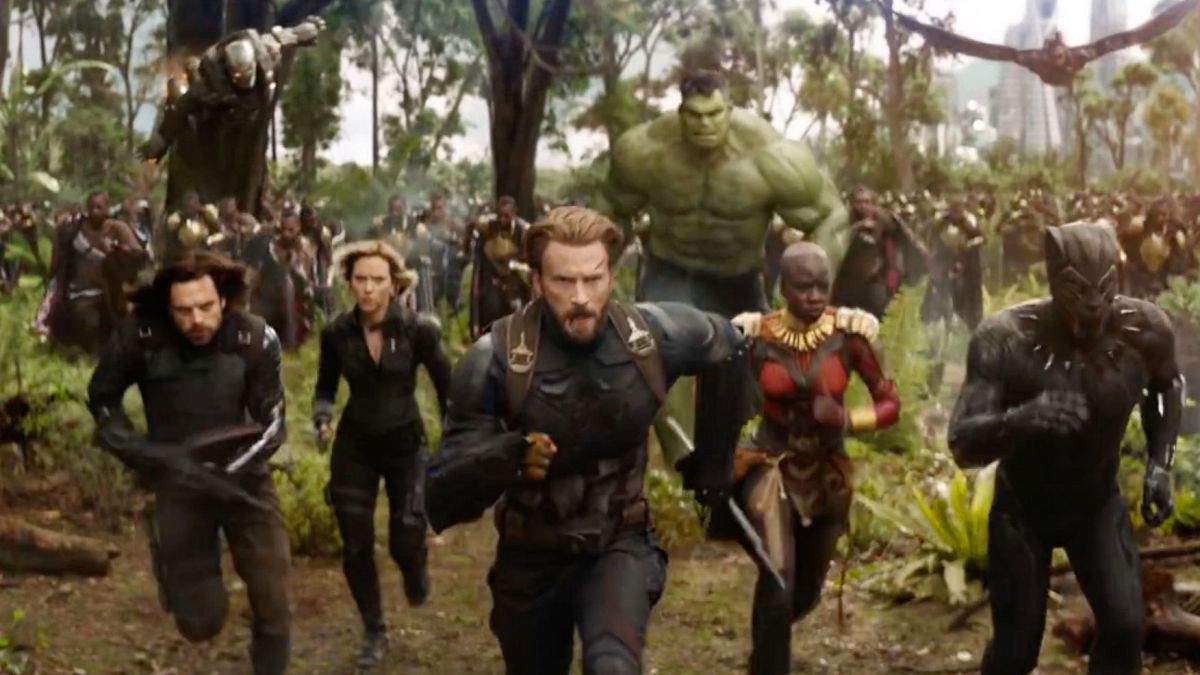
It’s a month early for April Fool’s, so this is real. Marvel Studios announced earlier today in a humorous tweet with Robert Downey, Jr. that Avengers: Infinity War will be released on April 27 instead of May 4. This certainly is a shock and a pleasant one for fans of the successful Marvel Cinematic Universe (MCU) who can now enjoy seeing the epic confrontation between the Avengers and Thanos. But the big question is why did Marvel Studios move up Avengers: Infinity War a week early?

Naturally, they won’t come out and tell us what the real reason is, but we can speculate. The theories are numerous as other sites and video channels are adding their two cents, but here are the best and most likely reasons:

  • Marvel Studios wants to release the film simultaneously on that day worldwide. Ordinarily the studio releases their MCU films a week early overseas before North America. By doing a simultaneous release, spoilers are cut down, as well as pirate copies for impatient viewers.
  • Black Panther is a monster hit and Marvel Studios wants to capitalize on the unexpected success of the film by releasing a film earlier that features Black Panther and Wakanda. Think of it like this, “Hey people, you liked Black Panther? Well here’s some more of him right away.” The reasoning is that momentum from Black Panther will spill over into the next MCU followup.
  • Avengers: Infinity War is expected to be the biggest film of the year and Marvel Studios wants to to do everything in its power to ensure this. They may have been mulling this ever since the release date of Deadpool 2 was moved from June to May 18, just two weeks after Avengers: Infinity War. There is a good chance that if the MCU film has legs and excellent word-of-mouth that it could continue to dominate the box office on May 18, but why take the chance?
  • The changed release date might give Solo: A Star Wars Story some breathing room so that it will not directly compete with a fellow franchise from the same company. Then again, Solo still has to compete against Deadpool 2.
  • The worse-case scenario is that Avengers: Infinity War may not live up to the hype (see: Avengers: Age of Ultron) and Marvel Studios wants to get the most bang for the buck before indifferent or bad word-of-mouth dulls its impact on the box office. Hopefully, that is not the reason.

Whatever the case may be, let’s just be happy that we’re going to get the most anticipated film of the year a bit early.  The summer movie season officially begins in late April this year thanks to Avengers: Infinity War. Maybe this will set a trend.