RIP Warner Bros.

In the end, the tech bros bullied their way to get their toys. After months of threats and whining, Paramount made an offer to acquire Warner Bros. Discovery that was so high that made the previous bidder for the entertainment giant, Netflix, back away. The result? Most certainly, Warner Bros. will essentially cease to exist as it is merged into Paramount.

Paramount already stated that HBO, the premium cable service and its app HBO Max will be merged into its anemic Paramount+ streaming platform and the company will initiate billions of dollars in cuts to Warner Bros. which translates to lost jobs that would have been largely secure if the Netflix acquisition went through. Netflix promised to continue releasing Warner Bros. films in theaters and would have treated HBO and Warner Bros. as a prestige arm of Netflix, but now that is off the table.

Given the result of the last major merger of two entertainment companies, Disney and 20th Century Fox, turned out to be that Fox for all intents and purposes vanished, this development does not bode well for Warner Bros. Then again looking at Paramount’s meager film releases lately (they don’t even have any Star Trek films scheduled to be released this year during the franchise’s 60th anniversary), which has been small and nothing to rave about, perhaps buffering their release schedule with Warner Bros. product may be an improvement. Just keep in mind that ever since Skydance acquired Paramount last year, there has been very little for the company to rave about and they are in significant debt, and will have much more when they complete their purchase. This will likely mean far less offerings from our favorite genre franchises.

This development is very alarming given the closeness the owners of Paramount have with Donald Trump and his administration and their willingness to essentially become a media arm of the administration by hampering critics of the administration. Anyone thinking the bigwigs at Paramount won’t interfere with the creatives will be in for a rude awakening. Yes, Paramount owns Star Trek and the franchise has been derided by the right wing for being “too woke”, which is laughable since Star Trek has always been more progressive than believed and pushed barriers ever since the pilot episode. But it is believed that once the contract for Alex Kurtzman, the top creative behind the current Star Trek franchise, expires this year, Star Trek will undergo a massive rebooting and who knows what will direction it will take under the current owners.
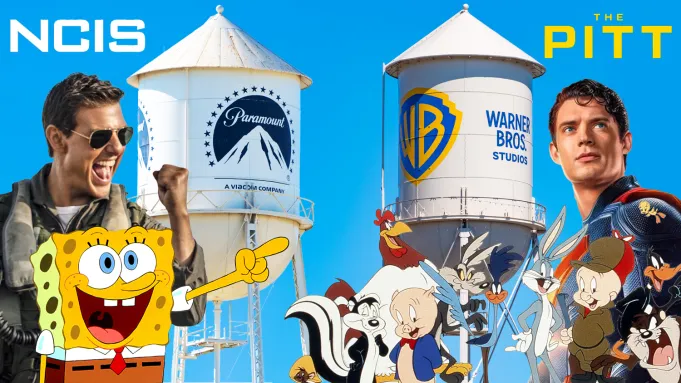
Getting back to Warner Bros., obviously its properties like DC, Looney Tunes, Mad Max, Dune, Harry Potter and Game of Thrones will now belong to Paramount, cue the Star Trek/DC tie-in comics and Spongebob meets Bugs Bunny cartoons. Now, if Paramount had a brain and left its owners’ agendas at the door, it would leave the franchises alone to to do their own thing. Let’s see if this happens.

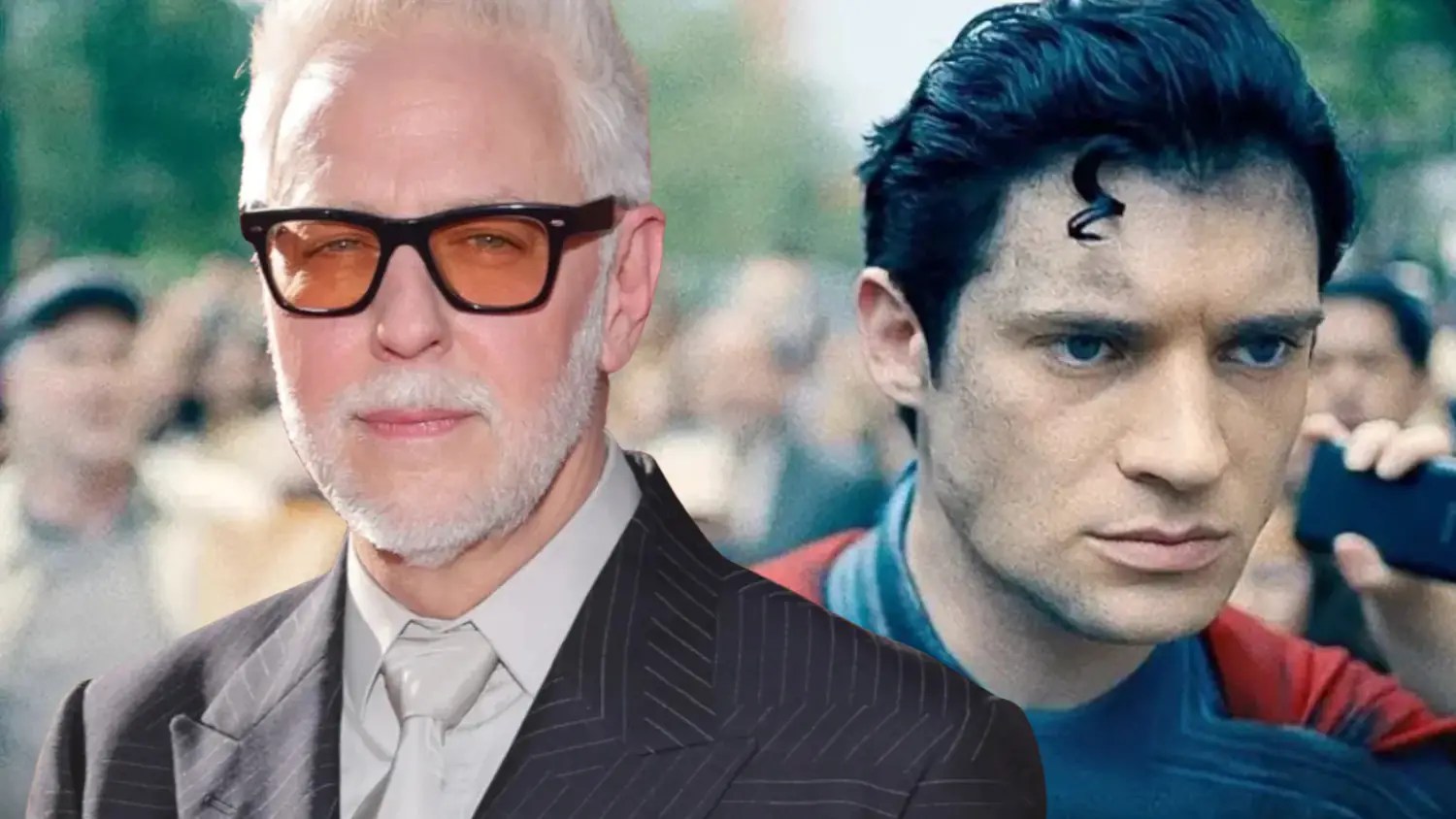
Even though James Gunn and Peter Safran, the current heads of DC Studios, will remain in their positions, according to Paramount, do not expect this arrangement to last. Given Gunn’s outspoken views against Trump and the fact that his film Superman blatantly criticized the policies of the Trump administration, expect some major pushback from Paramount with future DC projects. What could very well happen is that once his contract expires, Gunn will bail and if Disney moved fast they would snatch him up immediately and groom him to take over Marvel Studios once Kevin Feige retires. Even if Disney does not hire Gunn, he will be a hot commodity who will be sought after by the few remaining film studios.

Of course, the merger of two major film studios would violate anti-trust laws, and there was precedent for this when Disney brought Fox in 2017. That event could have been considered a one-off situation, but this one happening less than ten years after the Disney purchase. This could lead to more mergers and in the end audiences and consumers lose out. Don’t be surprised if we get news soon about more mergers. Sure there are laws against this but since when did that impeded the current corporate-friendly government?

No matter anyone’s beliefs, this development is disturbing because the lessening of competition will lead to less choice and increased prices for consumers. Naturally, the only way to counter this is though money, the only thing the corporations listen to. For now, let’s take a moment of silence to commemorate Warner Bros. and HBO for their decades of quality films and TV shows.
The Impact Of Netflix Buying Warner Bros.

In the biggest cinematic and media earthquake since the Walt Disney Company acquired 21st Century Fox and many of its assets, Netflix announced that it will purchase Warner Bros. for $82.7 billion. This is one of the most important events to happen with film, TV, videos, comics, and other media and it will have long-lasting repercussions throughout the media industry.

Up for Sale

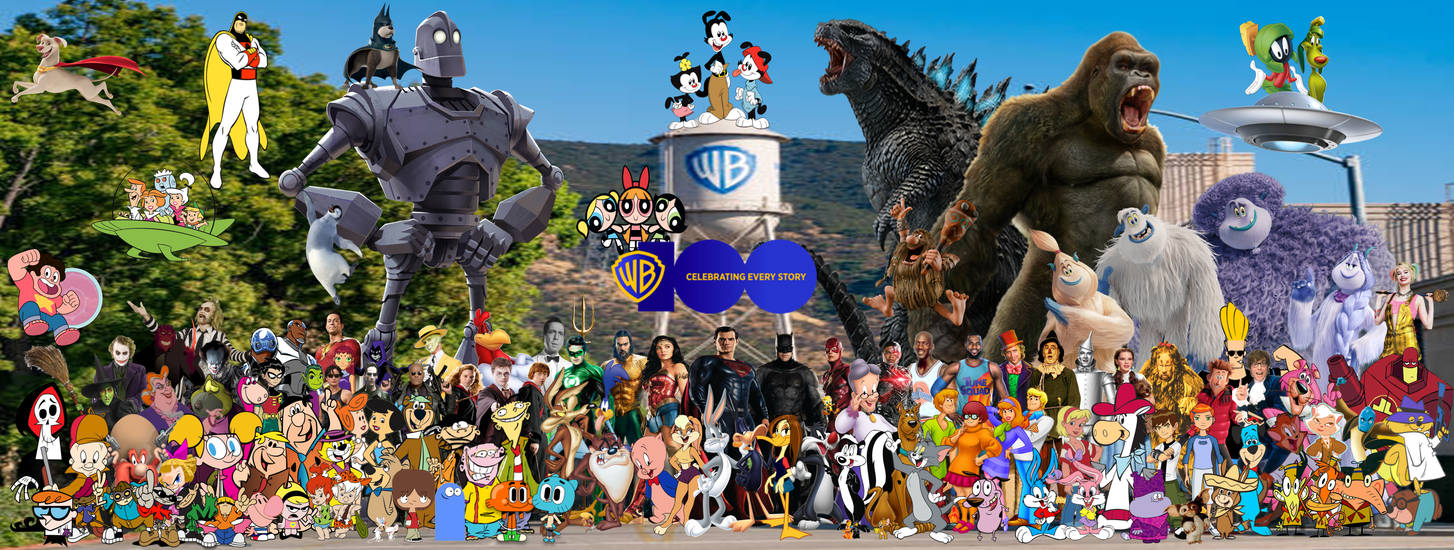
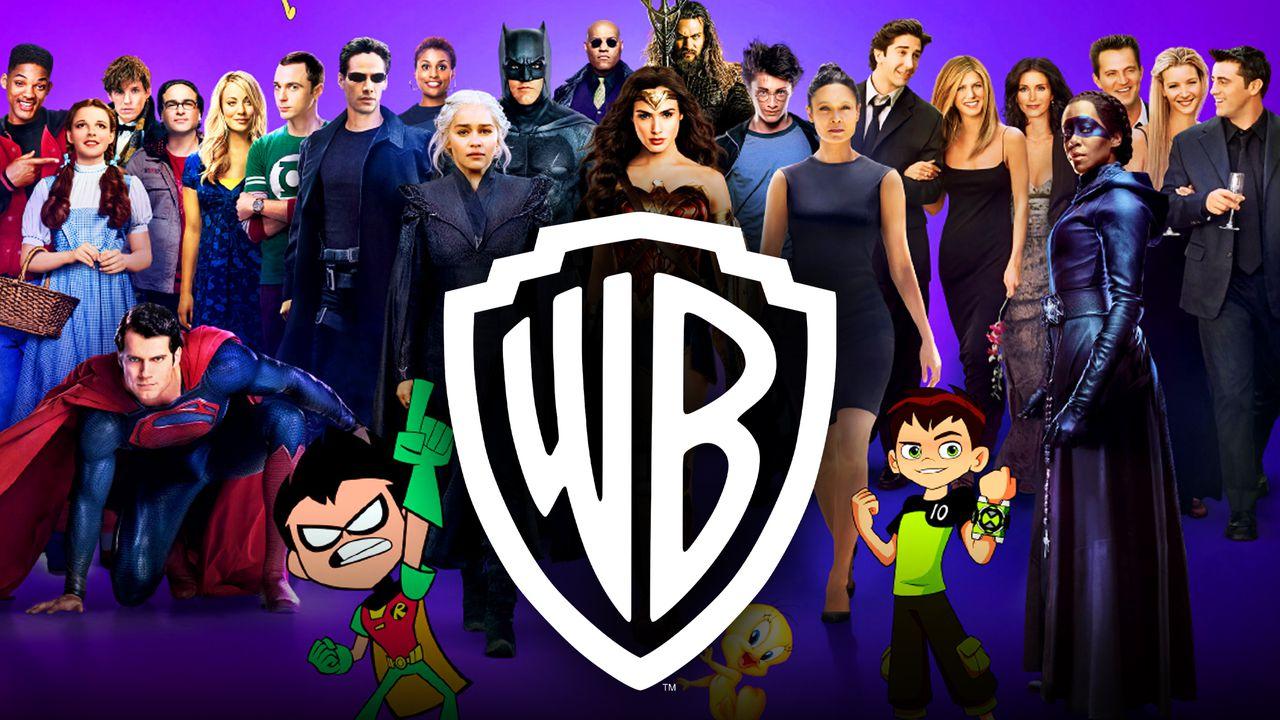
Warner Bros. had been up for sale for some time and several major companies expressed interest in buying it, especially Paramount Skydance. Many expected Paramount to purchase Warner Bros. given their public and aggressive efforts to purchase the company but in the end the streaming giant Netflix beat out Paramount and will acquire the film and HBO segments of Warner Bros. as it chose not to purchase the cable TV channels that were part of Warner Bros. Discovery. This acquisition will give Netflix access and ownership to an impressive film and television library and major IPs, including DC, Looney Tunes, Hanna-Barbera, The Wizarding World of Harry Potter, The Matrix, Game of Thrones, Mad Max and more.

Many have watched the bidding war with caution and were concerned with a possible ownership by Paramount, mostly because its CEO, David Ellison, has openly expressed fealty to the Trump Administration to the point that a Rush Hour 4 has been greenlit simply because Trump expressed interest in such a film. This meant that the government has influence on what media entertainment gets released, which leads to First Amendment questions. Imagine if Paramount bought Netflix and the government had a hand in deciding the direction of DC films, TV or comics. A film like Superman, which openly criticized America’s current immigration policies, would never be allowed by Ellison. On the other hand, the purchase by Netflix has opened up another can of worms that has the film industry reeling because of the implications.

Streaming Influence

One possibility of the purchase is that it could lead to the death of cinemas since the majority, if not all, Warner Bros. films could be released straight to streaming. This would create a domino effect with other film studios copying the release model, which would hasten the demise of the theater-going experience.

This has been a growing problem in recent years that was accelerated by the COVID-19 pandemic which caused many film and TV studios to lean heavily on streaming to provide content to consumers. Netflix has upended the conventional model of film releases where films normally had theatrical lives of a few months before being available on digital or for streaming. This has conditioned viewers to skip going to theaters and just wait for a film to appear on a streaming app a short while after its release. Now it is becoming the norm that films would be released on streaming weeks after a theatrical release and even the same day the film premieres in theaters. Many have speculated that Superman might have had a larger box office haul if it was not announced roughly a month after its initial film release that it would be available for home viewing. While short theatrical runs is convenient and deceptively cheaper for consumers (the idea that they will see the film for free on streaming is silly since they still have to pay for the service), this practice is a major issue with theaters with lost revenue and content.

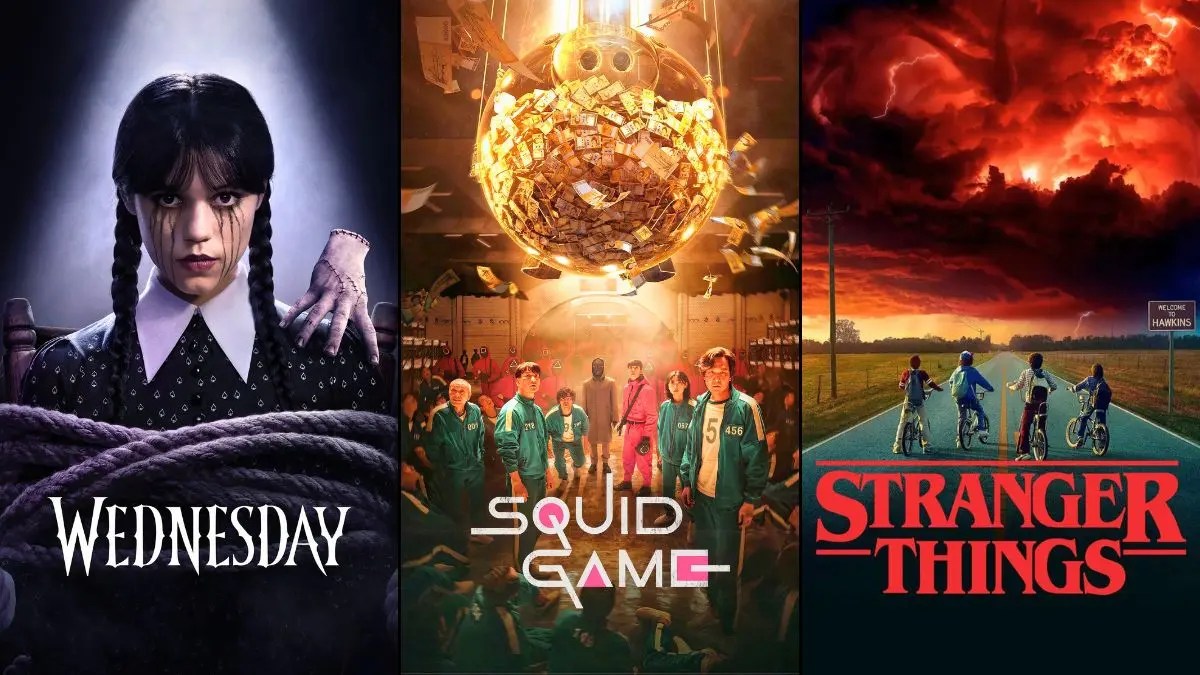
Another supposed plus for Netflix subscribers is that the service will have an even more exhaustive library of content, but now with prestige content. One problem for the streaming company was that recently it did not have easy access to popular content as film and TV companies created their own streaming services. Netflix has been criticized for having a glut of inferior films and TV shows that are just placed on the streaming app with little promotion. It’s true that Netflix has many quality and popular TV and films like Stranger Things, Wednesday, Squid Game, The Witcher, Black Mirror, and KPop Demon Hunters, with the glut of content dumped on the platform a lot of quality product has gotten lost in the overwhelming mixture. How will prestige films and TV shows from HBO and Warner Bros. stand out from the low-budget dreck flooding Netflix’s landing page?

One possibility is that Warner Bros. and HBO could have their own pages or remain as separate streaming services as we see now with Hulu, which is owned by Disney but is its own streaming service that subscribers of Disney+ could access by purchasing a bundle service. This would allow Netflix to have its own prestige platform to stream high-end quality products that stand out in the crowded streaming service.

But do not be surprised when the monthly subscription rate for Netflix increases dramatically to help pay for the $82 billion purchase. Expect to pay up to $50 and more monthly in a few years.

Impact on DC & Other Popular IP

Now the big question genre fans have is what impact will the purchase have on DC Studios and the DC Universe (DCU) and other popular genre IP? For now nothing. There are contracts that have to be honored so projects in production should be safe, so no worries about Man of Tomorrow, Clayface, or Supergirl. However, the head of DC Studios, James Gunn, might get pressured to favor some popular characters like Batman over obscure ones that he favors such as Booster Gold. Let’s hope that Netflix executives learned a lesson from Disney and Marvel Studios, where in the early 2020s the Disney executives forced the film studio to quickly churn out a lot of TV shows and films to fill out content on Disney+ and to announce projects before they were ready. What happened was that a lot of mediocre films and TV shows were released which damaged the reputation of Marvel Studios’ films and TV shows and led to the recent reduced box office haul for some of their films. Sure, Marvel Studios is taking steps to course correct, but they’re still recovering from this misstep.

Getting back to DCU and all things DC, it’s possible Netflix may force Gunn to step up the output of DC films and TV shows since again Netflix wants a return for their investment. Thankfully, The Batman, Part II is about to enter production, which may keep the streaming company off Gunn’s back. On the other, the company might pressure him to make a decision on the DCU version of Batman soon, and casting some of the more popular DC characters in order to greenlight productions already. Despite rumors about Gunn leaving DC Studios, which were rampant when Paramount was actively looking to purchase Warner Bros., it has been reported that Gunn will stay put. Even though there hasn’t been a lot of DCU projects released to date, Superman, Peacemaker and Creature Commandos have been well received and Netflix is not foolish enough to scrap the DCU and go through the trouble to launch another reboot at this time.

One thing to consider is that while the more obscure DC characters may not get the big-screen treatment, they could wind up as straight-to-streaming projects that could be a proving ground for the characters. The main thing is to just let Gunn alone to produce quality product and all should be fine. In fact, this should be the case for all of the film and TV projects.

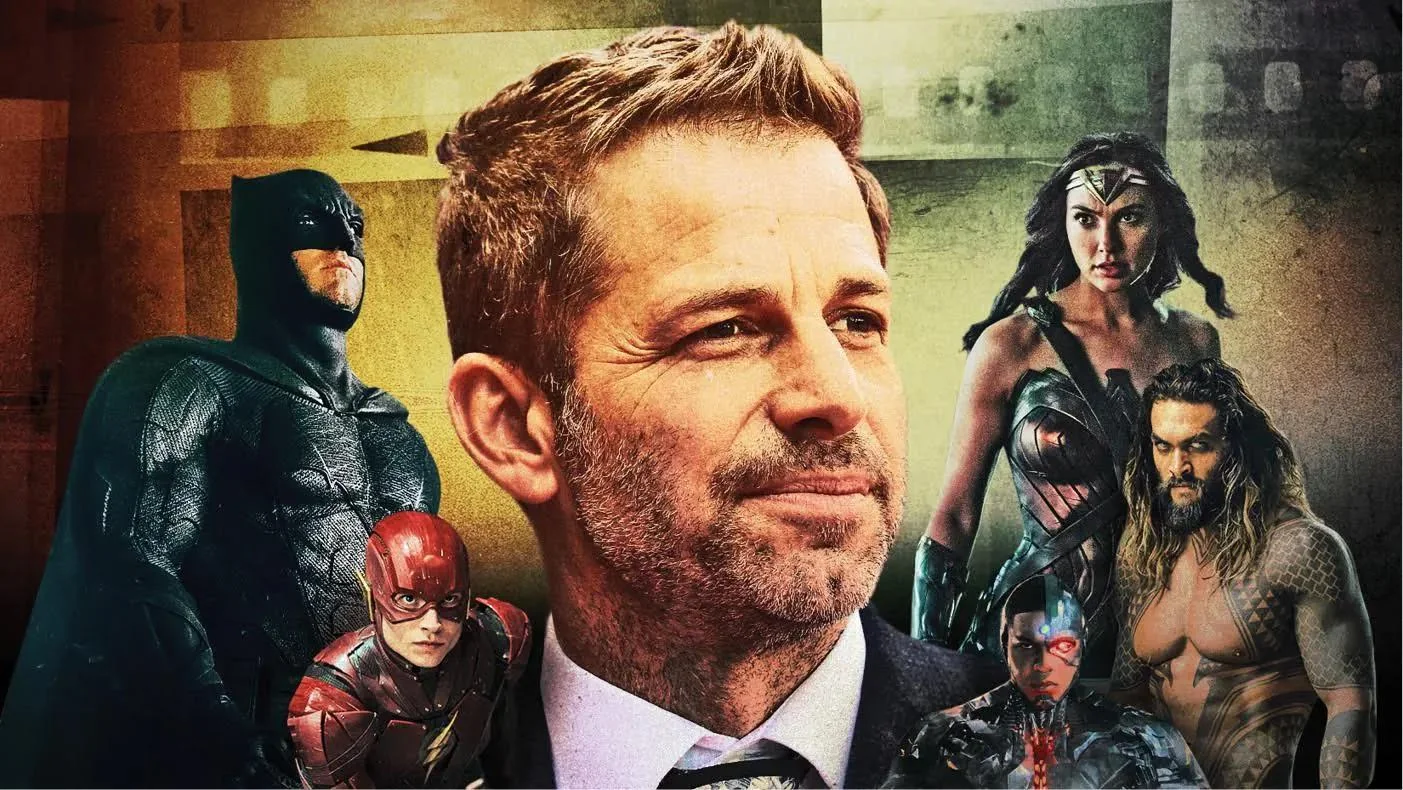
While it’s very possible that Netflix will greenlight a lot of DC animated films there won’t be a revival of the Snyderverse. After the dismal failure of the Rebel Moon films, Netflix has been moving away from filmmaker Zack Snyder and it is doubtful that the company will approve a revival of his brand of DC films. The slimmest of hope for diehard Snyderverse bros is that some kind of Elseworlds animated film will be made.

Oh yes, expect Stranger Things and DC to have a crossover in the comics, along with comic books featuring Harry Potter and other popular Warner Bros. IP.

As for other IPs like Mad Max, It and related Stephen King works, and Harry Potter, there has not been any word yet about them. But it’s expected that Netflix will take full advantage of their newly acquired IP. Announced projects like the reboot of Harry Potter, more TV shows based on Game of Thrones, and the second season of It: Welcome to Derry will proceed as scheduled and if HBO is kept as a separate streaming platform those prestige projects will stream there first before migrating to Netflix years later. Will we ever see shelved projects like Batgirl or genre TV shows that were removed from HBO Max such as Westworld or Raised By Wolves? It’s anyone’s guess, but consider this: these projects were removed to save on paying residuals or for tax write offs by Warner Bros. Without these burdens and with the need to put out recognizable content, it is possible that these projects may have a second life on Netflix.

Of course, there are a lot of hurdles for Netflix such as government approval so it will be at least two years before we see any impact. For now, the company indicated they will leave things alone, and supposedly commit to theatrical releases for Warner Bros. films, which would be to their and everyone’s benefit.

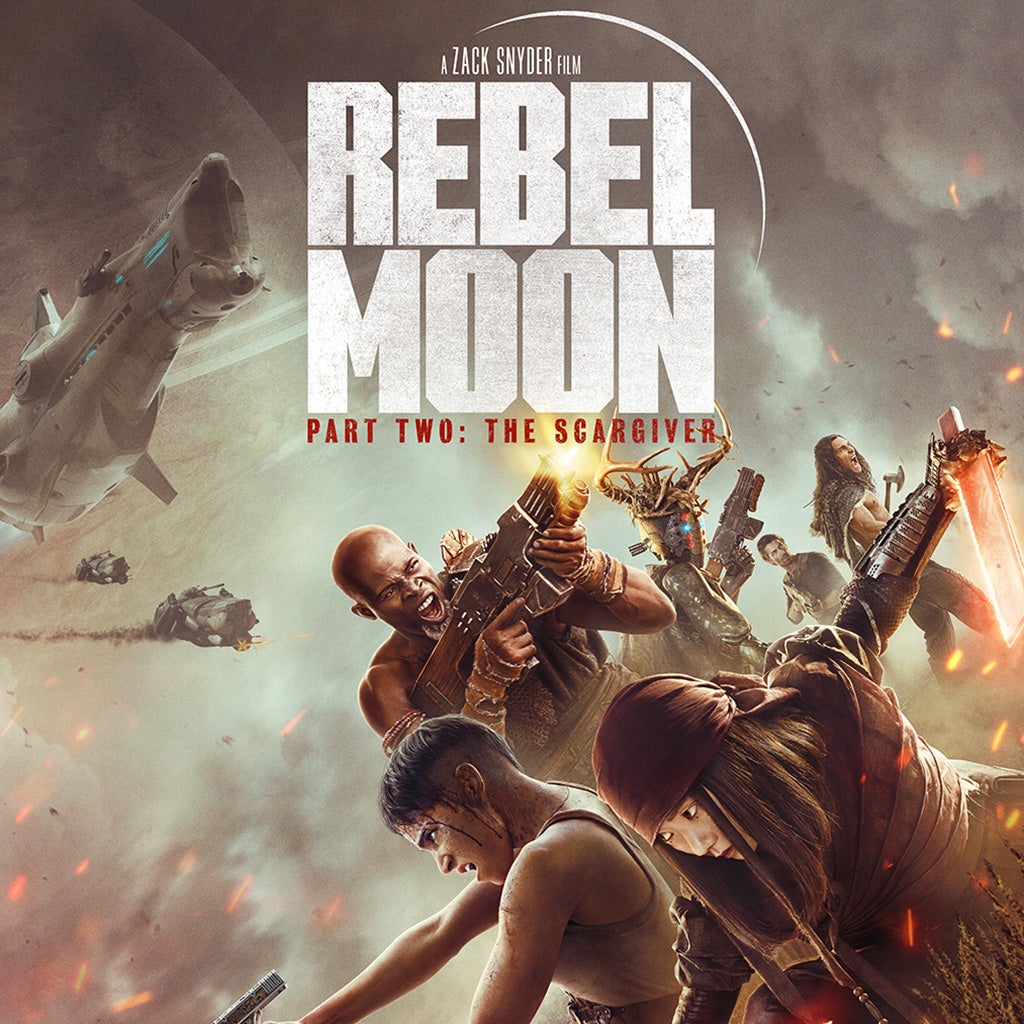
Rebel Moon, Part Two: The Scargiver Is A Perfect Reason For Not Giving Directors Free Reign

Well, Madame Web actually has a competitor for the worse film of 2024. That would be Rebel Moon, Part Two: The Scargiver for those fortunate enough to not have seen it.

Director Zack Snyder’s hardcore fans keep insisting that Snyder should be allowed to do whatever he wants with his films. They claim that his vision for the DC Extended Universe (DCEU) was stymied by idiotic studio heads who then ruined his films and the rest of the DCEU. However, Snyder’s latest film is a textbook cautionary example of what happens when a director is given carte blanche creative control over a film.

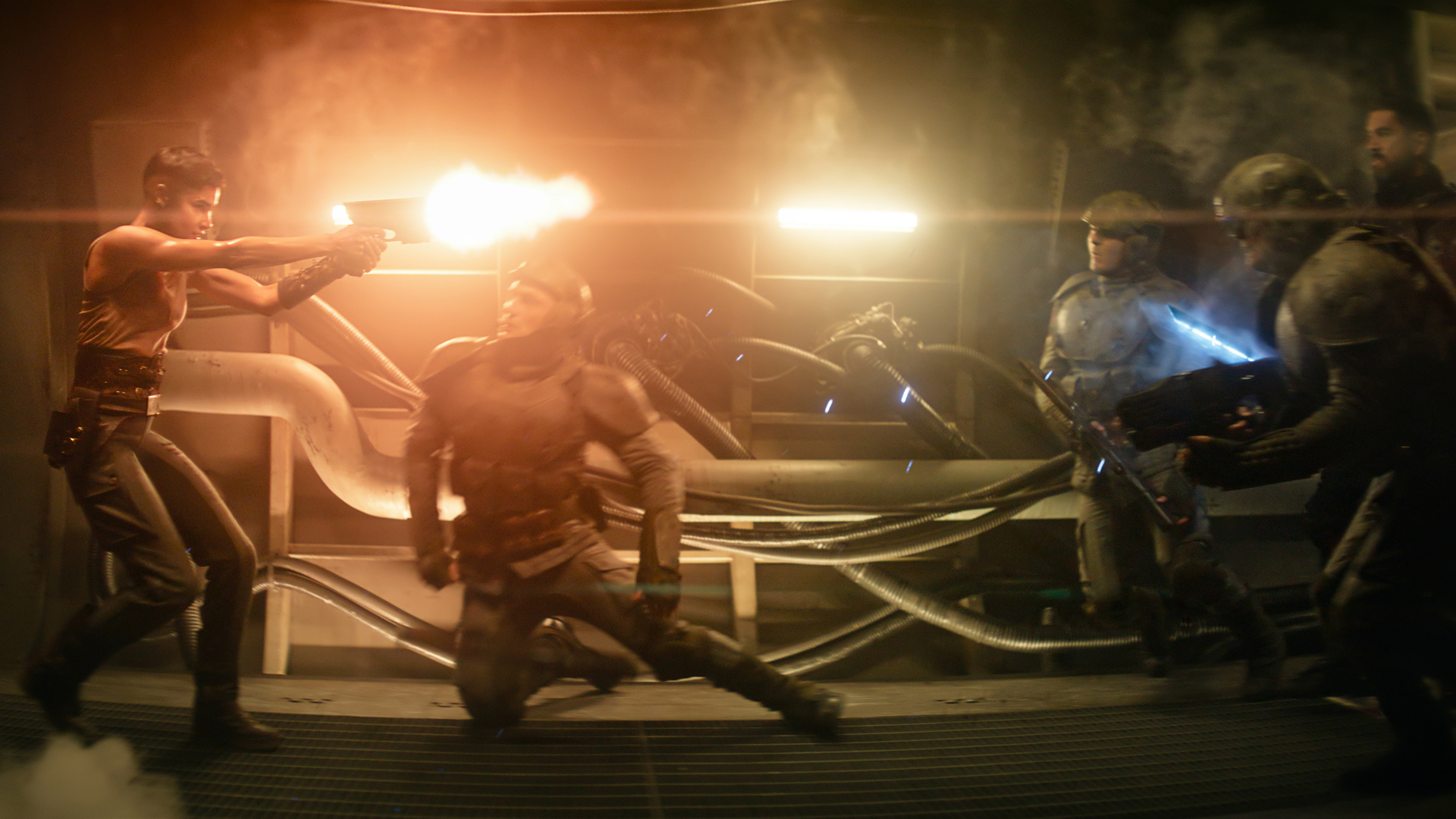
Rebel Moon, Part Two: The Scargiver, which streamed last week on Netflix, is the sequel to Rebel Moon, Part One: A Child of Fire that streamed last December. The storyline is based on a failed pitch for a Star Wars film and it is about a young woman named Kora (Sofia Boutella) who lives in a quiet farming colony on a moon that has to recruit a team to help her colony fend off an invasion by the evil Imperium. It’s essentially a sci-fi remake of Seven Samurai (which has been done before with Battle Beyond the Stars), as she recruits eccentric warriors to defend her colony. The first film was OK with excellent production values and cinematography although the script was derivative of other sci-fi tropes, and man, it was full of slow-mo shots. It was hoped by critics that part two would be a huge payoff for the setup, but that did not turn out as expected.

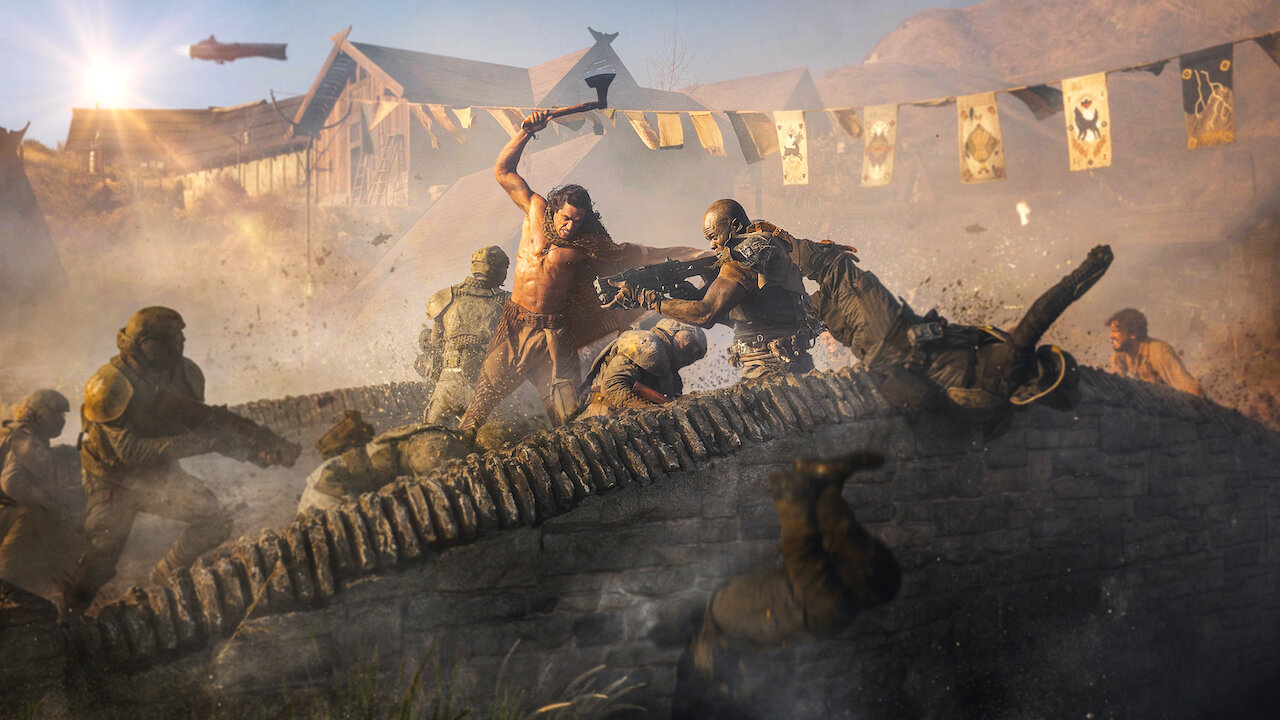
Instead of giving a satisfying and coherent conclusion, Snyder goes all out and indulges in the worst aspects of his cinematic bag of tricks. The film just oozes needless slow-mo shots of people farming, walking, or making any kind of motion. It was slow-mo porn! The film also boasted too many exposition dumps that brought the film’s story into a screeching halt. The scenes were the characters stopped in their tracks to give us extended back stories were clumsily done and were too long thanks to…slow-mo shots. What was worse is that these character expositions did little to endear us to Kora and her team of misfit warriors. The decisions made by the characters in their back stories often did not make sense and in the end none of the stories made the characters memorable. This was clear when not only was there no sympathy for any heroic characters when they died but it was hard to tell who they were during the well-staged battle scenes.

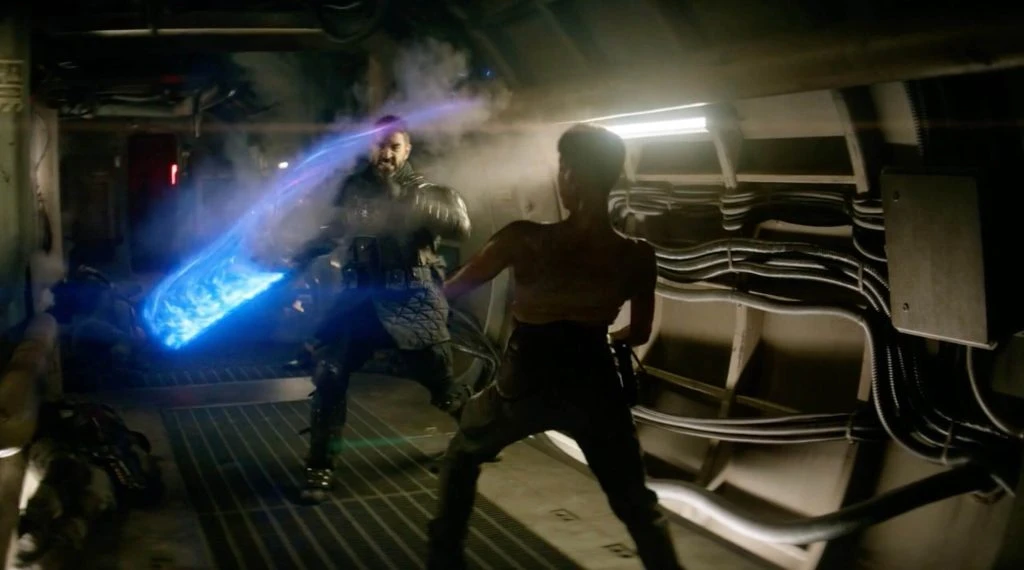
To its credit, Rebel Moon, Part Two: The Scargiver, had great special effects and design that evoked Warhammer 40,000 and of course Star Wars. The final boss battle between Kora and Admiral Noble (Ed Skrein) was well choreographed as they fought with their lightsabres, or whatever the swords are called in the Rebel Moon universe (help us but more films are planned) and Anthony Hopkins was brilliant as the voice of the Jimmy the rebel robot. But logic of the epic battles in the final act did not make sense. How could an advanced intergalactic force fail to detect simple farmers hiding out with weapons? How is it the main heroes are able to take out scores of armored enemy soldiers armed with axes and clubs? This was worse than when the Ewoks defeated the Empire’s forces in Return of the Jedi. All these flaws would have been forgivable if 1) we cared about the characters and 2) the battles engaged us. In other words, the battles were boring, the worst possible insult for action scenes.

While derivative from the start, Rebel Moon, Part Two: The Scargiver had the potential to be a rousing action film that would have been Zack Snyder’s answer to Star Wars. Instead we have to give credit to Lucasfilm for having the wisdom to turn down Snyder’s pitch.

The problem with the two Rebel Moon films boils down to the fact that Zack Snyder was given too much creative freedom and he overindulged his worst cinematic impulses. Yes, Snyder is a very talented director but he needs firm guidance when executing his films. So, if there are more Rebel Moon films, Snyder will have to either control himself or allow himself to be guided by objective partners.

José Soto

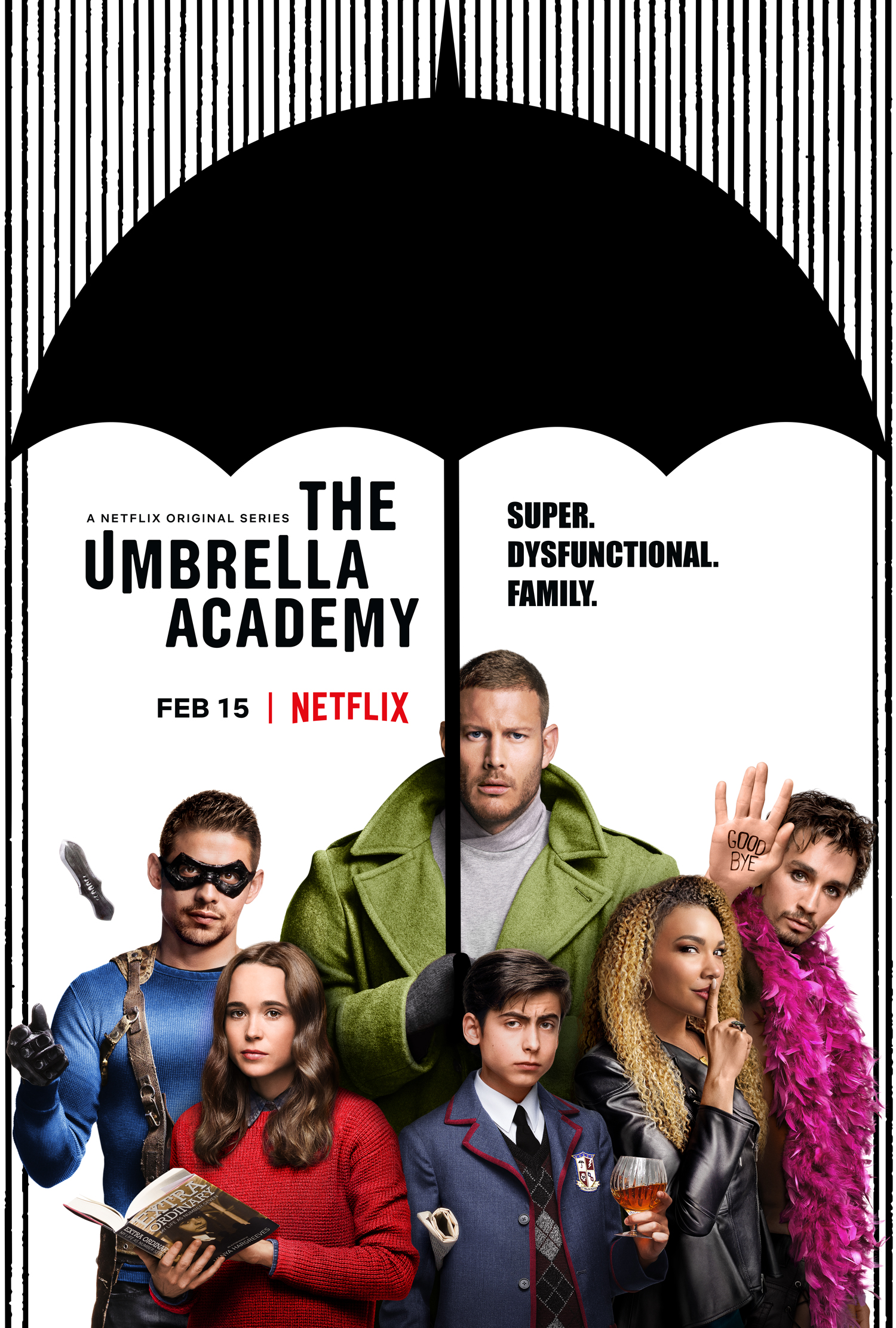
Netflix Moves In New Superhero Directions With The Umbrella Academy

The Umbrella Academy is the newest streaming series from Netflix and is that service’s first step away from their Marvel superhero shows. This time, Netflix adapted the Dark Horse Comics series of the same name by Gerard Way and Gabriel Bá. Both the show and the comic book are a about an eccentric family of superheroes and their dysfunctional relationship. What makes this superhero team stand out is that they were once seven infants who were instantaneously conceived and born back in 1989 at the same time. A goofball billionaire, Reginald Hargreeves (Colm Feore) buys and “adopts” these children then begins grooming them to be superheroes. Eventually they leave him to find their way in the world and away from superheroics.

Flashforward to the present and Hargreeves has died, prompting a reunion by the now-adult children who have gone on their unique and separate ways. Luther (Tom Hopper) is a gentle giant with super strength and lives on the moon in isolation. Diego (David Castañeda) is a rebellious vigilante with extraordinary knife-throwing skills. Allison (Emmy Raver-Lampman) is a famous movie star with the ability to manipulate reality by using the Rumor. Klaus (Robert Sheehan) is shiftless drug addict who can communicate with the dead, including the sixth member, Ben (Justin H. Min), who died some time ago. Number Five (Aidan Gallagher) can travel through time and space, while the final child, Vanya (Ellen Page), doesn’t have any powers and is treated as the black sheep in the makeshift family.

When the siblings come together, Luther and Diego quickly argue over whether or not their father was murdered. Meanwhile, Number Five was trapped in the future for several decades and is finally able to return to the present to join his siblings for their father’s funeral. But he is determined to find out what causes a worldwide apocalyptic event in a few days that wipes out humanity. At the same time, he is hunted by mysterious superhuman assassins (Mary J. Blige and Cameron Britton) for unknown reasons. These events bring out revelations about each member of the Umbrella Academy and forces them to drift further apart as it becomes clear that they cannot relate to each other.

The Umbrella Academy is a quirky and entertaining family/superhero show punctuated by offbeat characters, inventive editing and show-stopping action scenes. It’s not as great as some critics and fans are proclaiming. It sometimes tries too hard to be edgy and quirky to the point  that it can be offputting. The first episode was a bit of a chore to get through because the premise’s setup was not particularly engaging. But it quickly picks up the pace and grabs your attention after the first episode.

Some characters like Klaus can be annoying and cloy, but overall all of these oddballs are endearing as they grapple with their father’s memory. He was a cold, distant person who treated them as objects and this created damaging trauma that each of them deal with in their own ways. Other members of the Umbrella Academy and their associates stand out like kindly Luther, Number Five with his dilemma of being an adult trapped in a child’s body and Vanya who struggles to find her place in the world as an ordinary person. Obviously this is not your standard superhero TV show and it is refreshing as it is more like Legion than traditional fare like the CW superhero shows.  More importantly, the characters and their interactions, not to mention the exciting fight scenes, are reasons for comic book and superhero fans to watch The Umbrella Academy.


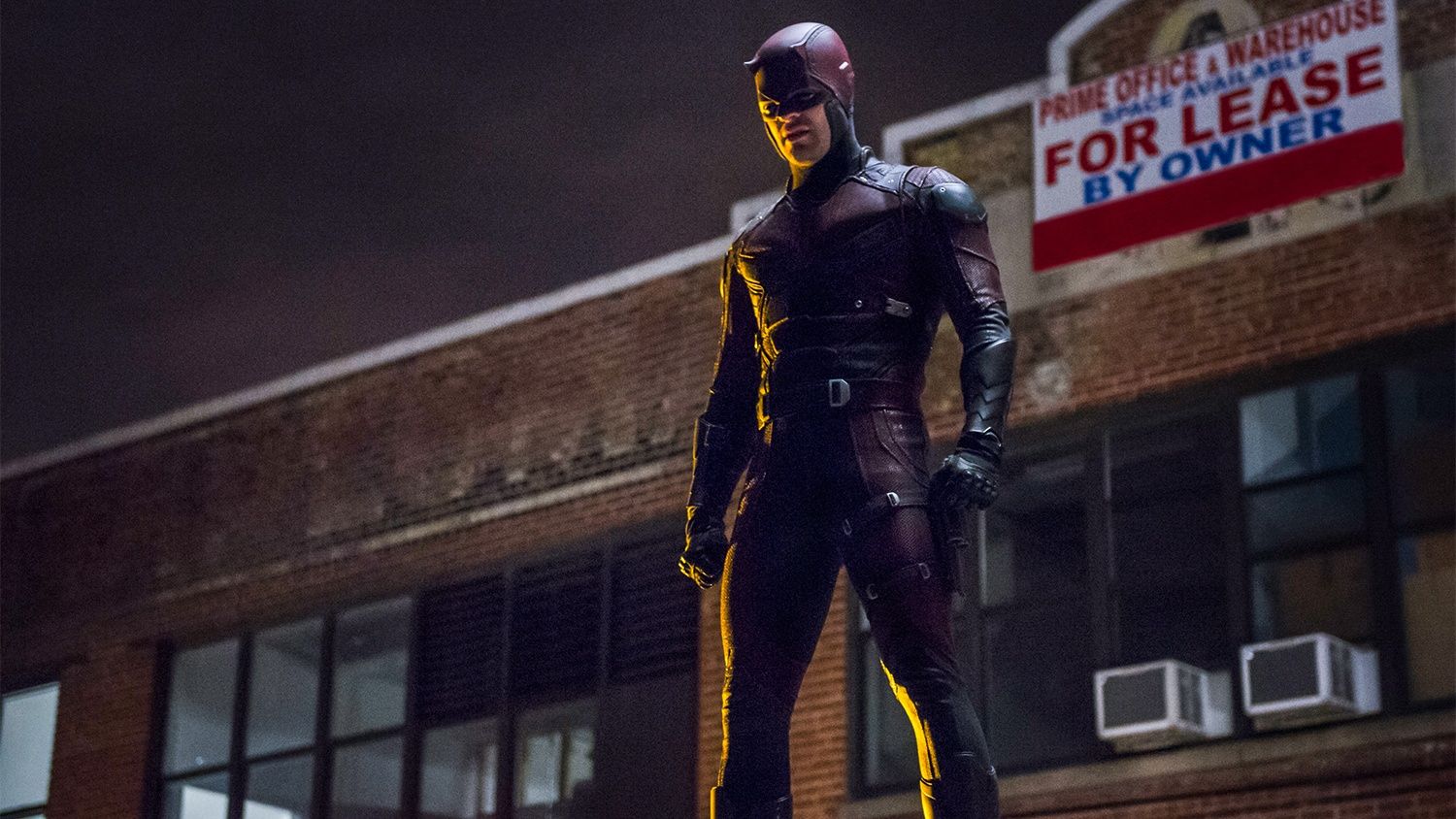
Daredevil Cancelled

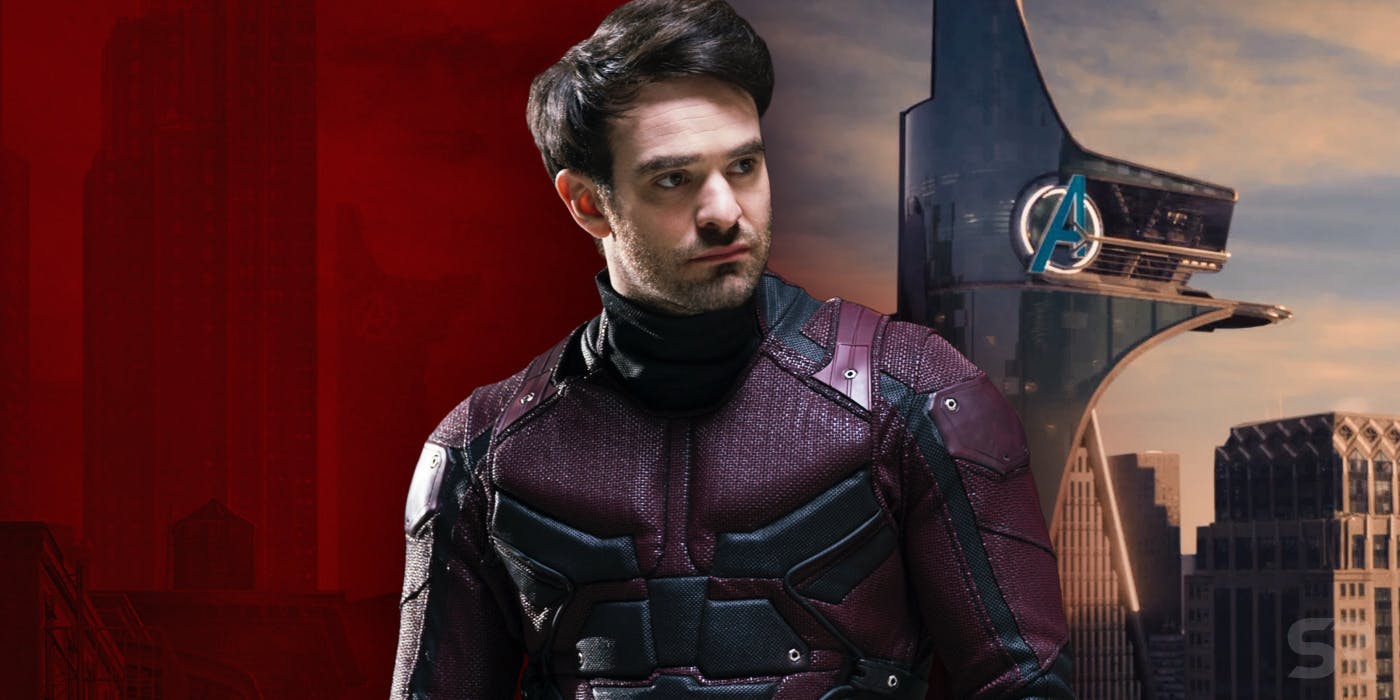
Daredevil, the crown jewel in the Marvel Netflix Universe, has been cancelled by the same streaming service. Many saw this coming in light of recent developments, nevertheless, the news still hit us fans pretty hard. After all, it is the best of the Marvel Netflix shows and we’re still celebrating its triumphant third season, which was released just weeks ago. Now many are asking what’s next for Daredevil? Will Disney pick up a fourth season to stream on its upcoming streaming service, Disney+, or promote the character into the greater Marvel Cinematic Universe (MCU)?

Here is what is known. After Daredevil was canceled by Netflix on Thursday, November 29, Marvel quickly released this statement on the same day:

“We are tremendously proud of the show’s last and final season and although it’s painful for the fans, we feel it best to close this chapter on a high note. We’re thankful to our partners at Marvel, showrunner Erik Oleson, the show’s writers, stellar crew and incredible cast including Charlie Cox as Daredevil himself, and we’re grateful to the fans who have supported the show over the years. While the series on Netflix has ended, the three existing seasons will remain on the service for years to come, while the Daredevil character will live on in future projects for Marvel.”

On another statement released on Friday, November 30, Marvel added, “Marvel is extremely grateful to the huge audience that loved Marvel’s Daredevil. From the moment of young Matt’s first act of heroism to the birth of Page, Murdock and Nelson, it has been an unbelievable journey. We are incredibly proud of the amazing showrunners and writers starting with [exec producers] Drew Goddard and Steven DeKnight, Marco Ramirez and Doug Petrie and Erik Oleson, [stars] Charlie Cox, Deborah Ann Woll, Elden Henson, Vincent D’Onofrio and our casts who brought our characters to life with such excellence, and every one of the fantastic crews in NYC. We look forward to more adventures with the Man without Fear in the future,”

Looking Ahead

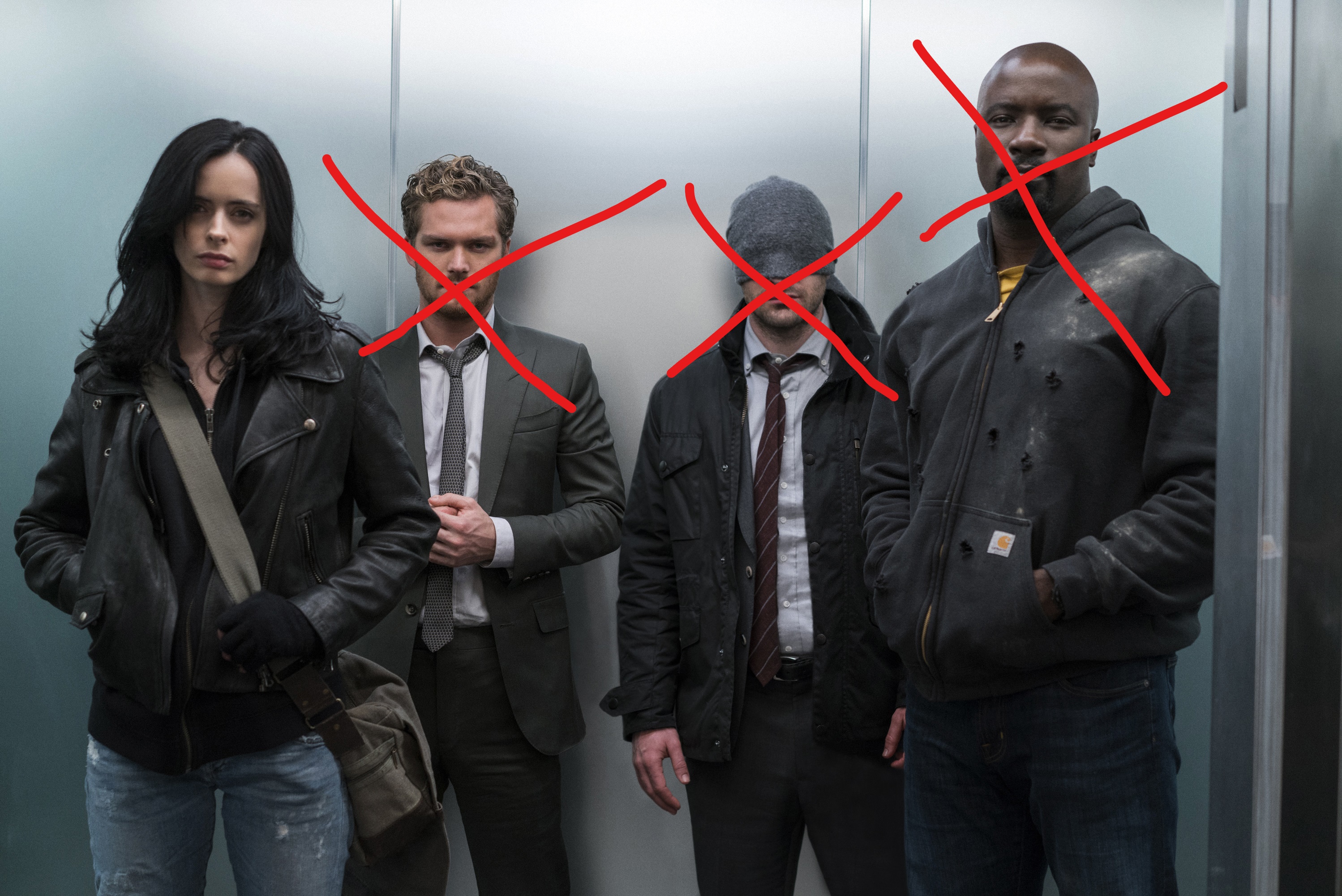
So what does this mean? Is there hope we haven’t seen the last of Daredevil and the other heroes of the Marvel Netflix Universe? Sure, Jessica Jones and The Punisher have new seasons coming up, but with Daredevil’s cancellation, the writing is on the wall for those shows and the Marvel Netflix Universe. Well, trying to read between the spin, the real message is mixed…and most of us won’t be happy.

Marvel (and Disney) owns Daredevil, the character. They have the right and the power to bring him back immediately in any form, whether as an animated film, a live-action movie, appearances in MCU films, etc. But it seems that Netflix owns the rights to the current incarnation, that is the one starring Charlie Cox, who made the character his own. Think of it this way, if Disney got back the rights to the X-Men, but didn’t have the right to use Hugh Jackman as Wolverine or showing the mutants in those black, leather outfits. They could do that now since they own 20th Century Fox, but just imagine this situation as to what might occur with Daredevil.

From the statements, Daredevil will return, but most likely as a reboot. The same way Marvel Studios recast and rebooted Spider-Man, and from all indications it appears that Marvel Studios will do this with the future X-Men films. In Spider-Man’s case, the rebooting was welcome since Sony Pictures’ latest films had fallen short. As for the X-Men, their films have been a mixed bag and lauded stars like Jackman and Patrick Stewart were done with their characters. This situation with Daredevil is especially stinging because the show is so damn good and the third season is arguably its best and lived up to the full potential of the character. The casting was perfect, starting with Cox as the down-to-earth and conflicted superhero and D’Onofrio’s Kinpin just crushes it.

So what is next? Marvel Studios may use the character but not for a while. There is recasting and such to deal with. Disney+ won’t pick up the show for new seasons because Daredevil is more adult-oriented, meaning violent. It would not gel with the family-friendly image of Disney. Perhaps Hulu, which is co-owned by Disney, could pick it up. We would all like that, but it’s not likely. Ditto with the character appearing in the MCU in the short term. No, it most likely means that Cox and the others are out, we won’t see the Man Without Fear for some time and this confirms that the Marvel Netflix shows were never really part of the MCU anyway.

Why Cancel It?

How can Marvel let this go? There were reports that a fourth season of Daredevil was being prepared before the cancellation. The correct question is why did Netflix do this and effectively kill the Marvel Netflix Universe?

Doomed Defenders

There isn’t an official reason for the cancellation. Some theorize that viewership was down, even though the third season received rave reviews and buzz, but Netflix won’t release its numbers. The writing has been on the wall with the Marvel Netflix shows ever since the announcement of Disney+. Tensions between Disney and Netflix came to a boil with the announcement because Netflix will lose many of the Disney films and shows currently airing on the streaming service.

By creating and promoting new episodes of Daredevil, Jessica Jones, Luke Cage and Iron Fist, Netflix is promoting one of the brand IPs of their new competitor. Why would anyone do that? Plus, Netflix reached a deal with Mark Millar to create new non-Marvel superhero shows so why spend resources for their competition? Given how successful Netflix is, the service didn’t need the Marvel brand to pull in subscribers as in the past. It’s hard to fault Netflix though we don’t like the decision.

This development is just terrible, but at least we have the three seasons (and his appearance in The Defenders) to rewatch and enjoy over and over again. Unlike other superhero adaptations, Daredevil hit it out of the park from the very start and we have to thank Netlix and Marvel for finally bringing us a version of the Man Without Fear that lived up to its potential and surpassed it.

Lewis T. Grove