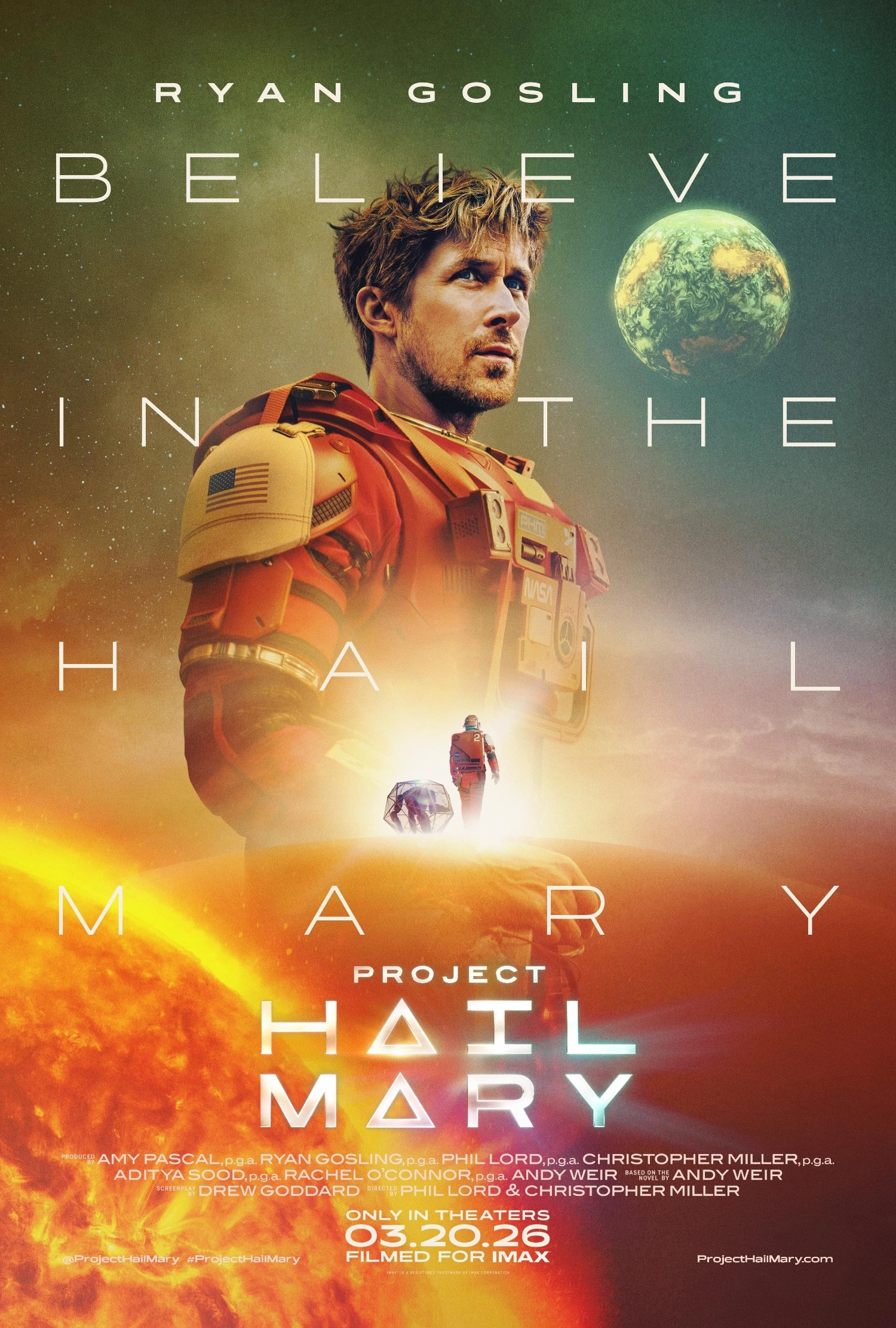
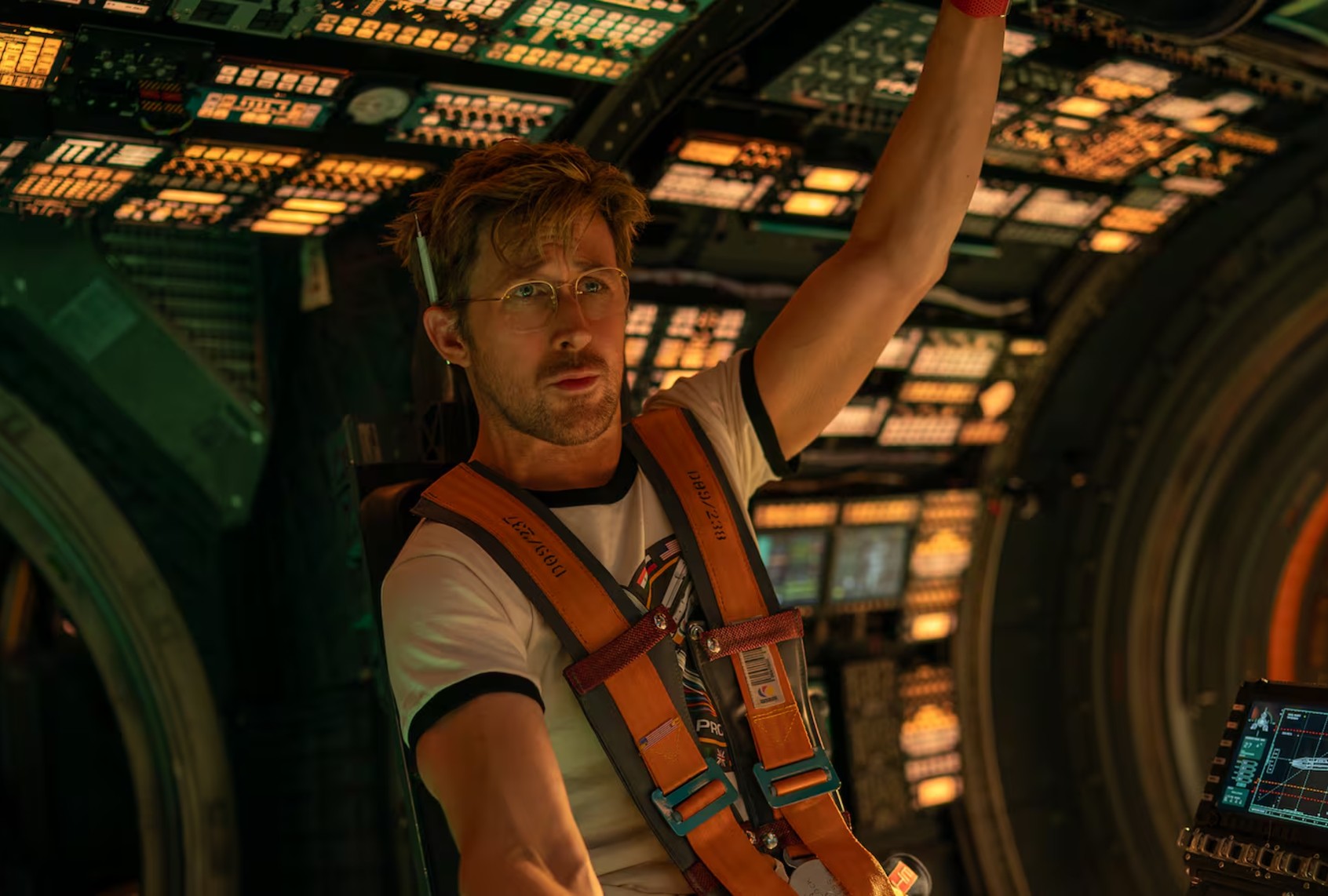
Project Hail Mary is the big-screen adaptation of Andy Weir’s book of the same name and stars Ryan Gosling as Dr. Ryland Grace, a science teacher and former molecular biologist recruited by an international space agency to journey to the star system of Tau Ceti to investigate a strange phenomena. What he finds at his destination or rather who he encounters forms the emotional core of this uplifting sci-fi film.
Grace’s story on Earth is told through flashbacks where we learn that the sun is slowly starting to dim because of these interstellar microorganisms called astrophage. They form a line to the planet Venus because the planet’s atmosphere of dense carbon dioxide allows them to breed, but they are slowly consuming the sun’s energy and in 30 years, the Earth will suffer a catastrophic global cooling that threatens life. Grace, who discovers that the astrophage are alive, learns that all the nearby stars are undergoing the same situation except for Tau Ceti and he is recruited to join the crew of the spaceship, Hail Mary, on a one-way voyage to investigate why the star is still intact.
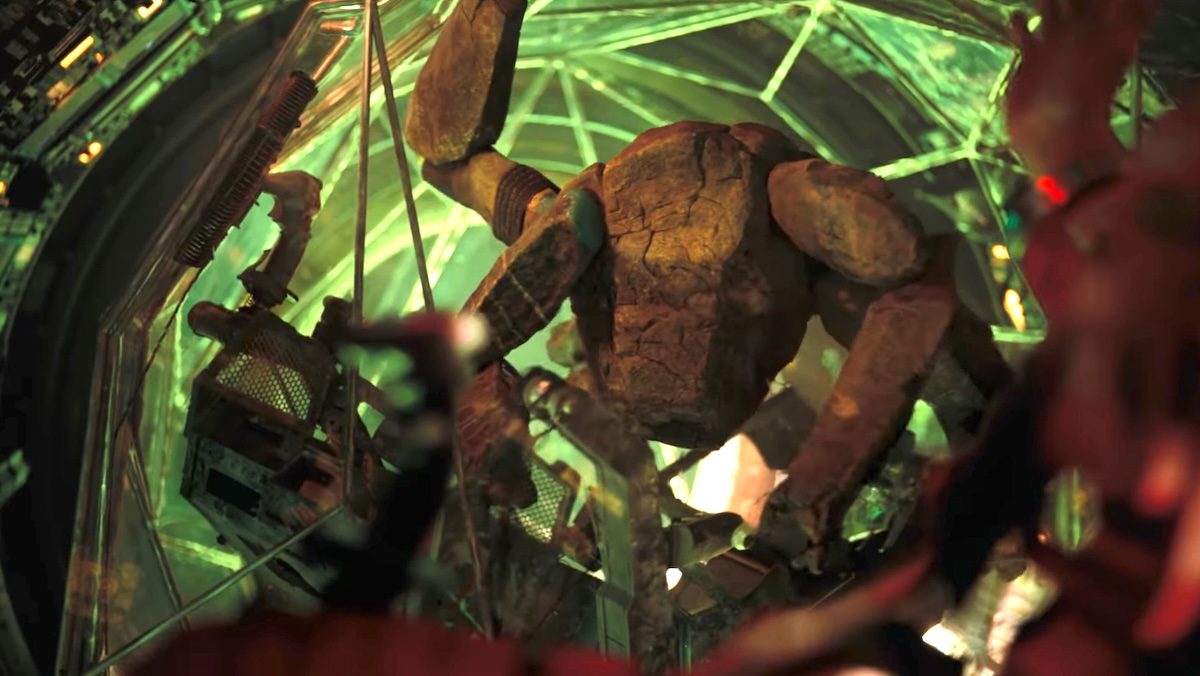
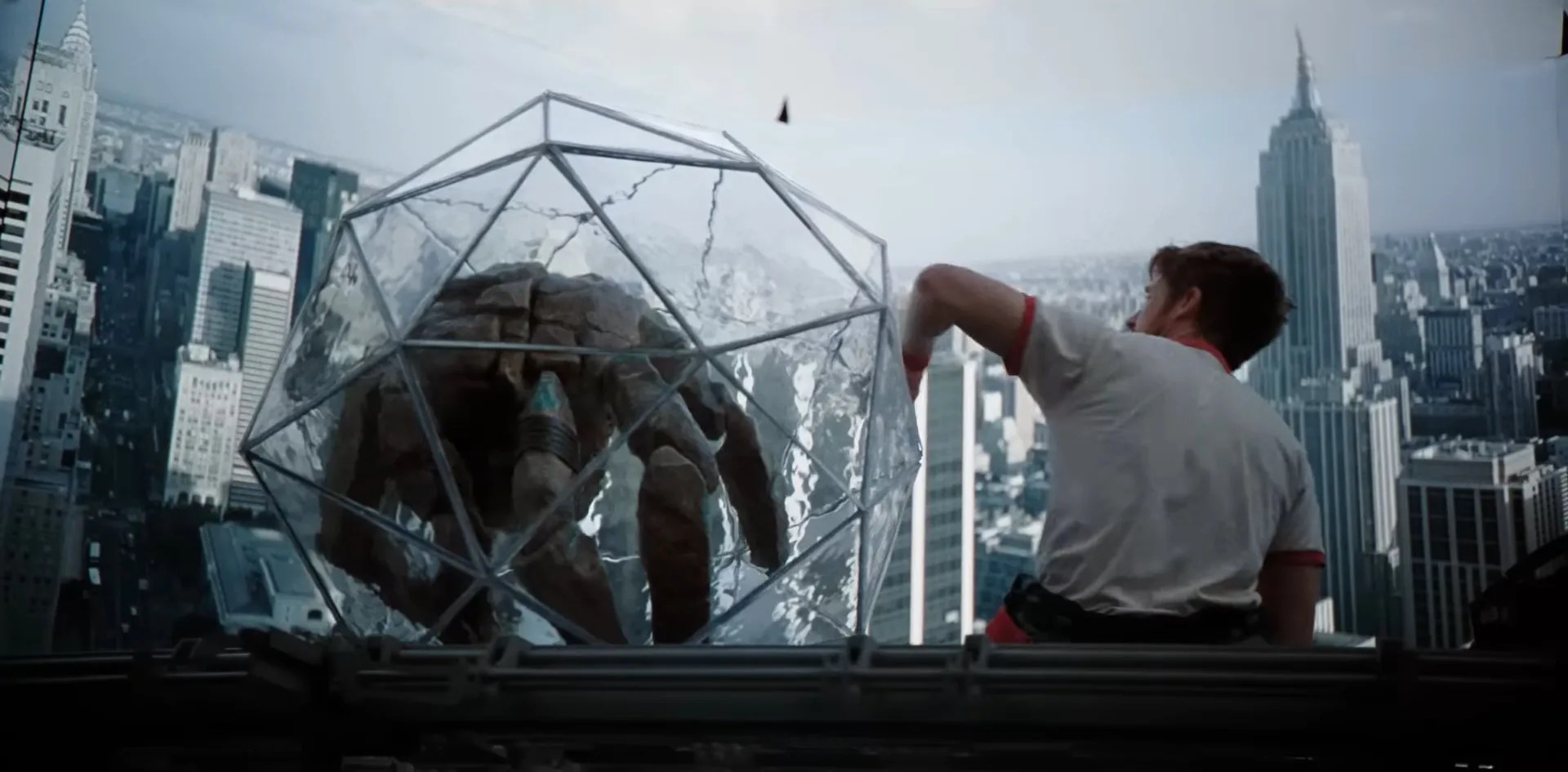
After he arrives and is awoken from cryosleep, Grace finds out his crewmates died during the voyage and that an alien spaceship is approaching the Hail Mary. The spacecraft is piloted by a non-humanoid, possibly silicate-based, being that Grace nicknames Rocky (voiced and animated by James Ortiz) because of his rock-like appearance. After some back and forth in learning to communicate with each other, Rocky informs Grace that he is also the sole survivor of a mission from his world 40 Eridani, which is also infested with the astrophage. Together, the two beings work to find out why Tau Ceti is not dimming, how they could save their worlds, and along the way, the two also form a close friendship.
Putting aside the stunning special effects and that Project Hail Mary is unafraid to dwell on actual science, the most engaging aspect of the film is the relationship between the two beings. It is inspiring to see these two go through herculean efforts to learn to communicate, learn about their cultures, and form an unlikely friendship. The two were lonely in their quests and had to find some kind of emotional connection to help drive their efforts to save their worlds.
Of course, what sells this friendship is Ryan Gosling’s emotional performance and his interactions with Rocky. Gosling should be applauded in one of his strongest performances for engaging audiences as a flawed but likeable and lonely man who is able to connect with the strange alien. What’s amazing is that Rocky was largely brought to life with a puppet instead of CG, and this is why we are able to emotionally connect with him. For a strange, five-legged rock creature, Rocky feels not just alive but as a genuine sentient being that we come to care about. This was best seen at certain points in the film when the two made personal sacrifices to save each other.
One thing to note is that though Project Hail Mary is very emotionally intense at times, it is still very uplifting and showcases the best of humanity. Sure, Grace has his doubts and fears like the rest of us, but he is able to convey a sense of goodness that wins out in the end. In addition to the heartwarming relationship, the film is a visual wonder that explores the beauty of space, and the wonder of Earth. It’s just a bit regrettable that we did not get to see much of Rocky’s world or his spaceship, but that would have probably made this long film even longer!
Project Hail Mary is an emotional triumph that puts the heart into space exploration and first contact. Directors Phil Lord and Christopher Miller and screenwriter Drew Goddard have put together an engaging sci-fi wonder that must be celebrated for engaging audiences and instilling a sense of awe, warmth, and friendship across the stars.
2025 delivered many exceptional genre films and television shows that surprised us with their quality and pushed boundaries. Many of them will be remembered for quite some time and others set the standards for existing franchises. Here are the ten best films and TV shows of 2025.
Films
10. Good Boy
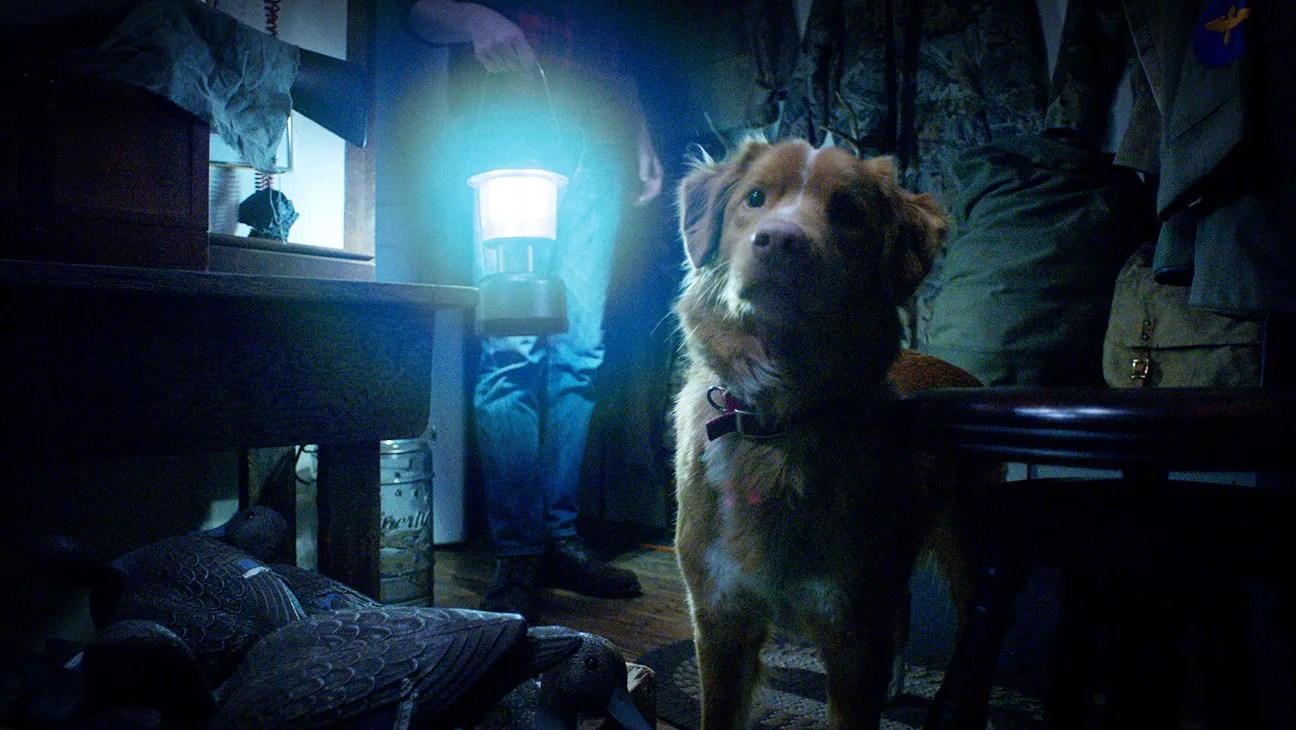
Indy the dog stole the show in this inventive supernatural horror film told from the point of view of a good dog trying to protect his owner from a supernatural threat. What added to the suspense was the vulnerability of the dog and the fact that only he could sense the danger threatening his owner.
9. The Life of Chuck
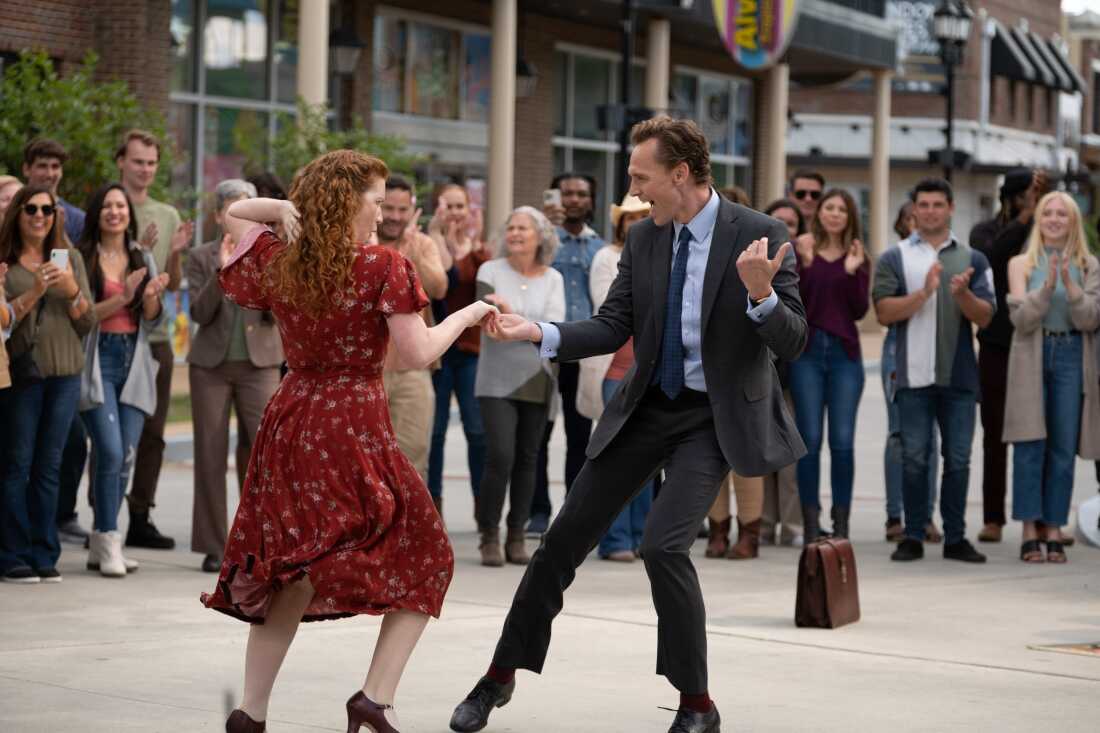
2025 was a banner year for good to great Stephen King adaptations, and The Life of Chuck was the best of them as this heartfelt fantasy film explored themes dealing with loss, sadness, endings, and the wondrous joy of simple everyday things and relationships.
8. Jurassic World: Rebirth
Despite many criticisms made about the latest Jurassic World entry, it was unexpectedly thrilling and engaging. Sure, some of the plotlines were rethreads, but they were presented well and the film delivered some great dinosaur action.
7. How to Train Your Dragon
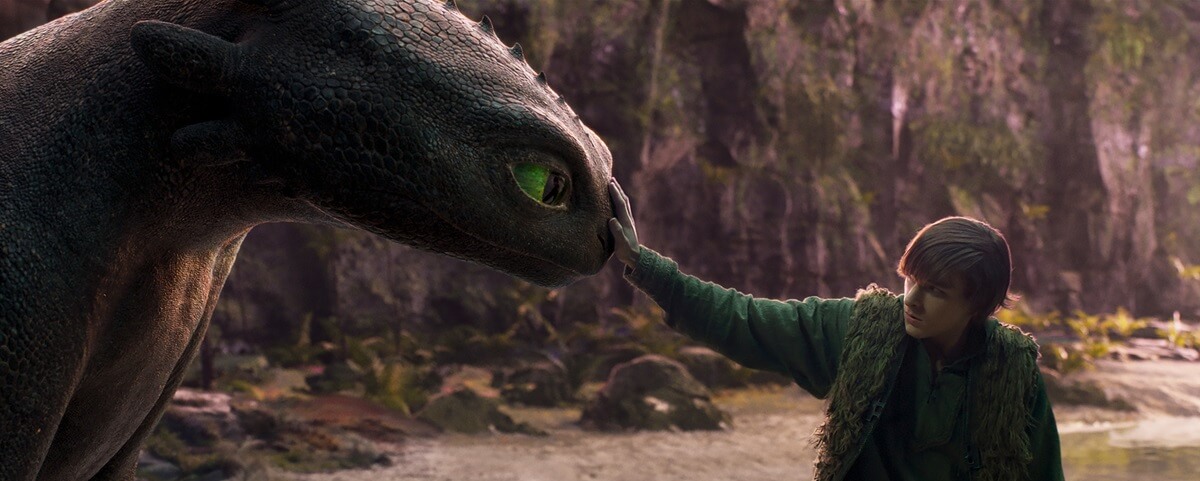
This live-action remake of the classic DreamWorks animated film about a Viking teen and his pet dragon proved that it is possible to produce a topnotch live-action film based animated classics. This is something Disney sorely needs to study going forward with their endless remakes.
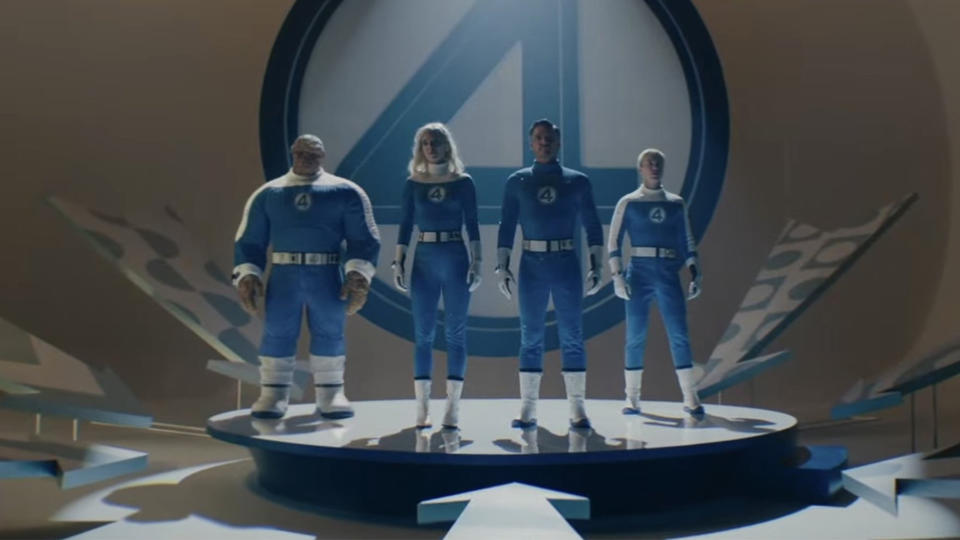
6. The Fantastic Four: First Steps
Finally, a quality film about Marvel Comics’ first family has been done. Great performances, production and special effects are the highlights of this charming film about family and facing cosmic horror. The film gets extra points just for not depicting Galactus as a giant space cloud!
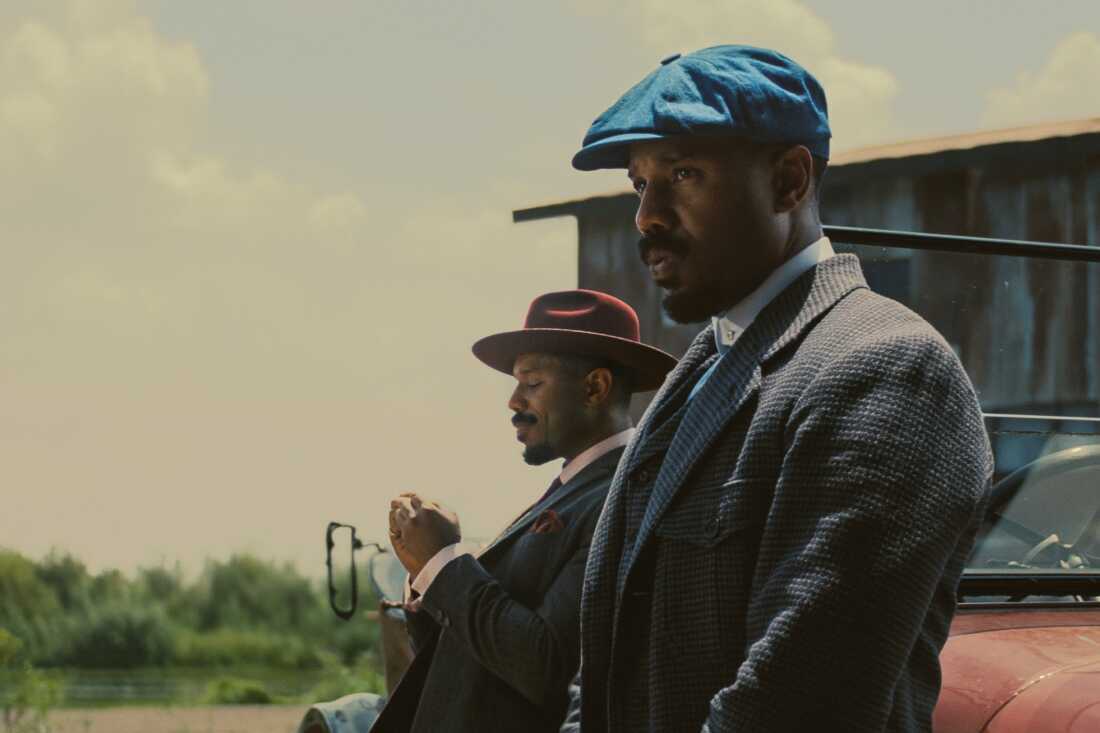
5. Sinners
Michael B. Jordan is at the top of his acting game playing dual roles in Ryan Coogler’s haunting vampire film. What could have been a simple vampire tale was instead of tour de force from Coogler that explored America’s cultural and racial divide with exceptional visual storytelling.
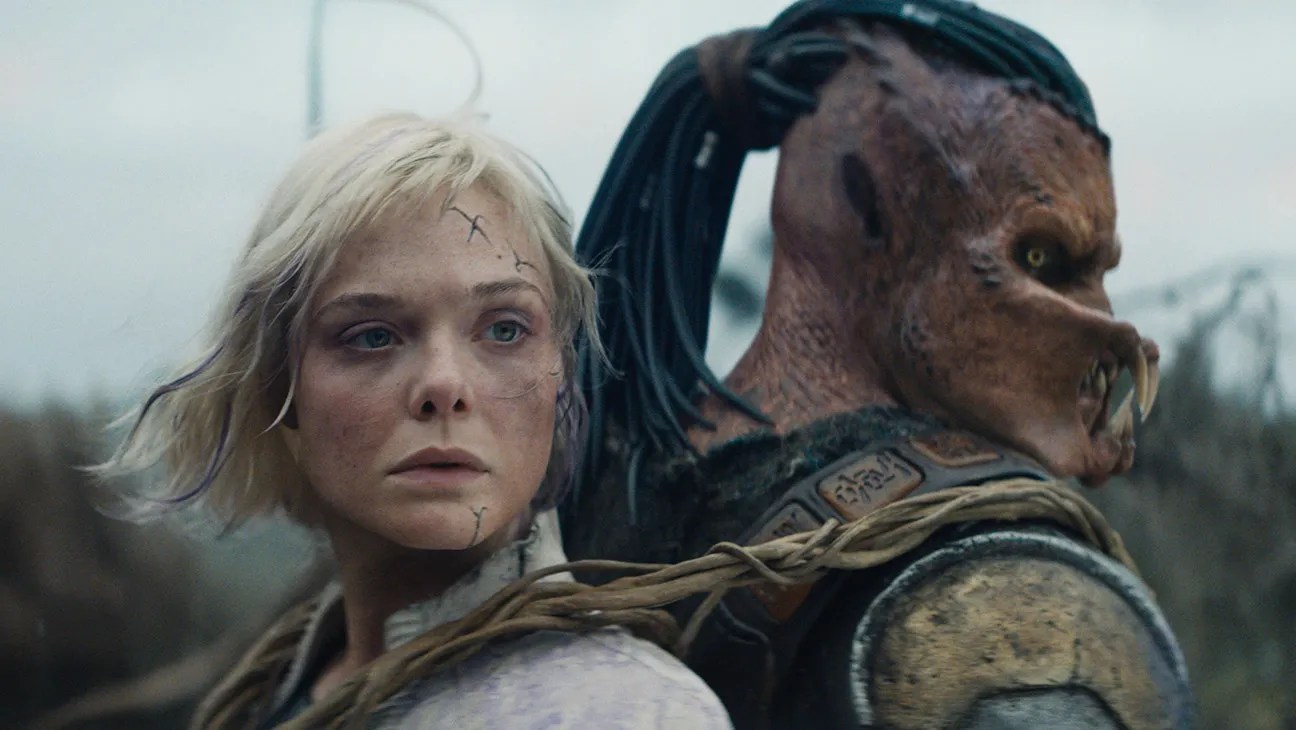
4. Predator: Badlands
Just like last year’s Alien: Romulus reinvigorated that franchise, so too does Predator: Badlands with its own franchise about alien hunters. This time, the eponymous alien hunter is shown in a heroic light in this imaginative sci-fi action/adventure romp that fleshes out the species of the Predator as it skillfully blends with the Alien franchise.
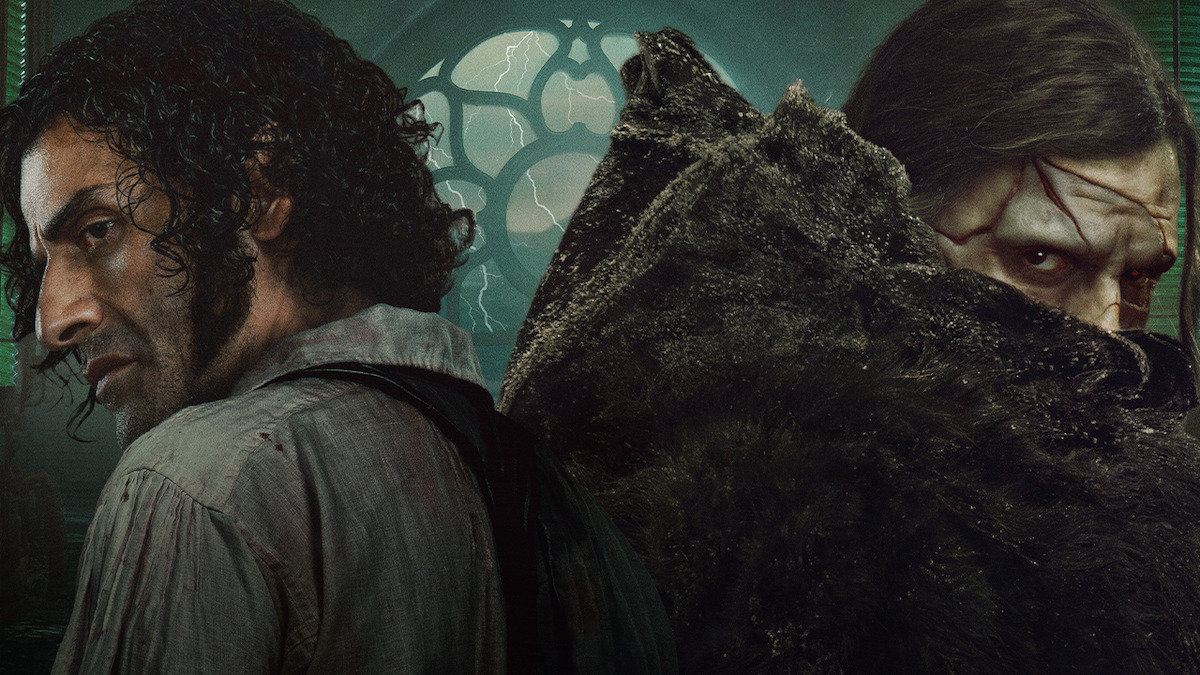
3. Frankenstein
Guillermo Del Toro wowed audiences once again with his vivid imaginative storytelling skills. The latest adaptation of Mary Shelly’s literary masterpiece follows the essence of the book while veering off into unique directions that explore the father and son dynamic between the title character and his monstrous yet sympathetic creation.
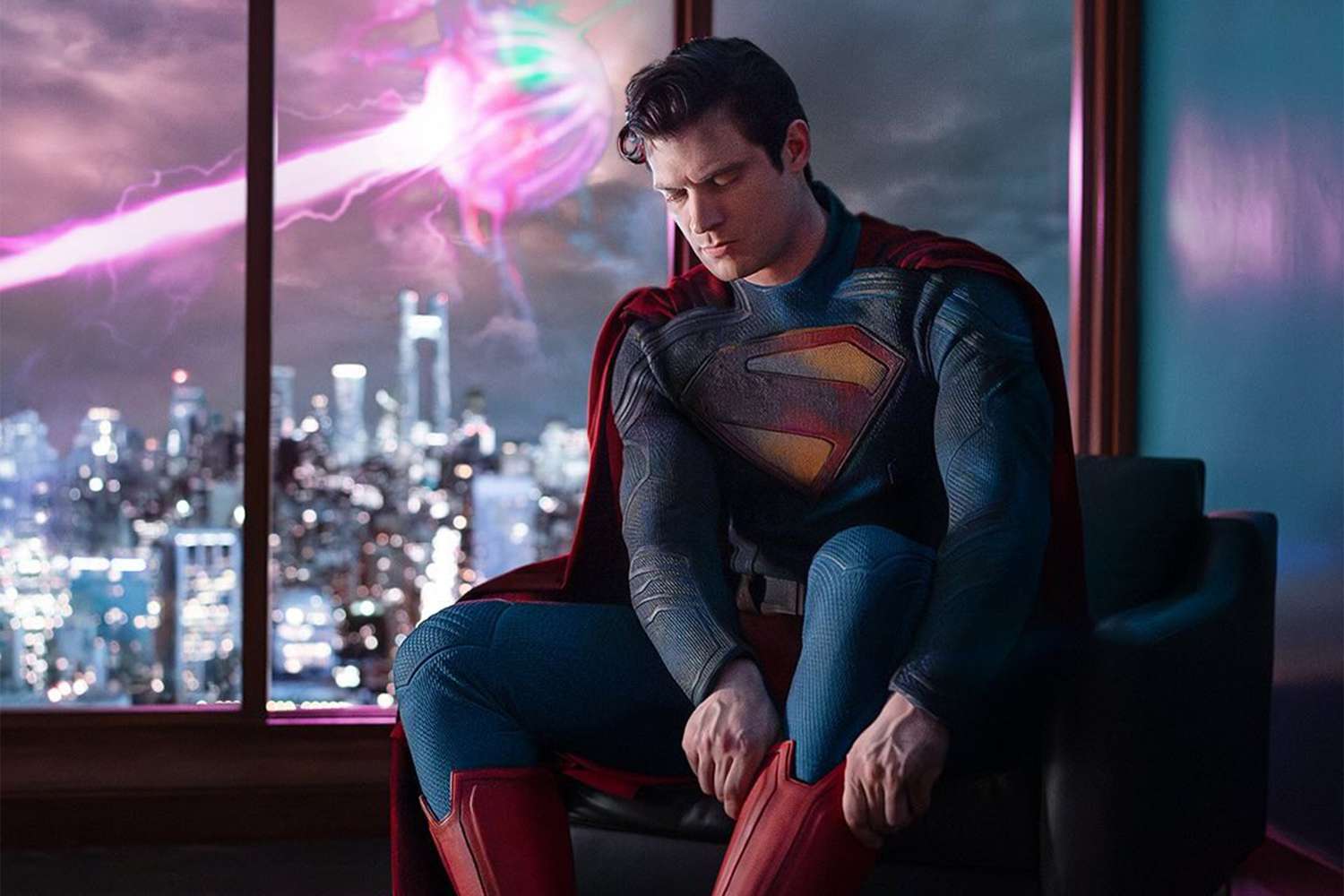
2. Superman
Director and head of DC Studios James Gunn successfully launched the new DC Universe (DCU) with a fresh and interpretation of the Man of Steel. Superman and his colorful superhero world is rightfully depicted in a bright, hopeful light that cleverly raises questions about our current events and society. Superman is a very promising start to the DCU and we can’t wait for the latest entry.
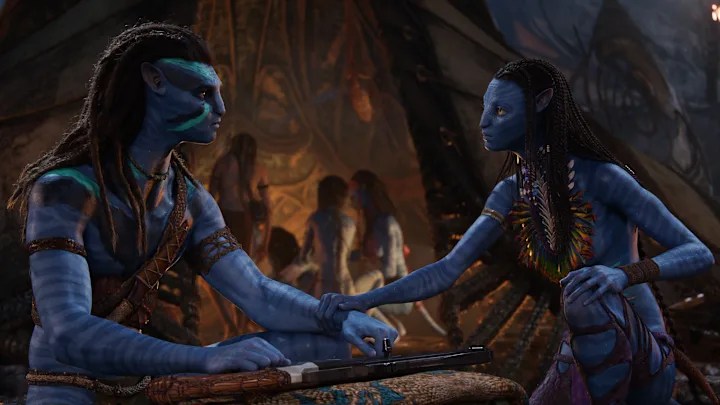
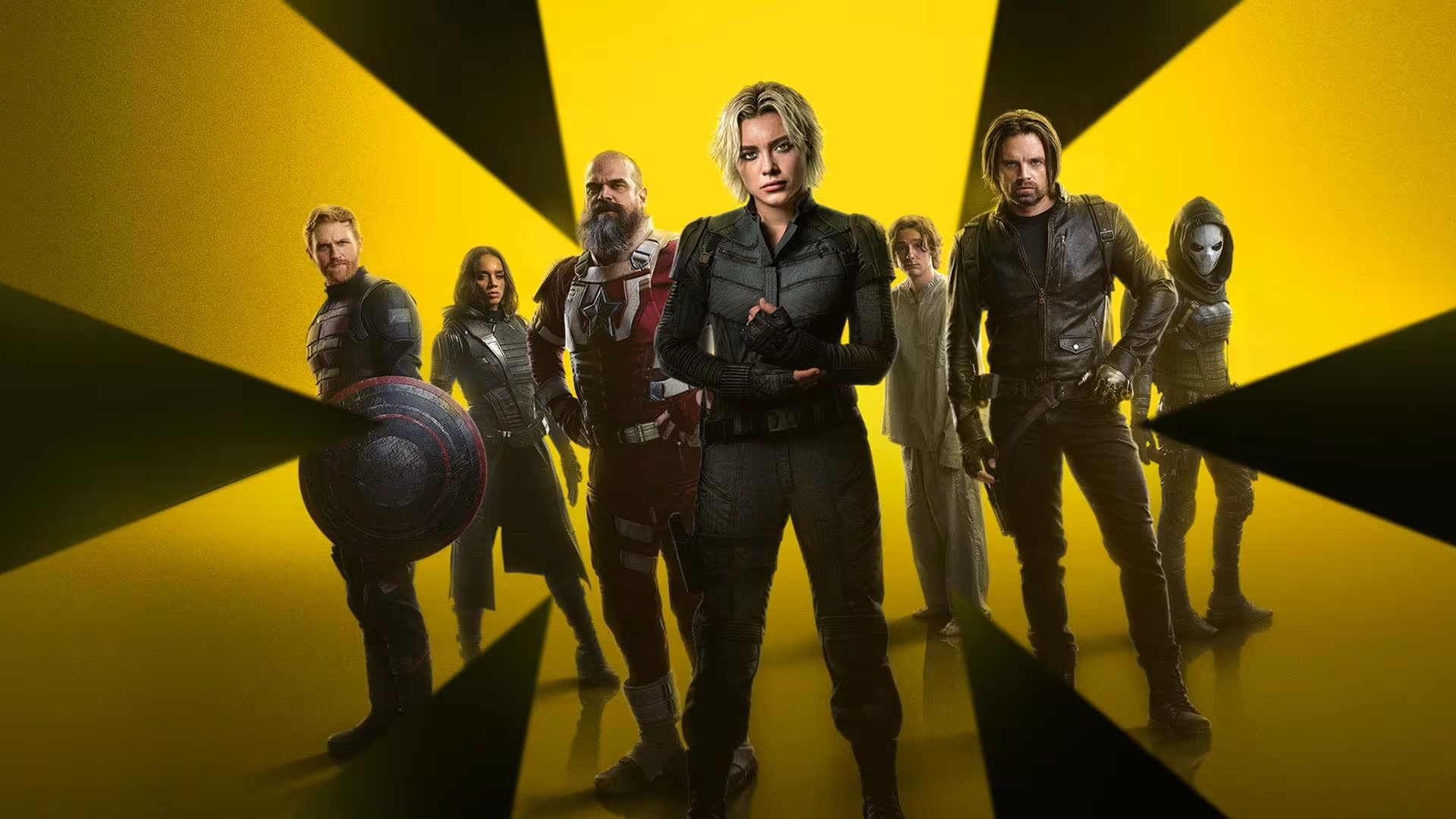
1. TIE: Avatar: Fire and Ash/Thunderbolts*
This is a first for this blog, the two best films of 2025 were that great but so close in quality for different reasons that it was too hard to choose one above the other. So the two best films of 2025 are a tie.
Once again James Cameron proves why he is one of our greatest filmmakers with Avatar: Fire and Ash. The visuals and worldbuilding in this sci-fi epic are jaw dropping and must be seen in large screens. Some of the set pieces are too familiar but Avatar: Fire and Ash does develop many characters and kept us engaged with the plight of the moon Pandora as it faced evil human colonists.
Thunderbolts* aka The New Avengers was unexpectedly the best superhero film of 2025 thanks to heartfelt performances and chemistry among its cast and an emotional story of misfit mercenaries who become unlikely superheroes. Unlike the typical superhero romp, Thunderbolts* focused on characters and explored adult themes of mental and emotional health, loneliness, addiction and depression. We’ll be rooting for these underdogs when they return in Avengers: Doomsday.
Honorable Mentions:
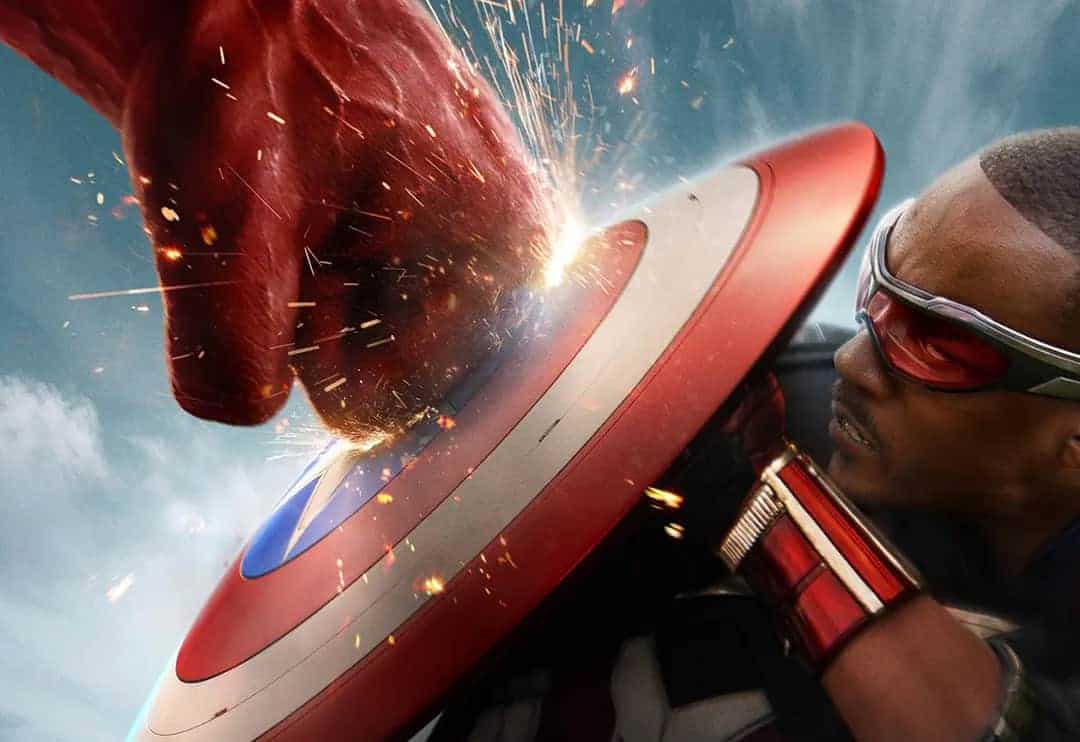
28 Years Later, Bring Her Back, Bugonia, Captain America: Brave New World, Companion, The Electric State, The Gorge, The Great Flood, It Ends, The Long Walk, Predator: Killer of Killers, Primitive War, Weapons, Zootopia 2
Television
10. Paradise
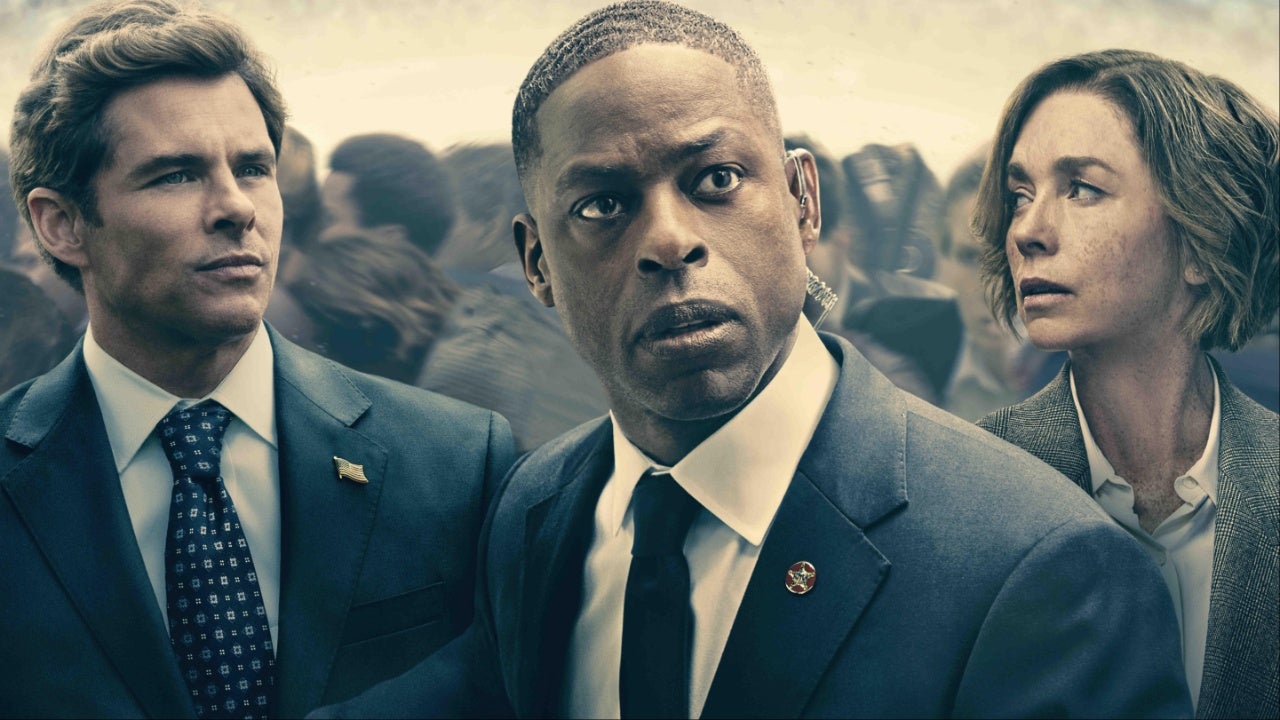
This murder mystery that took place in a post-apocalyptic underground town shelter was elevated by great performances by Sterling K. Brown and James Marsden and an engrossing storyline that kept viewers guessing about what happened to the world and who murdered the U.S. president.
9. Star Trek: Strange New Worlds
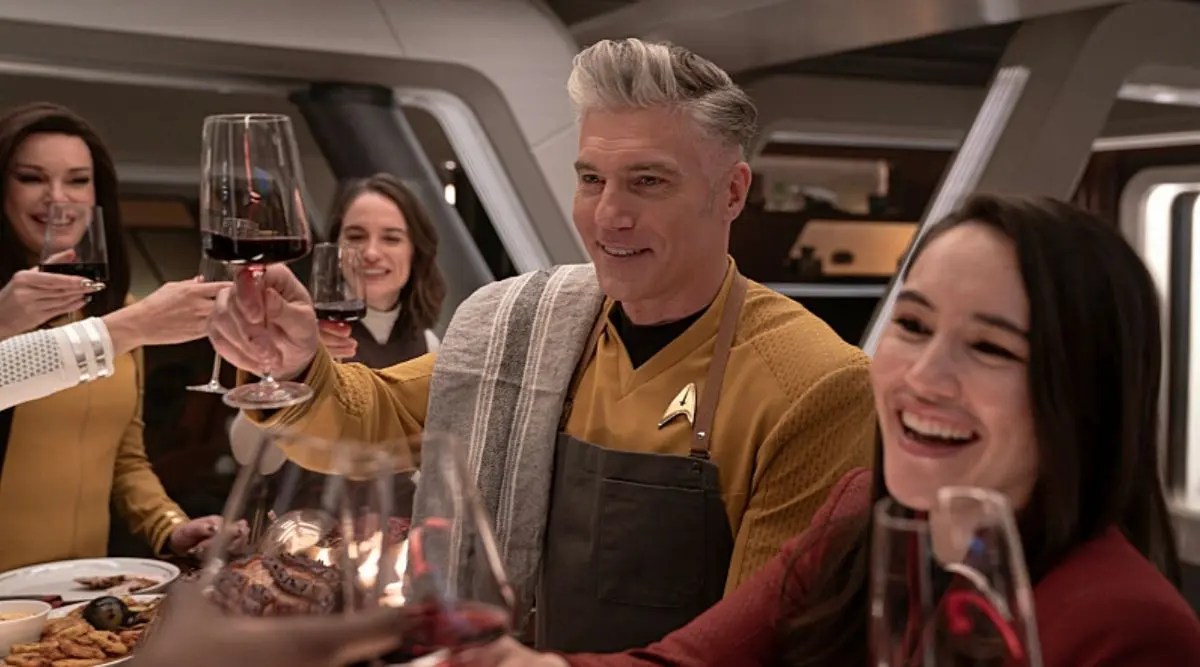
The third season of the only remaining Star Trek show (for now) had its problems such as its uneven tone and showcasing too much of James T. Kirk (the show is supposed to be about Captain Pike). Still, some of the episodes were true standouts that proved there were still great Star Trek episodes to be presented.
8. Marvel Zombies
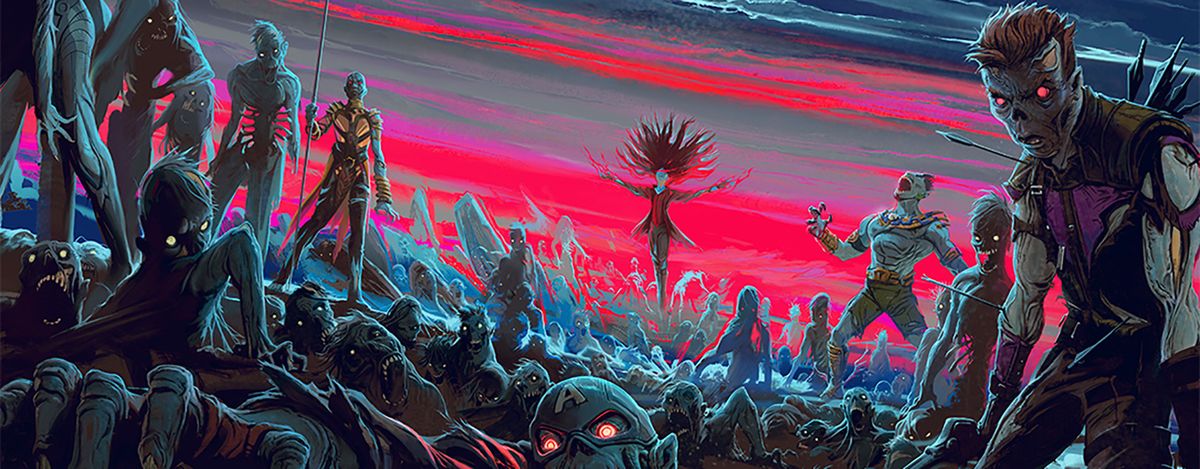
Put together classic characters from the MCU and zombie horror and what do you get? A terrifically gory and fast-moving series with some outrageous zombie action that demands a second season! Hopefully there will be more than four episodes.
7. Peacemaker
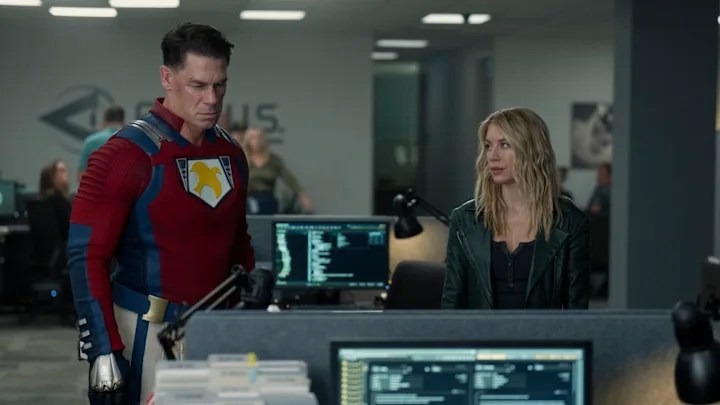
While the season finale dropped the ball as it turned out to be a drawn-out coda with concert footage, the second season of Peacemaker was for the most part a captivating look exploration of the title character’s wounded psyche as he second guessed his place in the DCU.
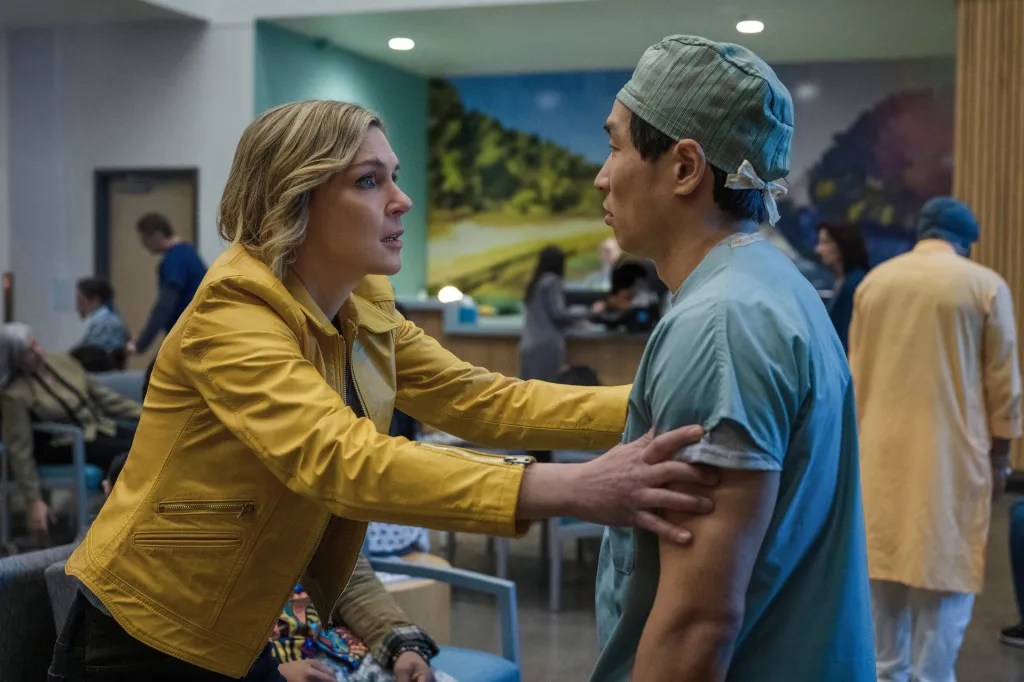
6. Stranger Things 5
The final season of Netflix’s breakout sci-fi/horror show was a bit all over the place with multiple characters and such, but it was still a solid sendoff to our favorite young residents of Hawkins as they had their final confrontations with the extra-dimensional horrors of the Upside Down realm.
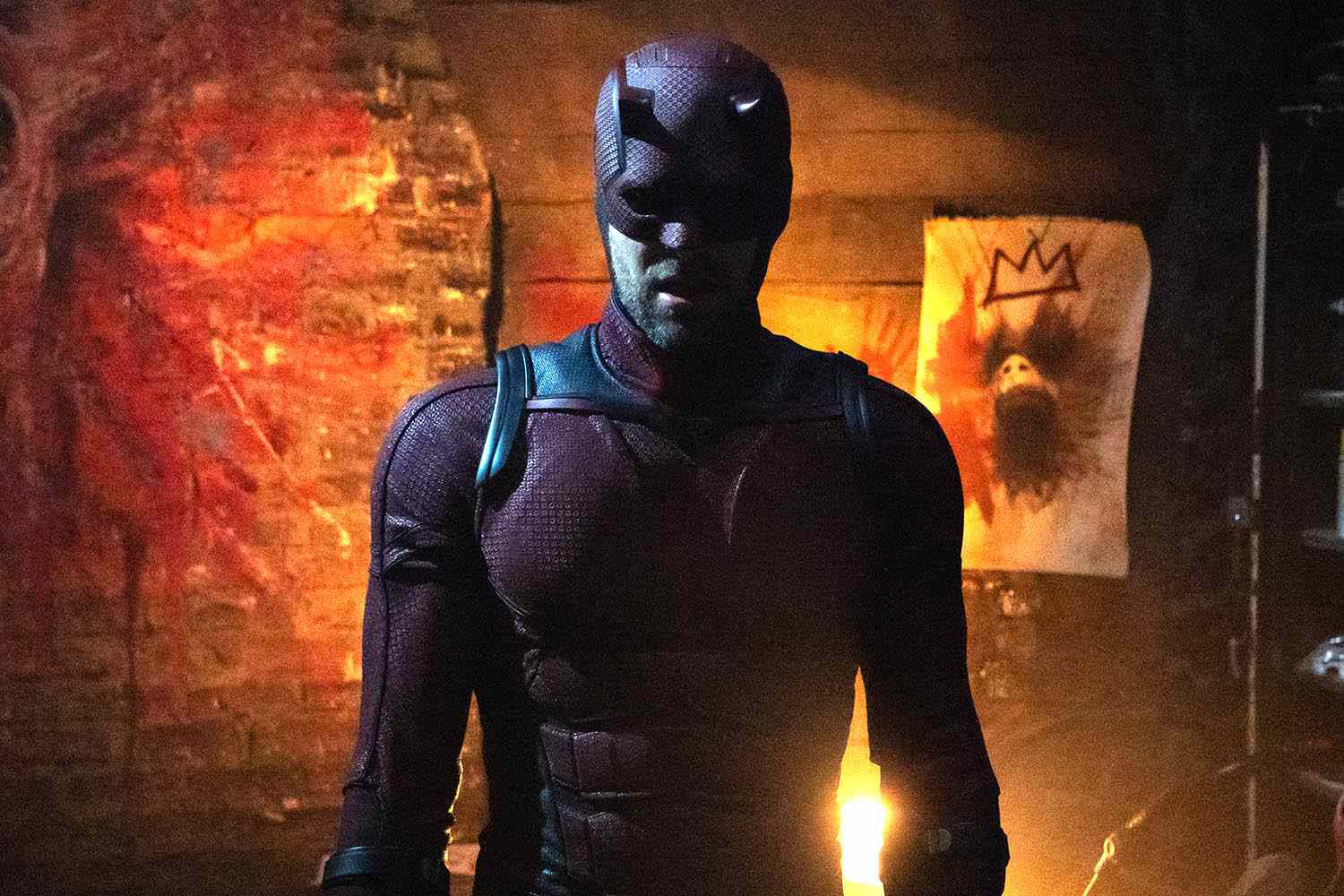
5. Daredevil: Born Again
Marvel’s premier superhero TV show had a solid comeback in this sequel to the original Netflix show. Even though Daredevil and his crime-ridden world are now firmly part of the MCU, the TV show was just as gritty and grounded as the original. Stars Charlie Cox and Vincent D’Onofrio turn in some of the best performances of their careers as they reprised their roles as Daredevil and Wilson Fisk, respectively.
4. Severance
The sophomore season of this dark psychological workplace thriller threw audiences for a loop with many unexpected plot twists and character developments. It was very easy to relate to the plight of the office worker drones forced to have their out-of-work identities and memories erased and their efforts to fight the cold company they work for.
3. Pluribus
Vince Gilligan (famous for his TV shows Breaking Bad and Better Call Saul) returned to his sci-fi roots with this quietly disturbing slow-burn TV show about a disgruntled novelist (Rhea Seehorn in one of the year’s best performances) forced to fight isolation, her inner demons, and to save humanity after an extra-terrestrial signal transforms nearly everyone into a global hive mind.
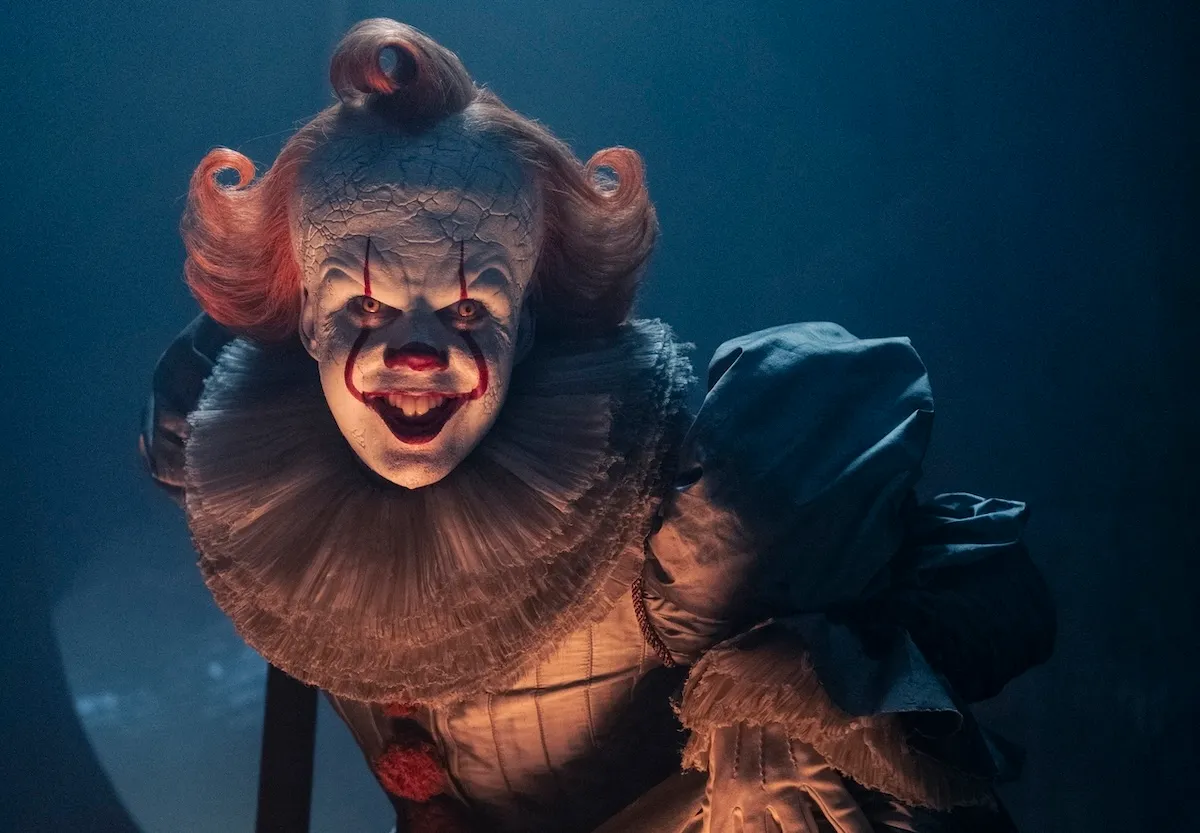
2. It: Welcome to Derry
Part sequel, part prequel to the It films from a few years ago, It: Welcome to Derry was one of the best surprises when it came to TV shows. Each episode was horrifying with macabre set pieces and featured rich character development that fleshed out Stephen King’s fictional town. In addition to the characters, the TV show also had many unexpected twists and fleshed out the expansive King multiverse in an organic manner that made us want to further explore it, no pun intended.
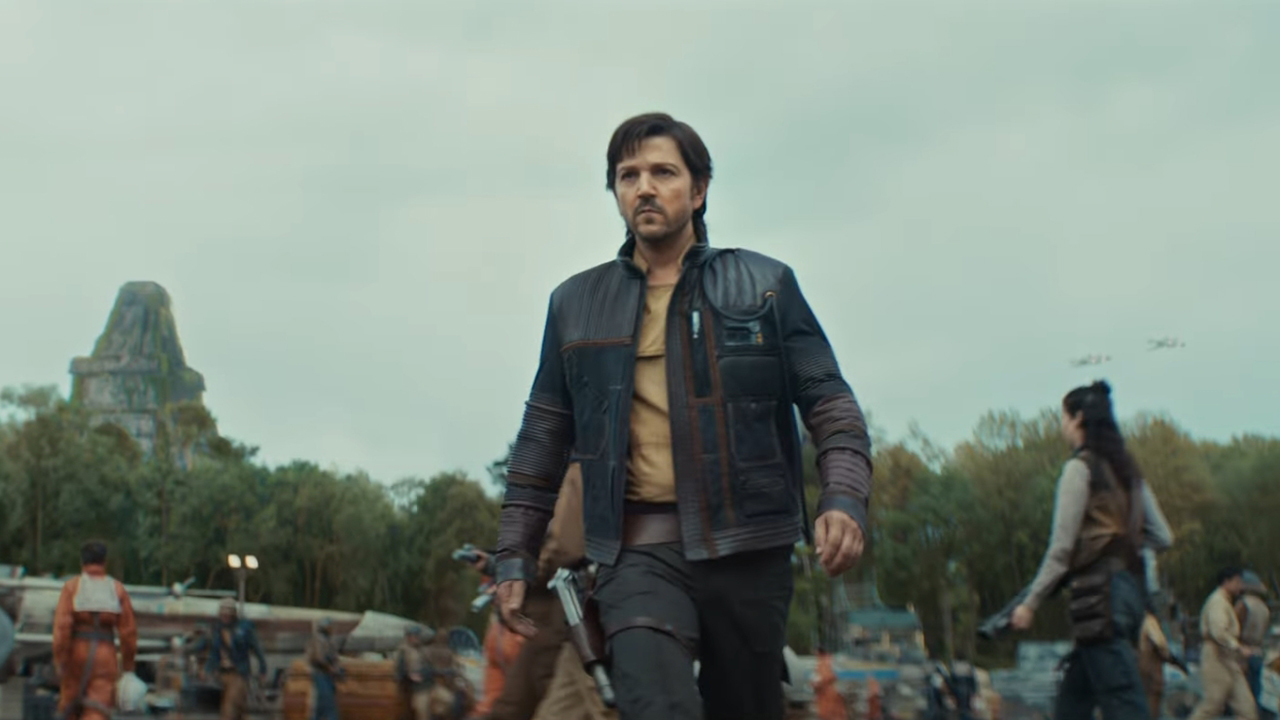
1. Andor
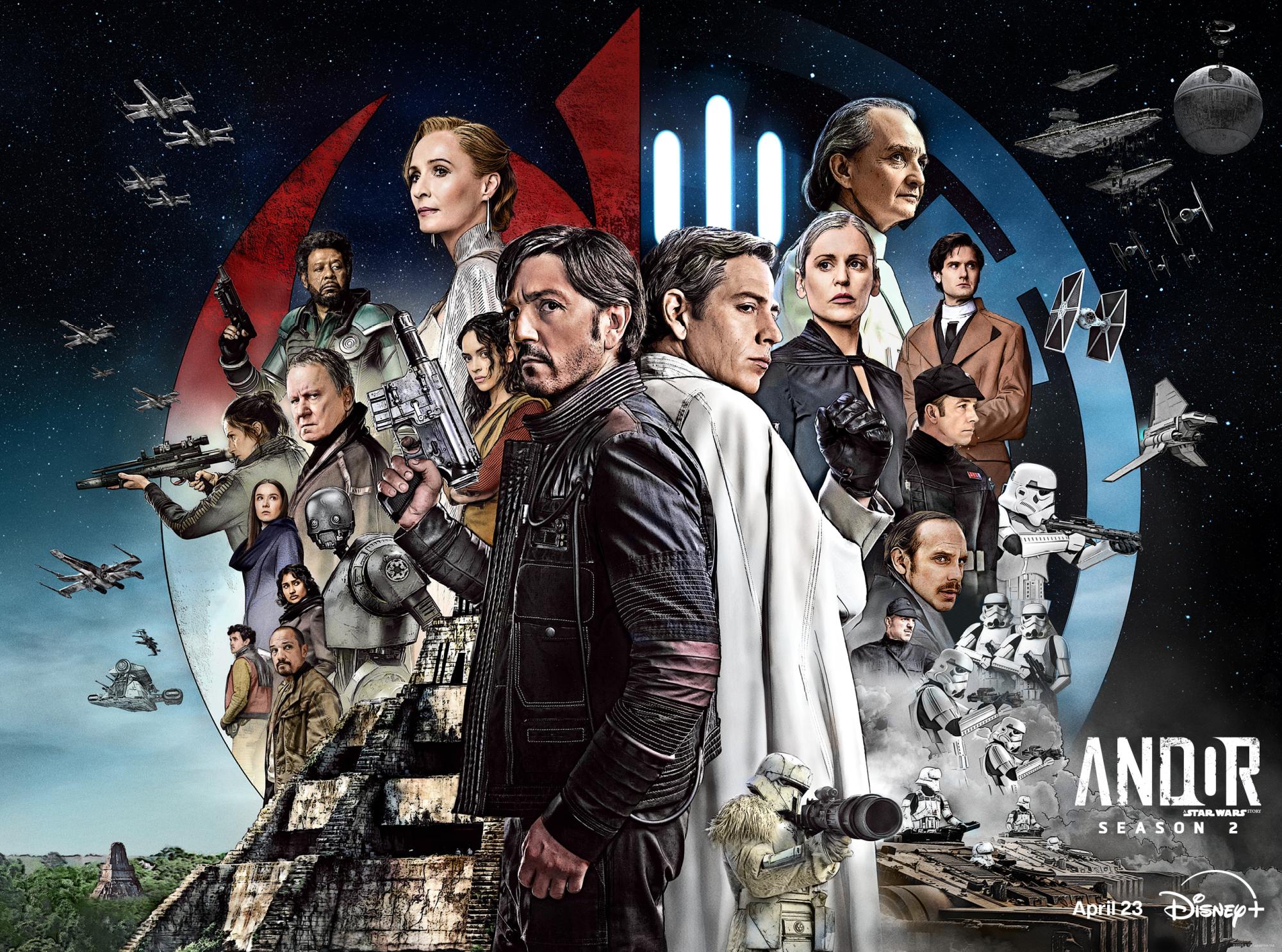
No other TV show came close to matching the artistry of Andor, which is easily the best Star Wars television show of all time and one of the best TV shows of any genre. The second and final season was a tense spy thriller set in the Star Wars universe with many brutal and heart wrenching political storylines that echoed our own civil strife as it chronicled the death of democracy and the bitter origins of the resistance to stand against tyranny. Andor also engaged audiences with thought-out character development which showcased their ambivalent nature in their fight for and against the Galactic Empire.
Honorable Mentions:
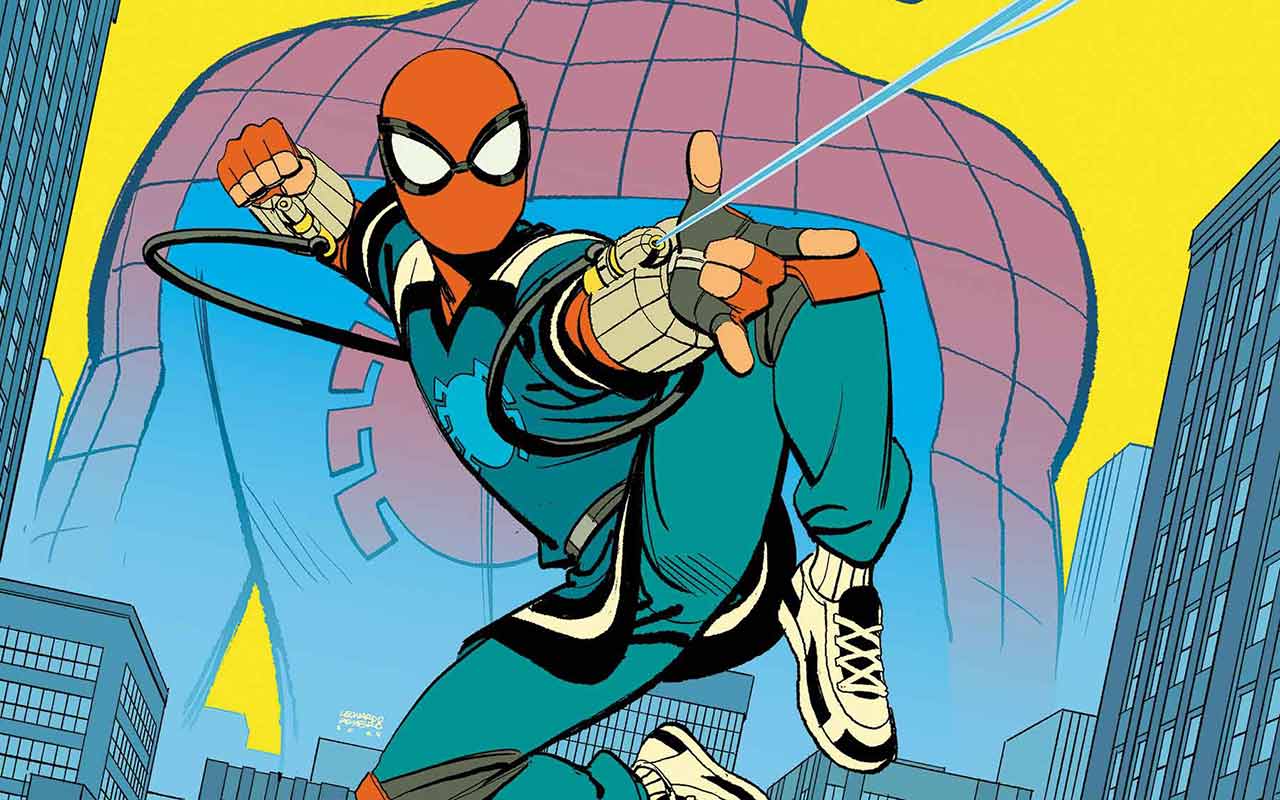
Alien: Earth, Black Mirror, Doctor Who, The Eternaut, Eyes of Wakanda, Fallout, Foundation, Gen V, The Handmaid’s Tale, The Institute, Invincible, Ironheart, The Last of Us, Murderbot, Wednesday, Your Friendly Neighborhood Spider-Man
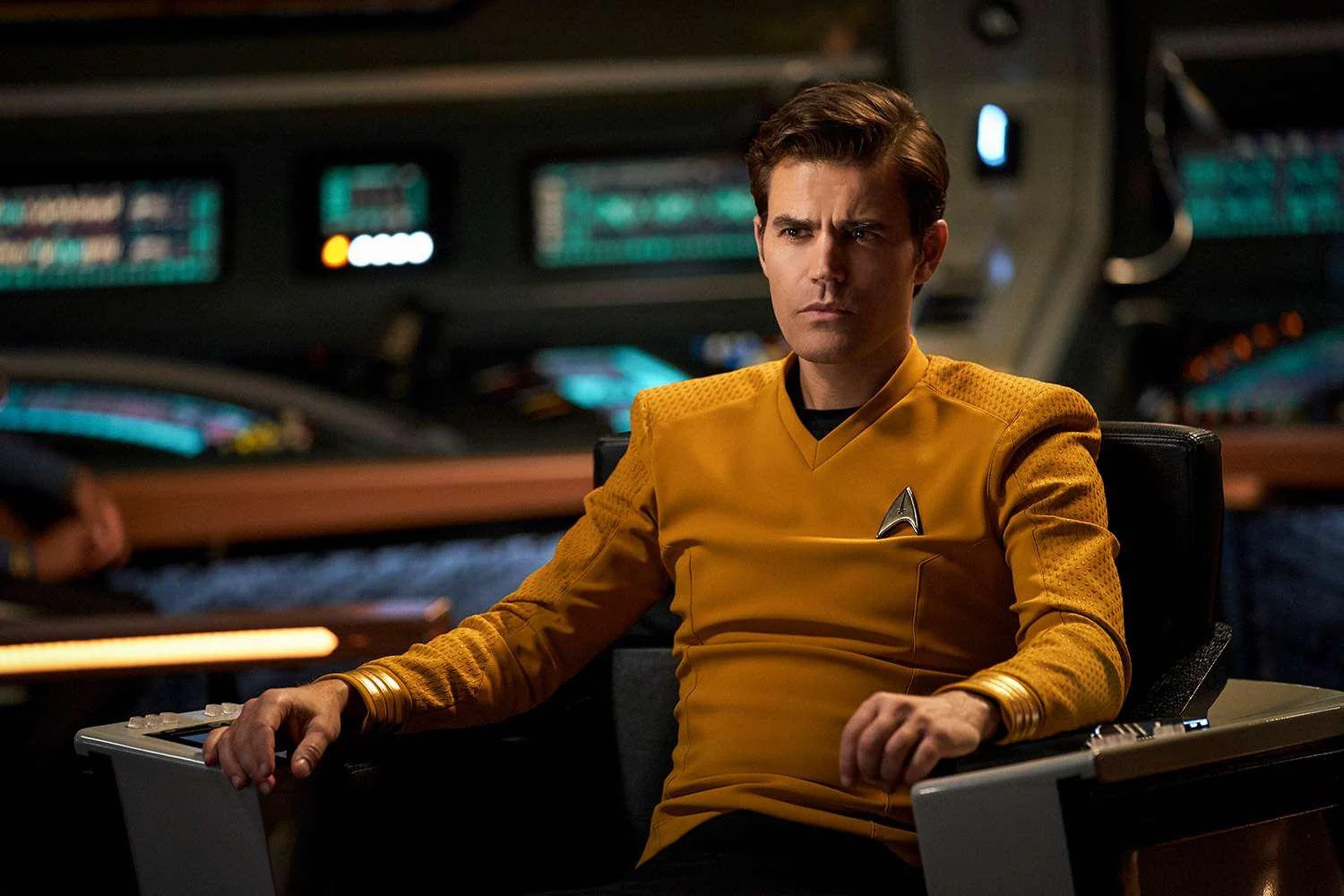
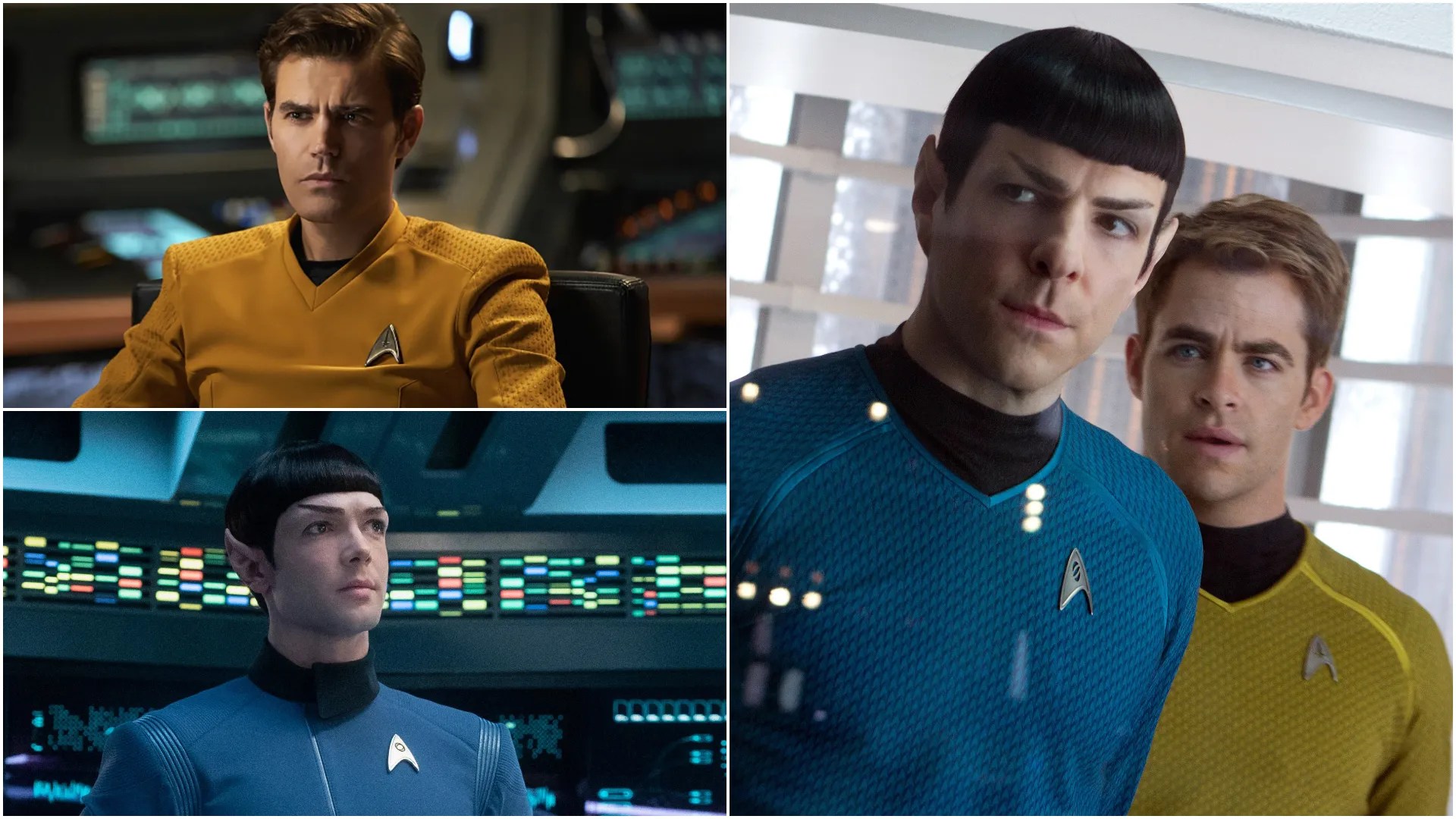
The powers that be that are in charge of the Star Trek franchise are busy planning a new Star Trek TV show that will feature a young James T. Kirk in his early days as captain of the U.S.S. Enterprise starship. This version of Kirk would be portrayed by Paul Wesley, who appeared frequently in Star Trek: Strange New Worlds and the proposed show would be a sequel to Strange New Worlds called Star Trek: Year One. It’s a great idea since Kirk is still one of the most popular characters in Trek. But should there be another TV show based on Kirk?
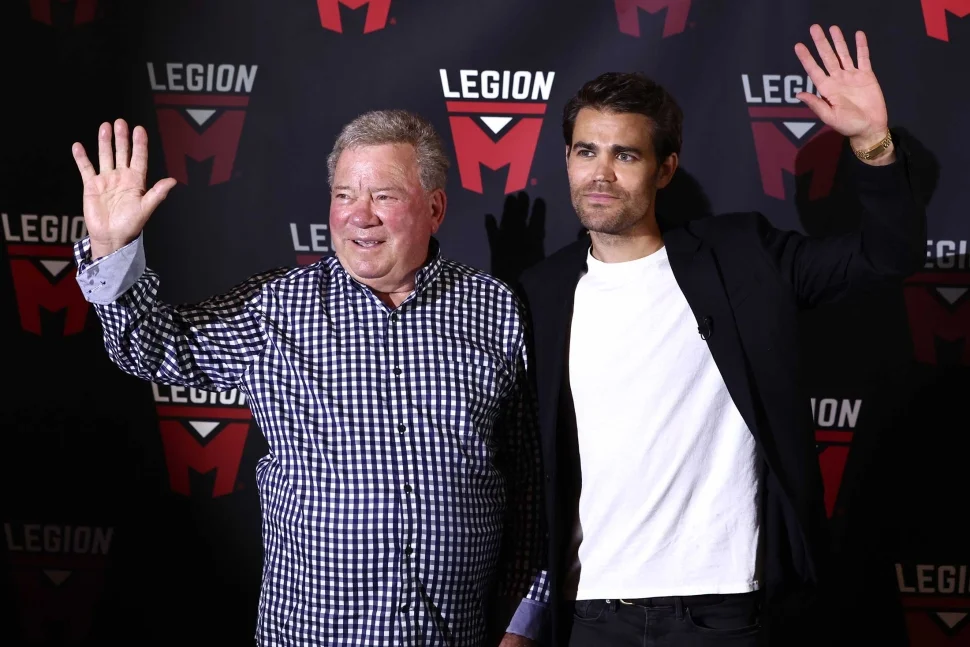
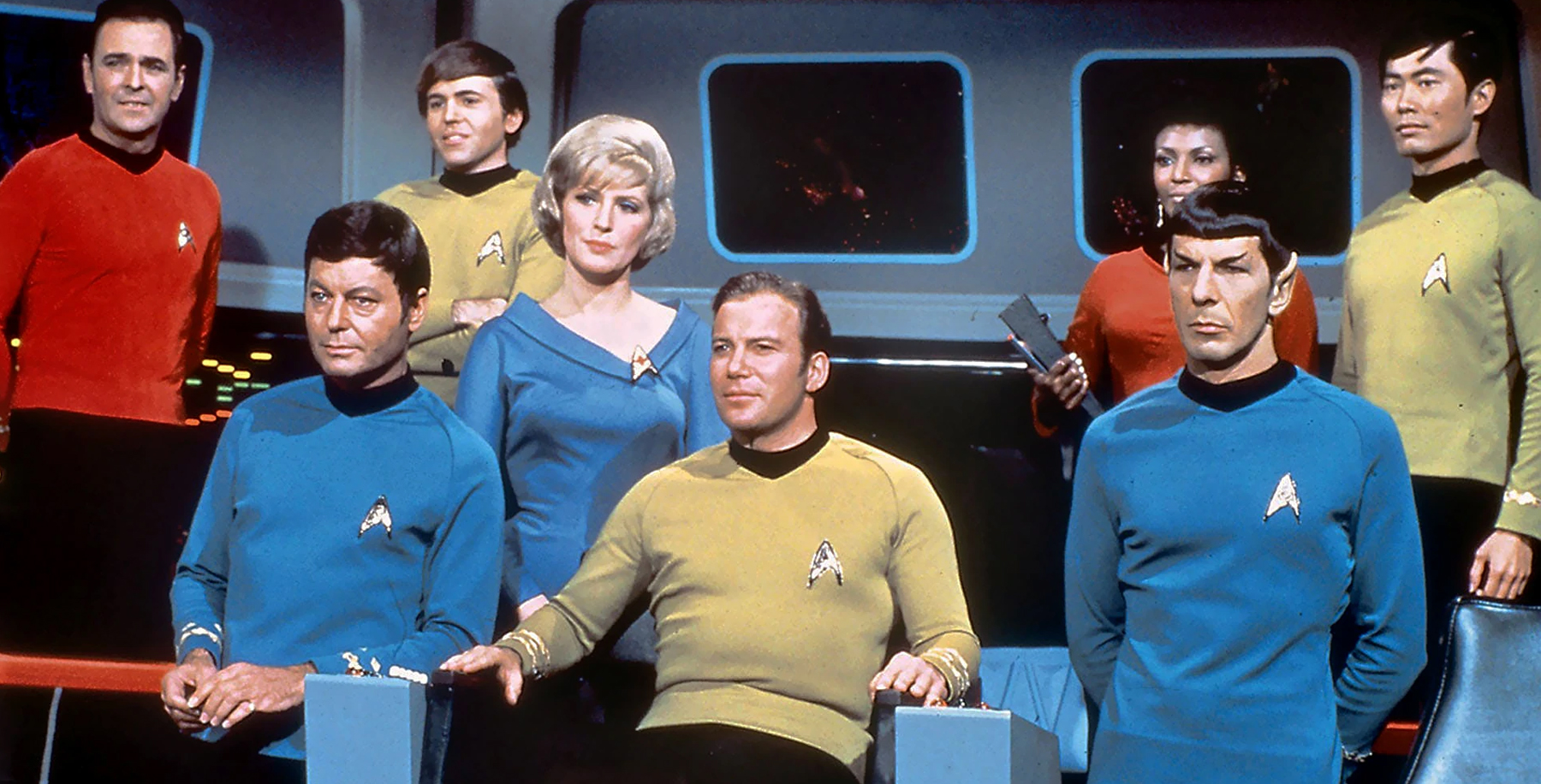
Let’s put aside the acting chops of Wesley or the idea of Kirk being recast, which has always been a challenge that producers had to deal with since William Shatner, the original actor to play the role, is ingrained with many fans who have a hard time accepting someone else playing Kirk. Just look at the trouble the production team behind the 2009 Star Trek film went through to cast Chris Pine as Kirk. People have to accept that Shatner will never play the role again, especially since Shatner is in his 90s and the budget to digitally de-age him would be prohibitive for an ongoing TV show.
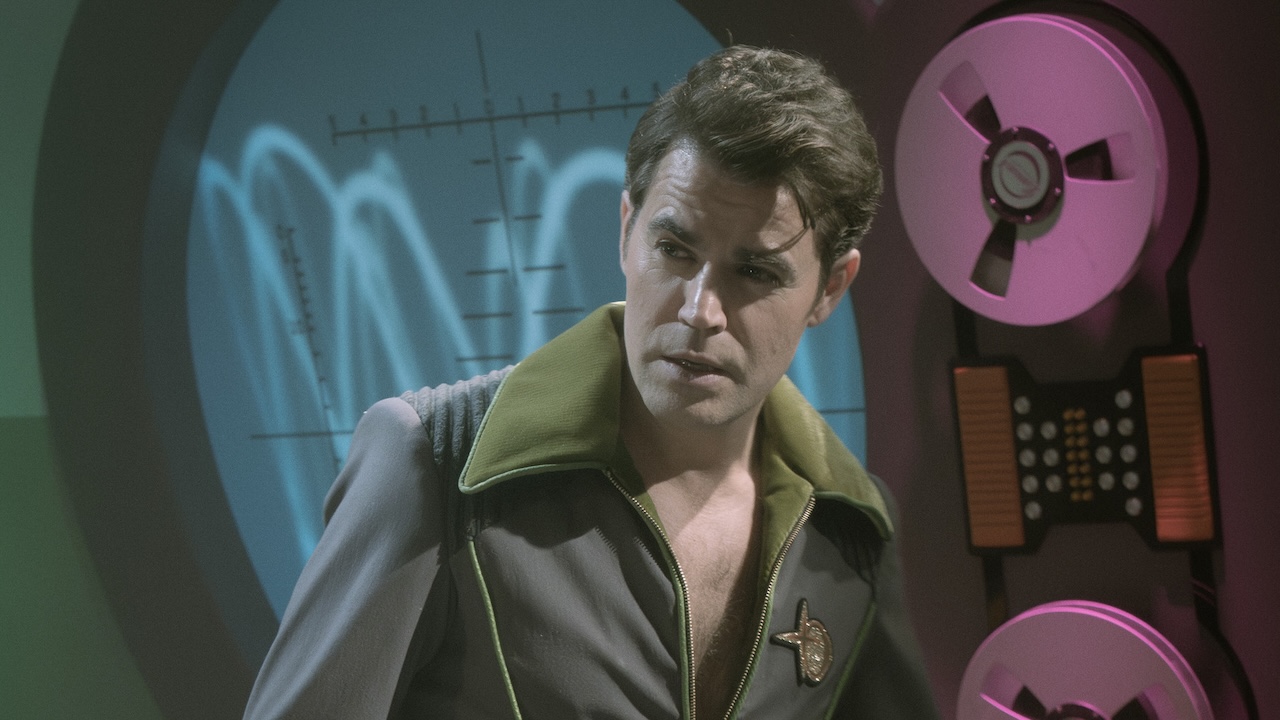
In Wesley’s defense, he does a good job playing a young Kirk without resorting to Shatner’s unique method of acting that gave lots of fodder for comedians. To get an idea of how Wesley would have aped Shatner, take a look at the season three Star Trek: Strange New Worlds episode “A Space Adventure Hour”. It was one of those by-now obligatory holodeck malfunctioning episodes where Wesley as Kirk played a parody of Shatner’s Kirk. The point is if any actor tried to act like Shatner, he would not be taken seriously, which would doom the show.
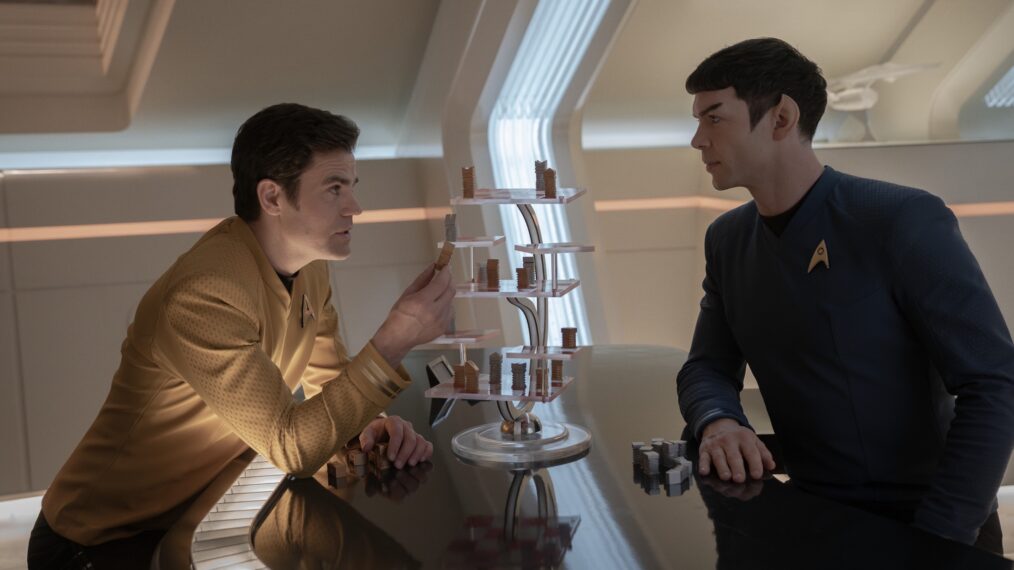
Getting back to the idea of a young Kirk TV show. On paper it seems like a natural, do a TV show about a young Kirk settling into his command, making mistakes and learning from them, and seeing how he formed his bond with the famous Enterprise crew. It would be fairly easy to create the show since it would be a sequel to Star Trek: Strange New Worlds and the standing sets and design are already done, so that would save money and time. Plus, many of the actors from Strange New Worlds like Ethan Peck would just transition over to Star Trek: Year One since Peck would be playing Spock, who became first officer of the Enterprise during Kirk’s command. The proposed Star Trek: Year One could also remake some of the more famous first season episodes like “Space Seed” (which would give us a recast of Khan) or “City on the Edge of Forever” but with better production and effects. This is very tantalizing.
The problem is that we saw Kirk’s early adventures in the original TV show. When Star Trek first aired, it featured Kirk when he first commanded the starship Enterprise. The implication with the first season of Star Trek was that the first season took place during the beginning of the ship’s five-year mission. On the other hand, there are signs that there was a time gap during the very first episodes and the later episodes. “Where No Man Has Gone Before” and “The Corbomite Maneuver” had the crew wearing slightly different uniforms than what was shown soon after. In fact, Doctor McCoy was not even around in the pilot episode “Where No Man Has Gone Before”. More importantly, there are implications in the early episodes that the crew of the Enterprise had been on their mission for some time. So, this leaves room for a Star Trek: Year One.
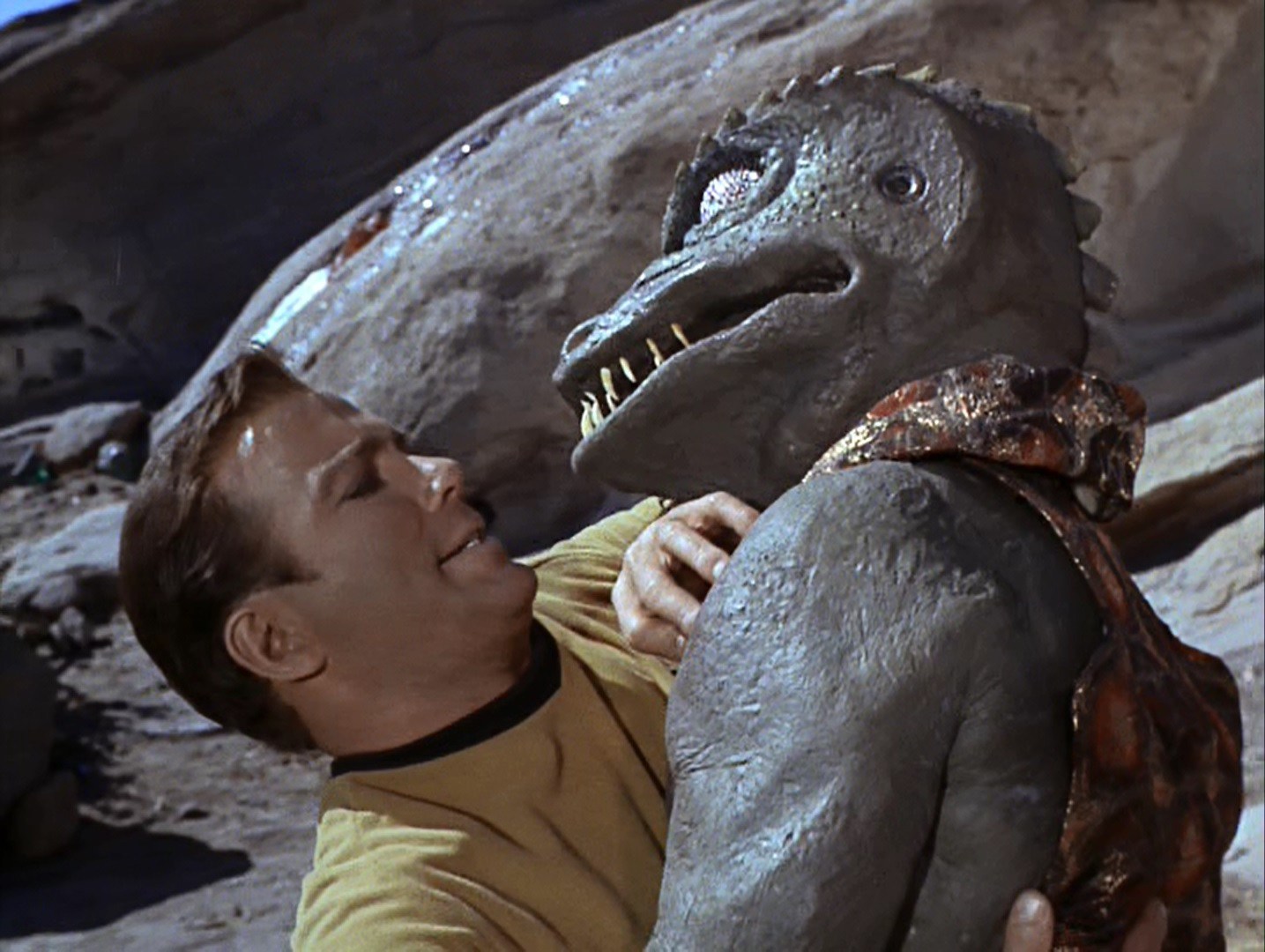
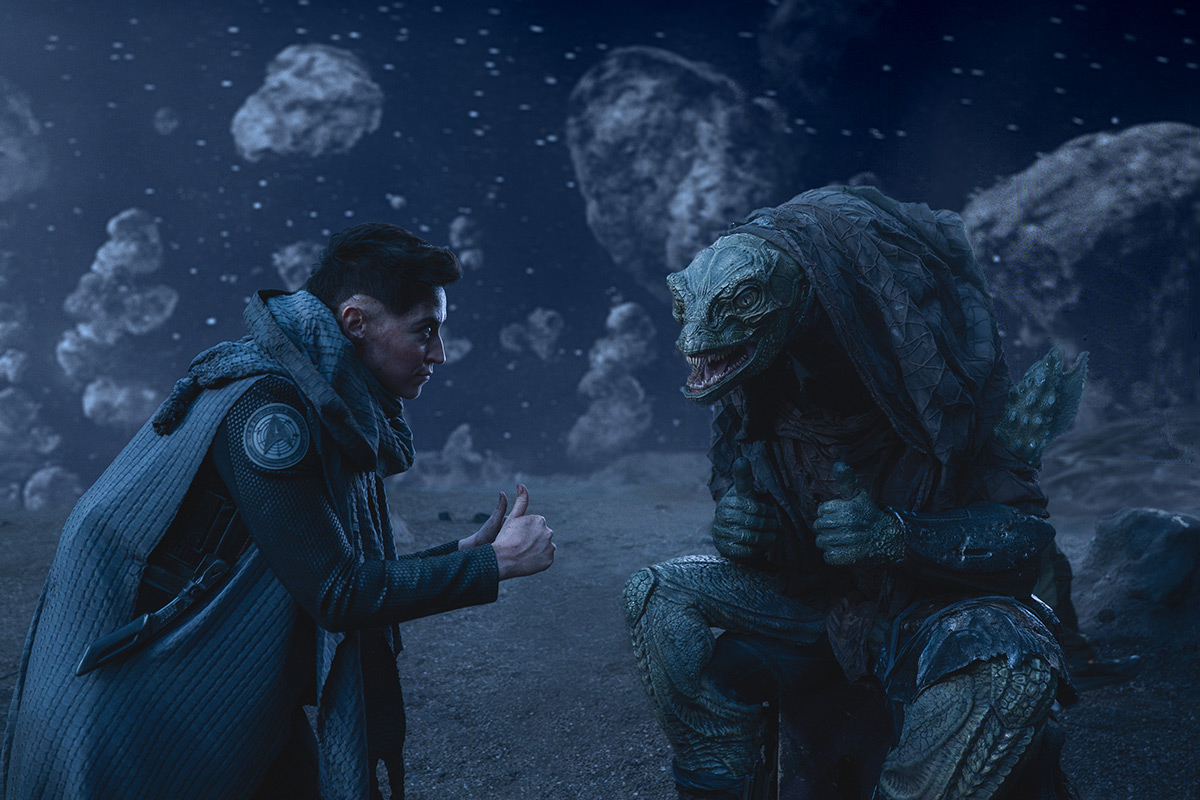
There is a headache that the writers of the proposed TV show would have to deal with and that is with continuity. This has plague all the Star Trek TV shows and films as they had to make sure the continuity established in the original Star Trek and later shows and films remained intact. Unfortunately, this did not work out many times and the recent Trek shows received a lot of flack from angry fans, such as with the look of the Klingons, the Gorn and with the early history of Star Trek. For example, Star Trek: Discovery and Star Trek: Strange New Worlds established that there was a Klingon War which was never implicitly mentioned in the original Star Trek, yet it happened close to the era of the original Trek. In the Star Trek episode “Arena” the Gorn looked radically different than the species shown in Star Trek: Strange New Worlds, and in the original show, the Enterprise crew acted as if they never heard of the Gorn, who were an ongoing threat in Star Trek: Strange New Worlds. This is an issue that long-running TV shows and films have to grapple with and Star Trek is not unique to this situation. As long as the basic history is adhered to, then fans should be willing to give the writers a pass.
One way out of this would be to do what the 2009 Star Trek film did and establish that the recent Star Trek shows are set in another reality. The trouble is that it has been shown already that the recent Trek shows are set in the so-called Prime Timeline.
The most pressing problem for a so-called Star Trek: Year One has to do with whether or not there is any demand for it. Not everyone is thrilled with Wesley’s performance or the fact that the character has hijacked Star Trek: Strange New Worlds by appearing in practically every other episode. This was supposed to be a show about Christopher Pike not Kirk and we already have an idea of how the early years of Kirk went. Do we need to see it play out? Why not create a new Star Trek adventure with new characters? There are many time periods that have never been covered that are ripe for presenting like the time period between the original Trek and Star Trek: The Next Generation. In fact, a TV show about a young Picard sounds more interesting. Ever since Star Trek: Picard concluded, fans have been begging for a Star Trek: Legacies show featuring the crew of the Enterprise-G with Picard’s son, but it seems like the powers that be are hellbent on ignoring fans and plowing ahead with a young Kirk show. This is a sign that the current showrunners do not truly understand Star Trek. Over the decades, the franchise has proven repeatedly that it was rich enough to provide new characters and situations set in the franchise. It allowed Trek to reinvent itself and not rely on Kirk and his crew to generate interest.
To date it’s not known if Star Trek: Year One will get the green light. A lot depends on studio politics and budgets since modern Trek shows are very expensive. If the show goes through, we’ll have to give it the benefit of the doubt that it will be a worthy addition to the legacy of Star Trek.
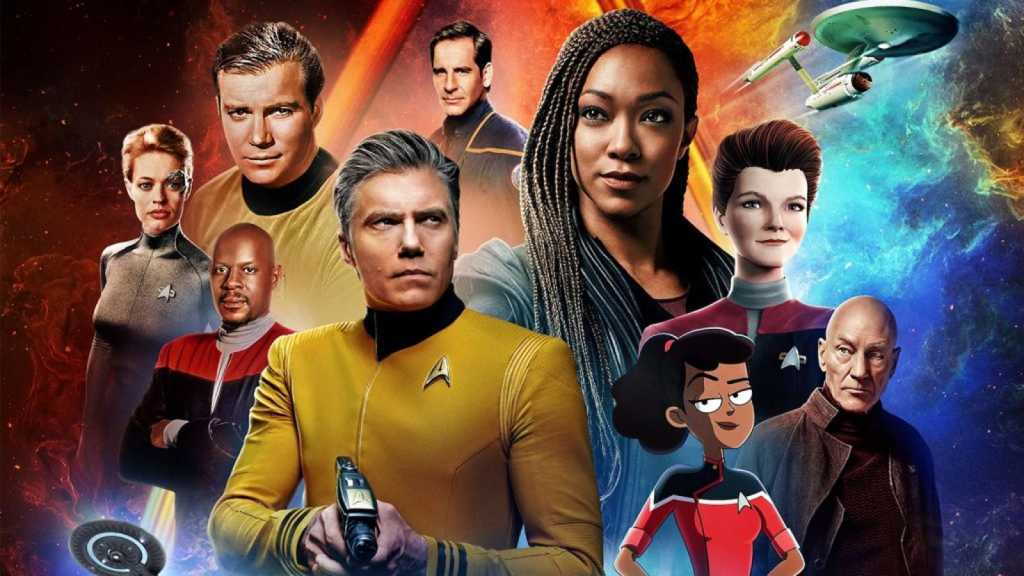
As Star Trek celebrate Star Trek Day and commemorate the 59th anniversary of the famous sci-fi TV show, it is important to reflect on the state of the Star Trek franchise and where it is going as it soon approaches its 60th anniversary.
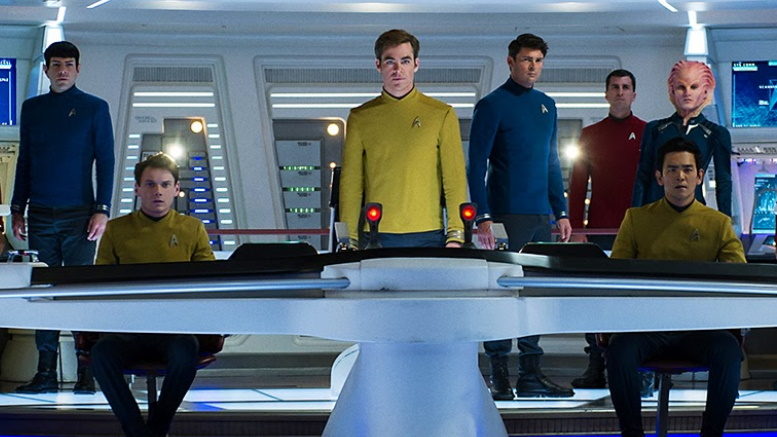
Star Trek has had its highs and lows throughout the decades in terms of popularity, cultural relevance and quality with its glory years arguably being during the 1990s. After the franchise took a forced hiatus in the mid 2000s, a comeback was attempted with the reboot film Star Trek (2009). The film did well and was popular but a significant number of fans did not appreciate director J.J. Abrams attempt to turn the franchise about space explorers, noted for its thought-provoking plots, into a more simplistic shoot-em-up space adventure that emphasized action and explosions over nifty plots and character developments.
The reboot film franchise came to an end nine years ago with Star Trek Beyond, which did not perform well in theaters, though its tone was more of a throwback to the original TV shows and films. Since then, there have been many failed attempts to produce a fourth film featuring the cast of the reboot films, but none have succeeded and that franchise is now essentially dead. Or is it?
Meanwhile, Star Trek returned to its TV roots in 2017 with the debut of Star Trek: Discovery, a prequel series to the original show that streamed on the app CBS All Access (later renamed Paramount+). Now, while the TV show ran a respectable five seasons and spawned another prequel spinoff, Star Trek: Strange New Worlds, as well as additional Star Trek TV shows, Star Trek: Discovery wound up being divisive among fans. Many complained about the storylines and the characters, with more conservative fans being outright hostile to the show’s featuring of non-heterosexual characters. It did not matter. In this day and age of toxic fandom where cynical content creators are more interested in clicks and views, any iteration of Star Trek would have received scorn.
Right now, Star Trek is at a bit of a crossroads. Its parent company, Paramount Pictures, is undergoing a merger and the fate of the franchise is unknown with many rumors flying around as to its final fate. But there are many reports that the bigwigs at Paramount are bullish on Star Trek and want to continue with the franchise. The question remains is how will it continue? As of now, the only currently streaming Star Trek TV show (Star Trek: Strange New Worlds) will come to a conclusion after its fifth season (the fourth season is currently filming while the third season will complete streaming new episodes this week). After that, a new TV show Star Trek: Starfleet Academy will stream in early 2026, while a sitcom set in the world of Star Trek is in development. Who knows if that comedy will ever see the light of day or even generate any laughs if it comes to fruition.
There are other pitches for Star Trek TV shows, including a prequel series based on a young James T. Kirk, which will be a sequel to Star Trek: Strange New Worlds and would star Paul Wesley reprising the role of Kirk. The show has been tentatively titled Star Trek: Year One and would be about Kirk’s early days as the starship Enterprise captain. Meanwhile, Scott Bakula, the star of Star Trek: Enterprise is involved in a pitch for a show that would take place years after Bakula’s show and feature his character as the president of the United Federation of Planets. Unlike other Star Trek shows, this one would not be a show about exploring worlds but have a political slant more akin to Star Trek: Deep Space Nine. Then there is the fan-favorite idea of Star Trek: Legacy, which would be a sequel to Star Trek: Picard, specifically its popular third season and be about the adventures of the crew of the Enterprise-G. It has been pitched in the past, but so far, Paramount has not shown interest in pursuing Star Trek: Legacy.
Regarding films, there are still plans to produce a fourth film set in the Abrams reboot universe with directors and writers coming and leaving the project. Then Paramount recently announced another film will be produced that will feature all-new characters and situations. That actually sounds interesting but as of now, we have no definite information.
Given all that, there are not any concrete plans for Star Trek TV shows or films aside from the Academy show, which is a bit concerning given that the 60th anniversary is under a year away. You would think Paramount would have something concrete in production. Some of the ideas noted above are interesting and even if they don’t end up as TV shows they can at least become limited series or TV films, just better executed than the hot garbage Star Trek: Section 31. One thing to consider is that 2026 will be a celebration of the original Star Trek, not its sequels and films, and there are three remaining cast members from the original show. Aside from a standard documentary/retrospective, maybe Paramount can find some way to involve William Shatner, George Takei and Walter Koenig in some kind of new Star Trek production. The only limits are time, money and more importantly, imagination. Here’s to boldy going 59 years strong.
The Disney + Star Wars TV series Andor concluded to much deserved acclaim, and it did something that seemed improbable given the state of the Star Wars franchise. Andor has helped create renewed enthusiasm for Star Wars as it showed how versatile and mature the franchise can be.
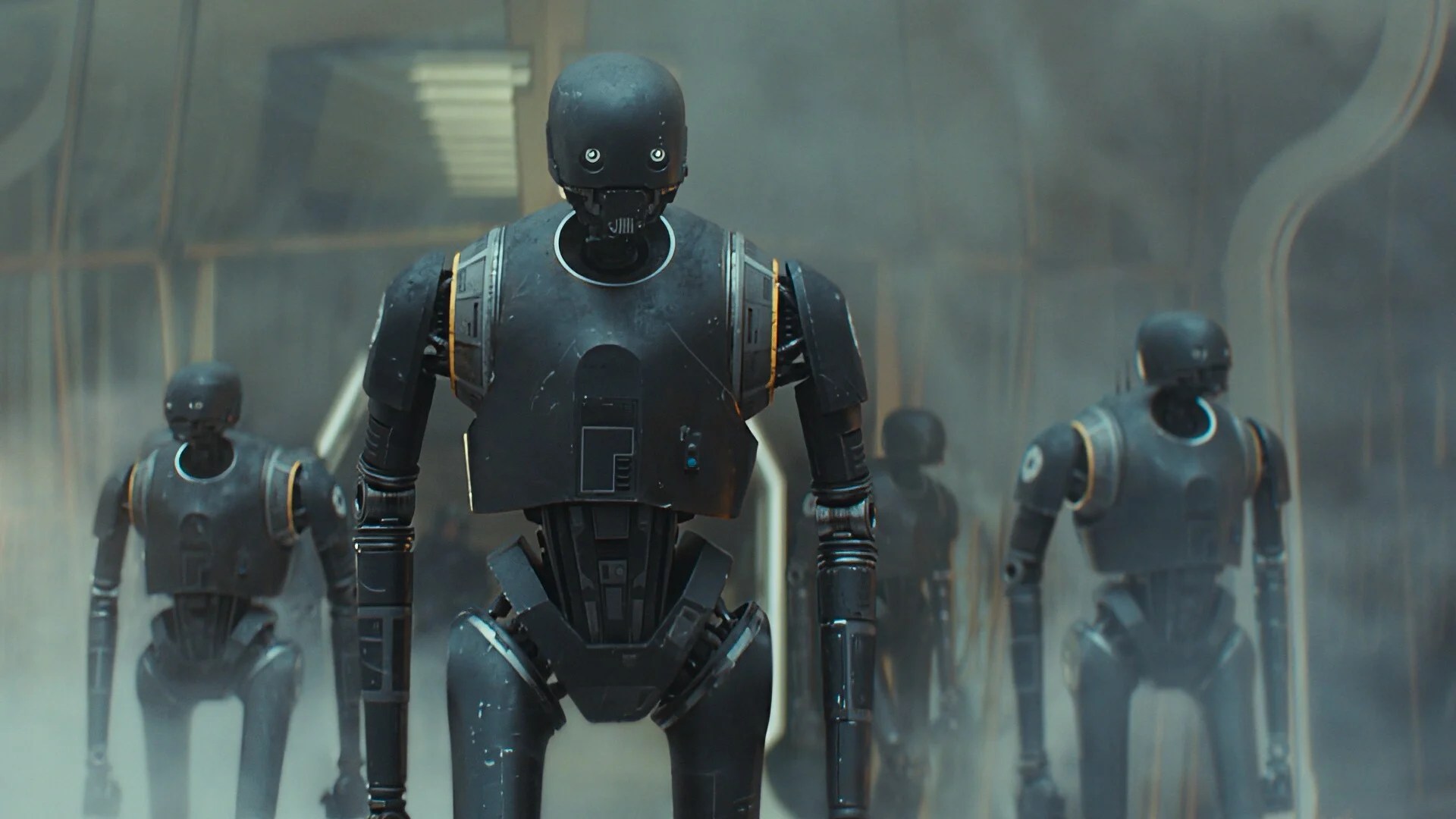
Ever since Disney acquired Star Warsfrom its creator George Lucas, the projects the company and Lucasfilm put out have received mixed reactions. At first, the franchise received a lot of renewed enthusiasm after the releases of Disney’s first two Star Wars films, Star Wars Episode VII: The Force Awakens and Rogue One: A Star Wars Story.
But the reception to the following films, Star Wars Episode VIII: The Last Jedi, Solo: A Star Wars Story and Star WarsEpisode IX: The Rise of Skywalker, was a lot less muted as many fans soured against the Disney films. As a result, the box office returns were not quite as high as the early films and in fact, Solo did not perform well in theaters.
This Was the Way
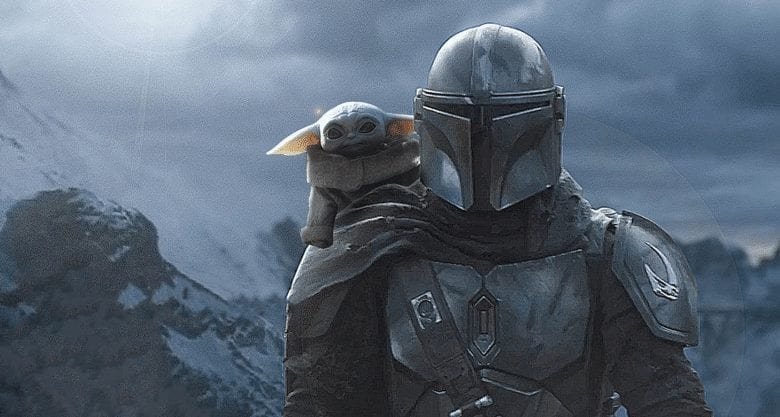
The Star Wars franchise recovered significantly when the first Disney + StarWars TV show, The Mandalorian, debuted on the streaming app in 2019. For a couple of years, Mandalorian fever gripped fans and the larger public as Grogu, the infant Yoda-like co-star of the show captured the public’s hearts and imagination. It seemed as if the TV show single-handedly rescued the franchise and injected new life into it. However, many of the other Star Wars TV shows were not as popular or had the level of quality as The Mandalorian, except for Andor. In fact, although Andor did not have the high viewership numbers that The Mandalorian enjoyed, it was a massive critical hit as it presented a fresh and adult take on Star Wars with its grounded look at how the Rebellion began in earnest against the Galactic Empire.
Still, despite Andor’s critical success, Star Wars on the whole was floundering as inferior TV shows like The Book of Boba Fett and Ahsoka disappointed fans and emboldened toxic trolls to attack Star Wars. Then there was the fact that the film franchise was essentially dead as many announced films never went into production, except for next year’s The Mandalorian and Grogu. Even recently, The Mandalorian fell out of favor with many fans because of its third season, which was not as well received as its first two seasons.
New Heights of Quality Star Wars Television
When the second season of Andor first streamed fans and critics applauded the show’s mature, sweeping and complex nature with its nuanced and well-developed characters that quickly generated memes and online discussion about the nature of defiance, sacrifice and societies.
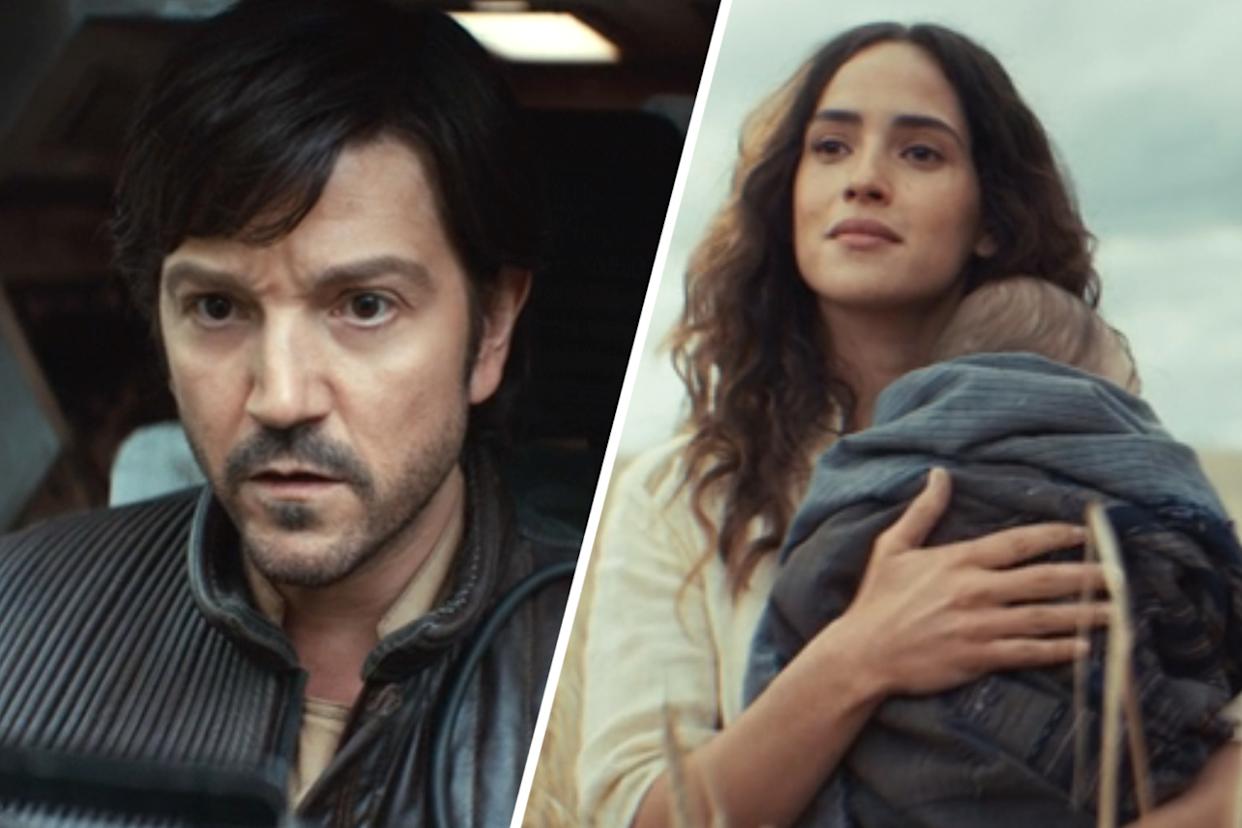
What truly captured the hearts of fans were its story arcs devoted to the Ghorman Massacre and the final arc that wrapped up the story lines of many characters including Cassian Andor himself. The last time we see him, he was departing for what would be his final mission in Rogue One. A mission he never returned from. What made his final on screen moments so heartbreaking was the revelation in Andor’s final scene that he fathered a child that he would never know. And no, this child is not Poe Dameron from the Star Wars Sequel Trilogy.
What made Andor so great and unique was that it had no connection to the Jedi, the Sith, or the larger Star Wars/Skywalker saga. It instead focused on random, everyday people living regular lives and how the Empire affected them to either join the cause or support the Empire through simple acts that cascaded into mass movements that affected the galaxy.
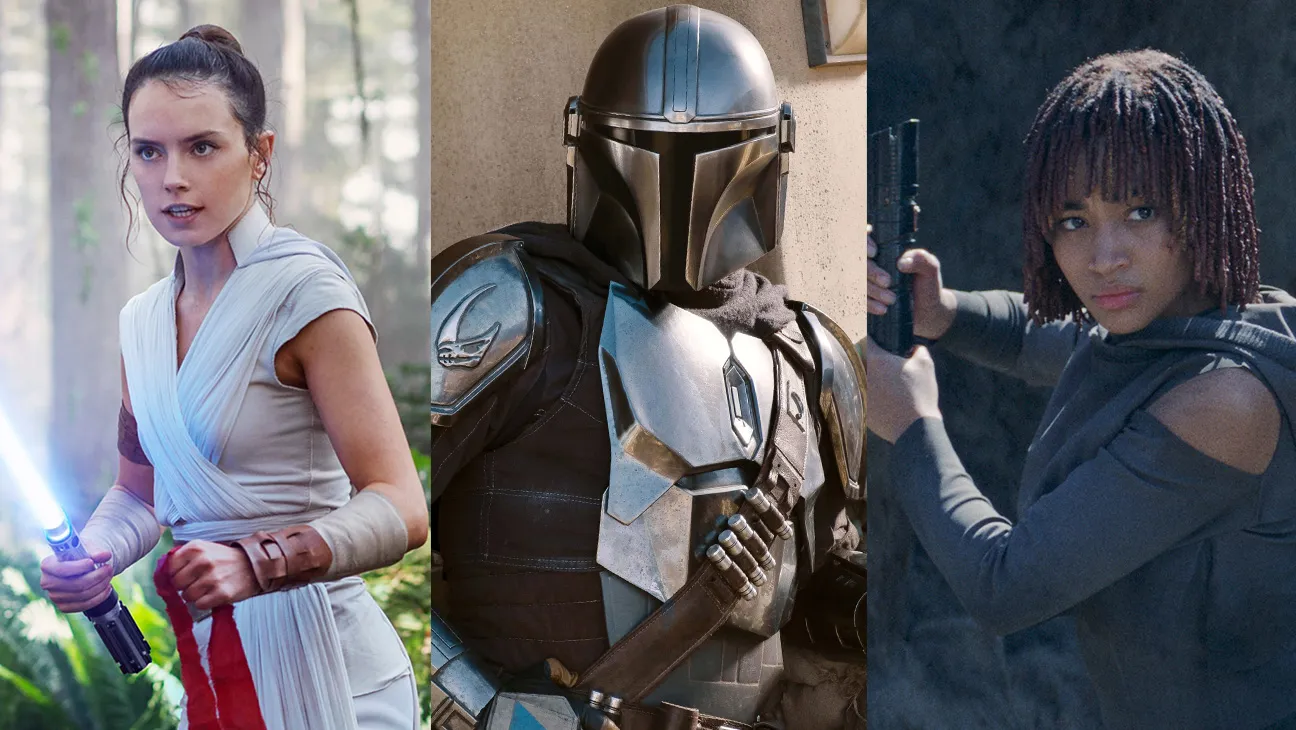
It should be noted that Andor was not the only TV show to break out of the traditional Star Wars mold. Others like Skeleton Crew and The Acolyte gave us different stories that took place at different time periods and had little to do with the Skywalker Saga. However, they were not as regarded as highly as Andor.



 Starloggers