Should The Next Star Trek TV Show Be About Kirk?

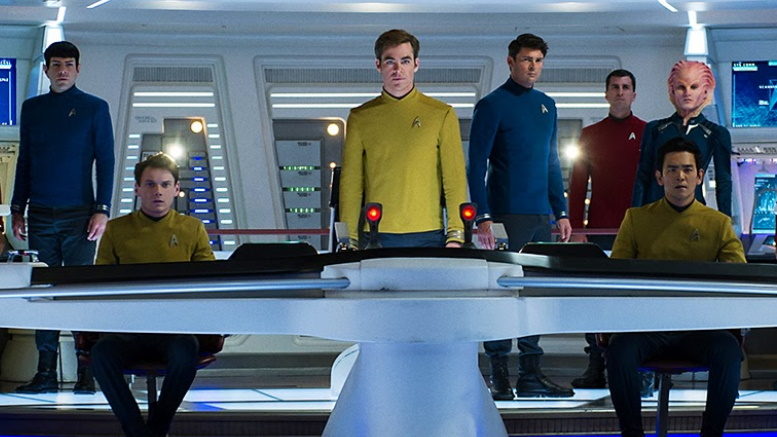
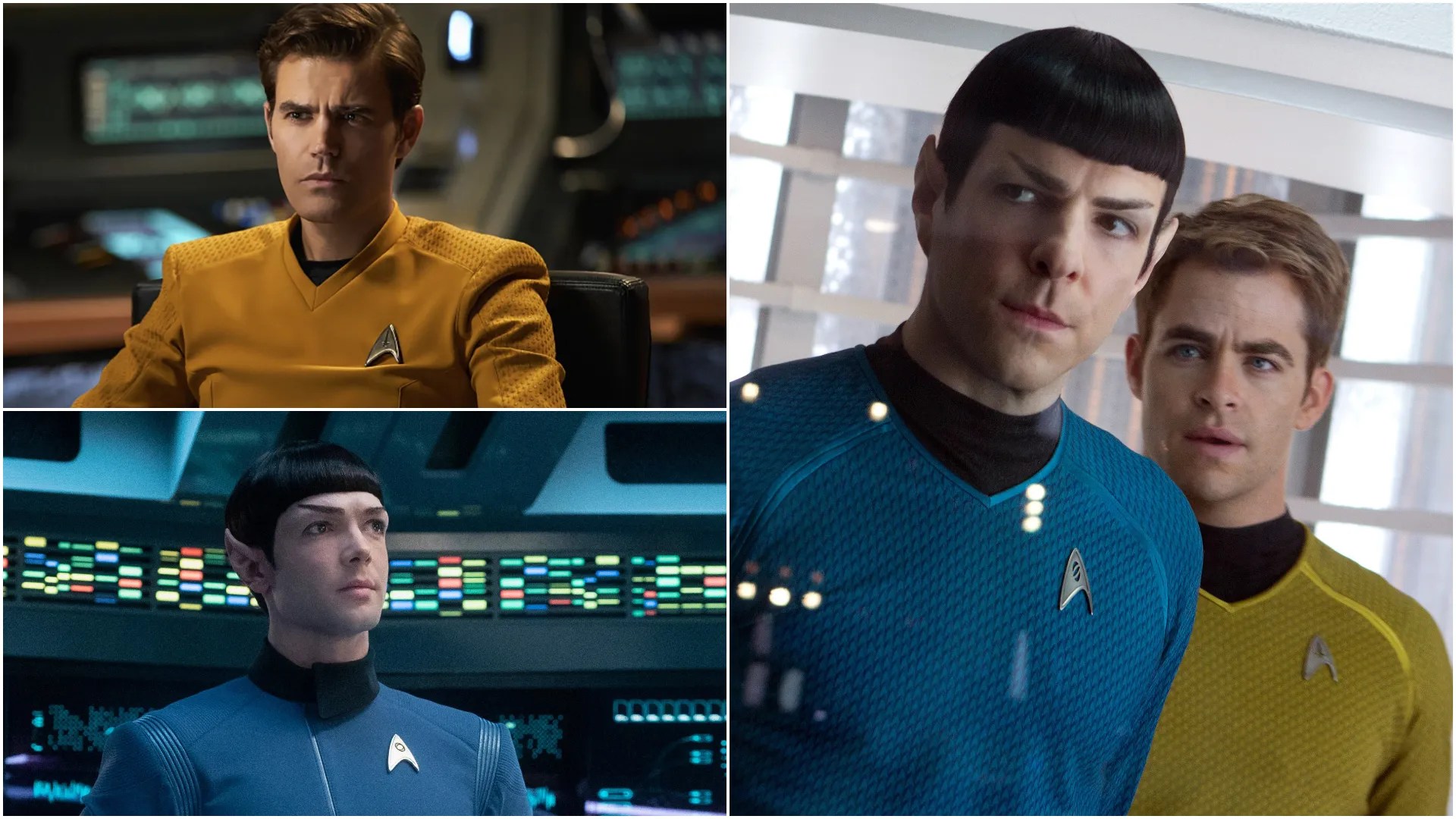
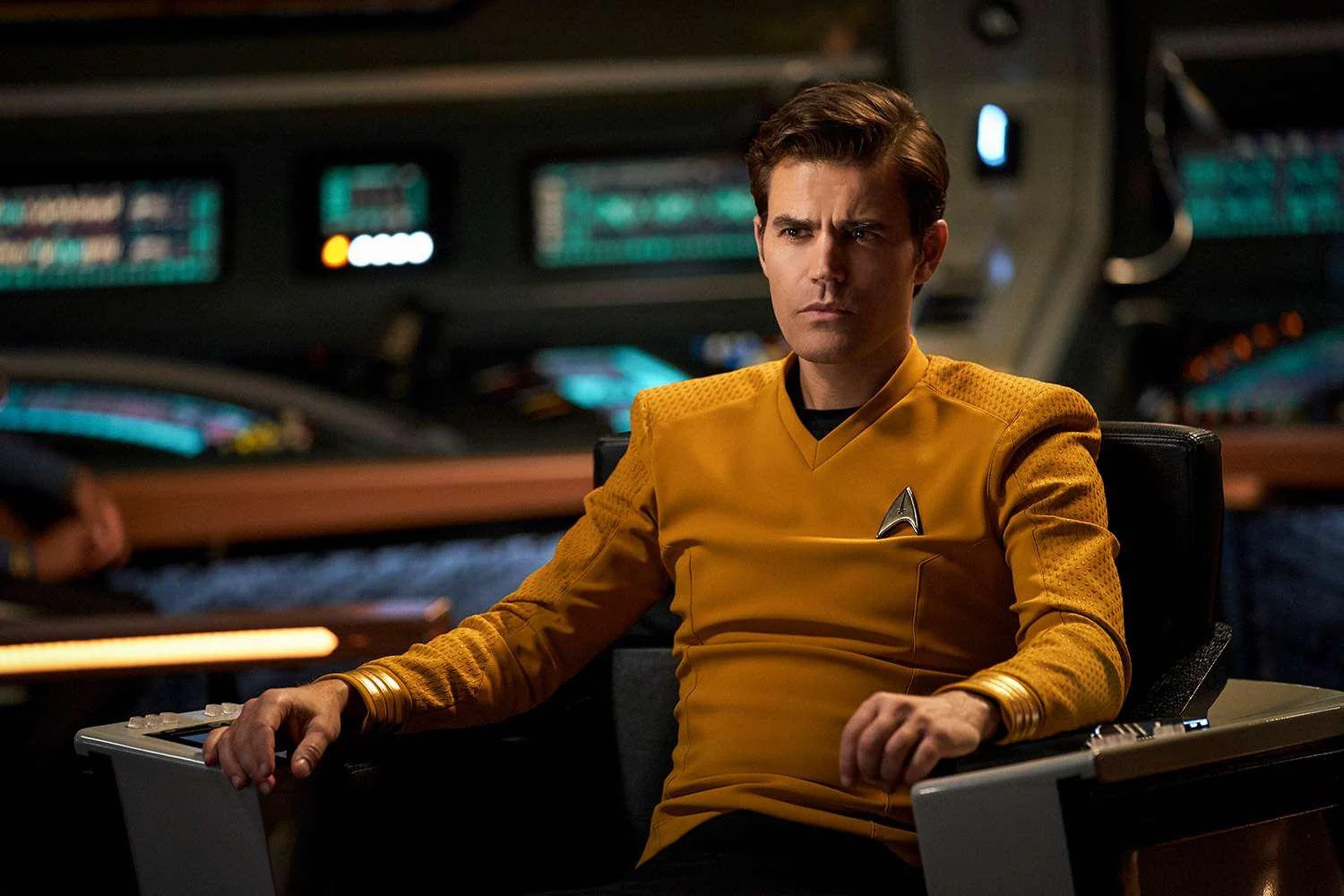
The powers that be that are in charge of the Star Trek franchise are busy planning a new Star Trek TV show that will feature a young James T. Kirk in his early days as captain of the U.S.S. Enterprise starship. This version of Kirk would be portrayed by Paul Wesley, who appeared frequently in Star Trek: Strange New Worlds and the proposed show would be a sequel to Strange New Worlds called Star Trek: Year One. It’s a great idea since Kirk is still one of the most popular characters in Trek. But should there be another TV show based on Kirk?
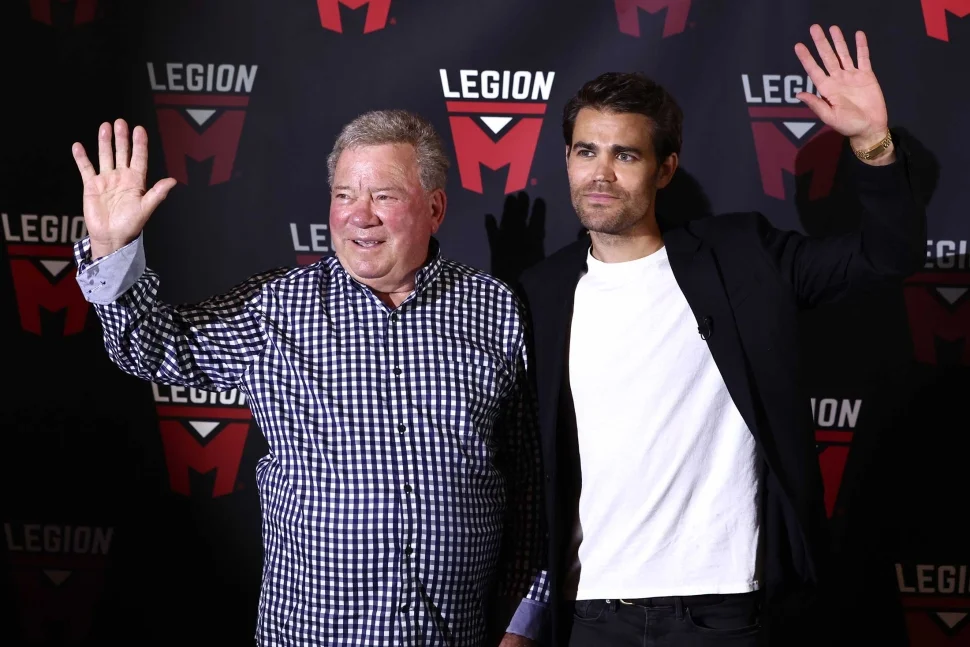
Let’s put aside the acting chops of Wesley or the idea of Kirk being recast, which has always been a challenge that producers had to deal with since William Shatner, the original actor to play the role, is ingrained with many fans who have a hard time accepting someone else playing Kirk. Just look at the trouble the production team behind the 2009 Star Trek film went through to cast Chris Pine as Kirk. People have to accept that Shatner will never play the role again, especially since Shatner is in his 90s and the budget to digitally de-age him would be prohibitive for an ongoing TV show.

In Wesley’s defense, he does a good job playing a young Kirk without resorting to Shatner’s unique method of acting that gave lots of fodder for comedians. To get an idea of how Wesley would have aped Shatner, take a look at the season three Star Trek: Strange New Worlds episode “A Space Adventure Hour”. It was one of those by-now obligatory holodeck malfunctioning episodes where Wesley as Kirk played a parody of Shatner’s Kirk. The point is if any actor tried to act like Shatner, he would not be taken seriously, which would doom the show.
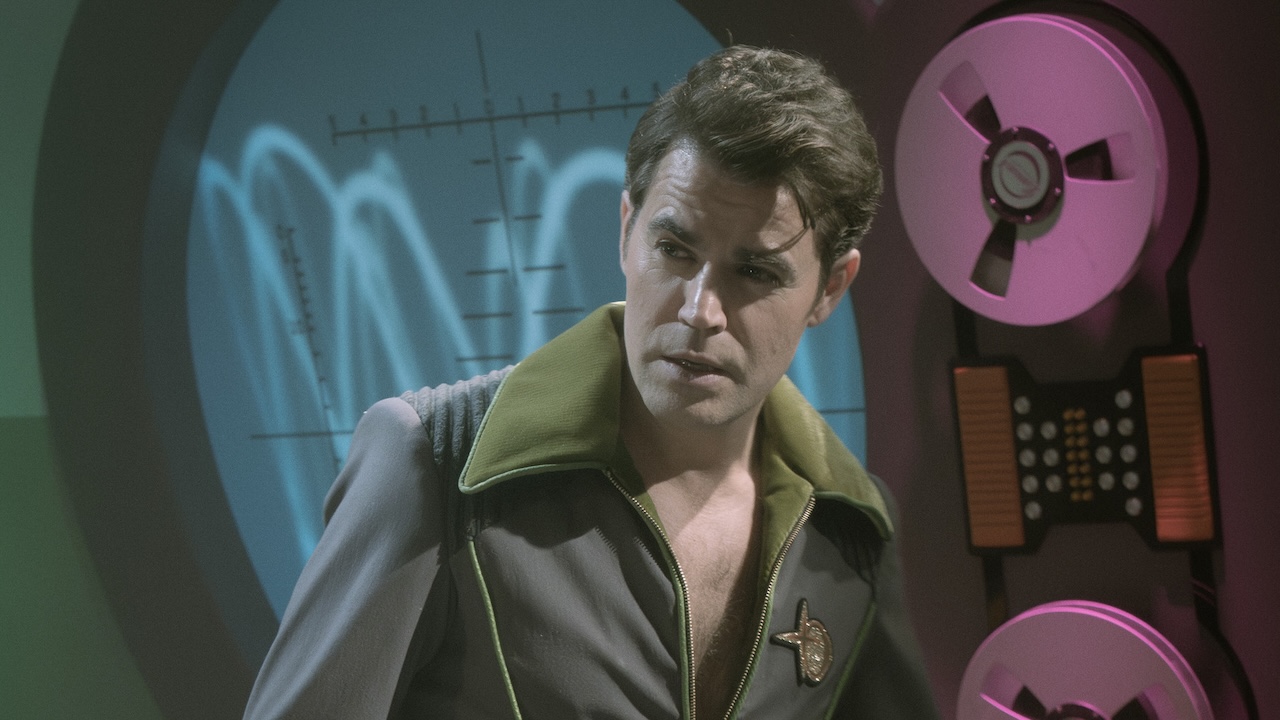
Getting back to the idea of a young Kirk TV show. On paper it seems like a natural, do a TV show about a young Kirk settling into his command, making mistakes and learning from them, and seeing how he formed his bond with the famous Enterprise crew. It would be fairly easy to create the show since it would be a sequel to Star Trek: Strange New Worlds and the standing sets and design are already done, so that would save money and time. Plus, many of the actors from Strange New Worlds like Ethan Peck would just transition over to Star Trek: Year One since Peck would be playing Spock, who became first officer of the Enterprise during Kirk’s command. The proposed Star Trek: Year One could also remake some of the more famous first season episodes like “Space Seed” (which would give us a recast of Khan) or “City on the Edge of Forever” but with better production and effects. This is very tantalizing.

The problem is that we saw Kirk’s early adventures in the original TV show. When Star Trek first aired, it featured Kirk when he first commanded the starship Enterprise. The implication with the first season of Star Trek was that the first season took place during the beginning of the ship’s five-year mission. On the other hand, there are signs that there was a time gap during the very first episodes and the later episodes. “Where No Man Has Gone Before” and “The Corbomite Maneuver” had the crew wearing slightly different uniforms than what was shown soon after. In fact, Doctor McCoy was not even around in the pilot episode “Where No Man Has Gone Before”. More importantly, there are implications in the early episodes that the crew of the Enterprise had been on their mission for some time. So, this leaves room for a Star Trek: Year One.
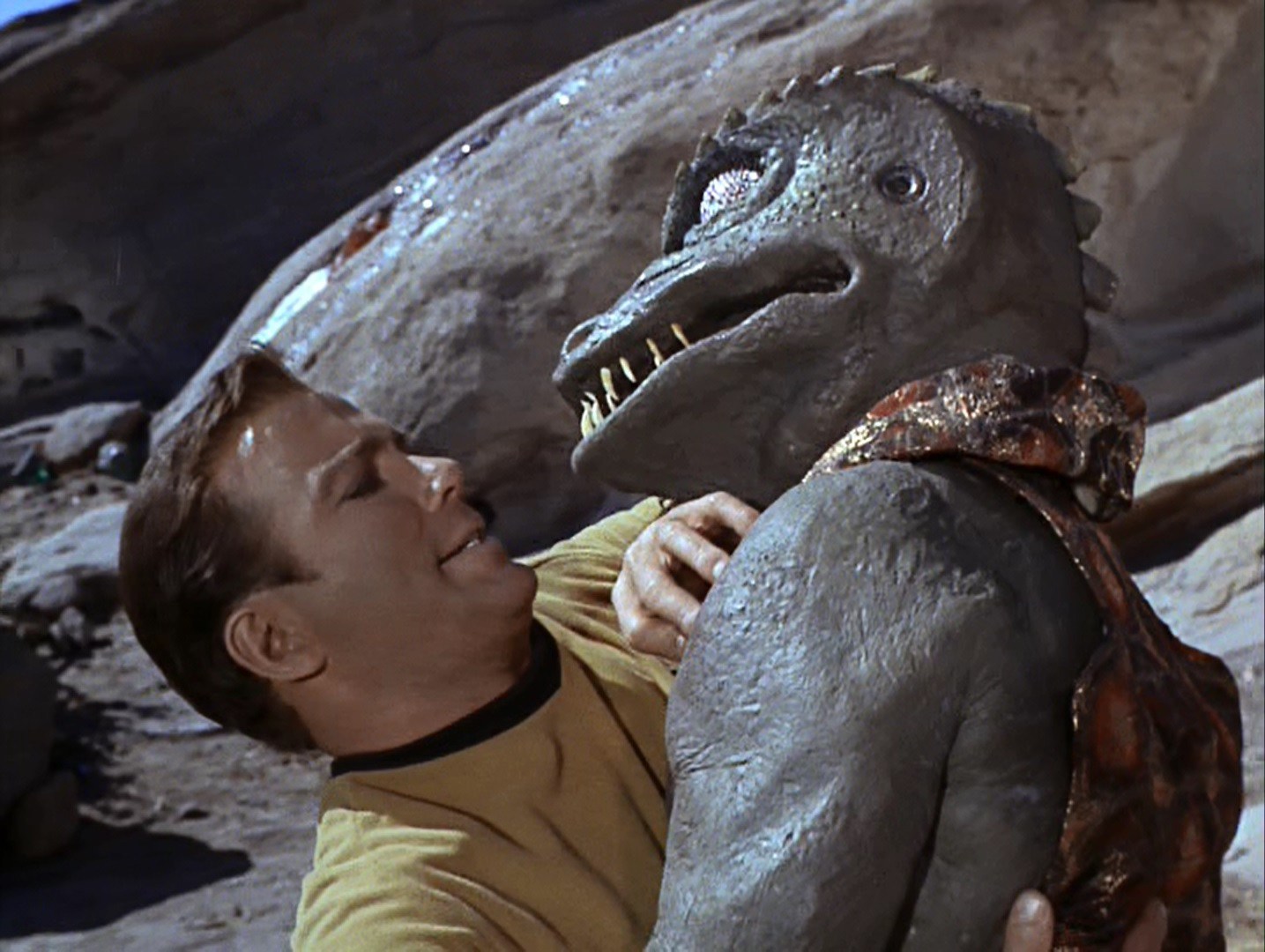
Kirk v Gorn in Arena

There is a headache that the writers of the proposed TV show would have to deal with and that is with continuity. This has plague all the Star Trek TV shows and films as they had to make sure the continuity established in the original Star Trek and later shows and films remained intact. Unfortunately, this did not work out many times and the recent Trek shows received a lot of flack from angry fans, such as with the look of the Klingons, the Gorn and with the early history of Star Trek. For example, Star Trek: Discovery and Star Trek: Strange New Worlds established that there was a Klingon War which was never implicitly mentioned in the original Star Trek, yet it happened close to the era of the original Trek. In the Star Trek episode “Arena” the Gorn looked radically different than the species shown in Star Trek: Strange New Worlds, and in the original show, the Enterprise crew acted as if they never heard of the Gorn, who were an ongoing threat in Star Trek: Strange New Worlds. This is an issue that long-running TV shows and films have to grapple with and Star Trek is not unique to this situation. As long as the basic history is adhered to, then fans should be willing to give the writers a pass.
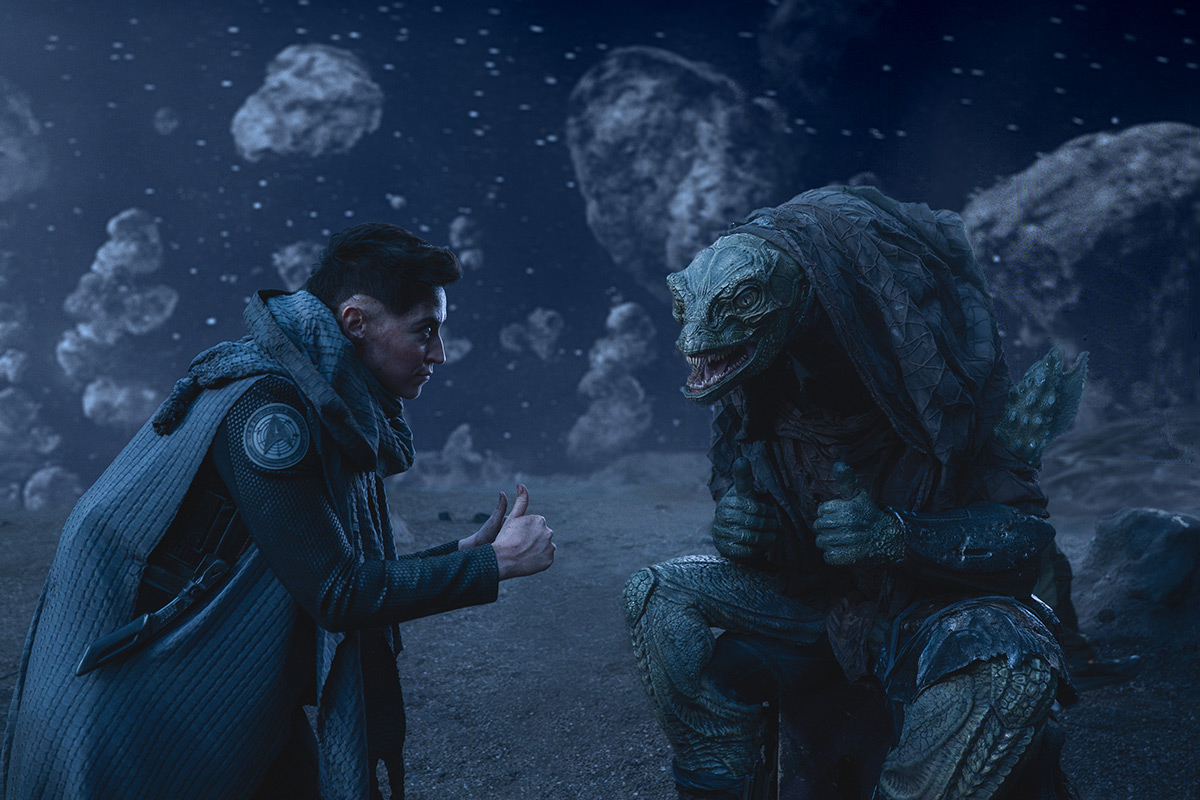
One way out of this would be to do what the 2009 Star Trek film did and establish that the recent Star Trek shows are set in another reality. The trouble is that it has been shown already that the recent Trek shows are set in the so-called Prime Timeline.

The most pressing problem for a so-called Star Trek: Year One has to do with whether or not there is any demand for it. Not everyone is thrilled with Wesley’s performance or the fact that the character has hijacked Star Trek: Strange New Worlds by appearing in practically every other episode. This was supposed to be a show about Christopher Pike not Kirk and we already have an idea of how the early years of Kirk went. Do we need to see it play out? Why not create a new Star Trek adventure with new characters? There are many time periods that have never been covered that are ripe for presenting like the time period between the original Trek and Star Trek: The Next Generation. In fact, a TV show about a young Picard sounds more interesting. Ever since Star Trek: Picard concluded, fans have been begging for a Star Trek: Legacies show featuring the crew of the Enterprise-G with Picard’s son, but it seems like the powers that be are hellbent on ignoring fans and plowing ahead with a young Kirk show. This is a sign that the current showrunners do not truly understand Star Trek. Over the decades, the franchise has proven repeatedly that it was rich enough to provide new characters and situations set in the franchise. It allowed Trek to reinvent itself and not rely on Kirk and his crew to generate interest.
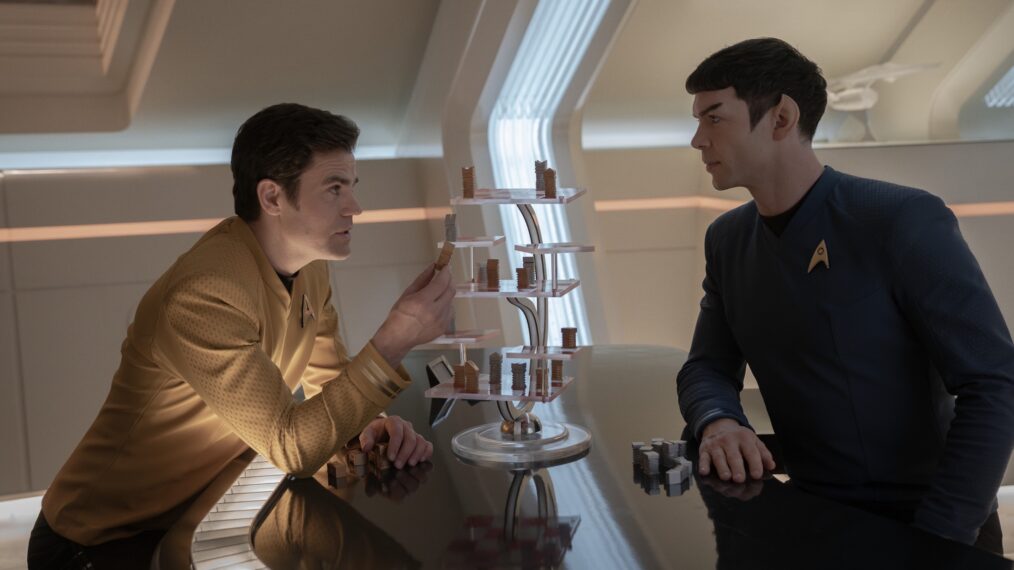
To date it’s not known if Star Trek: Year One will get the green light. A lot depends on studio politics and budgets since modern Trek shows are very expensive. If the show goes through, we’ll have to give it the benefit of the doubt that it will be a worthy addition to the legacy of Star Trek.
Star Trek As It Approaches Its 60th Anniversary

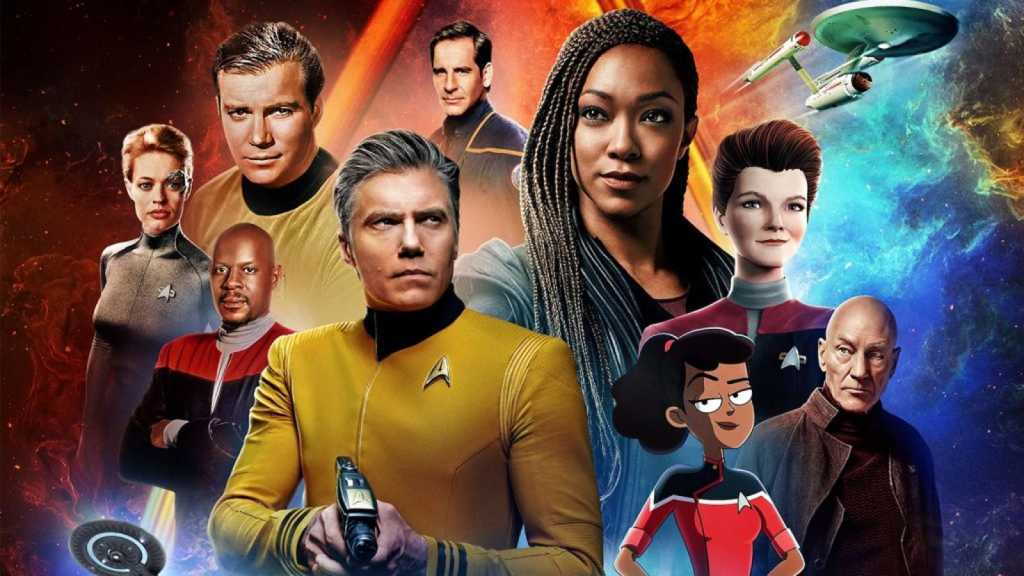
As Star Trek celebrate Star Trek Day and commemorate the 59th anniversary of the famous sci-fi TV show, it is important to reflect on the state of the Star Trek franchise and where it is going as it soon approaches its 60th anniversary.

Star Trek has had its highs and lows throughout the decades in terms of popularity, cultural relevance and quality with its glory years arguably being during the 1990s. After the franchise took a forced hiatus in the mid 2000s, a comeback was attempted with the reboot film Star Trek (2009). The film did well and was popular but a significant number of fans did not appreciate director J.J. Abrams attempt to turn the franchise about space explorers, noted for its thought-provoking plots, into a more simplistic shoot-em-up space adventure that emphasized action and explosions over nifty plots and character developments.

The reboot film franchise came to an end nine years ago with Star Trek Beyond, which did not perform well in theaters, though its tone was more of a throwback to the original TV shows and films. Since then, there have been many failed attempts to produce a fourth film featuring the cast of the reboot films, but none have succeeded and that franchise is now essentially dead. Or is it?

Meanwhile, Star Trek returned to its TV roots in 2017 with the debut of Star Trek: Discovery, a prequel series to the original show that streamed on the app CBS All Access (later renamed Paramount+). Now, while the TV show ran a respectable five seasons and spawned another prequel spinoff, Star Trek: Strange New Worlds, as well as additional Star Trek TV shows, Star Trek: Discovery wound up being divisive among fans. Many complained about the storylines and the characters, with more conservative fans being outright hostile to the show’s featuring of non-heterosexual characters. It did not matter. In this day and age of toxic fandom where cynical content creators are more interested in clicks and views, any iteration of Star Trek would have received scorn.

Right now, Star Trek is at a bit of a crossroads. Its parent company, Paramount Pictures, is undergoing a merger and the fate of the franchise is unknown with many rumors flying around as to its final fate. But there are many reports that the bigwigs at Paramount are bullish on Star Trek and want to continue with the franchise. The question remains is how will it continue? As of now, the only currently streaming Star Trek TV show (Star Trek: Strange New Worlds) will come to a conclusion after its fifth season (the fourth season is currently filming while the third season will complete streaming new episodes this week). After that, a new TV show Star Trek: Starfleet Academy will stream in early 2026, while a sitcom set in the world of Star Trek is in development. Who knows if that comedy will ever see the light of day or even generate any laughs if it comes to fruition.

There are other pitches for Star Trek TV shows, including a prequel series based on a young James T. Kirk, which will be a sequel to Star Trek: Strange New Worlds and would star Paul Wesley reprising the role of Kirk. The show has been tentatively titled Star Trek: Year One and would be about Kirk’s early days as the starship Enterprise captain. Meanwhile, Scott Bakula, the star of Star Trek: Enterprise is involved in a pitch for a show that would take place years after Bakula’s show and feature his character as the president of the United Federation of Planets. Unlike other Star Trek shows, this one would not be a show about exploring worlds but have a political slant more akin to Star Trek: Deep Space Nine. Then there is the fan-favorite idea of Star Trek: Legacy, which would be a sequel to Star Trek: Picard, specifically its popular third season and be about the adventures of the crew of the Enterprise-G. It has been pitched in the past, but so far, Paramount has not shown interest in pursuing Star Trek: Legacy.

Regarding films, there are still plans to produce a fourth film set in the Abrams reboot universe with directors and writers coming and leaving the project. Then Paramount recently announced another film will be produced that will feature all-new characters and situations. That actually sounds interesting but as of now, we have no definite information.

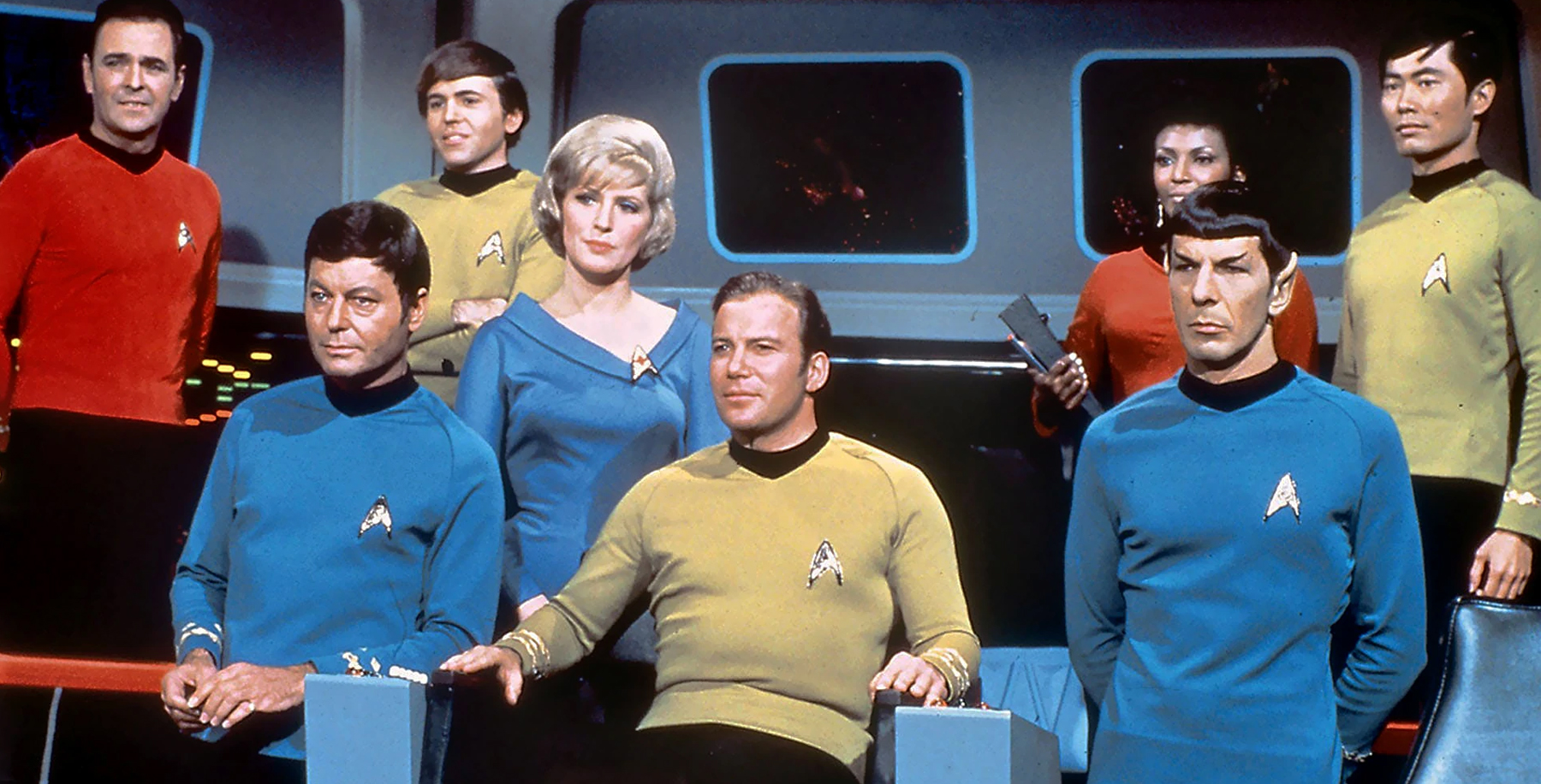
Given all that, there are not any concrete plans for Star Trek TV shows or films aside from the Academy show, which is a bit concerning given that the 60th anniversary is under a year away. You would think Paramount would have something concrete in production. Some of the ideas noted above are interesting and even if they don’t end up as TV shows they can at least become limited series or TV films, just better executed than the hot garbage Star Trek: Section 31. One thing to consider is that 2026 will be a celebration of the original Star Trek, not its sequels and films, and there are three remaining cast members from the original show. Aside from a standard documentary/retrospective, maybe Paramount can find some way to involve William Shatner, George Takei and Walter Koenig in some kind of new Star Trek production. The only limits are time, money and more importantly, imagination. Here’s to boldy going 59 years strong.

After Andor What’s Next For Star Wars?

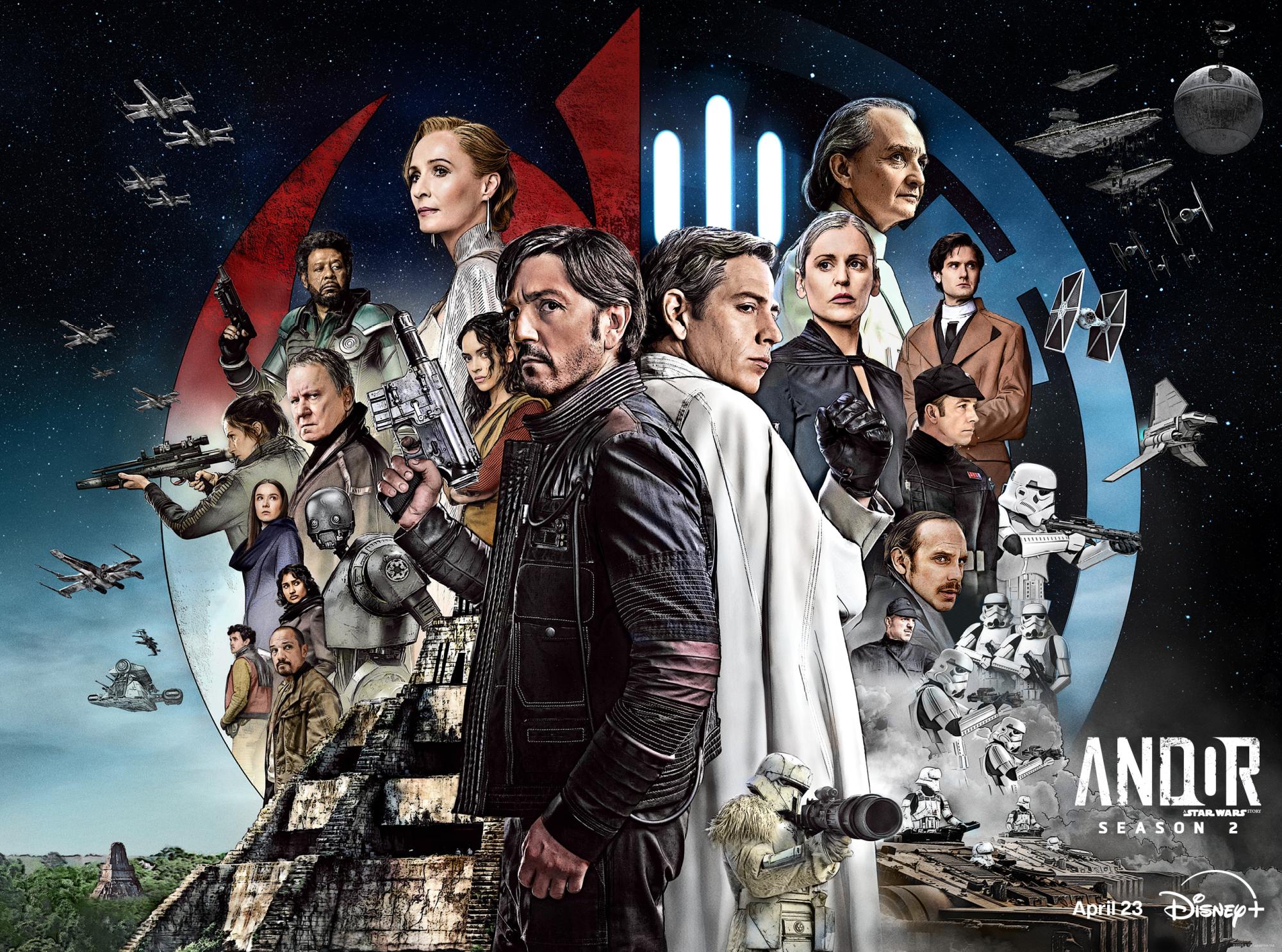
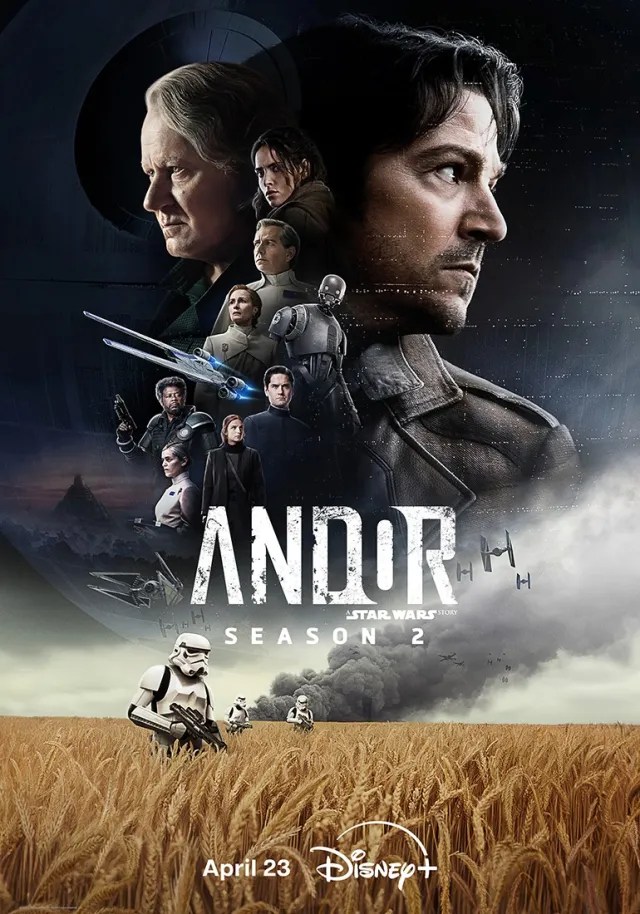
The Disney + Star Wars TV series Andor concluded to much deserved acclaim, and it did something that seemed improbable given the state of the Star Wars franchise. Andor has helped create renewed enthusiasm for Star Wars as it showed how versatile and mature the franchise can be.

Ever since Disney acquired Star Wars from its creator George Lucas, the projects the company and Lucasfilm put out have received mixed reactions. At first, the franchise received a lot of renewed enthusiasm after the releases of Disney’s first two Star Wars films, Star Wars Episode VII: The Force Awakens and Rogue One: A Star Wars Story.

But the reception to the following films, Star Wars Episode VIII: The Last Jedi, Solo: A Star Wars Story and Star Wars Episode IX: The Rise of Skywalker, was a lot less muted as many fans soured against the Disney films. As a result, the box office returns were not quite as high as the early films and in fact, Solo did not perform well in theaters.

This Was the Way

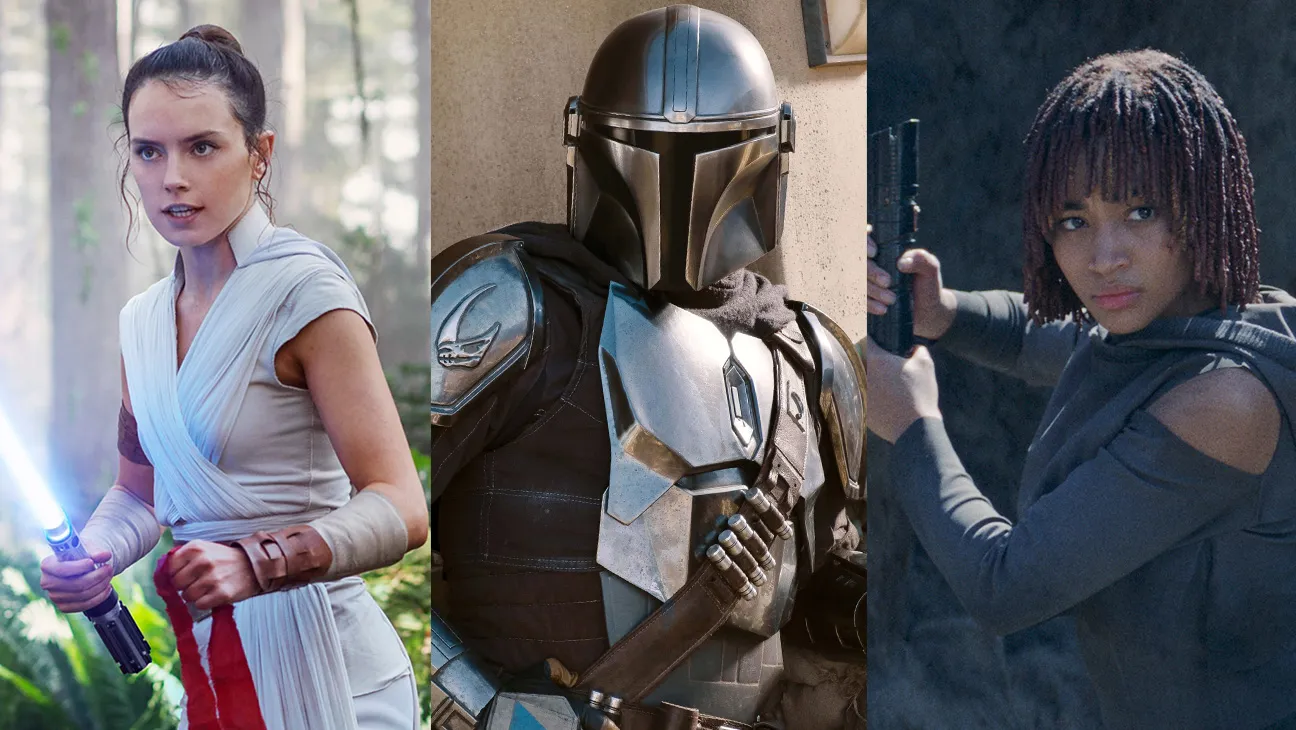
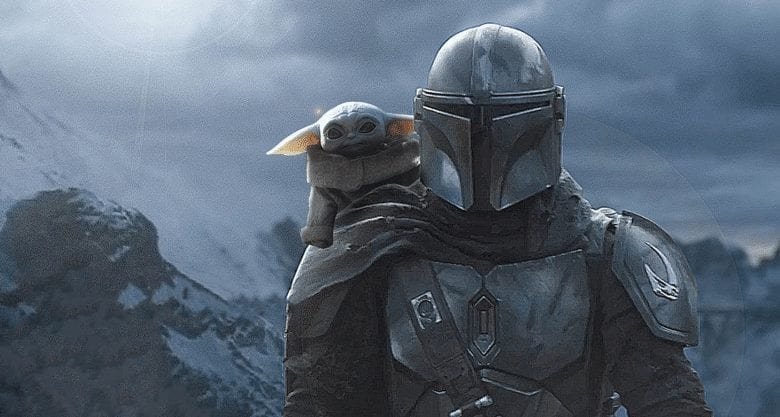
The Star Wars franchise recovered significantly when the first Disney + Star Wars TV show, The Mandalorian, debuted on the streaming app in 2019. For a couple of years, Mandalorian fever gripped fans and the larger public as Grogu, the infant Yoda-like co-star of the show captured the public’s hearts and imagination. It seemed as if the TV show single-handedly rescued the franchise and injected new life into it. However, many of the other Star Wars TV shows were not as popular or had the level of quality as The Mandalorian, except for Andor. In fact, although Andor did not have the high viewership numbers that The Mandalorian enjoyed, it was a massive critical hit as it presented a fresh and adult take on Star Wars with its grounded look at how the Rebellion began in earnest against the Galactic Empire.

Still, despite Andor’s critical success, Star Wars on the whole was floundering as inferior TV shows like The Book of Boba Fett and Ahsoka disappointed fans and emboldened toxic trolls to attack Star Wars. Then there was the fact that the film franchise was essentially dead as many announced films never went into production, except for next year’s The Mandalorian and Grogu. Even recently, The Mandalorian fell out of favor with many fans because of its third season, which was not as well received as its first two seasons.

New Heights of Quality Star Wars Television

When the second season of Andor first streamed fans and critics applauded the show’s mature, sweeping and complex nature with its nuanced and well-developed characters that quickly generated memes and online discussion about the nature of defiance, sacrifice and societies.

What truly captured the hearts of fans were its story arcs devoted to the Ghorman Massacre and the final arc that wrapped up the story lines of many characters including Cassian Andor himself. The last time we see him, he was departing for what would be his final mission in Rogue One. A mission he never returned from. What made his final on screen moments so heartbreaking was the revelation in Andor’s final scene that he fathered a child that he would never know. And no, this child is not Poe Dameron from the Star Wars Sequel Trilogy.

What made Andor so great and unique was that it had no connection to the Jedi, the Sith, or the larger Star Wars/Skywalker saga. It instead focused on random, everyday people living regular lives and how the Empire affected them to either join the cause or support the Empire through simple acts that cascaded into mass movements that affected the galaxy.

It should be noted that Andor was not the only TV show to break out of the traditional Star Wars mold. Others like Skeleton Crew and The Acolyte gave us different stories that took place at different time periods and had little to do with the Skywalker Saga. However, they were not as regarded as highly as Andor.

Continue reading

Season Two Of Andor Proves It Is The Greatest Star Wars TV Show Of All

Andor just completed its second and final season on Disney + and it proved beyond question that it is the greatest Star Wars TV show ever presented. Some fans may complain that it is too slow or too adult or too unlike Star Wars, but they are missing the point. Andor demonstrates that Star Wars can be much more than action-oriented, near fantasy stories that are supposedly geared more to children. The IP is much more than that and Andor shows us the potential of what Star Wars can be.

The second season of Andor is broken up into three-episode arcs, with each arc taking place a year apart as the overall narrative counts down to the original Star Wars and Rogue One: A Star Wars Story. As each arc progresses, we get to see how the complex characters develop and grow.

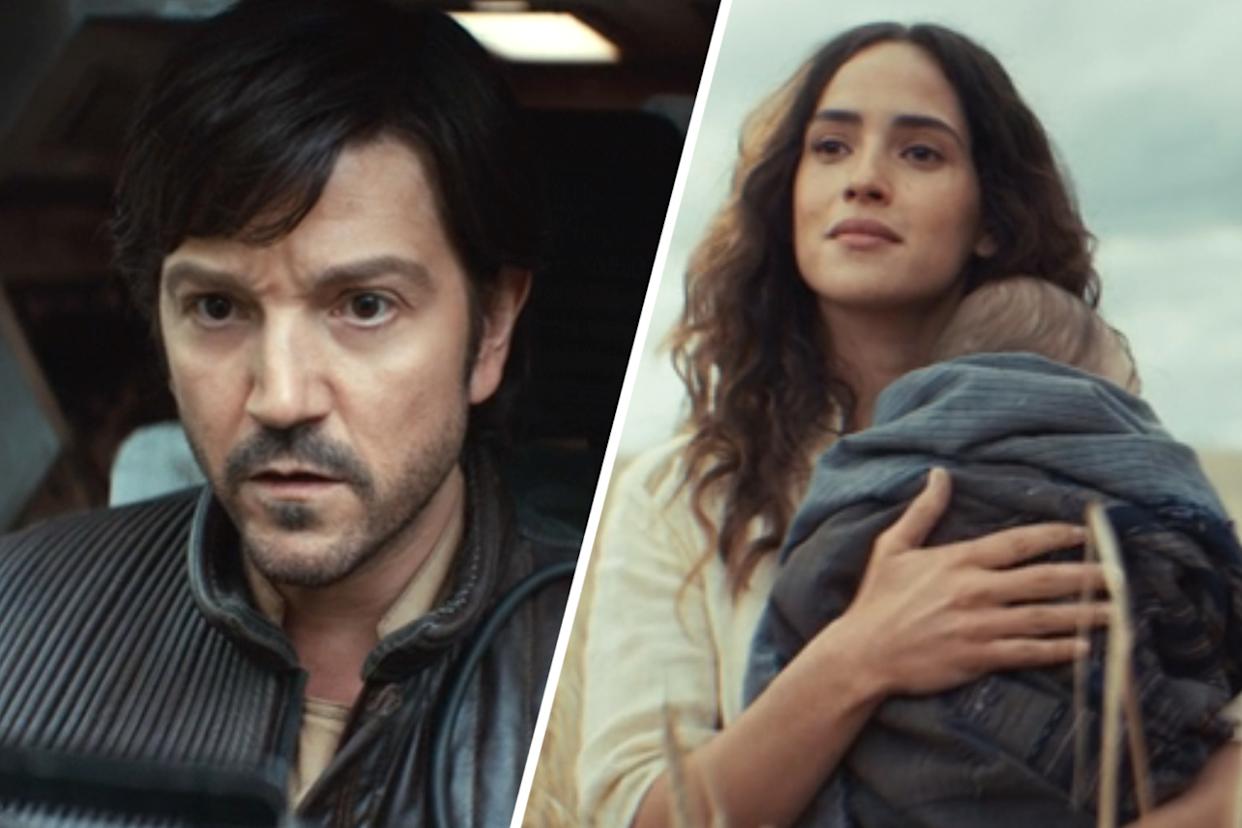
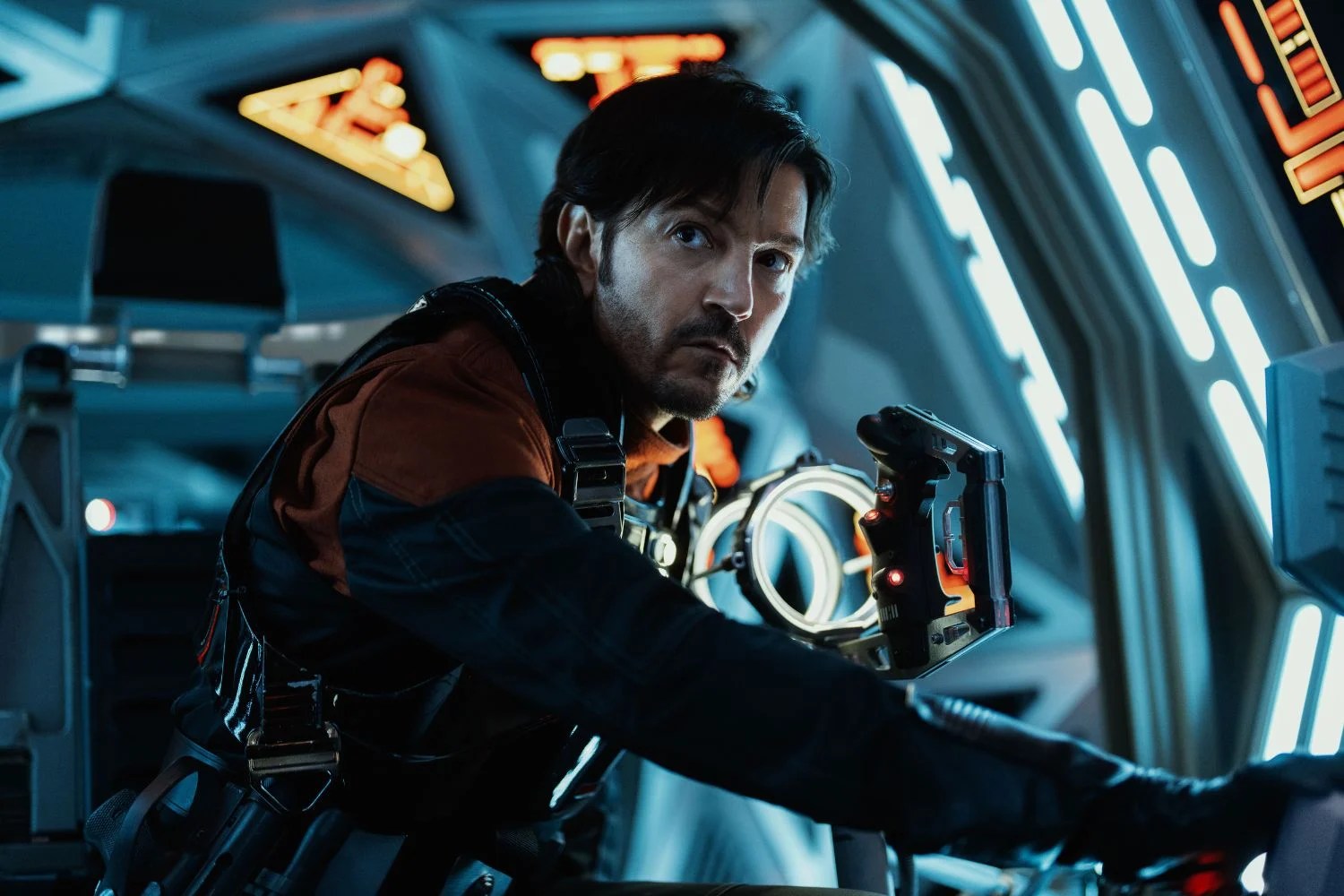
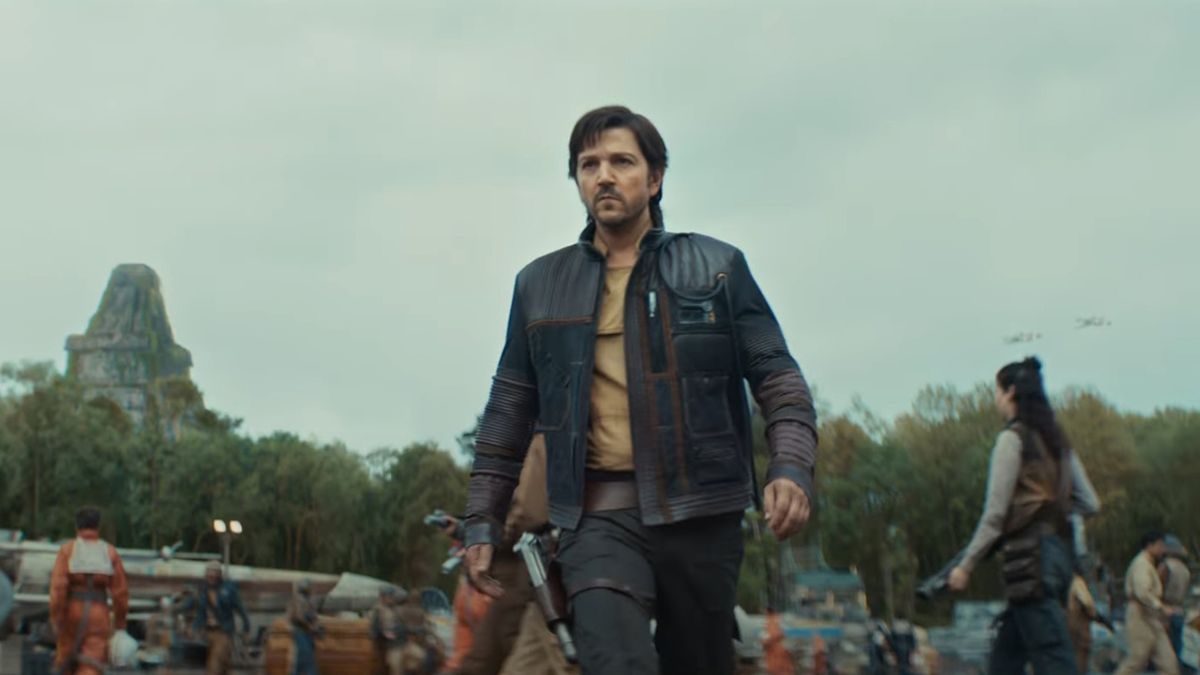
Among the great things about Andor are its rich characters starting with the title character himself, Cassian Andor (Diego Luna), a spy for the burgeoning Rebel Alliance. In the early years of the rebellion against the Galactic Empire, Andor travels through many worlds on spy missions to undermine the Empire. But in his heart, even though he detests the Empire, he wants to retire to a quiet life with his girlfriend, Bix Caleen (Adria Arjona), who is suffering from PTSD after being tortured by the Empire in the first season. Sadly, as anyone who has seen Rogue One knows, that is not to be for Cassian. Knowing Andor’s ultimate fate and the impact he will unknowingly have in the fight against the Empire makes his personal growth so compelling. We see that he has grown as a character since the first season. Back then, he largely looked out for himself and only through tragedies did he join the Rebellion. When we see him throughout the second season, Andor is now a polished spy who could blend into several environments as he pulls off capers like stealing advanced Imperial TIE fighters or doing reconnaissance in the tragic world of Ghorman, as it becomes a hotbed for unrest against the Empire.

It turned out that the storyline in Ghorman, which continued through two arcs, was the centerpiece of Andor. We get to see a rich culture that seemed vaguely European and an obvious stand-in for France during World War II with amateur spies and rebels facing a hopeless situation against the Empire. What made matters worse was that the unrest on Ghorman was orchestrated by the Empire just to create a media narrative that the populace was full of terrorists just so the planet could be mined for a mineral needed for the Death Star battle station. The entire storyline was an unsettling mirror and a damning commentary for our current situation where people blindly believe whatever narrative government officials tell them and the misuse of media.

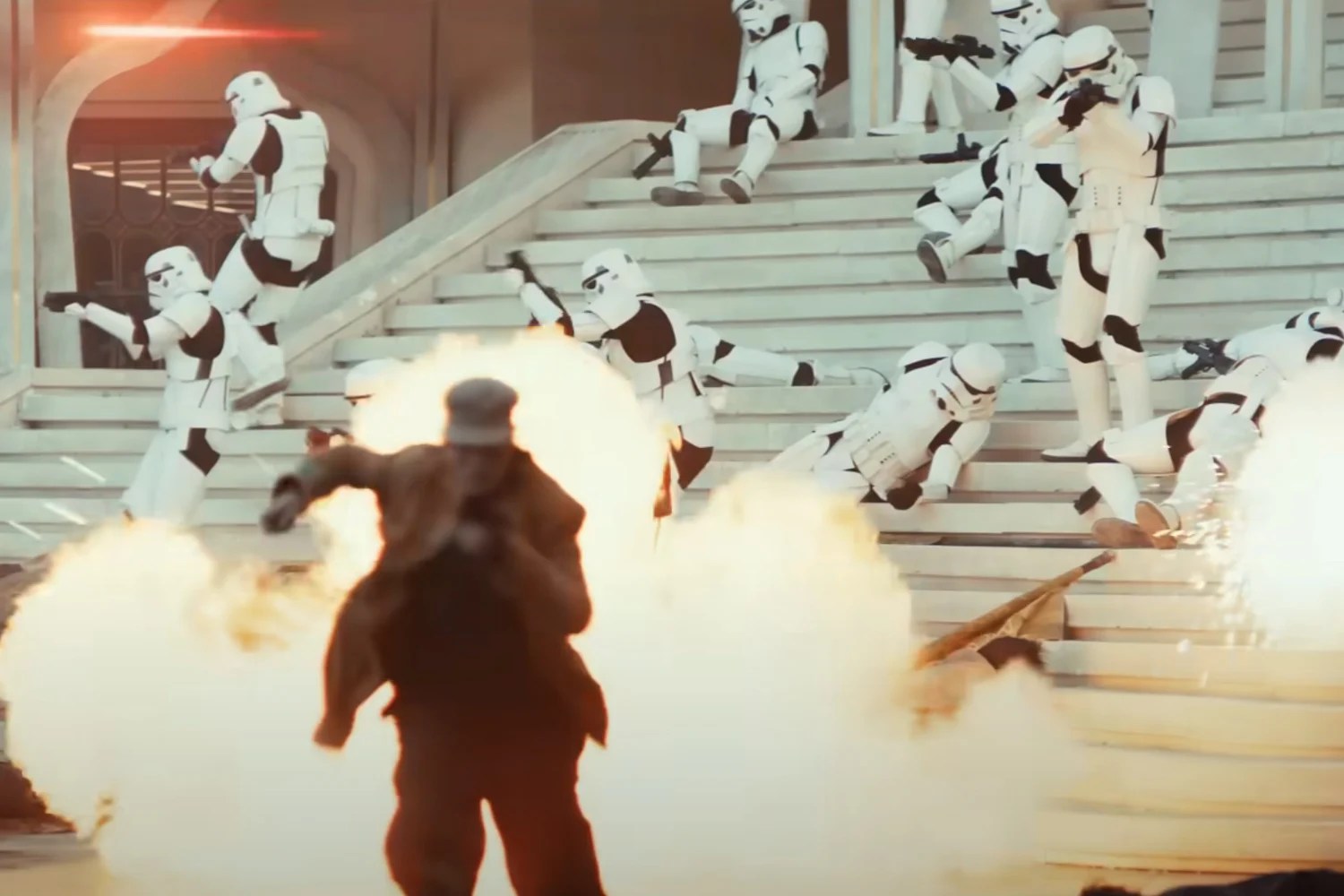
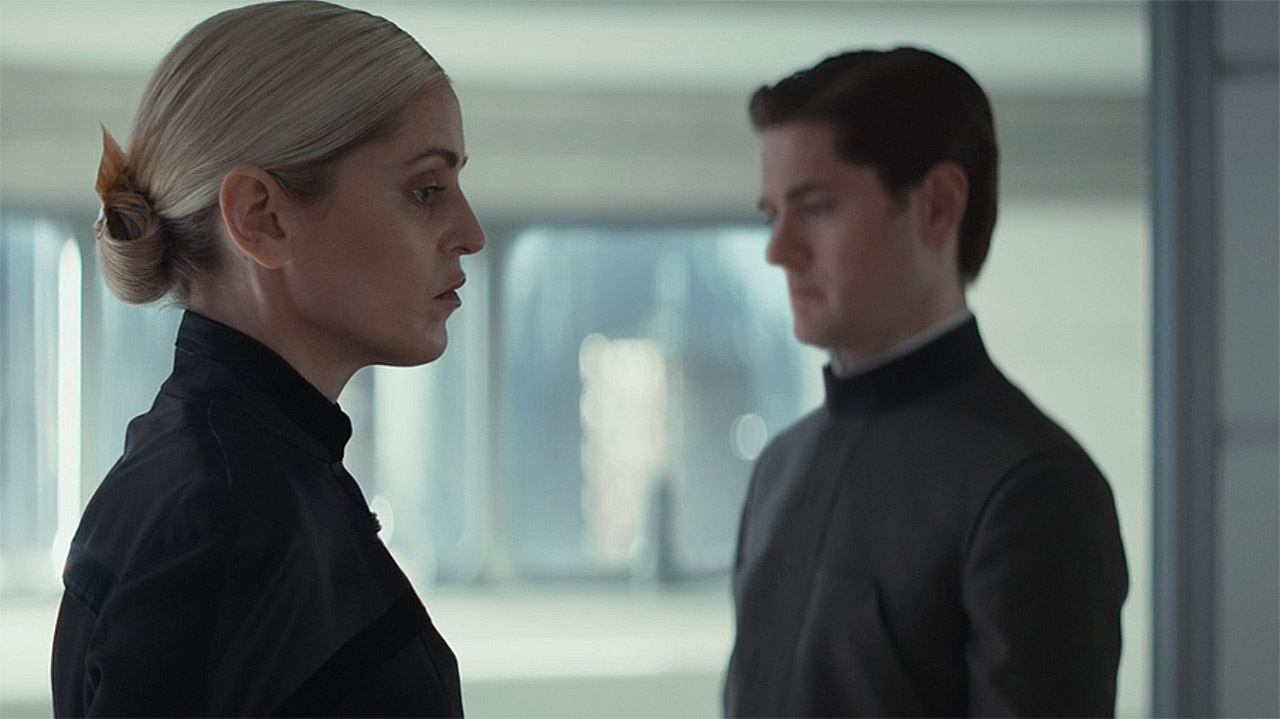
The two-part story arc of Ghorman culminated in the so-called Ghorman massacre in the seventh episode as many brewing subplots came to a head. Several characters had cathartic encounters with each other, notably the Imperial bureaucrat Syril Karn (Kyle Soller), who was obsessed with finding and arresting Andor that was like Inspector Javert chasing after Jean Valjean. While Syril is a sniveling and insecure man, his storyline is quite captivating and is a grounded look at how civilians live in the age of the Galactic Empire. He was basically a nobody who was needled by his mother and only wanted to move up in middle management. What made his story interesting was that we see that he slowly began to sympathize with the Ghormans and that he was being manipulated by his girlfriend Dedra Meero (Denise Gough), an Imperial operative who was equally ambitious.

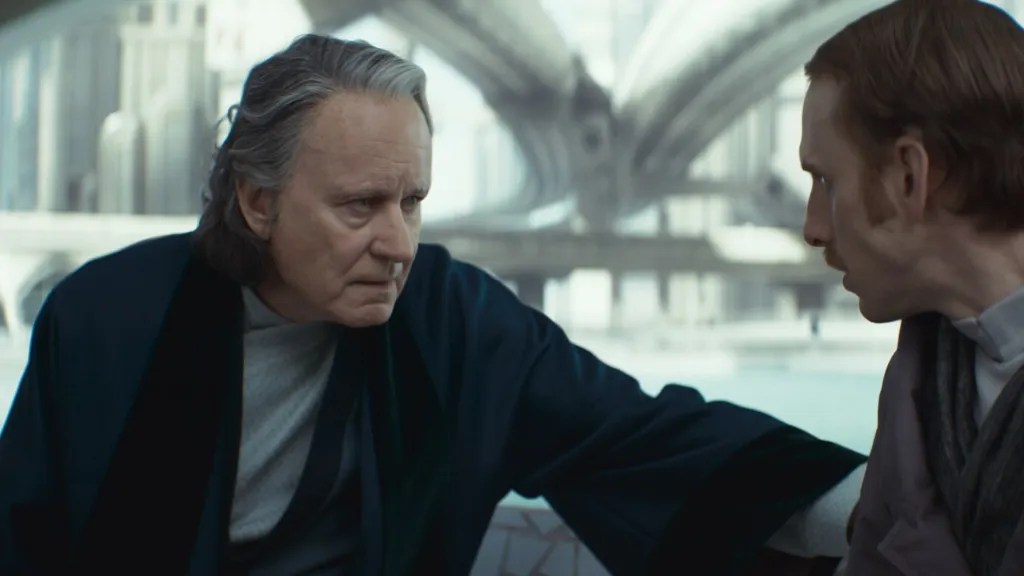
Deedra herself was obsessed with learning the identity of who she considered to be the mastermind behind the Rebellion: a person she called Axis. This turned out to be none other than Andor’s recruiter and mentor Luthen Rael (Stellan Skarsgard), a master spy who runs an antique shop in the Imperial capital world Coruscant and helped fund and coordinate the intelligence network for the Rebellion. Skarsgard gave what is probably the performance of his career as Luthen, a morally complex and mysterious operative who has no boundaries and will use anyone and any means to defeat the Empire. That is incredible considering how perfect the performances are from the other cast members, starting with Luna.

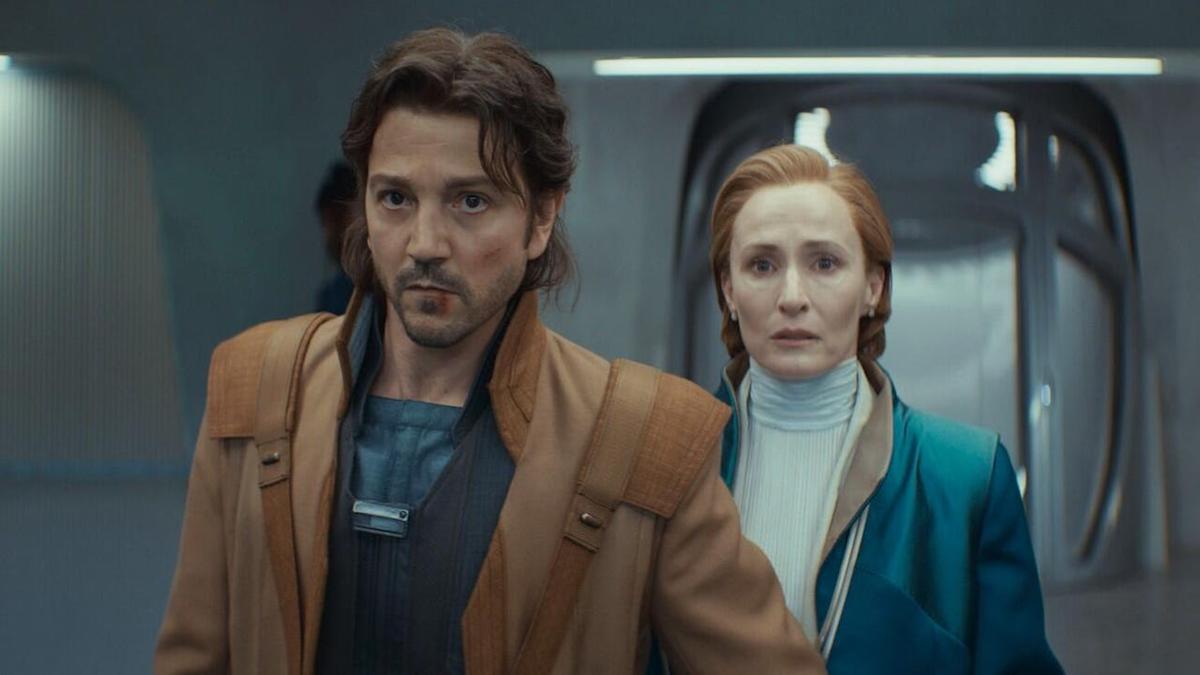
Getting back to the Ghorman Massacre, the incident in the episode “Who Are You?” was very disturbing and hammers home how evil the Empire is; they really are space Nazis who should not be admired. This incident turned out to be a turning point not just with the Galactic Civil War but with the destinies of many characters including Andor. As mentioned before, Andor played a critical role in the early days of the Rebellion. In the second season his most important contribution was when he went to Coruscant and extracted Mon Mothma (Genevieve O’Reilly), one of the few senators who spoke out against the Empire after the massacre and ended up becoming the leader of the Rebellion. The episode “Welcome to the Rebellion” is where Andor extracts her from Coruscant and it was very intense and rousing, especially in the scenes where she gives her speech to denounce the Empire and afterwards when Andor has to get her to safety. What made everything so heartbreaking for Andor was how everything ended for him personally after he succeeded. These developments helped set him up for his situation when we saw him in Rogue One.

A remarkable thing the second season of Andor did was seamlessly connect to Rogue One. The final episode of the series “Jedha, Kyber, Erso” felt like a countdown as many story arcs concluded and featured characters that would show up in the film. The entire series helps us look at the film in a new way when it comes to Andor as we now understand the strife he went through in life and the level of sacrifice he made for the cause. One story line that was never resolved was that of Cassian looking for his little sister. As shown in the first season, the two siblings were separated as children and his search for her when he was an adult set in place his involvement with the Rebellion and his destiny. In one tragic sequence, in the last moments of the last episode, Andor is still dreaming about her, and he never will find out what happened to his sister. That is how life goes unfortunately.

Grounded moments like Andor’s bitter memories, the tragic deaths of beloved characters, the bitter sacrifices made by most characters, and how characters weave in and out of each other’s lives are what set Andor apart from most television shows. It’s a miracle that the show’s creators like Tony Gilroy were given the freedom and the budget to present this masterpiece. It is also unfortunate that we only got two seasons of Andor as it was originally planned for five seasons, one can only wonder how much greater the series would have been.

But perhaps it is for the best that Gilroy decided to conclude the series as it probably helped him, and the other creators to focus on the complex stories and had the budget to develop these impressive worlds with rich cultures. Yes, the entire production was of movie quality and captivating. It is not known if Lucasfilm will ever greenlight a TV series like Andor again, but it should. It would be great to see other series focusing on other Rogue One characters like Chirrut and Baze or even Bodhi. But we are fortunate that at least we had Andor, which is not only the best Star Wars TV show of all time but one of the greatest TV shows of all time.

José Soto

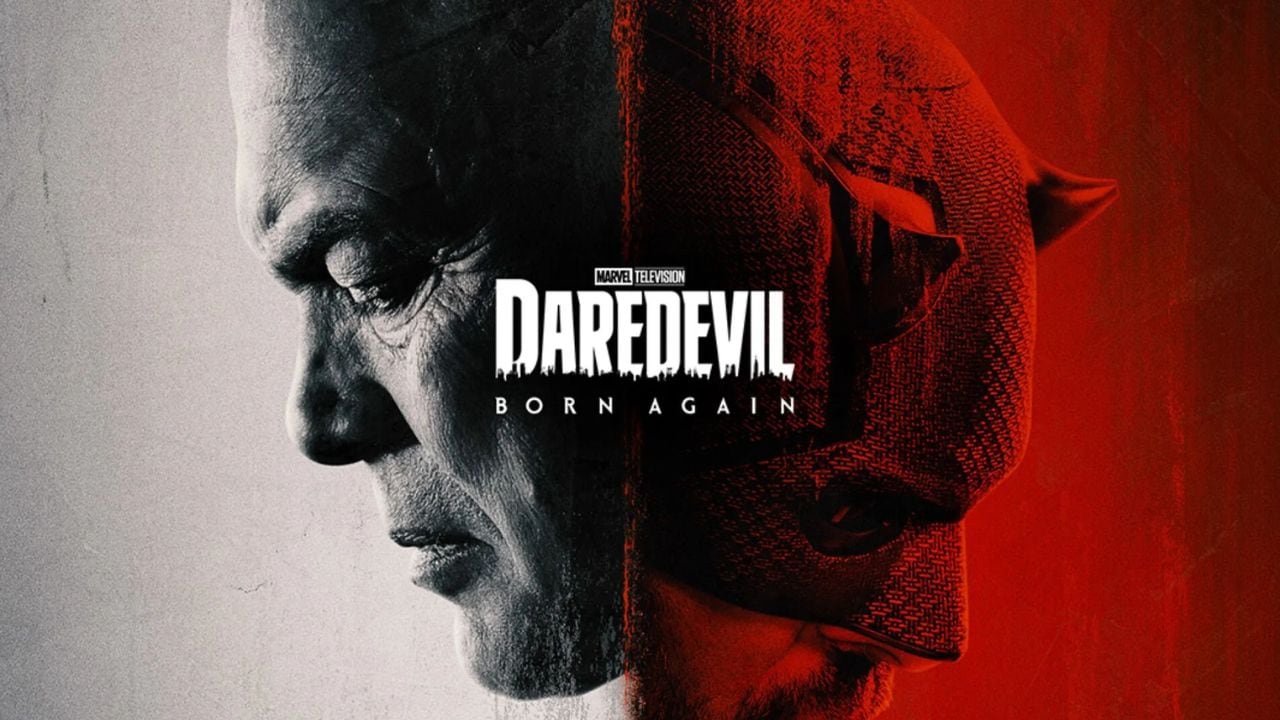
Daredevil’s Long-Awaited Return in Daredevil: Born Again

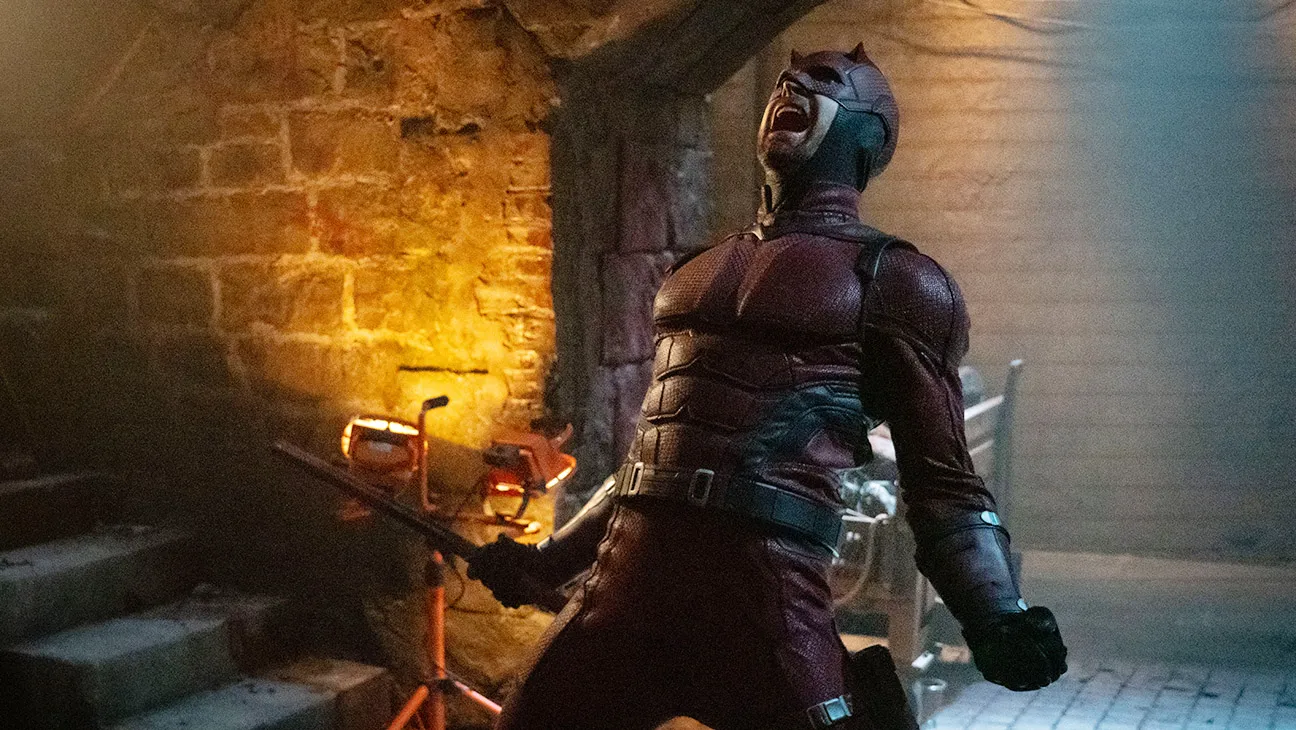
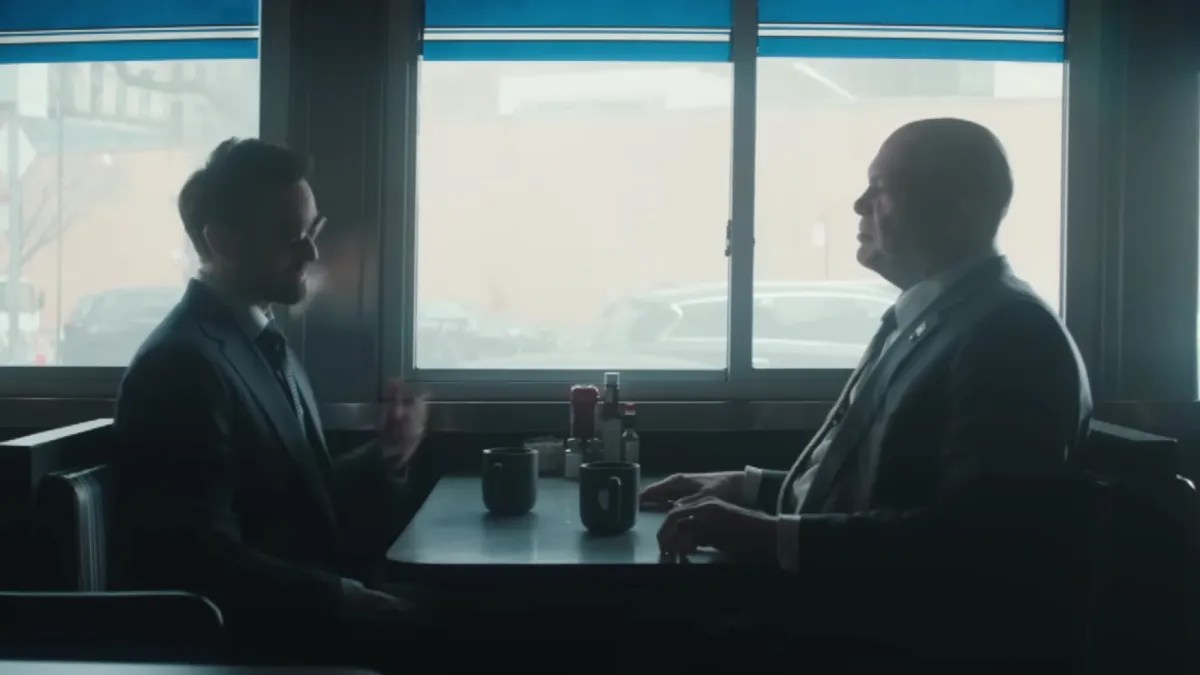
Most people agree that the original Daredevil TV show that streamed on Netflix was the pinnacle of superhero TV shows. Buoyed by powerful performances by Charlie Cox as the blind lawyer and superhero, Matt Murdock/Daredevil and Vincent D’Onofrio as his arch nemesis, Wilson Fisk/Kingpin, Daredevil was dark, gritty, and intense. Sadly, the show was cancelled by Netflix, and it would take some time before Marvel Studios resurrected the TV show and its characters in the newest Disney + Marvel Cinematic Universe (MCU) TV show, Daredevil: Born Again.

The main question fans of Daredevil had was whether the new TV show could measure up to the old one? The answer is yes, for the most part.

It is fairly well known that when Daredevil: Born Again was first announced, it was not clear if the original TV show was part of the MCU and it seemed as if it wasn’t even though Matt Murdock and Wilson Fisk appeared in properties like Spider-Man: No Way Home, Hawkeye and Echo. This was evident by the Kingpin’s portrayal in Hawkeye where he displayed previously unmentioned superhuman strength and wore more leisurely clothing. Not much was known about the original episodes of Daredevil: Born Again, except that it did not capture the spirit of Daredevil and Marvel Studios head, Kevin Feige, was not impressed with what he saw, which was reportedly more of a legal drama where Murdock didn’t wear his Daredevil costume until the sixth episode. So, Feige decided to retool the TV show by bringing in a new creative team, which filmed three new episodes and re-edited the original six episodes of Daredevil: Born Again.

Looking at the complete first season of Daredevil: Born Again it is very obvious that the episodes varied in quality between the revamped episodes and three episodes done by the new team. It’s not that the six original episodes were bad, they were fine, but they lacked the oomph and high standards of the original Daredevil that the newer episodes were able to match. This is not a knock against Daredevil: Born Again because it ranks as one of the best Disney + MCU TV shows. There is a lot to admire about it overall, and it is nearly perfect. It’s just frustrating that there were undeniable flaws with the season that prevent it from reaching the heights of seasons one and three of Daredevil (the second season had its issues). But it’s important to note that the first season of Daredevil: Born Again starts off powerfully strong and ends on a similar high note, which will continue with the second season.

There will be spoilers…

Continue reading