The Impact Of Netflix Buying Warner Bros.

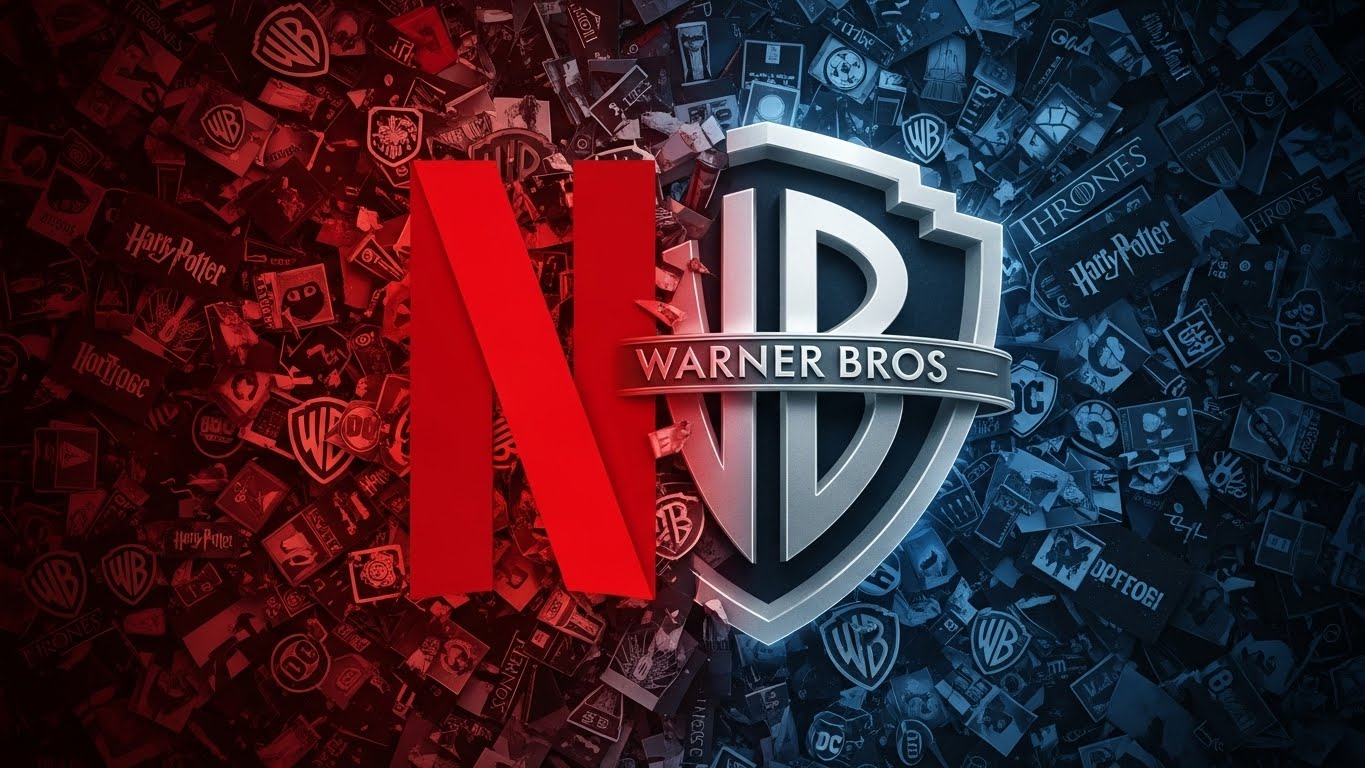
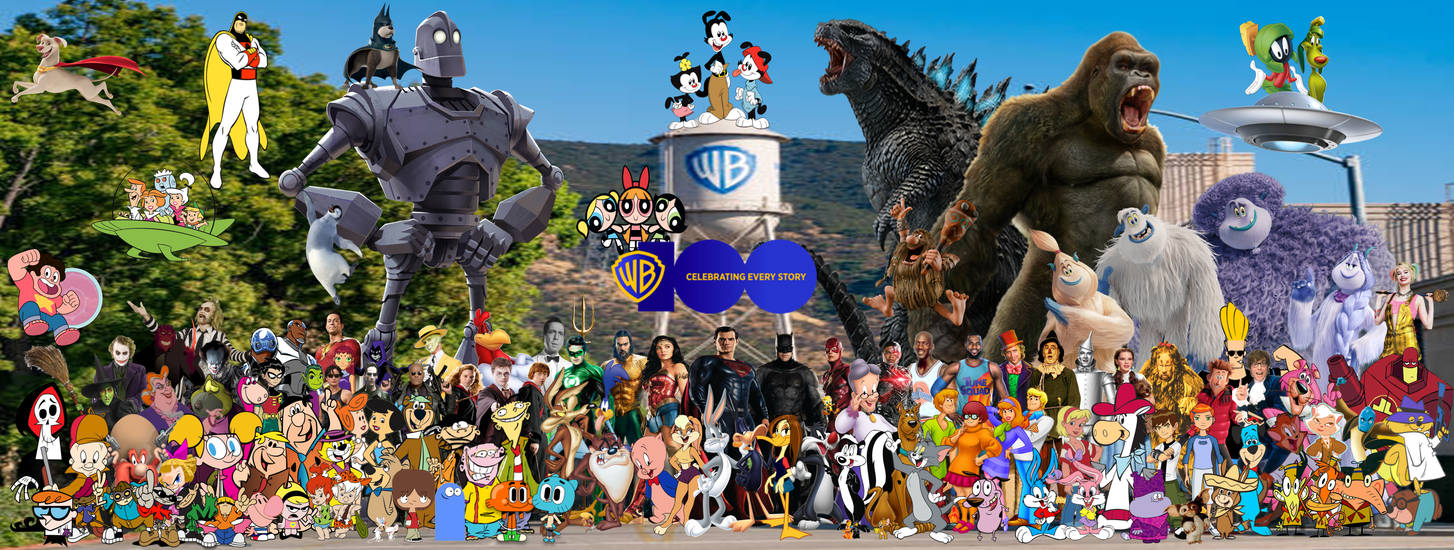
In the biggest cinematic and media earthquake since the Walt Disney Company acquired 21st Century Fox and many of its assets, Netflix announced that it will purchase Warner Bros. for $82.7 billion. This is one of the most important events to happen with film, TV, videos, comics, and other media and it will have long-lasting repercussions throughout the media industry.

Up for Sale

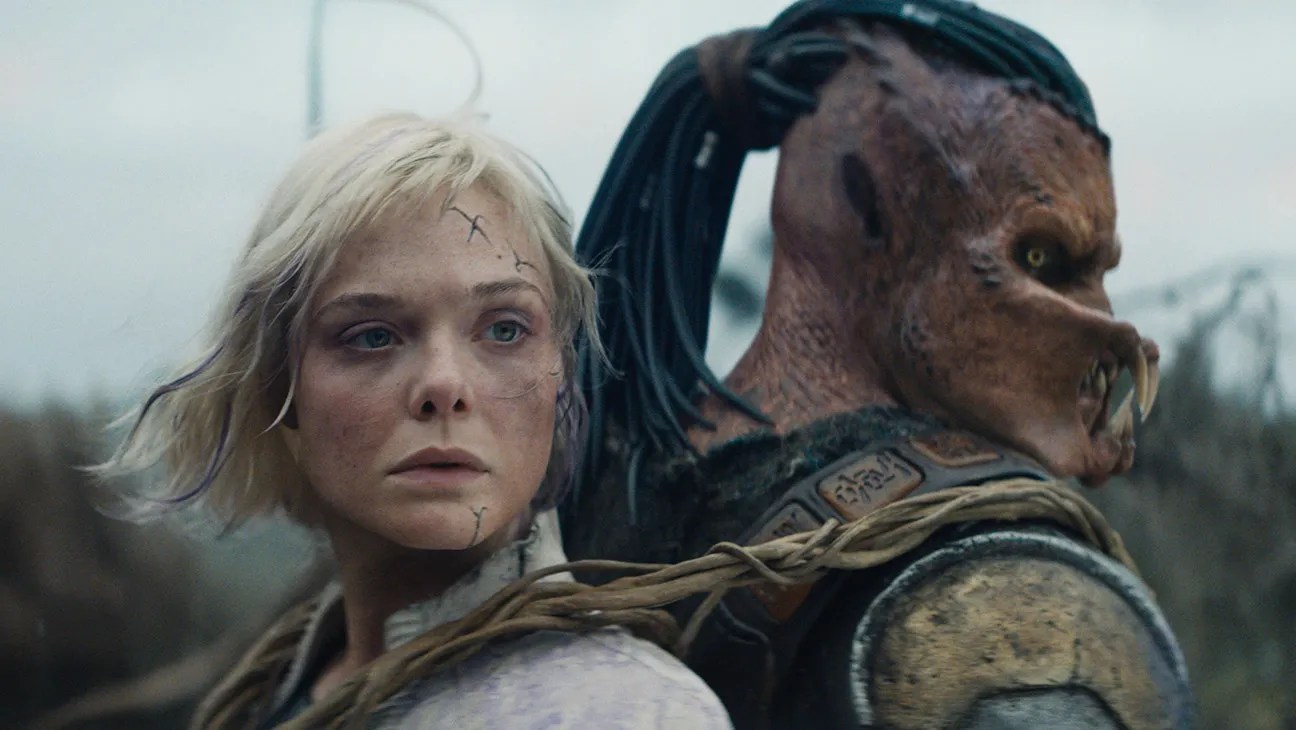
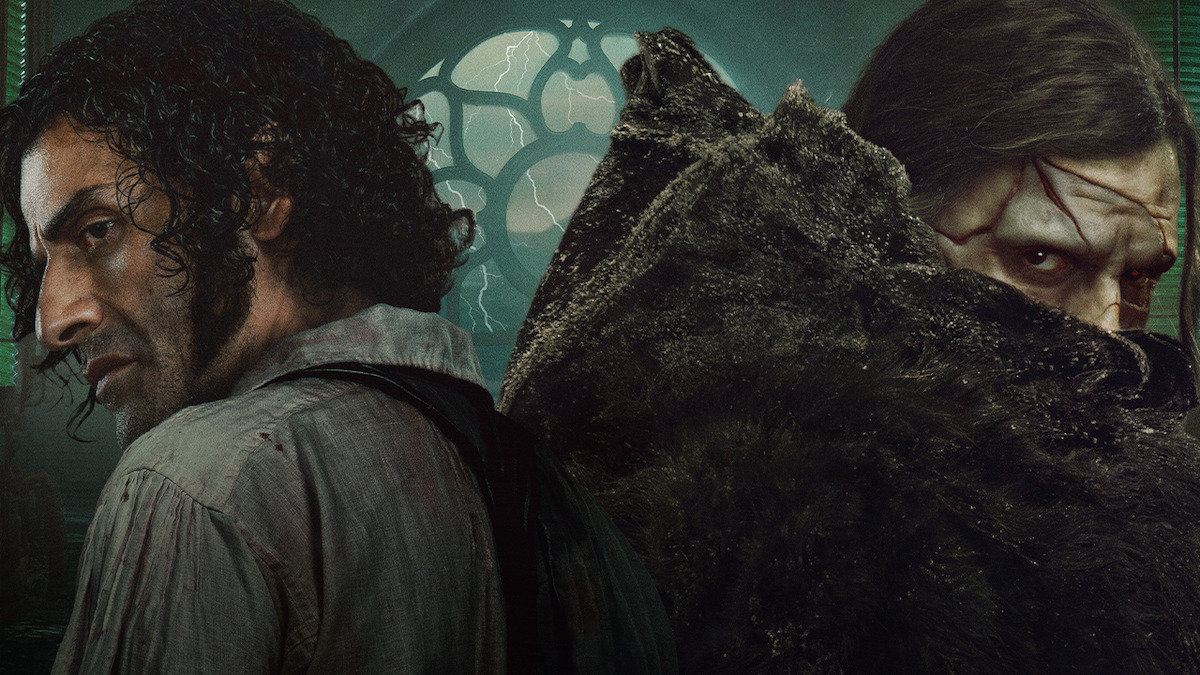
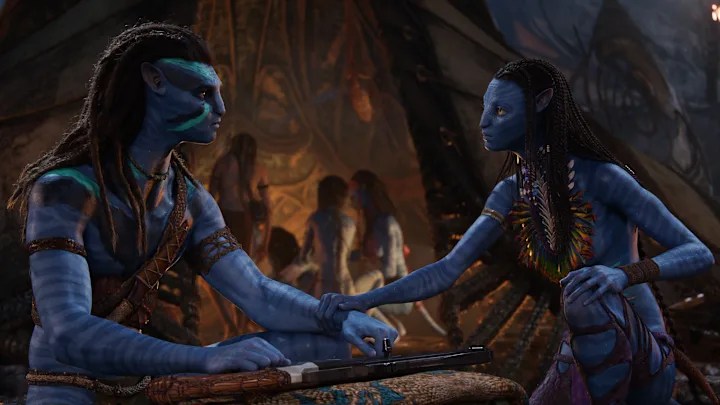
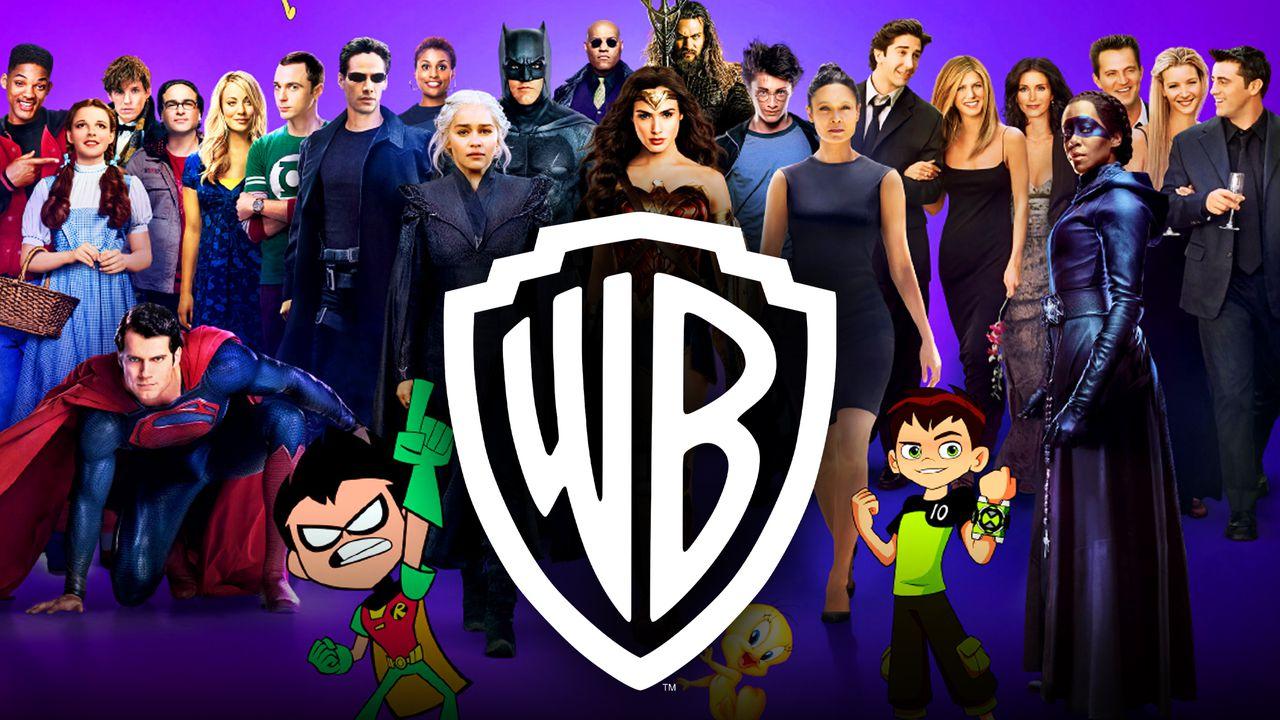
Warner Bros. had been up for sale for some time and several major companies expressed interest in buying it, especially Paramount Skydance. Many expected Paramount to purchase Warner Bros. given their public and aggressive efforts to purchase the company but in the end the streaming giant Netflix beat out Paramount and will acquire the film and HBO segments of Warner Bros. as it chose not to purchase the cable TV channels that were part of Warner Bros. Discovery. This acquisition will give Netflix access and ownership to an impressive film and television library and major IPs, including DC, Looney Tunes, Hanna-Barbera, The Wizarding World of Harry Potter, The Matrix, Game of Thrones, Mad Max and more.

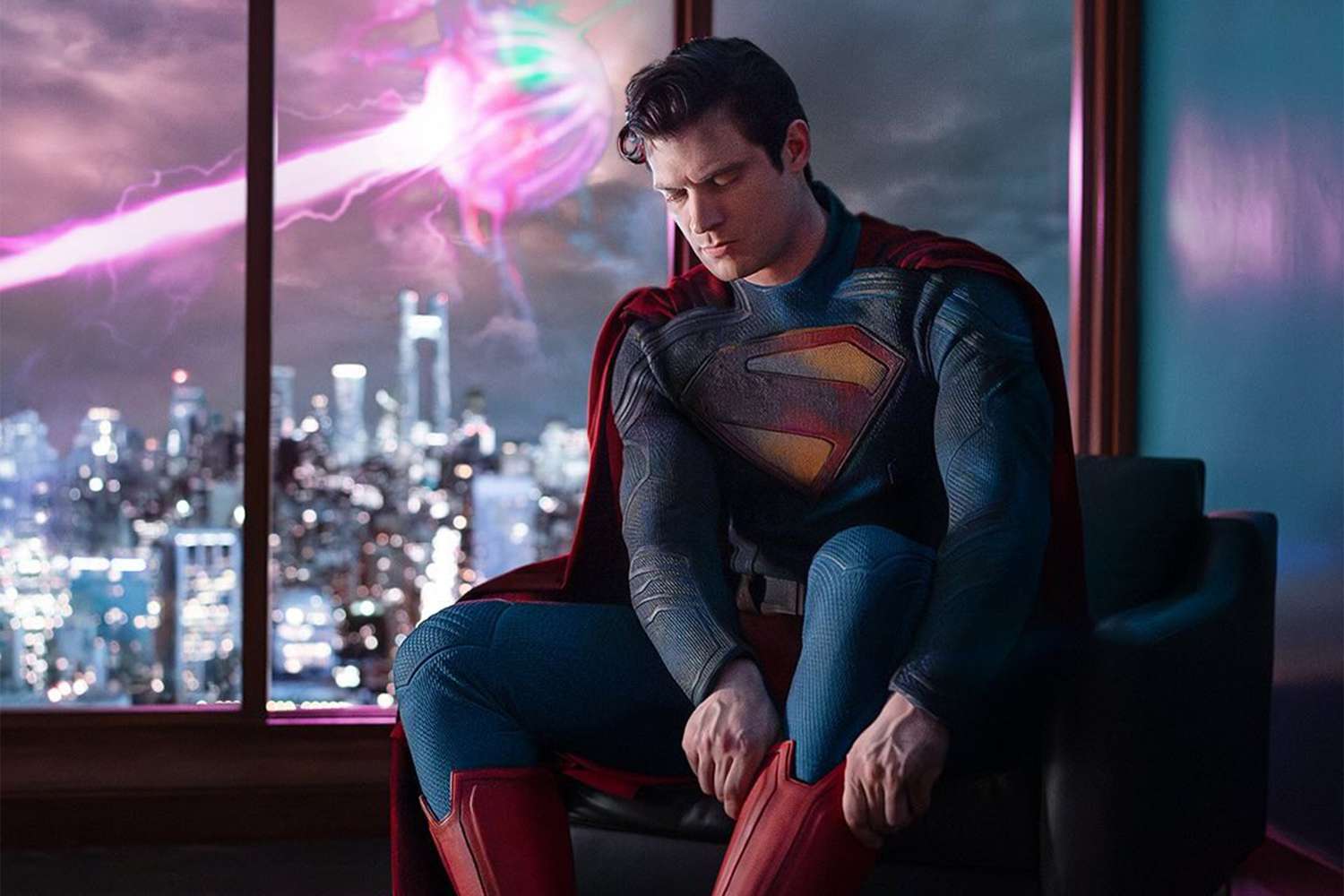
Many have watched the bidding war with caution and were concerned with a possible ownership by Paramount, mostly because its CEO, David Ellison, has openly expressed fealty to the Trump Administration to the point that a Rush Hour 4 has been greenlit simply because Trump expressed interest in such a film. This meant that the government has influence on what media entertainment gets released, which leads to First Amendment questions. Imagine if Paramount bought Netflix and the government had a hand in deciding the direction of DC films, TV or comics. A film like Superman, which openly criticized America’s current immigration policies, would never be allowed by Ellison. On the other hand, the purchase by Netflix has opened up another can of worms that has the film industry reeling because of the implications.

Streaming Influence

One possibility of the purchase is that it could lead to the death of cinemas since the majority, if not all, Warner Bros. films could be released straight to streaming. This would create a domino effect with other film studios copying the release model, which would hasten the demise of the theater-going experience.

This has been a growing problem in recent years that was accelerated by the COVID-19 pandemic which caused many film and TV studios to lean heavily on streaming to provide content to consumers. Netflix has upended the conventional model of film releases where films normally had theatrical lives of a few months before being available on digital or for streaming. This has conditioned viewers to skip going to theaters and just wait for a film to appear on a streaming app a short while after its release. Now it is becoming the norm that films would be released on streaming weeks after a theatrical release and even the same day the film premieres in theaters. Many have speculated that Superman might have had a larger box office haul if it was not announced roughly a month after its initial film release that it would be available for home viewing. While short theatrical runs is convenient and deceptively cheaper for consumers (the idea that they will see the film for free on streaming is silly since they still have to pay for the service), this practice is a major issue with theaters with lost revenue and content.

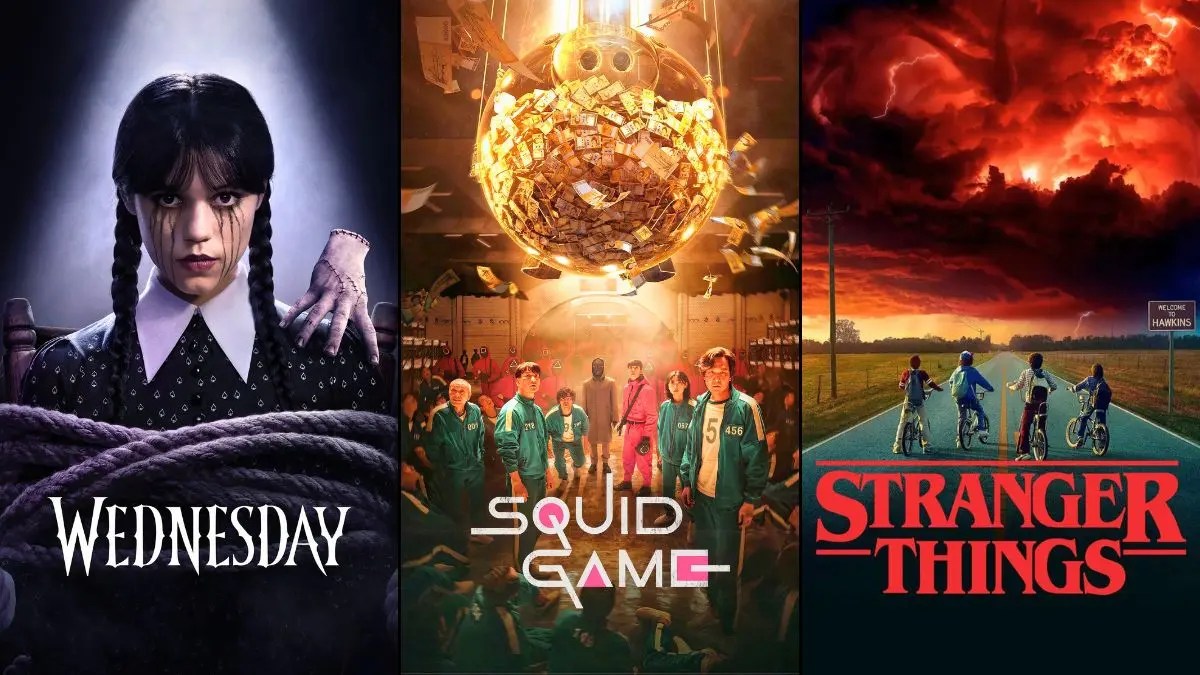
Another supposed plus for Netflix subscribers is that the service will have an even more exhaustive library of content, but now with prestige content. One problem for the streaming company was that recently it did not have easy access to popular content as film and TV companies created their own streaming services. Netflix has been criticized for having a glut of inferior films and TV shows that are just placed on the streaming app with little promotion. It’s true that Netflix has many quality and popular TV and films like Stranger Things, Wednesday, Squid Game, The Witcher, Black Mirror, and KPop Demon Hunters, with the glut of content dumped on the platform a lot of quality product has gotten lost in the overwhelming mixture. How will prestige films and TV shows from HBO and Warner Bros. stand out from the low-budget dreck flooding Netflix’s landing page?

One possibility is that Warner Bros. and HBO could have their own pages or remain as separate streaming services as we see now with Hulu, which is owned by Disney but is its own streaming service that subscribers of Disney+ could access by purchasing a bundle service. This would allow Netflix to have its own prestige platform to stream high-end quality products that stand out in the crowded streaming service.

But do not be surprised when the monthly subscription rate for Netflix increases dramatically to help pay for the $82 billion purchase. Expect to pay up to $50 and more monthly in a few years.

Impact on DC & Other Popular IP

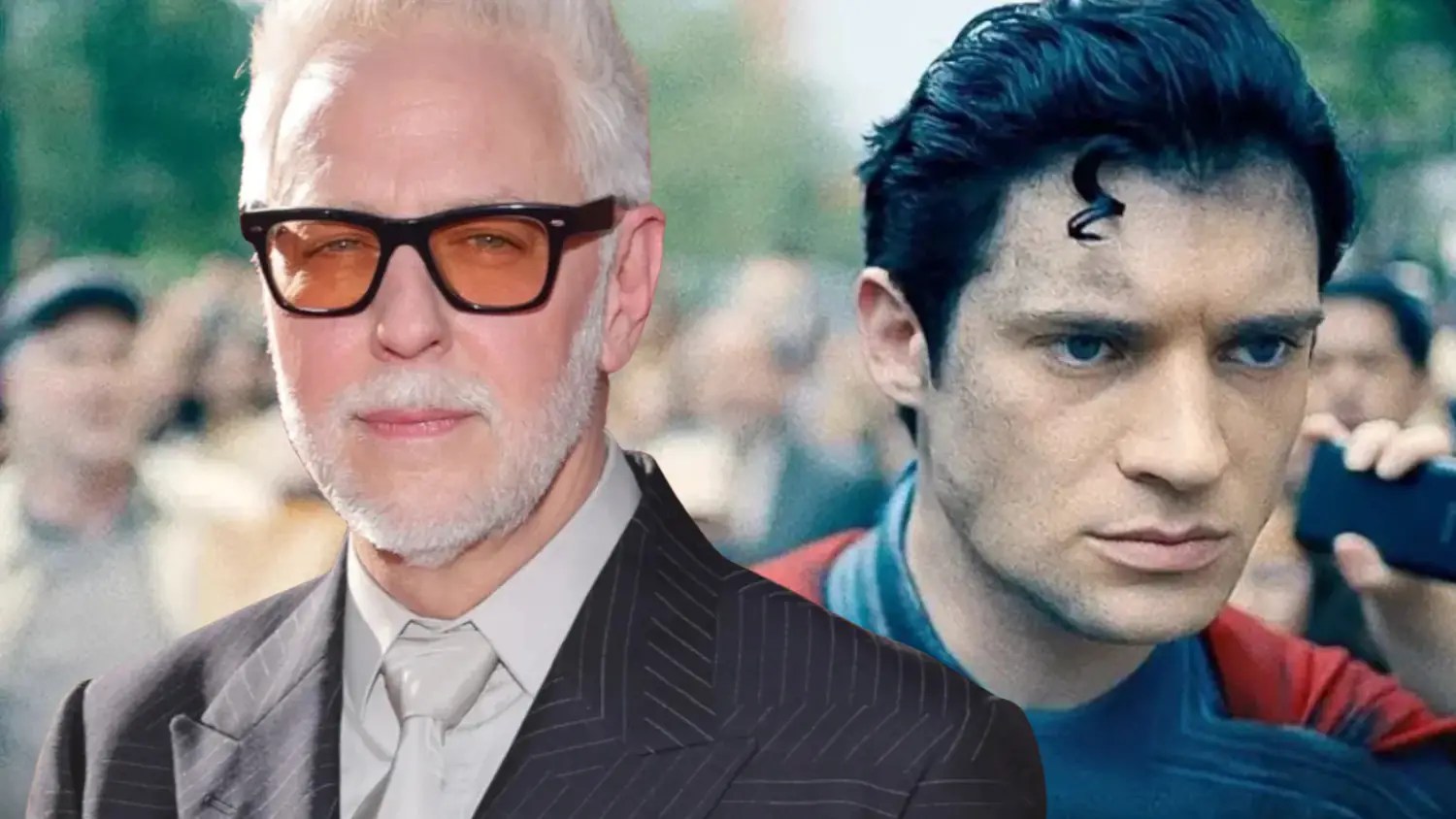
Now the big question genre fans have is what impact will the purchase have on DC Studios and the DC Universe (DCU) and other popular genre IP? For now nothing. There are contracts that have to be honored so projects in production should be safe, so no worries about Man of Tomorrow, Clayface, or Supergirl. However, the head of DC Studios, James Gunn, might get pressured to favor some popular characters like Batman over obscure ones that he favors such as Booster Gold. Let’s hope that Netflix executives learned a lesson from Disney and Marvel Studios, where in the early 2020s the Disney executives forced the film studio to quickly churn out a lot of TV shows and films to fill out content on Disney+ and to announce projects before they were ready. What happened was that a lot of mediocre films and TV shows were released which damaged the reputation of Marvel Studios’ films and TV shows and led to the recent reduced box office haul for some of their films. Sure, Marvel Studios is taking steps to course correct, but they’re still recovering from this misstep.

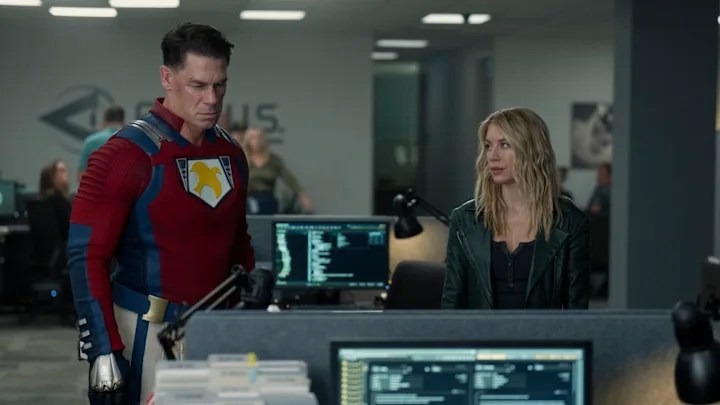
Getting back to DCU and all things DC, it’s possible Netflix may force Gunn to step up the output of DC films and TV shows since again Netflix wants a return for their investment. Thankfully, The Batman, Part II is about to enter production, which may keep the streaming company off Gunn’s back. On the other, the company might pressure him to make a decision on the DCU version of Batman soon, and casting some of the more popular DC characters in order to greenlight productions already. Despite rumors about Gunn leaving DC Studios, which were rampant when Paramount was actively looking to purchase Warner Bros., it has been reported that Gunn will stay put. Even though there hasn’t been a lot of DCU projects released to date, Superman, Peacemaker and Creature Commandos have been well received and Netflix is not foolish enough to scrap the DCU and go through the trouble to launch another reboot at this time.

One thing to consider is that while the more obscure DC characters may not get the big-screen treatment, they could wind up as straight-to-streaming projects that could be a proving ground for the characters. The main thing is to just let Gunn alone to produce quality product and all should be fine. In fact, this should be the case for all of the film and TV projects.

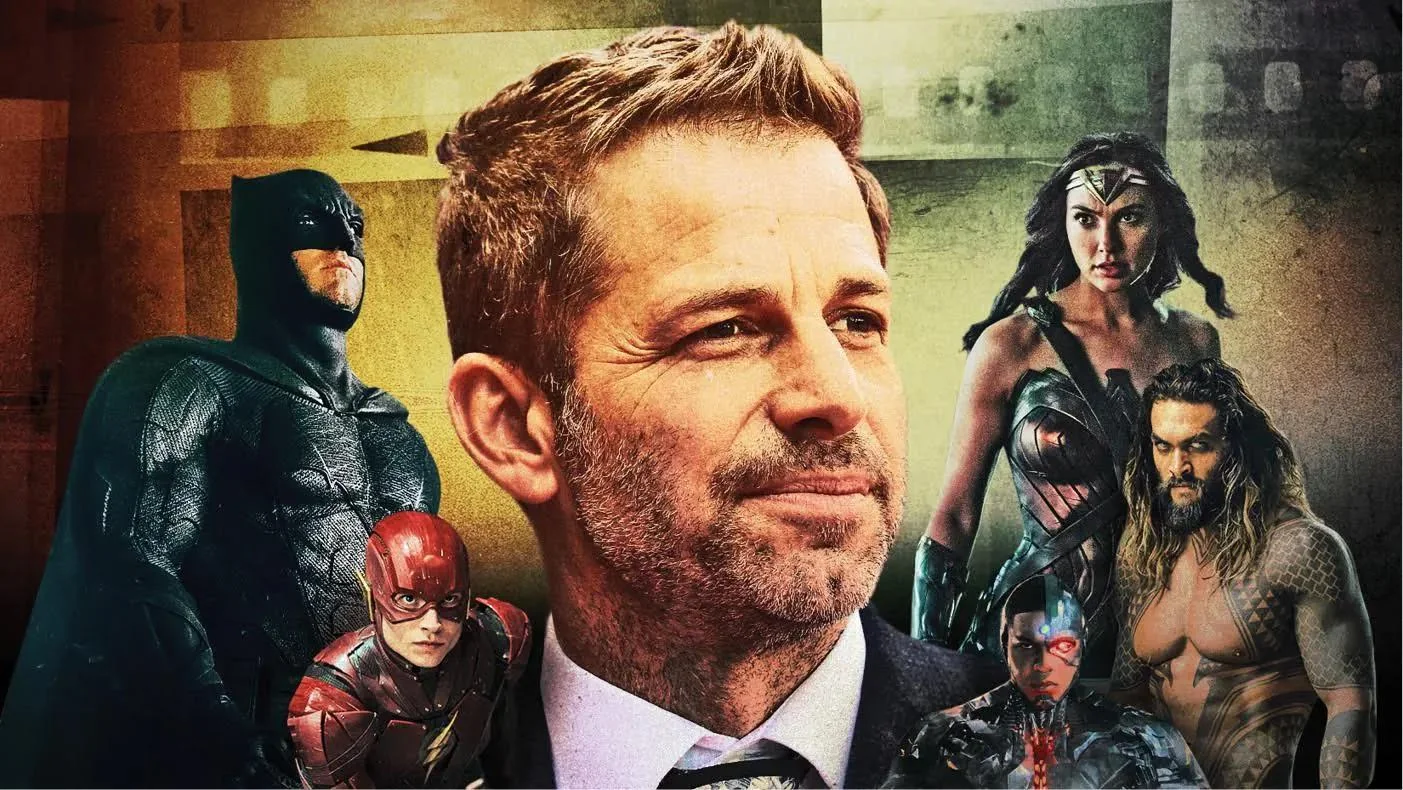
While it’s very possible that Netflix will greenlight a lot of DC animated films there won’t be a revival of the Snyderverse. After the dismal failure of the Rebel Moon films, Netflix has been moving away from filmmaker Zack Snyder and it is doubtful that the company will approve a revival of his brand of DC films. The slimmest of hope for diehard Snyderverse bros is that some kind of Elseworlds animated film will be made.

Oh yes, expect Stranger Things and DC to have a crossover in the comics, along with comic books featuring Harry Potter and other popular Warner Bros. IP.

As for other IPs like Mad Max, It and related Stephen King works, and Harry Potter, there has not been any word yet about them. But it’s expected that Netflix will take full advantage of their newly acquired IP. Announced projects like the reboot of Harry Potter, more TV shows based on Game of Thrones, and the second season of It: Welcome to Derry will proceed as scheduled and if HBO is kept as a separate streaming platform those prestige projects will stream there first before migrating to Netflix years later. Will we ever see shelved projects like Batgirl or genre TV shows that were removed from HBO Max such as Westworld or Raised By Wolves? It’s anyone’s guess, but consider this: these projects were removed to save on paying residuals or for tax write offs by Warner Bros. Without these burdens and with the need to put out recognizable content, it is possible that these projects may have a second life on Netflix.

Of course, there are a lot of hurdles for Netflix such as government approval so it will be at least two years before we see any impact. For now, the company indicated they will leave things alone, and supposedly commit to theatrical releases for Warner Bros. films, which would be to their and everyone’s benefit.

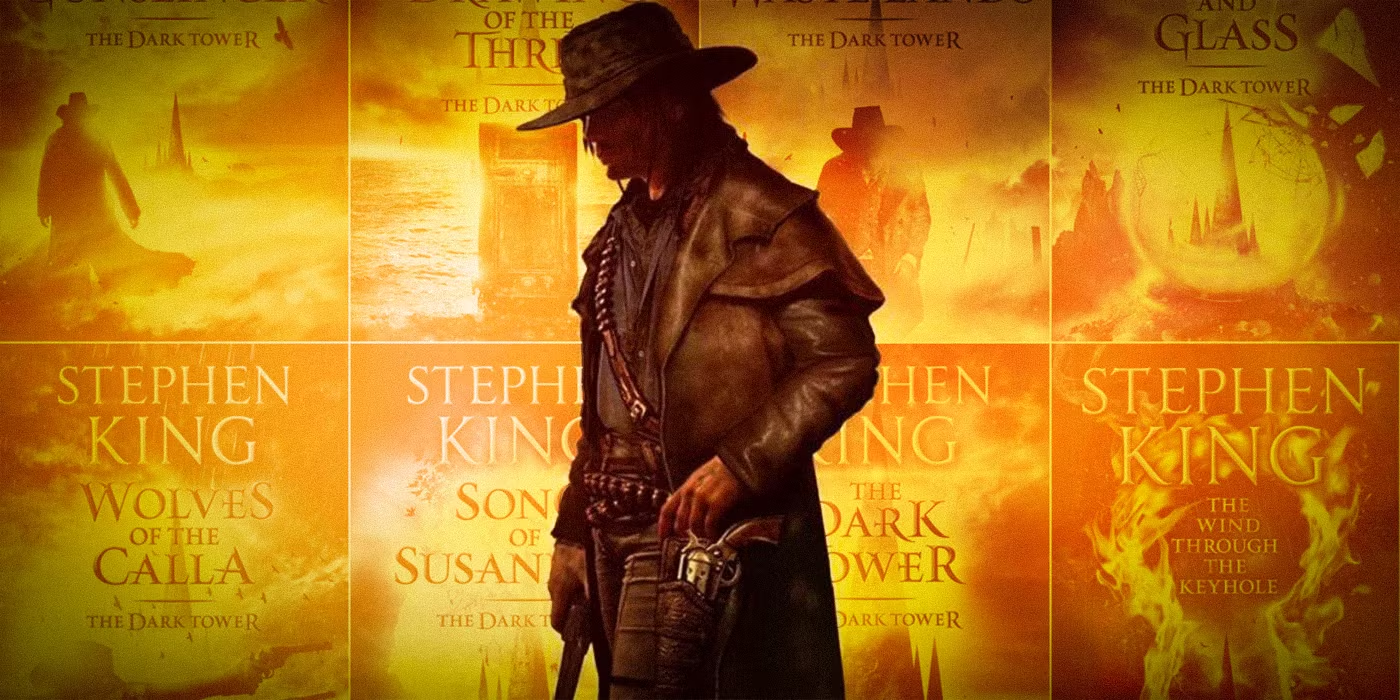
Adapt Stephen King’s Dark Tower Saga!

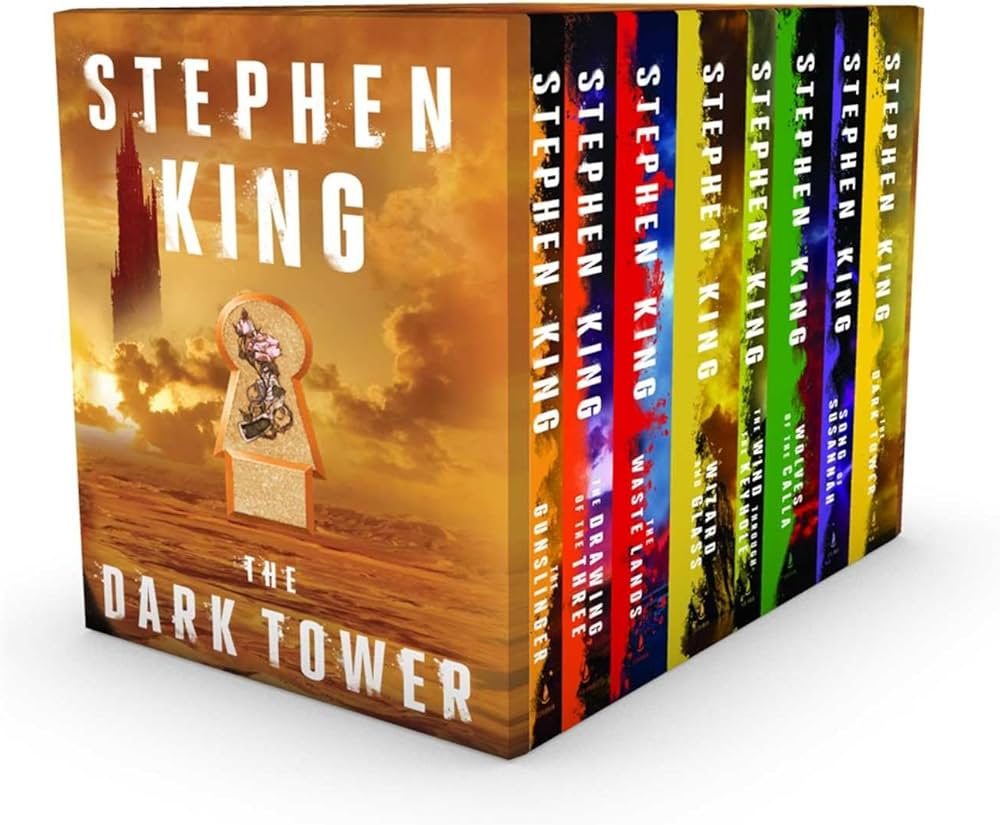
Given the success of the recent live-action adaptation of author Stephen King’s literary works. It is time to consider bringing his magnum opus, the Dark Tower Saga, to life on screen or TV.

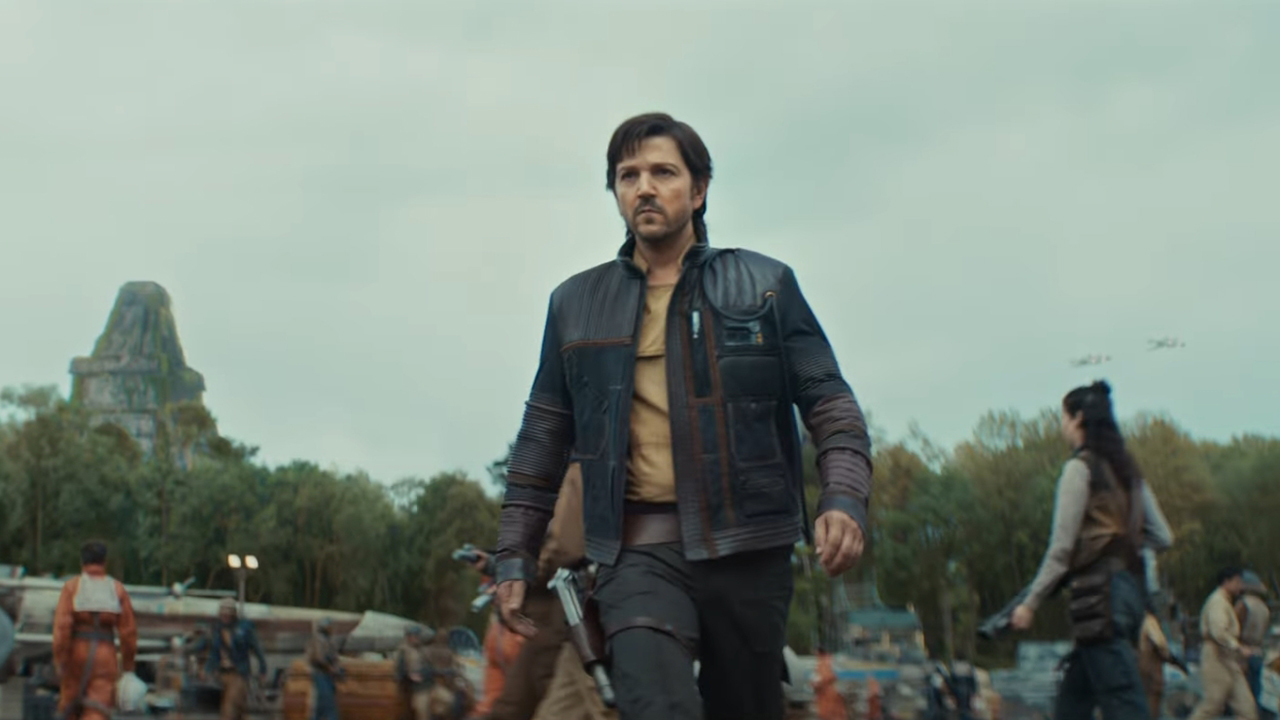
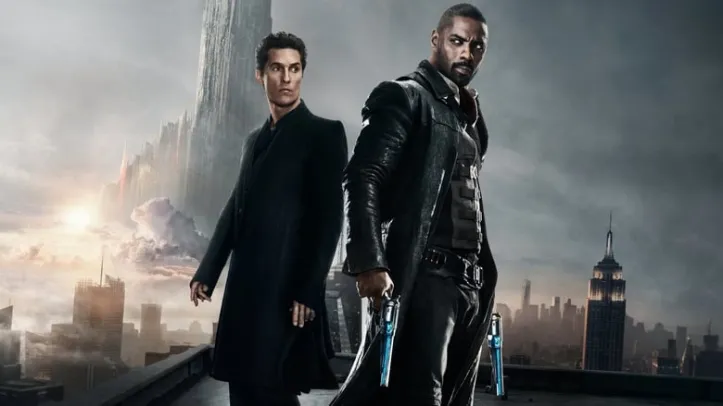
Adapting the Dark Tower Saga has been attempted several times over the years at different film studios with topnotch filmmakers attached to such projects such as J.J. Abrams and Ron Howard. However, those efforts did not succeed until the film The Dark Tower, which came out in 2017. The film was directed by Nikolaj Arcel with Ron Howard co-producing and starred Idris Elba as the lead characer Roland Deschain and Matthew McConaughey as the Man in Black. It was intended to be the first part of a multi-epic saga that would expand into television as well as more films. Well that was the intention, as most King fans know the film was poorly received and did not do well in its release. So plans for any followups quietly faded away.

There are many reasons why The Dark Tower failed to click with audiences and critics but it mostly had to do with the truncated script that loosely adapted elements from the first Dark Tower book, The Gunslinger, and the third book, The Waste Lands. Being that the books are quite expansive with imagery and scenes that can be hard to adapt, it was inevitable that the screenwriters condensed the story and threw out many elements, characters and story beats that in the end displeased everyone. Simply put the film lacked the epic scale of the books, was hard to understand, and was largely unfaithful to the Dark Tower Saga.

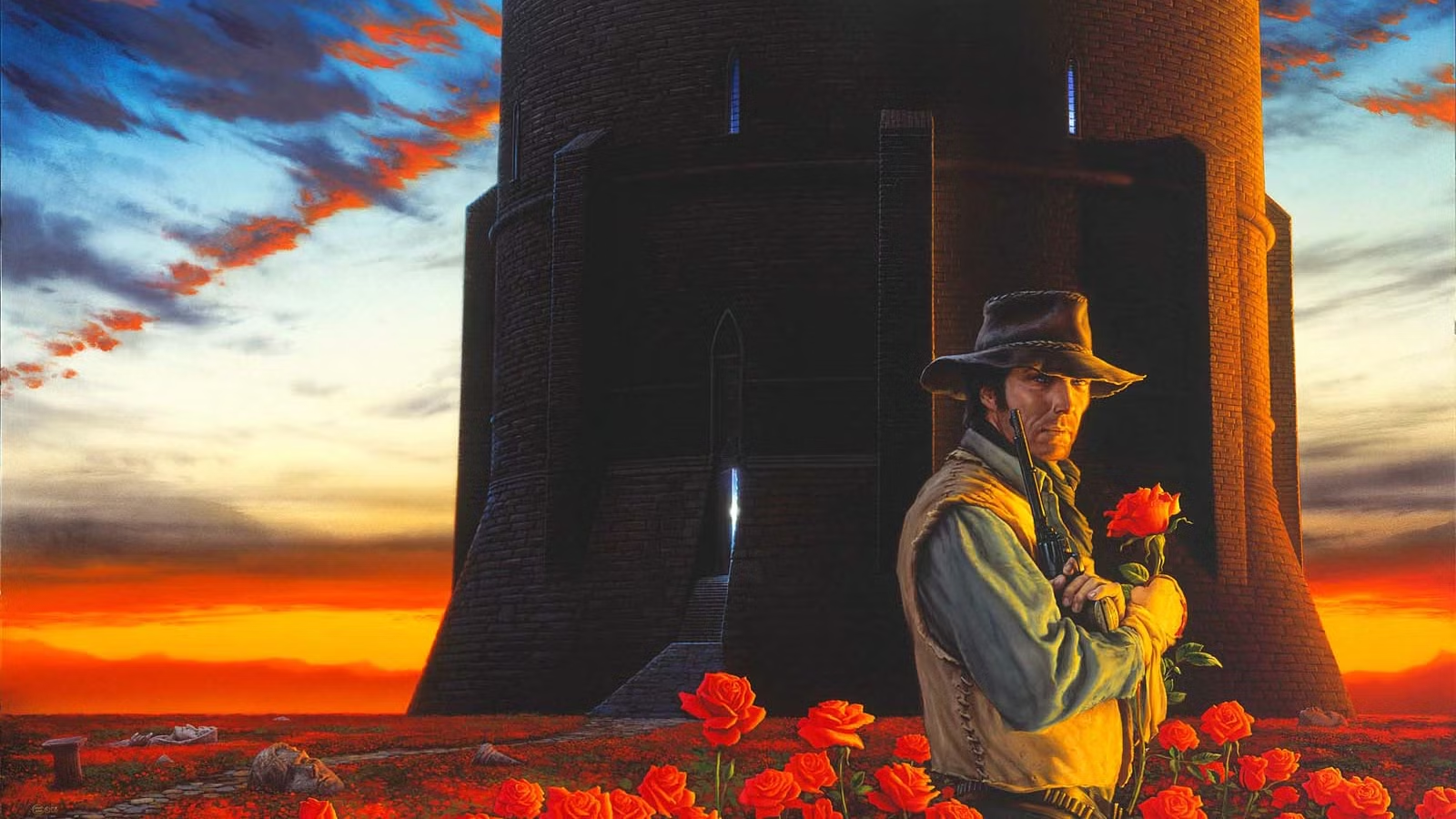
Since the failure of the film, Amazon acquired the rights and tried to produce a new adaptation of the books without success. It’s really a shame because the rich storyline about a mythical gunslinger trying to save the multiverse as he travels through many worlds, including ours, is too good of a saga to pass up.

Recently, many dense properties that were thought to be too difficult to adapt like Dune, The Lord of the Rings, Foundation and even King’s mammoth novel It have been successfully adapted. What happened was that the right screenwriters, directors, producers and actors were able to create memorable adaptations of the sci-fi/fantasy epics. So there is precedent for creating great adaptations that are either faithful to the books or can successfully adapt the essence of those books.

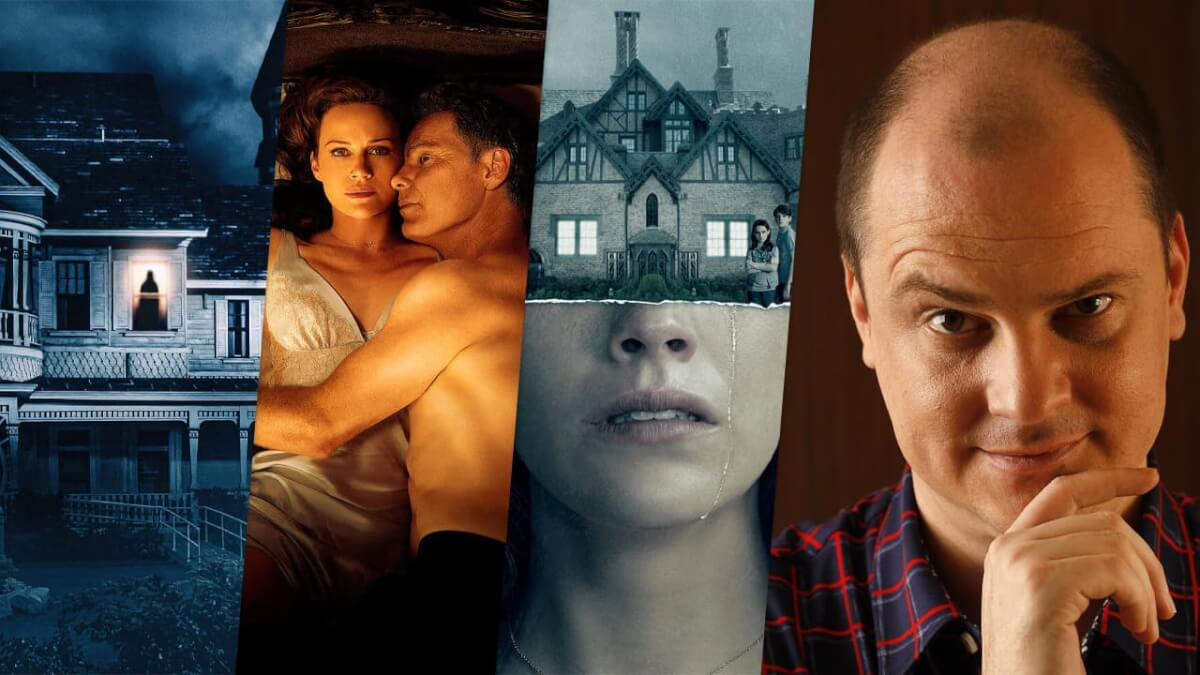
As of now, the latest filmmaker attached to a potential film adaptation is Mike Flanagan. He has received praise for his directing of other Stephen King works Gerald’s Game, The Life of Chuck, and Doctor Sleep, and for his original horror TV series Midnight Mass. Flanagan intends to develop a television series based on the Dark Tower Saga and honestly, this is the best way to go given the sprawling nature of the books. One thing to consider about adapting the books is that they are multiuniversal and feature characters and elements from other King books such as The Stand, It, Insomnia and ‘Salem’s Lot. Right now, Flanagan has the television rights to the books but if he wants to include characters from It for instance, then the TV show would have to be produced by Warner Bros. since they own the rights to It and other King works (which are referenced in the TV show It: Welcome to Derry). Flanagan would face similar headaches with other King books whose rights are held by other studios.

It’s only a matter of time before the right person(s) come along and are able to craft a faithful adaptation of the Dark Tower Saga. The question is when will this happen. Perhaps soon if It: Welcome to Derry continues to impress audiences and critics as it wraps up its first season. Then film and TV studios wanting to put out the next Stephen King epic can seriously consider the adventures of Roland Deschain and his epic quest to find the Dark Tower and save creation.

Toy Story: The Animated Masterpiece That Changed Animated Films

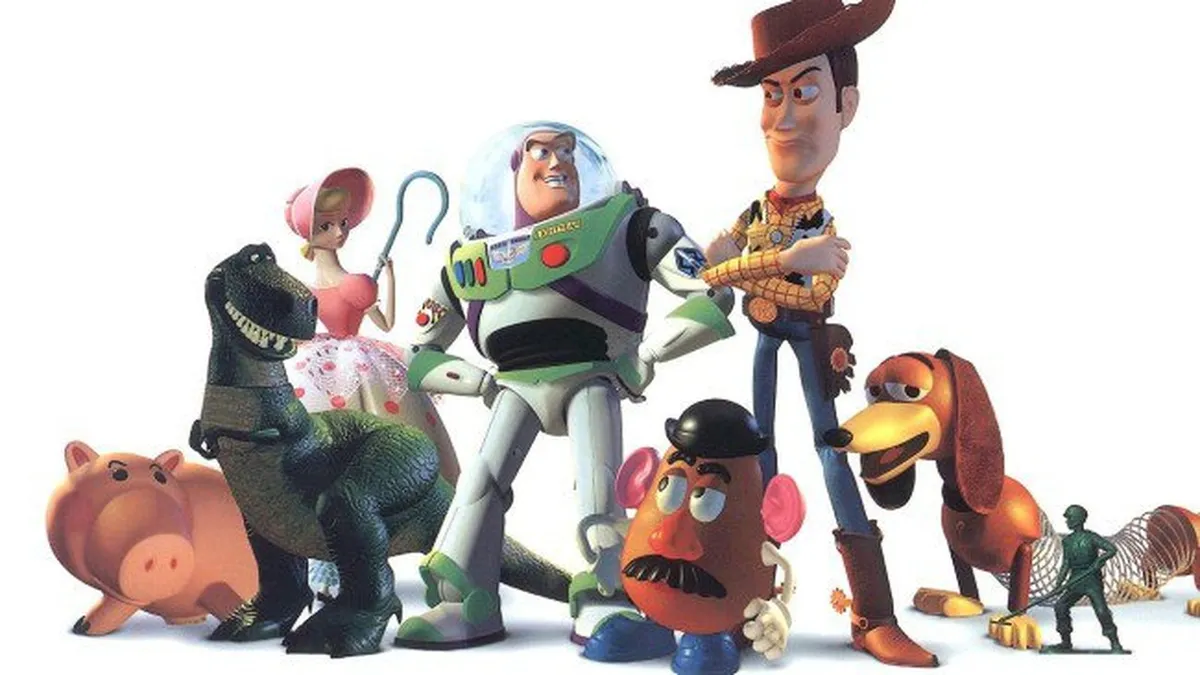
Thirty years ago, Toy Story was released in theaters by Pixar, which at that time was its own independent company owned by Steve Jobs. The animated masterpiece instantly caught everyone’s attention with its revolutionary 3D animation that changed animated films forever.

3D or computer animation existed before Toy Story, of course, but the film about toys that come to life whenever their owners are not around, was the first feature-length film to exclusively use this kind of animation. The use of computers in animated films had been going on for years since the 1980s and 1990s. Disney used computers on a wider scale with its traditional animated classics like Aladdin and Beauty and the Beast, but those films were still two-dimensional and by the mid-90s that kind of animation had reached its peak in what could be done with it as an art form. The world of animation was ripe for new approaches.

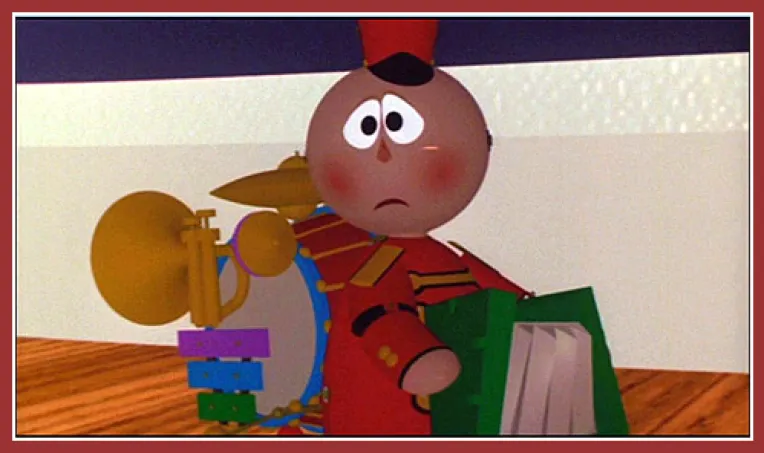
Enter John Lasseter, the creative genius behind Pixar. Working with a team of innovative artists and computer technicians, Lasseter experimented with 3D animated film shorts that caught the eyes of many film studios, especially Disney. Some of the films like Tin Toy, Knick Knack and Luxo, Jr. stood out with the pioneering use of 3D animation. In fact, Tin Toy won the Academy Award for Best Animated Short Film, the first 3D-animated film to do so. As Pixar created and released these shorts, they prepared themselves to produce a full-length animated film, which turned out to be Toy Story. At this time, Disney was eager to work with Lasseter and proposed that he create a feature-length film that Disney would distribute, to which Pixar agreed.

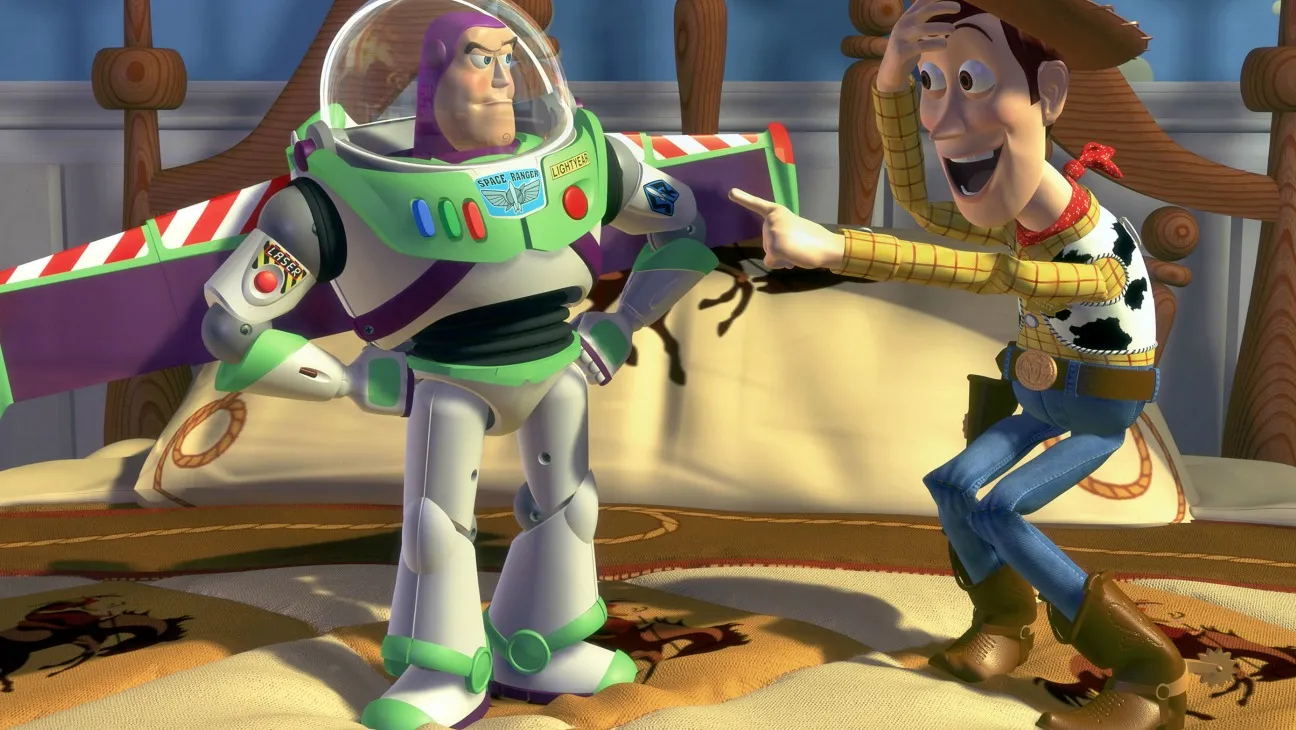
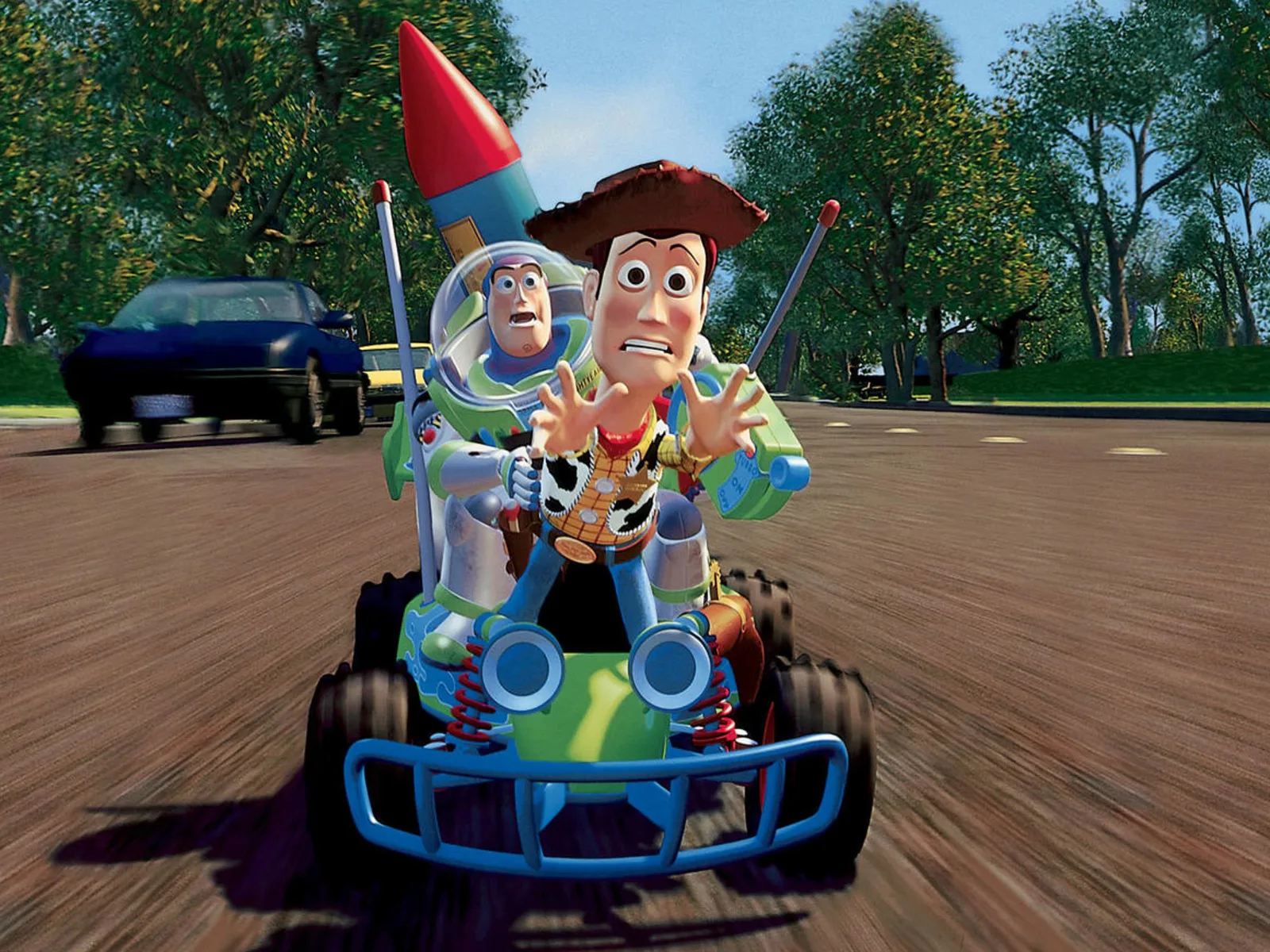
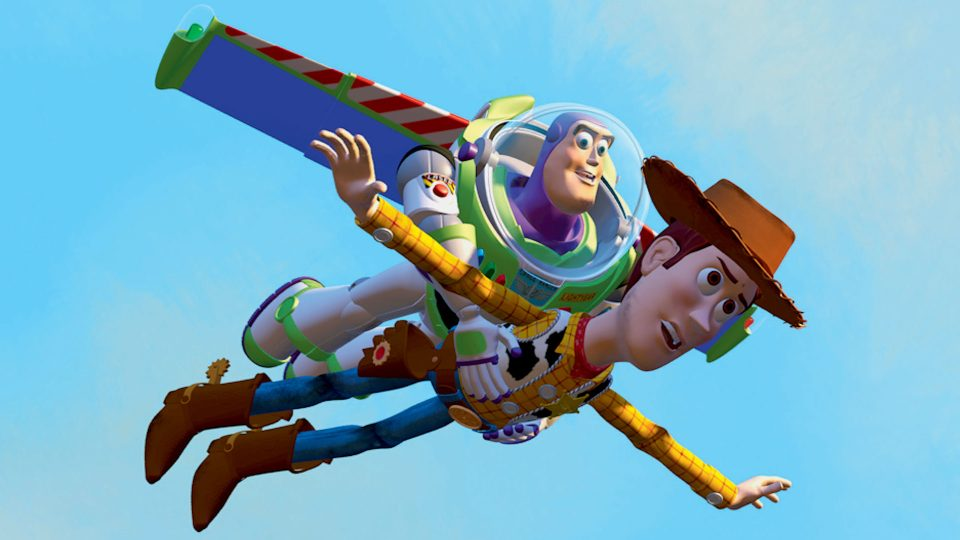
At first, Pixar’s first animated film was supposed to be a sequel to Tin Toy and would have featured the title character and his dummy companiion trying to find their way into the hands of children. But Disney was not happy with the script and after much retooling, the Tin Toy characters were replaced with the original creations Woody the cowboy doll and Buzz Lightyear the high-tech electronic doll. They had clashing personalities which generated genuine laughs, but had to work together to find their way to their child owner.

Turning Toy Story into an animated buddy film with two completely different characters sparring with each other then becoming great friends was an inspired decision. This development injected a lot of heart and humor into the script and gave the two lead characters distinct personalities that most viewers could relate to. For instance, Woody was the leader of the toys owned by the child, Andy. His status is threatened with the arrival of Buzz Lightyear, the new hot toy on the block that quickly becomes Andy’s favorite toy. Woody is jealous and resentful towards Buzz as he lost his status and his actions cause both he and Buzz to be lost and the two have to find a way back to Andy’s home. What also helped tremendously was the casting of vocal actors Tom Hanks and Tim Allen to play Woody and Buzz. Both actors had great vocal chemistry with each other and comedic timing that rivaled many classic comedy duos.

The film featured many other memorable characters voiced by great actors that embedded the toys with a lot of personalities. Take for instance the legendary comedian Don Rickles who played Mr. Potato Head or R. Lee Ermey as Sargeant, the no-nonsense military leader of the tiny green plastic army men. Seeing many classic and real-world toys appearing in the film was a hysterical and brought back many memories for adults and joy to children. A large part of the film’s appeal was that both adults and children could equally enjoy it, and this became one of Pixar’s strongest selling points with their future films.

Toy Story was an instant hit and a bonafide classic when it was released in theaters on November 22, 1995 as it caught the imagination of viewers. While the computer animation was a distinct selling point, what made the film so beloved was its script, direction and characters who are still relevant to this day. There is even a Toy Story 5 that will be released next year. That is fortunate because while the 3D animation was revolutionary for its time, some of the animation does look a bit dated, especially when it came to depictions of humans.

Of course, the success of Toy Story inspired many film studios to rush out with their own computer animated films to varying degrees of success. Some like Dreamworks and Illumination produced their own classic films but few could capture the magic and whimsy of Toy Story. Still, regardless of quality, the early computer animated films crowded out traditional 2D-animated films and even Disney jumped on the bandwagon with their own 3D-animated films. But it would take Disney some time to create their own films that rivaled Pixar’s in terms of quality. Unfortunately, the success of Toy Story spelled the end of traditional 2D-animated films, at least with American films. The last traditional animated film that Disney released was The Princes and the Frog in 2009. It’s true that there are many advantages with 3D animation, but it is a mistake to completely discard two-dimensional animation. What these studios have failed to realized is that the success of Toy Story and other quality Pixar films, including the Toy Story sequels, was not solely due to its animated technique but because of the story and characters. Hopefully one day, a visionary creator at a major studio will be able to produce a quality two-dimensional animated feature length film that will be successful.

Much like Snow White and the Seven Dwarves was revolutionary in its day and changed films by introducing the concept of full-length animated films, so did Toy Story. It is not an exaggeration to say that Toy Story revolutionized animated films when it premiered 30 years ago as we are still feeling the impact of the classic film that is just as enjoyable as when it was released 30 years ago.

Making The Perfect Stephen King Adaptation

One would think that adapting any of acclaimed author Stephen King’s literary works into a top-tier film or television production would be fairly simple. But it’s not. So, why is it so difficult to successfully adapt a Stephen King work? There are a few that can be considered, but it basically boils down to these two reasons.

Translation to Screen

While King is the master of prose when it comes to horror, fantasy, sci-fi, and non-genre subjects like crime, it is not easy to translate what he writes into a visual medium. Sometimes the dialogue which flows like water on page can come off as stilted and clumsy, especially if a character goes off on a rant. A narrative tool that King uses a lot is internal dialogue and narration to convey the characters’ thoughts. This technique is hard to pull off in visual medium where showing is prefered to telling.

Other times the prose is let’s just say a bit too much for a visual story. IOW, given the amount of screen time available in a film, putting TV aside, there is only so much material that can be adapted. Many of King’s best known works like It, The Stand or the Dark Tower books run over thousands of pages. Turning epic novels like those into two-hour plus films is nearly impossible. It is one of the main reasons why attempts to turn his classic novels like The Stand failed to make it out of the gate as a film despite many attempts because there was so much material to cut out that the result would be a poor adaptation of the source material. Just look at The Dark Tower film that came and went a few years ago. To most, the film was an ill-conceived attempt to adapt the multi-book epic about the Gunslinger Roland and his mythic quest across worlds and realities. What The Dark Tower did was give viewers a truncated sprinkling of Roland’s quest that left many feeling dissatisfied with an unfinished story.

The more successful adaptations like The Shining, Carrie, The Dead Zone, Cujo, Stand By Me (adapted from The Body), The Shawshank Redemption and The Mist were based on more typical novels that were just a few hundred pages. Also, in the case of The Mist, Stand By Me and The Shawshank Redemption, those were based on novellas which seem to be the perfect amount of story to translate into screen.

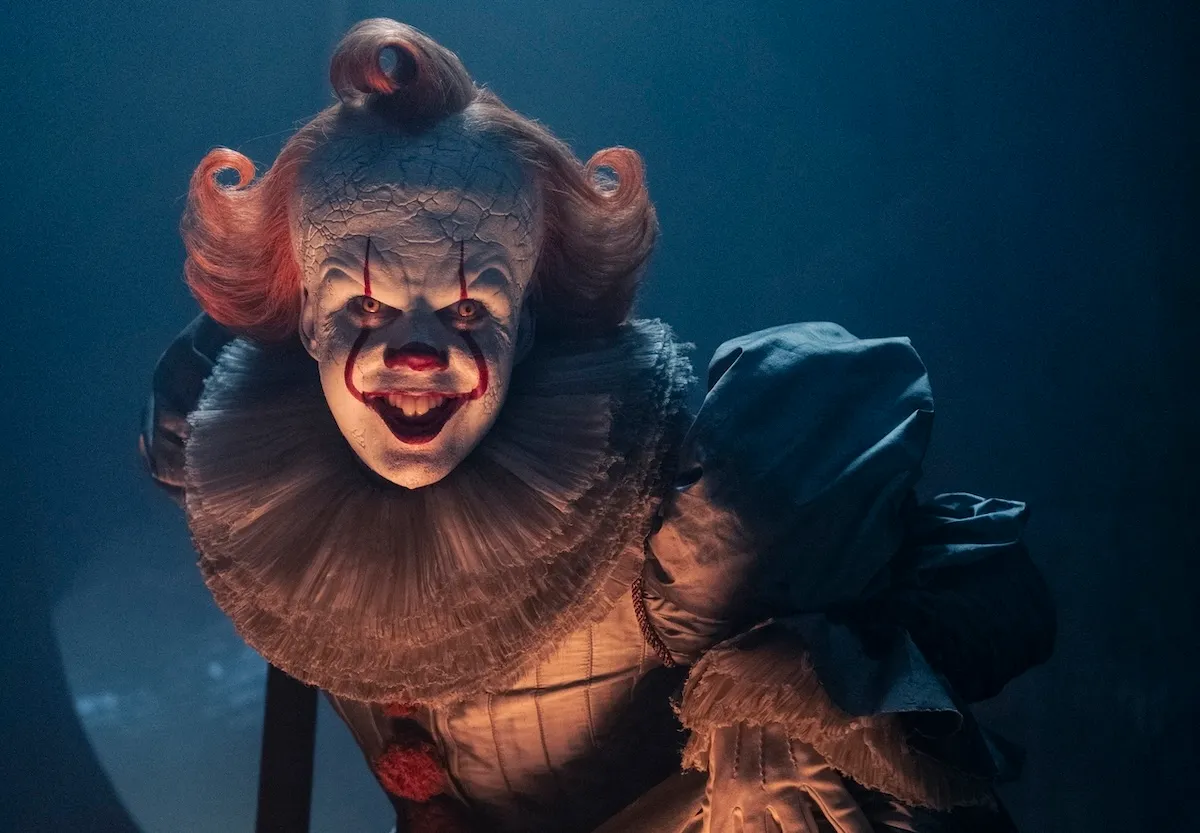
One viable option is to adapt mammoth epic novels into two-part films as was done with It. While the film versions of It differed in structure, the adaptations more or less captured the essence of the novel with the first film focusing exclusively on the main characters when they were children while the second film picked up the characters as adults when they confronted the evil entity Pennywise. This approach would work best for The Dark Tower Saga or any of King’s narrative which can be quite long and involving.

The other obvious option, which has been done to some success, is to adapt his works into television mini-series or shows. Some of the best examples include ‘Salem’s Lot, The Stand, 11/22/63, The Outsider and Nightmares & Dreamscapes. Adapting The Dark Tower Saga into this format is honestly the only viable way to present the expansive storyline and do it well.

The Skill of the Translators

One important reason as to why it is so hard to adapt Stephen King works is due to the quality and skill of the filmmakers and showrunners and scriptwriters. While many gifted behind-the-scenes creators successfully adapted King’s works like Stanley Kubrick, John Carpenter, Frank Darabont, Rob Reiner and Andy Muschietti, far too many inferior creators took a hand into mangling and ruining King’s classics. It is lamentable that someone like Steven Spielberg or Christopher Nolan or Scott Derrickson never helmed a Stephen King film (there were reports that years ago, Spielberg was involved in an adaptation of The Talisman, but that never came to be). Just think of how something like Under the Dome, Cell, and The Girl Who Loved Tom Gordon would have turned out if James Wan or Robert Eggers or Ari Aster were at the director’s chair with the projects.

But sadly as we know all to well, it is very difficult to line up the best writer, director, producer or actor to fit in with a King work of art. Reasons for this are all over the place and tend to be due to timing and budget. These days it is not likely that a studio can afford to hire Spielberg to take on a King book. There is also the possibility of dueling visions. A more high-profile director can and will take liberties with the source material much to King’s detriment. The most famous example was Kubrick’s version of The Shining, which King detested even though it is considered not only one of the best King adaptations but a classic horror film.

The same goes for television productions. All too often King’s works whether they’re long-form epics or short stories wind up becoming inferior TV shows or limited series. During the ’90s, the heyday of King TV adaptations, many of his more famous stories became big event TV mini-series with mixed results, but hardly any of them stood out as masterpieces. The best adaptations were for The Stand, although that limited series had its issues, ‘Salem’s Lot, which came out in the ’70s, It, and original productions like Storm of the Century. Other works like the more faithful adaptation of The Shining and The Langoliers failed to impress viewers. If only someone like Vince Gilligan or Terry Matalas could spearhead a proper TV adaptation of The Stand or The Dark Tower Saga.

Despite many failed attempts, the versatility and durability of Stephen King’s stories guarantee that eventually the right team will come along and created the best version of his works. This happened with the It films which were immediately better than the original TV mini-series and may happen later this fall when the second film version of The Running Man is released (being that is directed by Edgar Wright, there’s a decent chance it will outshine the original film). It has been possible to get cinematic masterpieces based on King’s works and it has happened, so it will continue to happen.

José Soto

The Eve of MCU’s Phase Six

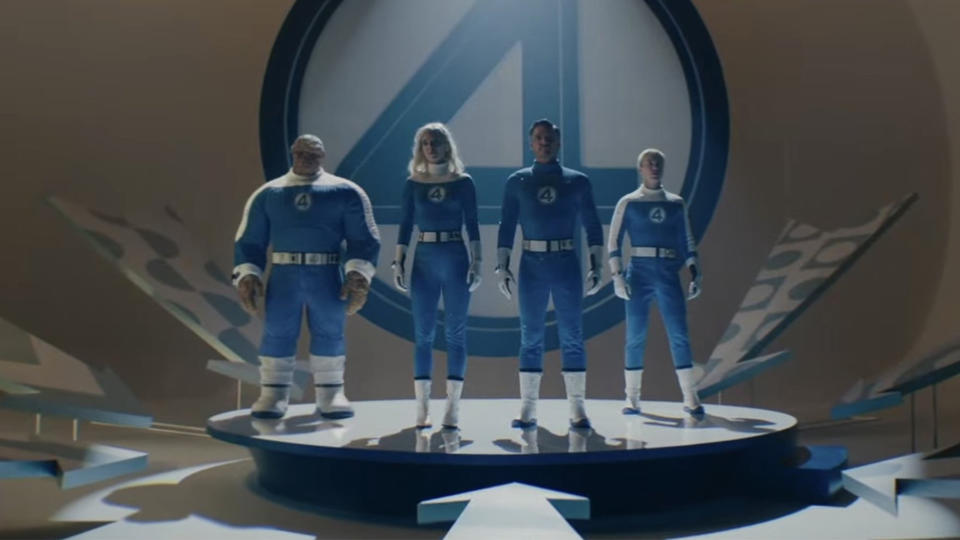
Phase Six of the Marvel Cinematic Universe (MCU) starts this week with the release of The Fantastic Four: First Steps, a film that will begin the finale of the MCU’s Multiverse Saga. As Phase Six commences it is clear that the MCU has had some challenges recently and it remains to be seen if the latest phase will course correct the cinematic universe.

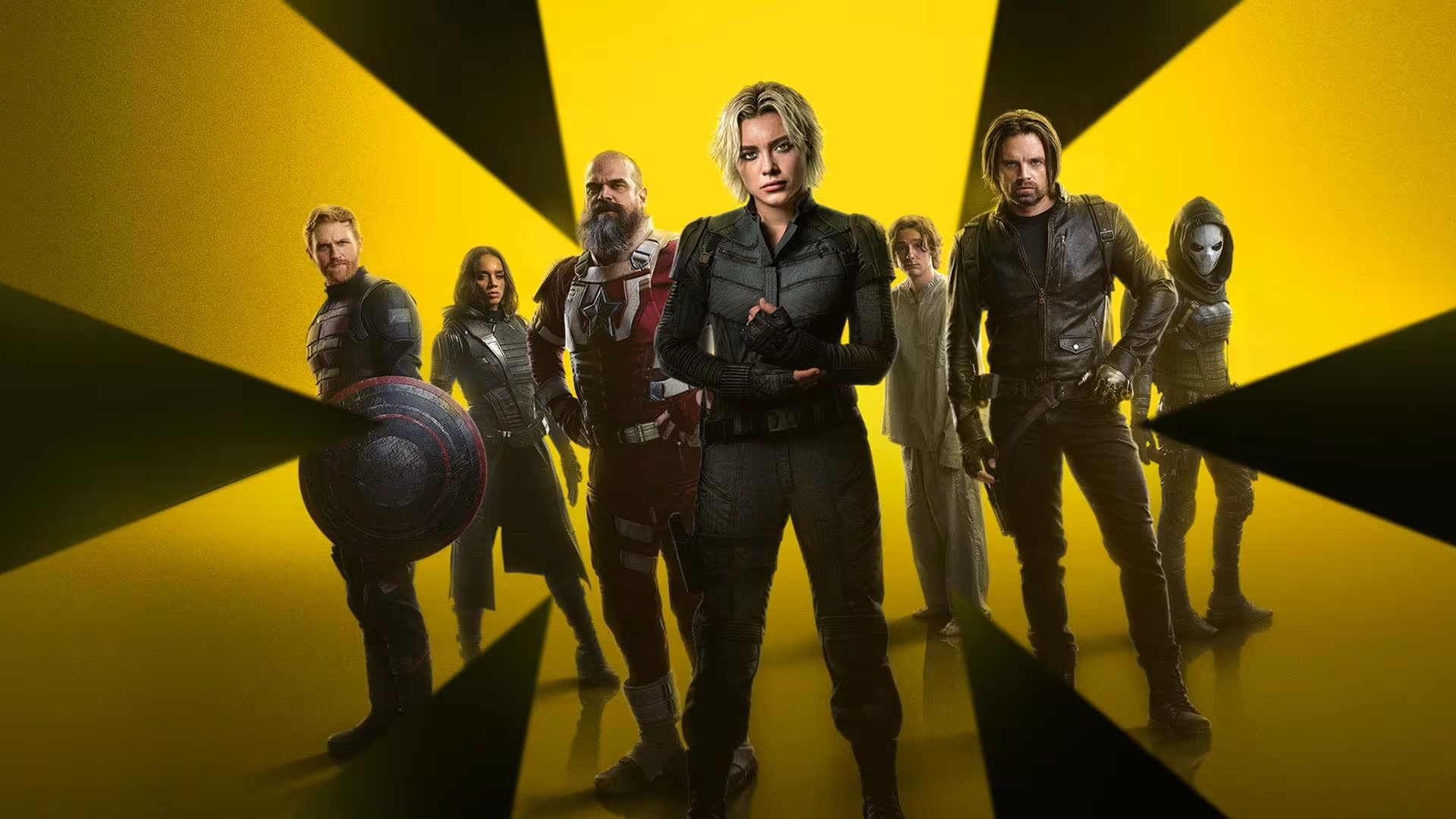
A major issue with the last two phases that will affect Phase Six was that they did not tell a cohesive or coherent storyline that progressed the overall story of the Multiverse Saga. This ran counter to the first three phases that told a progressive story that culminated with the last two Avengers films, Avengers: Infinity War and Avengers: Endgame. One thing to note with the first three phases was that they concluded more or less with an epic Avengers film. This did not happen with Phase Four (*Thunderbolts the last film of Phase Five ended with the revelation that it was actually a film about a new team of Avengers), and the Multiverse Saga had to do a course correct for outside reasons.

Phase Five of the MCU was plagued with several misfires and undeniable box office disappointments as films and TV shows did not live up to expectations. This was unfortunate since Phase Four was disappointing, as well, and failed to live up to the glory days of the first three phases. Phase Five was supposed to correct this but could not.

Namely that Marvel Studios decided to eliminate the main villain of the Multiverse Saga, Kang the Conqueror, and instead abruptly chose to have Doctor Doom as the main villain. This change happened because the actor who played Kang, Jonathan Majors, was fired by Marvel Studios for being convicted of domestic abuse and the character did not resonate with fans. This happened as Phase Five was well underway and did not allow the MCU to organically pivot to Doctor Doom, but the film studio could have tried. Films and TV shows in the latter half of Phase Five should have, at the bare minimum, dropped Easter eggs and references to Doctor Doom but that has not happened. In fact, many TV shows from Phase Six like Secret Invasion or Agatha All Along did nothing to advance the Mulitverse Saga. Meanwhile, only about half of the Phase Five films were relevant to the Multiverse Saga.

What makes this situation worse is that Doctor Doom, the main villain of the Fantastic Four, will not appear in The Fantastic Four: First Steps. This is a mistake considering that Doom will be the villain of next year’s Avengers: Doomsday and it is unlikely that upcoming MCU projects before that film will include any appearances or references to Doctor Doom and the Multiverse Saga. It is head scratching that Doctor Doom will not at least have a cameo in The Fantastic Four: First Steps but we won’t know this for sure until the film is released. On the other hand, there are reports that one of the post-credits scene from The Fantastic Four: First Steps will directly tie into Avengers: Doomsday so there is that, at least.

Another thing that is evident with the slate of Phase Six is that unlike the last two phases there will be noticeably less films and TV shows released. One major complaint about the last two phases, especially with Phase Four, was that too many projects were released, and this stretched the resources of Marvel Studios. The result was that many subpar films and TV shows were released before they could be fine tuned to be better. With Phase Six, Marvel Studios has chosen to emphasize quality over quantity, though this means that many threads and characters introduced in the previous phases will be ignored. This will frustrate many fans, but it was inevitable given that Marvel Studios has to concentrate on popular characters instead of greenlighting TV shows or films about obscure superheroes that may or may not resonate with the larger public. So, expect many films and TV shows dealing with the core Avengers lineup, Spider-Man, the Fantastic Four (if the first film is successful) and of course, the mutants.

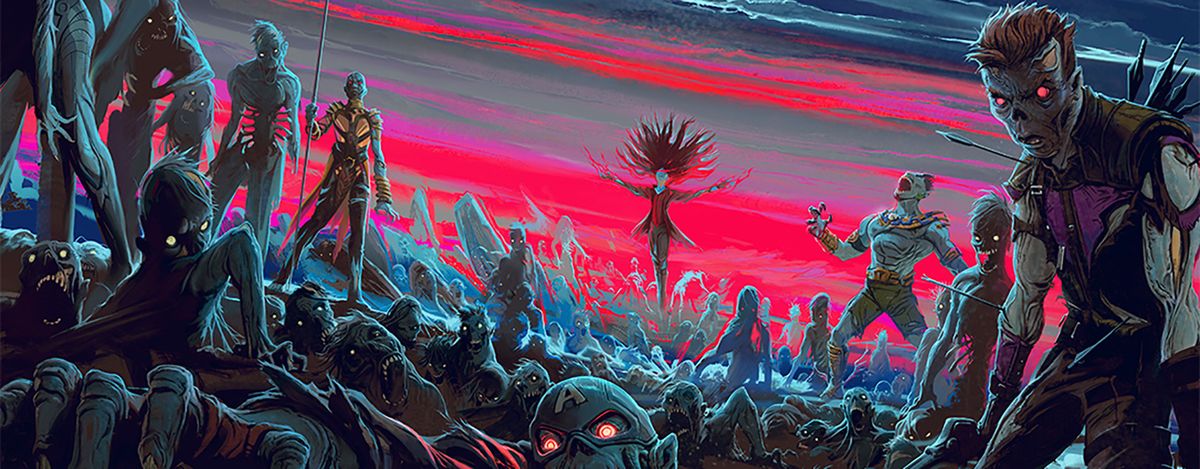
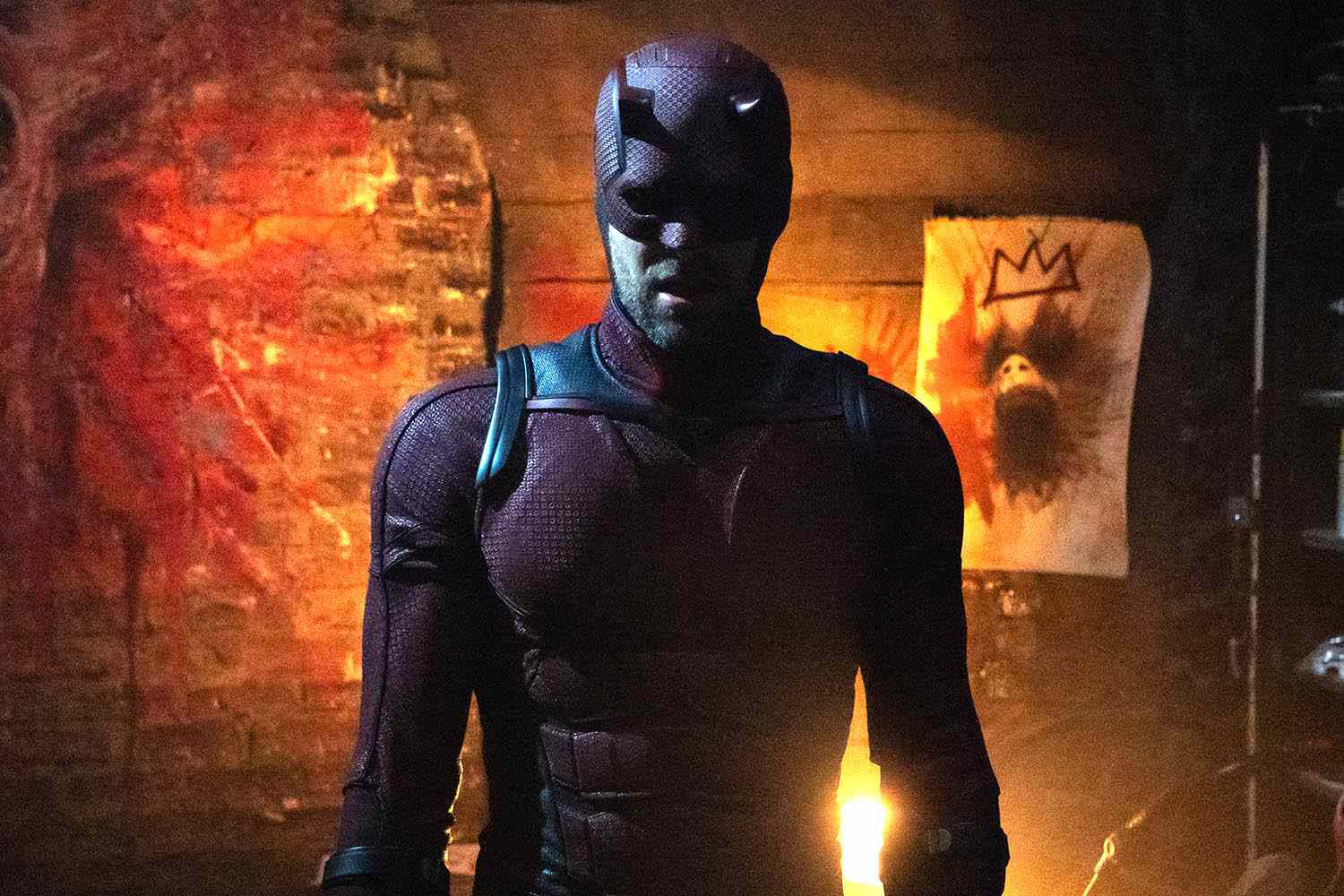
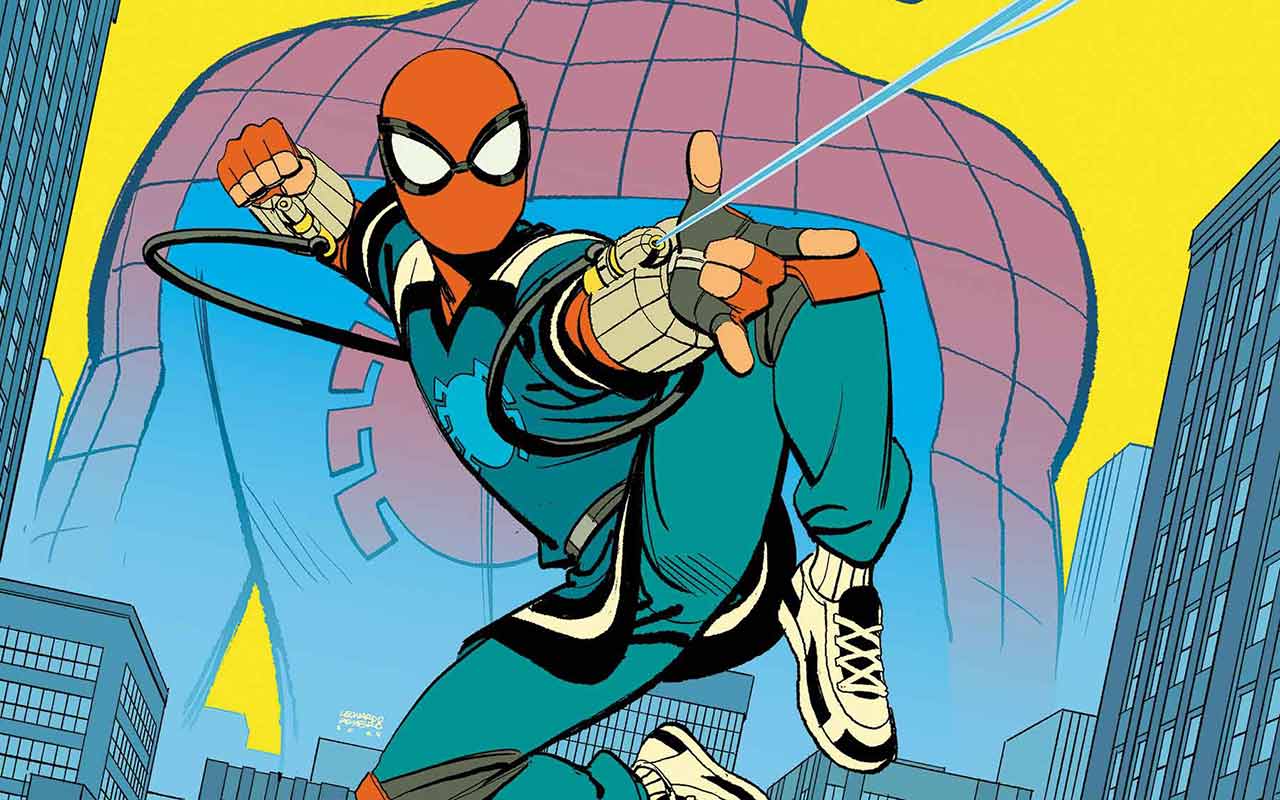
At this time, we can only speculate on what films and TV shows Marvel Studios will release for Phase Six. Unlike the previous phases the studio is remaining tight lipped about its upcoming releases since they have been burned by prematurely announcing projects before they were ready like Blade. To date, the only known projects are The Fantastic Four: First Steps, Eyes of Wakanda, Marvel Zombies, Wonder Man, Spider-Man: Brand New Day, second seasons for Daredevil: Born Again and Your Friendly Neighborhood Spider-Man, Vision Quest, a Punisher TV special, Avengers: Doomsday, Avengers: Secret Wars, and at least one other film that we have no information about. Who knows what it will be? A new Doctor Strange film? A third Black Panther film?

While it’s regrettable that Marvel Studios is pulling back on the quantity of projects it is for the best since the limited amount of films and TV shows will lead to improved products. We already are seeing this as the more recent offerings from Marvel Studios like Deadpool and Wolverine, Your Friendly Neighborhood Spider-Man and *Thunderbolts have received a lot of acclaim. It is also interesting to see that certain projects that were not as well received as Ironheart, parts of Daredevil: Born Again and Captain America: Brave New World were produced before Marvel Studios began to course correct with its offerings. Daredevil: Born Again offers clear proof of this as the most acclaimed episodes were made after the film studio decided to emphasize its commitment to quality.
It will take some time for Marvel Studios’ course corrections to resonate with the general public. Not too long ago, the MCU brand was golden and a guarantee of quality and box office success. That’s not the situation anymore as many recent films have underperformed, even if they were acclaimed like *Thunderbolts. It is no longer a guarantee that an MCU film will be a box office hit. But it is important that they maintain a high level of quality because this will create positive buzz for MCU films and TV shows. Do not be surprised if properties like *Thunderbolts develop cult followings, which is good for Marvel Studios as this will demonstrate the studio’s commitment to quality products. Eventually the public will catch on and begin seeing them the films and TV shows in droves again. Then again with important tentpole films like Avengers: Doomsday, Avengers: Secret Wars and Spider-Man: Brand New Day, it is practically certain that Phase Six of the MCU will be successful.

José Soto