Top Ten Unresolved MCU Plot Threads

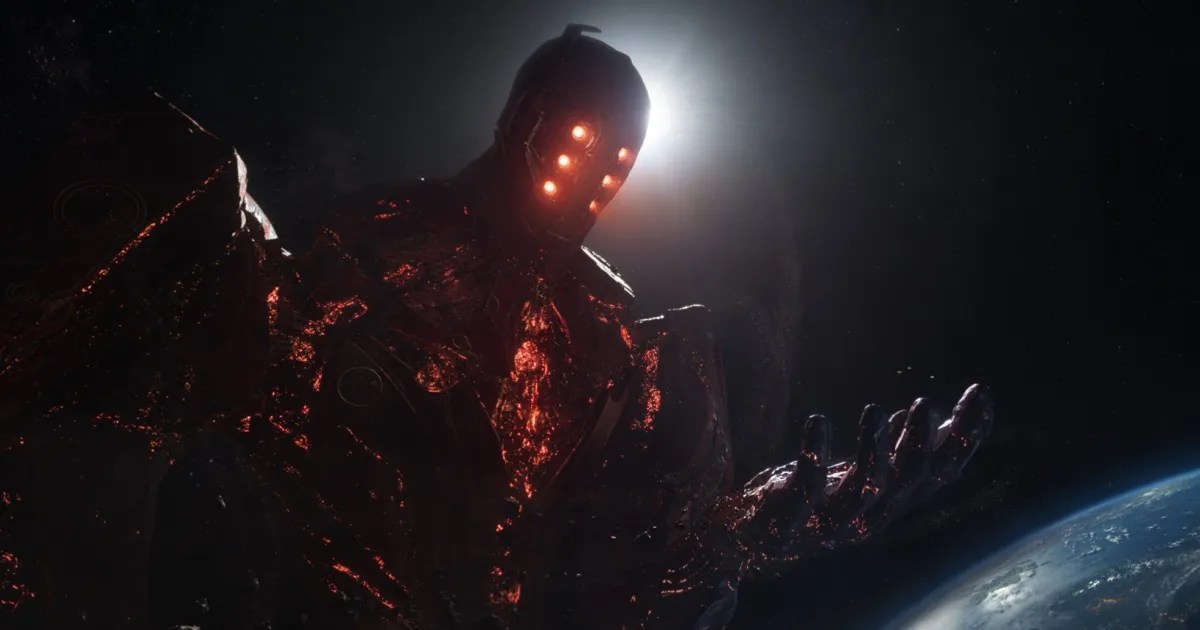
As the Marvel Cinematic Universe (MCU) continues and evolves, there are many plot threads introduced in various MCU projects that remain unresolved to this day. Some of them, such as the fact that a giant Celestial statue is sticking out of the Indian Ocean, will be resolved with next year’s Captain America: Brave New World, but there aren’t any indications that many others will be addressed. The following is a ranking of the most nagging or interesting MCU plot threads that remain unresolved, at least for now.

10. Mitchell Carson & the Stolen Pym Particles

A major plot thread in Ant-Man was that Hank Pym did not want his shrinking technology to fall into the wrong hands. This was about to happen in the final act of the film where Darren Cross was attempting to sell the Pym Particles to the highest bidder. During a melee to stop the sale, one of the buyers, the Hydra operative Mitchell Carson, ran off with a vial of the particles, and this was never addressed again.

Speculation: Given the demise of the Ant-Man film franchise, these questions will likely remain unresolved or turn up in an unrelated film or TV show.

9. When Will the Young Avengers Debut?

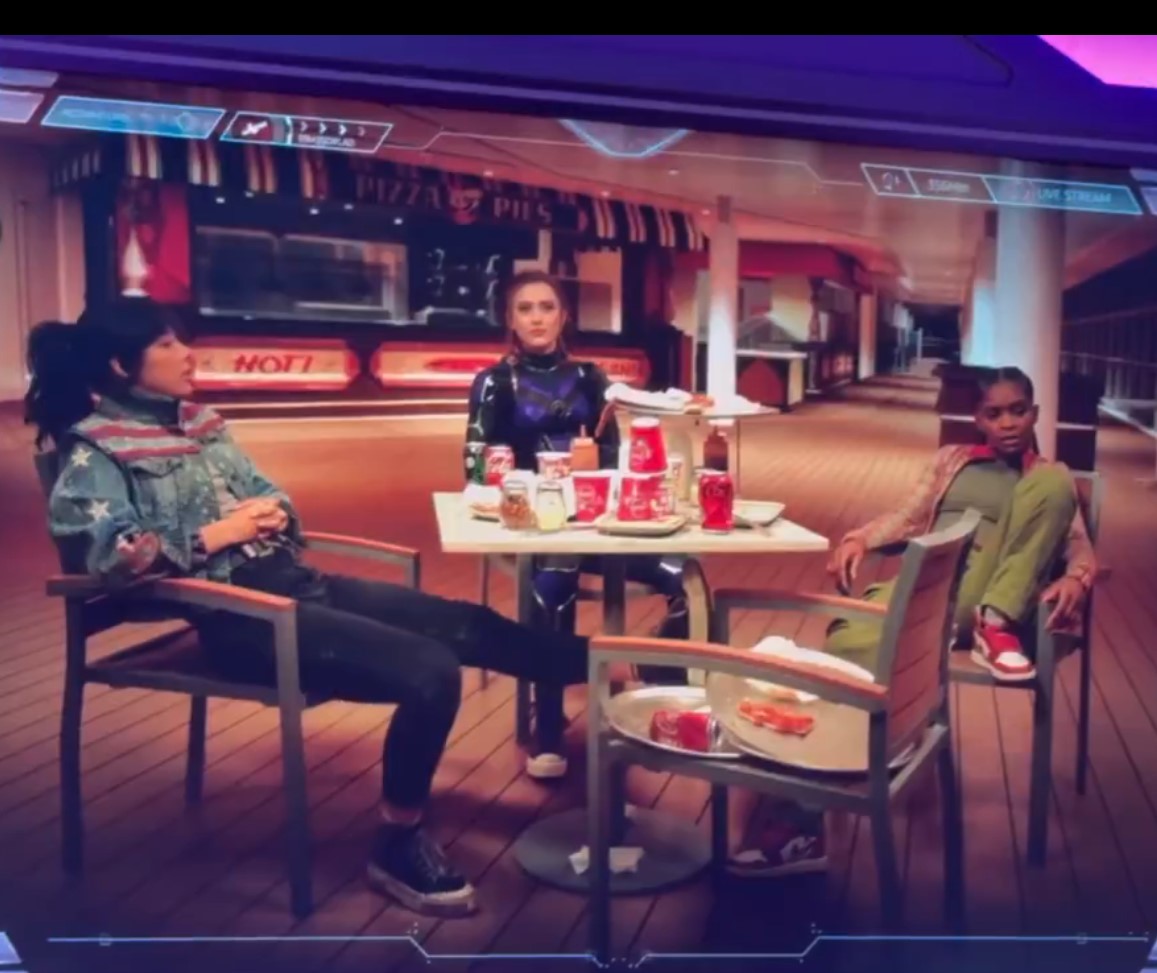
We have been teased with the Young Avengers ever since members like Ms. Marvel, Stature and Wiccan have shown up in the MCU. The superhero team was highly teased in the end of The Marvels when Ms. Marvel recruited Kate Bishop to form a team with plans to get in touch with Stature (who already debuted in Ant-Man and the Wasp: Quantumania). This is an exciting development for the MCU given the popularity of these characters but to date there have not been any announcements of this team actually showing up in the MCU.

Speculation: There are many rumors that the Young Avengers will headline a TV show at some point and do not be surprised if they turn up in Avengers: Doomsday or Avengers: Secret Wars. But given the fact that the actors are aging in real life, what could happen is that the team will be renamed the Champions if they ever debut.

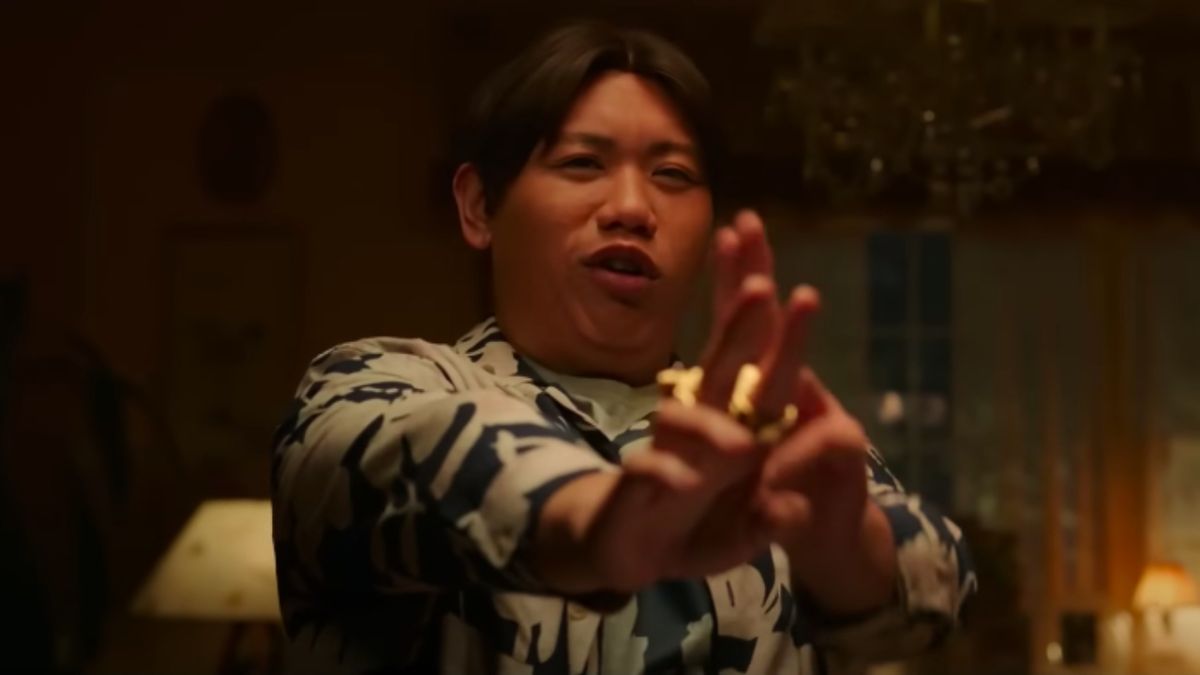
8. Magic Ned

During a pivotal moment in Spider-Man: No Way Home, Peter Parker’s best friend Ned displayed an innate talent for magic as he was able to use Doctor Strange’s Sling Ring to summon alternate versions of Peter Parker/Spider-Man. While this is an interesting development for Ned, who could become a sorcerer’s apprentice, it is unlikely this will ever be explored given that well, the Spider-Man film rights are held by Sony Pictures which is hell bent on pumping out films starring Spider-Man’s enemies.

Speculation: Nothing, zilch, nada. We are not even sure if Ned will appear in the next Spider-Man film.

7. Too Many Sorcerers

In a post-credits scene in Doctor Strange, the sorcerer’s former ally, Mordo, begins a quest to kill off all the sorcerers on Earth with the clear implication that Strange was a target. This plot line was ignored in the next Doctor Strange film and since the third film will likely be geared towards incursions and multiverse shenanigans, Mordo’s mission is at this point forgotten. It’s too bad since Mordo is an interesting character and a major foe for Doctor Strange in the comic books. He deserves a chance to confront Strange.

Speculation: Originally, this plot would have been resolved at the start of Doctor Strange in the Multiverse of Madness where the Scarlet Witch would have killed Mordo, but this scene was scrapped. There have been no reports that the Mordo plot will be a part of the next Doctor Strange film or if Mordo will even appear.

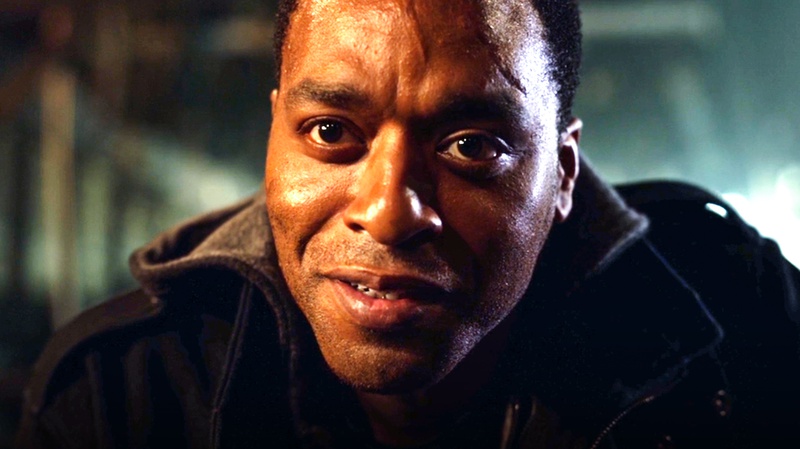
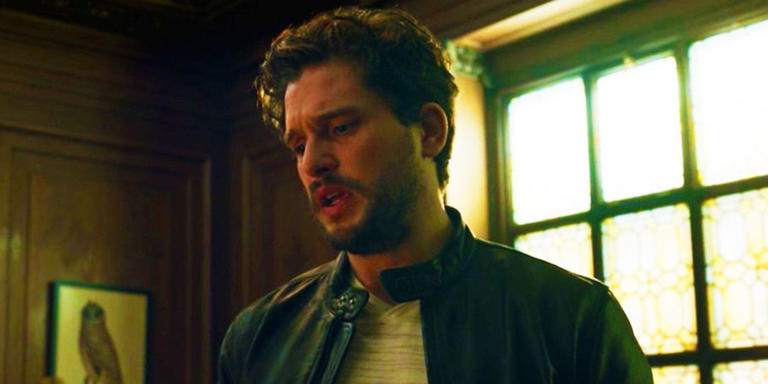
6. The Black Knight and the Ebony Blade

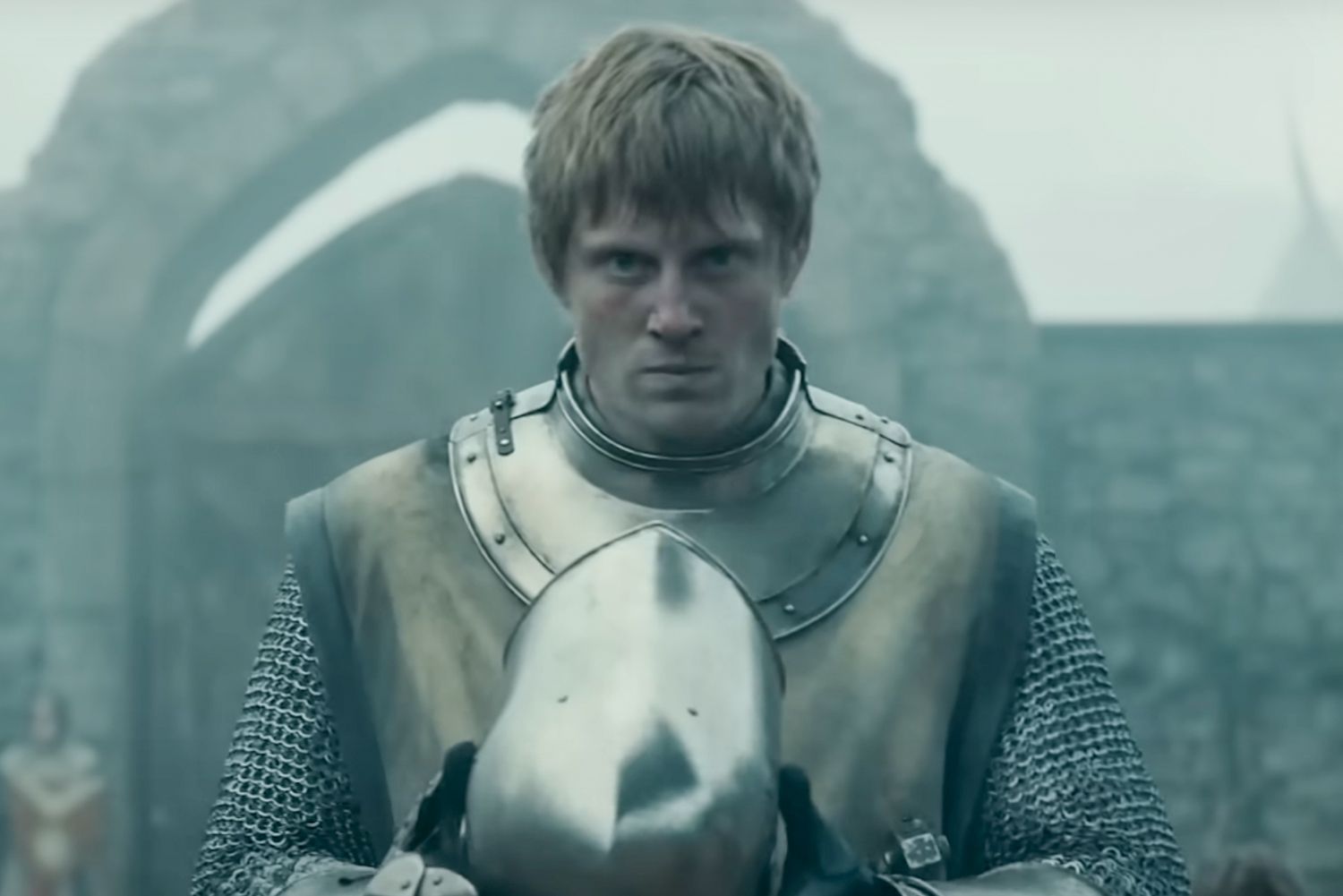
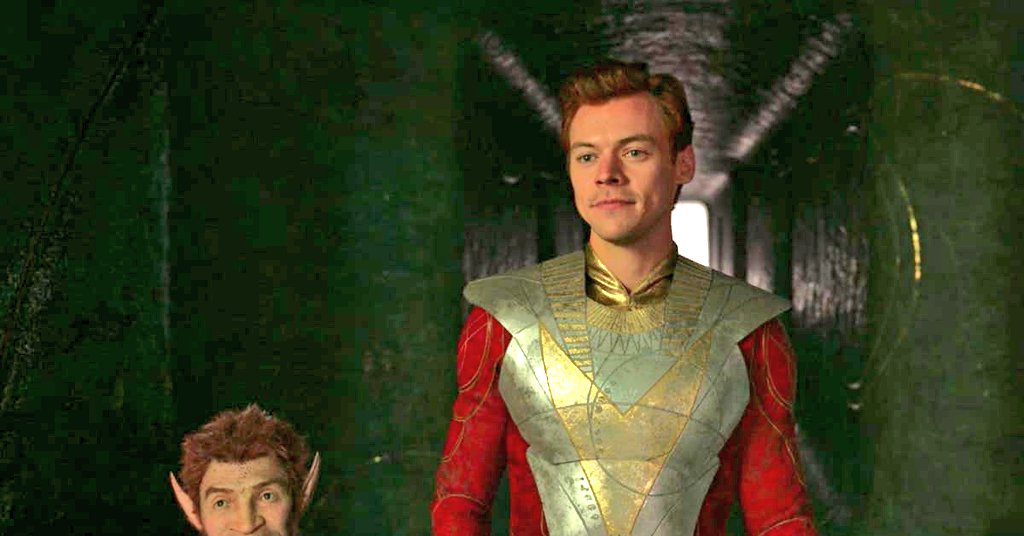
In one of the post-credits scenes of Eternals, Dane Whitman was about to touch the cursed Ebony Blade which would have turned him into the Black Knight. The would-be superhero was stopped by an offscreen voice, who was Blade the Vampire Hunter. To date, no announcements have been made as to when the Black Knight will appear. Not even Kit Harrington, who portrayed Whitman, knows if his character will ever appear again in the MCU.

Speculation: Supposedly, the Black Knight was to show up in the long-delayed Blade film but since that film seems more or more unlikely to be produced it’s anyone’s guess if the Black Knight will ever appear anywhere.  

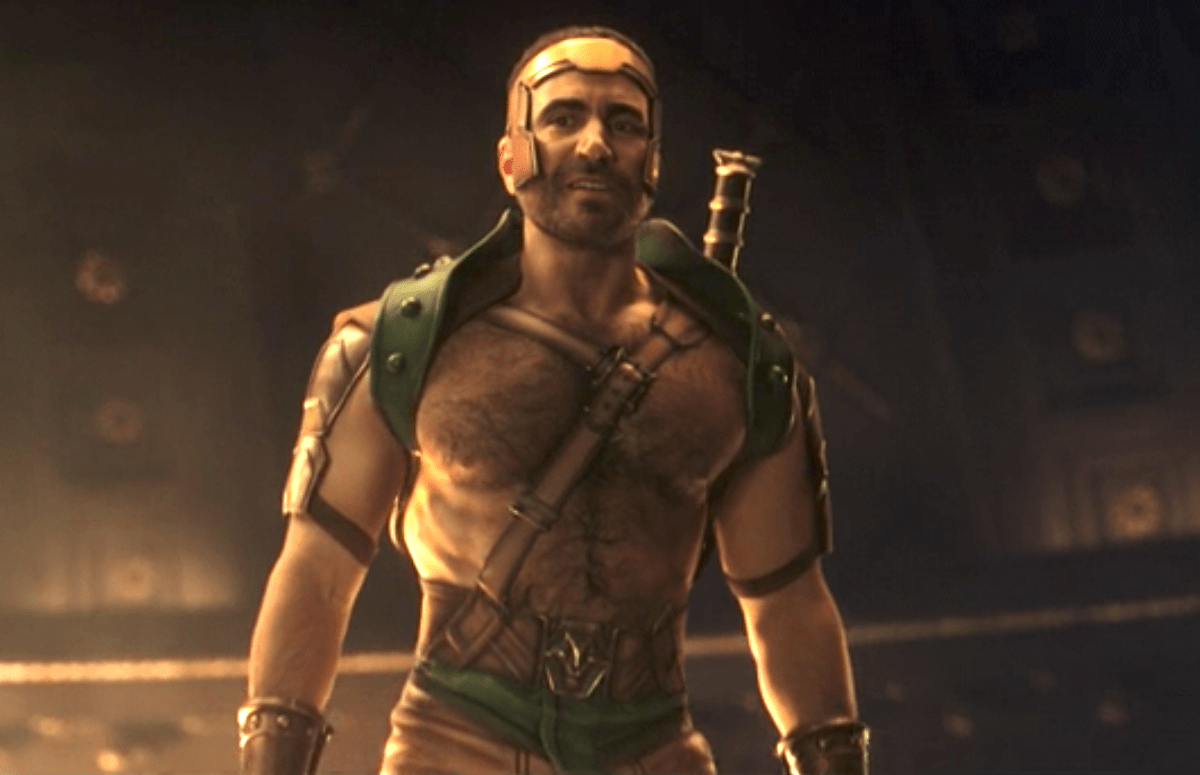
5. Will Hercules Ever Has His Revenge?

After being humiliated by Thor in Thor: Love and Thunder, Zeus promised to get his revenge on the God of Thunder. He then tasked his son, Hercules, to carry out the vendetta. Hercules’ brief cameo was impressive given the comic-accurate look of the god. Unfortunately, his appearance was one of the symptoms that befell the MCU lately where multiple plot threads were introduced without any logical means to address them.

Speculation: Supposedly, Hercules will appear in the next Thor film, but it’s not known if he will be a major character or if the film will be made at all given that Marvel Studios has been cutting back on the number of films and TV shows in order to maintain the quality of their projects.

4. When Was Rhodey Replaced?

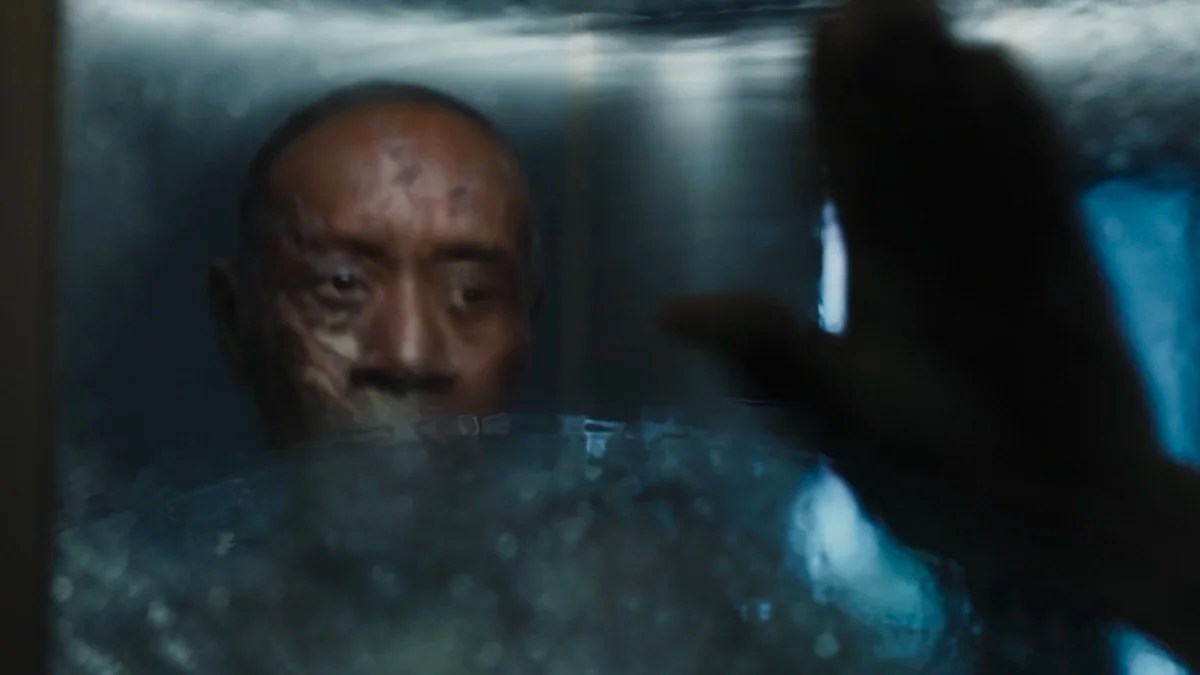
As flawed as Secret Invasion was, one interesting plot twist, well not really since it was so obvious, was that Jim “Rhodey” Rhodes was replaced by an alien Skrull. At the end of the mini-series, the real Rhodey was rescued, but we never learned when he was replaced or how many pivotal MCU events he missed. Was he abducted after his BFF Tony Stark died? We do know it had to have happened after Captain America: Civil War since he ended up paralyzed in that film and he was shown as such in Secret Invasion.

Speculation: The director of Secret Invasion revealed that Rhodey was replaced immediately following Captain America: Civil War, although this has not been confirmed by Marvel Studios. Some fans have speculated the replacement happened much later. Sadly, this dilemma will not be resolved anytime soon, since everyone wants to forget about Secret Invasion.

3. The Origin of the Ten Rings and Their Beacon

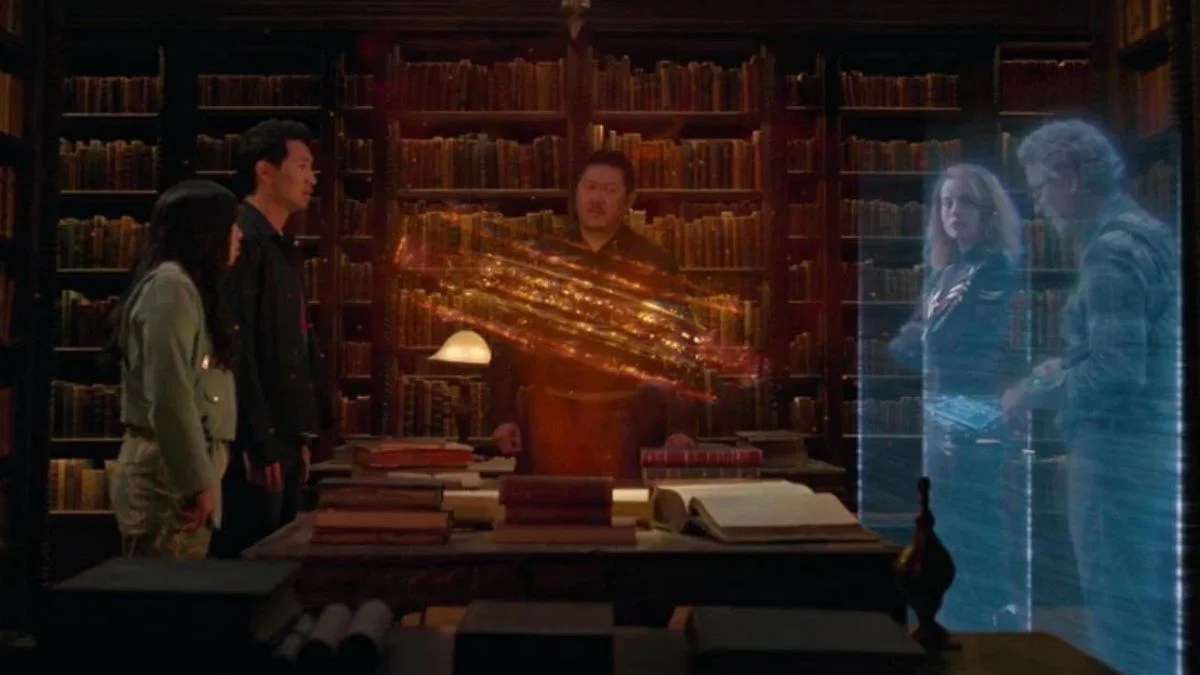
At the end of Shang-Chi and the Legend of the Ten Rings, the sorcerer Wong informed Shang-Chi that the otherworldly bangles he acquired from his father were very ancient and were emitting a beacon to the cosmos. But that was all he knew, and we haven’t learned to date the origin of these fantastic rings or who was being summoned. Even more baffling is that even though the film was successful, a sequel is stuck in limbo, and we won’t be getting the answers to the questions regarding the bangles for a long time.

Speculation: Supposedly, the bangles were related to Kang the Conqueror and was to have been part of the plot for the abandoned film Avengers: The Kang Dynasty. Maybe they will be the plot device used to summon Galactus into the MCU or Doctor Doom. Or maybe we will have the questions finally answered whenever the sequel to Shang-Chi and the Legend of the Ten Rings ever happens.

2. The Fate of the Eternals

This is major. At the end of Eternals, about half of them were abducted by extra-terrestrial Celestials for saving Earth. Later on, those Eternals that were not abducted set off in a spaceship to find their comrades. Then the Titan, Starfox, and his friend Pip the Troll teleported to their spaceship and offered their help to find the missing Eternals. An interesting setup, but there will not be a sequel to Eternals so the cliffhanger ending to the film will not be resolved. There’s also the revelation that Starfox was Thanos’ brother which was unaddressed.

Speculation: There has been speculation that this Eternals storyline will be resolved in the next Thor film, though there are not any concrete plans for the film, as of yet. Given the cosmic nature of the Eternals, it’s possible another cosmic-themed MCU project could pick it up, perhaps a new Guardians of the Galaxy film which could incorporate a couple of the Eternals into the team.

1. What Happened to Steve Rogers?

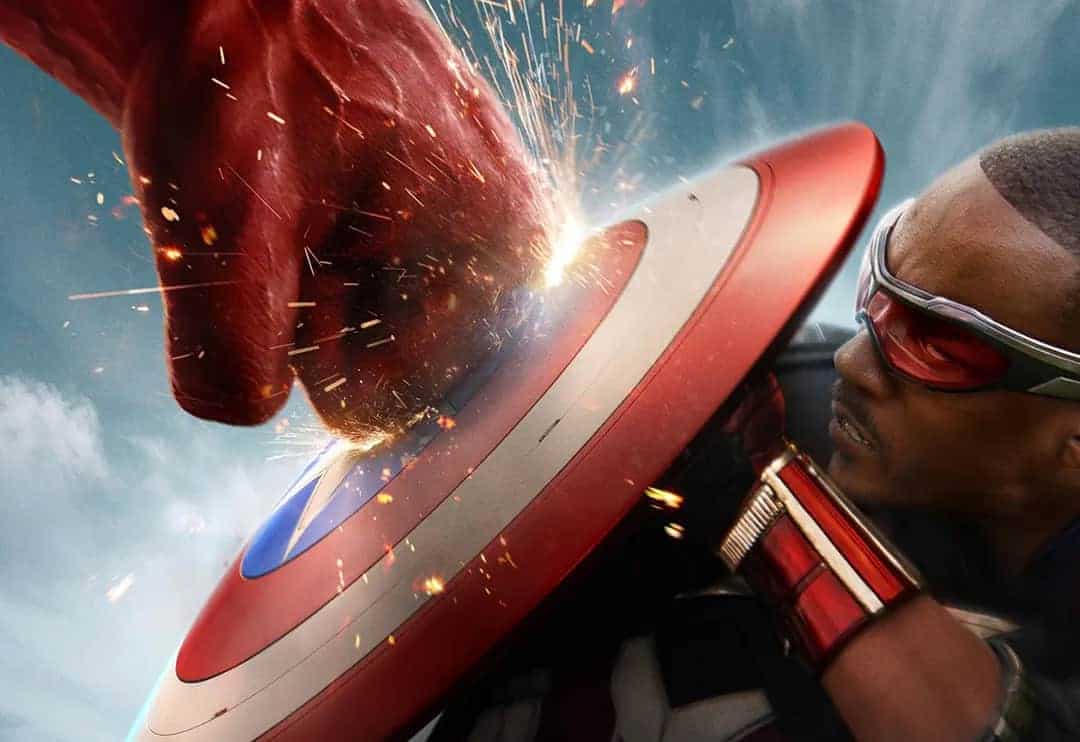
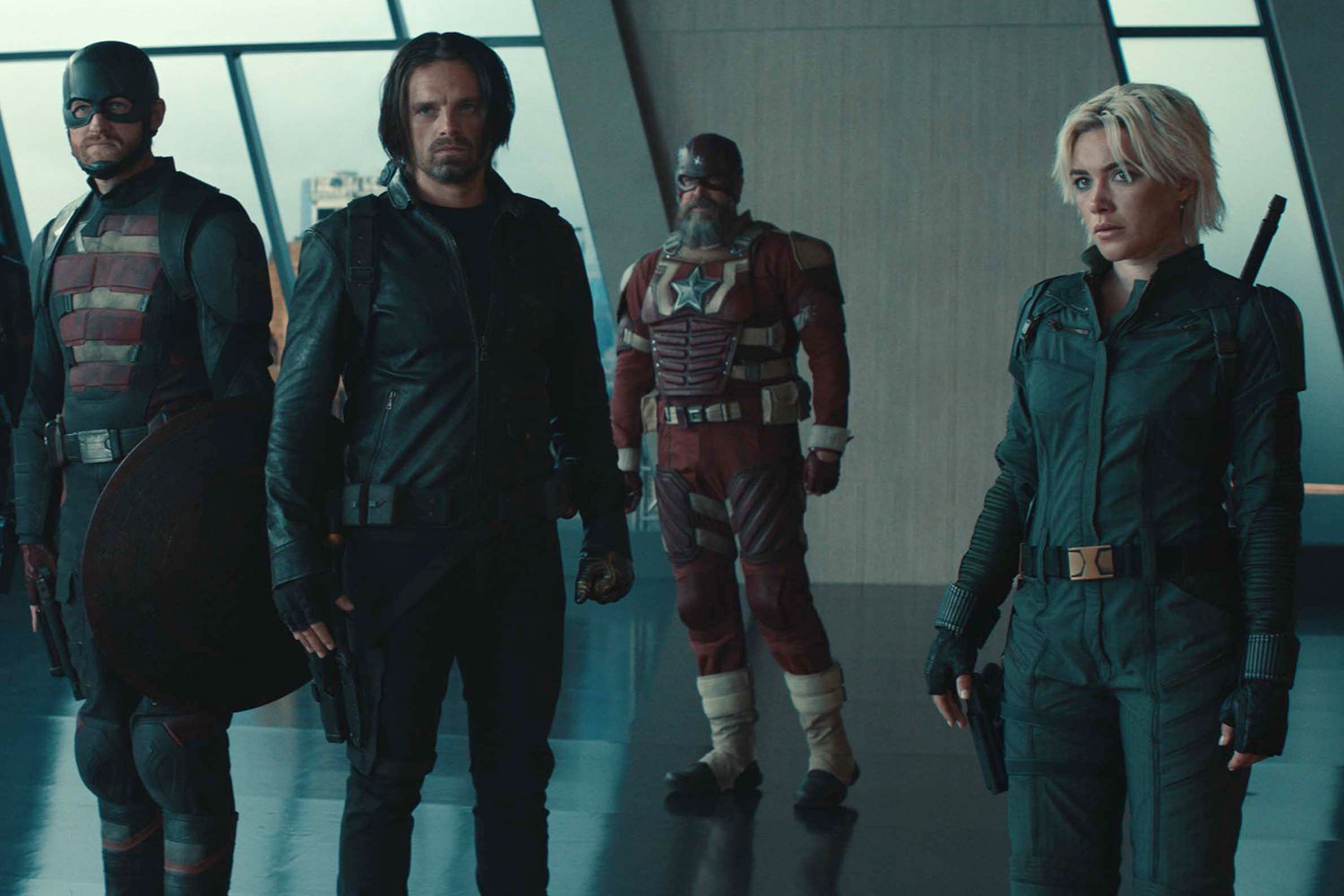
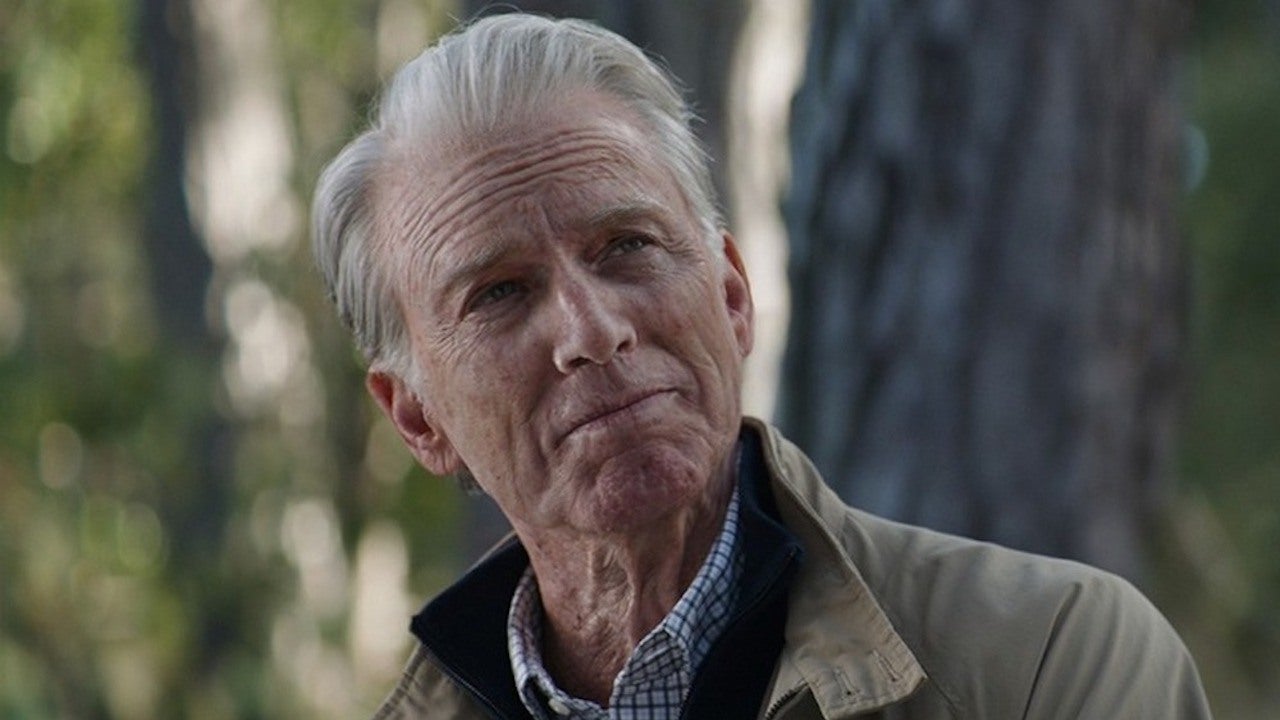
At the end of Avengers: Endgame, Steve Rogers went back in time and multiple dimensions to return the Infinity Stones. When he returned, he came back as an elderly man who could not continue as Captain America, and he passed his shield to Sam Wilson in order to become the new Captain America. So, what became of Rogers at that point? In the limited series, The Falcon and the Winter Soldier, he was referred to in past tense, indicating he passed away, but one character mentioned the rumor that Steve Rogers was living on the moon. It was never made clear if he passed away and so far, he is not shown in trailers for Captain America: Brave New World. So where is Steve Rogers? What happened to him?

Speculation: Maybe Steve Rogers will return in Avengers: Secret Wars so that Chris Evans could play the superhero one final time before the role is recast. Perhaps, as in the comic books, Rogers will be rejuvenated if only to help out in Avengers: Secret Wars. Marvel Studios has speculated that he could return to the MCU in some fashion, though the actor has stated that there are no plans for him to reprise the role. We’ll just have to wait and see.

Notable Mentions

What Happened to the Beekeeper in WandaVision?

Who was Sonny Burch working for in Ant-Man and the Wasp?

Will the United States and Wakanda go to war against each other?

Will the Scorpion ever set out to get revenge on Spider-Man?

Is Spider-Man still framed for murdering Mysterio?

Who is working with the Power Broker/Sharon Carter?

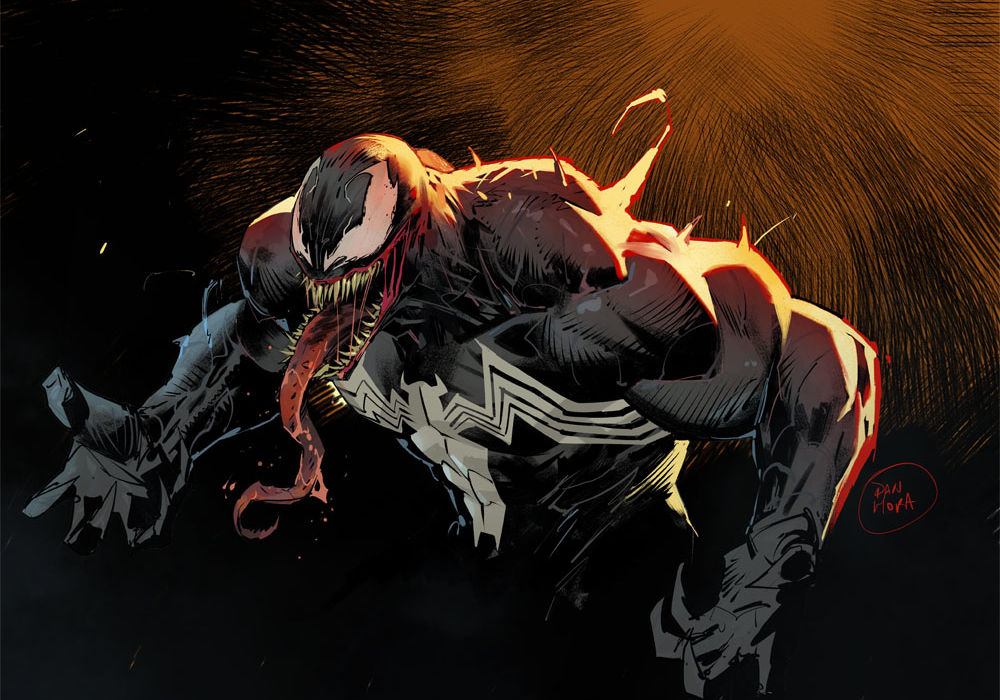
What happened to the symbiote left behind by Venom/Eddie Brock in the MCU?

Will we ever see the remnants of the Illuminati exact revenge on Doctor Strange?

What became of President Ritson’s war on aliens on Earth?

Exploring The Land Of The Lost

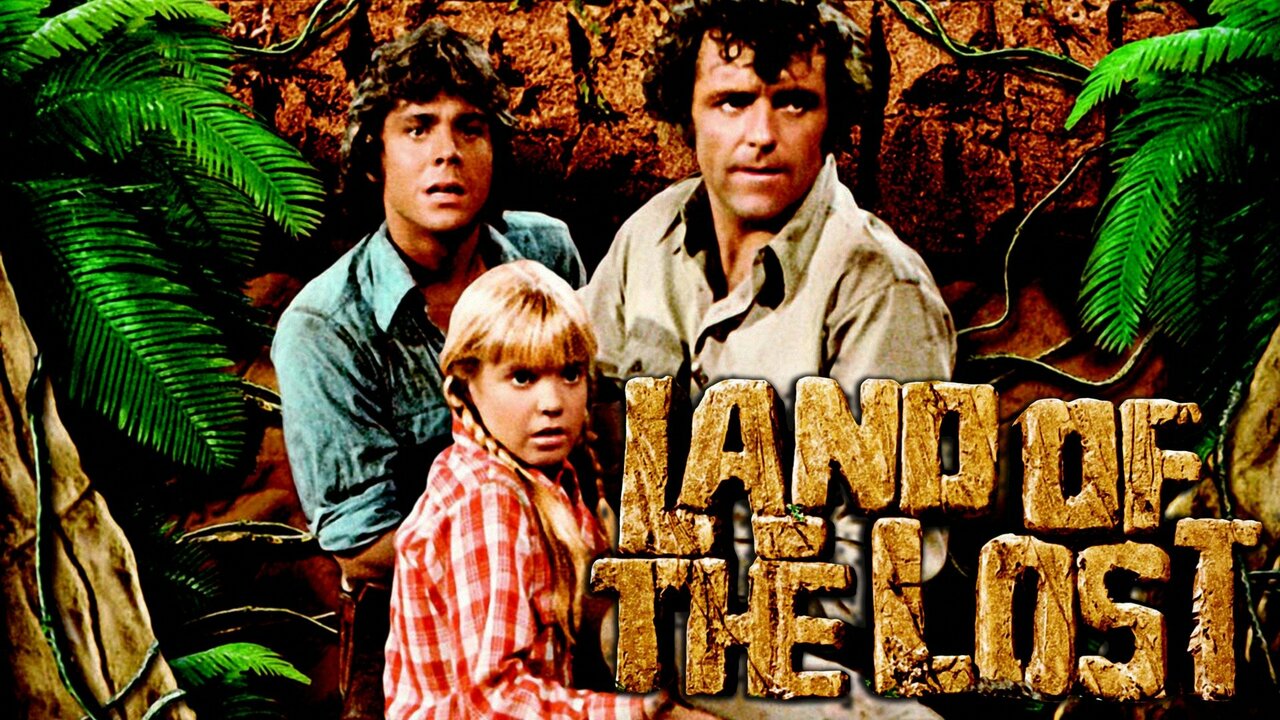
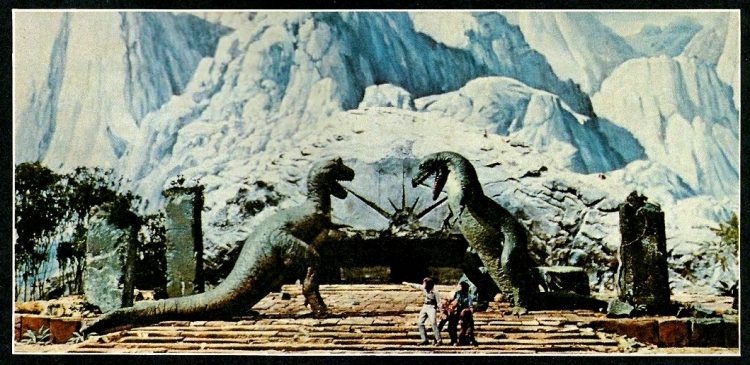
Fifty years ago, the children’s program Land of the Lost premiered on Saturday morning on the NBC television network and surprised many viewers with its well written and imaginative scripts. Even though the production was undeniably low budget and the acting by some of the performers was a bit over the top, Land of the Lost quickly won over many fans thanks to its spirited presentation. The TV show was produced by Sid and Marty Kroft who ruled the Saturday morning TV landscape in the ’70s with many fantasy and comedic live-action programs. Land of the Lost stood out and was their best production because it ditched the juvenile humor seen in their other programs and focused on drama and sci-fi elements. Even though it was a program aimed at children, Land of the Lost had an unexpected mature and serious tone that was appealing to anyone.

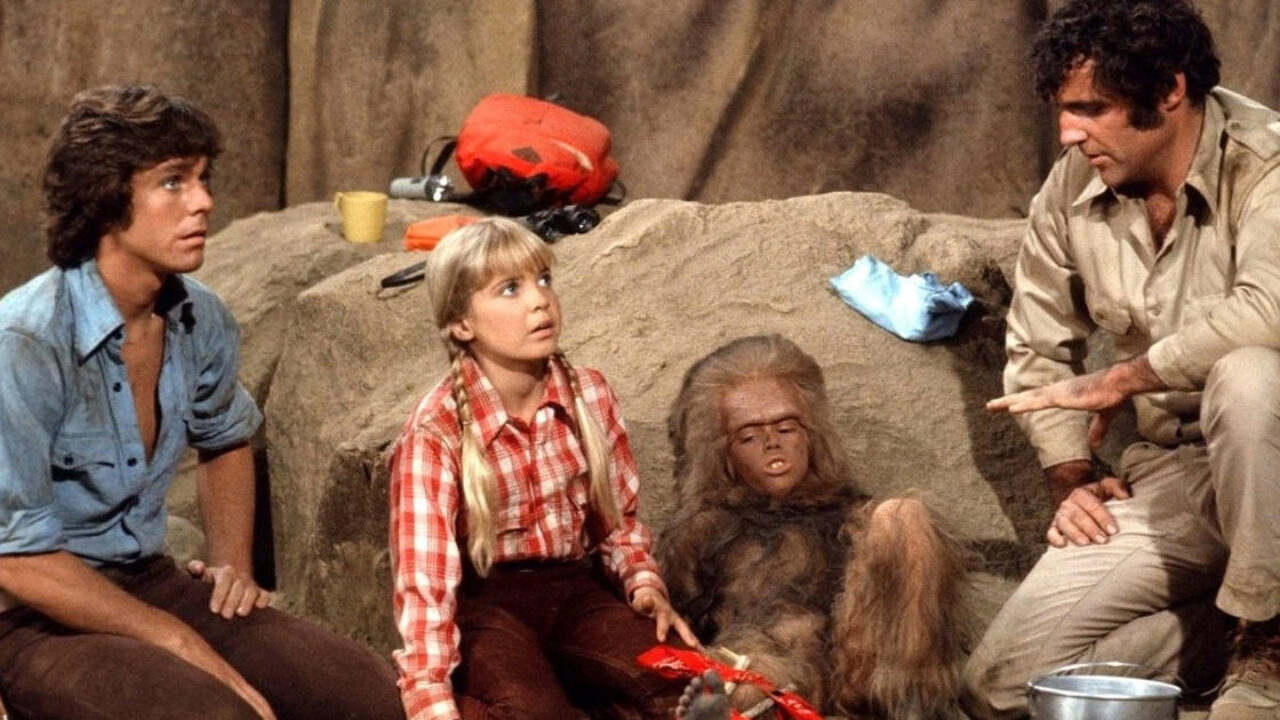
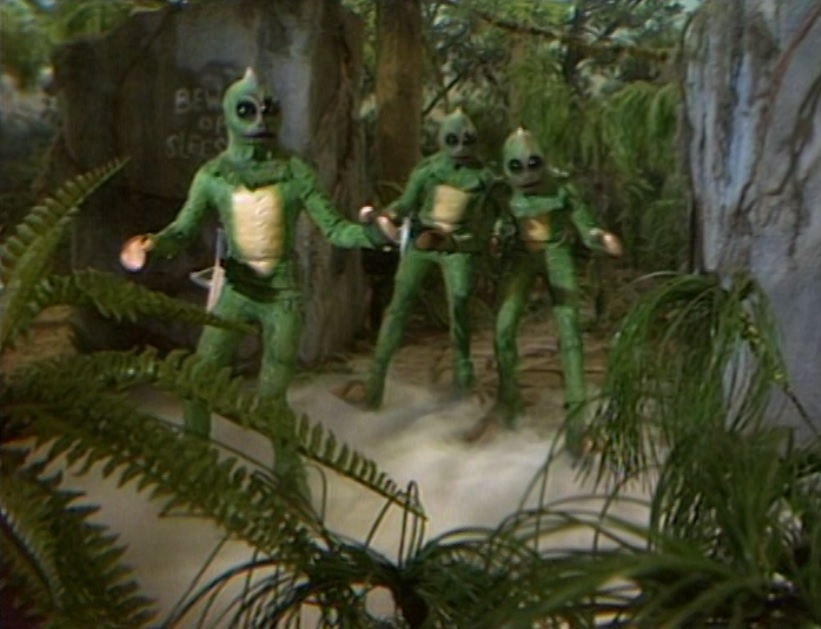
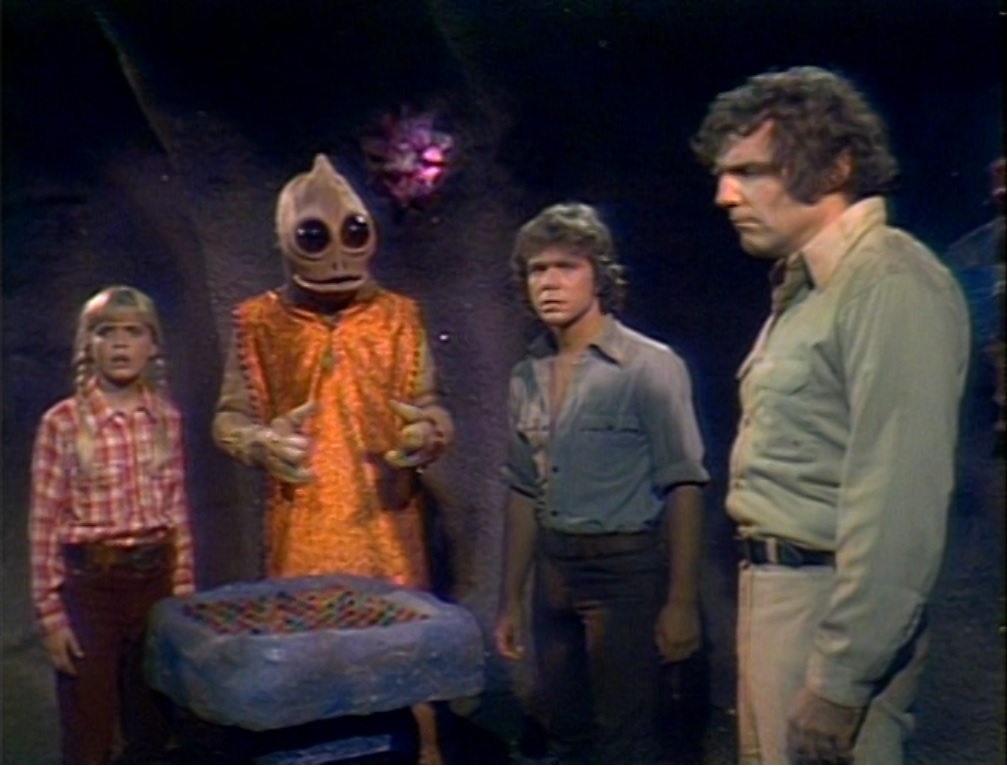
The TV show followed the adventures of the Marshall family, Rick (Spencer Milligan) and his children, Will (Wesley Eure) and Holly (Cathy Coleman), who while out whitewater rafting in the Grand Canyon fell through an interdimensional portal that transported them to a timeless world full of dinosaurs. Trapped in the lost land, the trio struggled to survive while trying to find a way home. During their adventures the Marshalls encountered many unusual denizens including Cha-Ka (Phillip Paley), a member of the Pakuni, a primitive tribe of ape-like humanoids, and Enik (Walker Edmiston), an advanced reptilian/insect-like humanoid who was also trapped in the Land of the Lost. What made Enik’s backstory so fascinating was that his race the Altrusians actually devolved into the savage Sleestaks, who were the dominant species in the Land of the Lost. The Marshalls usually met other travelers from different eras who wound up trapped in the land and often found a way to return to their own time period.

The episodes were devoted to plots about environmentalism, family strife, survival and surprisingly imaginative sci-fi concepts, especially time travel. During the show, the Marshalls discovered these interdimensional constructs called pylons that could transport anyone who entered them into different dimensions including modern-day Earth, though navigating them was difficult. These devices were used to explain why Rick Marshall left the show (in reality Mulligan was removed from the TV show due to conflicts over merchandising) as the father was whisked back to Earth unexpectedly at the start of the third season and replaced by Uncle Jack Marshall (Ron Harper). As Jack explained to his nephew and niece, he was trying to find his brother and his children and followed the same route that stranded the Marshalls in the lost land.

By the third season, the scripts were less imaginative and more geared toward children. The storylines took on more fantastical elements as Uncle Jack, Will and Holly encountered the Medusa, fire-breathing dimetrodon, a unicorn and the ghostly captain of the Flying Dutchman ship. Still the first two season were very thought provoking as the Marshalls met an eerie translucent alien called the Zarn, mysterious human visitors, and alternate versions of themselves. One of the reasons why the scripts stood out was because many of them were written by acclaimed sci-fi authors like Ben Bova, Norman Spinrad, Theodore Sturgeon and Larry Niven. Star Trek scriptwriter David Gerrold was the story editor in the first season and recruited fellow Star Trek writers like D.C. Fontana, Margaret Armen and even Walter Koenig to write a few episodes.

Thanks to its dramatic tone, the stories that focused on survival were more impactful and viewers felt the constant dangers the Marshalls faced as they dealt with carnivorous dinosaurs, environmental dangers, temporal and interdimensional dilemmas and the barbaric Sleestaks. One haunting episode, “The Search” had Will and Holly struggling to save their father who was electrocuted by crystals that operated the pylons. Anyone watching it could sense the desperation and panic from the siblings who were forced to face the possibility of their father dying. Another eerie episode “Split Personality”, had the Marshalls encountering alternate versions of themselves who were frozen in time and needed their help.

Even though the series never had a concluding episode, due to the temporal nature of Land of the Lost it can be argued that the Marshalls did find their way back home in the first season finale episode called “Circle”. Inside one of the pylons, the family was able to return back to their home but it was revealed they were trapped in a Mobius loop and another version of themselves wound up trapped in the Land of the Lost by the time the episode concluded. So in a sense, at least one version of the Marshalls returned home and subsequent episodes followed their variants.

In the decades since Land of the Lost stopped airing, the program has maintained a cult following thanks to a heavy syndication run that lasted many years. There were two attempts at remaking Land of the Lost. One included another TV show that aired for two seasons and featured the Porter family who were stranded in another dimension inhabited by dinosaurs and Sleestaks. Then there was a feature film in 2009 that starred Will Ferrell and as expected by the casting was more comedic. The film was a major dud with critics and fans and flopped at the box office. It also featured one of Leonard Nimoy’s last voice performances as he portrayed Enik. Sadly, the film ignored the dramatic survivalist aspects of the original Land of the Lost and insulted the memory of the original with its moronic humor. Regardless of how the remakes were received, Land of the Lost still has many devoted fans who appreciated the bright scripts and its imaginative, dramatic tone that engaged viewers.

José Soto

Top Ten Worst Comic Book Trends

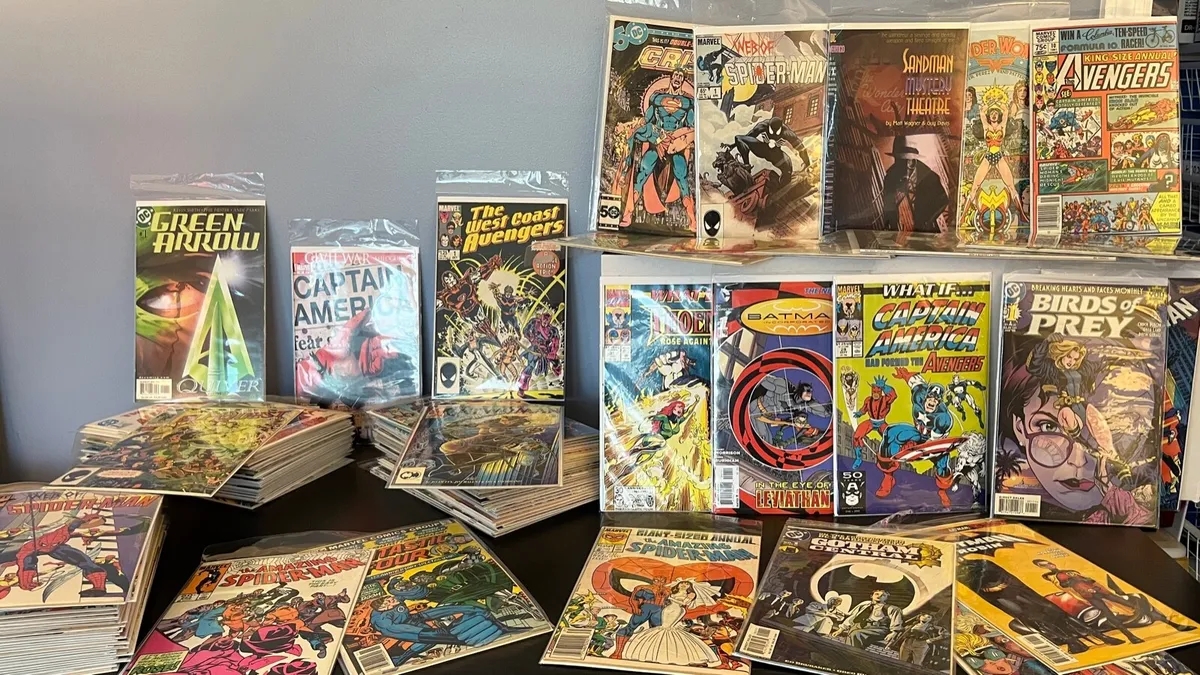
As we enjoyed last weekend’s Free Comic Book Day event, it reminded us comic book fans about the trends we love to gripe about with the comic book industry. We’ve been griping about these trends for decades and while some have gone away, some new or persistent trends are plaguing the comic book industry.  With that said, here are the top ten worst comic book trends plaguing the industry today.
10. FOMO = Increased Back Issue Prices

Fear of Missing out (FOMO) often plagues many comic book collectors who desperately go out of their way to get the latest trending comic. This was especially bad during the beginning of this decade when any mention of a character appearing in an upcoming movie would cause prices for back issues to explode overnight. This frustrates normal collectors trying to complete a run and at the same time ends up fleecing naïve collectors who have to get the latest trending comic book. Just look at The Amazing Spider-Man #210. A couple of years ago it was highly sought after because it featured the first appearance of Madame Web. Anyone think that book is still in demand after the Madame Web movie bombed?
9. Comic Book Prices Keep Going Up

Right now, the average comic book costs about $5 per issue. Back when the medium first started, a single issue would cost less than a dollar. What used to be a relatively inexpensive hobby, at least for older readers not dependent on their parents’ allowances, is now pricey especially if anyone is trying to buy all the comics that come out on an average month. This has led to overpriced special issues, such as an issue #100, that are priced around $10 and not worth the price as they often turn out to be anthology books featuring forgettable stories instead of monumental events.

8. The Overabundance of Mini-Series

When comic book mini-series first appeared on shelves, they were often devoted to characters who either were brand new or not popular enough to warrant an ongoing series. The limited series served as testing grounds for both the characters or creative teams. Usually, this lead to some characters becoming breakout stars like the Punisher or Wolverine or gave exposure to promising writers or artists. Nowadays, it seems like there is a new mini-series everywhere you turn and often they are about established superheroes like Batman or Spider-Man. Why couldn’t these stories be told in their own titles? Sure, a particular mini-series story may not fit with the ongoing storyline but why not just run the stories in between runs of creative teams? If the famous “Kraven’s Last Hunt” storyline was released today it would have been a mini-series with variant covers and more whistles.

7. Comic Books Villains Turned Anti-Heroes

This is an annoying development with many classic comic book villains. They become so popular that the publishers wind up giving them their own solo titles where they become anti-heroes that we can relate to. The most famous or infamous example is Venom. When he first debuted in the pages of The Amazing Spider-Man, Venom quickly became one of Spidey’s deadliest and most popular foes. Unfortunately, Marvel Comics saw the character as a gold mine and increasing his appearances in the Spider-Man comics was not enough. No, Venom was given a bunch of mini-series where he faced off against other popular Marvel characters until getting his own title. The problem with this is that Spider-Man was deprived of a solid villain who could no longer be seen in the same way since Venom became an anti-hero.

6. The Multiverse Concept

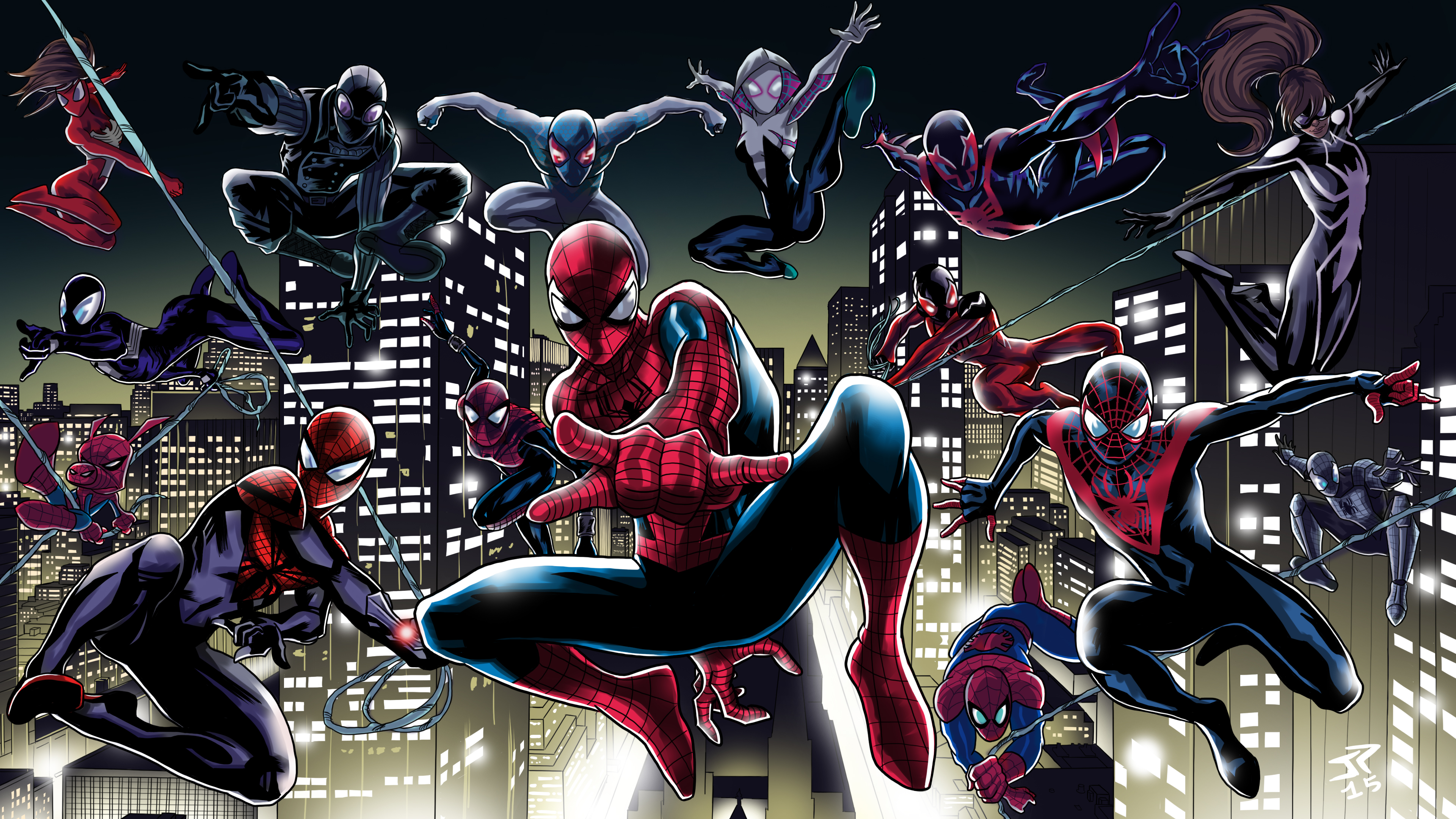
The Multiverse is a great concept that lets creative teams conjure up interesting stories outside of the limiting comic book continuities. Sometimes these stories featured the deaths of popular characters, which was unthinkable in regular comics. Great examples include the classic The Dark Knight Returns mini-series and Kingdom Come. But leave it to the comic book companies to dip into the well one too many times. DC and Marvel have released too many stories that take place in separate realities that dilute the impact of the stories and the characters. Just look at what Marvel is doing with the so-called Spider-Verse. What was a fun storyline in The Amazing Spider-Man that introduced imaginative and outlandish variations of Spider-Man has now become a means to throw up countless mini-series (see Number 8) with Spider-Man variants. On a broader scale, Marvel is going all out with a relaunched Ultimate Comics line that features our favorite characters in a different reality. This probably makes speculators happy as they look for the next Spider-Gwen but the rest of us don’t care and this leads us into the next worst trend.

5. Derivative Characters and Families

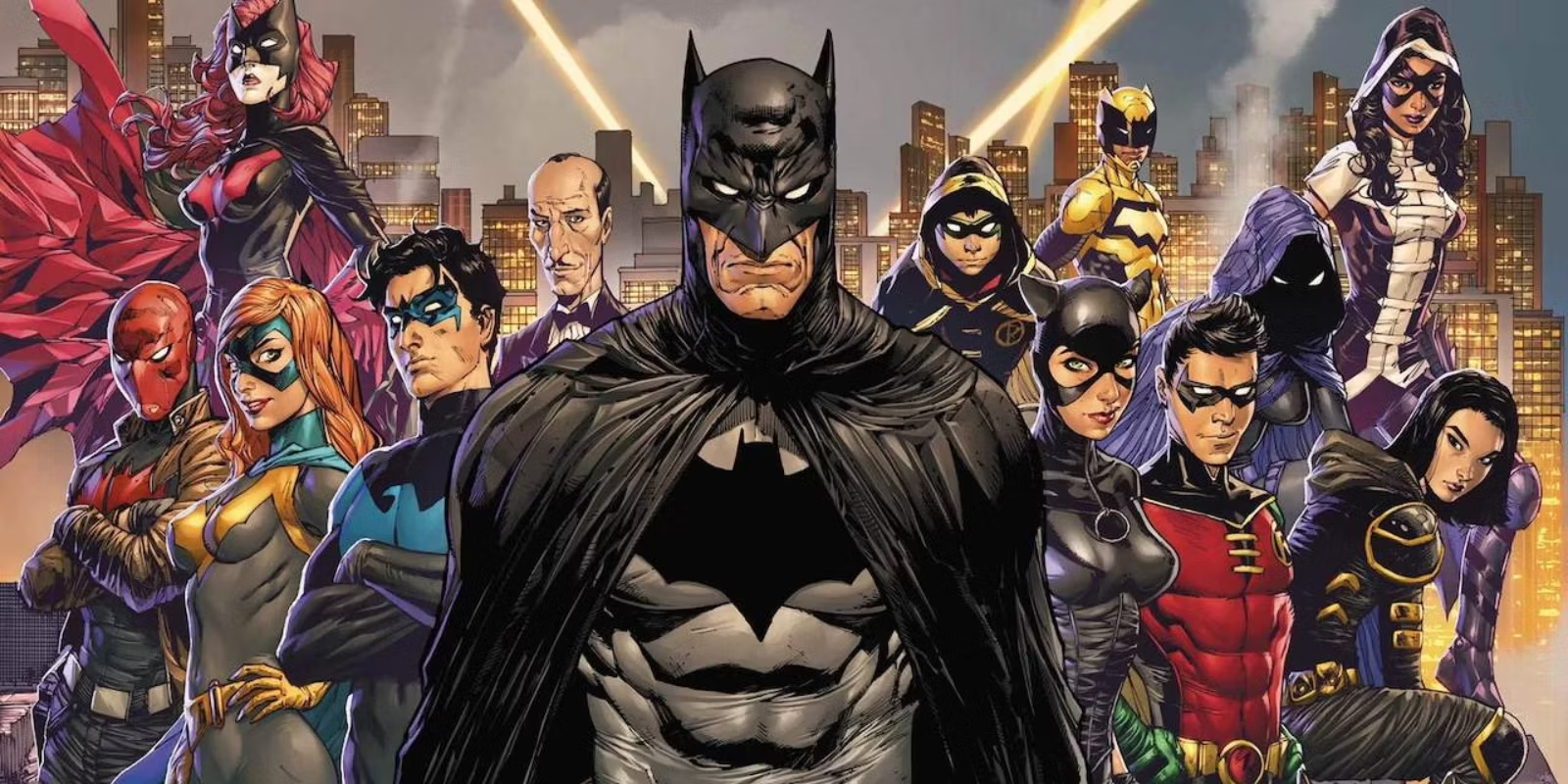
Legacy characters like Batman, Superman, or Spider-Man usually spawn a family of characters that are derivatives of them such as Batgirl, Superboy, Scarlet Spider, Red Hulk and so on. When some of these new heroes first appeared, they replaced the main characters and picked up the mantle and inspired fascinating takes on legacy characters. Steve Rogers’ Captain America led to Sam Wilson Captain America or Hal Jordan Green Lantern spawned Kyle Rayner Green Lantern. Other times these characters were just young knockoffs of popular heroes. The most recent example is Spider-Boy, one of the dumbest characters ever introduced to the Spider-Man family. Speaking of families, the problem with these characters based on legacy characters is that they dilute the original character. There should be only one Batman (who works best as a loner superhero), one Spider-Man, one Captain America, one Superman; except when it comes to Green Lantern since that character is just one of many Green Lanterns in the galaxy.

4. Too Many Crossover Events

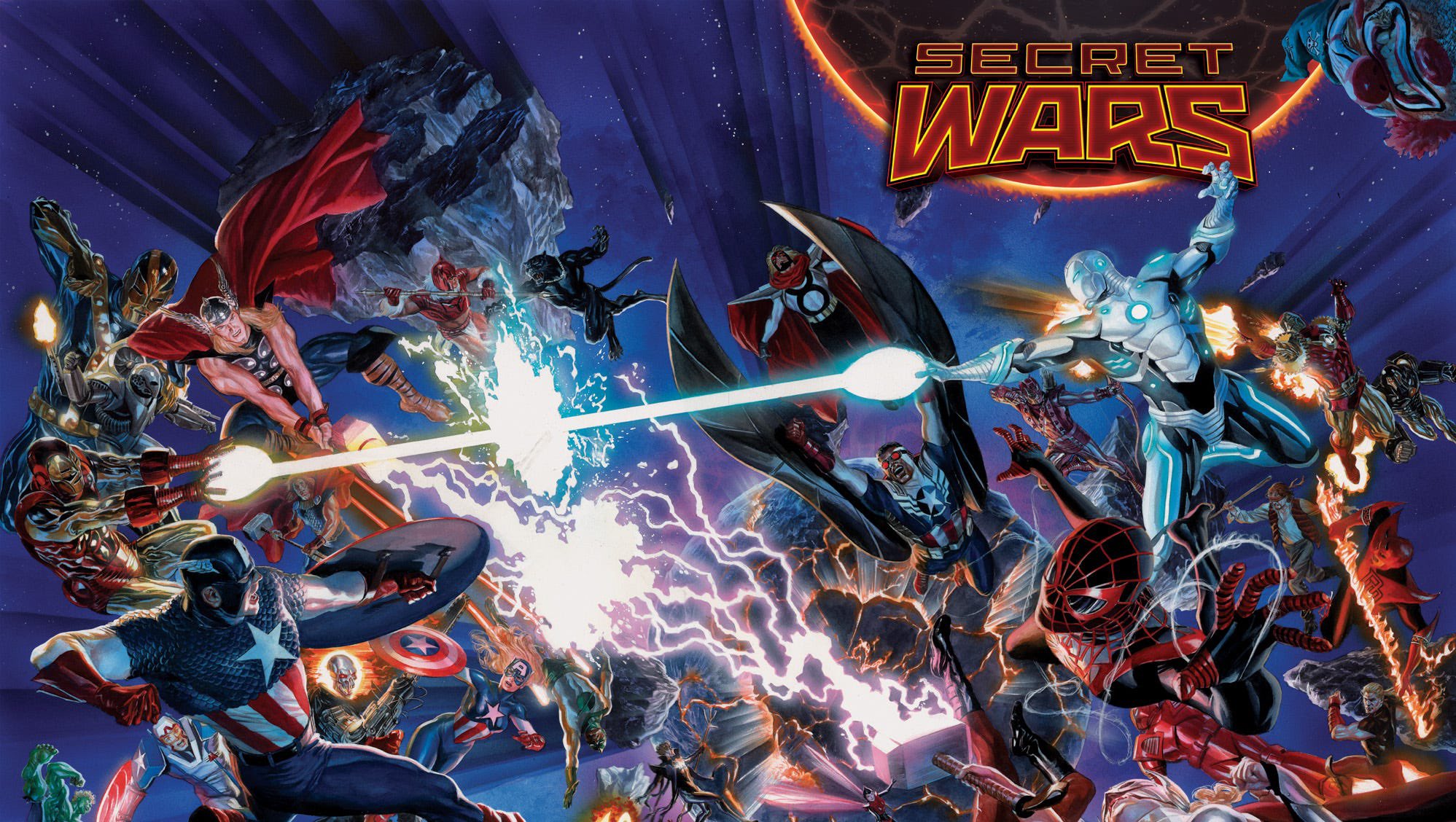
Remember when crossover events were truly special and had consequences? Ever since the success of Secret Wars and Crisis on Infinite Earths, crossover events across comic book titles have overtaken the release schedules of comic books. Often these events spill their way into regular titles and interrupt their ongoing storylines to squeeze in a tie-in story related to the crossover event. This is very annoying when following a run that builds up a certain momentum only to come to a crashing halt just to cram in an issue devoted to a crossover tie-in. Meanwhile, anyone who doesn’t follow a certain title feels compelled to buy it just to get the complete story if they were following the crossover event. We all know why these events happen (hint: $$$), and they are a good way to introduce readers to titles they often do not read, a good example was the “Unity” event in Valiant Comics way back in the 1990s. But there are too many of these crossover events now which has made readers tune out.

3. Meaningless Character Deaths

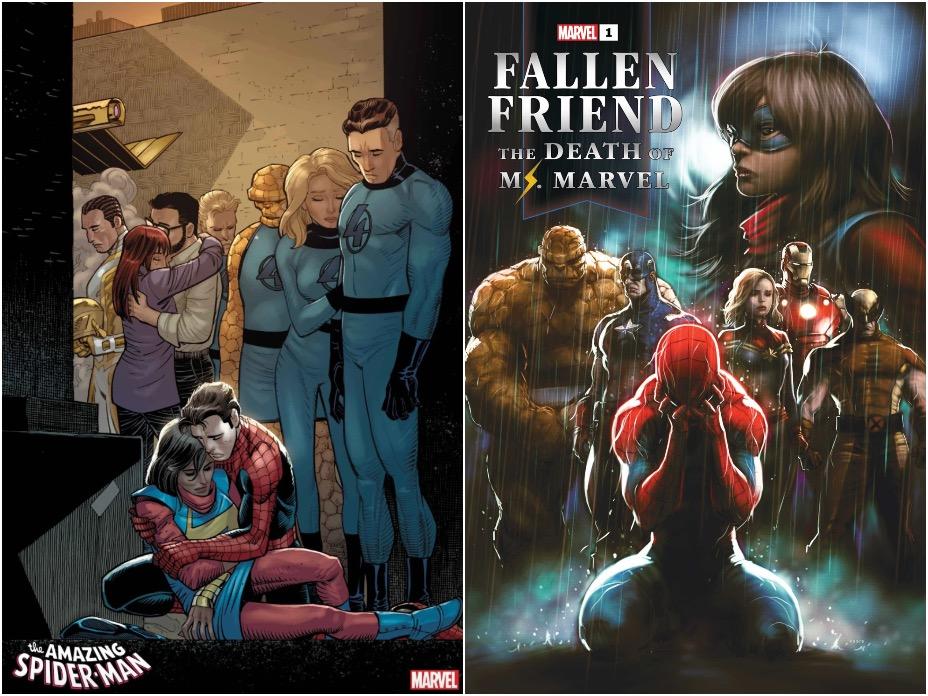
This has gone on for decades in comic books where the villains apparently were killed off only to reappear issues later with some implausible explanation for how they survived. However, this has recently happened with our superheroes, the best example was the famous “Death of Superman” storyline that made headlines and introduced new characters to the Superman family. But too often, these superheroes have been killed off just to tell stories of mourning only to have them resurrected. It has gotten to the point that a death of a character has no emotional impact. Seriously, did anyone believe for a moment that Ms. Marvel was actually dead when she was killed last year in The Amazing Spider-Man #26? The event was filled with empty platitudes and forced emotions. Note to comic book companies: If you kill off a character then that character should stay dead.

2. Variant Covers Everywhere

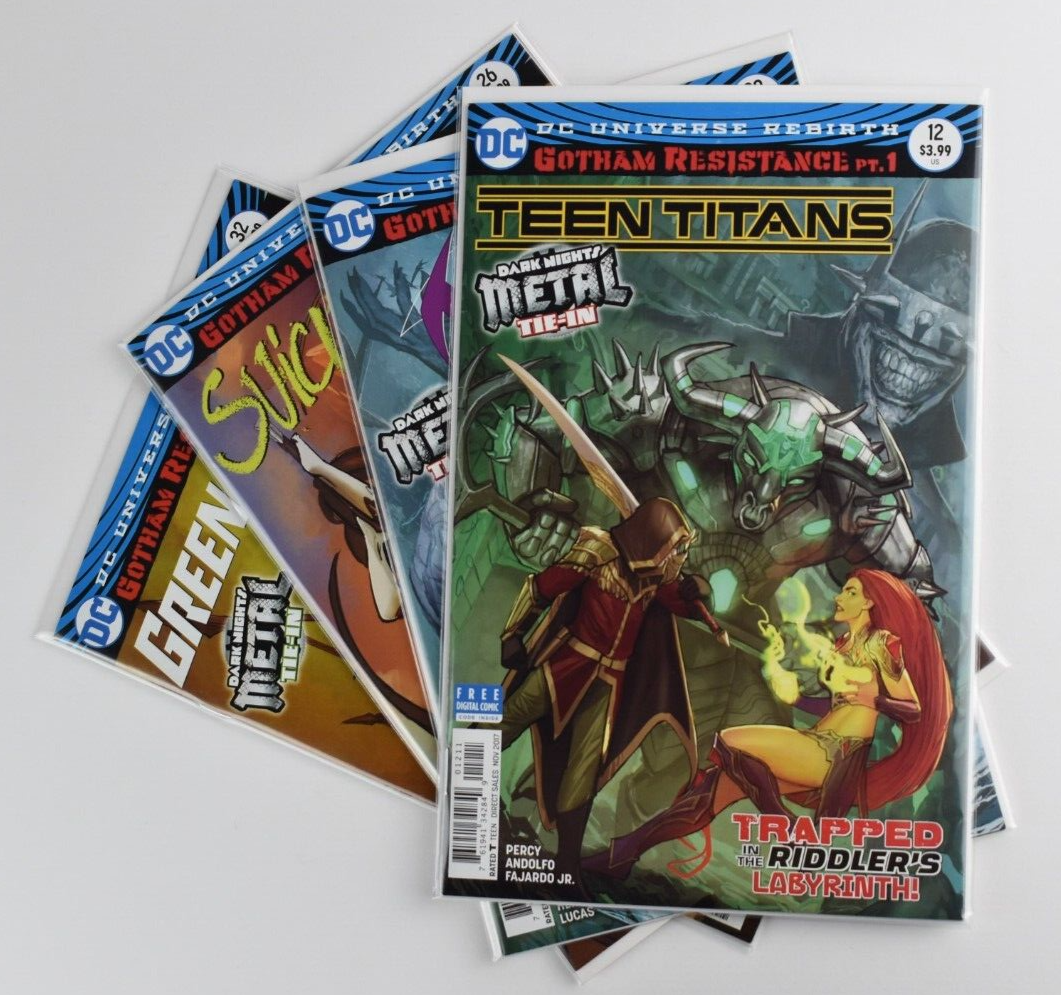
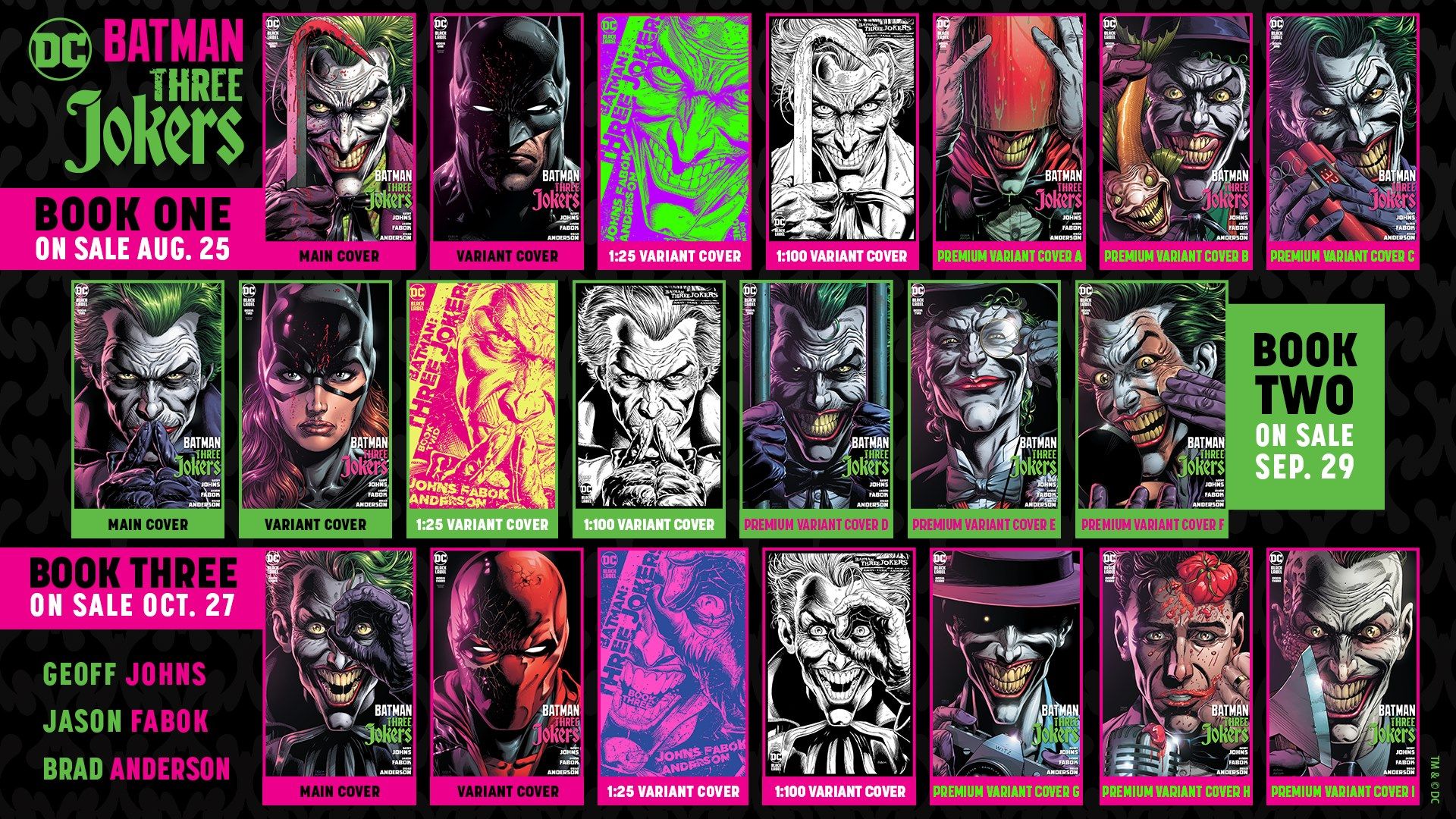
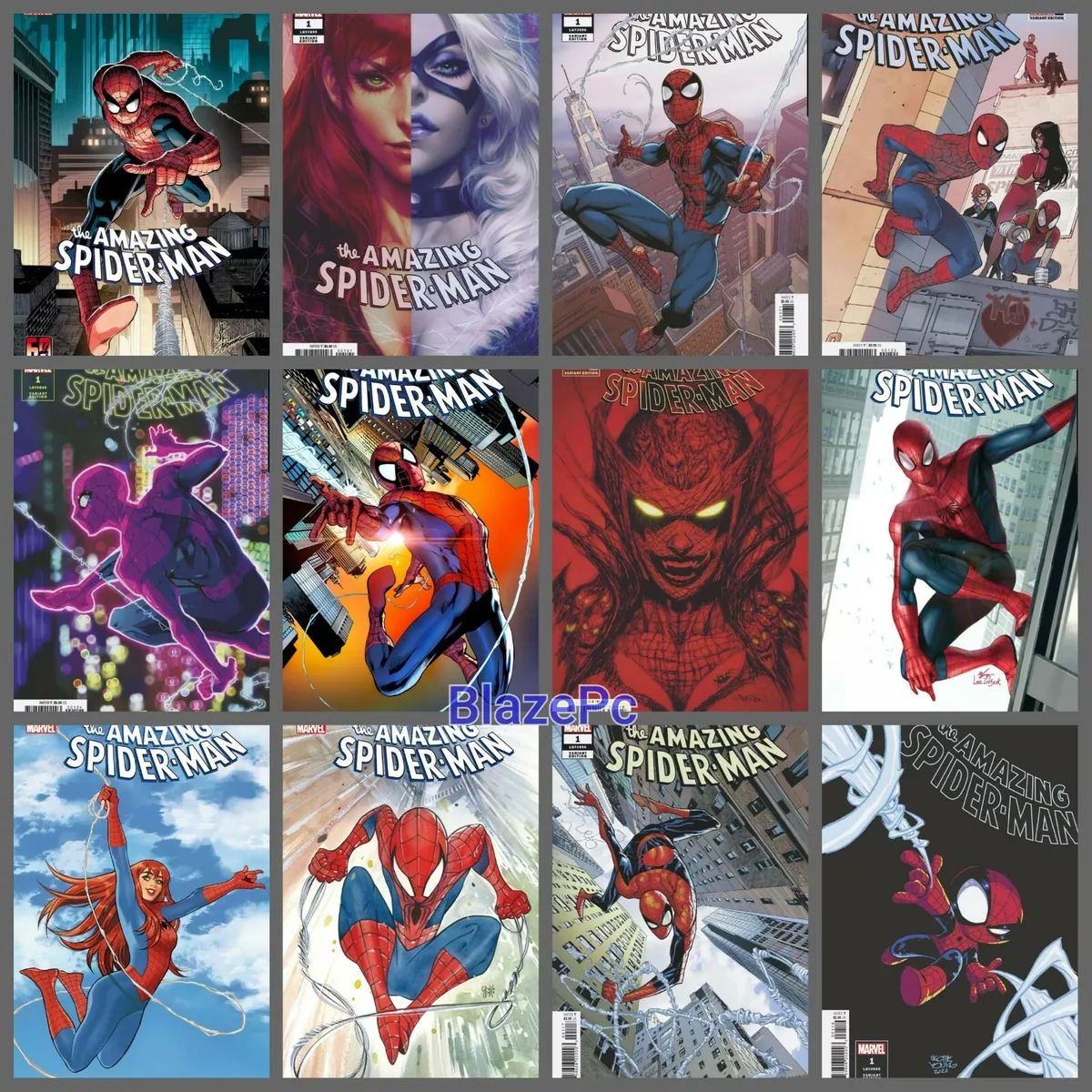
Pumping out so many variant covers to comic books is just a ploy to get collectors to spend more on the titles. It is also annoying and confusing for anyone who just wants to get a particular comic book to follow a story. Of course, no one is forced to get all the variant covers, which would be too expensive for average fans. But some completists can go insane and broke trying to find elusive covers that instantly go up in price at comic book stores. Another dilemma is that a person may only want the regular cover but sometimes that is hard to do, and that person is forced to buy a variant cover, which would be a nightmare for an OCD collector. Another very annoying trend with the variant covers is the tendency to put out covers that feature characters that do not have anything at all to do with the comic book! For proof, just look for any recent issue of The Amazing Spider-Man which is guaranteed to have Spider-Gwen or Black Cat on the cover even though neither character appears in that issue.

1. The Constant Cancellations and Relaunches of Popular Characters

This is the worst trend with comic books today and the most annoying. In the old days, a comic book would have a run that spanned hundreds of issues with creative teams coming and going from titles. It was fun trying to get the complete run or at least some significant key issues. But ever since the 1990s, comic book companies have been intent on canceling comic book titles only to relaunch them a short while later with a brand new number one issue. This is done to increase sales and attention to the comic book. While this may please some collectors who can now legitimately claim to own a copy of Daredevil #1 it annoys the rest of us who get confused when trying to complete a run. In the end, it’s just a tired marketing scheme that will not benefit the comic book in the long run. Want a long, successful run of a comic book title? Just focus on telling great stories. The word will get out to fans who will seek out the title and make it an enduring success.

José Soto

The Post-Superhero Film & TV Era

As we move further into this decade, it is apparent that the superhero era in films and TV shows has ended. We all know about the hurdles many recent superhero films and TV show have faced with diminished quality and profit. Guaranteed would-be hits like The Marvels or The Flash failed spectacularly last year and help cement that the superhero films and TV shows are no longer as popular at they were in the previous decade.

This does not mean that there won’t be anymore superhero films or TV shows or that they will never be popular again. There are several superhero films and TV shows in various stages of development and it is possible that a new era could arise. It has happened before. Back in the early 2000s, superhero films became dominant in films thanks to the success of Spider-Man and X-Men, but they then diminished in quality and several films did not perform well. However, as we all know the Marvel Cinematic Universe (MCU) exploded on the scene and launched an even more successful and popular era of superhero films and TV shows. It is similar to what has happened with the comic books that inspired these live-action films and TV shows.

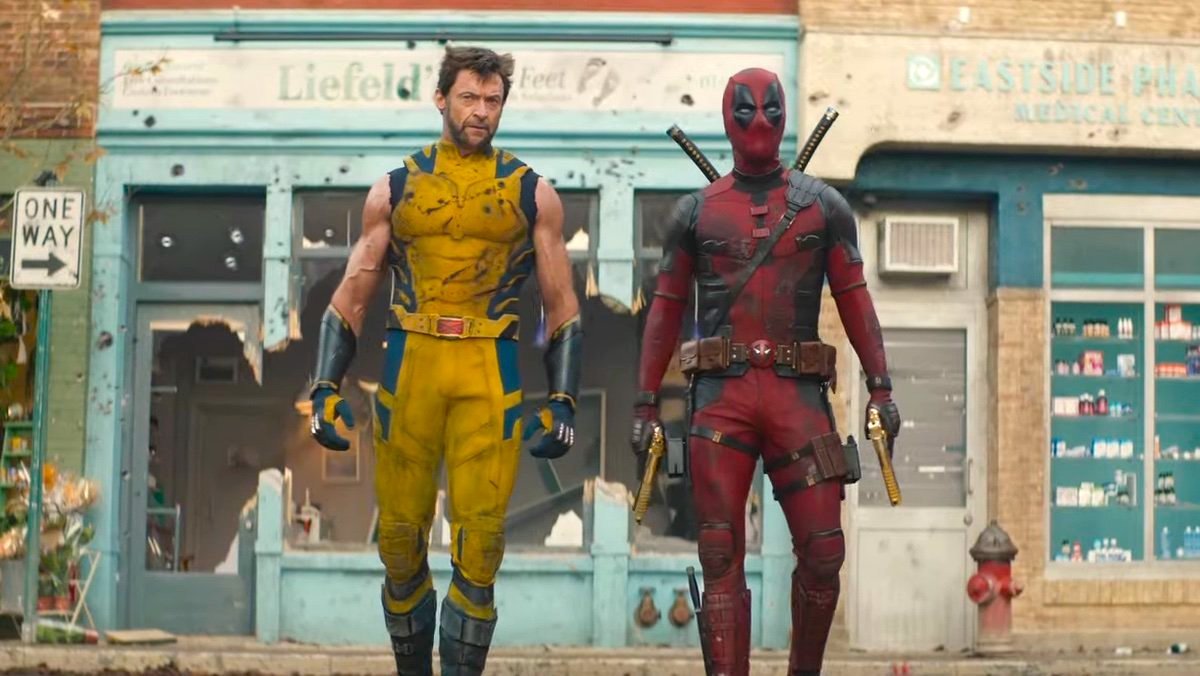
As comic book fans know, comic books have had their ups and downs throughout history with different ages. When they first came into prominence in the late 1930s they sold very well, but by the mid 1950s comic books declined in popularity and sales until the release of Showcase #4, which revamped the Flash and introduced a new age of comic books. Essentially, the eras come and go in cycles with comic books as they reinvented themselves and there is little reason to doubt this won’t happen with superhero films and TV shows. For all we know this year’s Deadpool & Wolverine will usher in a new age of superhero films and TV shows. Or it may be a while as other genres capture the attention of viewers as they offer a fresh new take on superheroes.

So, until then what genre can replace the superhero films and TV shows in terms of prominence and popularity?

It is too early to tell, but we have a couple of contenders: video game-based properties or monster-based properties.

The MonsterVerse based on giant kaijus like Godzilla and King Kong has proven to be unexpectedly popular, while Godzilla Minus Zero blew away audiences and critics with its high quality and success. There are plans for films based on classic movie monsters like the Wolfman and Frankenstein’s monster, which could fulfill the failed promise of the so-called Dark Universe from ten years ago. The only issue with these monster films is their limited scope in terms of story. It is difficult to make compelling stories that focus on giant monsters while ignoring poorly developed human characters. But it is possible, again look at Godzilla Minus Zero.

On the other hand, video games have provided ample material for filmmakers to mine from. The most popular video games are based on science fiction, horror and fantasy and everything in between. In the past, films based on video games fared poorly as filmmakers were unable to translate what made the games so popular into film.

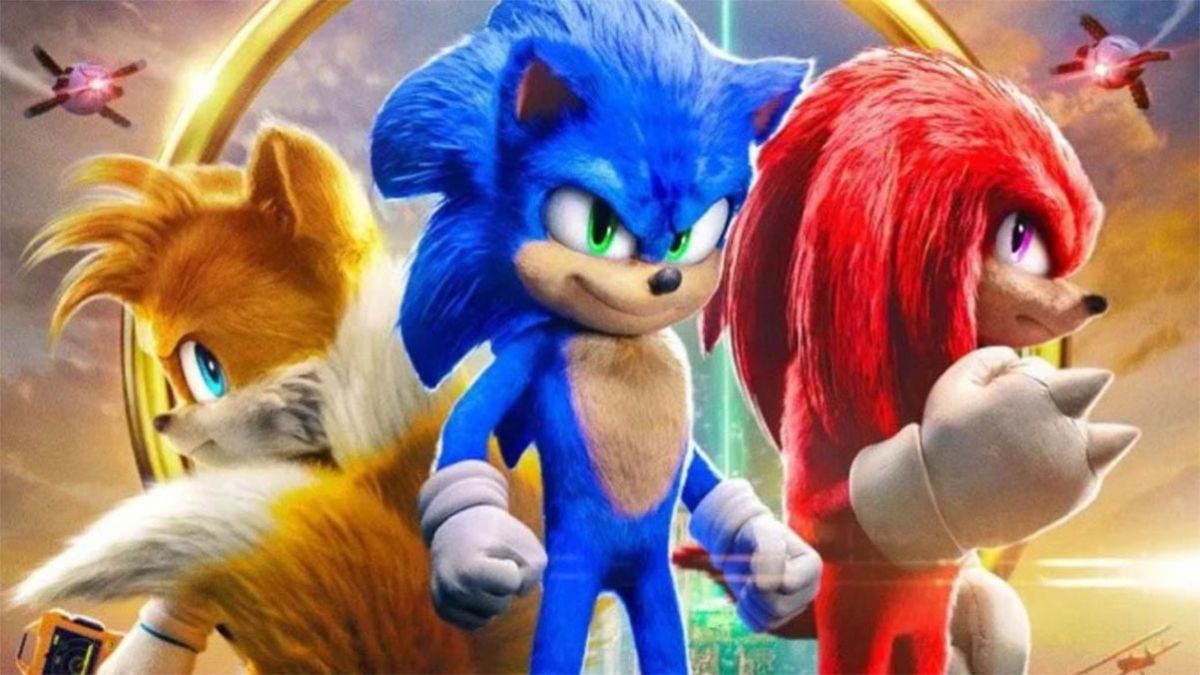
However, there have been many recent films and TV shows based on video games that were wildly successful and were well received. These include Sonic the Hedgehog, The Super Mario Bros. Movie, Five Nights at Freddy’s, The Last of Us, The Witcher, Halo and most recently Fallout. Although the quality and success of these projects varied, it is clear that they are becoming more and more prominent in theaters and in streaming services. These properties are just the tip of the iceberg of available video games that are practically begging to be adapted to live-action. There are plans to produce films and TV shows based on The Legend of Zelda, Death Stranding, Borderlands, Minecraft: The Movie, Metal Gear Solid, Mass Effect and Bioshock. Of course, we will also be getting sequels and new seasons like Sonic the Hedgehog 3, The Last of Us, Knuckles, Five Nights at Freddy’s 2, and Tomb Raider: The Legend of Lara Croft. The subject matter of these projects range from alternate history, hard sci-fi, horror and animated cartoons.

Will these films duplicate the success of the MCU and other superhero films and TV shows? It’s hard to say at this point, but do not be surprised if some video-game based property explodes and captures the public zeitgeist. The Super Mario Bros. Movie was able to do this given that it earned over $1 billion when it was released last year. It’s possible that the sequel could earn more money and cement the Mario Brothers as the next big thing. Or maybe it will be some other video game property. The future is wide open for video game-based films and TV shows to dominate the public consciousness.

Rise Of The MonsterVerse

While cinematic universes based on superheroes have fallen out of favor and other attempts at creating different kinds of cinematic universes have faltered, the MonsterVerse has actually thrived lately. Just look at the unexpected success of Godzilla x Kong: The New Empire, which when released last week earned much more in the box office than originally projected. Given the success of the latest MonsterVerse film, another sequel is warranted but to date there are not any concrete plans for more films or TV shows. Expect that to change shortly.

The success of the MonsterVerse surprised many people because a lot of attention in the past was given to the superhero film franchises which were more successful. However, as we all know, the superhero film franchises have struggled lately, which created a void for other film franchises to fill, hence the rise of the MonsterVerse. For some time, it was thought that creating a film franchise not related to superheroes was impossible, but the MonsterVerse proved the naysayers wrong.

Originally, the first film in the MonsterVerse, the 2014 American reboot Godzilla was not intended to launch a cinematic universe. Yet, a few years later the birth of the MonsterVerse was confirmed with 2017’s Kong: Skull Island, which was set in the 1970s while Godzilla was set in modern times. But both films featured the secretive Monarch organization which studied the titans or kaijus that were appearing in the world. Cementing Kong: Skull Island as the second film of the franchise was its post-credits scene which teased Godzilla and other giant kaijus from the Toho Studios Godzilla films.

The next entry in the MonsterVerse was Godzilla: King of the Monsters in 2019, which was a true kaiju epic featuring favorite Toho kaijus like Mothra, Rodan and King Ghidorah along with new and interesting titans. Sure, critics hated the film and it only performed so-so in the box office, but Godzilla: King of the Monsters struck a nerve with fans who where enthralled with the worldbuilding and the explosive monster scenes.

The next logical MonsterVerse film had to be one where King Kong fought Godzilla, which excited many fans. Godzilla v Kong was released on streaming at the same time as it was released in theaters in 2021 due to the COVID-19 pandemic, but it made a lot more money than people expected and was well received. It was the culmination that many eagerly anticipated ever since Godzilla was teased in Kong: Skull Island.

Due to the success of Godzilla v Kong, the MonsterVerse expanded into streaming with two TV shows: the animated Skull Island and the live-action MonsterVerse prequel/sequel to Godzilla, Monarch: Legacy of Monsters. Both TV projects received positive reactions and helped with the worldbuilding of the MonsterVerse as events from the TV shows were referenced in Godzilla x Kong: The New Empire.

Of course, this brings valid complaints about having to watch previous films or TV shows in order to fully understand what is going on. But does the plot really matter? Sure, the scripts of the films are an issue, especially with the more recent entries and there will come a time when fans will tire of the monsters fighting and want to see some more meat in the scripts. But this is possible as seen with Godzilla, which was a more grounded and mature film. Fans back then griped about the somber tone of Godzilla and the lack of monster action, but it turns out they were not ready for such a film and clamored for the big kaiju battles that dominate the films now. Monarch: Legacy of Monsters was also a more level-headed project that explored the background of Monarch and took time to get us to care about the characters. Perhaps the next MonsterVerse film should find a way to showcase these characters, even though part of the TV show is set in the past.

So, why did the MonsterVerse succeed as a franchise where others failed? Part of it has to do with the fact that even though the films and TV show feature spectacular special effects, their budgets are modest compared to the superhero blockbusters. This makes it easier for them to be profitable even if the box office returns are not as outstanding. It’s actually remarkable given that the battles and scenes with titans are the highlights of these films. Also, unlike some other film franchises, the MonsterVerse took time to properly set up its world. Legendary Pictures, the film studio behind the MonsterVerse, did not at first set out to create a film franchise and even when it did, the set up was natural. This method also created demand, after Godzilla: King of the Monsters many fans demanded to see Godzilla go up against his rival, Kong. A King Kong versus Godzilla film was not rushed out but carefully teased. This was not the case with Batman v Superman: Dawn of Justice. To Legendary Pictures’ credit, they are giving fans what they want which is basically big kaiju fights and scenes with topnotch special effects.

As great as things are for the MonsterVerse, the film franchise will have to evolve in order to survive. Better scripts and more human character developments are essential, as well as more imaginative worldbuilding that unlocks the potential with the titans. What can be done with the titans and Monarch has barely been tapped and hopefully the MonsterVerse will be explored further with future TV and film projects.