Independent Comics Are The Way Forward

The two big comic book companies, DC Comics and Marvel Comics, rule the comic book market and have done so for decades. But their reign right now is largely due to inertia and for decades comic book fans complained about the Big Two and the saturation of the market with superhero comics. It seemed as if it would be that way for a long time…and it still is at this point. However, this status quo is overdue for a shakeup and it is probably going on right now with independent comics.

To the outside world, what captures the headlines are the latest (non) developments with superheroes, like someone dying and coming back to boost sales, a newly relaunched title with a brand-new number one just to flood markets with variant covers, and so on. Also, back issue sales are still dominated by older superhero titles and will continue to do so. But what has captured fans’ attention has been the proliferation of independent comics from various publishers that for the most part don’t feature superheroes but cover a wide range of subjects. From straight horror to sci-fi to fantasy to crime dramas, there are actually a wide selection of comic books in your local comic shops (LCS) or available digitally. Many non-fans and casual fans are understandably surprised at the many choices available of comics to read and enjoy.

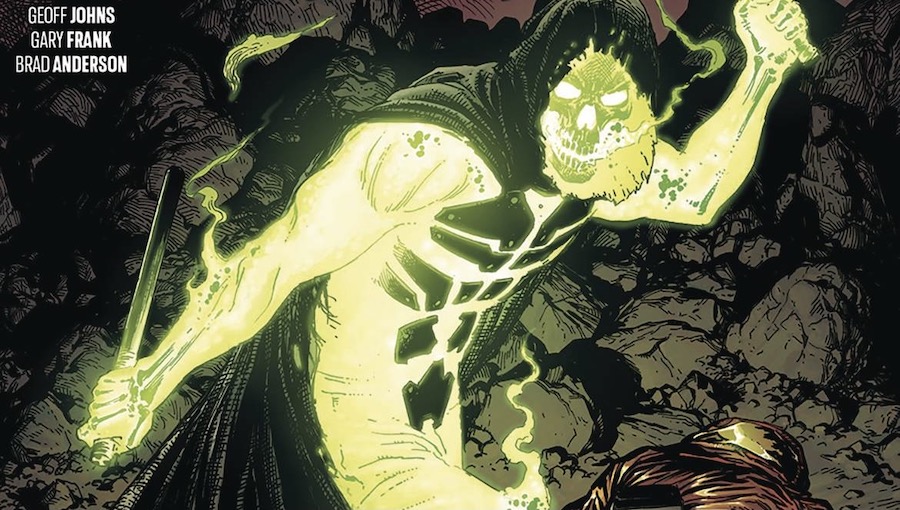
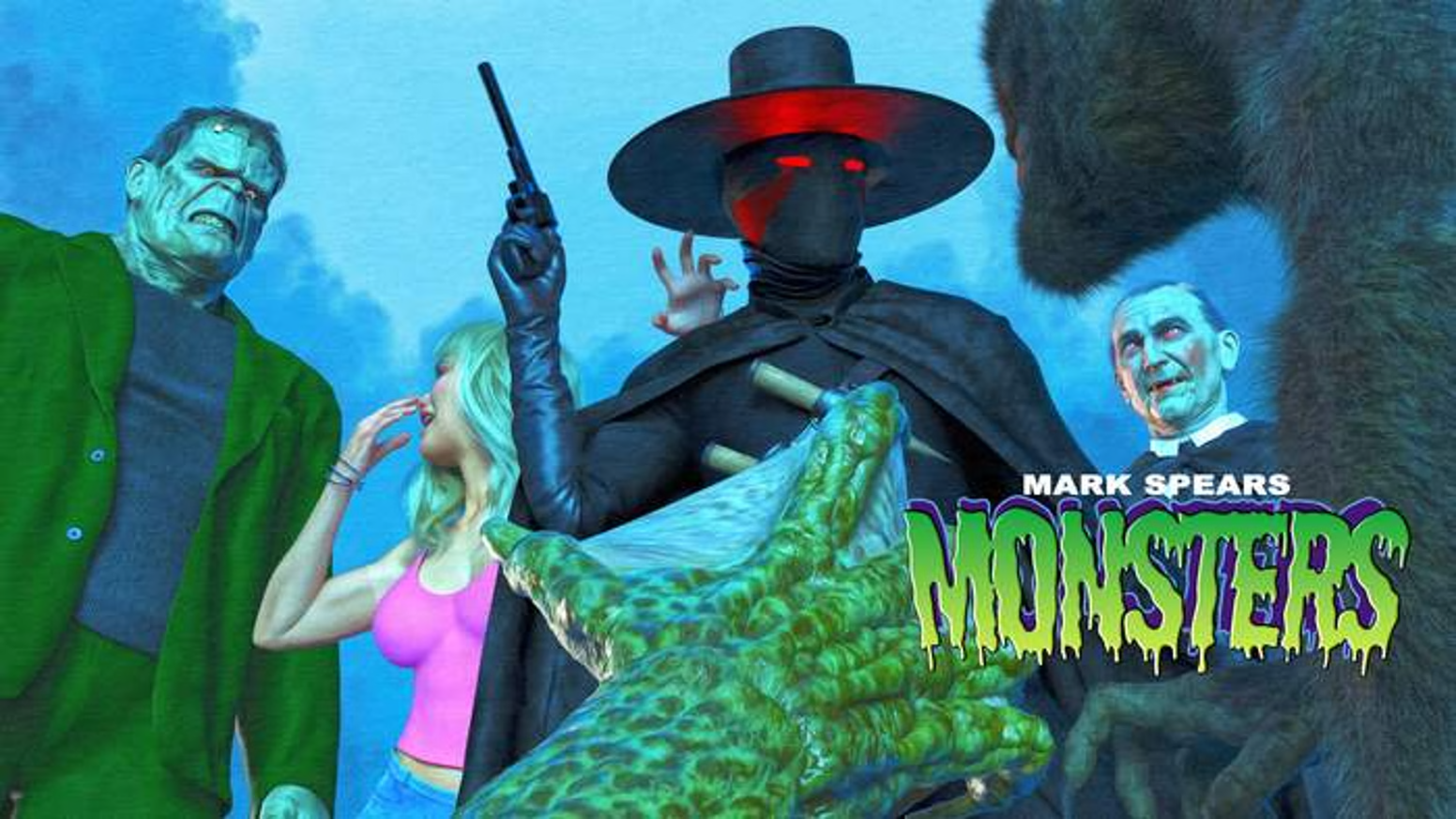
Right now the hot comic is Mark Spear’s Monsters, a beautifully drawn comic put out by Keenspot that features many classic monsters in painted art that evokes Alex Ross but with Spears’ own unique style. Other popular comics include Feral, Geiger, Monstress, A Vicious Circle, Invincible, Conan the Barbarian, Saga, Eight Billion Genies, The Infernals, Something is Killing the Children, Local Man, Transformers and G.I. Joe. None of these titles are superhero-based, except for Invincible, Local Man, and maybe Geiger. The latter is more of a post-apocalyptic tale of a radioactive loner/warrior, while Local Man is a fresh grounded take on Image Comics’ superheroes. Yes, Transformers, Conan the Barbarian, and G.I Joe are based on popular IP, but they are not based on superheroes.

What’s an even more interesting development is that movie and TV studios are turning more and more to comic books not based on superheroes to adapt as they see the potential in the stories. There have been successful film and TV adaptations of non-superhero comics like The Walking Dead, Road to Perdition, 300 and Sin City, but be prepared for an onslaught of even more adaptations. Right now, there are efforts to adapt Eight Billion Genies and Something is Killing the Children, which at the very least would make great animated films.

Of course, not every independent comic is a winner, not all the concepts pan out or their stories peter out after a few issues, but there are many more titles to choose from and more will come. Right now, Image is arguably the leader when it comes to non-superhero comics, with other publishers rising such as Dynamite Entertainment, Dark Horse Comics, Boom! Studios and IDW Publishing. Originally, Image began with superhero comics that to be honest were sup par and most of them are no longer around. But Image took a chance with writers and artists who were able to present their own unique visions and stories and it paid off well for the publisher and comic book fans.

Sure, the LCS and online catalogs are flooded with superhero titles from DC and Marvel, but more and more, a shopper will see that there is much more product in the comic book medium to choose from. Even if at some point in the future, Marvel or DC falter, which won’t happen for a long time, other publishers will take over and dominate the market with either their own superheroes or better yet, other genres. The groundwork is already in place and eventually the independent comics will overtake the superhero genre. Independent comic books today offer something for every taste, which is a sign of a healthy medium that will be with us for a good while.

Top Ten Films & TV Shows Of 2024

2024, as with previous years, provided some wonderful and imaginative sci-fi, fantasy and horror films and TV shows, which were quite memorable. Here are the best films and TV shows that came out in 2024, many of which took everyone by surprise. Feel free to comment with your own choices.

Films

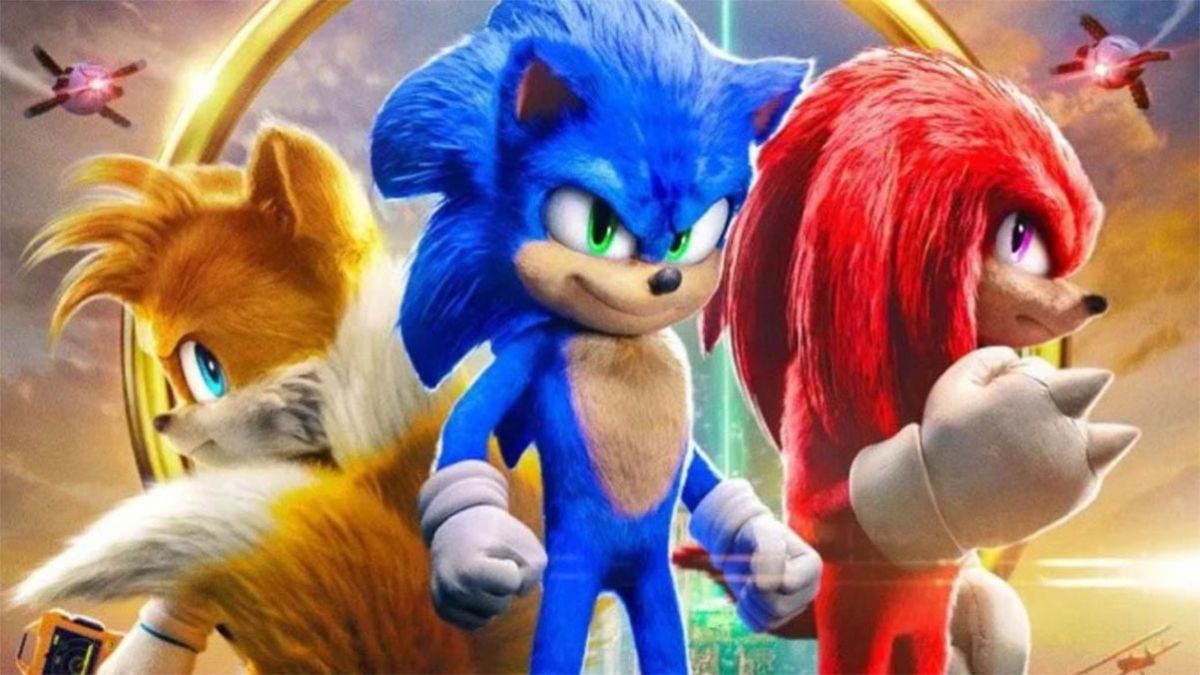
10. Sonic the Hedgehog 3

The third film in the Sonic film franchise fully embraces its video game lore with its colorful characters and their engaging backstories. As usual, Jim Carrey stole the film with his performance, as wells as Keanu Reeves who voiced the fan-favorite Shadow.

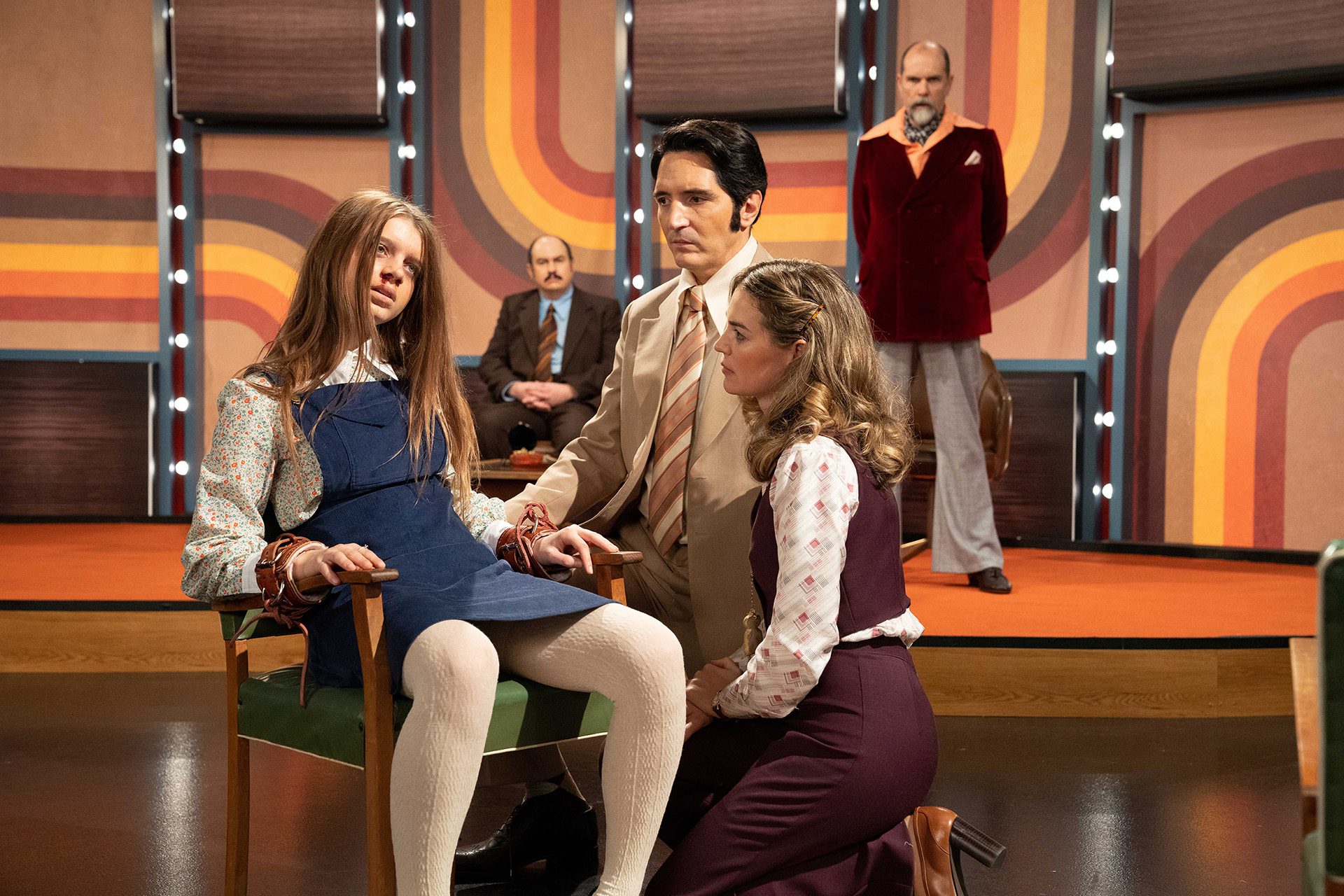
9. Late Night With the Devil

David Dastmalchian shined in this found footage horror film that took the guise of recordings from a broadcast of a 1970s late-night talk show. The film was genuinely creepy and disturbing as the show’s host, Jack Delroy (Dastmalchian), cameto grips with the realization that the occult-themed episode of his show had unpleasant connections to his own life.

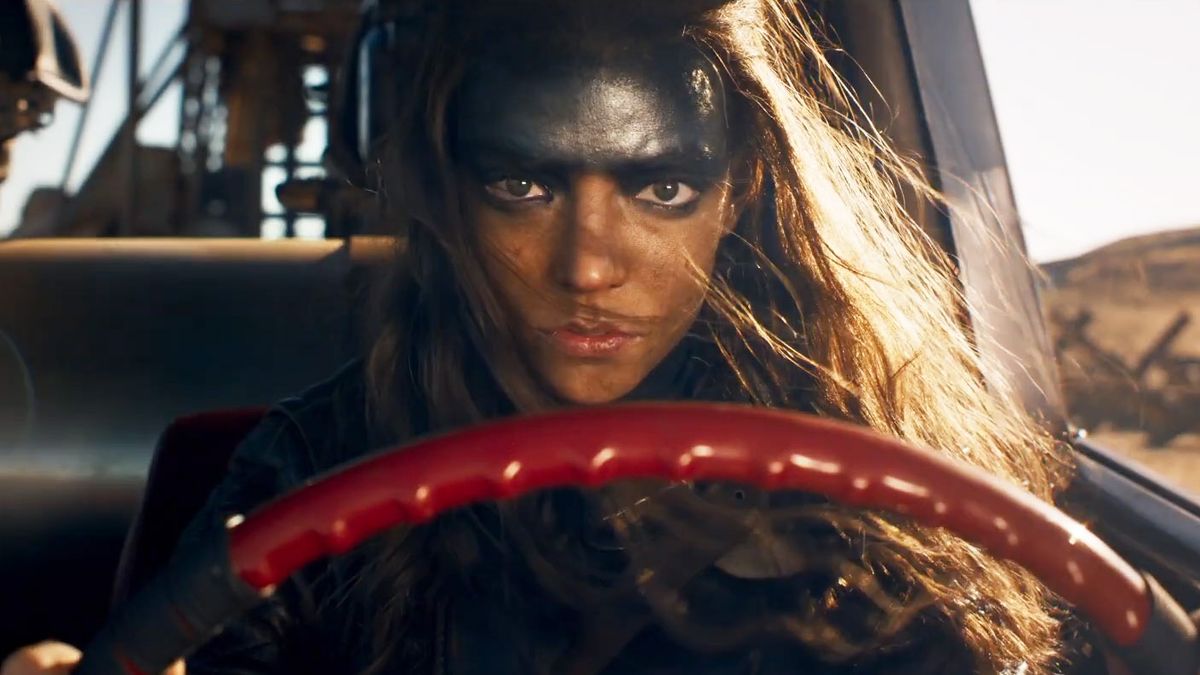
8. Furiosa: A Mad Max Saga

George Miller directed one of his finest films ever with an intense origin story about the breakout character from Mad Max: Fury Road. Anya Taylor-Joy was simply perfect as the younger version of Furiosa, who navigates her way through a brutal post-apocalyptic world overrun by vicious gangs and extreme car chases throughout barren deserts. It’s a Mad Max world at its best.

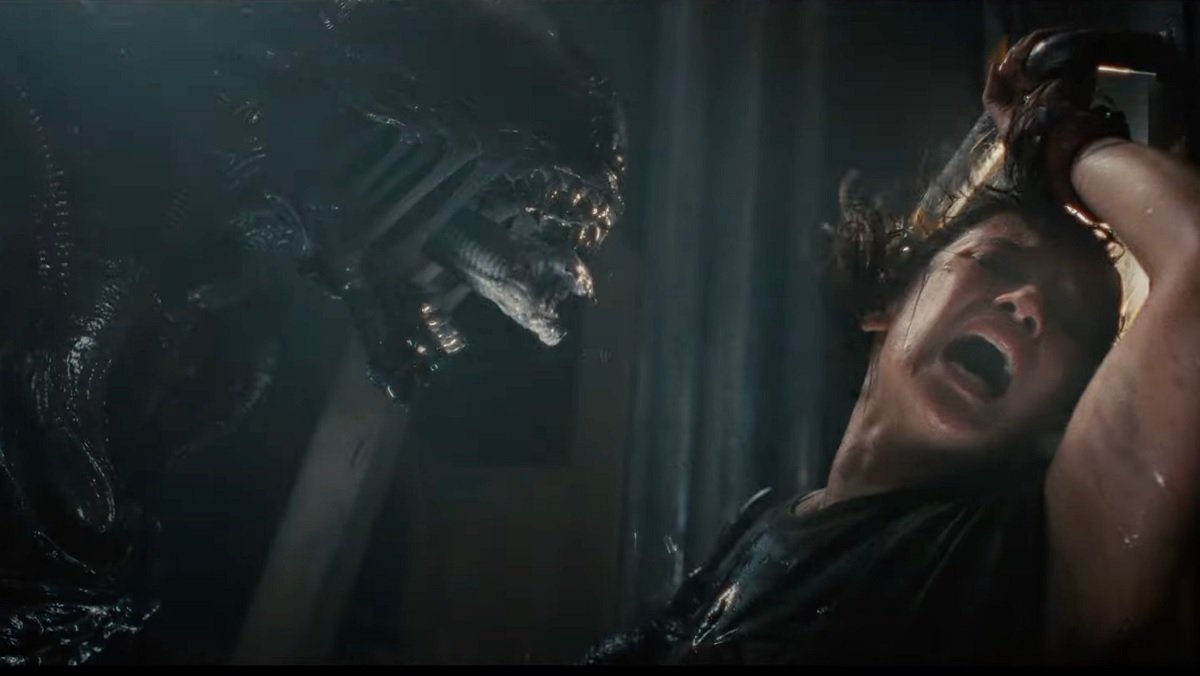
7. Alien: Romulus

The Alien franchise rightfully returned to its horror roots with this entry that takes place in a claustrophobic space station swarming with alien xenomorphs hunting down the main characters. Even though a lot of the material was familiar and had callbacks to the other films, Alien: Romulus was fresh and inventive with its back-to-basics approach.

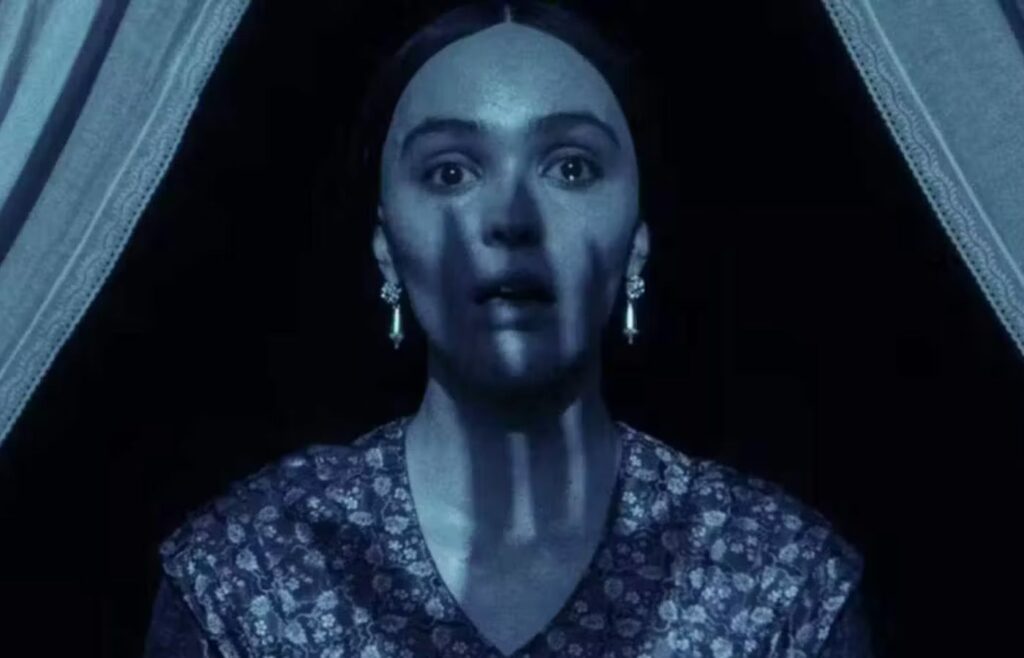
6. Nosferatu

The latest remake of the classic German silent horror film version of Dracula was genuinely creepy and disturbing. Director Robert Eggers has emerged as a true master of film horror with his version of Nosferatu that fully utilized disturbing sounds, eerie shadows, dark cinematography and an overall unsettling atmosphere that will keep you up at night.

5. Civil War

This is one of the most disturbing recent films to be released due to its subject matter of a near-future civil war in the United States and its ramifications. While the choice not to explain what caused the war and its apolitical stance may not satisfy everyone, this approach allowed director Alex Garland to focus on the cruelty and insanity of war and its impact on modern-day society. The film was also a powerful and cringe-inducing war film that ramped up intensely in the final act with a distressing, yet pulse-pounding battle in Washington, D.C.

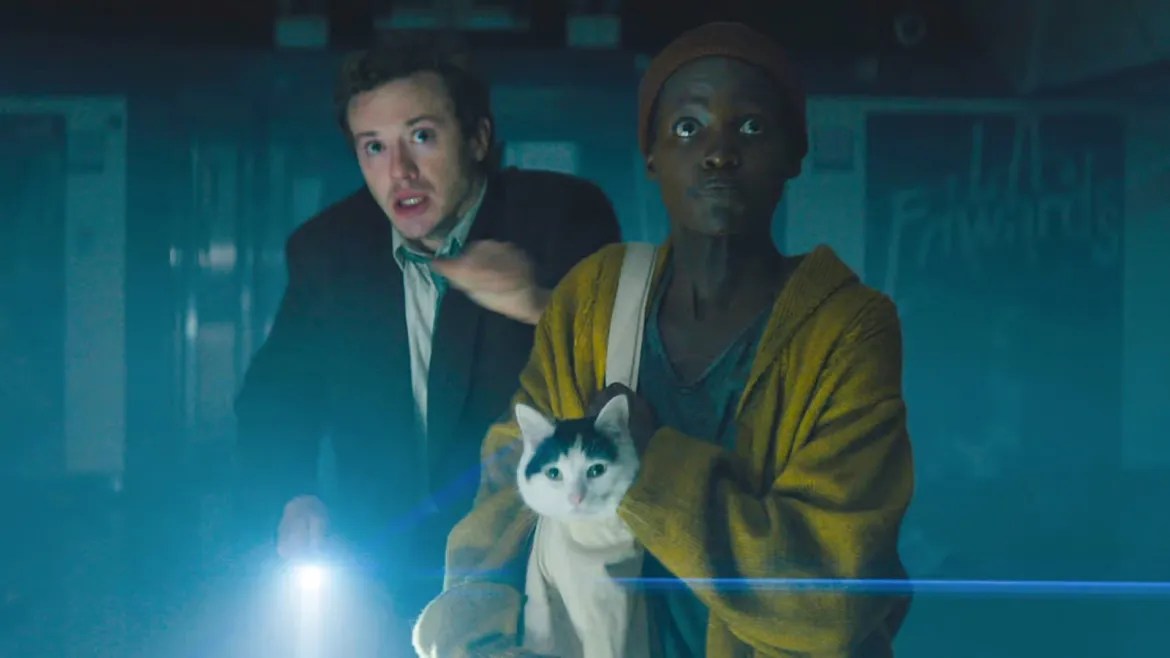
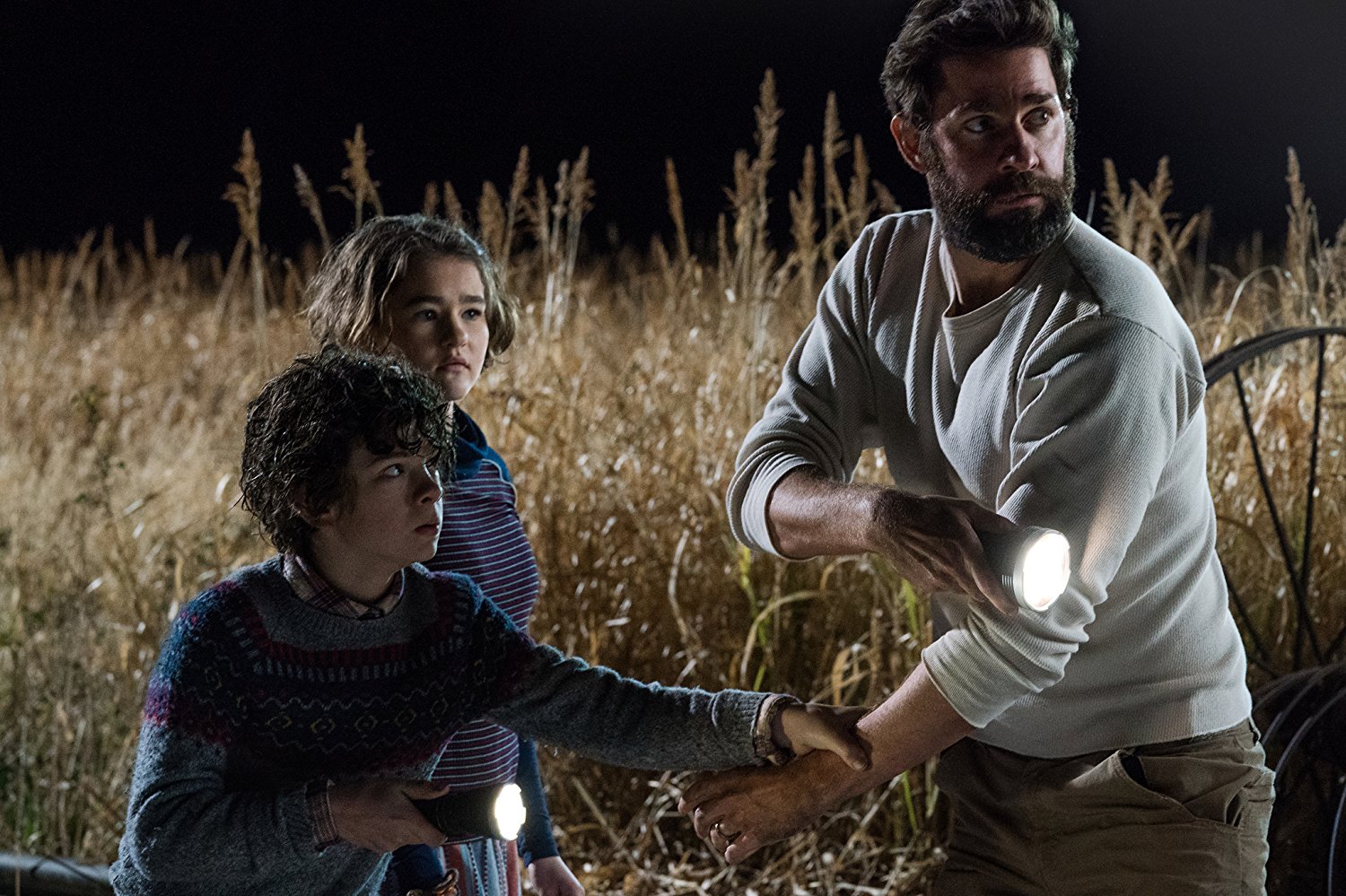
4. A Quiet Place: Day One

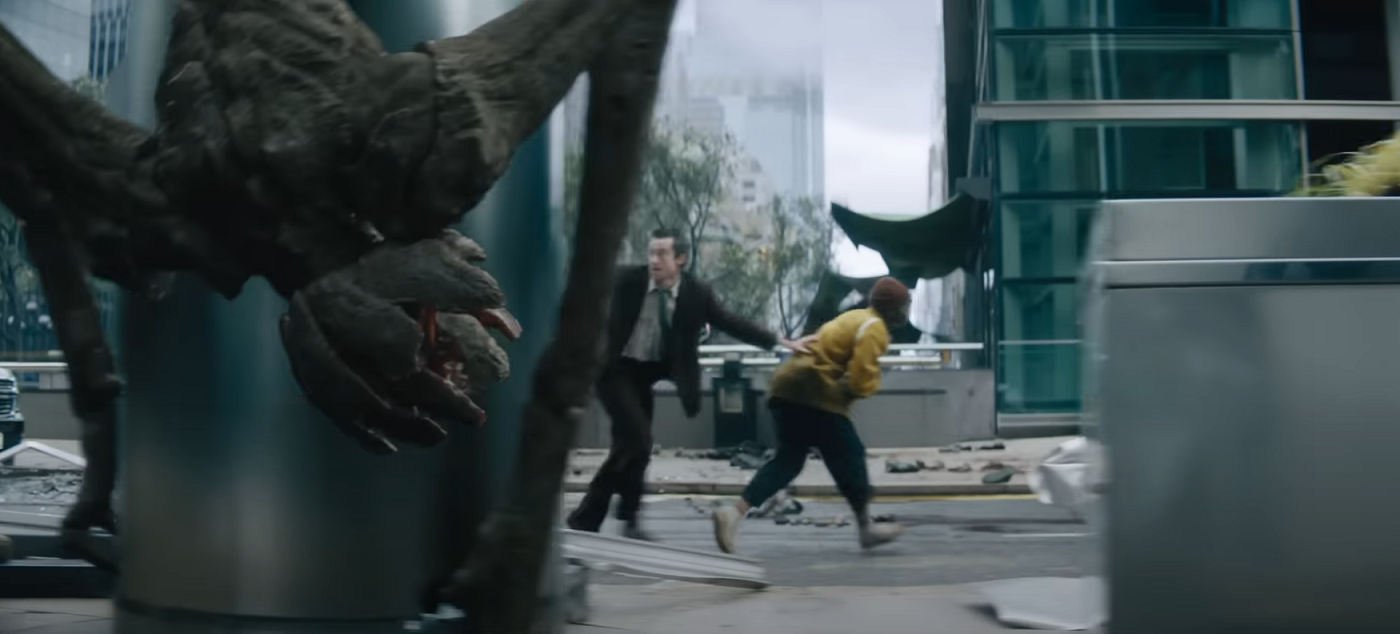
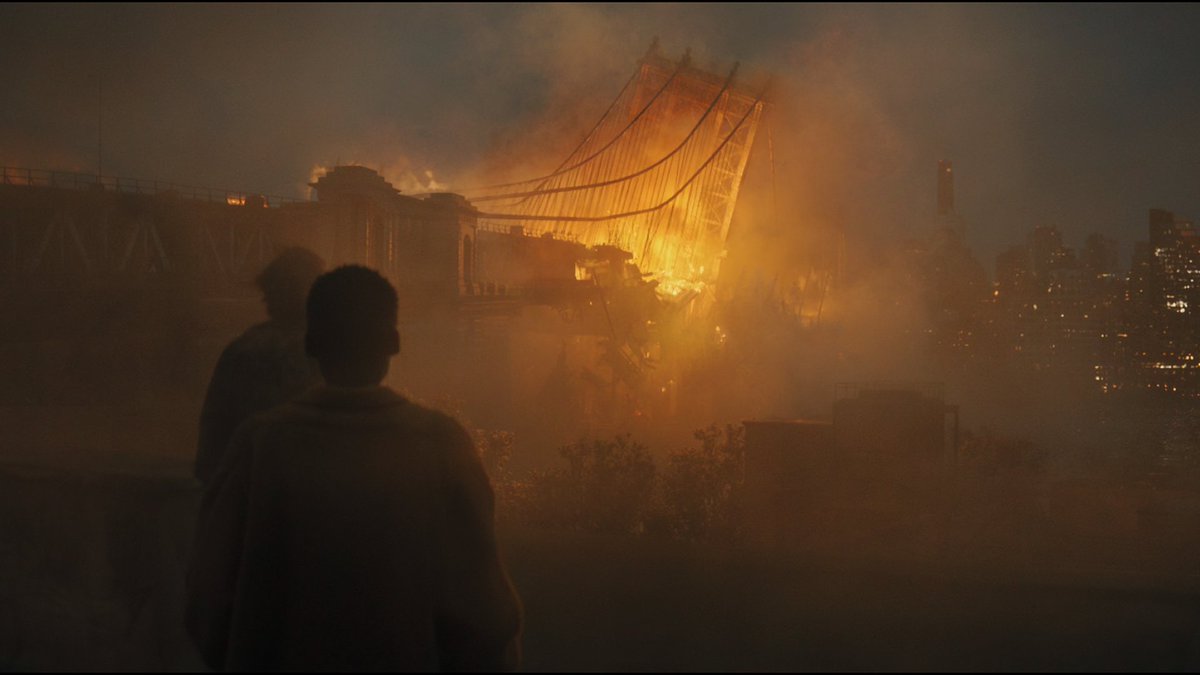
The third film in the A Quiet Place franchise, was a prequel that chronicled the early days of the alien invasion that devastated the Earth and brought it to a silent standstill. The film had the smarts to introduce new characters and a new setting which was a terrifying location for the invasion: a noisy New York City that could not help but attract the deadly alien creatures that murder anyone making sounds. Lupita Nyong’o and Joseph Quinn were outstanding as two misfit survivors trying to reach the home of Nyong’o’s character while avoiding the aliens. Their personal stories were the heart of the film and set the template for future installments.

3. Deadpool & Wolverine

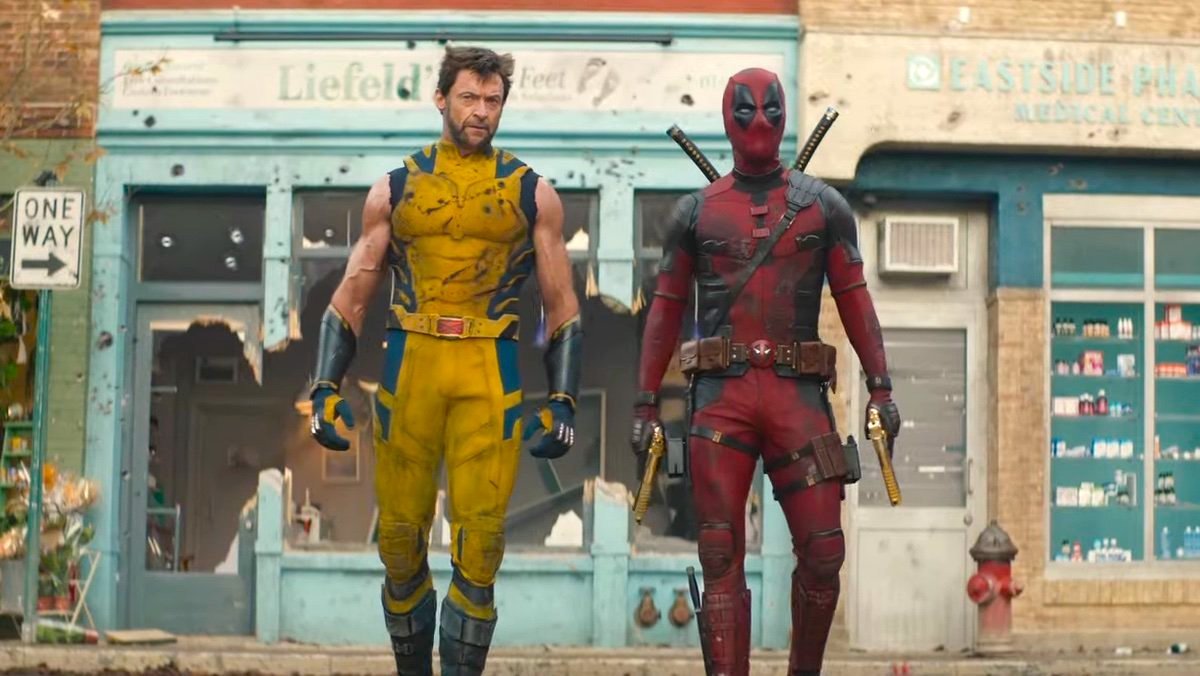
The fourth-wall-breaking Merc with a Mouth (Ryan Reynolds) teamed up with everyone’s favorite X-Man (Hugh Jackman) in a violent and humorous road/buddy trip throughout the multiverse. As the sole film release from Marvel Studios’ Marvel Cinematic Universe (MCU) for the year, Deadpool & Wolverine had a lot riding on it given the fact that recent MCU films have struggled. Fortunately, the film delivered a funny and entertaining romp that both serviced the grand MCU plotline about the multiverse and was a love letter to the now-defunct Marvel films from 20th Century Fox.

2. The Wild Robot

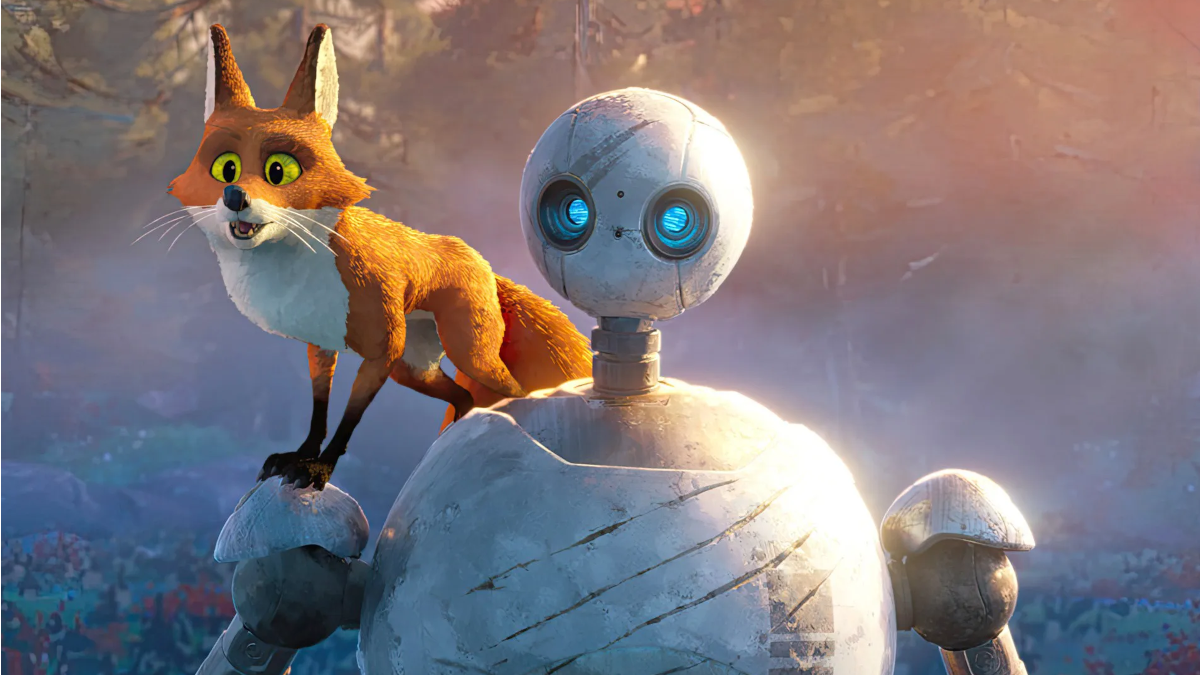
Arguably DreamWorks Animation’s greatest film, The Wild Robot is a heartwarming and beautifully animated adaptation of Peter Brown’s novel about a service robot in the future that was stranded on an island populated by animals that distrusted her. Over time, she gained their trust as she adopted and raised a young goose and befriended many of the animals. At the same time, the robot began to develop sentience and emotional attachments to her companions, especially her adopted child, who she must raise and protect.

The Wild Robot was surprisingly engaging with its themes of parenthood, friendship, environmentalism, and empathy. It is too bad that this will be DreamWorks Animation final in-house film since the company has proven it can deliver genuine animated classics as it did with The Wild Robot.

1. Dune, Part Two

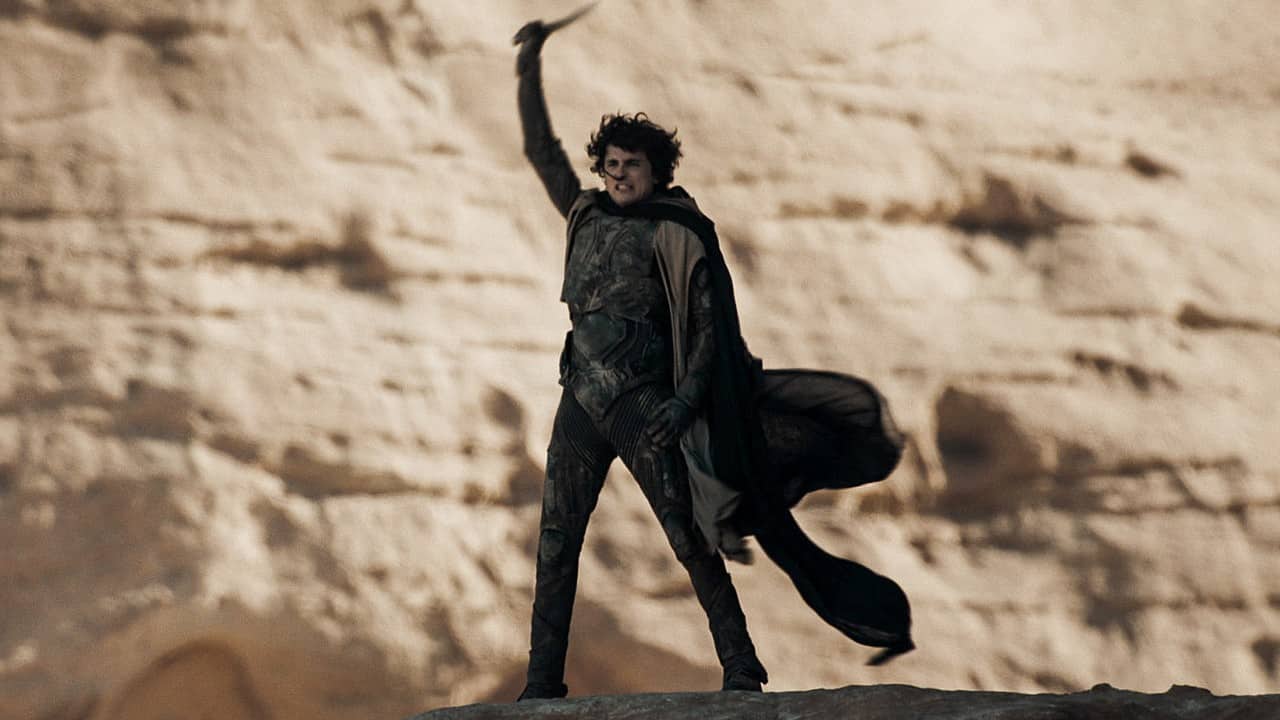
Director Denis Villeneuve concluded his grand adaptation of Frank Herbert’s classic sci-fi epic novel about political and religious machinations and war in the distant future. Dune, Part Two actually adapted the second half of the novel and it was a wise decision to split the novel into two films since it allowed Villeneuve the time to fully explore the intricacies of the distinct human cultures across the universe.

While the film was wide-sweeping and bursting with glorious production values and effects, at its core, Dune, Part Two, focused on the burden of its main protagonist, Paul Atreides, who unwillingly became the messianic leader who leads the inhabitants of the desert world called Dune in a holy war. Any viewer could empathize with Paul’s struggle as he faced his destiny despite his doubts about his actions as he sought vengeance for his father’s death and freedom for his adopted people.

Dune, Part Two is a true cinematic epic that demonstrates once and for all, the validity of a solid sci-fi story being successfully adapted into a cinematic masterpiece. The film also establishes that Villeneuve is a true master of sci-fi films who has the bold vision needed to undertake such an adaptation.

Noteworthy Mentions:

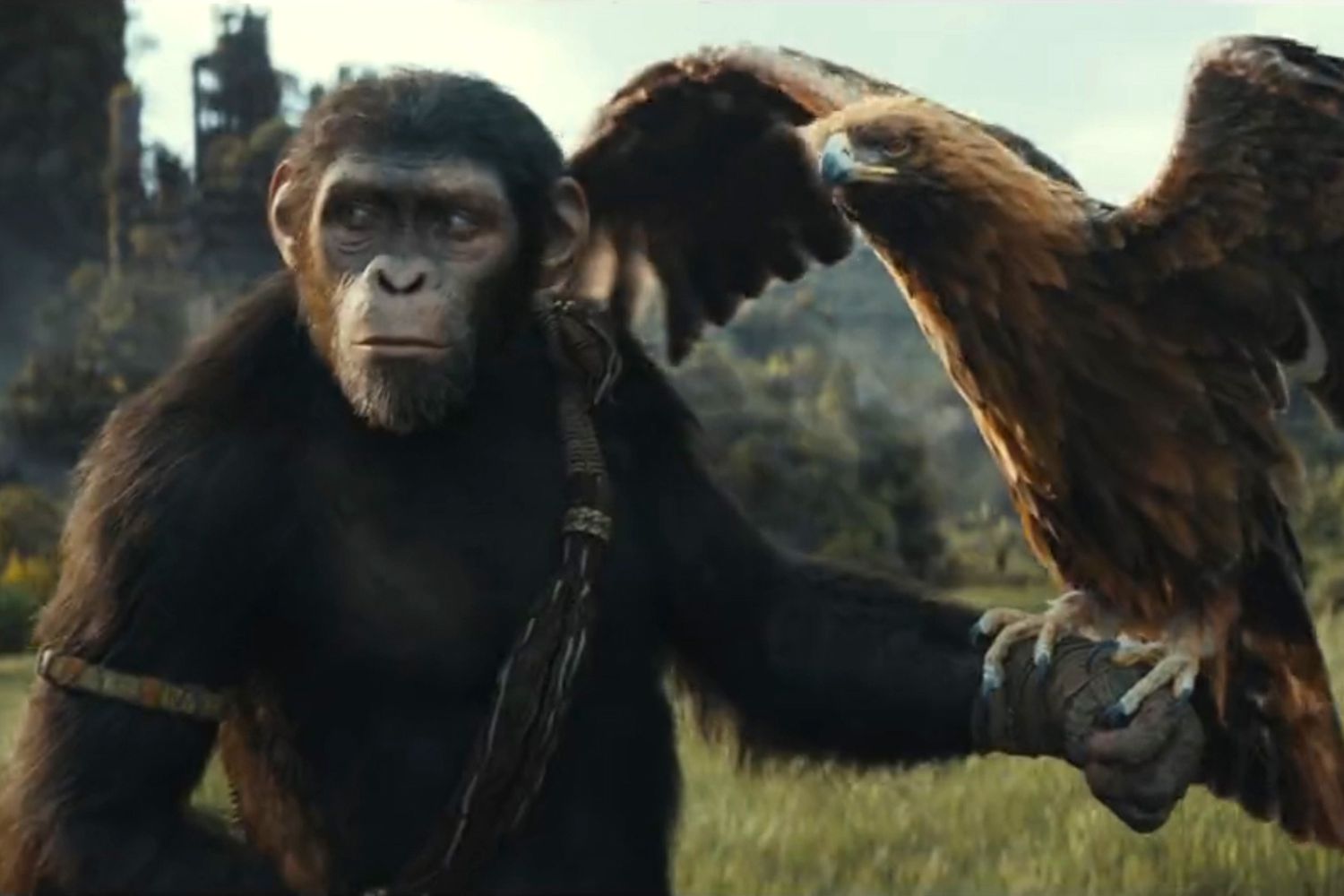
Abigail; Beetlejuice Beetlejuice; ElevationFlow; Ghostbusters: Frozen Empire; Godzilla x Kong: The New Empire; IF; Inside Out 2; Kingdom of the Planet of the Apes; The Substance; Transformers One; Venom: The Last Dance

Continue reading

Exploring The Land Of The Lost

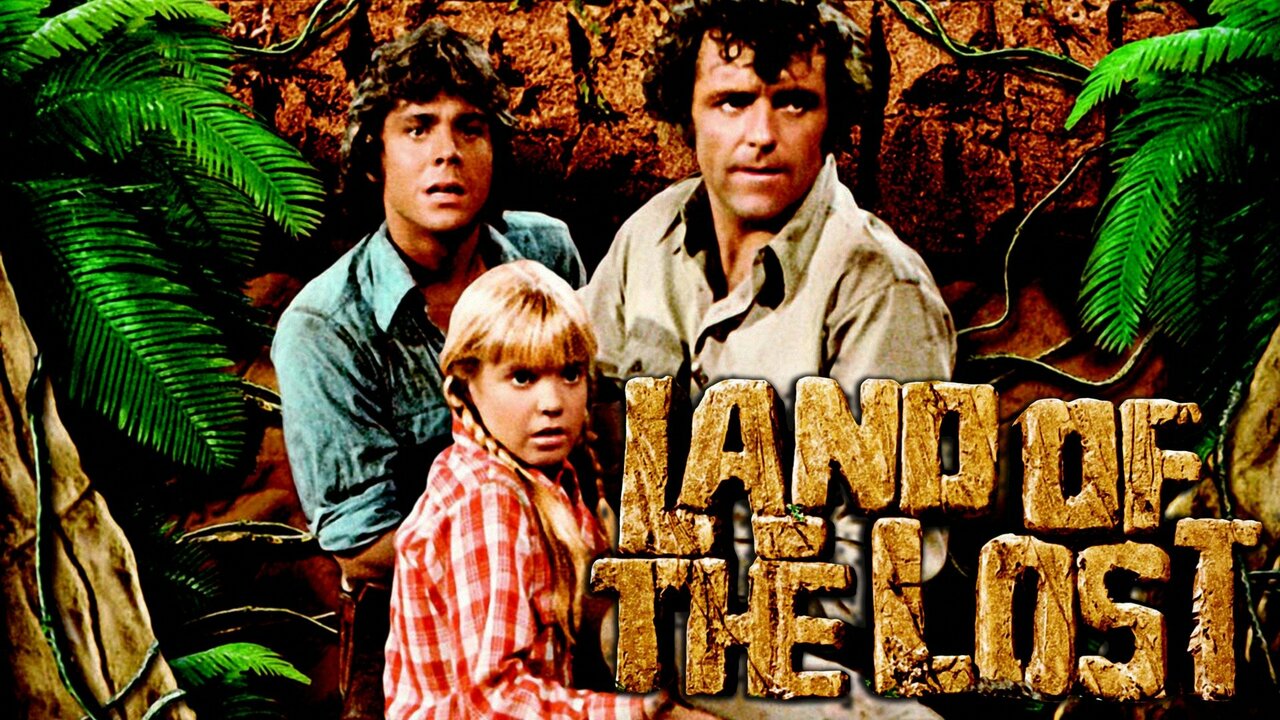
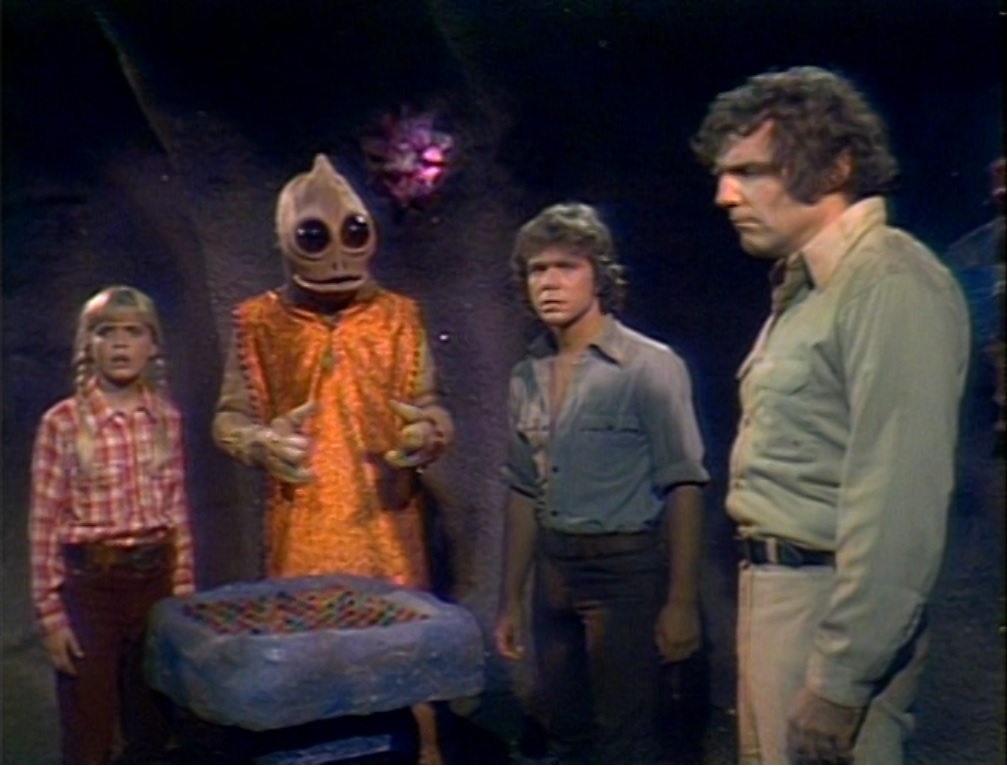
Fifty years ago, the children’s program Land of the Lost premiered on Saturday morning on the NBC television network and surprised many viewers with its well written and imaginative scripts. Even though the production was undeniably low budget and the acting by some of the performers was a bit over the top, Land of the Lost quickly won over many fans thanks to its spirited presentation. The TV show was produced by Sid and Marty Kroft who ruled the Saturday morning TV landscape in the ’70s with many fantasy and comedic live-action programs. Land of the Lost stood out and was their best production because it ditched the juvenile humor seen in their other programs and focused on drama and sci-fi elements. Even though it was a program aimed at children, Land of the Lost had an unexpected mature and serious tone that was appealing to anyone.

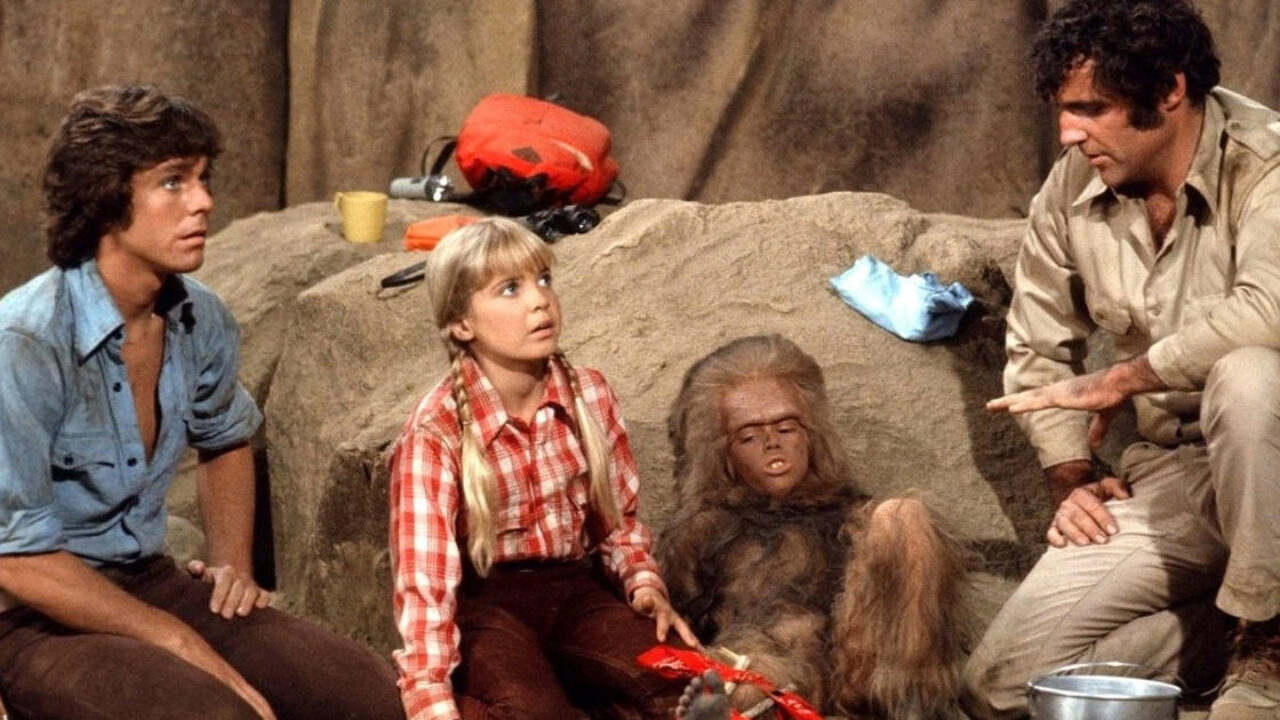
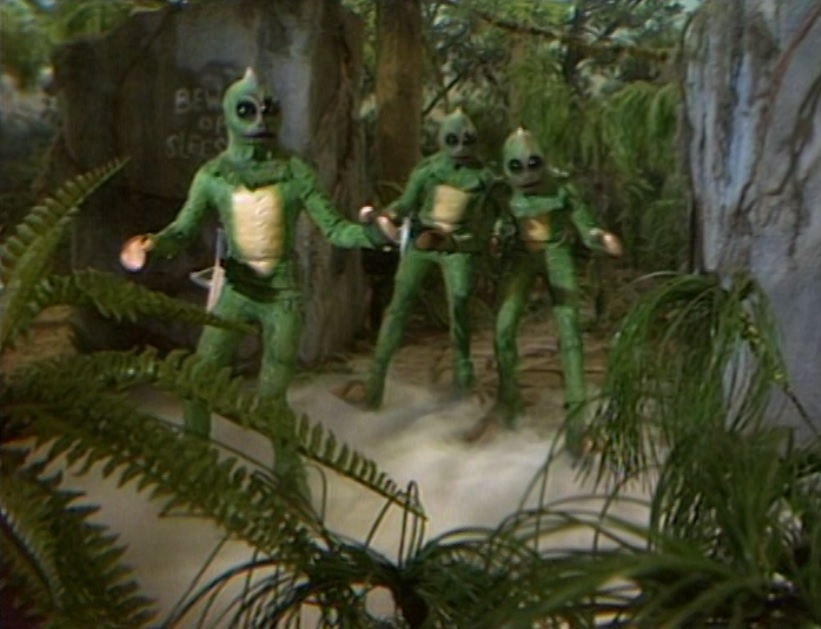
The TV show followed the adventures of the Marshall family, Rick (Spencer Milligan) and his children, Will (Wesley Eure) and Holly (Cathy Coleman), who while out whitewater rafting in the Grand Canyon fell through an interdimensional portal that transported them to a timeless world full of dinosaurs. Trapped in the lost land, the trio struggled to survive while trying to find a way home. During their adventures the Marshalls encountered many unusual denizens including Cha-Ka (Phillip Paley), a member of the Pakuni, a primitive tribe of ape-like humanoids, and Enik (Walker Edmiston), an advanced reptilian/insect-like humanoid who was also trapped in the Land of the Lost. What made Enik’s backstory so fascinating was that his race the Altrusians actually devolved into the savage Sleestaks, who were the dominant species in the Land of the Lost. The Marshalls usually met other travelers from different eras who wound up trapped in the land and often found a way to return to their own time period.

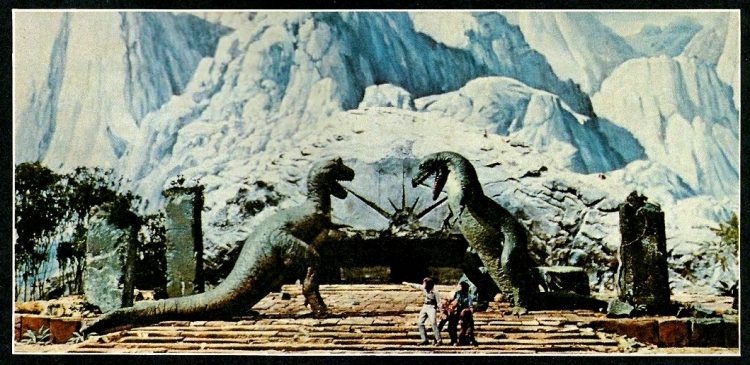
The episodes were devoted to plots about environmentalism, family strife, survival and surprisingly imaginative sci-fi concepts, especially time travel. During the show, the Marshalls discovered these interdimensional constructs called pylons that could transport anyone who entered them into different dimensions including modern-day Earth, though navigating them was difficult. These devices were used to explain why Rick Marshall left the show (in reality Mulligan was removed from the TV show due to conflicts over merchandising) as the father was whisked back to Earth unexpectedly at the start of the third season and replaced by Uncle Jack Marshall (Ron Harper). As Jack explained to his nephew and niece, he was trying to find his brother and his children and followed the same route that stranded the Marshalls in the lost land.

By the third season, the scripts were less imaginative and more geared toward children. The storylines took on more fantastical elements as Uncle Jack, Will and Holly encountered the Medusa, fire-breathing dimetrodon, a unicorn and the ghostly captain of the Flying Dutchman ship. Still the first two season were very thought provoking as the Marshalls met an eerie translucent alien called the Zarn, mysterious human visitors, and alternate versions of themselves. One of the reasons why the scripts stood out was because many of them were written by acclaimed sci-fi authors like Ben Bova, Norman Spinrad, Theodore Sturgeon and Larry Niven. Star Trek scriptwriter David Gerrold was the story editor in the first season and recruited fellow Star Trek writers like D.C. Fontana, Margaret Armen and even Walter Koenig to write a few episodes.

Thanks to its dramatic tone, the stories that focused on survival were more impactful and viewers felt the constant dangers the Marshalls faced as they dealt with carnivorous dinosaurs, environmental dangers, temporal and interdimensional dilemmas and the barbaric Sleestaks. One haunting episode, “The Search” had Will and Holly struggling to save their father who was electrocuted by crystals that operated the pylons. Anyone watching it could sense the desperation and panic from the siblings who were forced to face the possibility of their father dying. Another eerie episode “Split Personality”, had the Marshalls encountering alternate versions of themselves who were frozen in time and needed their help.

Even though the series never had a concluding episode, due to the temporal nature of Land of the Lost it can be argued that the Marshalls did find their way back home in the first season finale episode called “Circle”. Inside one of the pylons, the family was able to return back to their home but it was revealed they were trapped in a Mobius loop and another version of themselves wound up trapped in the Land of the Lost by the time the episode concluded. So in a sense, at least one version of the Marshalls returned home and subsequent episodes followed their variants.

In the decades since Land of the Lost stopped airing, the program has maintained a cult following thanks to a heavy syndication run that lasted many years. There were two attempts at remaking Land of the Lost. One included another TV show that aired for two seasons and featured the Porter family who were stranded in another dimension inhabited by dinosaurs and Sleestaks. Then there was a feature film in 2009 that starred Will Ferrell and as expected by the casting was more comedic. The film was a major dud with critics and fans and flopped at the box office. It also featured one of Leonard Nimoy’s last voice performances as he portrayed Enik. Sadly, the film ignored the dramatic survivalist aspects of the original Land of the Lost and insulted the memory of the original with its moronic humor. Regardless of how the remakes were received, Land of the Lost still has many devoted fans who appreciated the bright scripts and its imaginative, dramatic tone that engaged viewers.

José Soto

Beyond A Quiet Place

With the success of A Quiet Place: Day One, the future of the series seems promising. especially since there are plans for A Quiet Place, Part Three, though if that sequel actually happens expect the title to change to avoid confusion with A Quiet Place: Day One. Even though A Quiet Place: Day One is the third film in the series it’s actually a prequel to the first film and has little connection to the first two films.

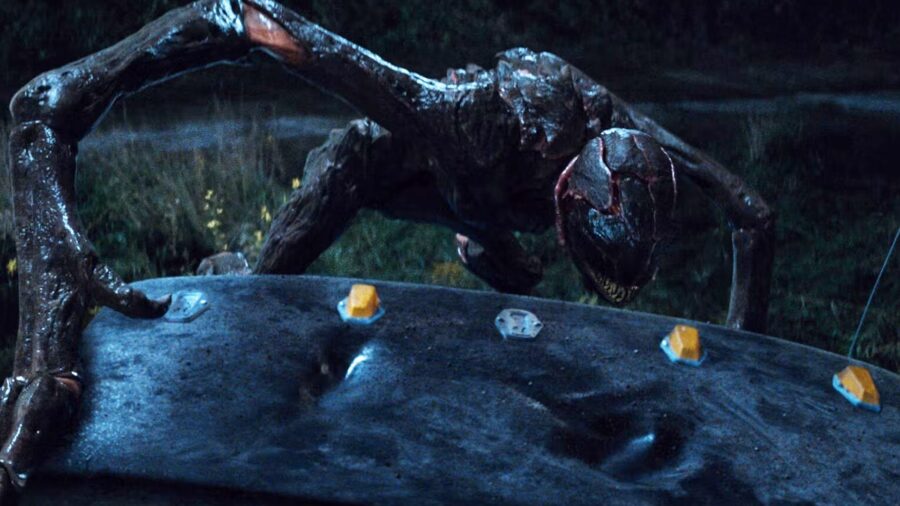
Part of the reason for the success of A Quiet Place: Day One is because it expanded the horrifying world we were introduced to in the first film. We the audience got to see how the worldwide invasion of the blind savage aliens, who are called the death angels, began. While the film was an excellent study about the need for companionship and finding solace in the simple things in life, it still left audiences with many unanswered questions about the alien invaders. We do know they arrived in meteors and their arrival was too abrupt for the authorities to handle before most of humanity was wiped out. We also know from the previous films that ways to defeat the death angels were found and used, which could set up a final confrontation between humanity and the aliens in a future film that concludes the series.

Future films, aside from A Quiet Place, Part Three, should take place in other corners of the world. Having A Quiet Place: Day One take place in New York City was a smart move since the first two films were set in rural communities. Where can other films go? How about a different country? The suburbs? Given that the death angels are vulnerable to water, have a film set in a makeshift community made up of ships filled with survivors and present their plight as they try to get supplies in the ravaged world. How about the perspective of surviving scientists and military trying to devise a means to fight back? That could be the focus of a final film.

But before the series finishes, more explanations about the death angels are warranted. Were they part of an advanced wave meant to wipe out our defenses and soften our world for an actual invasion? Or were they sent to herd humanity for their masters in the same way humans use dogs during hunts? There is evidence for that in that the death angels are never seen eating their victims and as shown in the third film they only ate food that came with them in the meteors. There is so much that needs to be explored with these savage creatures that would captivate audiences and give us some kind of explanation as to their motives. Or maybe they are just uncontrolled animals like the Xenomorphs in the Alien films that have no purpose other than to survive and multiply.

Another appealing aspect with the A Quiet Place films has to do with the characters that we quickly sympathize with, which is vital to get us invested during their dangerous plight. While the focus on the characters must remain in place with the film series, going forward, more development and explorations about the death angels has to be covered. But we don’t have to know everything all at once. We could use a few more terrifying entries like A Quiet Place: Day One before we get our answers. 😀

The Post-Superhero Film & TV Era

As we move further into this decade, it is apparent that the superhero era in films and TV shows has ended. We all know about the hurdles many recent superhero films and TV show have faced with diminished quality and profit. Guaranteed would-be hits like The Marvels or The Flash failed spectacularly last year and help cement that the superhero films and TV shows are no longer as popular at they were in the previous decade.

This does not mean that there won’t be anymore superhero films or TV shows or that they will never be popular again. There are several superhero films and TV shows in various stages of development and it is possible that a new era could arise. It has happened before. Back in the early 2000s, superhero films became dominant in films thanks to the success of Spider-Man and X-Men, but they then diminished in quality and several films did not perform well. However, as we all know the Marvel Cinematic Universe (MCU) exploded on the scene and launched an even more successful and popular era of superhero films and TV shows. It is similar to what has happened with the comic books that inspired these live-action films and TV shows.

As comic book fans know, comic books have had their ups and downs throughout history with different ages. When they first came into prominence in the late 1930s they sold very well, but by the mid 1950s comic books declined in popularity and sales until the release of Showcase #4, which revamped the Flash and introduced a new age of comic books. Essentially, the eras come and go in cycles with comic books as they reinvented themselves and there is little reason to doubt this won’t happen with superhero films and TV shows. For all we know this year’s Deadpool & Wolverine will usher in a new age of superhero films and TV shows. Or it may be a while as other genres capture the attention of viewers as they offer a fresh new take on superheroes.

So, until then what genre can replace the superhero films and TV shows in terms of prominence and popularity?

It is too early to tell, but we have a couple of contenders: video game-based properties or monster-based properties.

The MonsterVerse based on giant kaijus like Godzilla and King Kong has proven to be unexpectedly popular, while Godzilla Minus Zero blew away audiences and critics with its high quality and success. There are plans for films based on classic movie monsters like the Wolfman and Frankenstein’s monster, which could fulfill the failed promise of the so-called Dark Universe from ten years ago. The only issue with these monster films is their limited scope in terms of story. It is difficult to make compelling stories that focus on giant monsters while ignoring poorly developed human characters. But it is possible, again look at Godzilla Minus Zero.

On the other hand, video games have provided ample material for filmmakers to mine from. The most popular video games are based on science fiction, horror and fantasy and everything in between. In the past, films based on video games fared poorly as filmmakers were unable to translate what made the games so popular into film.

However, there have been many recent films and TV shows based on video games that were wildly successful and were well received. These include Sonic the Hedgehog, The Super Mario Bros. Movie, Five Nights at Freddy’s, The Last of Us, The Witcher, Halo and most recently Fallout. Although the quality and success of these projects varied, it is clear that they are becoming more and more prominent in theaters and in streaming services. These properties are just the tip of the iceberg of available video games that are practically begging to be adapted to live-action. There are plans to produce films and TV shows based on The Legend of Zelda, Death Stranding, Borderlands, Minecraft: The Movie, Metal Gear Solid, Mass Effect and Bioshock. Of course, we will also be getting sequels and new seasons like Sonic the Hedgehog 3, The Last of Us, Knuckles, Five Nights at Freddy’s 2, and Tomb Raider: The Legend of Lara Croft. The subject matter of these projects range from alternate history, hard sci-fi, horror and animated cartoons.

Will these films duplicate the success of the MCU and other superhero films and TV shows? It’s hard to say at this point, but do not be surprised if some video-game based property explodes and captures the public zeitgeist. The Super Mario Bros. Movie was able to do this given that it earned over $1 billion when it was released last year. It’s possible that the sequel could earn more money and cement the Mario Brothers as the next big thing. Or maybe it will be some other video game property. The future is wide open for video game-based films and TV shows to dominate the public consciousness.