Phase Five Of The MCU Ranked

Now that Ironheart has been released on streaming, Phase Five of the Marvel Cinematic Universe (MCU) has concluded, and the films and TV shows of Phase Five can now be ranked. On the whole, this phase suffered for many reasons, some of which were beyond the control of Disney and Marvel Studios, and included entertainment strikes, the conviction of actor Jonathan Majors (who played the would-be MCU big baddie, Kang), and rushed productions without completed scripts. However, there were certainly some projects that are considered as some of the MCU’s best and should be lauded. As we move on to Phase Six, let’s rank all the Phase Five MCU films and TV shows. Just note that X-Men ’97 is not included because officially the animated series is not considered part of the MCU, but if it was it would be placed in sixth place.

15. Secret Invasion

Not only is this limp, would-be spy thriller about alien Skrulls infiltrating our civilization the weakest entry of Phase Five, but it is the worst MCU project ever produced. The goal of the Skrulls was moronic, as was the execution of the pedestrian scripts that failed to live up to the premise of the comic book event this limited series was based on. For a supposed paranoid thriller, Secret Invasion lacked any tension, drama, suspense or sense.

14. I Am Groot (season two)

Eh, the animation was well done, and the stories were cute, but as with the first season, the animated shorts were strictly for the kids. One segment, however, was buoyed by the appearance of the enigmatic Watcher and it was rather humorous.

13. Echo

It is clear that this TV show was a leftover from the Bob Chapek era of Disney were anything and everything was rushed into production whether it deserved to or not. The former gangster Echo was one of the dullest characters from Hawkeye, yet somehow, she was given her own TV show which largely came off as a standard and dull crime drama. The appearance by Daredevil and later Wilson Fisk livened things up, but that was about it.

12. What If…? (seasons two and three)

The animated series that explored the Multiverse was a mixed bag with an average second season and a disappointing third season. There were many great premises that could have been explored in the third season, but sadly that never happened. Instead, we got Howard the Duck and his girlfriend protecting their egg in a painfully unfunny episode. But there were a couple of gems featuring Agatha, Winter Solider and Red Guardian. The second season was definitely the stronger of the two as it further explored the more interesting variant characters from the first season like Captain Carter and Stephen Strange. But overall, the Multiverse animated show did not live up to the promise of the first season or the comic books.  

11. The Marvels

The semi-sequel to Captain Marvel is not bad, but it is not good either. There are some interesting character developments that are only glossed over, like Ms. Marvel’s hero worship of Captain Marvel vs. reality or Photon’s abandonment issues with Captain Marvel. But the villain was completely forgettable, and the film felt very rushed. What did not help were some Godawful moments like the alien cats swallowing people as “Memory” played in the soundtrack, or the planet populated by singing people. The introduction of the X-Men into the Multiverse Saga in the post-credits scene was great and nearly salvaged the film, but it was not enough.

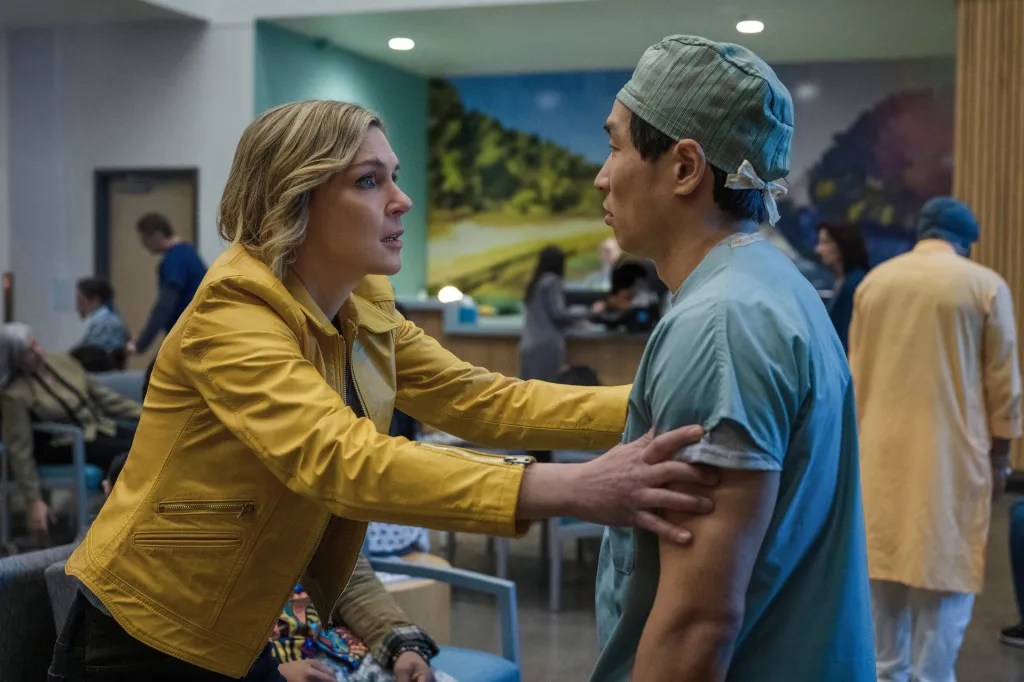
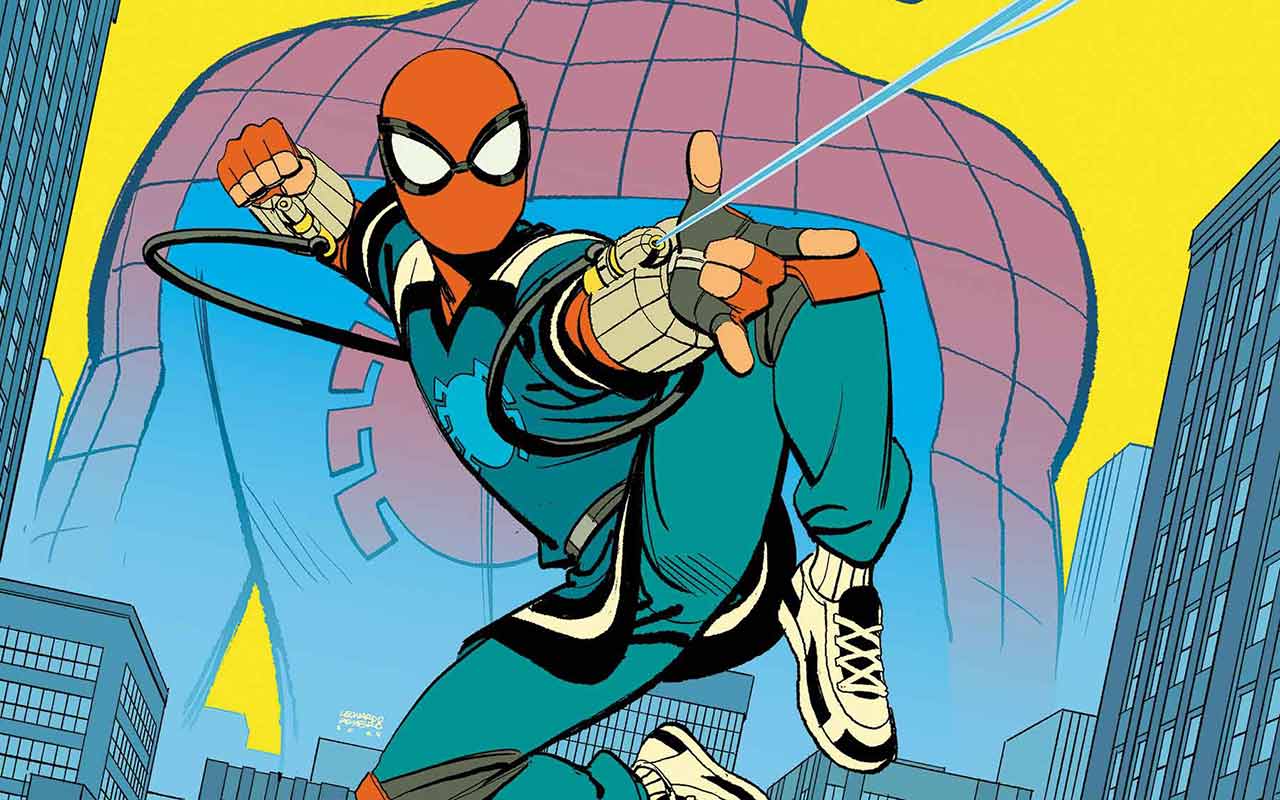
10. Ironheart

Here’s another case of a TV show starring an unpopular MCU character. This time it’s Riri Williams from Black Panther: Wakanda Forever. However, Ironheart does a good job presenting Riri Williams/Ironheart. She is a painfully flawed person trying to do what is best but some of her decisions are questionable, as are her associates. The effects were surprisingly good despite the reputation MCU TV shows gained over the years, and many characters were interesting. Not the greatest MCU TV show ever, but it’s still worth watching.

9. Ant-Man and the Wasp: Quantumania

The third Ant-Man film gets a lot of unwarranted hate from fans who were disappointed by the introduction of Kang, the would-be big baddie of the MCU and the Multiverse Saga. Many fans who expected another caper heist film instead were treated to a loopy sci-fi adventure in another dimension featuring giant ants and weird creatures like the floating head MODOK. It did not help that some of the special effects were sketchy. Still, the film was fun in its own way and had some solid performances and was a decent entry into the Multiverse Saga, although its importance has diminished since Kang has been sidelined.

8. Agatha All Along

This sequel to WandaVision was unexpectedly effective thanks to an inspired performance by Kathryn Hahn as the anti-hero sorceress, Agatha Harkness, as she traverses the mystical Witch’s Road with a ragtag coven of eccentric witches. The character development of Agatha was surprisingly effective and made her more of a sympathetic character with a rather tragic backstory. Agatha All Along is a solid entry into the darker and more mystical part of the MCU and a worthwhile middle part of the Scarlett Witch saga that will be conclued with the upcoming Vision Quest.

7. Captain America: Brave New World

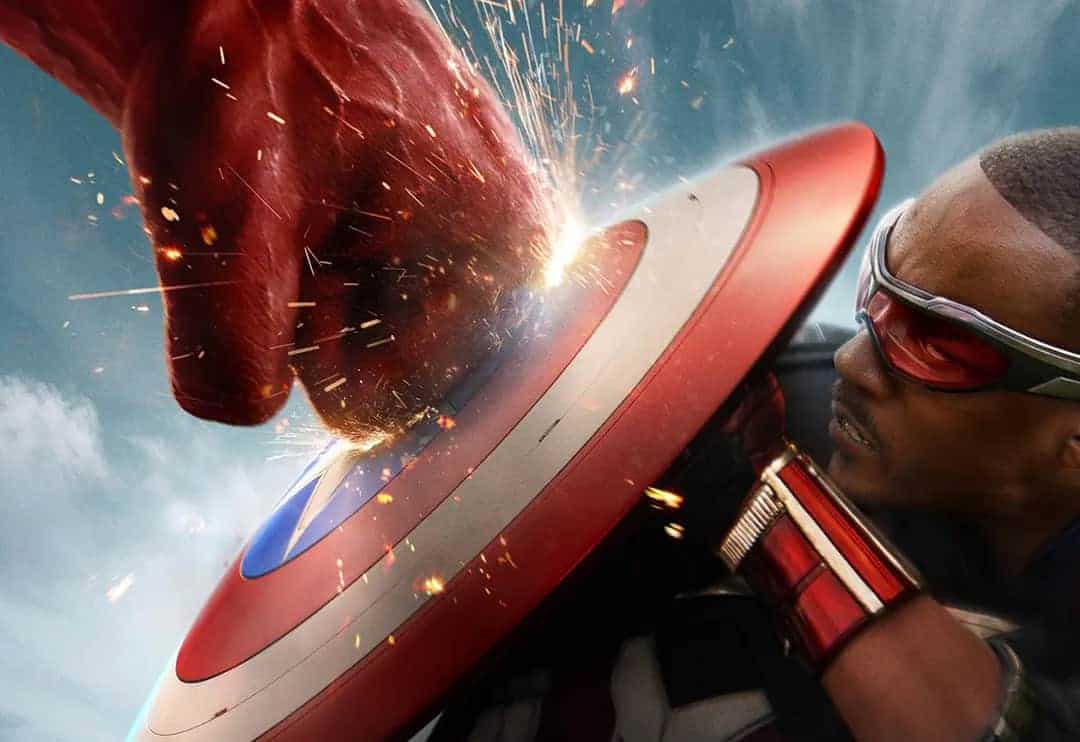
In this mishmash of a film there are elements that could have made it a truly great political thriller. But constant reshoots and rewrites of the script noticeably impaired it, although the fourth Captain America film tries very hard and has many memorable elements. For instance, it has great performances by Anthony Mackie and Harrison Ford and many action scenes are well shot and choreographed. A couple of these feature a terrific battle of Captain America fighting the Red Hulk and an intense segment where Captain America and his partner take to the skies to prevent a major war over the ocean. What ultimately harmed the film were the clumsy exposition dumps and haphazard editing that could not quite salvage the film.

6. Your Friendly Neighborhood Spider-Man

This animated series was one of the best surprises in Phase Five of the MCU. At the same time, this exploration of the high school years of Peter Parker/Spider-Man was quite refreshing with its poignant coming-of-age storyline and genuine. The highlight of the series was not the fight scenes or appearances of superheroes like Doctor Strange or Daredevil but the exploration of Peter’s angst and his complicated relationships, especially with Norman Osborn. We know Osborn will become his greatest foe, but in the show, he serves as his hardened mentor who teaches him lessons about having “great power”.

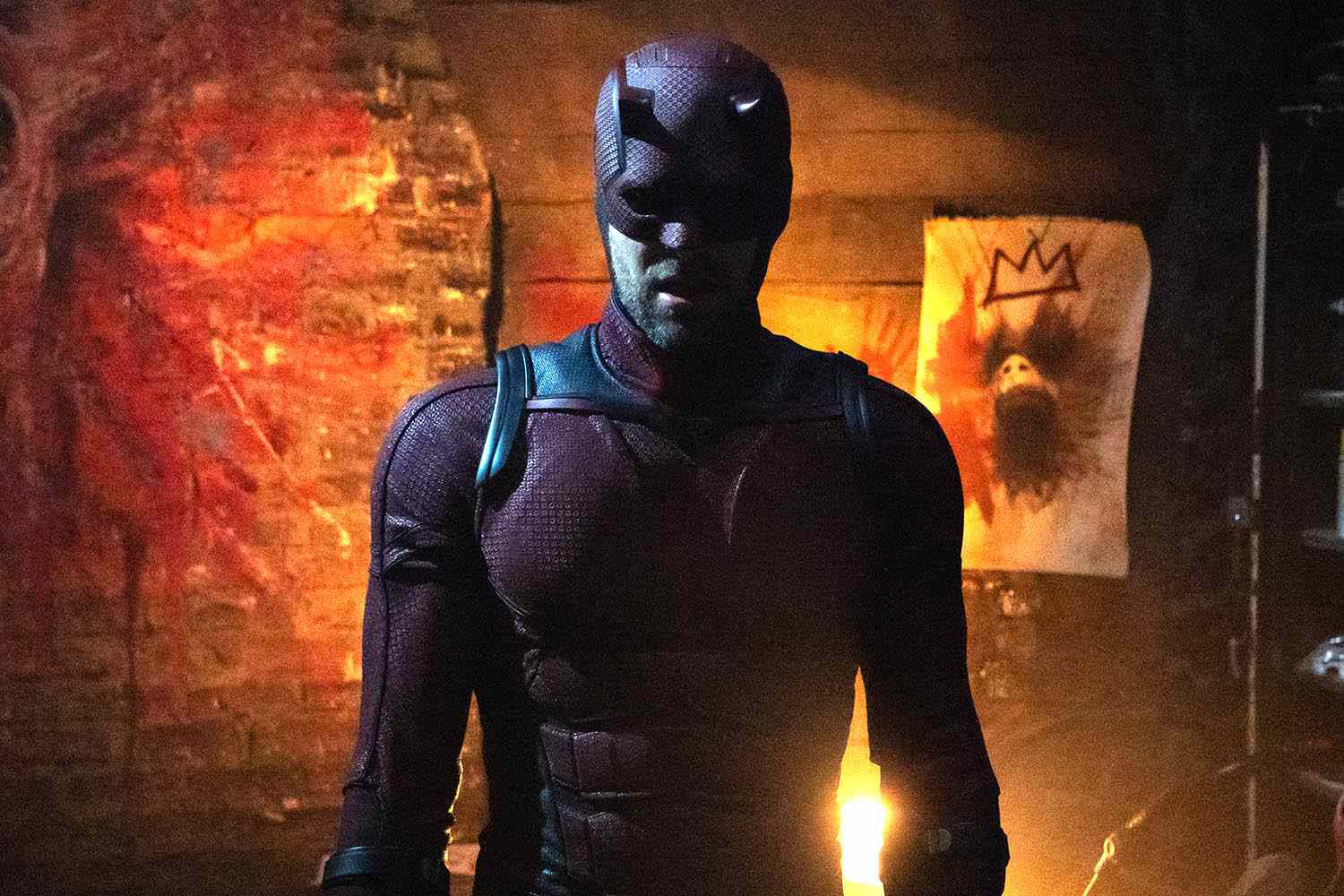
5. Daredevil: Born Again

Charlie Cox and Vincent D’Onofrio make their triumphant returns as Matt Murdock/Daredevil and Wilson Fisk in this sequel to the original Netflix series. As a loose adaptation of the storyline in the comics where the criminal Fisk becomes mayor of New York City, the series was quite engrossing, especially the early and final episodes. It soon became clear that the middle episodes were produced by a different team when it came to their quality. These middle episodes were fine but were wildly outclassed by the early and final episodes, which were nearly perfect works of television art that thankfully we will see more of in the second season.

4. Deadpool & Wolverine

Ryan Reynolds and Hugh Jackman return to their iconic superhero/mercenary roles that were the highlights of the Fox-era X-Men films. Teaming up for the first time, the two have a wild multidimensional romp as they encounter classic and forgotten characters from the pre-MCU Marvel films ranging from the X-Men to Blade. Some may criticize the film for just being a collection of callbacks to previous films and the script did quite have the wit and energy of the first two Deadpool films. Still, Deadpool & Wolverine was a hysterical, gross and action-packed tribute to the pre-MCU era of Marvel films.

3. Loki (season two)

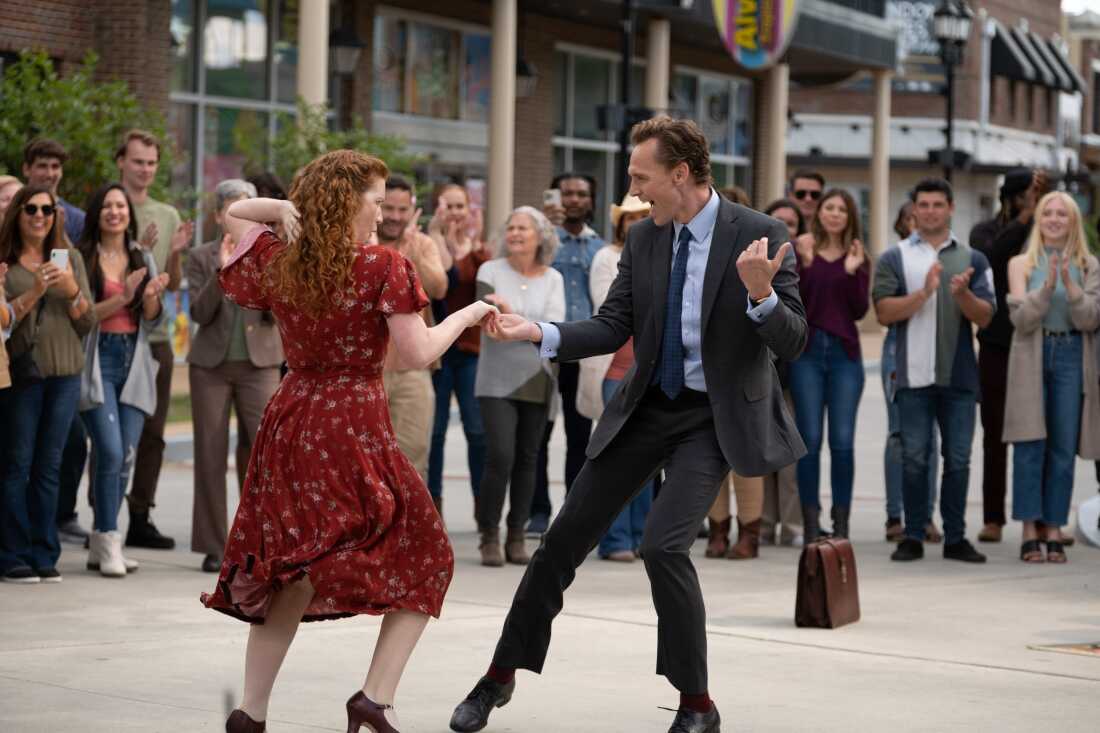
The second and final season of Loki was a time-traveling and mystical marvel (pardon the pun) that was highlighted by the title character’s transformation. The episodes were witty and inventive as Loki worked with his allies to keep time from unraveling. Loki also featured wonderful acting, not just from Tom Hiddleston as Loki, but from Ke Huy Quan, Jonathan Majors and Owen Wilson. The best part of the show, however, was seeing Loki’s emotional journey as he grew into someone much more noble and magnificent as he made the ultimate sacrifice to save the Multiverse and achieve his “Glorious Purpose.”

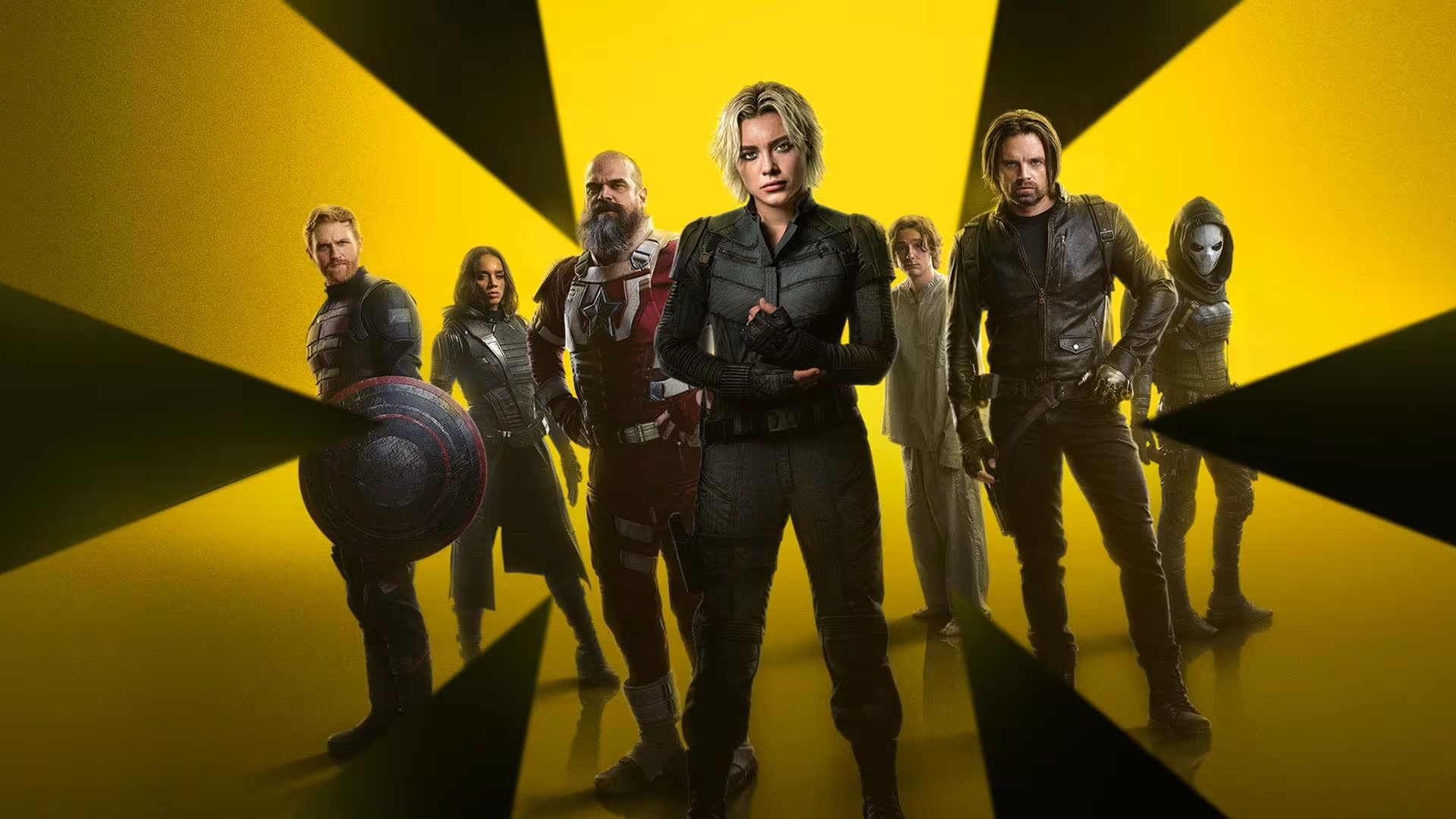
2. Thunderbolts*

Or The New Avengers as marketing both in the film and IRL would rather you call this misfit team of mercenaries. The film was unexpectedly engaging and full of emotion as it focused on the characters’ inner turmoil. Even though we’ve seen this before: a bunch of losers form a dysfunctional team and actually become heroes, it was done splendidly. After a few misfires during Phase Five, Thunderbolts* signaled that Marvel Studios finally got its act together and went out of its way to present a winning MCU film. While it’s regrettable that the film had disappointing box office returns, this almost does not matter because of the film’s quality. Here’s hoping that the film resonates later on with home viewings.

1. Guardians of the Galaxy, Vol. 3

James Gunn sends of the beloved Guardians of the Galaxy with a masterful finale that hit all the right emotional spots. Focusing on the team’s soul, Rocket (later Rocket Raccoon), Gunn gave us a painful and traumatizing origin story that doubles as an animal rights tale that deserves to be told. Everyone involved was on point and beyond with Guardians of the Galaxy, Vol. 3, as it was the last hurrah for our favorite cosmic superhero team of misfits. This was classic Guardians at its best with goofy moments, perfect needle drops, wild visuals, a terrifying villain and exciting fight scenes. Gunn’s final film for the MCU is to be cherished because now that he has moved on to Warner Bros. to lead their superhero films, he is already sorely missed by MCU fans.

José Soto

We Are The Winners Of The Summer 2025 Superhero Film War

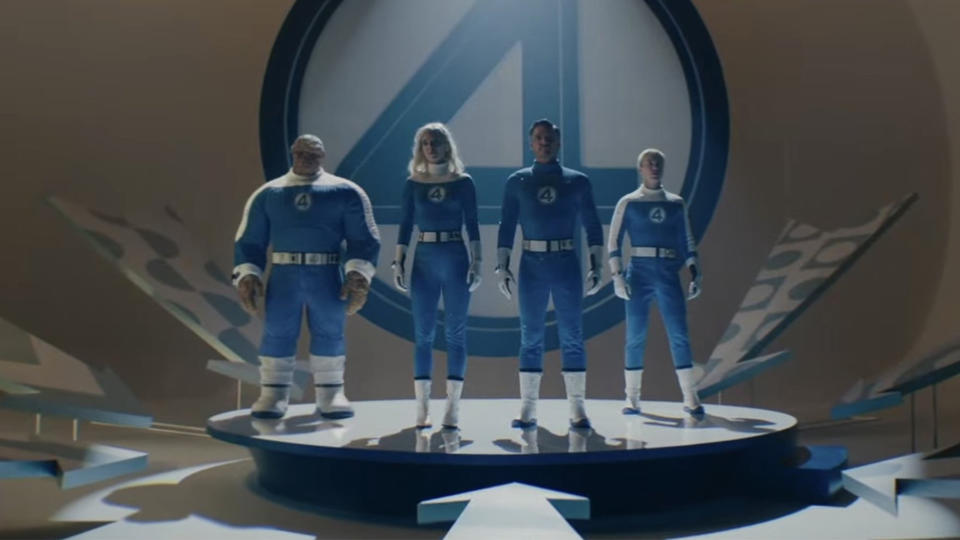
It sounds like a cliche by now to make a statement that we fans are the true winners of summer 2025’s superhero film wars between Marvel and DC, but it’s true. It does not matter which of the two films, Superman and The Fantastic Four: First Steps, is better, although fans have made arguments that Superman was better than The Fantastic Four: First Steps and vice versa. It’s all subjective and open to interpretation. What matters is that we finally got a summer where the two superhero-based film studios, Marvel Studios and DC Studios, went head to head with top-tier film releases that were well made and successful (more on that soon).

The result was that we were treated to two great superhero films in a relatively short amount of time. It would have been better if they performed better at the box office but they are not flops. Who knows what would have happened if both films pulled in a billion dollars? Would this have triggered some kind of race between the two studios to outdo each other at every turn? This would not be realistic or viable and probably lead to a huge crash after some of their films failed. Perhaps the films would have made a lot more money if their releases were not so close to each other since the films came out in a two-week period. Both studios should adjust their release schedules to consider this.

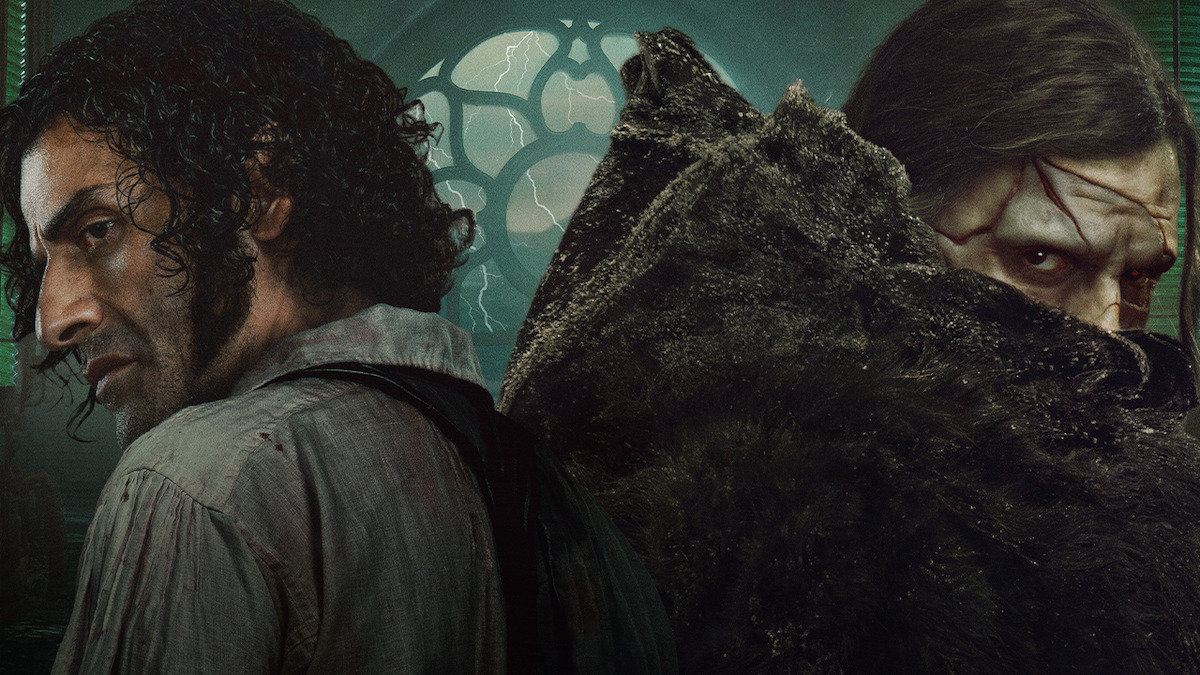
One thing to dispel is that there isn’t superhero fatigue. That is something that trolls and others want to create a narrative in order to drive clicks and views. Sure, we are past the heyday of the superhero craze and the new normal is that they are not guaranteed box office gold. But that is because too many inferior films came out which turned off many to superhero films. The two studios should share some blame for that but other studios, especially Sony Pictures, dumped out garbage like Madame Web and Morbius, which diluted the Marvel name and superhero films in general. It does not matter that the Sony Spider-Man-less films were not part of the Marvel Studios films; the average moviegoer does not know or pay attention to such subtleties. Even though Sony announced they won’t produce any more of these films, the damage has been done.

Right now both Marvel Studios and DC Studios are in a rebuilding phase. Both of this summer’s superhero films launched new phases for their shared cinematic universes and past history has shown that the early films of the studios started off relatively small but they built interest for the characters who later on headlined blockbuster films. For example, Man of Steel earned $670 million dollars, while that is great for most films, Warner Bros., the parent company of DC Studios, would have preferred it earned more. The following film after Man of Steel, Batman v Superman: Dawn of Justice was more successful in part because it featured Superman. The problem for Warner Bros. is that they got greedy and impatient and jumped into the big tentpole epics like Justice League, which did not allow for the characters and events to grow naturally. In the end, these films failed to make the money Warner Bros. wanted and eventually the first DC shared universe collapsed.

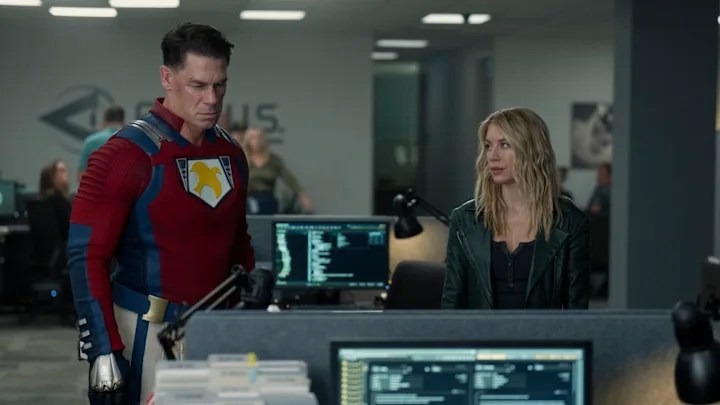
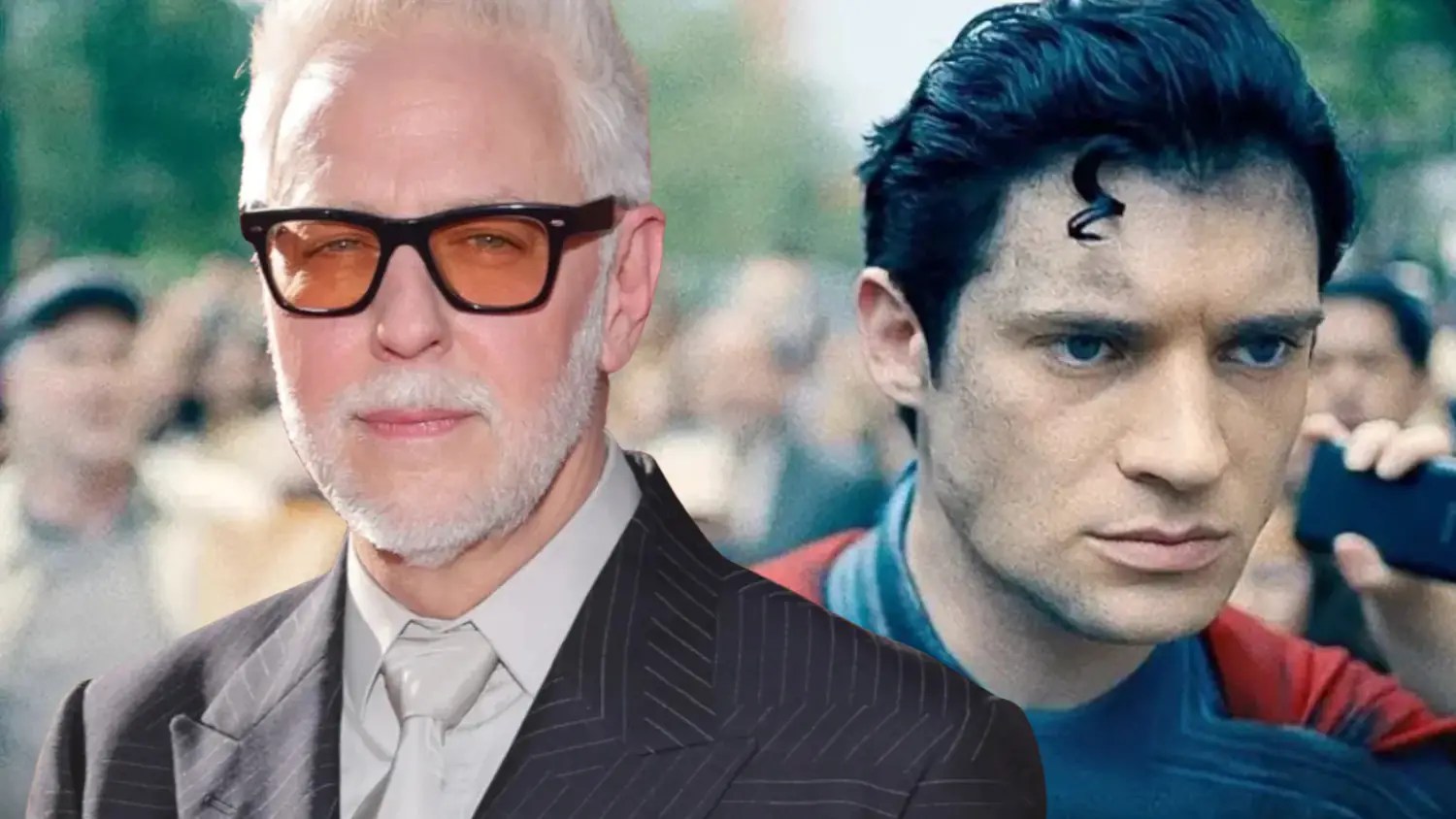
James Gunn took over the DC films and is now carefully launching a new cinematic universe. For the most part, he is keeping things close as to what direction the films will take. As far as we know the only followup film in the new DC universe that is coming out will be Supergirl, while on TV Lanterns and Peacemaker will be streaming soon. Gunn has made it clear, that future films will only go into production once a complete script satisfies everyone, which is how it should be. Right now, Superman will have earned $600 very soon and maybe will finish out its run earning a bit more, which means it is profitable. This is a promising start for the new DC films but it’s important that Superman appear soon in future films in order to keep the character fresh with audiences.

Meanwhile, the early Marvel Studios films did not even come close to making a billion dollars until The Avengers. The Marvel films released this year were not outright flops nor were they were humongous successes, although the final numbers for The Fantastic Four: First Steps is not known at this time. The films earned from as low as $382 million (for Thunderbolts*) to $434 million and counting for The Fantastic Four: First Steps. In the end, the latter film will probably finish its run with over $500 million, which is respectable.

Marvel Studios tried to repeat this pattern with Phase Four of their films after the Infinity Saga ended. But circumstances prevented followups to the Phase Four films TV shows and characters. Sure, Shang-Chi and the Legend of the Ten Rings was a hit back in 2021 and all, but where is the sequel? Where is Shang-Chi for that matter? Yes, he will appear in Avengers: Doomsday but that will be a time gap of five years between appearances, which is too long. This lack of followup was a huge error on Marvel’s part. They had to keep to momentum going with Shang-Chi, especially since he was an unknown character. In the past, after minor and unknown characters made their debuts, Marvel Studios quickly featured them in other films to keep up interest. Examples of this include the Guardians of the Galaxy and Doctor Strange, who rocketed in popularity after they made appearances in Avengers films and their future films earned much more than their debut films. This even happened with the Marvel Studios version of Spider-Man. His debut film, Spider-Man: Homecoming, did not make a billion dollars but his second and third films did so, easily. This formula will work with the Fantastic Four and other new characters. Thankfully, Marvel Studios will repeat this formula in the upcoming Avengers: Doomsday as that film will feature the Fantastic Four, the Sam Wilson Captain America, and the Thunderbolts.

Both film studios are focusing on quality and long-term strategies, which is great because this will help word of mouth for these superhero films. Marvel Studios now has genuine competition when it comes to producing quality superhero films. Again this is great for us fans. Even the head of Marvel Studios, Kevin Feige, has said in the past that he wanted DC films to succeed because the competition would be good for Marvel Studios. Competition generates innovation and creativity and encourages competitors to do their best work. In fact, the lack of competition from DC could be seen as one of the reasons why Marvel Studios floundered for a few years.

It is great that there is genuine competition between the two superhero film studios. Whether or not Superman or The Fantastic Four: First Steps is more successful is irrelevant at this point, although Superman is the clear winner when it comes to box office result. Both films can be enjoyed by fans for what they bring to the table. What matters is that two great superhero films came out in one summer, which is something we have not had in a while. This is why we are the winners in this competition.

The Eve of MCU’s Phase Six

Phase Six of the Marvel Cinematic Universe (MCU) starts this week with the release of The Fantastic Four: First Steps, a film that will begin the finale of the MCU’s Multiverse Saga. As Phase Six commences it is clear that the MCU has had some challenges recently and it remains to be seen if the latest phase will course correct the cinematic universe.

A major issue with the last two phases that will affect Phase Six was that they did not tell a cohesive or coherent storyline that progressed the overall story of the Multiverse Saga. This ran counter to the first three phases that told a progressive story that culminated with the last two Avengers films, Avengers: Infinity War and Avengers: Endgame. One thing to note with the first three phases was that they concluded more or less with an epic Avengers film. This did not happen with Phase Four (*Thunderbolts the last film of Phase Five ended with the revelation that it was actually a film about a new team of Avengers), and the Multiverse Saga had to do a course correct for outside reasons.

Phase Five of the MCU was plagued with several misfires and undeniable box office disappointments as films and TV shows did not live up to expectations. This was unfortunate since Phase Four was disappointing, as well, and failed to live up to the glory days of the first three phases. Phase Five was supposed to correct this but could not.

Namely that Marvel Studios decided to eliminate the main villain of the Multiverse Saga, Kang the Conqueror, and instead abruptly chose to have Doctor Doom as the main villain. This change happened because the actor who played Kang, Jonathan Majors, was fired by Marvel Studios for being convicted of domestic abuse and the character did not resonate with fans. This happened as Phase Five was well underway and did not allow the MCU to organically pivot to Doctor Doom, but the film studio could have tried. Films and TV shows in the latter half of Phase Five should have, at the bare minimum, dropped Easter eggs and references to Doctor Doom but that has not happened. In fact, many TV shows from Phase Six like Secret Invasion or Agatha All Along did nothing to advance the Mulitverse Saga. Meanwhile, only about half of the Phase Five films were relevant to the Multiverse Saga.

What makes this situation worse is that Doctor Doom, the main villain of the Fantastic Four, will not appear in The Fantastic Four: First Steps. This is a mistake considering that Doom will be the villain of next year’s Avengers: Doomsday and it is unlikely that upcoming MCU projects before that film will include any appearances or references to Doctor Doom and the Multiverse Saga. It is head scratching that Doctor Doom will not at least have a cameo in The Fantastic Four: First Steps but we won’t know this for sure until the film is released. On the other hand, there are reports that one of the post-credits scene from The Fantastic Four: First Steps will directly tie into Avengers: Doomsday so there is that, at least.

Another thing that is evident with the slate of Phase Six is that unlike the last two phases there will be noticeably less films and TV shows released. One major complaint about the last two phases, especially with Phase Four, was that too many projects were released, and this stretched the resources of Marvel Studios. The result was that many subpar films and TV shows were released before they could be fine tuned to be better. With Phase Six, Marvel Studios has chosen to emphasize quality over quantity, though this means that many threads and characters introduced in the previous phases will be ignored. This will frustrate many fans, but it was inevitable given that Marvel Studios has to concentrate on popular characters instead of greenlighting TV shows or films about obscure superheroes that may or may not resonate with the larger public. So, expect many films and TV shows dealing with the core Avengers lineup, Spider-Man, the Fantastic Four (if the first film is successful) and of course, the mutants.

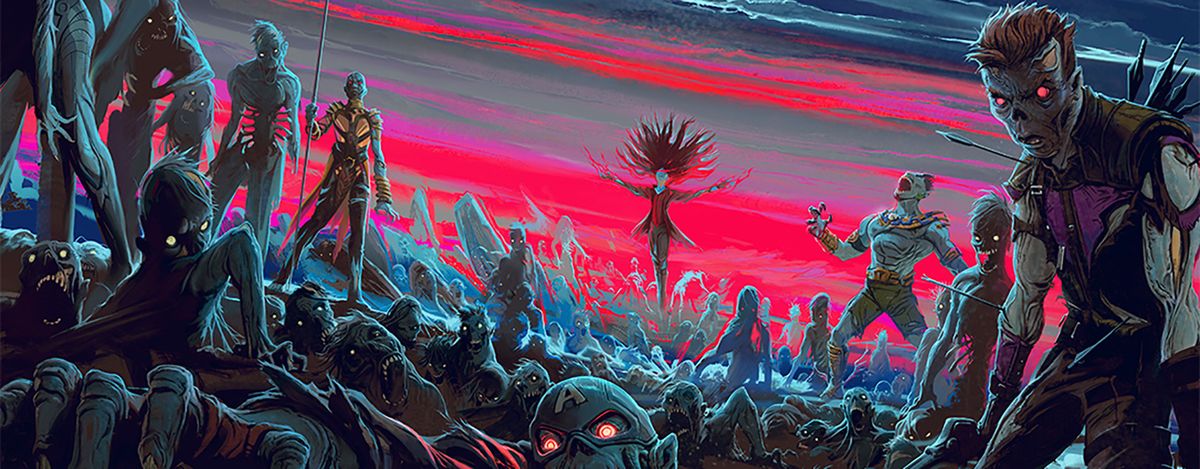
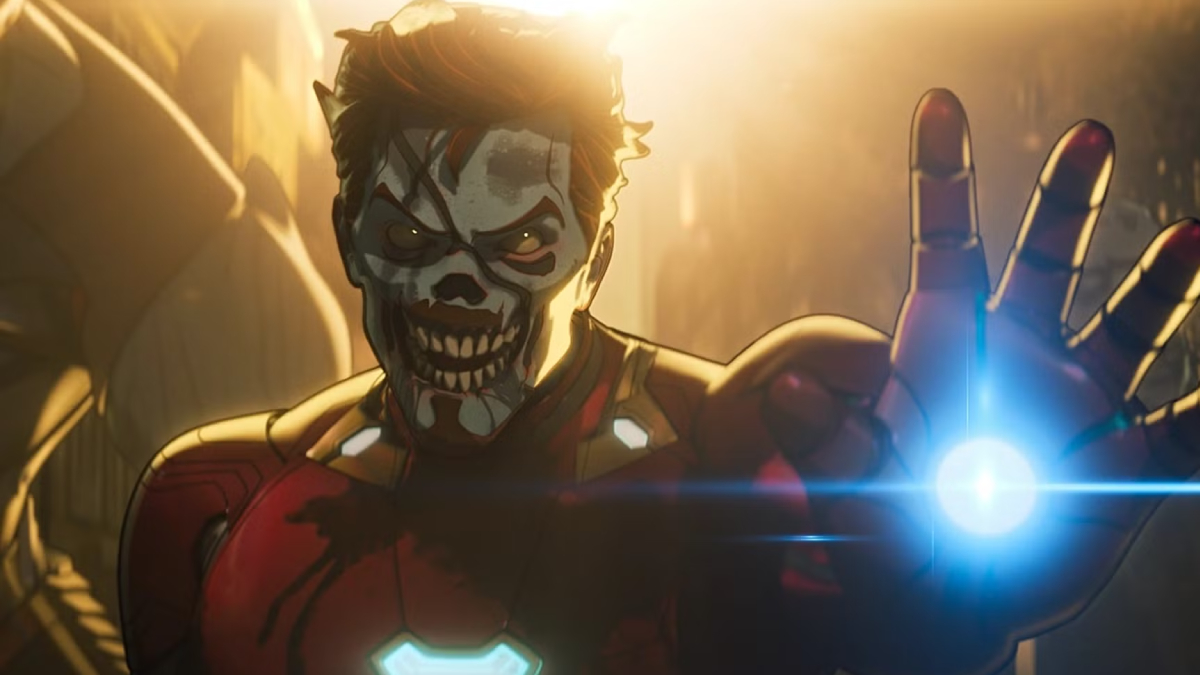
At this time, we can only speculate on what films and TV shows Marvel Studios will release for Phase Six. Unlike the previous phases the studio is remaining tight lipped about its upcoming releases since they have been burned by prematurely announcing projects before they were ready like Blade. To date, the only known projects are The Fantastic Four: First Steps, Eyes of Wakanda, Marvel Zombies, Wonder Man, Spider-Man: Brand New Day, second seasons for Daredevil: Born Again and Your Friendly Neighborhood Spider-Man, Vision Quest, a Punisher TV special, Avengers: Doomsday, Avengers: Secret Wars, and at least one other film that we have no information about. Who knows what it will be? A new Doctor Strange film? A third Black Panther film?

While it’s regrettable that Marvel Studios is pulling back on the quantity of projects it is for the best since the limited amount of films and TV shows will lead to improved products. We already are seeing this as the more recent offerings from Marvel Studios like Deadpool and Wolverine, Your Friendly Neighborhood Spider-Man and *Thunderbolts have received a lot of acclaim. It is also interesting to see that certain projects that were not as well received as Ironheart, parts of Daredevil: Born Again and Captain America: Brave New World were produced before Marvel Studios began to course correct with its offerings. Daredevil: Born Again offers clear proof of this as the most acclaimed episodes were made after the film studio decided to emphasize its commitment to quality.
It will take some time for Marvel Studios’ course corrections to resonate with the general public. Not too long ago, the MCU brand was golden and a guarantee of quality and box office success. That’s not the situation anymore as many recent films have underperformed, even if they were acclaimed like *Thunderbolts. It is no longer a guarantee that an MCU film will be a box office hit. But it is important that they maintain a high level of quality because this will create positive buzz for MCU films and TV shows. Do not be surprised if properties like *Thunderbolts develop cult followings, which is good for Marvel Studios as this will demonstrate the studio’s commitment to quality products. Eventually the public will catch on and begin seeing them the films and TV shows in droves again. Then again with important tentpole films like Avengers: Doomsday, Avengers: Secret Wars and Spider-Man: Brand New Day, it is practically certain that Phase Six of the MCU will be successful.

José Soto

The Eve OF The DCU’s Chapter One: Gods & Monsters

After the downfall of the DC Extended Universe (DCEU), the new DC Universe (DCU) cinematic universe has risen from the ashes and kicks off with Superman on July 11, 2025.

Fans of DC have both eagerly anticipated this meant and dreaded it ever since filmmaker James Gunn announced DC Studios’ planned DCU line up in early 2023 with a slate of films and TV shows. The first TV show which actually started the DCU last year was the animated Creature Commandos which streamed on Max. The show received positive reactions although it seemed similar to James Gunn’s DCEU film The Suicide Squad, but with monsters as the main characters forced to work for the government instead of supervillains. One thing that Gunn made clear was that Creature Commandos was canon to the DCU and even one of the featured characters from that show, Rick Flagg, Sr., will appear in Superman.

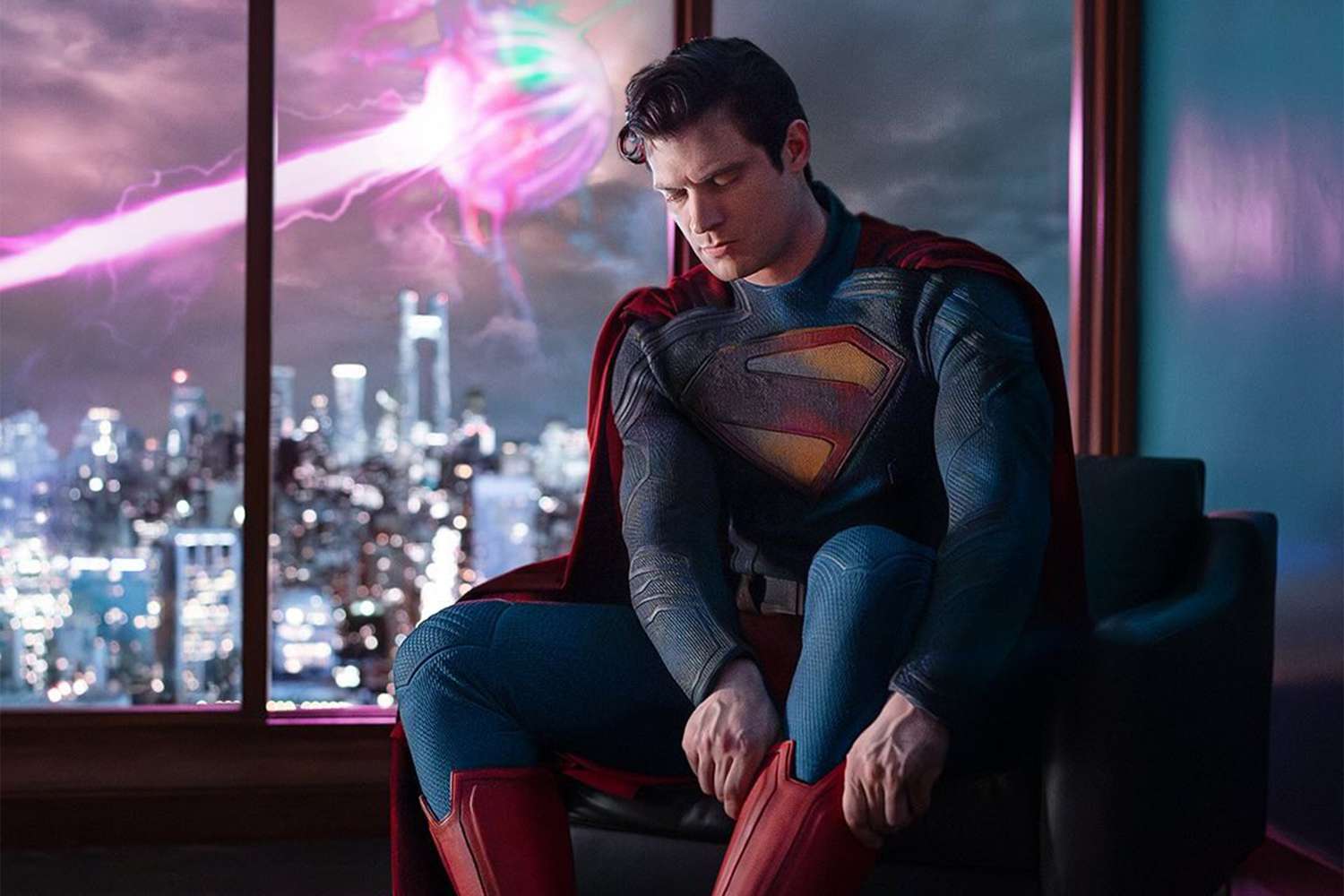
Right now, fandom and the public at large are focused on Superman, which inaugurates the DCU in live action. The marketing push for the film is very intense and pervasive with the usual deluge of merchandise and trailers (but gotta admit any merch about Krypto the Super Dog is so damn cute; Gunn has a way with animals) and publicity. There is a good reason for the push by DC Studios’ parent company Warner Bros.

RIP DCEU

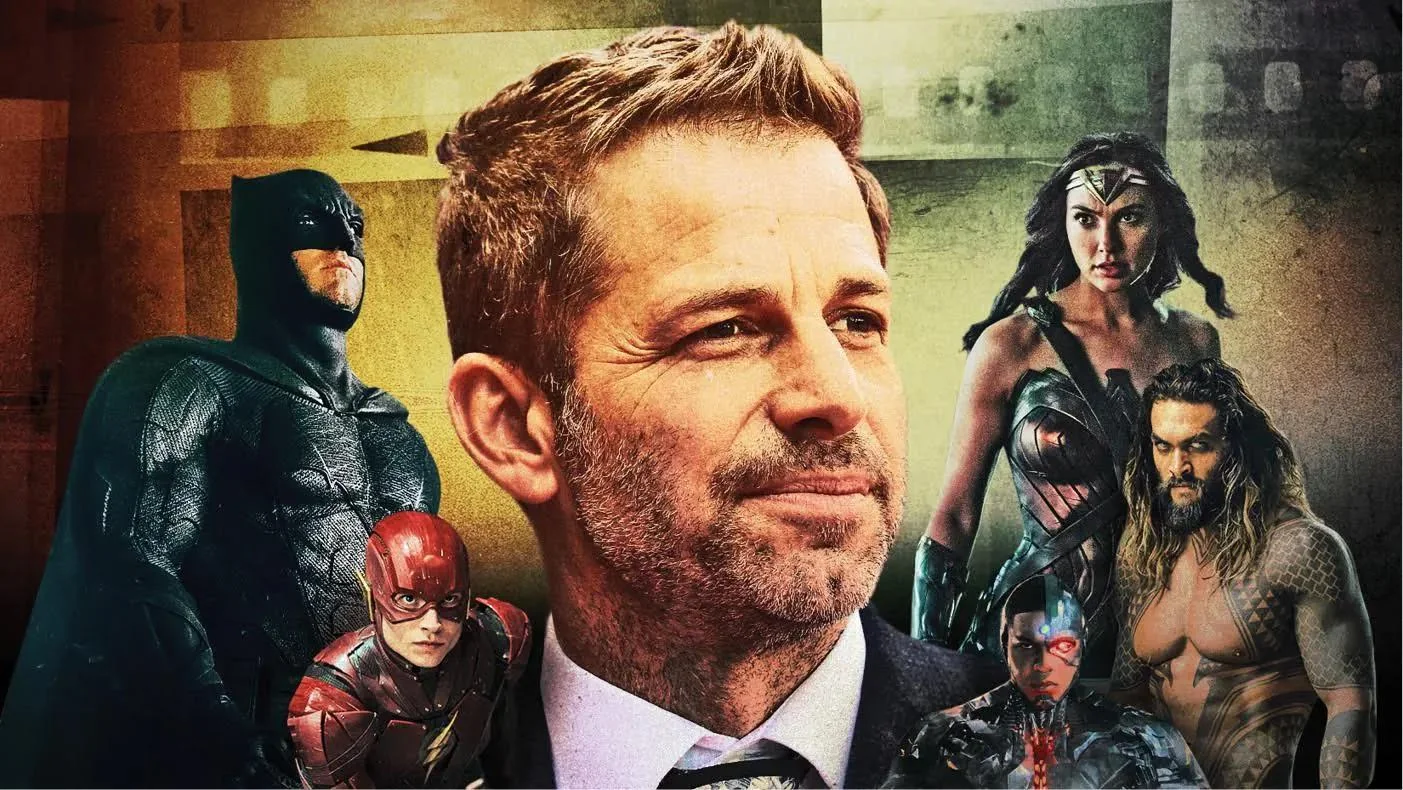
As everyone knows, the DCEU was supposed to be film studio’s answer to Disney’s Marvel Cinematic Universe (MCU), which has been wildly successful ever since it debuted in 2008. The DCEU had everything going for it: popular superheroes that enjoyed success in the box office and TV with projects like Christopher Nolan’s Batman films, the Arrowverse on TV and Smallville. Even Nolan helped launch the DCEU by helping to create Man of Steel. But for many reasons the DCEU was plagued by many problems, mostly due to studio interference, impatience and greed. Warner Bros. was in a rush to compete with the MCU and didn’t allow the DCEU to grow organically and build up a fanbase like with the MCU. Instead of carefully introducing characters, they were clumsily mashed together just to premiere Justice League, the DCEU answer to The Avengers, just a few short years after Man of Steel. Many of the films were not well received and it seemed as if the DCEU was playing catch up with the MCU. But what really killed the DCEU was interference by studio executives who were chasing the almighty dollar and did not seem to care about the quality of the films.

Despite attempts to salvage the DCEU by the early 2020s it was clear that the cinematic universe was without direction and falling apart. To the studio’s credit, they recognized James Gunn’s talent and vision with The Suicide Squad and offered him the opportunity to revamp its cinematic universe. He essentially started over with the DC properties and has launched the DCU with its initial projects being labeled as Chapter One: Gods & Monsters. Of course, this entailed huge changes including the recasting of the DC characters. Actors, like Henry Cavill, were removed from playing iconic characters and in the case of Jason Momoa, he was recast to play a different role in the DCU. This development was controversial and incense some fans of the DCEU who automatically hated anything to do with the DCU and have taken to the Internet to troll Gunn and the DCU. Unfortunately, that is par for the course with social media these days.

Continue reading

After Andor What’s Next For Star Wars?

The Disney + Star Wars TV series Andor concluded to much deserved acclaim, and it did something that seemed improbable given the state of the Star Wars franchise. Andor has helped create renewed enthusiasm for Star Wars as it showed how versatile and mature the franchise can be.

Ever since Disney acquired Star Wars from its creator George Lucas, the projects the company and Lucasfilm put out have received mixed reactions. At first, the franchise received a lot of renewed enthusiasm after the releases of Disney’s first two Star Wars films, Star Wars Episode VII: The Force Awakens and Rogue One: A Star Wars Story.

But the reception to the following films, Star Wars Episode VIII: The Last Jedi, Solo: A Star Wars Story and Star Wars Episode IX: The Rise of Skywalker, was a lot less muted as many fans soured against the Disney films. As a result, the box office returns were not quite as high as the early films and in fact, Solo did not perform well in theaters.

This Was the Way

The Star Wars franchise recovered significantly when the first Disney + Star Wars TV show, The Mandalorian, debuted on the streaming app in 2019. For a couple of years, Mandalorian fever gripped fans and the larger public as Grogu, the infant Yoda-like co-star of the show captured the public’s hearts and imagination. It seemed as if the TV show single-handedly rescued the franchise and injected new life into it. However, many of the other Star Wars TV shows were not as popular or had the level of quality as The Mandalorian, except for Andor. In fact, although Andor did not have the high viewership numbers that The Mandalorian enjoyed, it was a massive critical hit as it presented a fresh and adult take on Star Wars with its grounded look at how the Rebellion began in earnest against the Galactic Empire.

Still, despite Andor’s critical success, Star Wars on the whole was floundering as inferior TV shows like The Book of Boba Fett and Ahsoka disappointed fans and emboldened toxic trolls to attack Star Wars. Then there was the fact that the film franchise was essentially dead as many announced films never went into production, except for next year’s The Mandalorian and Grogu. Even recently, The Mandalorian fell out of favor with many fans because of its third season, which was not as well received as its first two seasons.

New Heights of Quality Star Wars Television

When the second season of Andor first streamed fans and critics applauded the show’s mature, sweeping and complex nature with its nuanced and well-developed characters that quickly generated memes and online discussion about the nature of defiance, sacrifice and societies.

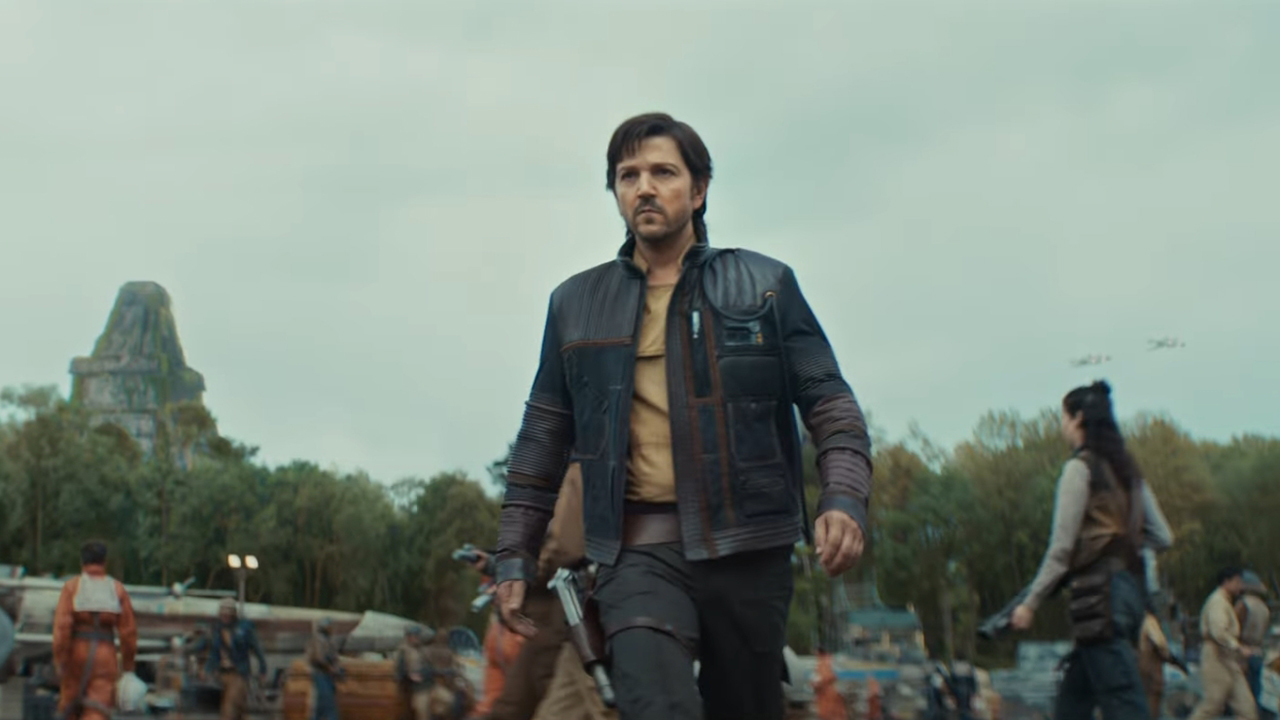
What truly captured the hearts of fans were its story arcs devoted to the Ghorman Massacre and the final arc that wrapped up the story lines of many characters including Cassian Andor himself. The last time we see him, he was departing for what would be his final mission in Rogue One. A mission he never returned from. What made his final on screen moments so heartbreaking was the revelation in Andor’s final scene that he fathered a child that he would never know. And no, this child is not Poe Dameron from the Star Wars Sequel Trilogy.

What made Andor so great and unique was that it had no connection to the Jedi, the Sith, or the larger Star Wars/Skywalker saga. It instead focused on random, everyday people living regular lives and how the Empire affected them to either join the cause or support the Empire through simple acts that cascaded into mass movements that affected the galaxy.

It should be noted that Andor was not the only TV show to break out of the traditional Star Wars mold. Others like Skeleton Crew and The Acolyte gave us different stories that took place at different time periods and had little to do with the Skywalker Saga. However, they were not as regarded as highly as Andor.

Continue reading