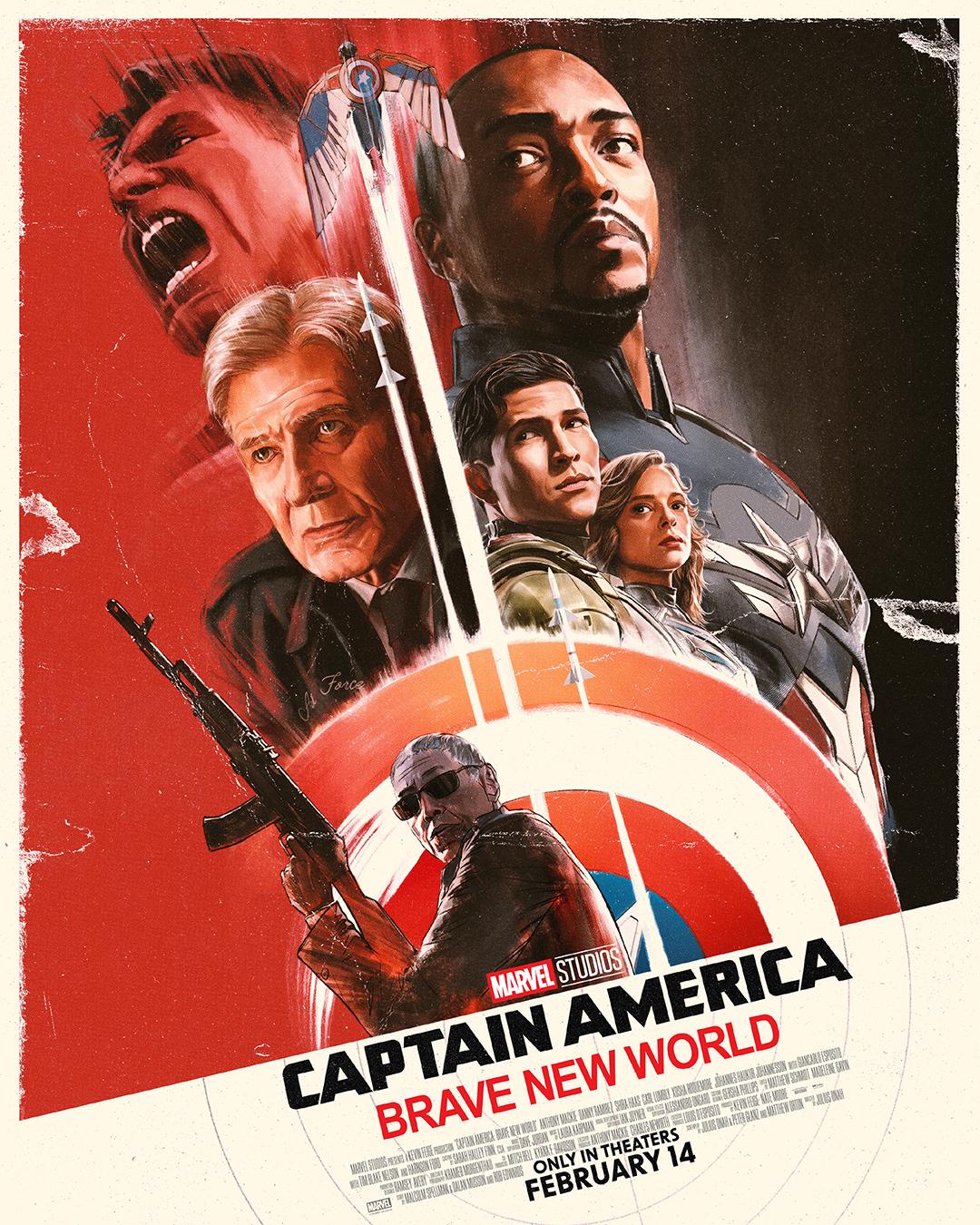
Despite what many people are claiming online, the fourth Captain America film, Captain America: Brave New World, is not a misfire. It’s not perfect and has to be ranked fourth in the Captain America film series of the Marvel Cinematic Universe (MCU). Yet, it largely hits the mark and is a solidly good political thriller. There will be SPOILERS.
The film serves many functions. It is a continuation of the Disney + TV show, The Falcon and the Winter Soldier and a semi-sequel to the film The Incredible Hulk. At the same time, it sets up future events in the MCU while answering a nagging question from Eternals.
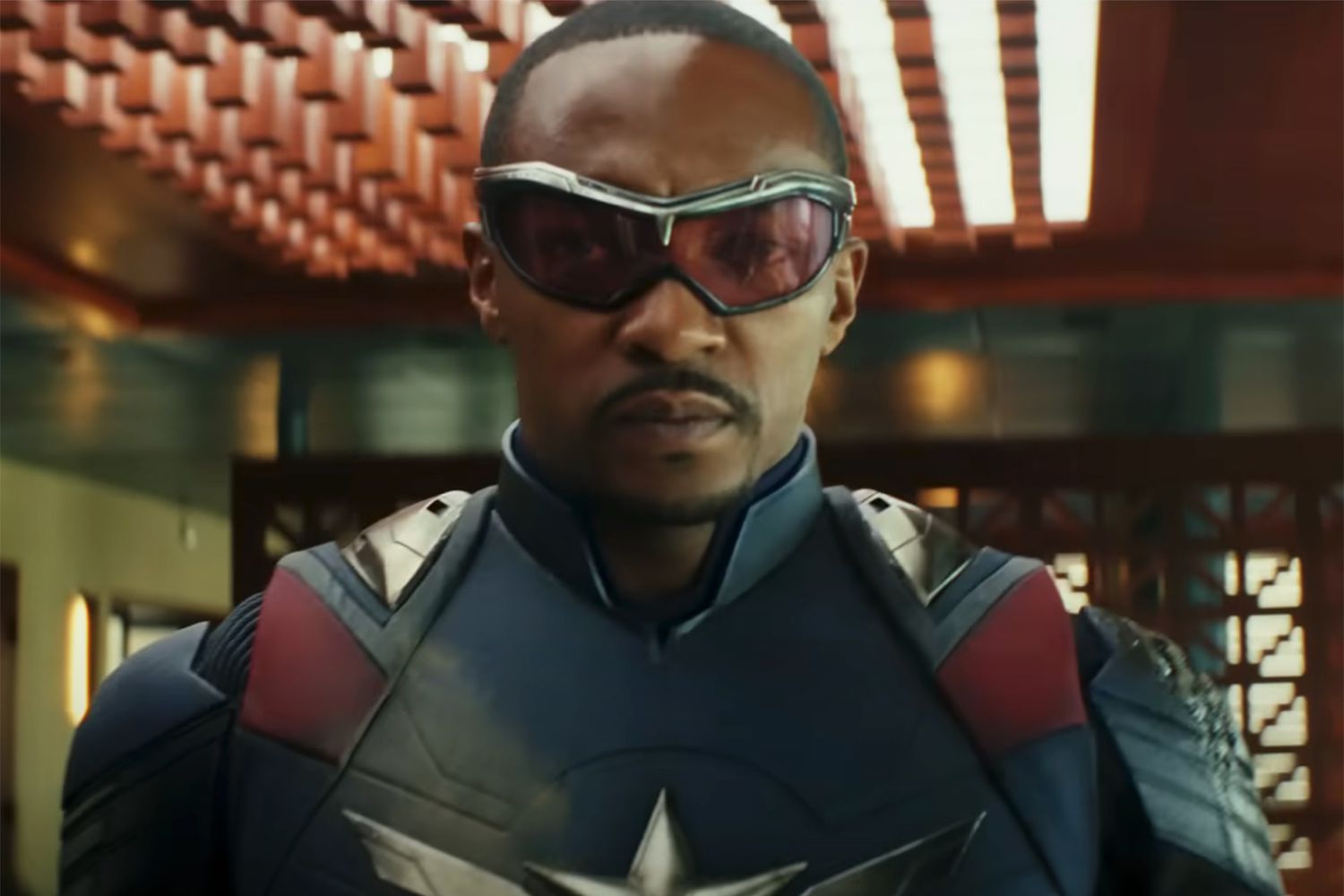
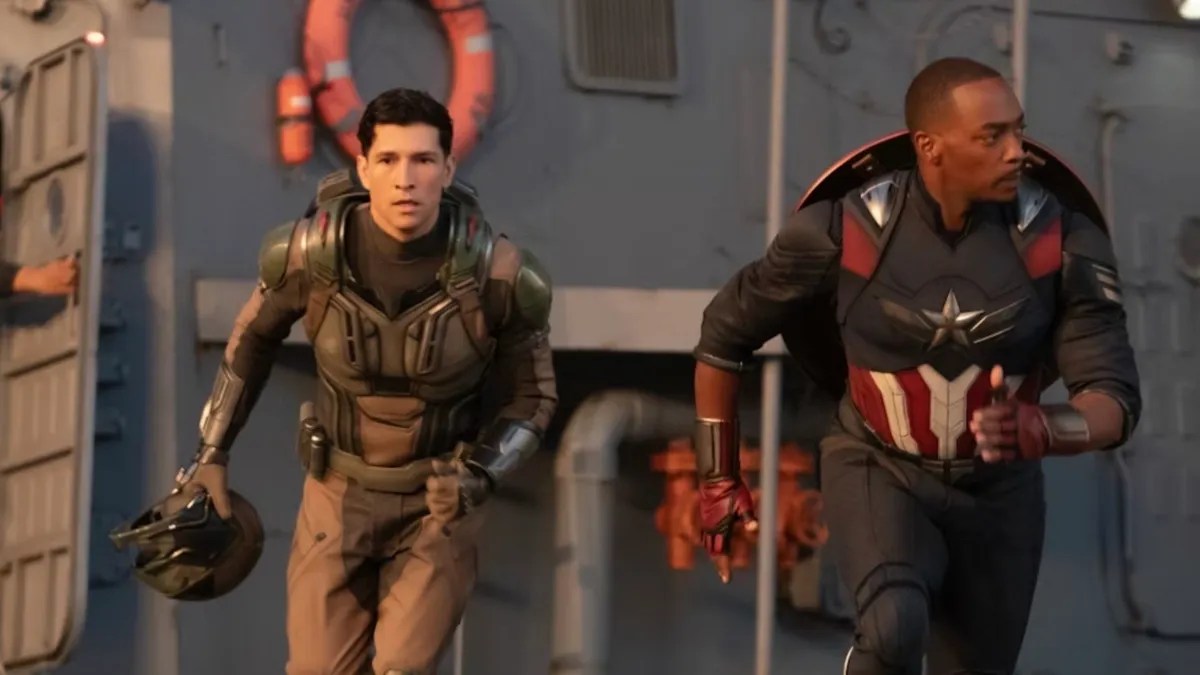
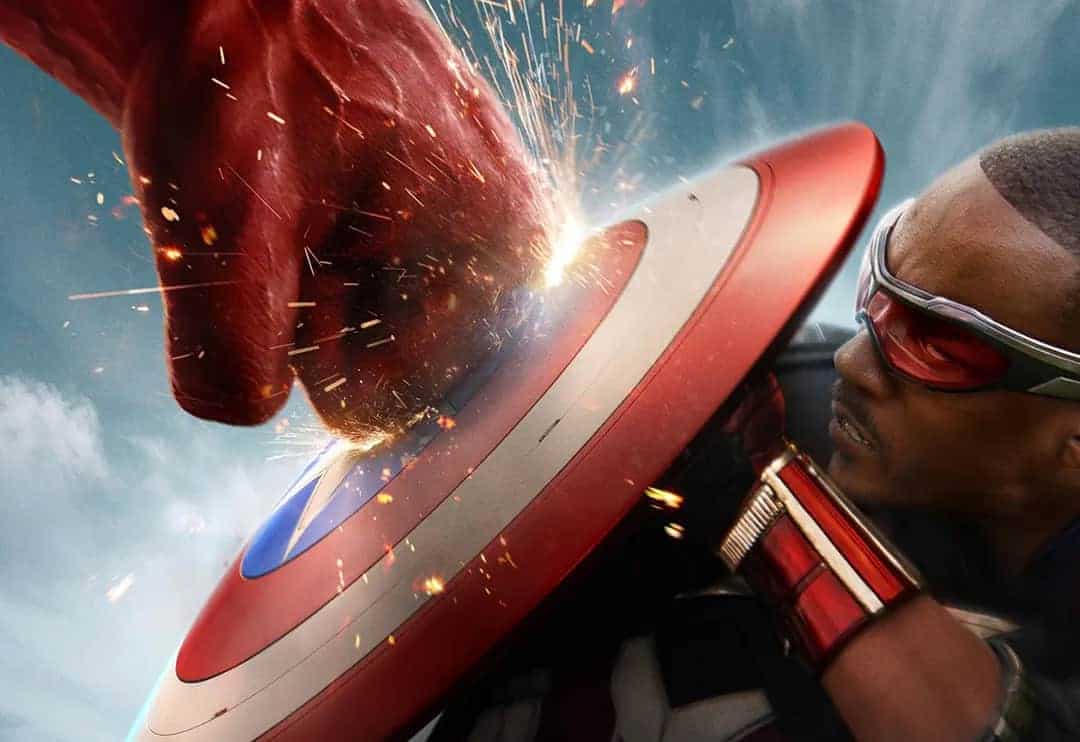
This is the first Captain America film to not feature Steve Rogers as the superhuman soldier. Instead, the mantle is taken up by Steve’s former partner and friend Sam Wilson (Anthony Mackie), a non-superpowered former soldier. In addition to his combat training and wits, Sam dons an armored suit made of vibranium that provides protection with its unique property of absorbing and dispelling kinetic energy. The suit also allows Captain America to fly and is adorned with drones called Redwing. Then there is Captain America’s nearly indestructible shield which was given to him by Steve. Even with all these adornments, Sam is conflicted about his capability to live up to the name of Captain America. But thankfully, by the end of the film he dispels his self-doubts.
Captain America: Brave New World begins with the U.S. presidential election of former general Thaddeus “Thunderbolt” Ross (Harrison Ford taking over the role from the late William Hurt). Despite his political victory, Ross is devastated over the fact that his daughter Betty (Liv Tyler) no longer talks to him due to his obsession in the past with hunting down her boyfriend Bruce Banner aka the Hulk.
Five months later, Captain America is working with the U.S. military to recover classified items from a terrorist group called the Serpent Society, who are also holding hostages. Sam lets his friend and partner Joaquin Torres aka the new Falcon (Danny Ramirez) recover the items while he rescues the hostages. During the rescue, Wilson meets the group’s leader Seth Voelker/Sidewinder (Giancarlo Esposito), who escapes.
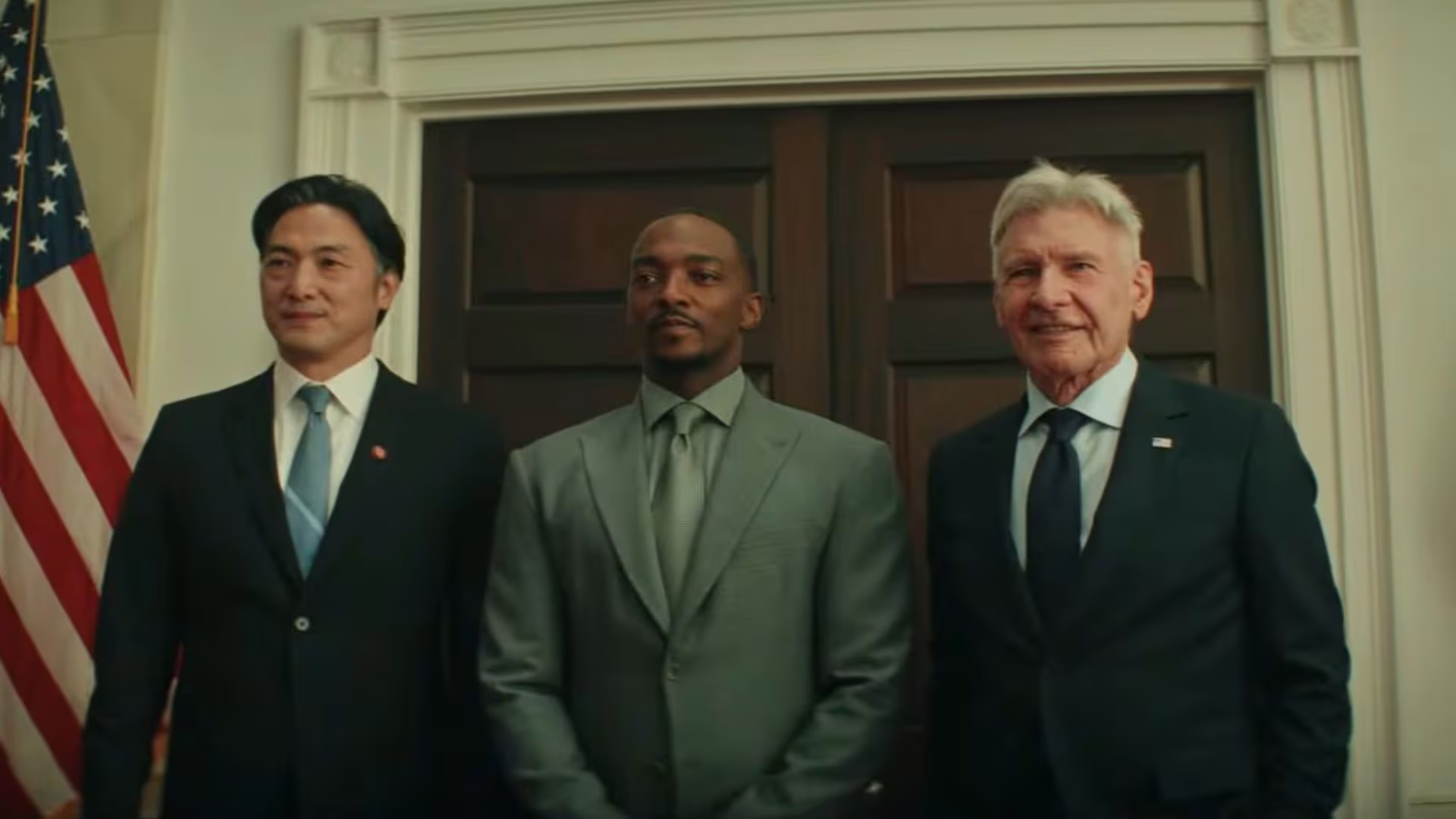
President Ross invites Sam and Torres to a White House summit with world leaders including those from India, Japan and France. Before the summit, Sam invited his friend Isaiah Bradley (Carl Lumbly) to the summit. Bradley was introduced in The Falcon and the Winter Soldier as a recipient of the super-solider formula that gave Steve Rogers his powers, but because he is Black, he was horribly treated and jailed by the U.S. government in the 1950s.
At the summit, Ross tries to make amends with Sam due to the antagonistic relationship he had with superheroes like Sam and Steve in past MCU films. He also asked Sam to rebuild the Avengers team, but Sam is hesitant because the team would have to answer to Ross. Still, Ross is willing to negotiate with Sam.
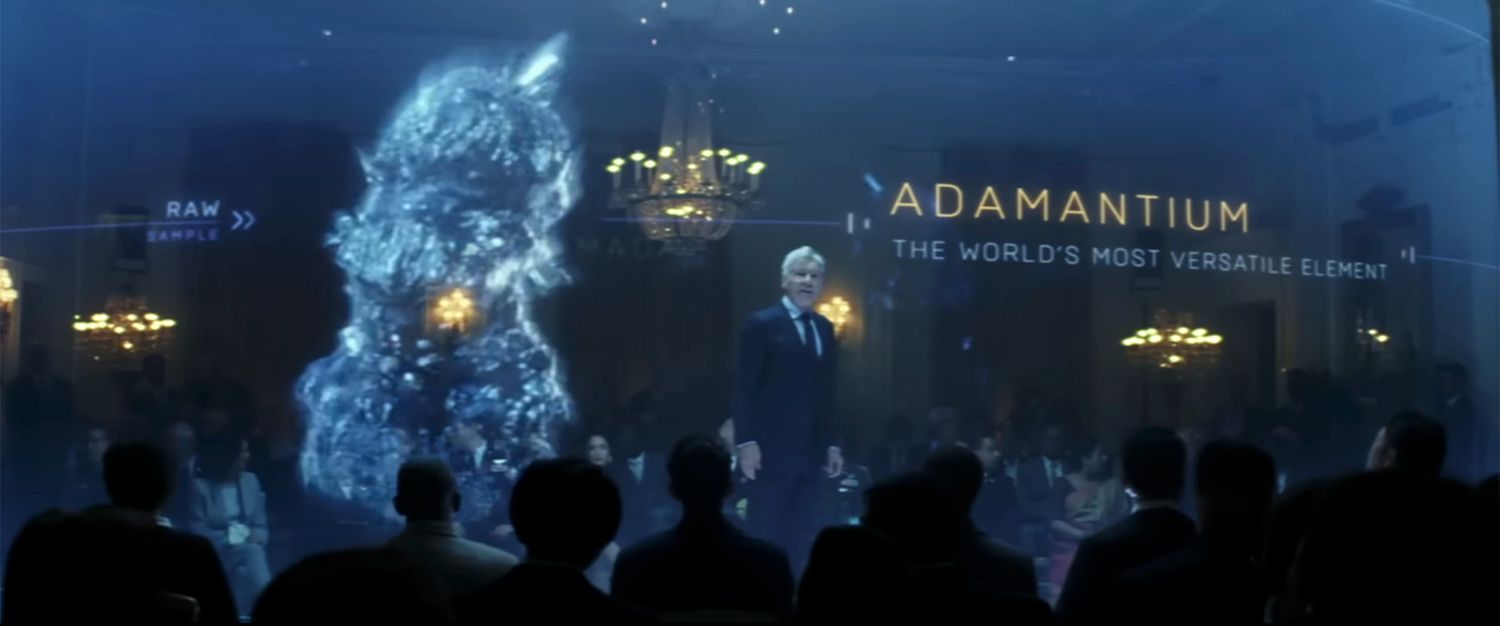
During the summit, it’s revealed that the items Sam and Danny recovered were Japanese samples of a new metal called adamantium that is stronger than vibranium. This metal was found on the newly created Celestial Island in the Indian Ocean and is part of the remains from the Celestial that the Eternals killed in their film. Ross proposes a treaty to mine and distribute the adamantium worldwide as a counter to the nation of Wakanda who exclusively owns vibranium. The event is going well until Bradley and few government agents get a musical signal which triggers them to attempt to assassinate Ross.
Even though Ross is saved, the summit is considered a failure as Japan blames the U.S. for the theft of the adamantium and threatens to pull out of the treaty. Sam, Danny and Ross realized that the person behind the theft and the assassination attempt was Dr. Samuel Sterns (Tim Blake Nelson). During the events of The Incredible Hulk, Sterns was infected by Banner’s gamma-irradiated blood and became a disfigured mutate called the Leader with an exposed cranium and the capability of a quantum computer. After that film, Ross imprisoned Stearns and secretly used Stearns’ advanced intellect to advance his career and keep him healthy.
After Sam and Danny try to confront Stearns, he escapes custody and launches a new plot to create a war between the U.S. and Japan and ruin Ross politically to get revenge on Ross. It is clear that Ross is having trouble dealing with the stress, which threatens to get out of control, and leads to Stearns’ trump card on Ross by turning him into a Red Hulk.
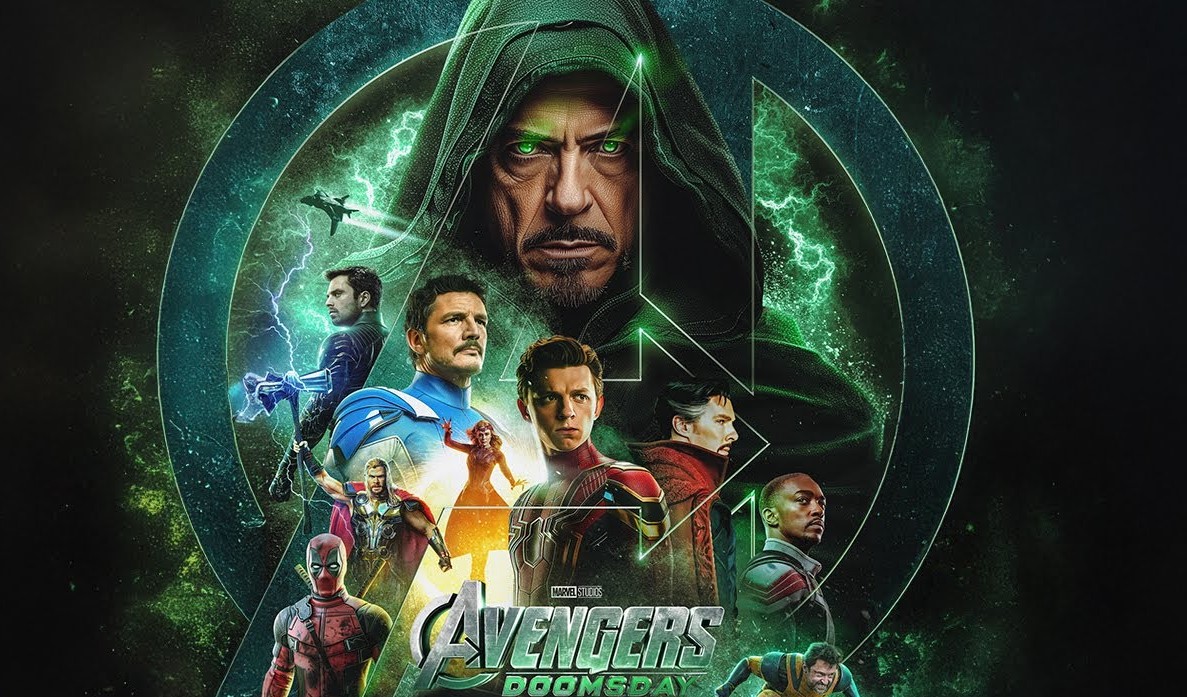
This week Captain America: Brave New World, the penultimate film of Phase Five of the Marvel Cinematic Universe (MCU), premieres in theaters. Then on May 2, Thunderbolts*, closes out Phase Five, with Phase Six beginning a few short months later with The Fantastic Four: First Steps. From there it’s a very short trip to next year with Avengers: Doomsday, the beginning of the end for the MCU’s Multiverse Saga.
For some MCU fans this conclusion comes as a relief given the checkered record with the Multiverse Saga. Unlike the celebrated Infinity Saga, which consisted of Phases One, Two and Three, the Multiverse Saga has been inconsistent in terms of quality and execution. A lot of blame has to go to the Disney executives who demanded that Marvel Studios crank out too many MCU film and TV projects before they were properly developed in a short amount of time. Naturally, this diluted Marvel Studios resources and personnel to the point that special effects studios rebelled against Marvel Studios for being overworked on their assigned projects. What was worse was that the results of the studios stretching themselves too thin became very apparent on screen. For every success like Guardians of the Galaxy, Vol. 3 and WandaVision there were colossal failures like The Marvels and Secret Invasion.
But what made the Multiverse Saga so unsatisfying was that many of the projects did not add to an overall storyline. Unlike the Infinity Saga, where many films contributed to a larger storyline, this was not the case with the films and TV shows of Phases Four and Five. It was evident that a larger story was not being developed properly and some projects that were supposed to advance it did not succeed. It got to the point that Marvel Studios had to do a radical course correct and change the main villain of the Multiverse Saga from Kang the Conqueror to Doctor Doom.
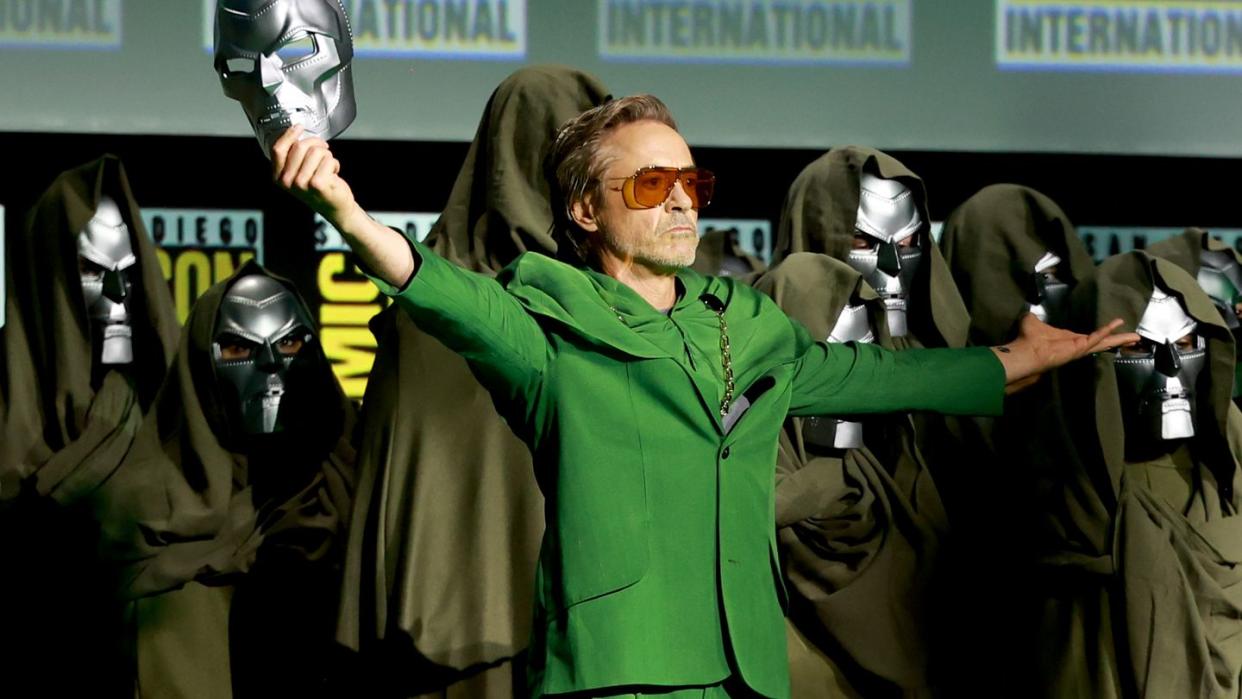
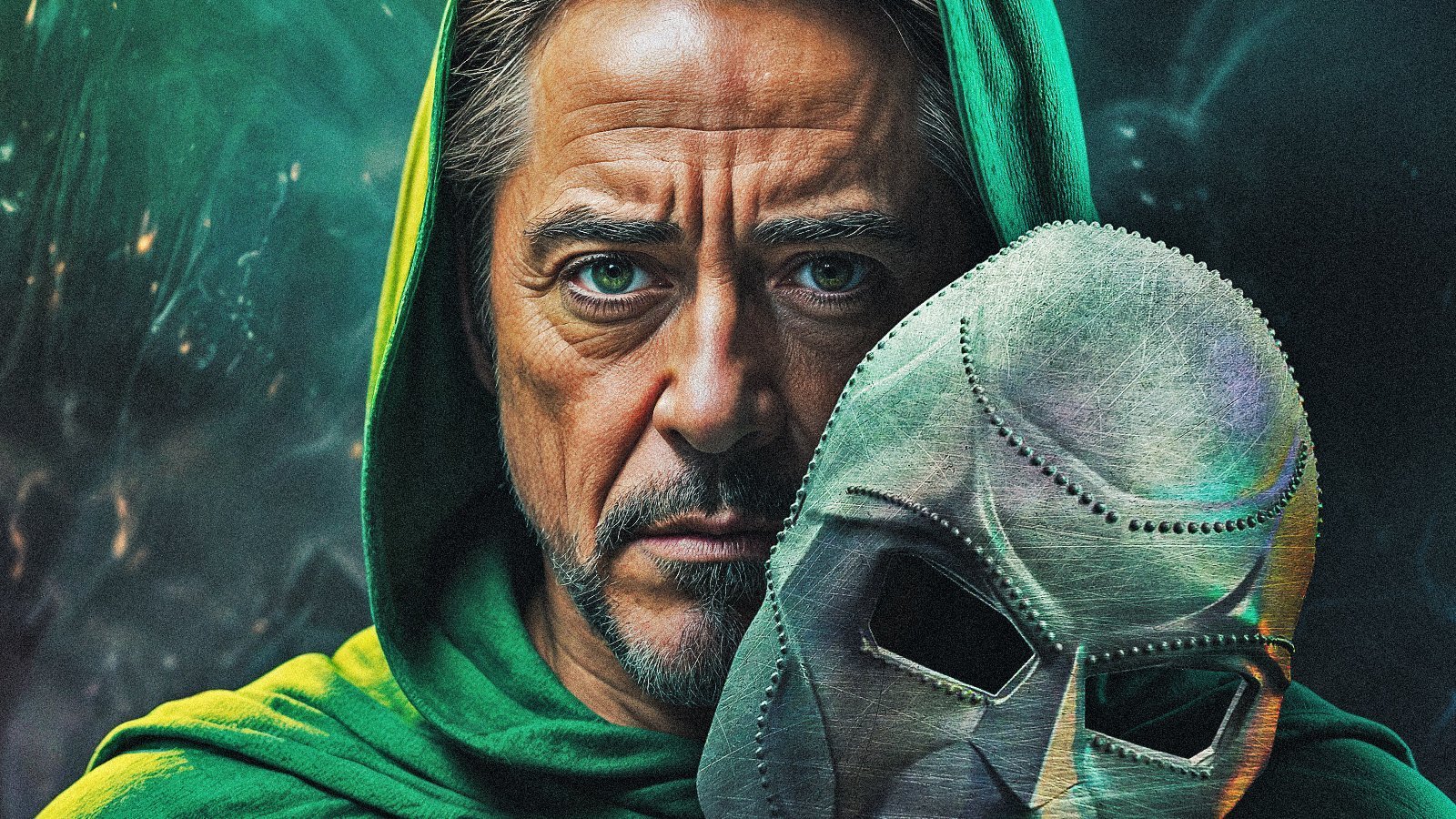
The reaction to Doctor Doom being the main villain of the saga received mixed results, especially after the revelation that Robert Downey, Jr. would play the Latverian dictator. This casting raised many questions about whether or not Doctor Doom was a variant of Tony Stark, the hero that Downey played in the Infinity Saga. Some claimed this was a desperate move by Marvel Studios and Disney to generate excitement and attention. Well, it probably was, but it looks to be working.
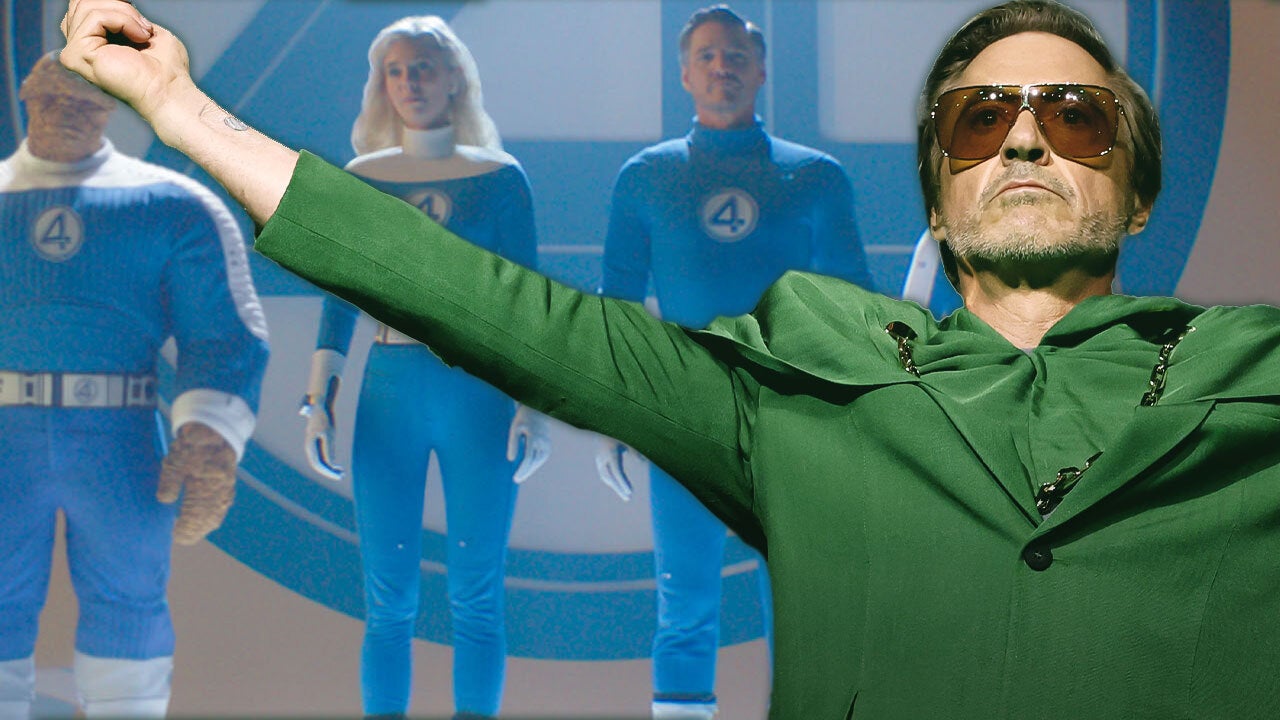
However, given the short period of time before Avengers: Doomsday, Marvel Studios has to get the ball going with Doom. Frankly, Marvel Studios should have taken steps by now to establish him. Looking at the release schedule for films this year there is this week’s Captain America: Brave New World, then Thunderbolts*, and finally The Fantastic Four: First Steps, which is the start of Phase Six. Normally, Doctor Doom is a major Fantastic Four villain and should have been the main antagonist in The Fantastic Four: First Steps but thanks to the poor reception of the villain in previous versions of the Fantastic Four, the new FF film had to go with another villain (Galactus). After that the next MCU film is scheduled to be Avengers: Doomsday.
Unlike Thanos, who was carefully teased over years in the Infinity Saga, it seems as if we’re jumping right into Doctor Doom. Being that he is the number one villain in Marvel Comics, Doctor Doom deserves more build up. At the very least he or his country should have been name dropped in recent projects such as Deadpool & Wolverine or What If…?
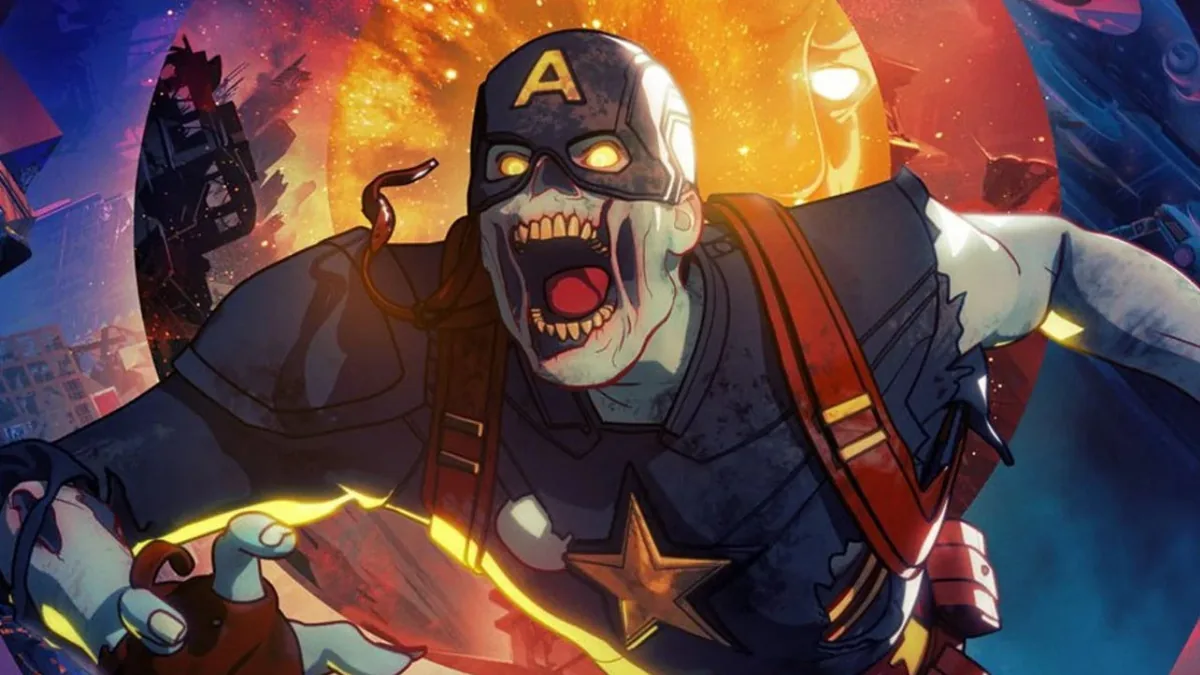
We’ll soon find out if he will be teased in a post-credits scene in The Fantastic Four: First Steps or even mentioned in Captain America: Brave New World. Hell, even an Easter egg or two will work at this point. It would be a missed opportunity of epic proportions if he is not even referenced in the Fantastic Four film because after that it would be difficult to try to set him up in the remaining MCU projects before the Avengers film. He can be referenced in Captain America: Brave New World since that film will set up the forming of a new Avengers team, and mutants for the next MCU saga. He can also be teased in Thunderbolts* but it’s anyone’s guess as to how. The same goes for the TV projects like Daredevil: BornAgain, Ironheart, Eyes of Wakanda, Marvel Zombies and Wonder Man. Aside from Marvel Zombies, none of the TV shows would be a good vehicle to feature Doctor Doom.
Of course, Marvel Studios could surprise all of us and announce that another film will come out after The Fantastic Four: First Steps and before Avengers: Doomsday and it must feature the armored tyrant in some capacity. What could that film be? Doctor Strange 3? On the other hand, do not be surprised if the next Avengers film gets its release date changed because we haven’t heard anything concrete about the actual production and Marvel Studios has to get started very soon to meet the May 2026 release date. It would not be the worse thing if Avengers: Doomsday is delayed by a few months or even a year since this would not only allow the hype to grow for it but to better set it up with upcoming projects.
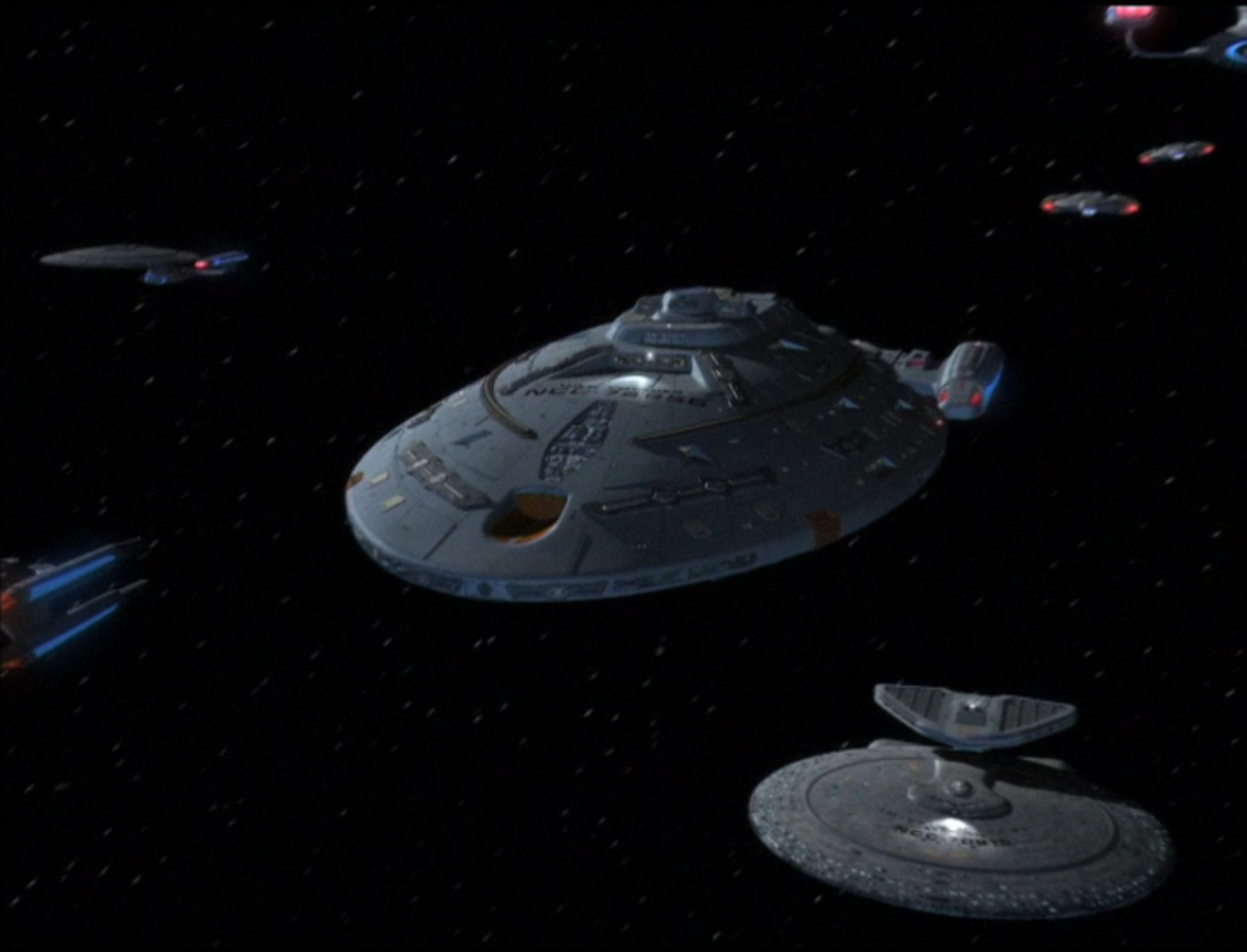
It has been 30 years since the first episode of Star Trek: Voyager debuted, yet it is still fondly remembered today, especially when it is compared to many modern Star Trek TV shows. Let’s take a look back at Star Trek: Voyager as its 30th anniversary is celebrated.
Flagship Show
Star Trek: Voyager was the flagship TV show of the fledgling United Paramount Network (UPN) that launched on January 16, 1995, with the airing of “Caretaker” the pilot episode of Star Trek: Voyager. When the TV show premiered it was largely anticipated though many fans had reasonable reservations about yet another Star Trek TV show. After a decades-long drought, fans were inundated with TV shows starting with Star Trek: The Next Generation (TNG), which was followed by Star Trek: DeepSpace Nine (DS9), and then Star Trek: Voyager. It was supposed to address complaints Paramount Pictures executives had about DS9 for straying too far from standard Star Trek.
Showrunner Rick Berman, who also ran TNG and DS9, was reportedly hesitant to produce another Star Trek TV show that would run concurrently with DS9. However, the Paramount Pictures executives were adamant about creating another Star Trek TV show that more closely followed the standard starship-visiting-planets formula to help launch UPN. Given this task, Berman and his associates sought to differentiate Star Trek: Voyager from other Star Trek TVshows.
A Lost Crew in Space
The premise was fairly simple, a starship called Voyager from the United Federation of Planets and Earth is flung to the far corner of the galaxy (the Delta Quadrant) with a crew made up of Starfleet officers and renegade Maquis freedom fighters (more on them later). With limited resources and on their own, the Voyager crew has to find a way back home while exploring on the side and encountering strange new worlds, yada yada.
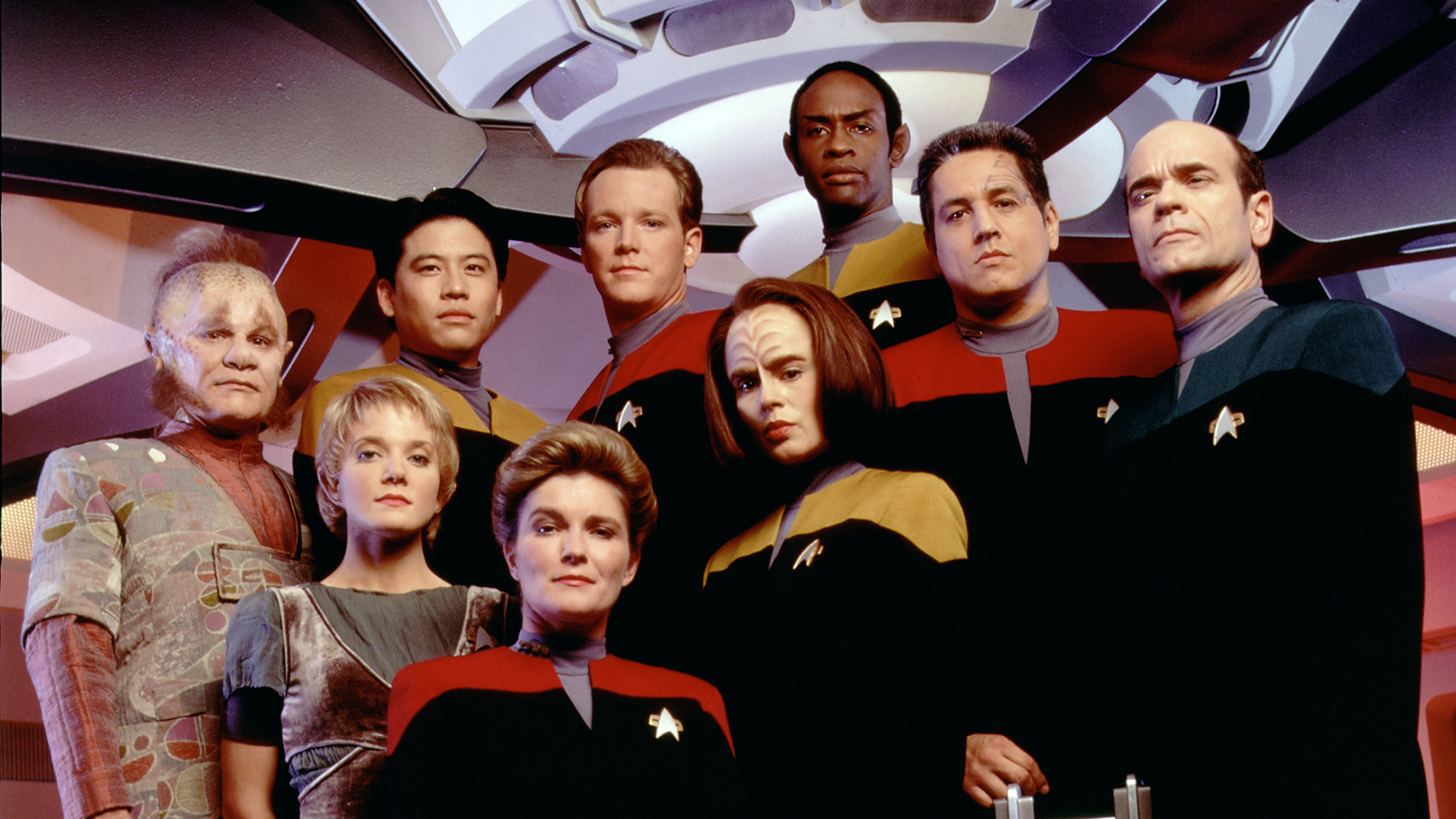
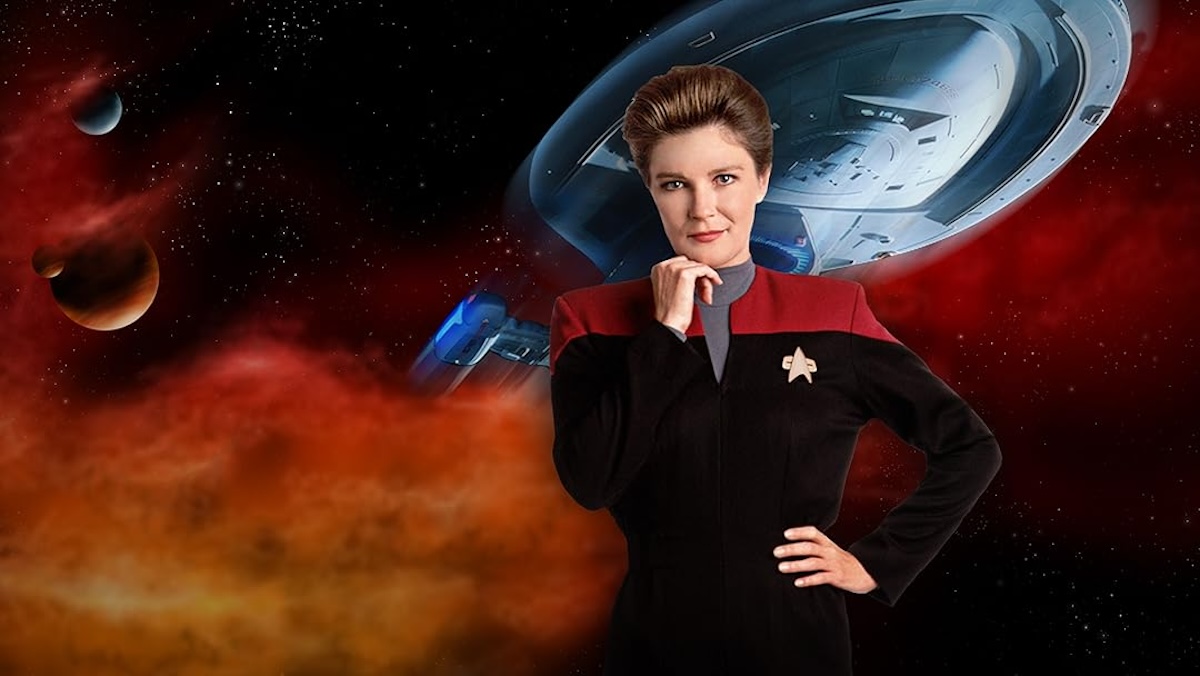
Kate Mulgrew starred as Captain Kathyrn Janeway, who commanded the Voyager and was dedicated to upholding Starfleet’s ideals while protecting her crew. At the time of her casting, there was a lot of hoopla and celebration because the main character of a Star Trek TV show was a woman. Other characters included the ship’s first officer, Chakotay (Robert Beltran), the leader of the Maquis and a former Starfleet officer, Tuvok (Tim Russ), the ship’s stoic Vulcan security officer, Tom Paris (Robert Duncan McNeill), a disgraced former Starfleet officer who gets his chance at redemption by serving as Voyager’s helmsman, B’Elanna Torres (Roxann Dawson), a half-Klingon Maquis member who became Voyager’s chief engineer, Harry Kim (Garrett Wang), a young Starfleet ensign on his first assignment, and the Doctor (Robert Picardo), a holographic medical program that performed the duties of the ship’s chief medical officer.
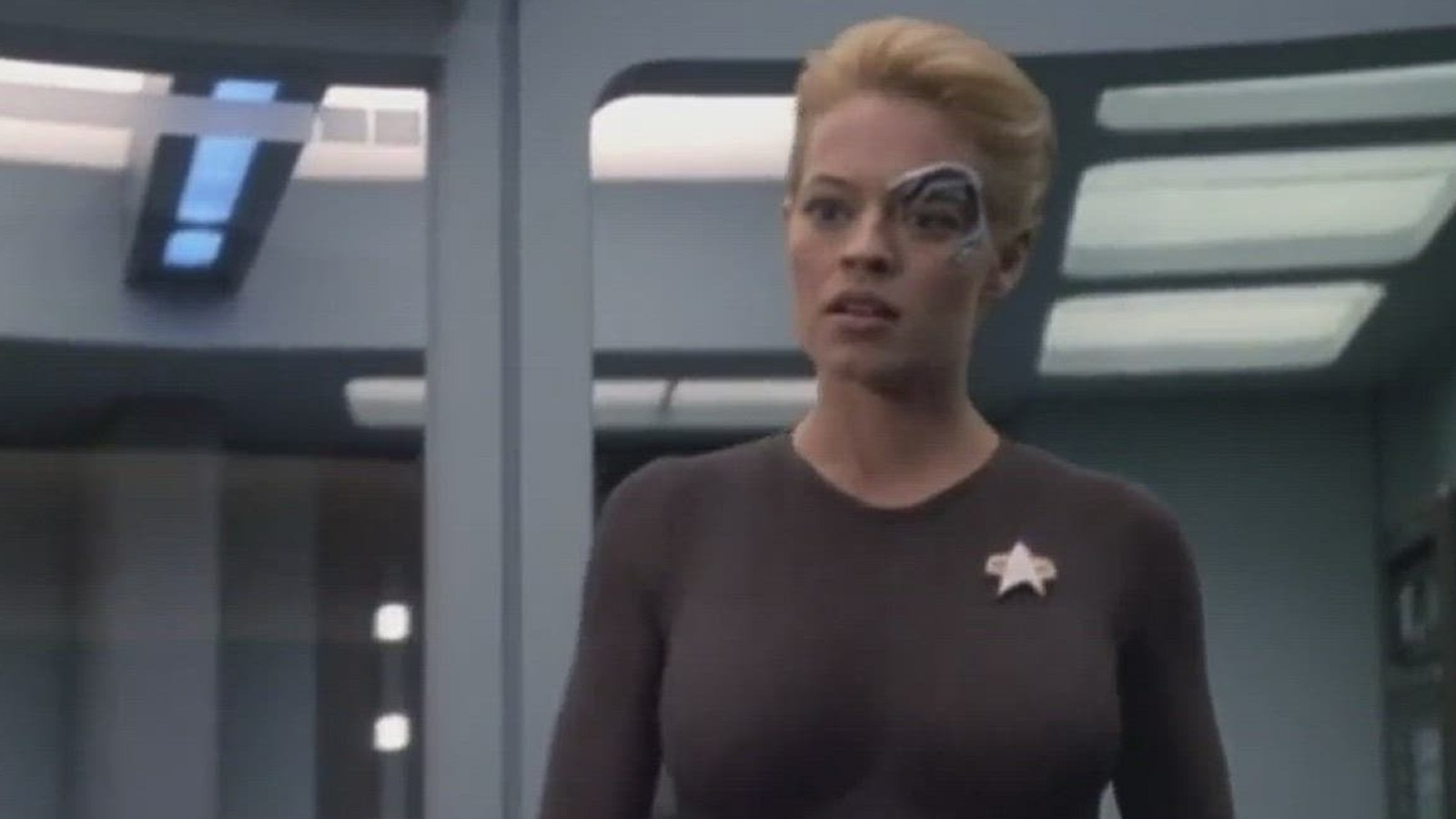
At the end of “Caretaker”, Voyager picked up two alien shipmates who are native to the Delta Quadrant and bring needed knowledge about the local space. They are Neelix (Ethan Phillips), a Talaxian drifter who ends being the ship’s cook and ambassador of sorts, and his girlfriend Kes (Jennifer Lien), an Ocampan who operates as the Doctor’s medical assistant and helps the program develop a personality. As the series progressed, it added Jeri Ryan to the cast as the former cybernetic Borg drone called Seven of Nine while Lien departed the series. Seven of Nine became the show’s breakout character thanks in part to the performance of Ryan as she served as the show’s version of Spock. In other words, a stoic outsider who questioned humanity while discovering her own.
Essentially, the TV show combined aspects of the original Star Trek and Lost inSpace, and it worked for the most part. Yet, there was glaring issues with the TV show which turned out to be a harbinger for the creative drought the StarTrek franchise was beginning to suffer from at that time.
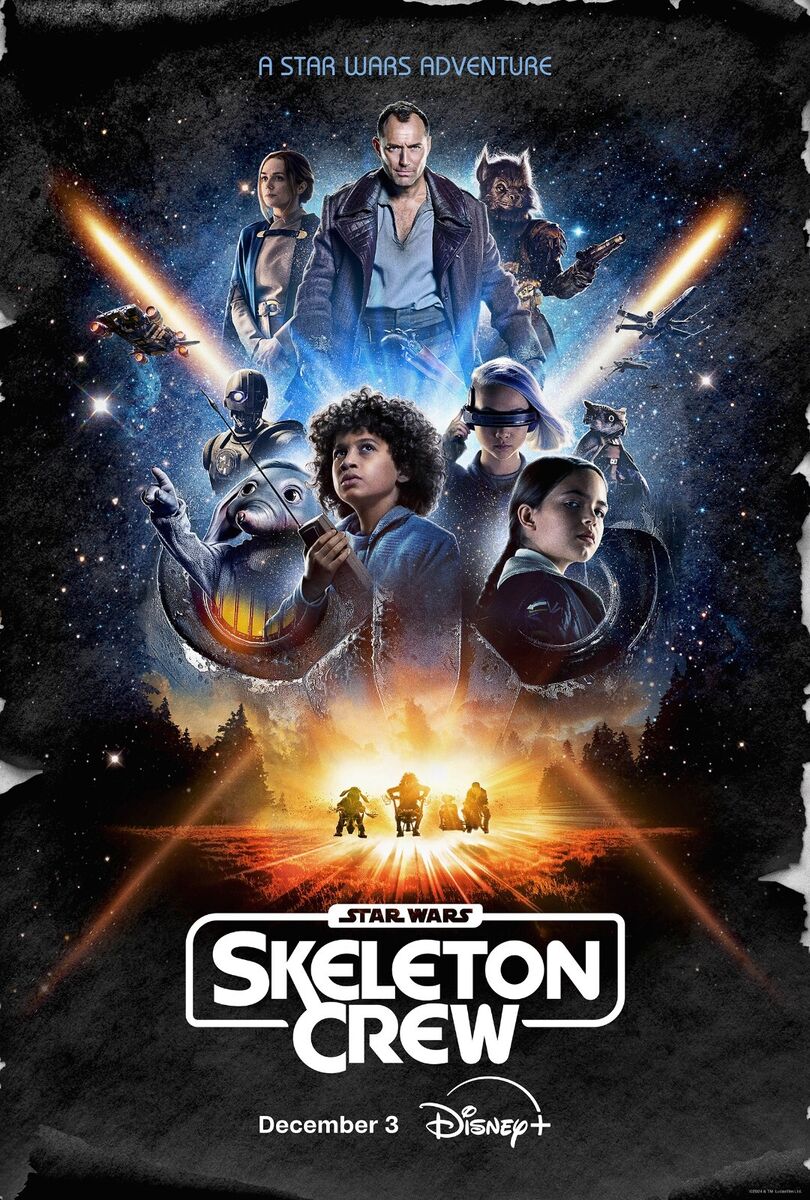
When Star Wars: Skeleton Crew was first announced to stream on Disney +, few fans could muster any excitement for it. The only thing of note about the TV show was that it was co-created by Jon Watts, the director of the recent Spider-Man films. What did not help was that very little was known about it except that it involved children. Most fans were quick to write off Skeleton Crew as a kids show on the level of those Spy Kids films. Well, imagine everyone’s surprise when the TV show turned out to be much, much better than expected.
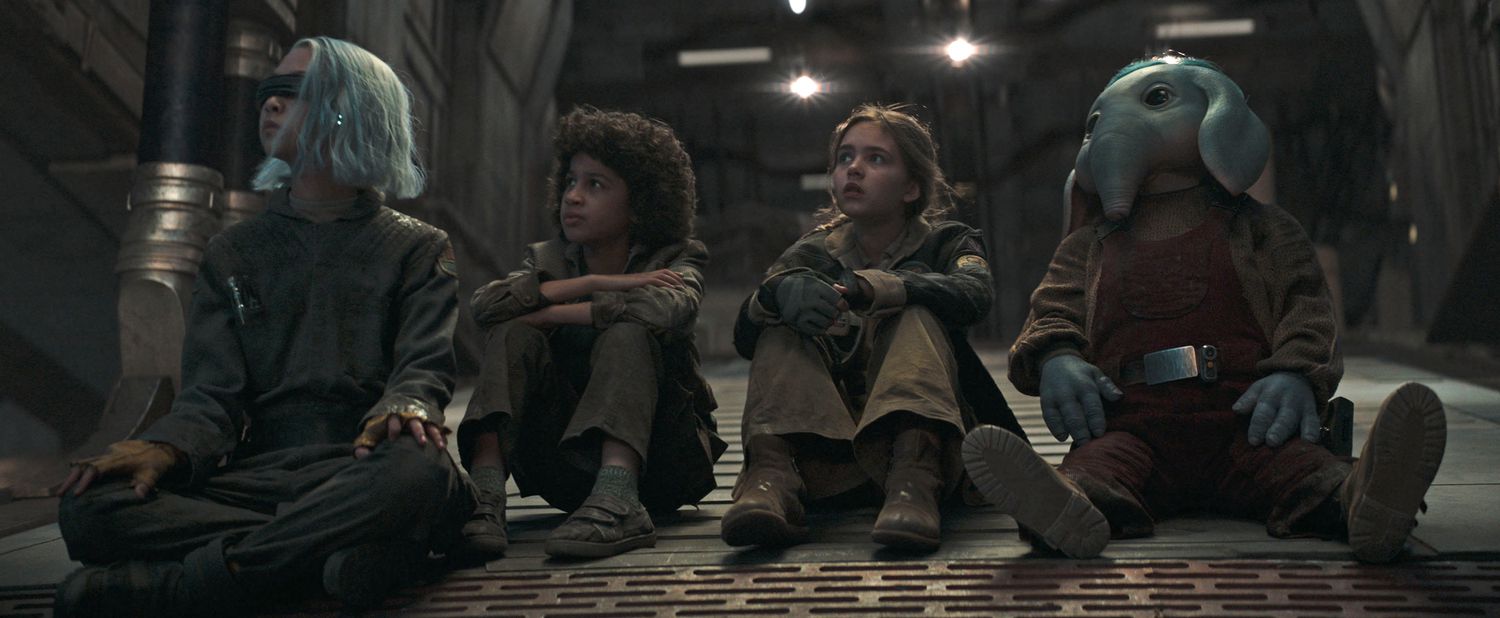
Star Wars: Skeleton Crew tells the story of four children living a typical suburban lifestyle on the planet of At Atin who end up getting much more than they anticipated when they set out to inject some adventure into their lives. The show centers on Wim (Ravi Cabot-Conyers), a boisterous young human boy who hangs out with his best friend Neel (voiced by Robert Timothy Smith), an elephantine boy. Together, the boys go through the usual trivialities in their dull suburban lives. Wim dreams of adventure but is slated to become a bureaucrat like his father (Tunde Adebimpe) and every adult on the planet.
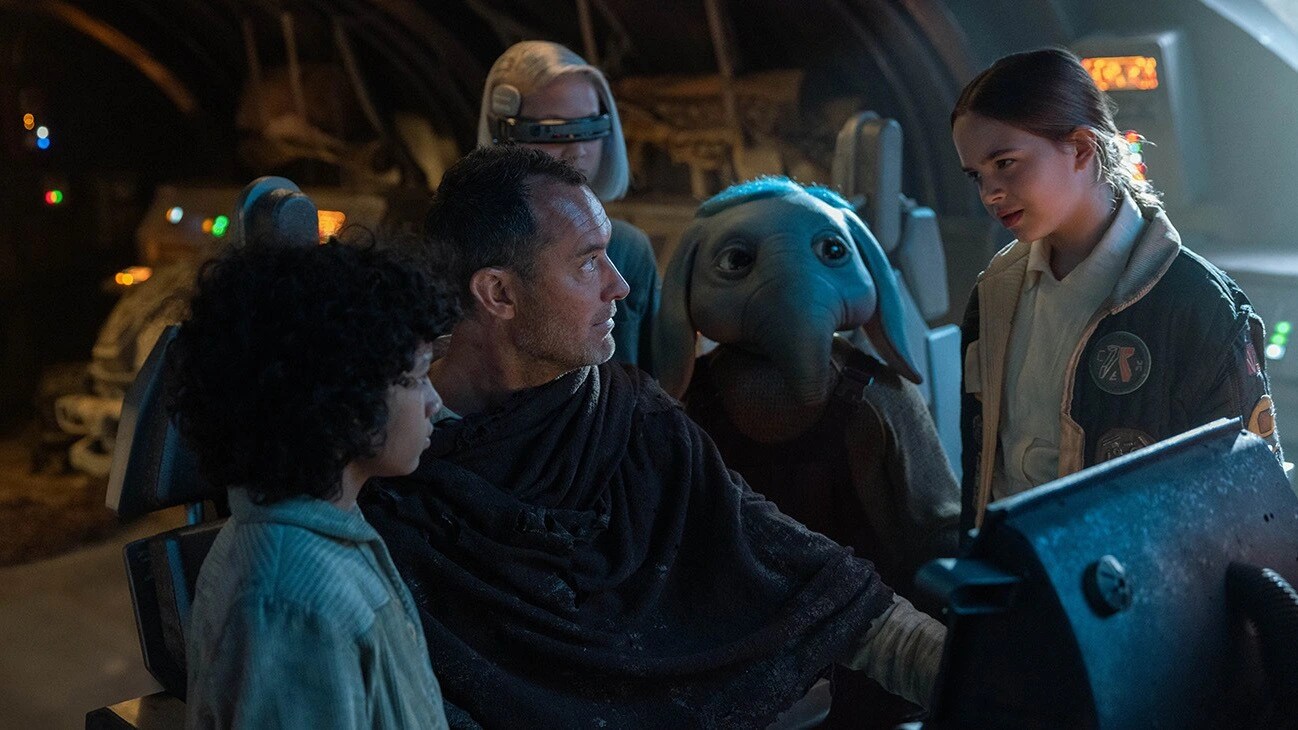
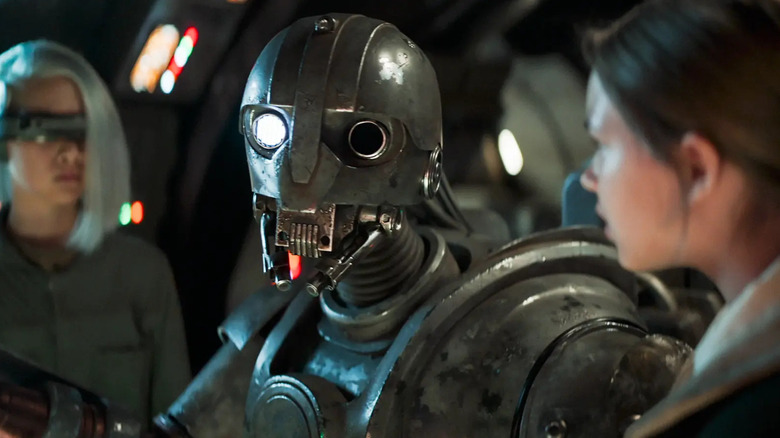
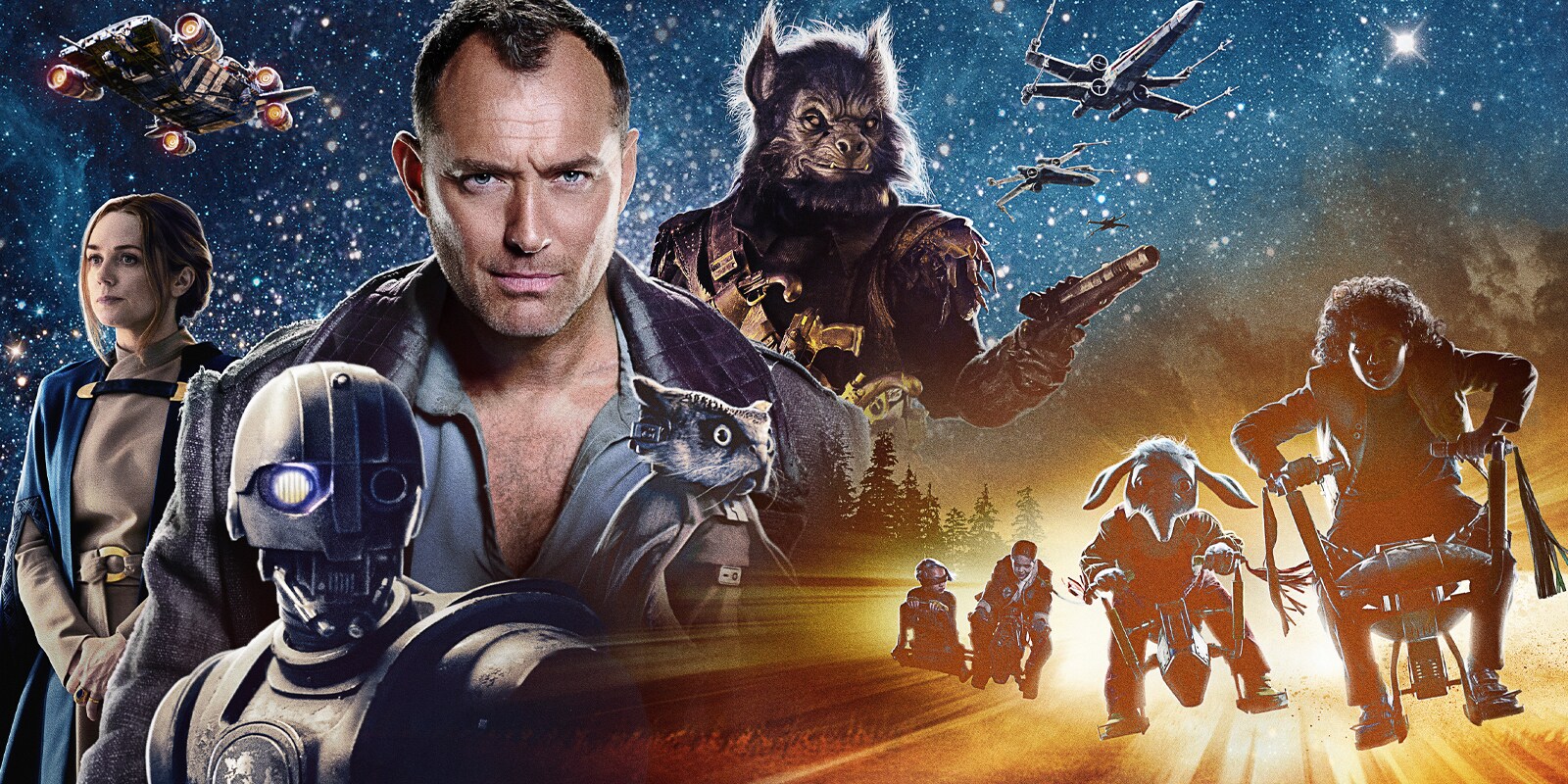
One day, the two boys meet two young human girls, the headstrong Fern (Ryan Kiera Armstrong) and the quiet KB (Kyriana Kratter), the latter who is a cyborg. The four find a buried starship and accidently activate it, which then takes off and leaves At Atin with the children onboard. They soon get lost in space, unable to navigate their way back home, as the ship’s pilot, the pirate-like droid SM-33 (voiced by Nick Frost) takes them to a space pirate outpost. Once there, the pirates take an interest in the children after they use a rare form of currency called dataries which is highly prized in the galaxy. The dataries are a commonplace on At Atin where they are minted, and it is revealed that the planet is nearly mythical to the outside galaxy. After getting into trouble with the pirates, the children and SM-33 meet the final member of their ragtag crew, the pirate Jod Na Nawood (Jude Law), who is Force sensitive and promises to get the children home in exchange for a reward.
Throughout the episodes, the skeleton crew avoid mishaps and stay on step ahead of pirates as they desperately search for a route back to At Atin. But many questions are raised in this TV show, such as why is At Atin hidden? Who is Jod exactly? Was he a former Jedi? It is revealed several times that he has numerous names such as Dash Zentin, Crimson Jack and Mad Captain Silvo and has run afoul of numerous people they meet on their journeys. The children and the audience are constantly wondering if Jod could be trusted because of his constant lying and mysterious motives. These questions and many others are what help make Star Wars: Skeleton Crew such a pleasant and engaging adventure.
In addition to the many questions, the TV show has a genuine and natural sense of adventure that never talks down to the audience. Even though it primarily features children, the TV show is not a kids show. Think of it more in the tune of Stranger Things, or TheGoonies, or Steven Spielberg’s films from the 1980s that featured children but could be enjoyed by everyone.
What also makes Star Wars: Skeleton Crew so distinctive is that while it is set in the StarWars universe, it isn’t beholden to the primary stories set in that universe. There is never any mention of the Skywalkers, the Empire and the Jedi are for the most part considered to be myth. Unlike say, Ahsoka, where you had to know what happened in Star Wars: TheClone Wars and Star Wars: Rebels, anyone can easily follow Skeleton Crew with little or no knowledge about the greater Star Wars universe.
As with other Star Wars productions, Star Wars: Skeleton Crew has cinema-quality production, special effects and other technical merits which elevate the TV show. The early scenes in At Atin perfectly evoke the humdrum, yet ethereal aspect of those 80s Spielberg films. Anyone could sympathize with Wim and the other children, who are bored in their comfortable lives and want something more. In many ways, the TV show emulates aspects of The Wizard of Oz and Treasure Island with its tale of youngsters swept up in a grand adventure with its own unique take.
Another important feature with the TV show and why it works, are its characters. They are all interesting with distinct personalities and backgrounds. Plus, the people the skeleton crew meet throughout the show are also as engaging. One standout was the owl-like Kh’ymm (voiced by Alia Shawkat), a Yoda-like associate of Jod that does not trust him. Then there is SM-33, he perfectly emulates a scraggy pirate with his speech patterns, his wobbling gait and code of honor. SM-33 steals many scenes and is easily one of the best droid characters featured in any Star Wars production. And yes, his name is a play on Smee, Captain Hook’s right-hand man in Peter Pan.
Jude Law was also a standout in the show as Jod and instantly became one of the most intriguing Star Wars characters ever. We want to root for him as he seems like a more devious version of Han Solo or Lando Calrissian but with a harder, deadlier edge. At the same time, his actions and words make us and the children hesitate in trusting Jod He is a true anti-hero and the less said about him in this spoiler-free review the better.
Of course, Star Wars: Skeleton Crew would not have worked if the children were not engaging or well portrayed. This was a difficult task for the show makers but they pulled it off with the casting and direction. The children are not know-it-alls. They make many mistakes, they get scared, they have insecurities, they act like the way children would probably behave in that situation. In other words, their behavior and vulnerabilities in this coming-of-age story were believable.
Star Wars: Skeleton Crew (and Star Wars: Andor) has proven how rich the Star Wars universe has become. It’s regrettable, that it has not had stronger streaming numbers. It deserves a second season or at least the characters should reappear in another Star Wars project. It is easy to see that these children would probably grow up to become members of the Resistance in the Sequel films and beyond. Perhaps word of mouth will help the show later, but we’ll see. Thankfully, we can enjoy these eight episodes of Star Wars: SkeletonCrew over and over again with our families.
Aside from the fact that the year 2025 means that this century is now 25 percent complete, this year promises many great genre films and TV shows for our enjoyment. Here is the list of the most anticipated films and TV shows for 2025. But note that as always, some of the projects listed will either be delayed to another year or turn out to be hot garbage and/or won’t necessarily be among the best films or TV shows when the year is complete. With that, let’s check out what 2025 has in store for us.
Films
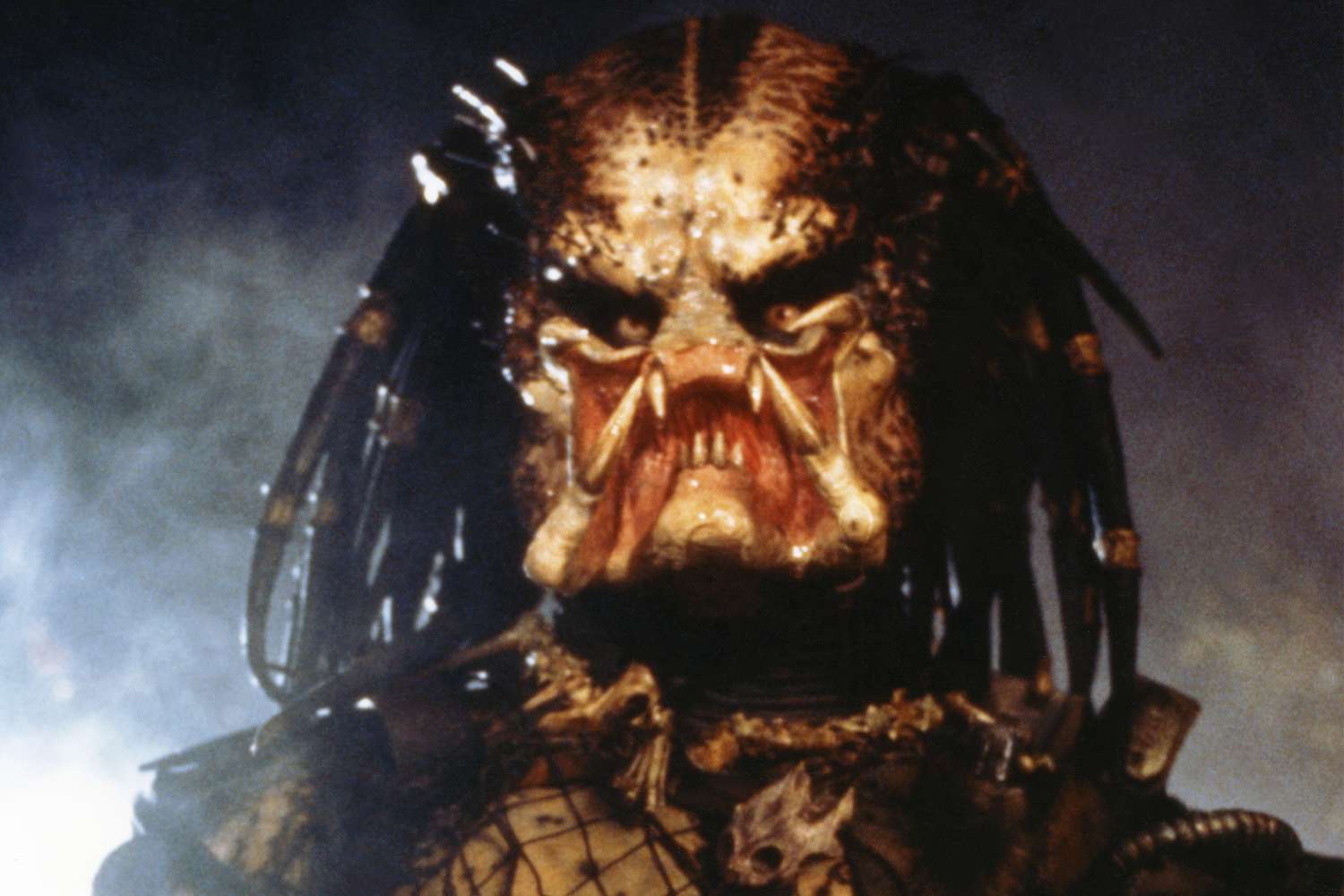
10. Predator: Badlands
The film Prey turned out to be a great surprise as it jumpstarted the Predator franchise. The director of Prey, Daniel Tracthenberg, returns with a fresh new premise as the new film is told from the point of view of the Predator.
9. Jurassic World: Rebirth
The Jurassic Park/World franchise starts off with a new premise and cast as dinosaurs have become an endangered species. Calamity ensues (as always) when humans try to gather genetic material from the last remaining dinosaurs on an island.
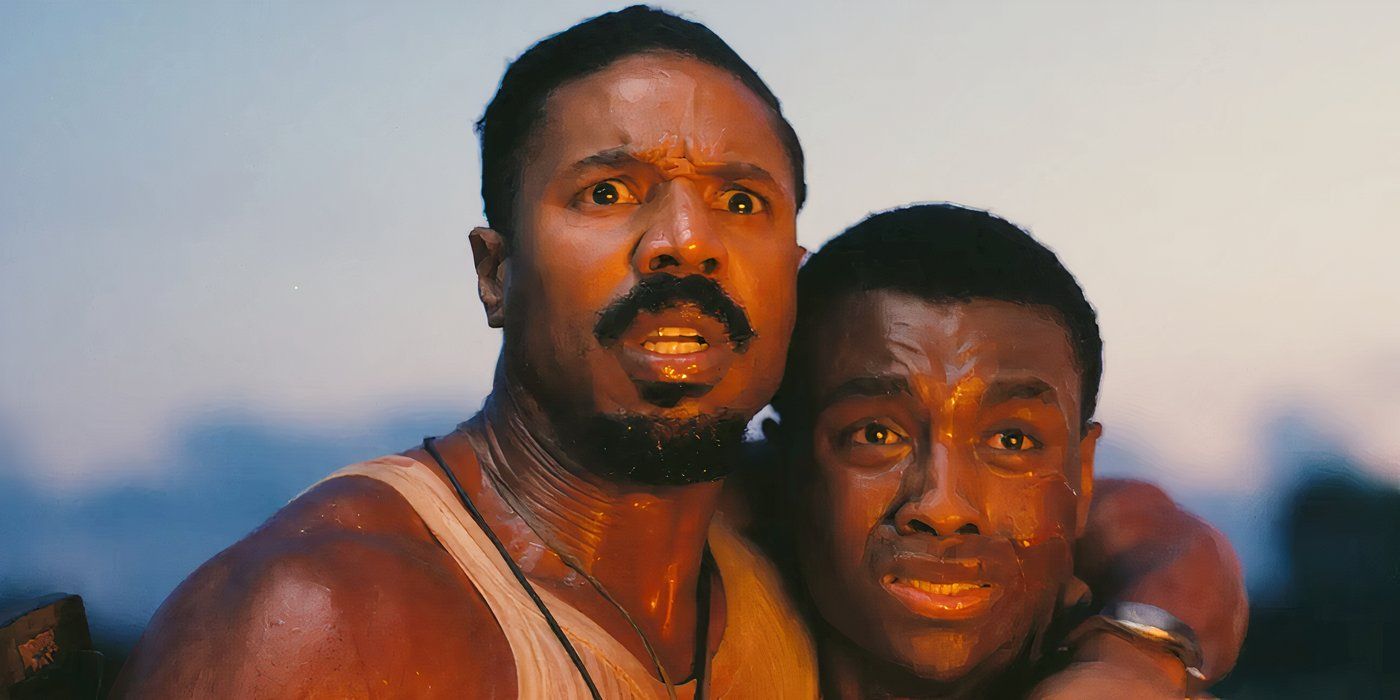
8. Sinners
Black Panther Director Ryan Coogler teams up again with actor Michael B. Jordan in a horror yarn featuring vampires. Jordan plays a dual role as troubled twin brothers who return to their hometown only to discover a deadly evil waiting for them.
7. How to Train Your Dragon
While the idea of adapting beloved animated classics into live-action films has run its course, looking at you Disney, the trailer for this film looks great. It captured the look and tone of the original film from DreamWorks Animation, so let’s hope the film will turn out to be as great as the animated classic.
6. Captain America: Brave New World
The first film of the Marvel Cinematic Universe (MCU) for 2025 would have been more anticipated if not for the unsettling and continuous reports about constant reshoots and poor reactions from screenings. The trailers look great, especially with Harrison Ford playing the Red Hulk and Anthony Mackie’s Sam Wilson fully embracing the legacy role of Captain America. In any event, we’ll see in a few weeks.
5. Thunderbolts*
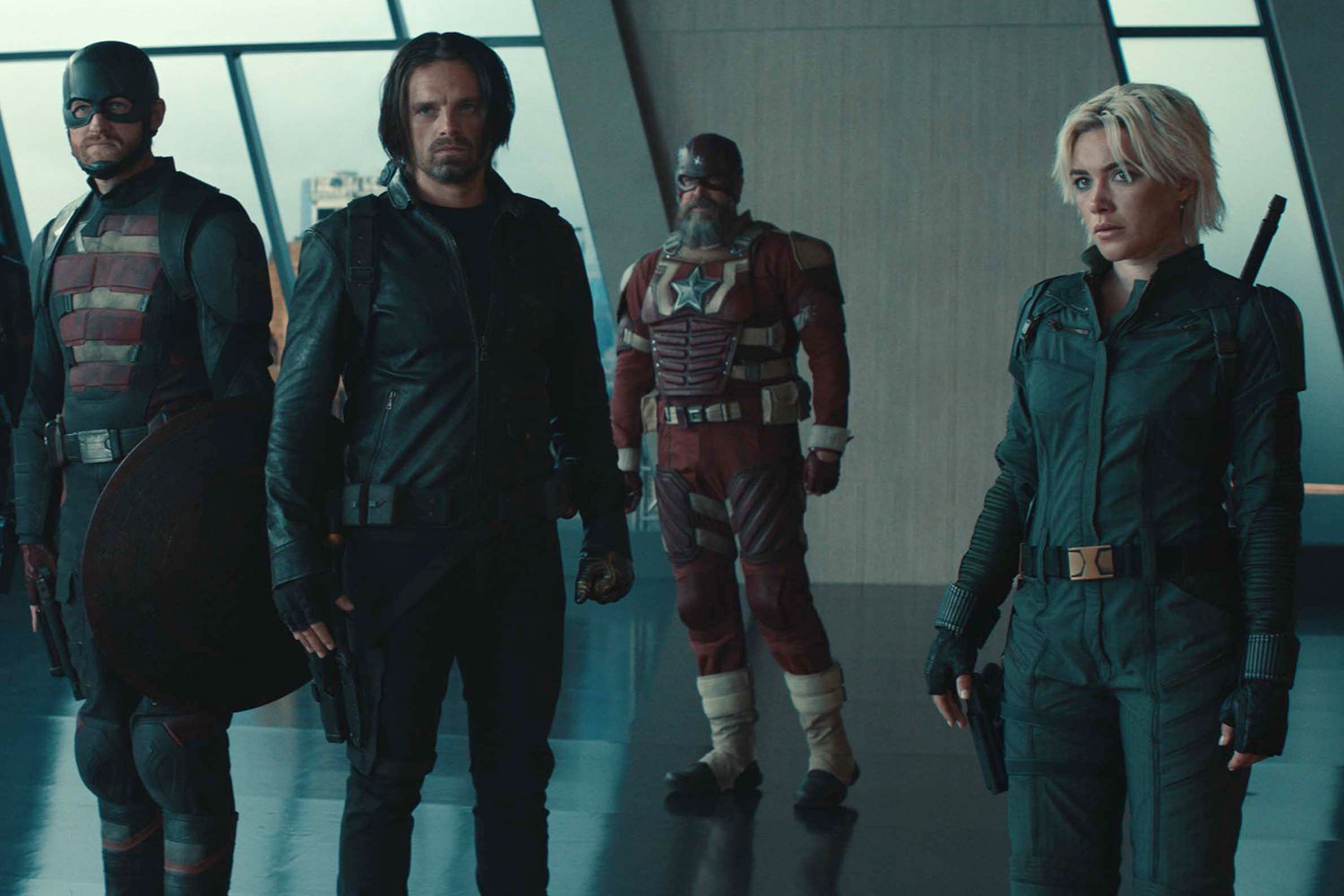
At first, this loose adaptation of the Marvel Comics anti-superhero team seemed like a poor MCU knockoff of the Suicide Squad. What gave this impression was the lineup of the team of supervillains forced into servitude by the U.S. government. Unlike the comic books, the team is made up of the MCU’s lesser-powered characters. But the interplay among them as seen in the trailers was amusing and could be the highlight of the film.
4. 28 Years Later
The creative people behind the first film, 28 Days Later, return for the third film in the British “zombie” apocalypse film franchise which is set…28 years after the first film. Being that the original director, Danny Boyle, is back, this film should be as tense and horrifying as the original classic. There are many questions about what has happened to the world after the Rage Virus has decimated it or what happened to the main protagonist from the first film since Cillian Murphy will return, but it’s not clear in what capacity.
3. The Fantastic Four: First Steps
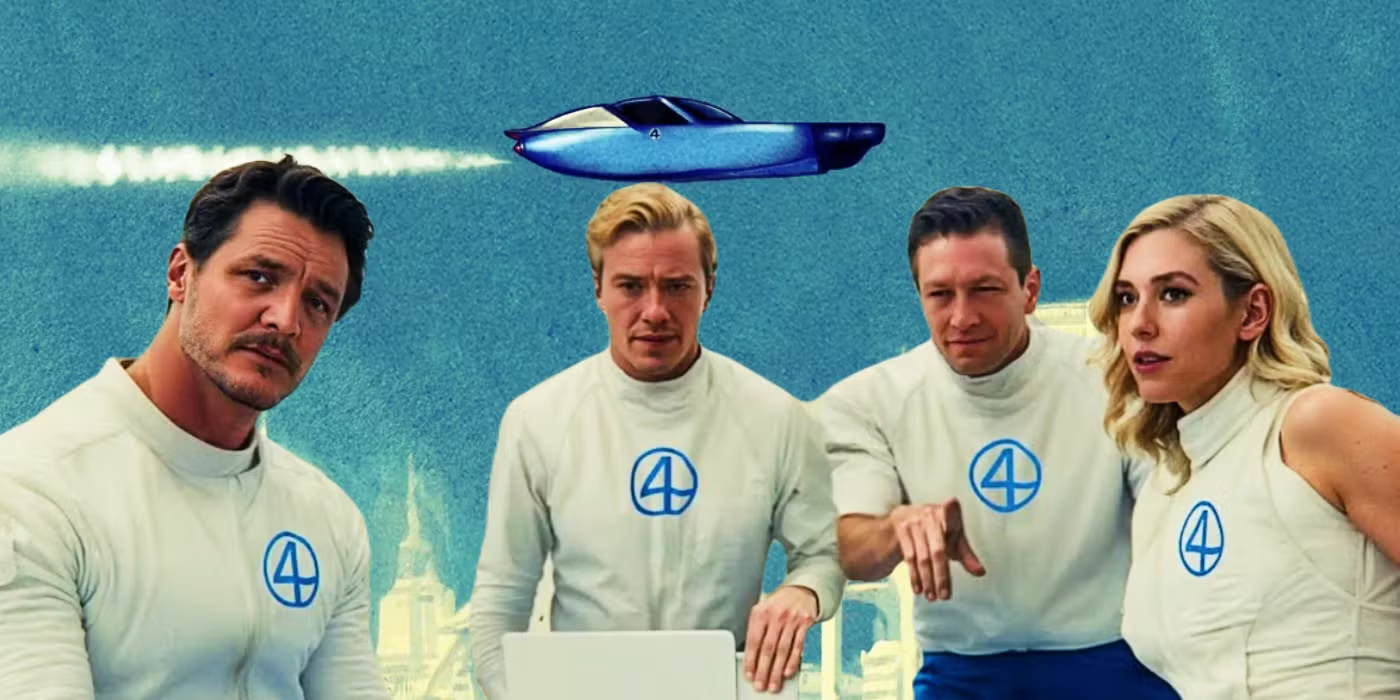
After so many flawed live-action versions of Marvel Comics’ First Family, Marvel Studios finally has creative control over the property. The new version of the famed superhero team/dysfunctional family promises to be more faithful to the spirit of the comic books that launched Marvel Comics. A lot is riding on the success of this new Fantastic Four film for the MCU and Marvel Studios because the team will be pivotal players in the MCU’s Multiverse Saga and due to the involvement of the studio’s president, Kevin Feige, to ensure the film’s success.
2. Superman
Filmmaker James Gunn formally launches the rebooted DC cinematic universe with his version of the Man of Steel. Superman promises to veer away from the dark and maligned version of Superman seen in the failed DC Extended Universe. This version of Superman will go back to its optimistic comic book roots and once again serve as a beacon of hope and justice in our world, and lord knows we need someone like Superman now. Superman must be well received, and its chances are high thanks to the talented Gunn fresh from the success of his Guardians of the Galaxy trilogy.
1. Avatar: Fire and Ash
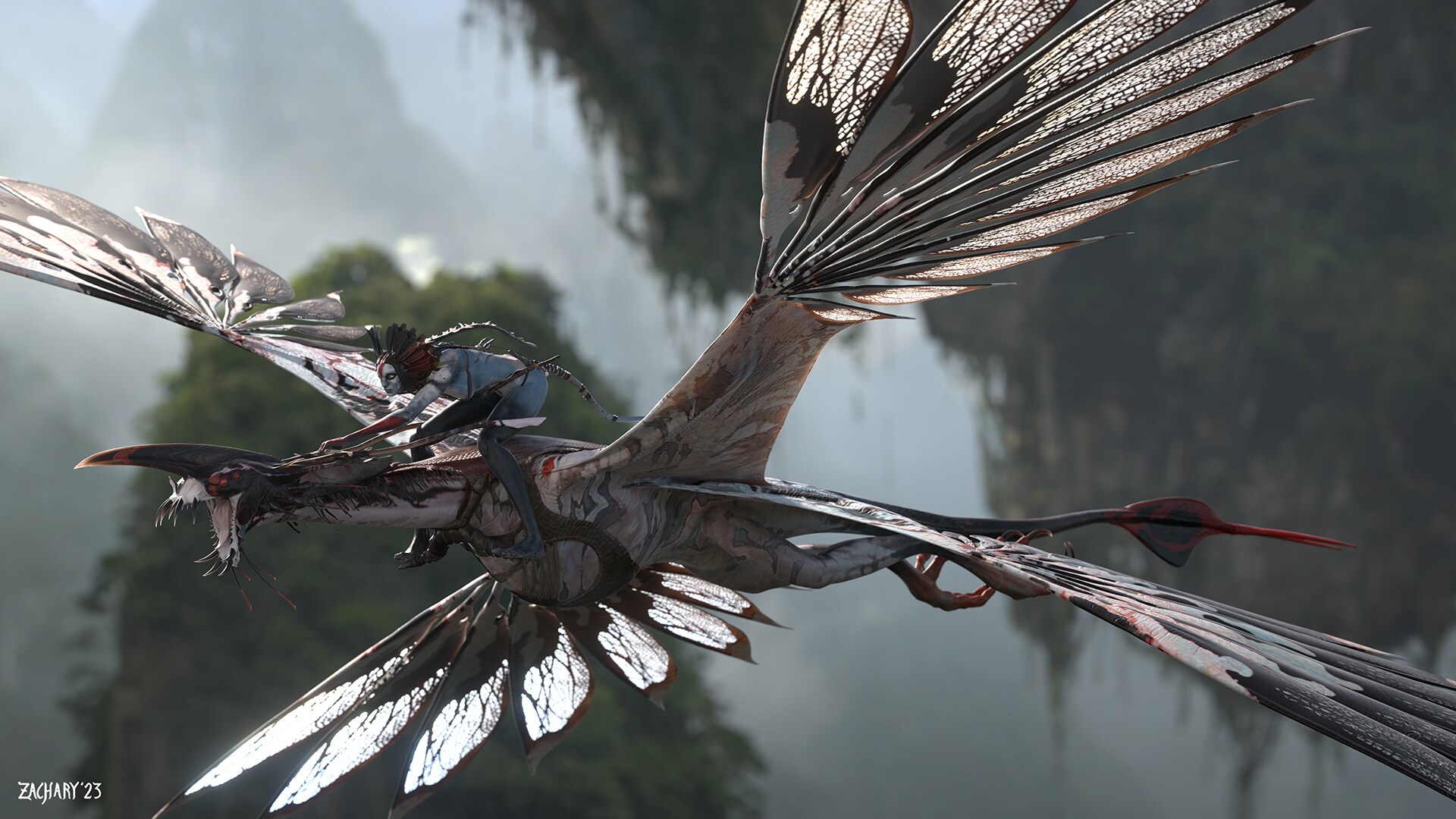
Never underestimate filmmaker James Cameron. He is a truly gifted and imaginary film auteur who has immersed audiences with his past films, including the first two Avatar films. Despite the complaints about the simplistic nature of the Avatar films, they are very immersive thanks to groundbreaking special effects and 3D technology. These aspects helped elevated Avatar and Avatar: The Way of Water into event films that were very popular. Cameron will continue this immersion into an alien world with the third film, Avatar: Fire and Ash, as it further explores the verdant moon of Pandora, the continuing fight against human invaders and has the main characters encountering an evil tribe of Na’vi.
Notable Mentions:
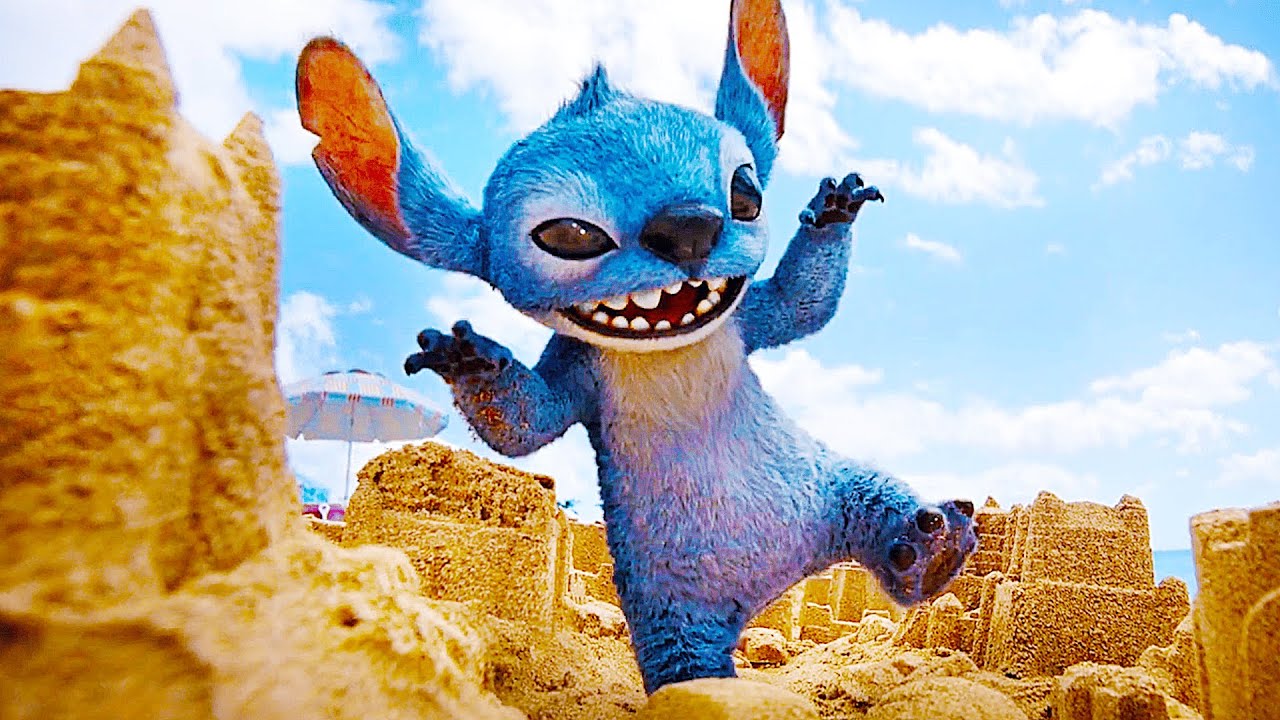
Ash; The Black Phone 2; Companion; Elio; The Electric State; Five Nights at Freddy’s 2; Frankenstein; The Gorge; The Last Battleship; The Legend of Ochi; Lilo & Stitch; Love Me; M3GAN 2.0; Mickey 17; TheMonkey; Planet Gliese; Presence; The Running Man; Star Trek: Section 31; Tron: Ares; Wolf Man; Zootopia 2
TV Shows
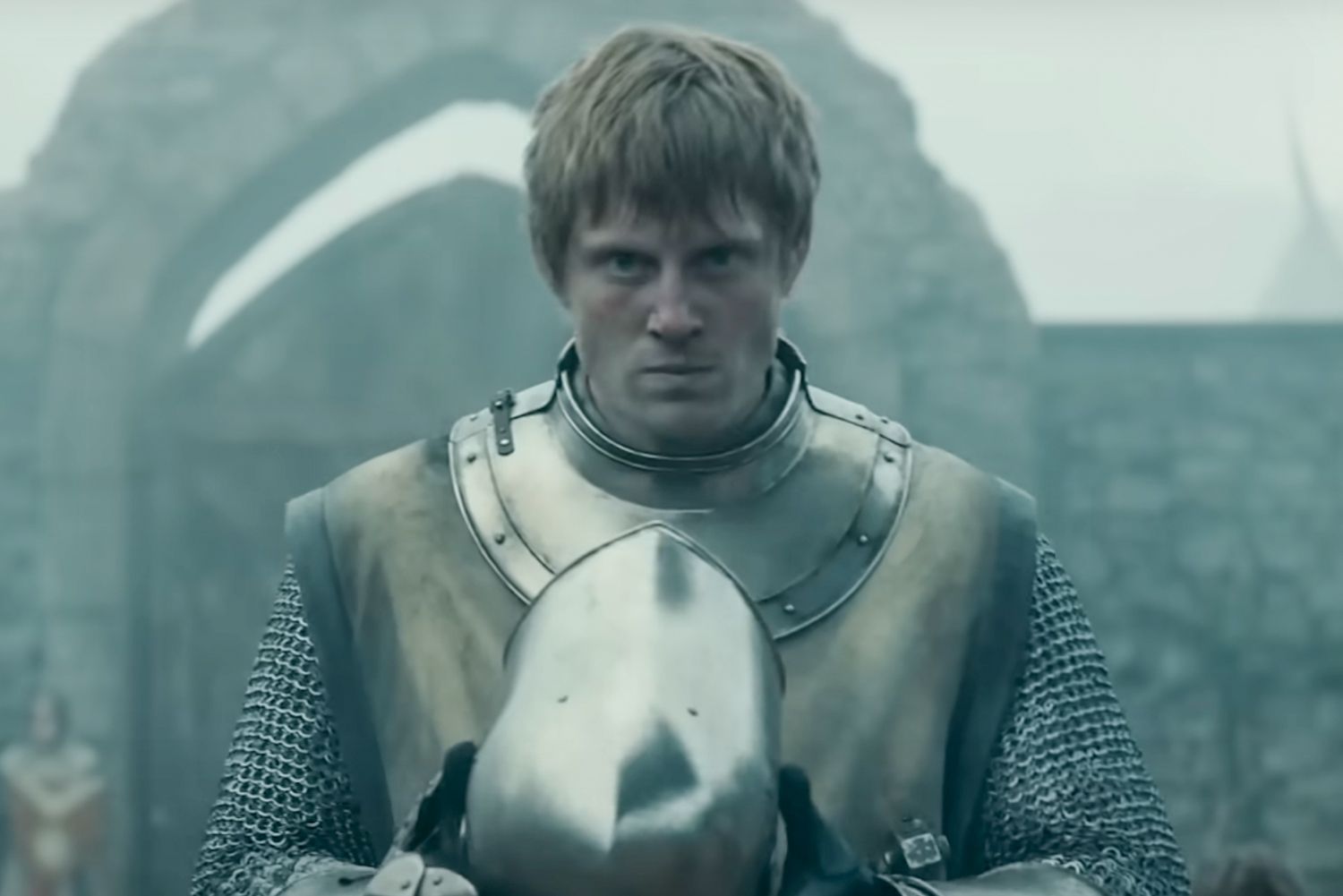
10. A Knight of the Seven Kingdoms
This third series set in the world of A Game of Thrones looks very engaging with its rich production as seen in clips and its premise about a wandering knight and his squire in the land of Westeros.
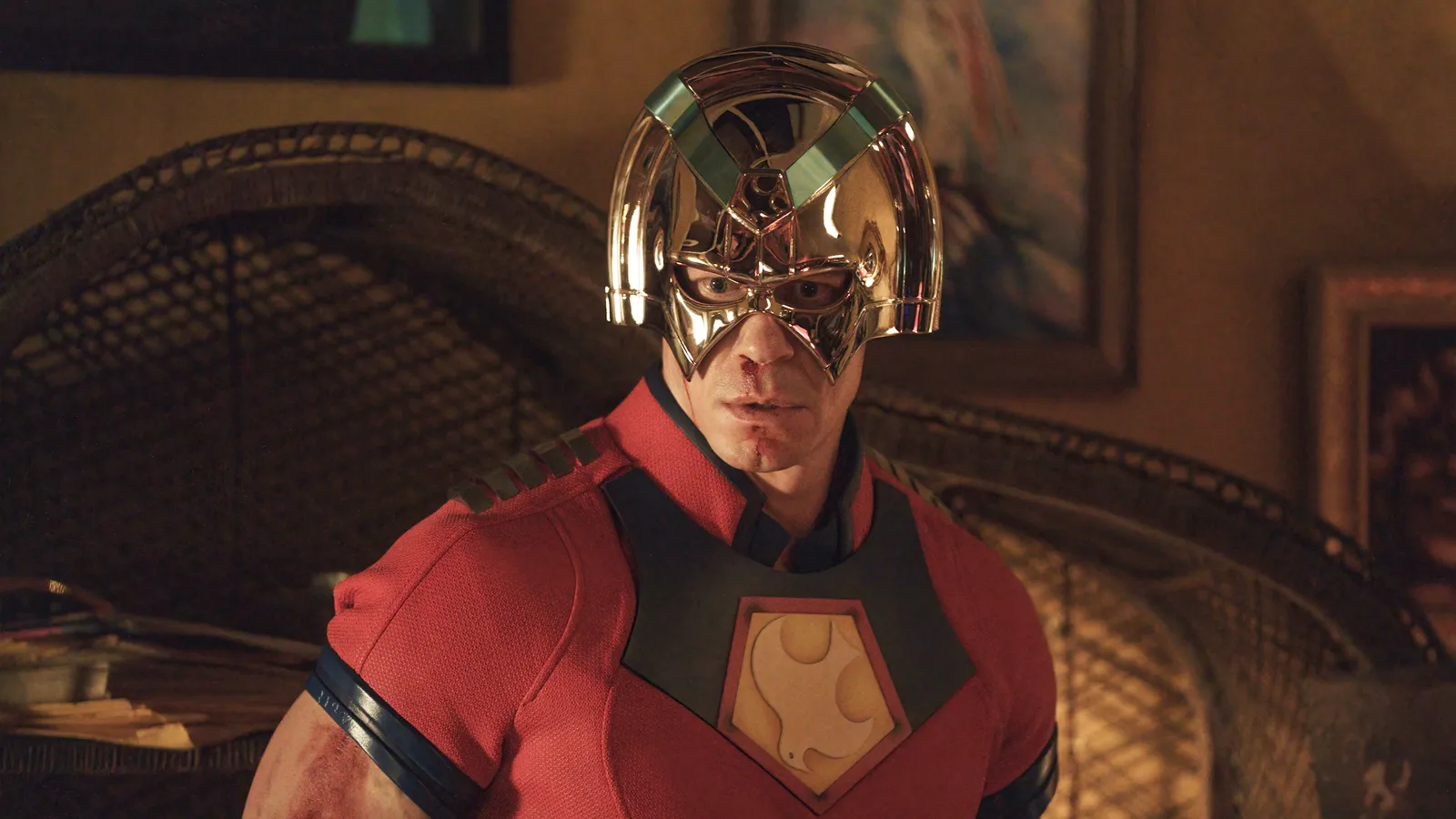
9. Peacemaker
The super violent super soldier from DC Comics was portrayed to great comic effect by John Cena, He will reprise his role for the second season with episodes written by James Gunn, who will also direct at least one episode.
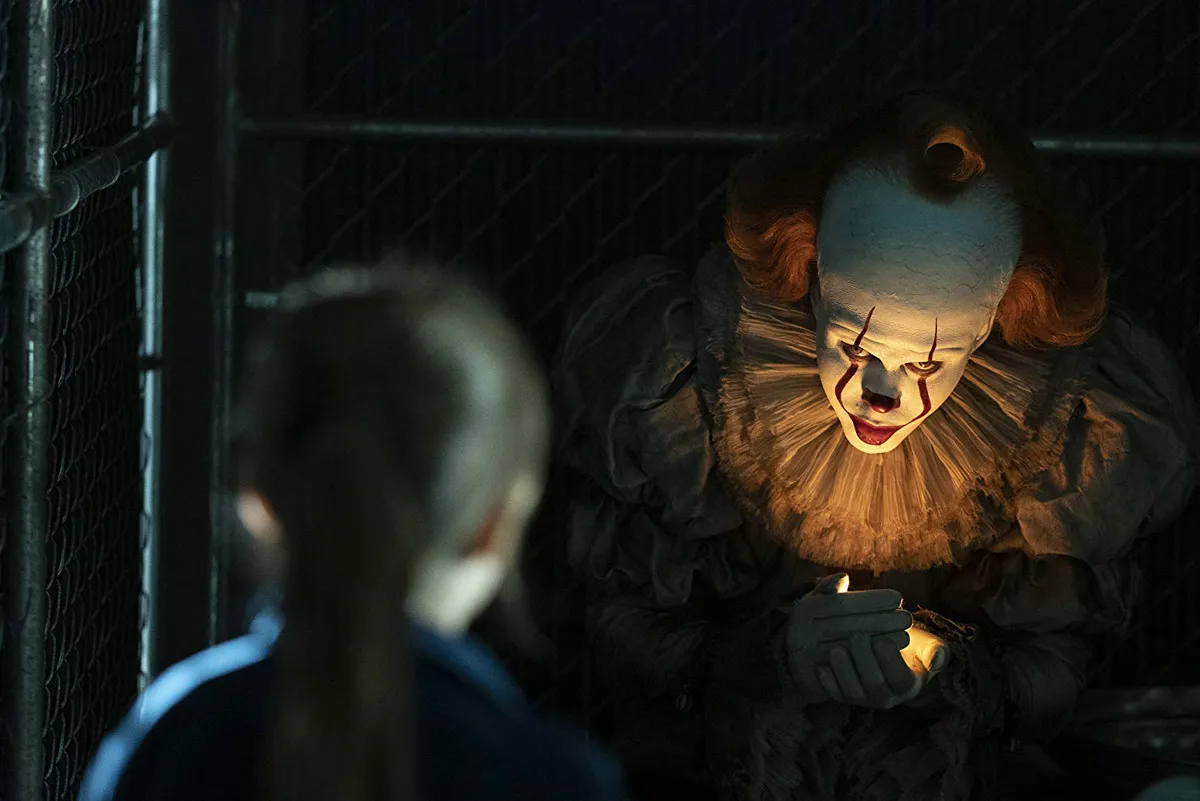
8. It: Welcome to Derry
The infamous fictional Maine town of Derry featured in many of Stephen King’s literary works is the setting of this Max series that zeroes in on the evil influence of the malicious entity Pennywise.
7. The Last of Us
The second season of the acclaimed adaptation of the video game continues its story of Joel and young Ellie, survivors of the apocalyptic fungal pandemic that devastated the world. What is not known is if the series will continue to be as faithful to the game as it progresses.
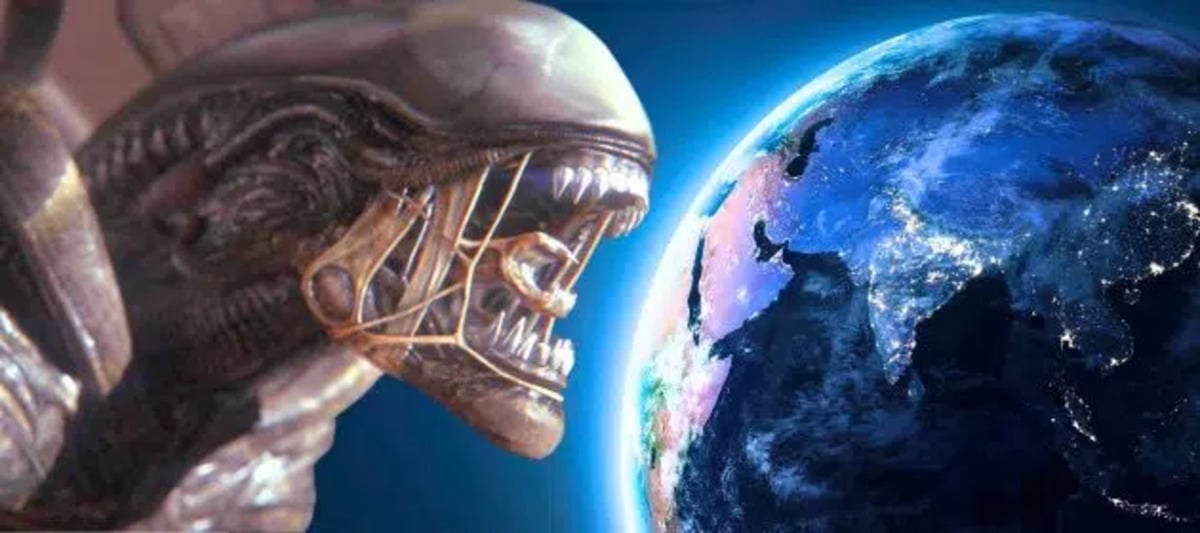
6. Alien: Earth
Noah Haley writes and directs the first TV series based on the Alien franchise. Little is known about this prequel to the original film, other than it involves a ragtag group of soldiers dealing with a deadly threat to our planet after the alien xenomorphs arrive on our planet.
5. Severance
The horrors of the modern office workplace take an even more macabre turn in the second season of Severance. Adam Scott returns as Mark the employee of the mysterious Lumon corporation that erases the memories of its employees each time they go to and from work. The second season should answer many burning questions about Lumon and deepen its mystery.
4. Stranger Things 5
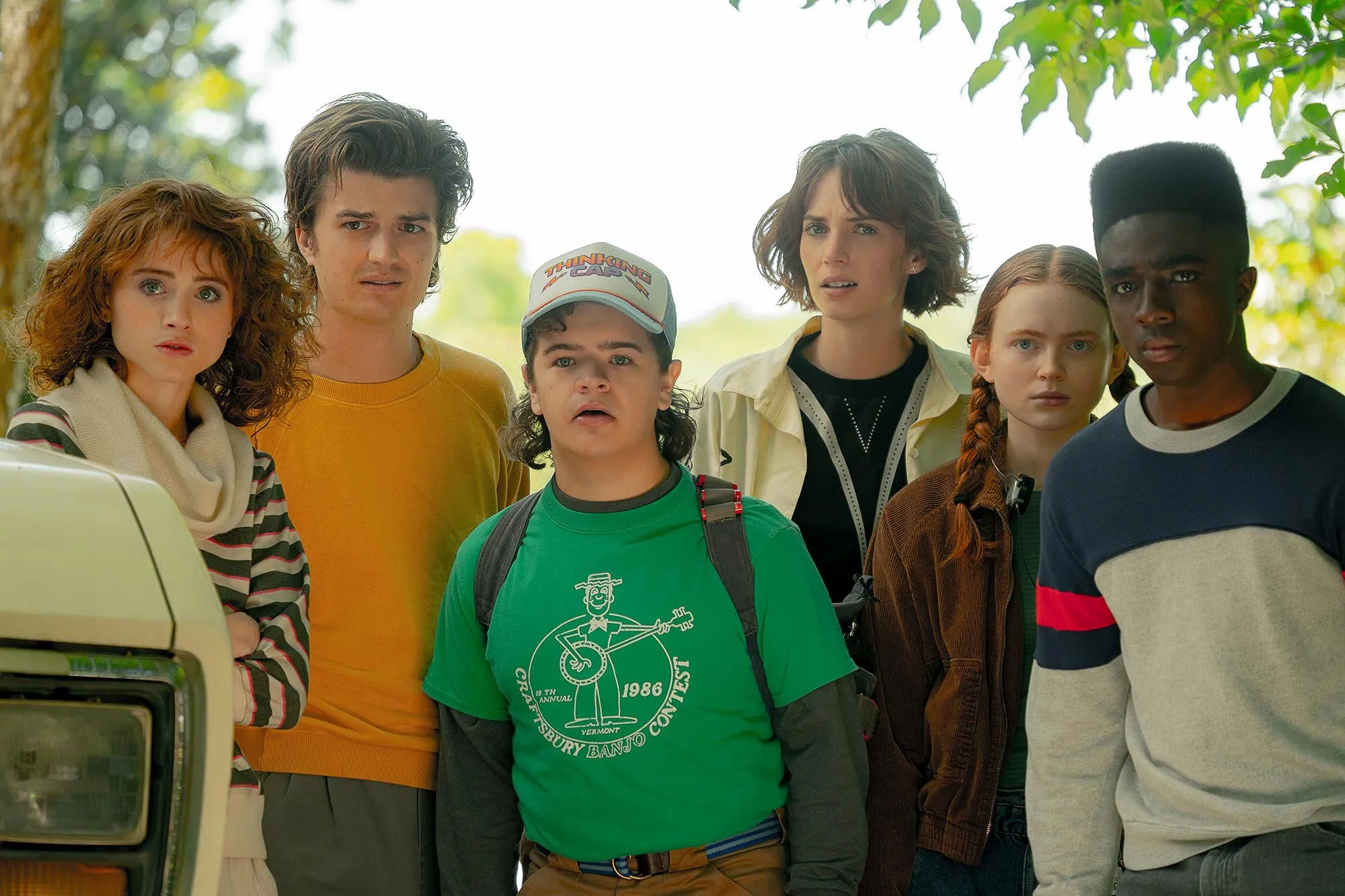
The Stranger Things saga comes to an epic conclusion with its fifth and final season. It has been a couple of years since the last season of Stranger Things, but the talented cast and crew of the popular ode to ‘80s sci-fi/teenage films will be able to pick up where they left off and conclude the show’s storylines. Fingers crossed that it can defy trends and be able to stick the landing with its final episodes.
3. Star Trek: Strange New Worlds
Captain Pike, Spock and the rest of the first crew of the starship Enterprise return in the third season. Thankfully the first episode of the season will conclude the cliffhanger thread that left us screaming at our TV screens when the second season concluded. The rest of the episodes should be able to continue to evoke the adventurous spirit of the original Star Trek with fresh, modern stories as the characters explore strange new worlds.
2. Andor
What set Andor apart from the typical Star Wars fare was its more mature and grounded tone with ambiguous characters and complex situations that fully fleshed out the Star Wars universe. The second and final season of the acclaimed Star Wars TV show about the conflicted Rebel spy Andor (Diego Luna) will lead directly to the classic film, Rogue One: A Star Wars Story. Andor’s second season should be just as complex and mature as the first and continue to set the bar not just for Star Wars but sci-fi TV shows in general.
1. Daredevil: Born Again
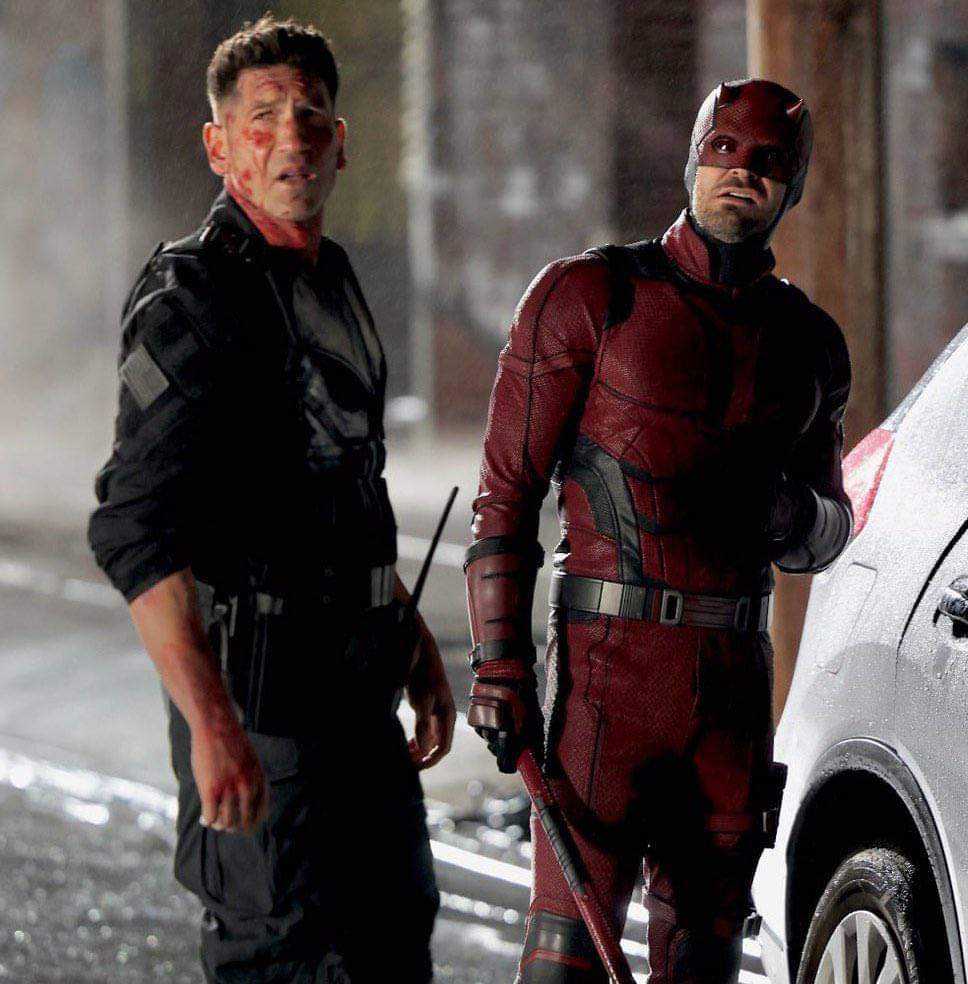
The best Netflix Marvel TV series is revived for Disney + and returns many of the beloved actors from the original series starting with Charlie Cox as the blind lawyer/superhero, Matt Murdock/Daredevil, and Vincent D’Onofrio as the evil crimelord Wilson Fisk, who is now the Mayor of New York City. Initially there was some trepidation about the direction of the series as it supposedly strayed from the gritty tone of the Netflix TV show, but Kevin Feige corrected course and had the series reshot nearly from scratch. The result should be a superhero TV show that matches or exceeds the standards of the original Daredevil, which is still considered one of the best superhero TV shows.
Notable Mentions:
Batman: Caped Crusader; Black Mirror; Doctor Who; Eyes of Wakanda; For AllMankind; Gen V; The Handmaid’s Tale; Invincible; Ironheart; Marvel Zombies; The Sandman; Wednesday; Win or Lose; Wonder Man; Your Friendly Neighborhood Spider-Man; Zero Day
 Starloggers