Marvel Comics’ Greatest Moments

marvel 75 logo

Marvel Comics turned 75 this year. As we celebrate Marvel’s 75th anniversary, it’s hard to imagine how long the comic book company has been around. Even though Marvel Comics first debuted in 1939 with Marvel Comics #1 (featuring decidedly different superheroes like the Human Torch, Ka-Zar and Namor), the company truly came to its own in the 1960s when writer Stan Lee and artists Jack Kirby and Steve Ditko introduced the world to new and dynamic superheroes.

marvel photo

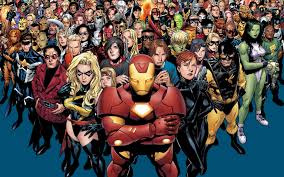
These masked marvels like Spider-Man, the Hulk, the Fantastic Four, the Avengers and the X-Men quickly captured readers’ imaginations. Without exaggeration, Marvel Comics changed the comic book world and left a permanent mark in popular culture and its characters are still vibrant today. Incredibly enough, it can be said that they’re more popular today than when they were first introduced in the 1960s .

While Marvel superheroes have successfully transitioned into other media like films, toys, games and such, let’s not forget that the core of their appeal are with the comic books. Whether they’re just single stories in individual issues or epic mini-series and story arcs, the following are, based on my opinion, the best stories from Marvel’s 75-year history.

age of apAge Of Apocalypse: Spanning several different X-Men titles over several months, this massive storyline was about an altered reality where Professor X’s assassination in the past led to Apocalypse conquering North America, and Magneto leading the X-Men in a desperate attempt to stop him and correct history. Just seeing the alternate takes of our favorite mutants was a joy to read.

Avengers Disassembled: Boasting top avengers disassembledwriters and artists like Brian Michael Bendis, Paul Jenkins, Robert Kirkman, Steve Epting, Dave Finch and George Perez, this comic book crossover spawned from The Avengers #500-503 into other superhero titles and upended most of the Marvel Universe. The team is literally ripped apart from within by an insane Scarlet Witch. Many heroes are killed and the Avengers were catapulted into new popularity with this controversial story arc.

Born Again: Daredevil has never been lower or a more captivating read than in this classic story arc spanning Daredevil #227-231. That is due to the genius writing of Frank Miller and the art of Dave Mazzucchelli. Daredevil’s worst enemy discovers his secret identity and systematically destroys the blind superhero’s personal world plunging Daredevil into his own worst hell.

The Captain: This underrated Captain America tale by Mark Gruenwald, Tom Morgan and Kieron Dwyer spans Captain America #332-350 and has Steve Rogers abandoning his role as the iconic hero and going underground. Meanwhile, a super patriotic, though unstable, replacement is picked by the U.S. government to take over, but as we see, it’s not easy living up to a legend.

Civil War: Probably the last great mini-series produced by Marvel pits its most iconic heroes against each other. As Iron Man and Captain America took opposite sides against the U.S. government’s superhuman registration act, Marvel Comics was changed forever and the mini-series’ impact is still with us today.

civil war 2

Deliverance: The famous “Demon in a Bottle” story arc from Iron Man #120-128 bravely introduced the notion of a superhero being truly human and becoming an alcoholic. Tony Stark’s (Iron Man) alcoholism would resurface to even greater effect several issues later after his nemesis Obadiah Stane orchestrates a series of attacks. Stark soon became unable to continue being Iron Man and hit rock bottom culminating in Iron Man #182 when a now-homeless Stark battles not only the cold elements, but his own inner demons.

wolverine kittyDays of Future Past: The greatest X-Men story ever made reflected the height of the historic collaboration of Chris Claremont and John Byrne. In this exciting two-part tale from The Uncanny X-Men #141-142, robotic Sentinels have hunted mutants nearly to extinction in the near future, so one mutant is sent back in time to alter history.

The Death of Captain America: One immediate aftermath of the Civil War mini-series was Ed Brubaker’s gut-wrenching examination of the death of an American legend. Coldly assassinated before standing trial, Captain America’s death led to another hero taking up his mantle and a serpentine plot by Cap’s greatest enemies.

The Death of Gwen Stacy: The two-part gwen stacy deathstory from The Amazing Spider-Man #121 & 122 is considered by some as the end of the Silver Age of Comics. This emotional tale about Spider-Man’s nemesis, the Green Goblin, killing his girlfriend  was a gut punch not only for Spider-Man but his many followers who were stunned by the tragedy.

The Doctor Is In: John Byrne wrote and drew some outstanding comic books during his Marvel tenure. Before Deadpool came along, Byrne’s rendition of She-Hulk had her hysterically breaking the fourth wall. In The Sensational She-Hulk #5 story titled “The Doctor Is In” she had to not only contend with Doctor Bong, but with literally walking across comic book pages (ads included). Marvel Comics was rarely funnier than with this particular issue.

The Hulk Vs. The Thing: Marvel is known for how often its superheroes fight each other. This early story from Fantastic Four #25 & #26 is one of the best since its primarily a battle royale between two of Marvel’s strongest titans. The Stan Lee-Jack Kirby classic is at the same time a story about determination and fighting against the odds, in particular with the Thing.

spidey trapped

If This Be My Destiny…!: The story arc from The Amazing Spider-Man #31-33 had Spider-Man run through exhausting trials to gather serum for his dying aunt. His quest culminated in issue #33 with a story titled “The Final Chapter!”.  In the issue, our hero is trapped under tons of steel and rubble and in danger of drowning with the serum just out of reach. Spider-Man has to find the fortitude to free himself and his effort was memorably inspiring.
Continue reading →

Reasons Why The Marvel Superheroes Are Still Successful

marvel 75

The 20th century needed a new group of heroes that reflected then-modern sensibilities. During the Golden Age of comic books, superheroes belonging to DC Comics (then named National Periodical Publications) such as Superman, Batman, and Wonder Woman fulfilled this need with their wild superhuman exploits that captured the imagination. By the post-war era in America, DC’s superheroes were pretty much the standard: the Establishment.

By attempting to have the most likeable characters, DC’s superheroes had no character or emotional flaws, and the stories gravitated towards plot-driven, farcical adventures rather than character-driven stories.

In the wake of DC’s success, other comic book companies were founded and tried to emulate DC. Out of the many companies, only Timely Comics had staying power and here we are celebrating the 75th anniversary of that company that will later become Marvel Comics.

The Flawed, Science Heroes: Comics changed forever with the start of the so-called Marvel Age. The birth of the Marvel Universe took place in the early 1960s. This was a period that people were in awe with all of the wonders of science and space exploration. The Space Race and the Cold War were on the minds of the people. The Zeitgeist was the fear of the imminent Red Invasion and the Promise of Science- where will it take us?

perez marvelThe core of the first generation of Marvel superheroes were essentially Science Heroes. With the exception of Dr. Strange, the rest of the Marvel Universe was largely a world of weird science and science fiction. Spider-Man, Fantastic Four, Captain America, Giant-Man, the Wasp and the Hulk were Radioactive Heroes. Peter Parker was bitten by a radioactive spider. The astronauts from Reed Richard’s group were exposed to cosmic rays during their maiden voyage into outer space. In an unfortunate accident, Dr. Bruce Banner was hit with the full blast of Gamma Rays. Tony Stark built an electronic-laden armor with tons gadgets and abilities. Captain America was a patriotic hero that survived World War II by being frozen due to his exposure of Vita-Rays; part of the catalyst that transformed Steve Rogers from a skinny kid to an athletically proportioned hero. Giant Man and the Wasp benefitted from Hank Pym’s size magnification and reduction experiments, along with side studies in insect communication and gene splicing.

Great concepts- ahead of its time- but what made the Marvel Universe different, however, was not only the science aspect, but rather the fact that these Marvel heroes were emotionally flawed, imperfect, and fallible. Tragedy strikes as often as victories. Moral dilemmas were as large as the threat.

Spider-Man wins the battle with the big bad villain, but he can’t get enough money for his rent and he blew a date with either Gwen Stacy or Mary Jane Watson. Captain America is back in the modern world, but he feels lost like a fish out of water. marvel heroesThe X-Men have astounding abilities, but they are persecuted and feared by society, who view mutants as aberrations, and treat them as outcasts. The Fantastic Four’s Thing has great power, but he also has this great fear that his blind girlfriend Alicia won’t accept him if she ever regained her sight and found him ugly. But the Thing- AKA Ben Grimm, is very human despite his rough exterior, with a heart that endeared him to readers. Dr. Strange was a callous, money-loving jerk; a celebrity physician until a terrible traffic accident ended his career. This gave him pause to reflect and improve on his past behavior as he was now invested to learn the mystic arts to save the world from an ancient evil. And the list goes on and on with the great flaws that these characters have, but that is what made these characters appealing. That in particular was something that comic book readers became very attuned to, and why they identified with them. Continue reading →

Marvel Wins The Movie War…For Now, Part Two


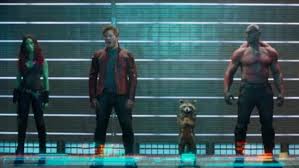
avengers guardians DC heroes

Marvel Entertainment has ruled the box office with its numerous hit films, especially those produced by Marvel Studios. Meanwhile, DC Entertainment and its parent company Warner Bros. while successful with TV and video game adaptations of the DC superheroes seemed to be asleep at the wheel in putting out film products to counter Marvel’s box office dominion.

Late Start

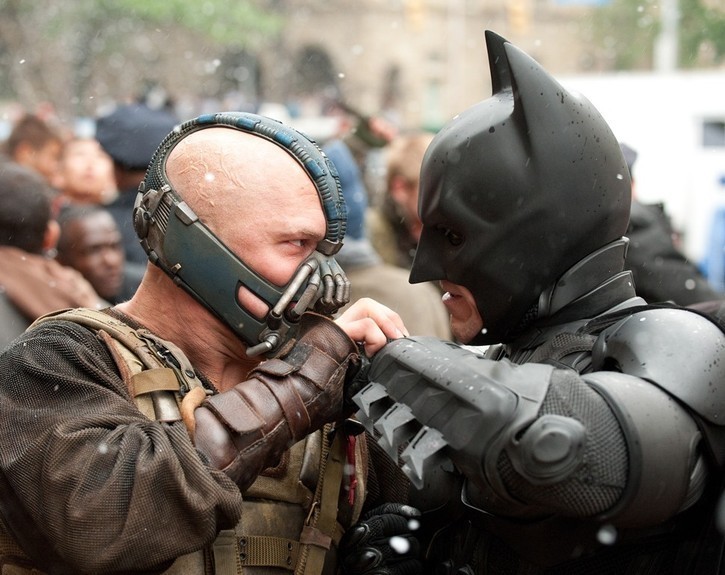
Around the beginning of this decade as Marvel Studios was blossoming what was DC Entertainment doing around this time? We got from them Green Lantern and The Dark Knight Rises. The former film didn’t perform to expectations and failed to resonate with fans and audiences. Green Lantern was hamstrung with weak villains, pedestrian storytelling, and for a film featuring a cosmic hero it was too Earthbound. On the other hand, the final film in Christopher Nolan’s DDark Knight trilogy was well received at the time of its release, but many grumbled that it was too ponderous, pretentious and its villain Bane (Tom Hardy) couldn’t compare to The Dark Knight’s Joker (Heath Ledger). What was noticeable was that Batman’s world seemed smaller and darker than the more light-toned Marvel Cinematic Universe. It seemed odd that Batman was the sole superhero around in Nolan’s films, although for The Dark Knight Rises’ plot of Gotham held hostage, that was a necessity. It was plain to see in the end that while the Batman films were hugely successful, they did not do anything to expand the DC Universe in film. So once that trilogy was completed there wasn’t anything to follow it.

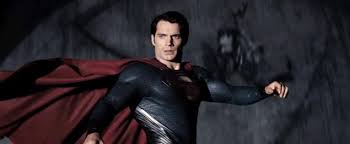
Does all of this mean that it’s over for DC? Should they throw in the towel? Hell, no! They may be way behind Marvel at the moment, but they are gearing up for a new war that will start in March 25, 2016. The release of Batman v. Superman: Dawn Of Justice is just the opening salvo. However, the failures of Green Lantern and The Dark Knight Rises in terms of creating a cinematic universe is why DC had to start over with Man Of Steel in 2013, already a few years behind Marvel Studios. That reboot of Superman and his mythos was successful, but it’s considered controversial by many fans who decried the character deviations, especially when Superman killed at the film’s end.

man of steelNevertheless, the film did begin an earnest establishment of a larger universe. Take the scene near the end when Superman (Henry Cavill) and Zod (Michael Shannon) fight above Earth and tear apart a satellite belonging to Wayne Industries. It was a nifty Easter egg, but it was a blink-and-you’ll-miss-it moment and the film should’ve done more. Imagine if a post-credits scene was shown where the near destruction of Metropolis is shown on a TV screen. The camera would’ve pulled back to show that the TV was in a cave and that Batman could be seen watching the disaster on TV. Or have the TV in a non-descript apartment where a certain green Power Battery could be spotted.

Regardless, Man Of Steel was DC’s first true attempt at establishing its own cinematic universe. Its Easter eggs may pale next to Iron Man with the Avengers Initiative scene, but it’s a start.

Broad Horizons Ahead For Both Companies

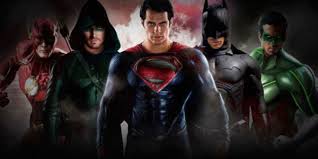
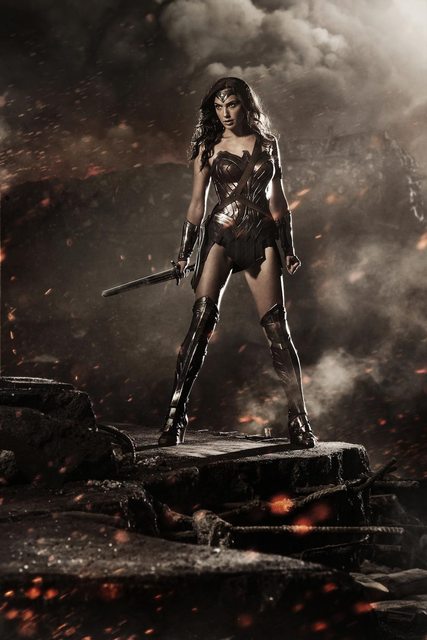
From March 2016 until 2020, DC has eight films scheduled for release. At this point, the general public doesn’t know which properties will be on the big screen aside from Batman v. Superman: Dawn Of Justice, but current rumors point to Shazam, Wonder Woman, the Justice League (finally!), a new Batman, and a proper sequel to Man Of Steel. DC and Warner Bros. should be commended for not rushing things unlike some other movie studios with comic book properties (looking at you Sony). This means that when the universe is finally presented it should be cohesive and well done.

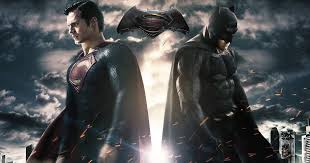
dawn of justiceRegarding the recent decision to move Batman v. Superman: Dawn Of Justice from May 6,2016 to March 25,2016, it may seem like an admission of defeat. One way of looking at it is that DC recognizes what a juggernaut Marvel Studios and its films have become and want to avoid direct competition. But it’s really a more strategic move by DC and Warner Bros. to ensure that Batman v. Superman: Dawn Of Justice reaches the widest possible audience. That is why they moved up the film’s release date so it doesn’t have to compete with the third Captain America film. A lot of people wwomansalivated over the prospect over these two comic book titans going at it in the box office, but in reality such direct competition would hurt both brands. In this case, DC would have suffered more. Why? It’s likely that Batman v. Superman: Dawn Of Justice would’ve won the match against the third Captain America film, but the Marvel Cinematic Universe is a proven brand with devoted followers and Captain America has risen significantly in popularity thanks to his last film. There isn’t any way that the third film would flopped; it would’ve earned a respectable amount of money in the matchup, enough for Marvel to declare a pyrrhic victory and claim their film held up well against DC’s better known characters. In the meantime, if Batman v. Superman: Dawn Of Justice didn’t have super impressive opening box office numbers or heaven forbid came in second on the opening weekend, it would’ve spelled a PR disaster for DC and stifled their burgeoning cinematic universe. DC had more to lose than Marvel, so taking a page from their competitor’s strategy book, they positioned their centerpiece film in a less competitive time period where it’s guaranteed to score high.

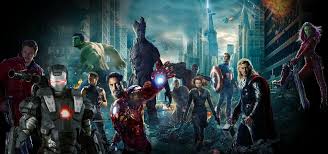
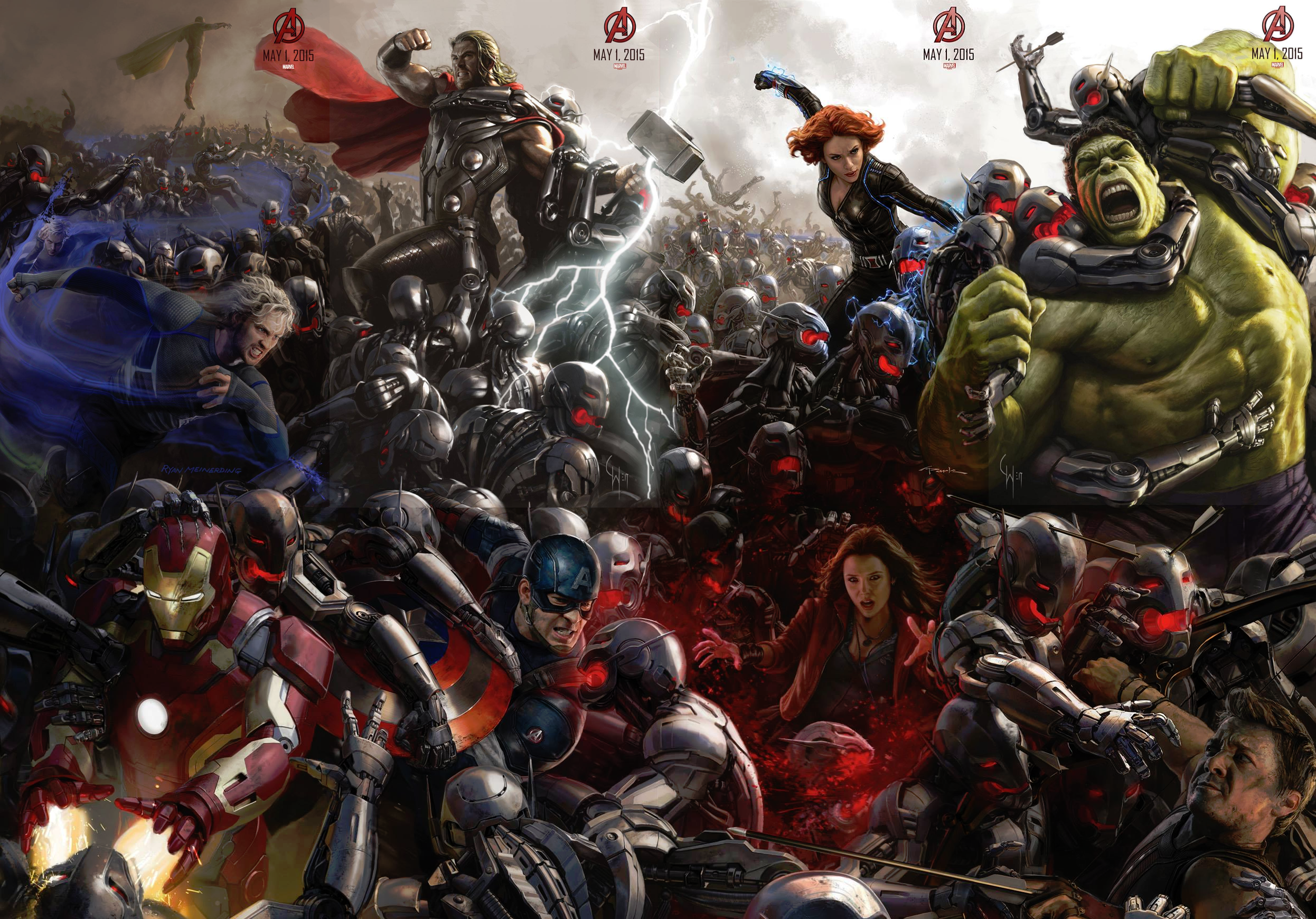
With DC beginning its own universe, which at this point is still in planning stages, Marvel is charging avengers ultron posterforward with more film releases. Next year will see the eagerly anticipated sequel Avengers: Age Of Ultron and Ant-Man. The following year we’ll get the aforementioned third Captain America film and on July 28, 2017 the Guardians of the Galaxy will return to theaters with a new film. Additionally, Marvel recently announced several release dates through 2019 for five more films in the MCU. No details have been released but the speculation is that these films may include sequels to Thor, the Avengers, possibly Iron Man (Robert Downey, Jr. recently expressed interest in continuing to play Iron Man), and new properties like Captain Marvel, Black Panther, the Inhumans, or Doctor Strange.

A film based on the last character mentioned, Doctor Strange, also means that Marvel is branching off in yet another direction. Like with Guardians Of The Galaxy, which is actually a space adventure film, a Doctor Strange film would not be a traditional superhero film, but rather one that deals in the genre of horror and fantasy. The fact that Scott Derrickson has been hired to direct the film is indicative of its horror trappings since Derrickson’s resume includes horror films.

lineupGuardians Of The Galaxy and the upcoming Doctor Strange film point to how Marvel has won the Movie War because they’ve done so well with superhero films that they are now able to branch off into other genres. DC has tried doing this in the past with poor adaptations of Constantine and Jonah Hex. If DC’s film slate includes a rumored movie based on its fantasy property Sandman, then this would prove that DC is remaining competitive and moving beyond superheroes as well. Continue reading →

Theme Park Wars: Spider-Man Vs. The Transformers

Usually, theme park wars are between two different theme park companies. In this case, however, the theme park war is within the same company: Universal Parks & Resorts. The contenders are two of its rides: The Amazing Adventures Of Spider-Man and Transformers: The Ride-3D.

The former ride debuted in Universal Studios’ Islands of Adventure theme park in Orlando back in 1999. It featured a revolutionary ride system that was part dark ride, part simulator that was developed by Universal Creative with vehicles developed by Oceaneering International. That system was so unique and kinetic that it wasn’t a surprise that the Spider-Man ride is still one of the most popular rides in any theme park.

The Scoop On Spider-Man

In The Amazing Adventures Of Spider-Man, riders donning 3D glasses board a vehicle called the Scoop that is used by the Daily Bugle newspaper company for newsgathering. Peter Parker’s (Spider-Man) boss J. Jonah Jameson assigns riders to board the Scoop to cover a breaking story concerning Doctor Octopus. The mad scientist is using an anti-gravity cannon to steal the Statue of Liberty with the help of other supervillains (Electro, Hobgoblin, Scream and Hydro-Man).

100_9890As these ride stories go, the Scoop and its passengers wind up getting caught in the melee between them and Spider-Man. Along the way, the riders are made to feel as if they’re actually in the pages of an animated comic book with huge screens that project 3D images as the vehicle constantly swerves wildly from scene to scene. Adding to the intensity of the experience are practical effects used that immerses riders into the adventure. The best example of that is where at one point Spider-Man is fighting with the Hobgoblin. First riders witness a large-screen 3D fight by a New York bridge between the two and the Hobgoblin tries to lob pumpkin bombs at the Scoop vehicle. Spider-Man catches one bomb and hurls it away before it can do any harm. But the Hobgoblin manages to throw one that explodes very close to the vehicle. Through the clever use of effects, actual flame erupts from part of a nearby wall which simulates the exploding bomb. The real heat from the blast makes elated riders feel like they’re part of the story.

It’s because of these immersions that the Spider-Man ride has remained so popular for so many years. Recently, the ride received an HD upgrade to make the 3D images sharper and more colorful. Part of that upgrade included slight changes to the characters, especially Spider-Man and Doctor Octopus who more resemble their cinematic counterparts. In addition, iconic comic book creator Stan Lee makes a few cameos in the ride itself as assorted civilians.

Ride The Transformers

The ride format from The Amazing Adventures Of Spider-Man was a unique hybrid that combined motion simulators, practical effects and 3D images into a wild dark ride. It’s so well thought of and successful, that it was only natural that Universal Studios would repeat the formula for another ride.

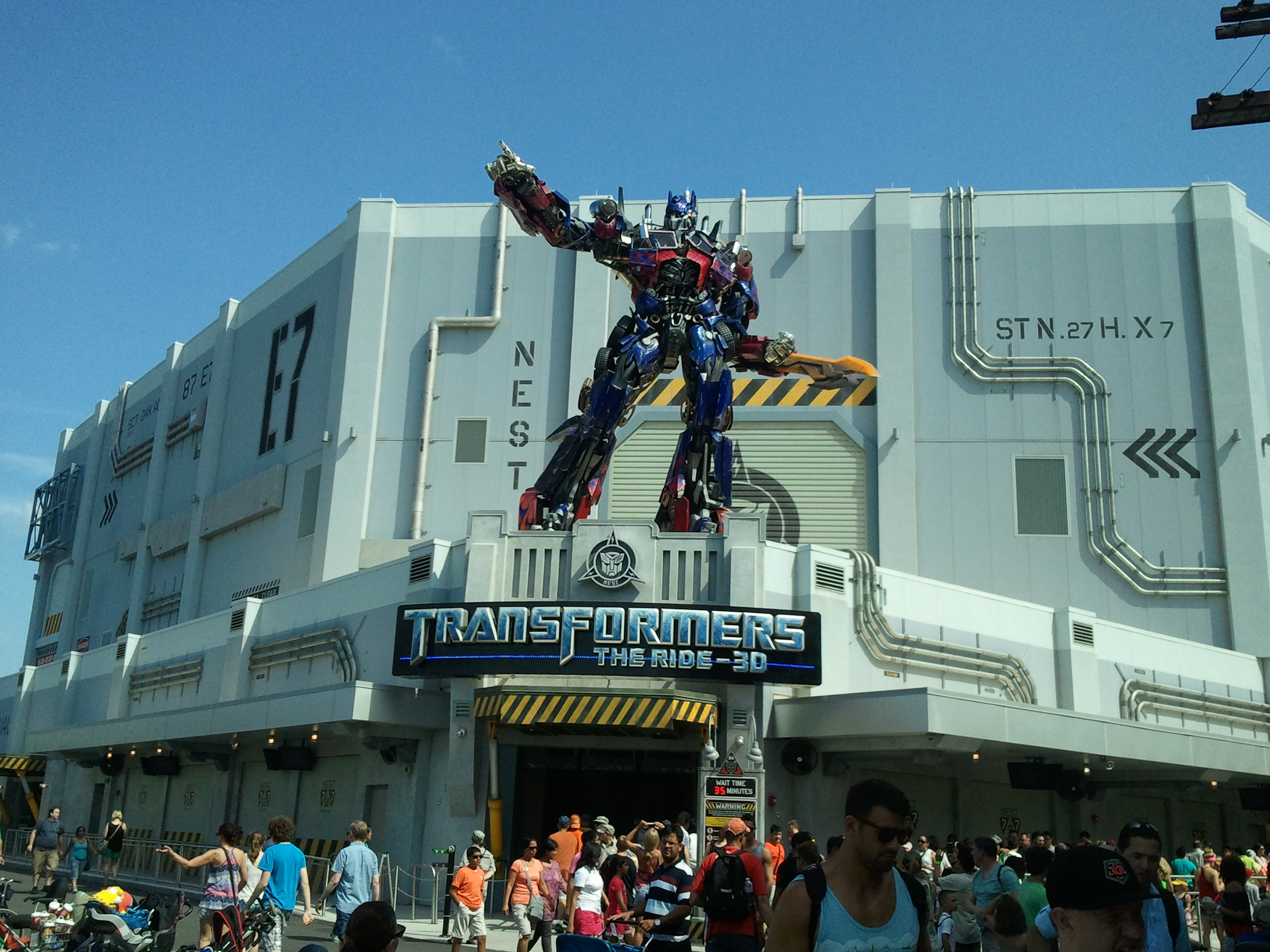
Transformers: The Ride-3D originally made its debut in Universal Studios Singapore in 2011 and later in Universal Studios Hollywood and most recently in Universal Studios Orlando. All three incarnations of the ride were instant hits with park goers.  Riders get to feel what it’s like to be in a high-octane Michael Bay special effects spectacular.

SAMSUNG

The ride follows the storyline and characters of the film series, where the good Autobots are allied with the people of Earth against the evil Decepticons. As with the movies, both robotic groups are after their MacGuffin, the AllSpark, a cube-like object that can bring ordinary mechanical and electronic objects to life. One of the Autobots called Evac first has to retrieve the AllSpark from Decepticons who have stolen it. Then after recovering the AllSpark, it’s up to him to protect the object while Decepticons like Megatron and Starscream pursue him throughout a city. Being that riders are inside of Evac, who is the ride used in the attraction, they’re given front-row access to Evac’s efforts to safeguard the AllSpark from evil Decepticons. Good Autobots like Optimus Prime and Bumblebee aid Evac in his journey throughout the chaotic cityscape.

As the Evac vehicle zigzags throughout a city landscape to evade his enemies, the constant pitching, and jerking motions of the ride make the riders feel as if they’re actually being tossed about in the vehicle. Selling this illusion are the 3D effects from  large screens featuring gargantuan Transformers fights and the rough simulator motions from the vehicle. It can be said that being inside the Evac vehicle can be compared to being inside a vehicle that is undergoing a violent accident.

Continue reading →

How To Fix The Spider-Man Movies

?????????????????????????????????

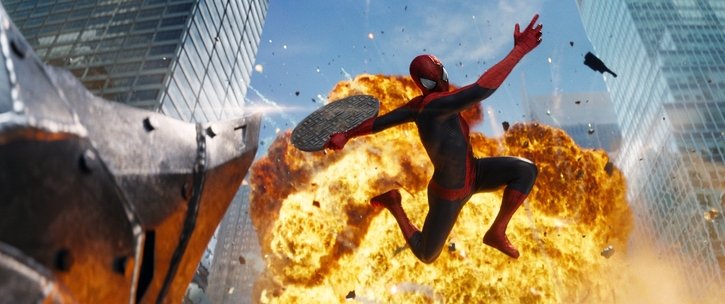
The Amazing Spider-Man 2 has been out in theaters for a month already. It’s made close to $500 million worldwide to date, so it’s a hit film. Yet, The Amazing Spider-Man 2 has raked in far less money than the previous Spider-Man movie. Despite all the advertising and marketing, the movie has been largely forgotten in this crowded summer movie season. That’s unbelievable for a Spider-Man movie, usually they’re big hits. Something went wrong with the film, and the fans noticed and word of mouth probably has had a hand in keeping the box office numbers down. It’s sad to say but the franchise, despite being rebooted two years ago, seems tired and talk about sequels and spin-off films get yawns from everyone.

The film had its good points, but on the whole, it was a mess and killed any good will towards the franchise. What can be done? Spider-Man is one of the most popular superheroes around, rivaling Batman himself. The character is still viable, but the filmmakers have gotten away from what made Spidey work. If they want to win back the fans and more importantly for the execs, the big box office numbers, the following things have to be done.

Story First

What sunk The Amazing Spider-Man 2 was its sloppy script. The film was loaded with too many time-filler subplots that don’t go anywhere and needless characters. It reminded me of that equally dumb Spider-Man 3 with all the extra characters who didn’t add anything to the story (looking at you Gwen Stacy) and moronic plot twists (so Sandman accidently killed Uncle Ben).

?????????????????????????????????Does anyone care about Peter Parker’s parents? A few lines of dialogue and one or two scenes could’ve wrapped up that plot thread. Then there was the way they tried to convince us that Peter and Harry Osborn were best buddies even though Harry was never mentioned in the previous film. It was just one of too many plot lines in the crowded movie.

What was worst was that the movie felt like an ad for upcoming spinoffs and sequels and that harmed the narrative flow and pacing of this film. It was like director Marc Webb set up a revolving door on the movie set just to introduce new villains, which leads to the next point.

Improve The Villains

The  film execs clearly didn’t learn the lesson with Spider-Man 3. That film was weighed down with three villains ?????????????????????????????????who didn’t get adequate screen time to develop them. The same thing happened here, but worse. Electro was largely a one-dimensional joke, and reminded me of the Riddler from Batman Forever, only Jim Carrey did a better job of portraying a nutjob than Jamie Foxx. His portrayal of Electro before his accident was so over the top and he didn’t gel with the other people around him. I get they were trying to make him a goofy outcast, but it was too much.

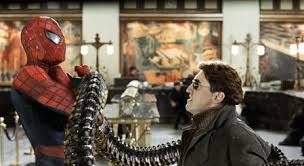
spidey and doc ockSeriously, the last great villain in these films was Doctor Octopus and that was ten years ago. I’m not sure why they can’t come up with a worthy villain for Spider-Man, but jamming in a bunch of them to please toymakers isn’t working. It’s a damn shame because Harry Osborn/Green Goblin was pretty decent in this film thanks to Dane DeHaan’s performance, but his time was limited. If they would’ve dumped Electro, Harry would’ve had the needed screen time for his story. Instead, we get a rushed intro of the Green Goblin popping out in the end and briefly fighting Spider-Man. He’s supposed to be his greatest enemy, why relegate him to an extended cameo? The Green Goblin should be the top villain in these films. In this crowded film, he wasn’t the only character to get shafted.

Get Spider-Man’s Supporting Cast More Involved

???????????????????????????????Aunt May was largely wasted in the new Spider-Man movie and that’s an atrocity. The filmmakers went out and hired Sally Field, an Oscar winner, to portray Peter’s aunt and she just gets lost in this film. The few precious moments she has only point out how she was criminally underused. In the comic books, she was involved in major plot lines. Often, Spider-Man was out risking his neck to save her or worrying about her. This was better shown in the last film where Peter brought home organic eggs in the end after saving the city, it was a quiet moment that illustrated his love and responsibility and it worked.

jjj2But Aunt May isn’t the only neglected member of his supporting cast. Flash Thompson, Peter’s nemesis and Spider-Man’s biggest fan was absent this time around and where the hell is J. Jonah Jameson who brings a different kind of headache to Spider-Man? Our web-swinging hero needs a foil and Jameson filled that role perfectly in Sam Raimi’s films. It seems like the producers and Marc Webb couldn’t figure out who should play the newspaper publisher after J.K. Simmon’s act and gave up. Why not just bring him back? It worked for the James Bond flicks when Judi Dench played M with two different actors portraying the famous spy. Any Spidey film should have Jameson hounding him in the public eye. Continue reading →