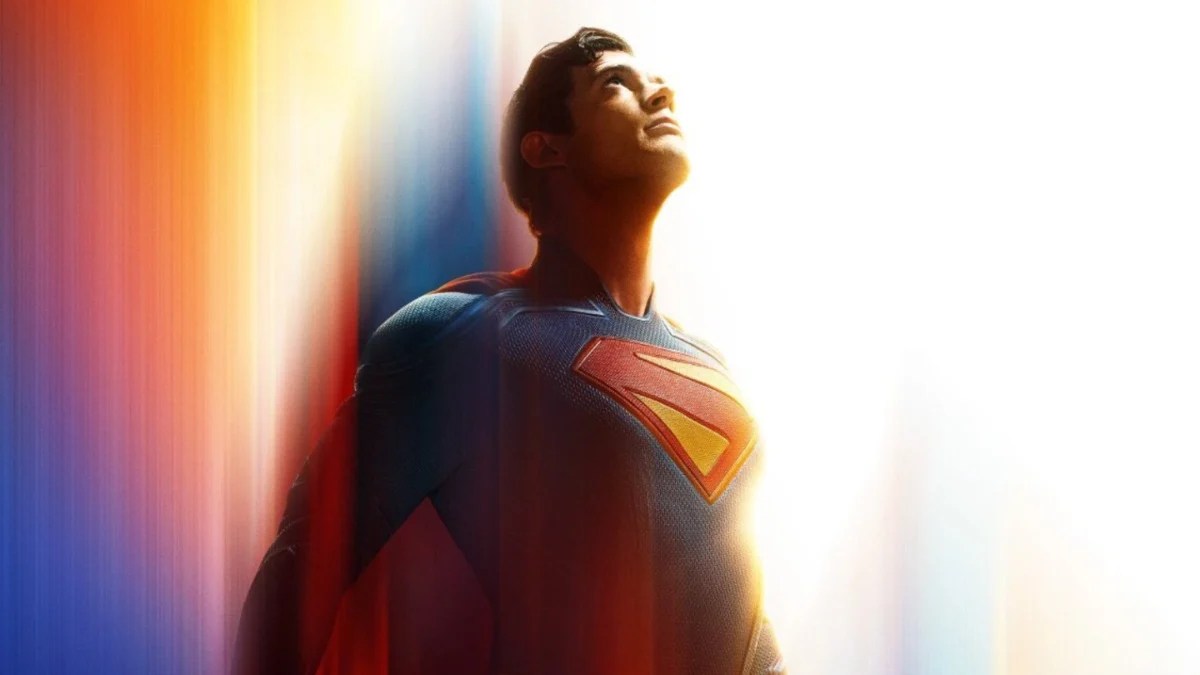
After the downfall of the DC Extended Universe (DCEU), the new DC Universe (DCU) cinematic universe has risen from the ashes and kicks off with Superman on July 11, 2025.
Fans of DC have both eagerly anticipated this meant and dreaded it ever since filmmaker James Gunn announced DC Studios’ planned DCU line up in early 2023 with a slate of films and TV shows. The first TV show which actually started the DCU last year was the animated Creature Commandos which streamed on Max. The show received positive reactions although it seemed similar to James Gunn’s DCEU film The Suicide Squad, but with monsters as the main characters forced to work for the government instead of supervillains. One thing that Gunn made clear was that Creature Commandos was canon to the DCU and even one of the featured characters from that show, Rick Flagg, Sr., will appear in Superman.
Right now, fandom and the public at large are focused on Superman, which inaugurates the DCU in live action. The marketing push for the film is very intense and pervasive with the usual deluge of merchandise and trailers (but gotta admit any merch about Krypto the Super Dog is so damn cute; Gunn has a way with animals) and publicity. There is a good reason for the push by DC Studios’ parent company Warner Bros.
RIP DCEU
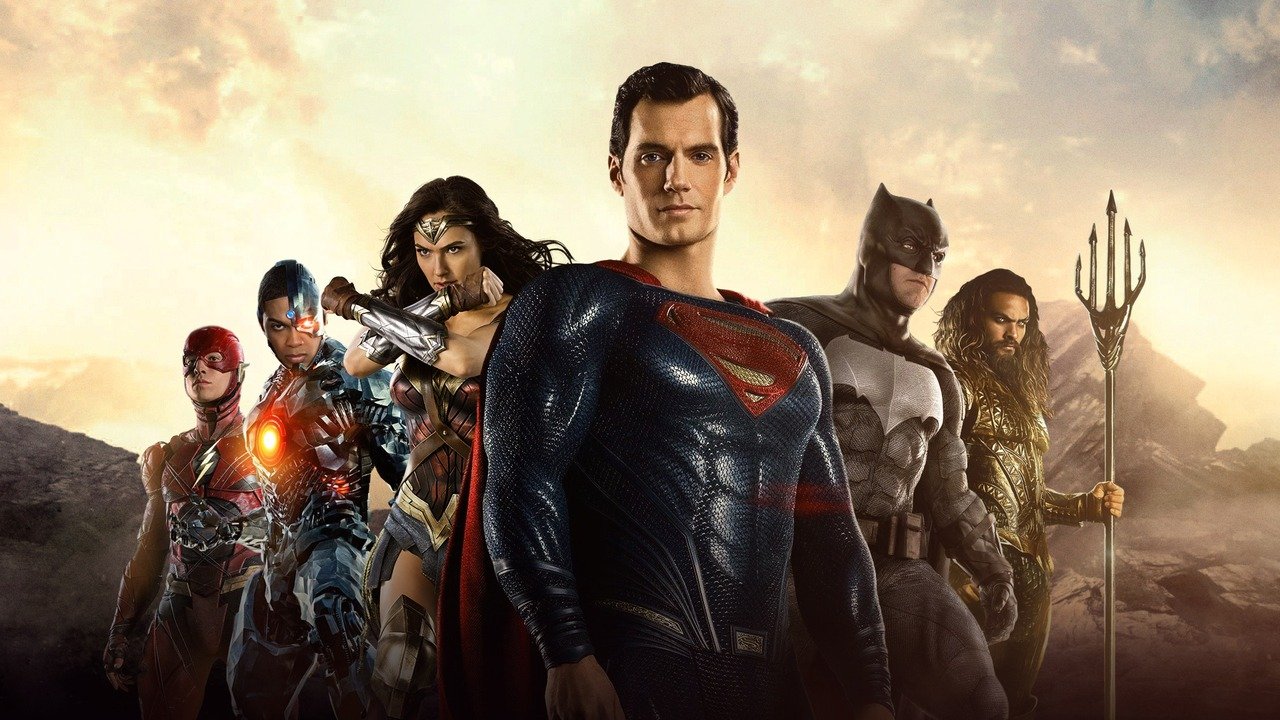
As everyone knows, the DCEU was supposed to be film studio’s answer to Disney’s Marvel Cinematic Universe (MCU), which has been wildly successful ever since it debuted in 2008. The DCEU had everything going for it: popular superheroes that enjoyed success in the box office and TV with projects like Christopher Nolan’s Batman films, the Arrowverse on TV and Smallville. Even Nolan helped launch the DCEU by helping to create Man of Steel. But for many reasons the DCEU was plagued by many problems, mostly due to studio interference, impatience and greed. Warner Bros. was in a rush to compete with the MCU and didn’t allow the DCEU to grow organically and build up a fanbase like with the MCU. Instead of carefully introducing characters, they were clumsily mashed together just to premiere Justice League, the DCEU answer to The Avengers, just a few short years after Man of Steel. Many of the films were not well received and it seemed as if the DCEU was playing catch up with the MCU. But what really killed the DCEU was interference by studio executives who were chasing the almighty dollar and did not seem to care about the quality of the films.
Despite attempts to salvage the DCEU by the early 2020s it was clear that the cinematic universe was without direction and falling apart. To the studio’s credit, they recognized James Gunn’s talent and vision with The Suicide Squad and offered him the opportunity to revamp its cinematic universe. He essentially started over with the DC properties and has launched the DCU with its initial projects being labeled as Chapter One: Gods & Monsters. Of course, this entailed huge changes including the recasting of the DC characters. Actors, like Henry Cavill, were removed from playing iconic characters and in the case of Jason Momoa, he was recast to play a different role in the DCU. This development was controversial and incense some fans of the DCEU who automatically hated anything to do with the DCU and have taken to the Internet to troll Gunn and the DCU. Unfortunately, that is par for the course with social media these days.
Aside from the fact that the year 2025 means that this century is now 25 percent complete, this year promises many great genre films and TV shows for our enjoyment. Here is the list of the most anticipated films and TV shows for 2025. But note that as always, some of the projects listed will either be delayed to another year or turn out to be hot garbage and/or won’t necessarily be among the best films or TV shows when the year is complete. With that, let’s check out what 2025 has in store for us.
Films
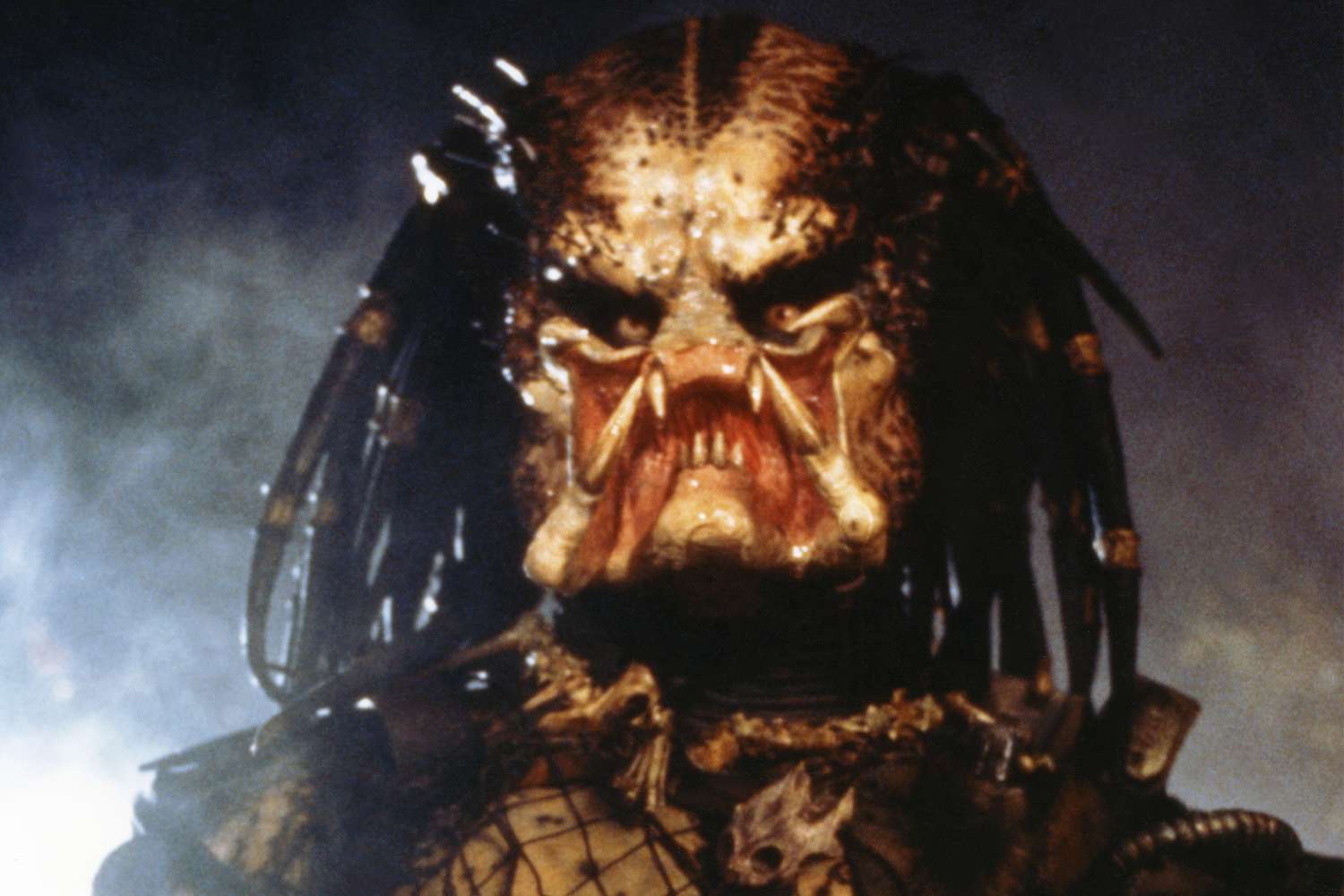
10. Predator: Badlands
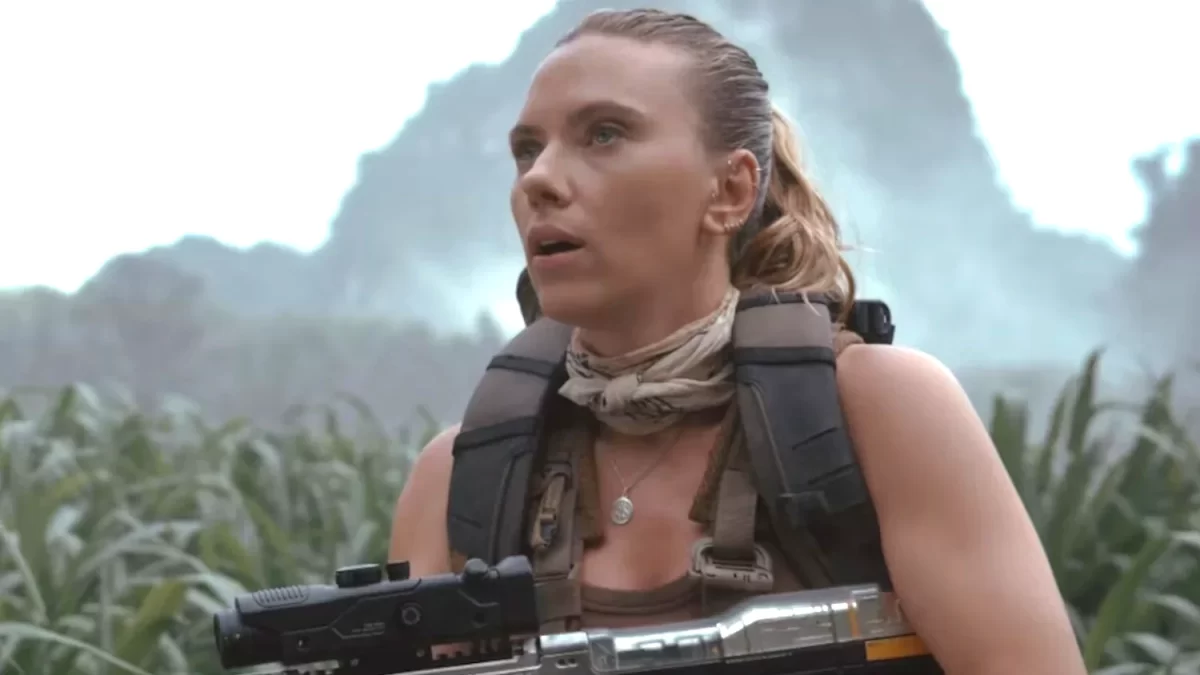
The film Prey turned out to be a great surprise as it jumpstarted the Predator franchise. The director of Prey, Daniel Tracthenberg, returns with a fresh new premise as the new film is told from the point of view of the Predator.
9. Jurassic World: Rebirth
The Jurassic Park/World franchise starts off with a new premise and cast as dinosaurs have become an endangered species. Calamity ensues (as always) when humans try to gather genetic material from the last remaining dinosaurs on an island.
8. Sinners
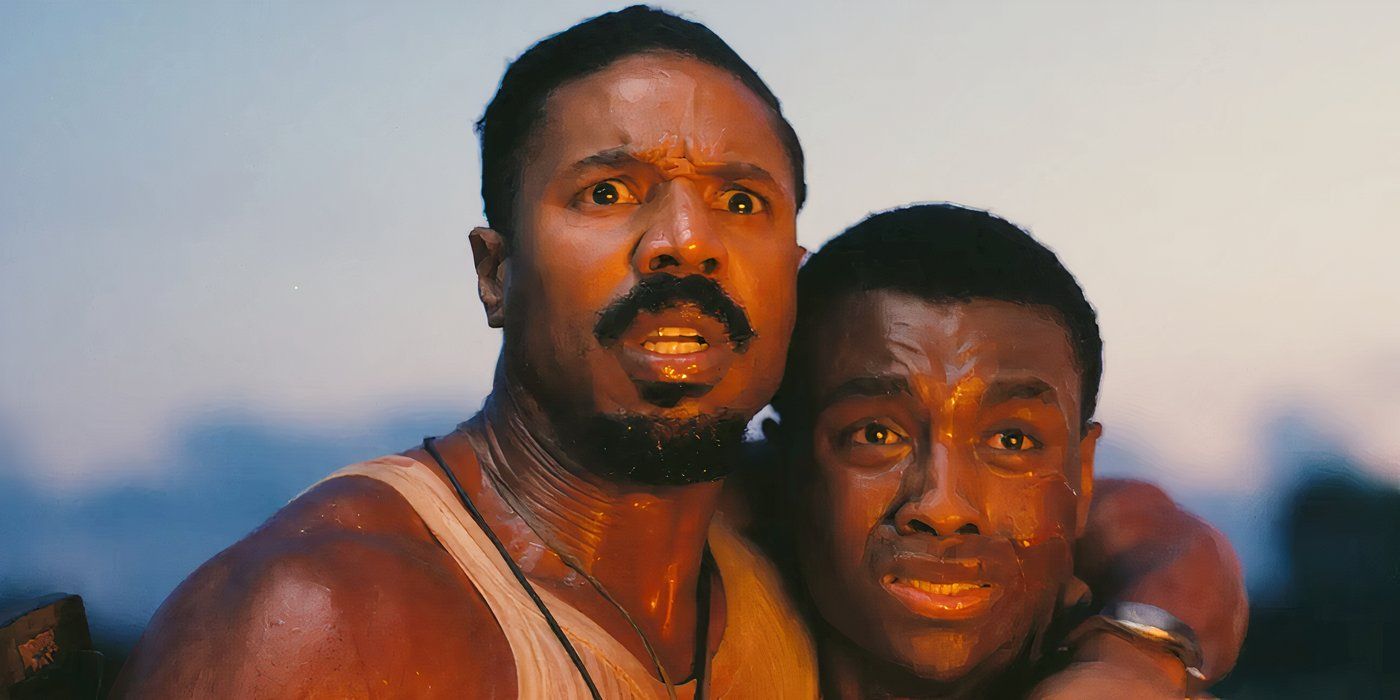
Black Panther Director Ryan Coogler teams up again with actor Michael B. Jordan in a horror yarn featuring vampires. Jordan plays a dual role as troubled twin brothers who return to their hometown only to discover a deadly evil waiting for them.
7. How to Train Your Dragon
While the idea of adapting beloved animated classics into live-action films has run its course, looking at you Disney, the trailer for this film looks great. It captured the look and tone of the original film from DreamWorks Animation, so let’s hope the film will turn out to be as great as the animated classic.
6. Captain America: Brave New World
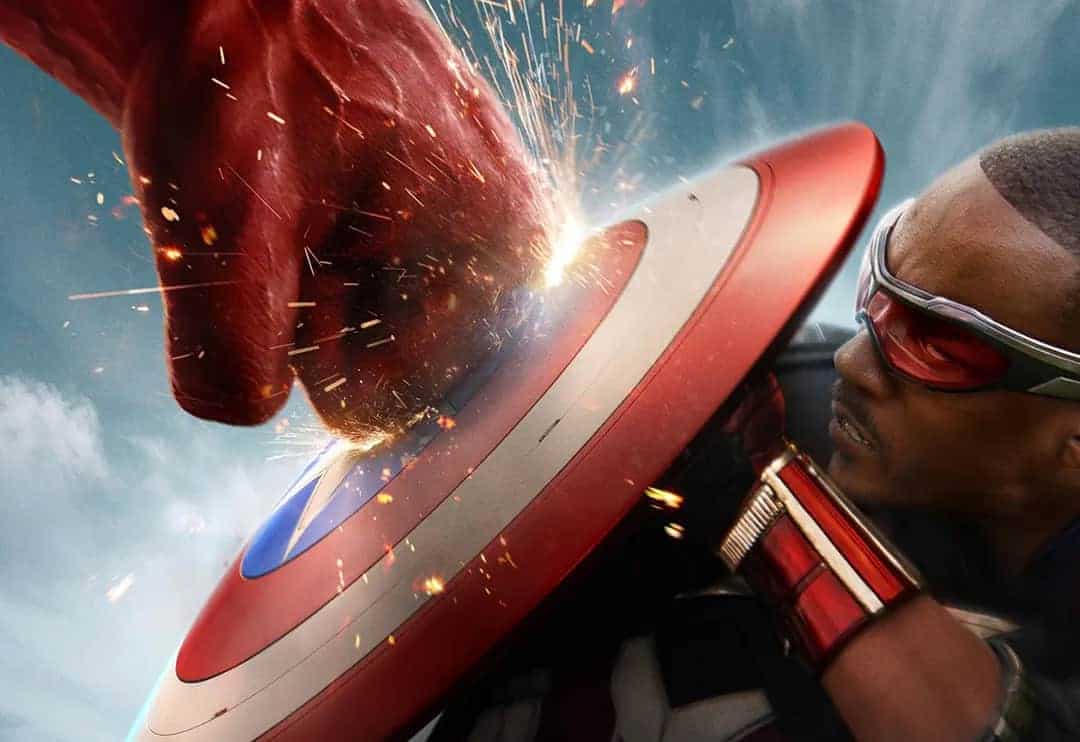
The first film of the Marvel Cinematic Universe (MCU) for 2025 would have been more anticipated if not for the unsettling and continuous reports about constant reshoots and poor reactions from screenings. The trailers look great, especially with Harrison Ford playing the Red Hulk and Anthony Mackie’s Sam Wilson fully embracing the legacy role of Captain America. In any event, we’ll see in a few weeks.
5. Thunderbolts*
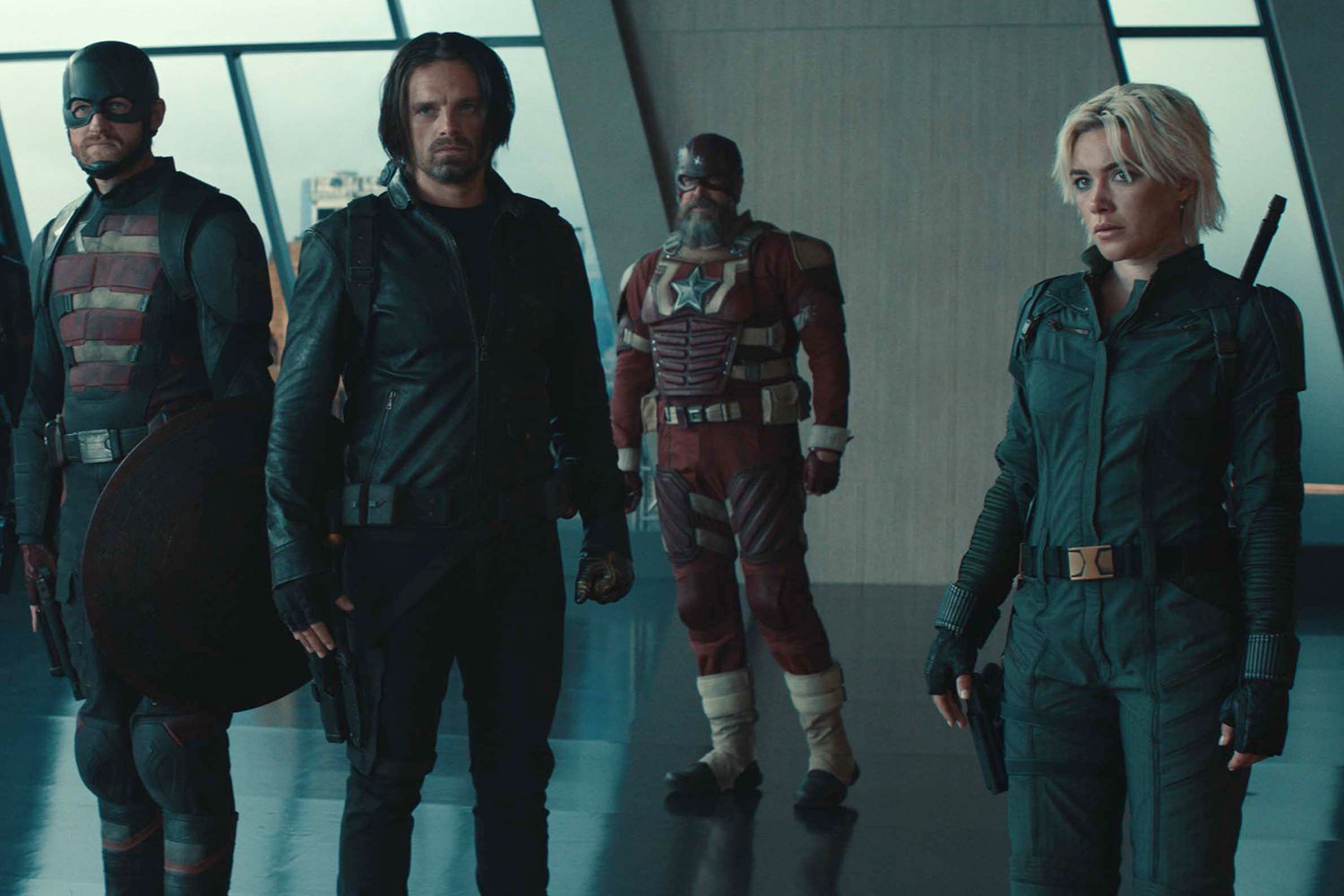
At first, this loose adaptation of the Marvel Comics anti-superhero team seemed like a poor MCU knockoff of the Suicide Squad. What gave this impression was the lineup of the team of supervillains forced into servitude by the U.S. government. Unlike the comic books, the team is made up of the MCU’s lesser-powered characters. But the interplay among them as seen in the trailers was amusing and could be the highlight of the film.
4. 28 Years Later
The creative people behind the first film, 28 Days Later, return for the third film in the British “zombie” apocalypse film franchise which is set…28 years after the first film. Being that the original director, Danny Boyle, is back, this film should be as tense and horrifying as the original classic. There are many questions about what has happened to the world after the Rage Virus has decimated it or what happened to the main protagonist from the first film since Cillian Murphy will return, but it’s not clear in what capacity.
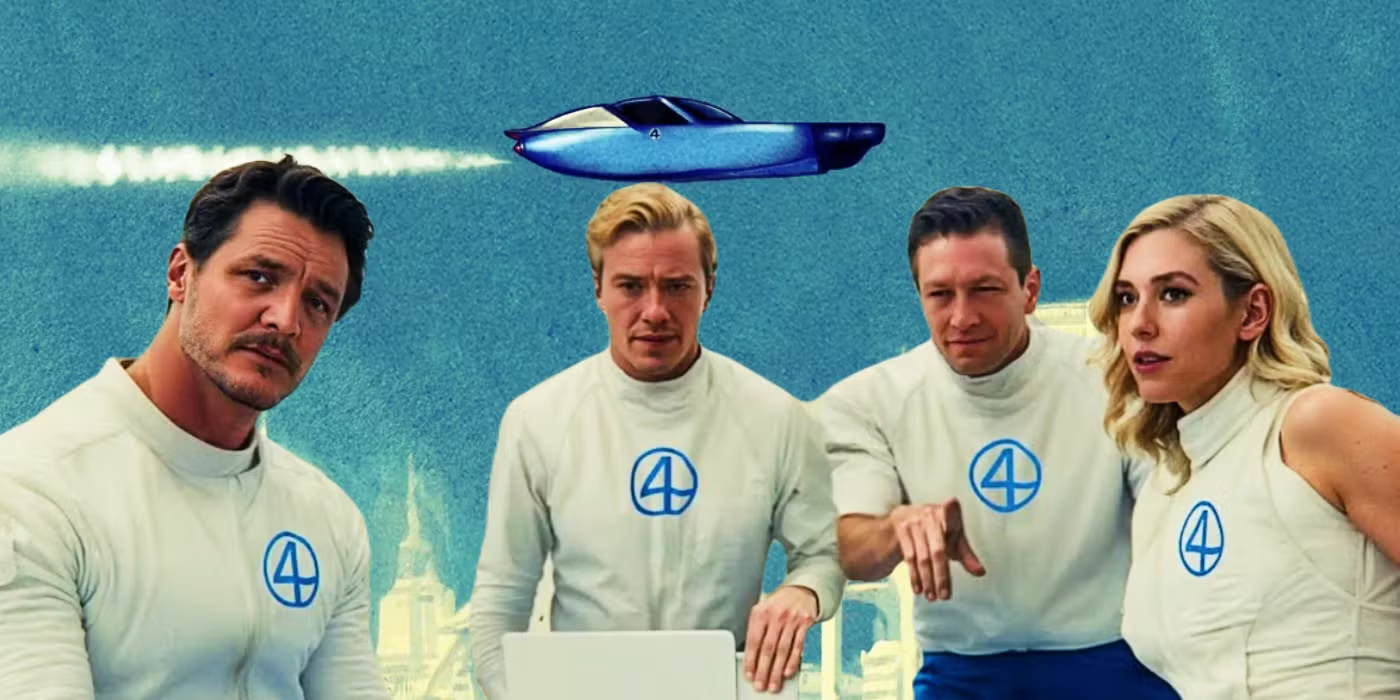
3. The Fantastic Four: First Steps
After so many flawed live-action versions of Marvel Comics’ First Family, Marvel Studios finally has creative control over the property. The new version of the famed superhero team/dysfunctional family promises to be more faithful to the spirit of the comic books that launched Marvel Comics. A lot is riding on the success of this new Fantastic Four film for the MCU and Marvel Studios because the team will be pivotal players in the MCU’s Multiverse Saga and due to the involvement of the studio’s president, Kevin Feige, to ensure the film’s success.
2. Superman
Filmmaker James Gunn formally launches the rebooted DC cinematic universe with his version of the Man of Steel. Superman promises to veer away from the dark and maligned version of Superman seen in the failed DC Extended Universe. This version of Superman will go back to its optimistic comic book roots and once again serve as a beacon of hope and justice in our world, and lord knows we need someone like Superman now. Superman must be well received, and its chances are high thanks to the talented Gunn fresh from the success of his Guardians of the Galaxy trilogy.
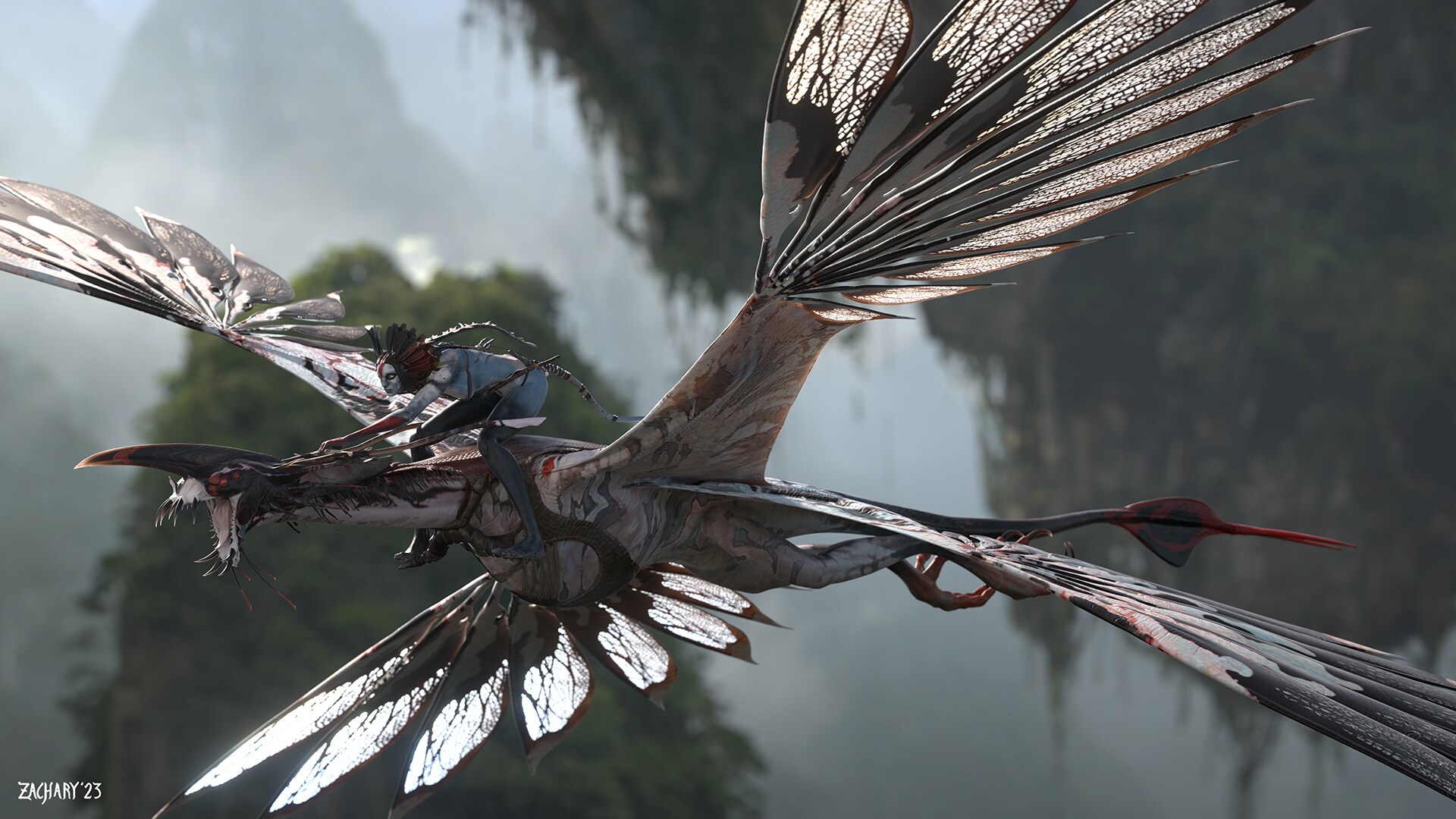
1. Avatar: Fire and Ash
Never underestimate filmmaker James Cameron. He is a truly gifted and imaginary film auteur who has immersed audiences with his past films, including the first two Avatar films. Despite the complaints about the simplistic nature of the Avatar films, they are very immersive thanks to groundbreaking special effects and 3D technology. These aspects helped elevated Avatar and Avatar: The Way of Water into event films that were very popular. Cameron will continue this immersion into an alien world with the third film, Avatar: Fire and Ash, as it further explores the verdant moon of Pandora, the continuing fight against human invaders and has the main characters encountering an evil tribe of Na’vi.
Notable Mentions:
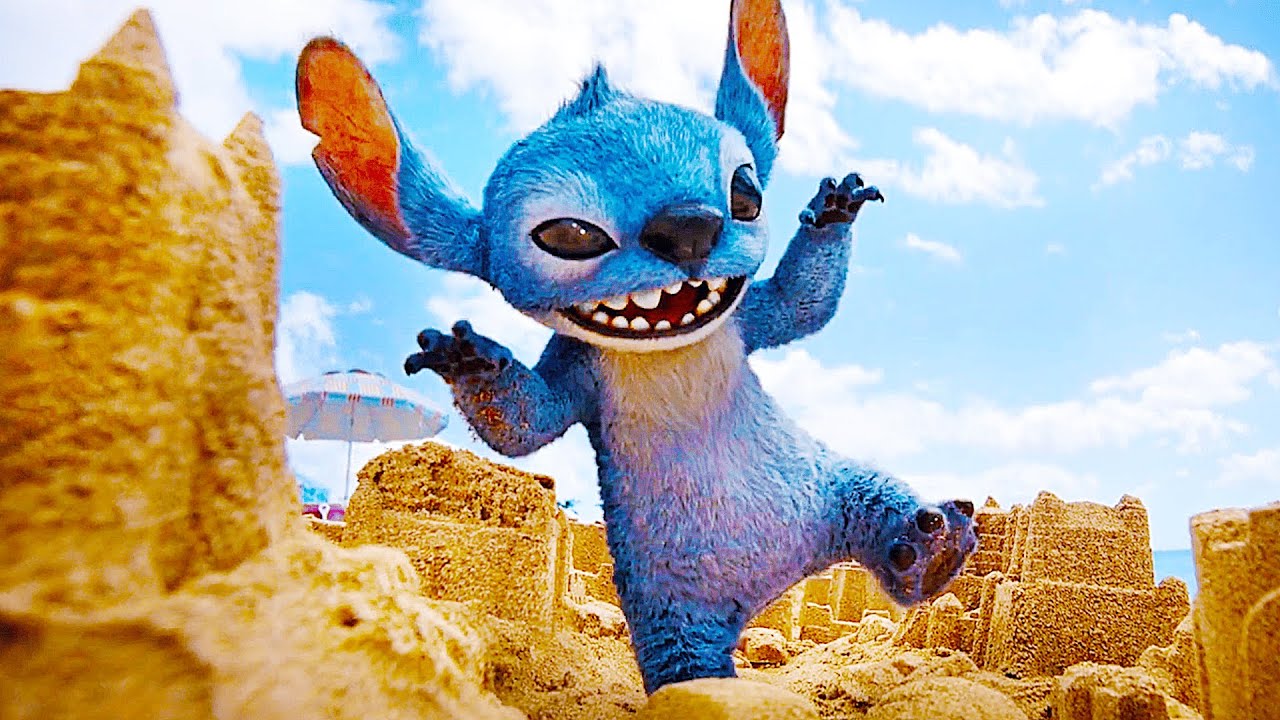
Ash; The Black Phone 2; Companion; Elio; The Electric State; Five Nights at Freddy’s 2; Frankenstein; The Gorge; The Last Battleship; The Legend of Ochi; Lilo & Stitch; Love Me; M3GAN 2.0; Mickey 17; TheMonkey; Planet Gliese; Presence; The Running Man; Star Trek: Section 31; Tron: Ares; Wolf Man; Zootopia 2
TV Shows
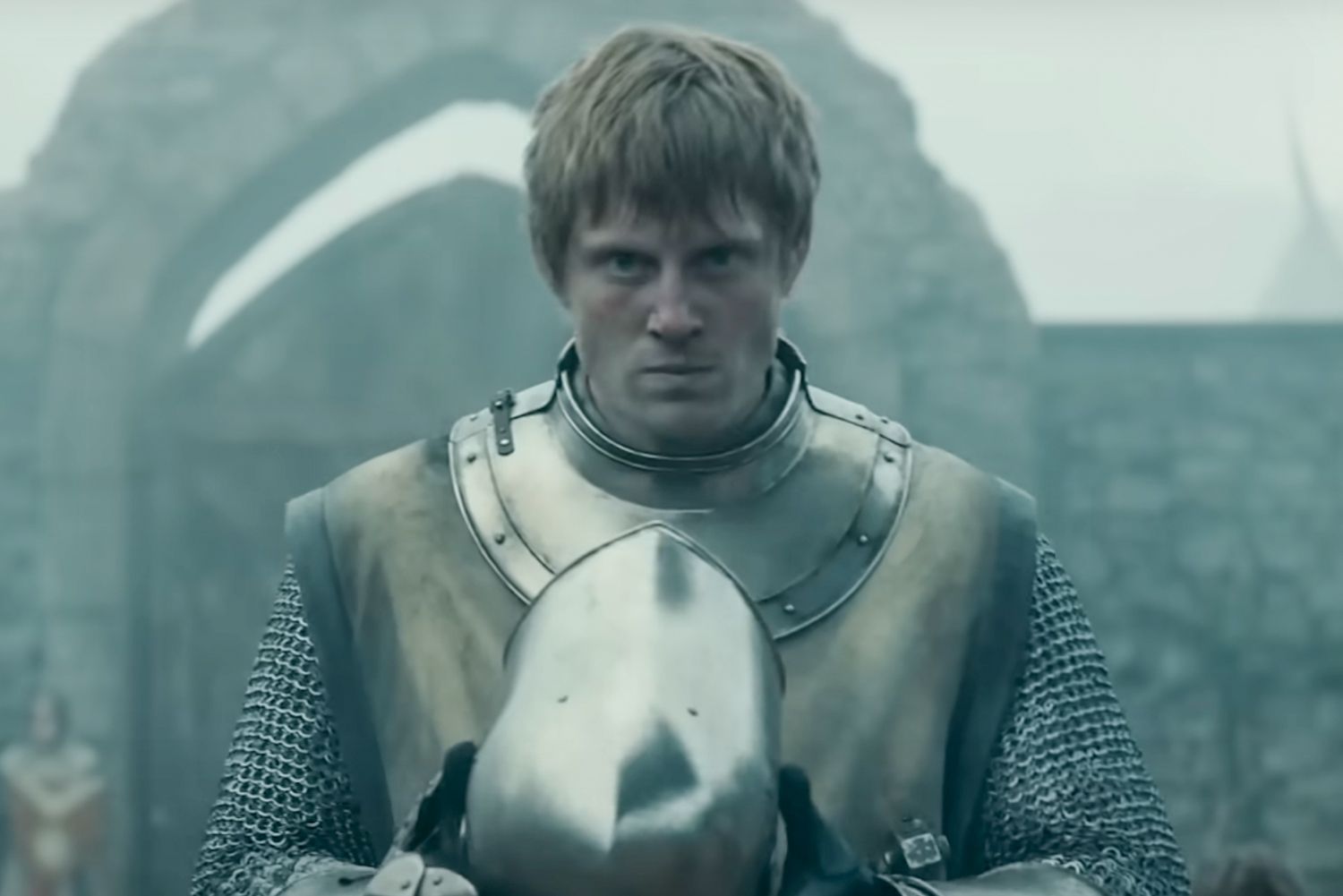
10. A Knight of the Seven Kingdoms
This third series set in the world of A Game of Thrones looks very engaging with its rich production as seen in clips and its premise about a wandering knight and his squire in the land of Westeros.
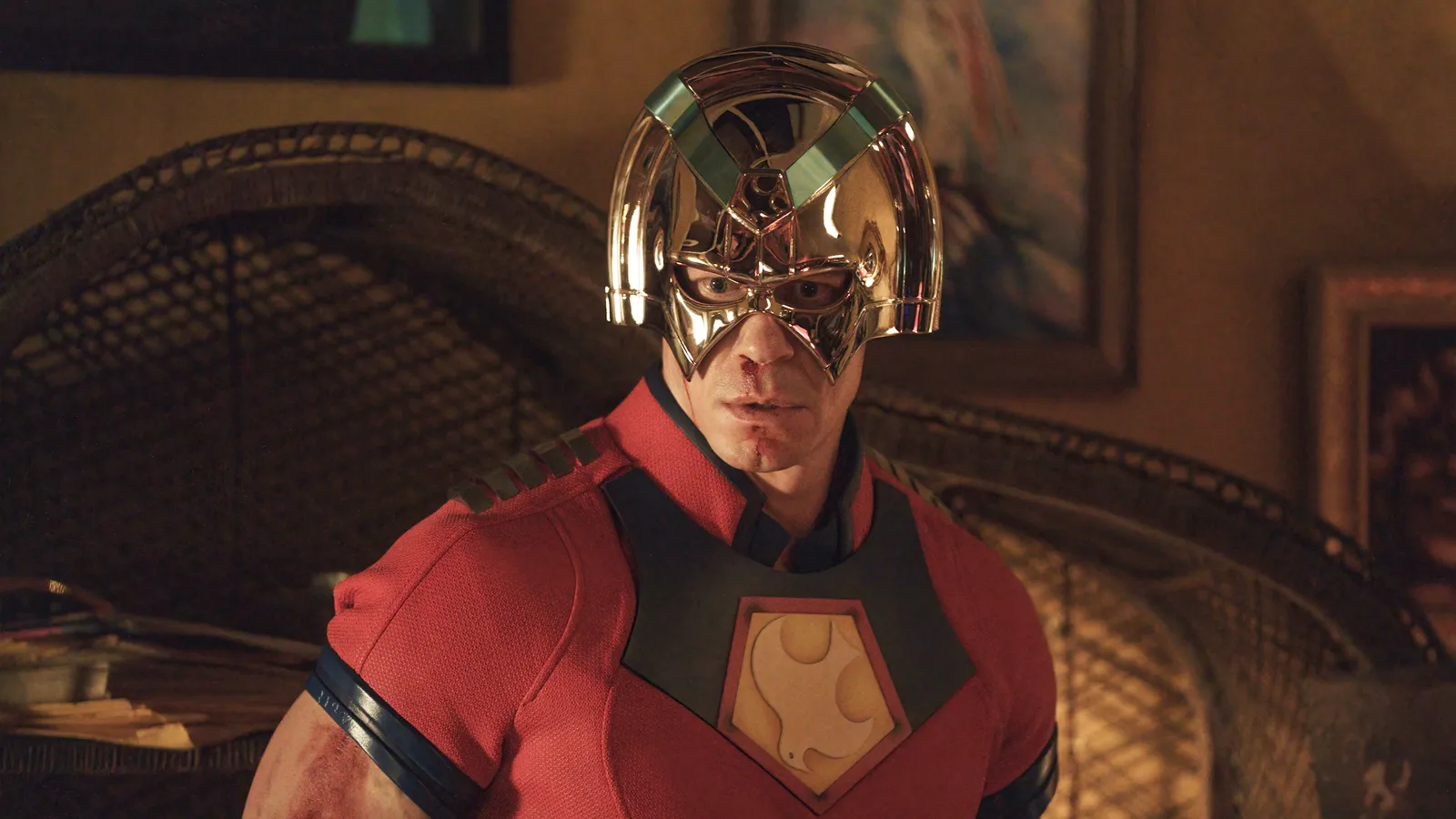
9. Peacemaker
The super violent super soldier from DC Comics was portrayed to great comic effect by John Cena, He will reprise his role for the second season with episodes written by James Gunn, who will also direct at least one episode.
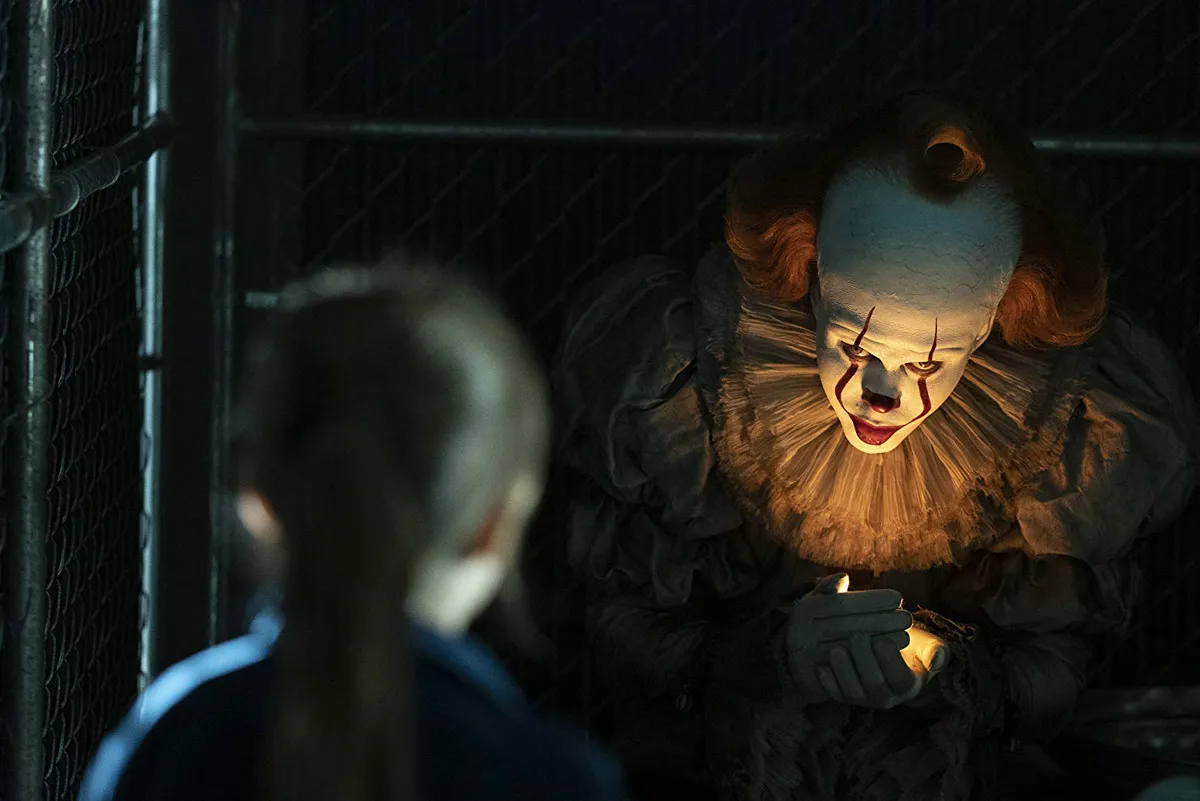
8. It: Welcome to Derry
The infamous fictional Maine town of Derry featured in many of Stephen King’s literary works is the setting of this Max series that zeroes in on the evil influence of the malicious entity Pennywise.
7. The Last of Us
The second season of the acclaimed adaptation of the video game continues its story of Joel and young Ellie, survivors of the apocalyptic fungal pandemic that devastated the world. What is not known is if the series will continue to be as faithful to the game as it progresses.
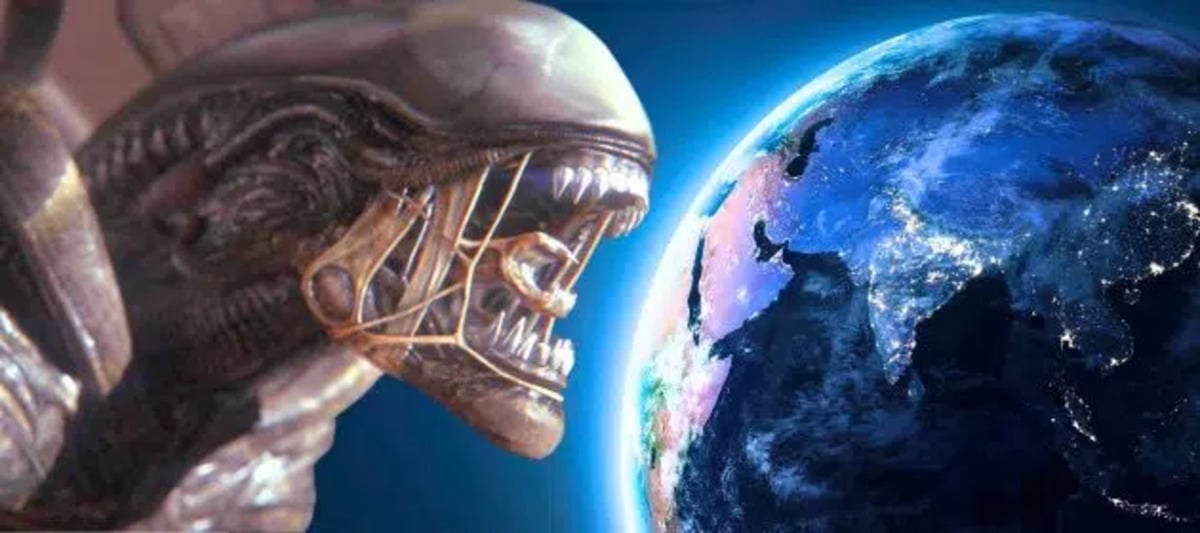
6. Alien: Earth
Noah Haley writes and directs the first TV series based on the Alien franchise. Little is known about this prequel to the original film, other than it involves a ragtag group of soldiers dealing with a deadly threat to our planet after the alien xenomorphs arrive on our planet.
5. Severance
The horrors of the modern office workplace take an even more macabre turn in the second season of Severance. Adam Scott returns as Mark the employee of the mysterious Lumon corporation that erases the memories of its employees each time they go to and from work. The second season should answer many burning questions about Lumon and deepen its mystery.
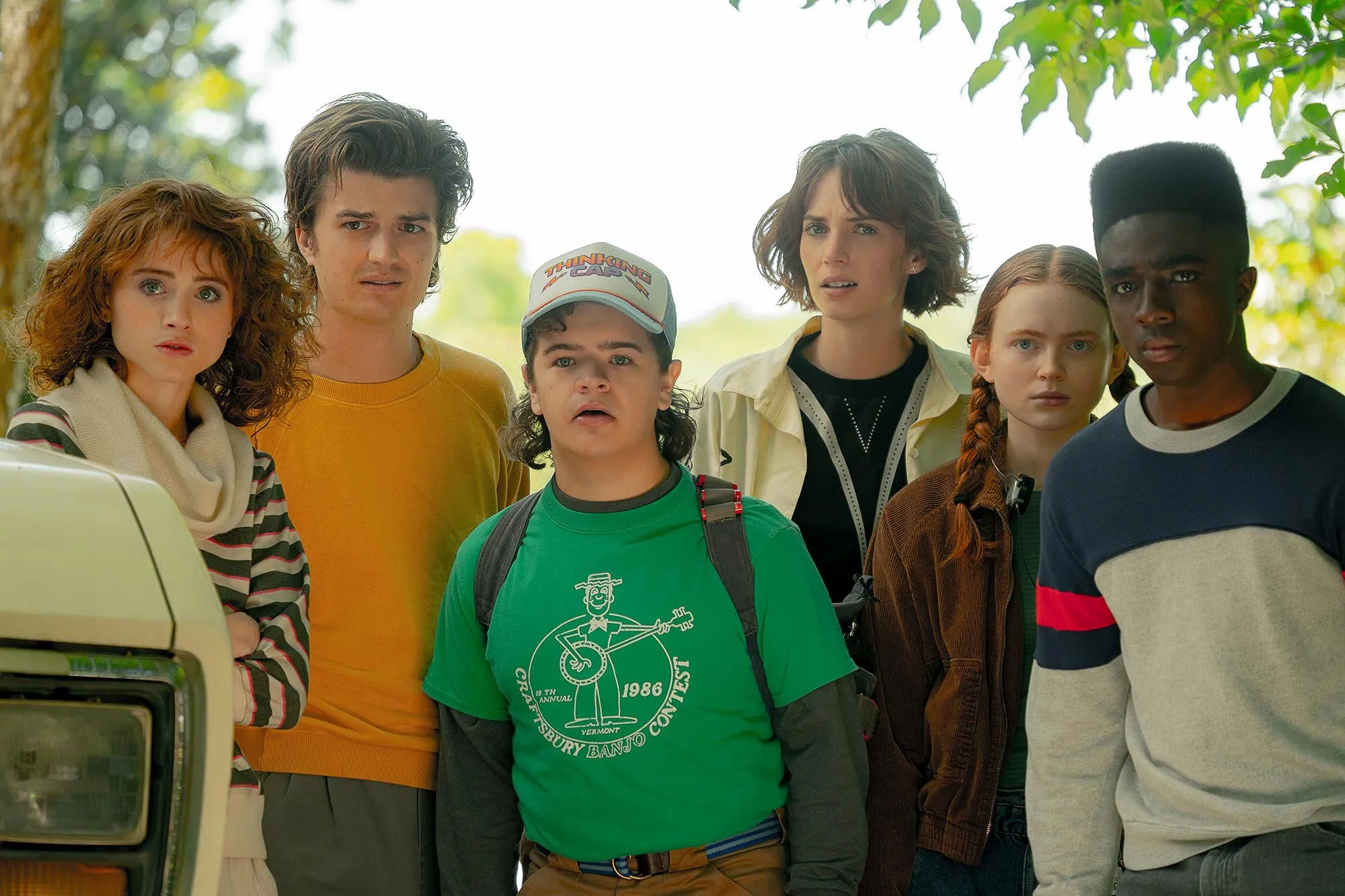
4. Stranger Things 5
The Stranger Things saga comes to an epic conclusion with its fifth and final season. It has been a couple of years since the last season of Stranger Things, but the talented cast and crew of the popular ode to ‘80s sci-fi/teenage films will be able to pick up where they left off and conclude the show’s storylines. Fingers crossed that it can defy trends and be able to stick the landing with its final episodes.
3. Star Trek: Strange New Worlds
Captain Pike, Spock and the rest of the first crew of the starship Enterprise return in the third season. Thankfully the first episode of the season will conclude the cliffhanger thread that left us screaming at our TV screens when the second season concluded. The rest of the episodes should be able to continue to evoke the adventurous spirit of the original Star Trek with fresh, modern stories as the characters explore strange new worlds.
2. Andor
What set Andor apart from the typical Star Wars fare was its more mature and grounded tone with ambiguous characters and complex situations that fully fleshed out the Star Wars universe. The second and final season of the acclaimed Star Wars TV show about the conflicted Rebel spy Andor (Diego Luna) will lead directly to the classic film, Rogue One: A Star Wars Story. Andor’s second season should be just as complex and mature as the first and continue to set the bar not just for Star Wars but sci-fi TV shows in general.
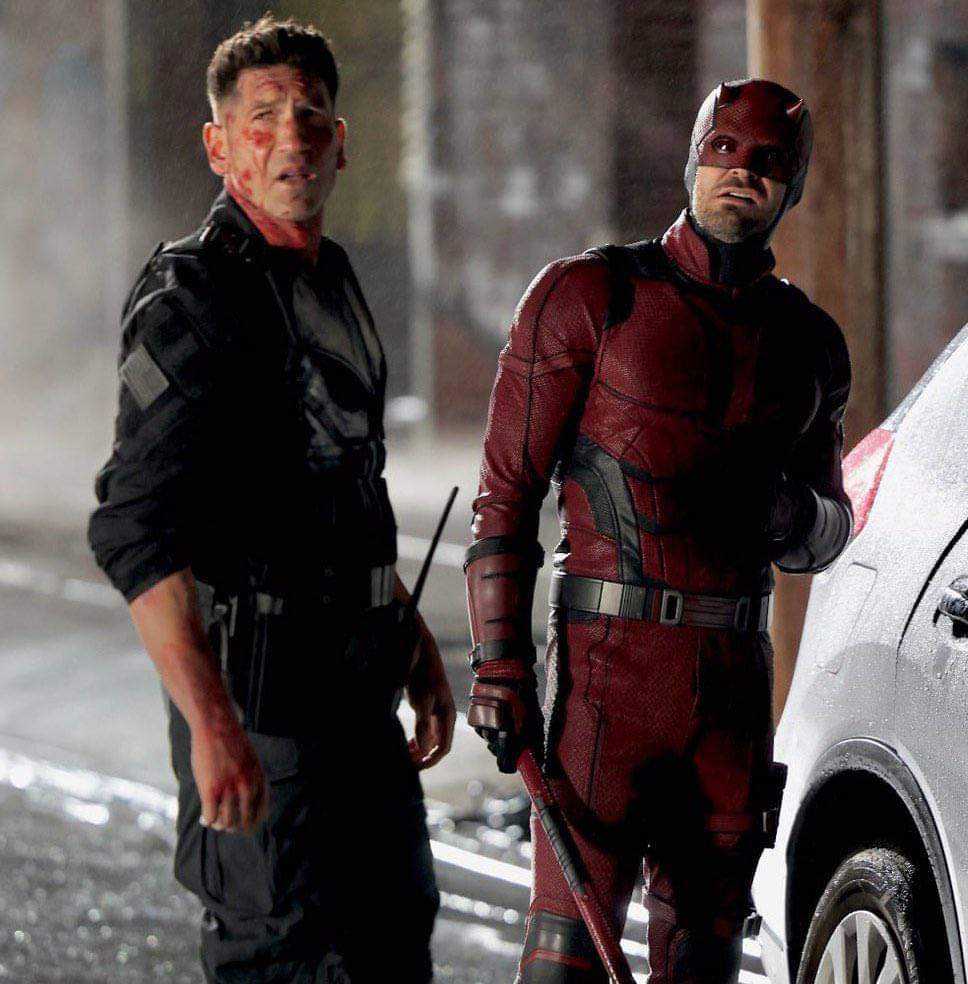
1. Daredevil: Born Again
The best Netflix Marvel TV series is revived for Disney + and returns many of the beloved actors from the original series starting with Charlie Cox as the blind lawyer/superhero, Matt Murdock/Daredevil, and Vincent D’Onofrio as the evil crimelord Wilson Fisk, who is now the Mayor of New York City. Initially there was some trepidation about the direction of the series as it supposedly strayed from the gritty tone of the Netflix TV show, but Kevin Feige corrected course and had the series reshot nearly from scratch. The result should be a superhero TV show that matches or exceeds the standards of the original Daredevil, which is still considered one of the best superhero TV shows.
Notable Mentions:
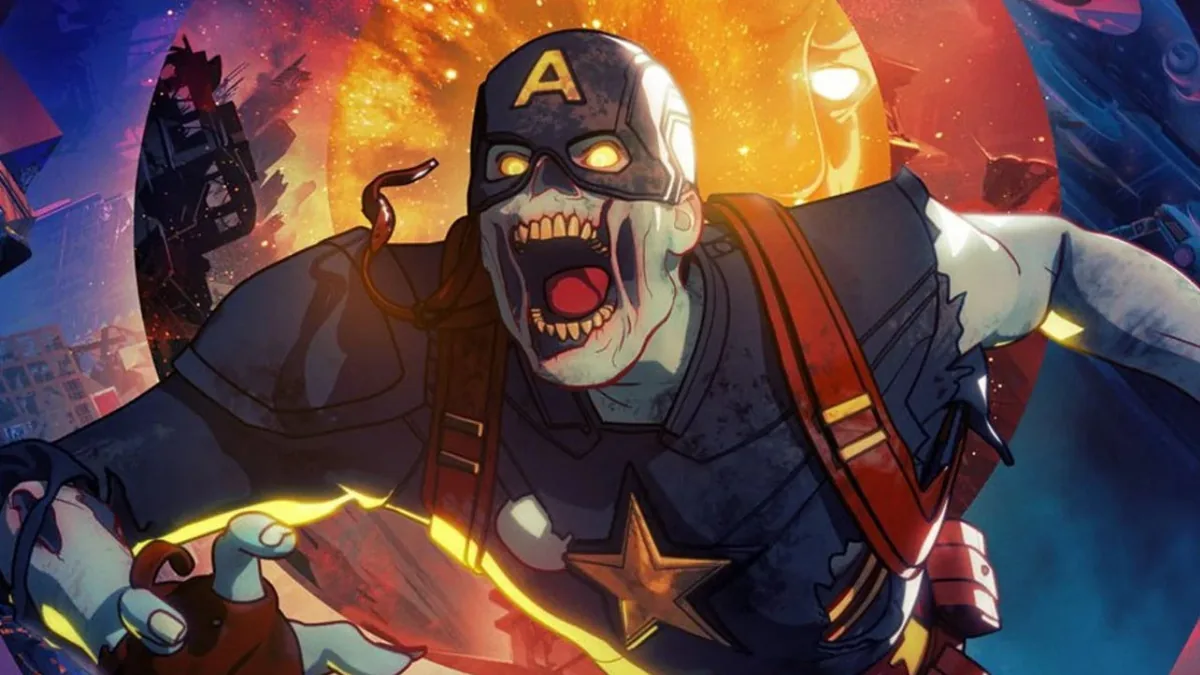
Batman: Caped Crusader; Black Mirror; Doctor Who; Eyes of Wakanda; For AllMankind; Gen V; The Handmaid’s Tale; Invincible; Ironheart; Marvel Zombies; The Sandman; Wednesday; Win or Lose; Wonder Man; Your Friendly Neighborhood Spider-Man; Zero Day
2024, as with previous years, provided some wonderful and imaginative sci-fi, fantasy and horror films and TV shows, which were quite memorable. Here are the best films and TV shows that came out in 2024, many of which took everyone by surprise. Feel free to comment with your own choices.
Films
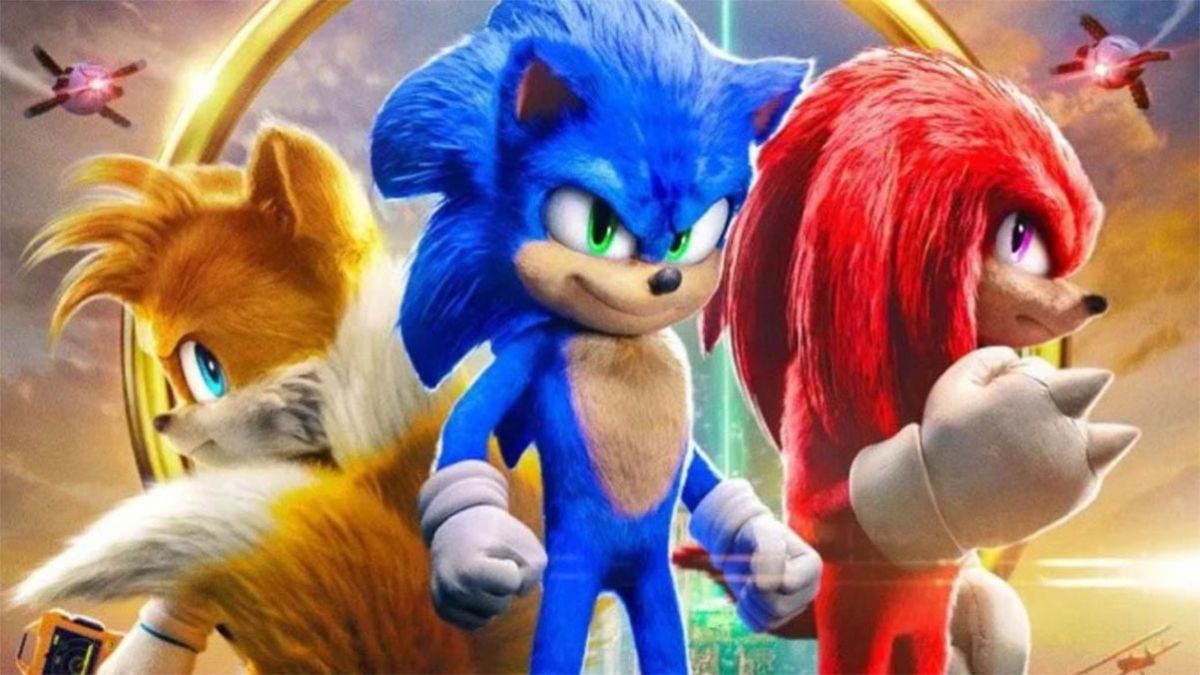
10. Sonic the Hedgehog 3
The third film in the Sonic film franchise fully embraces its video game lore with its colorful characters and their engaging backstories. As usual, Jim Carrey stole the film with his performance, as wells as Keanu Reeves who voiced the fan-favorite Shadow.
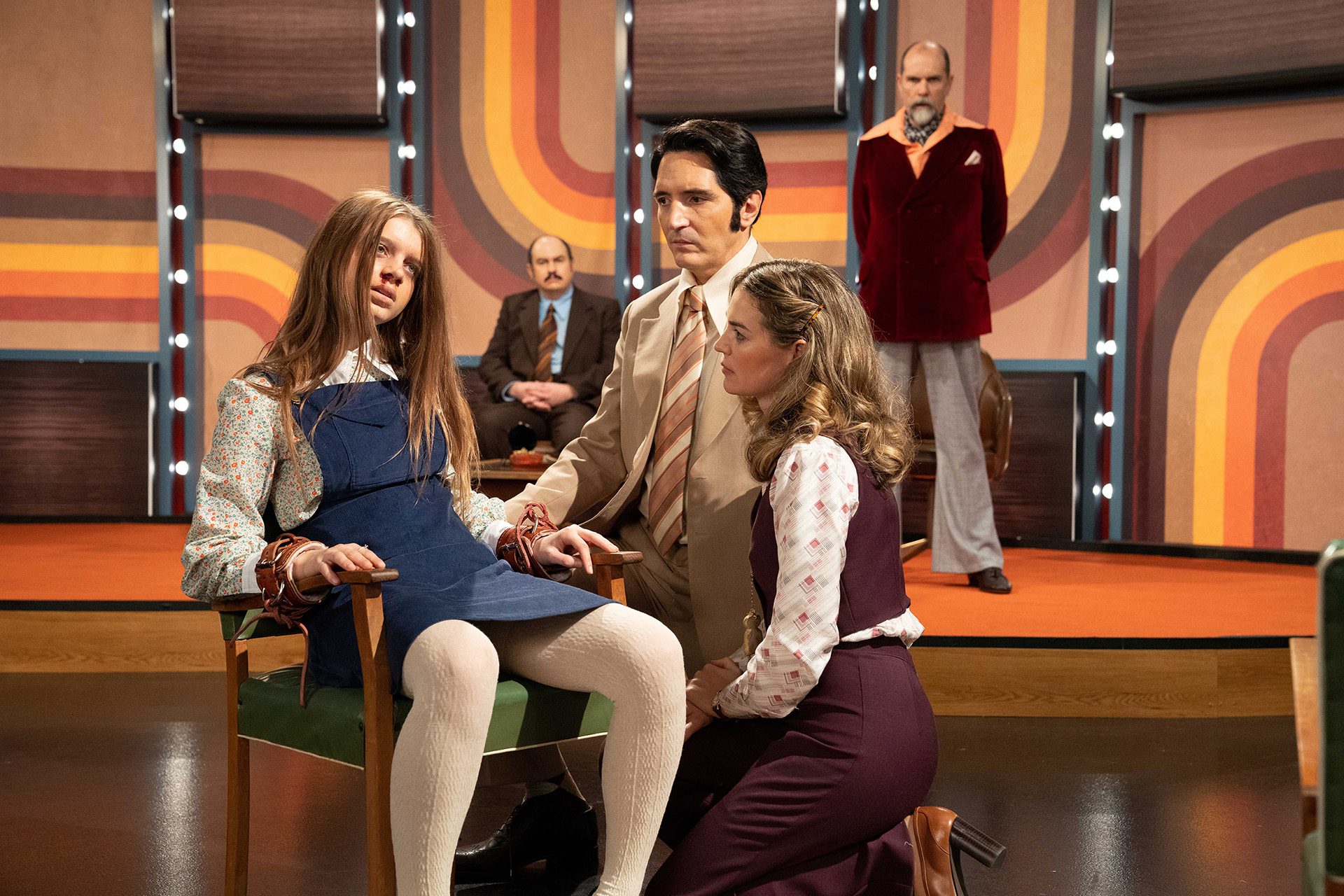
9. Late Night With the Devil
David Dastmalchian shined in this found footage horror film that took the guise of recordings from a broadcast of a 1970s late-night talk show. The film was genuinely creepy and disturbing as the show’s host, Jack Delroy (Dastmalchian), cameto grips with the realization that the occult-themed episode of his show had unpleasant connections to his own life.
8. Furiosa: A Mad Max Saga
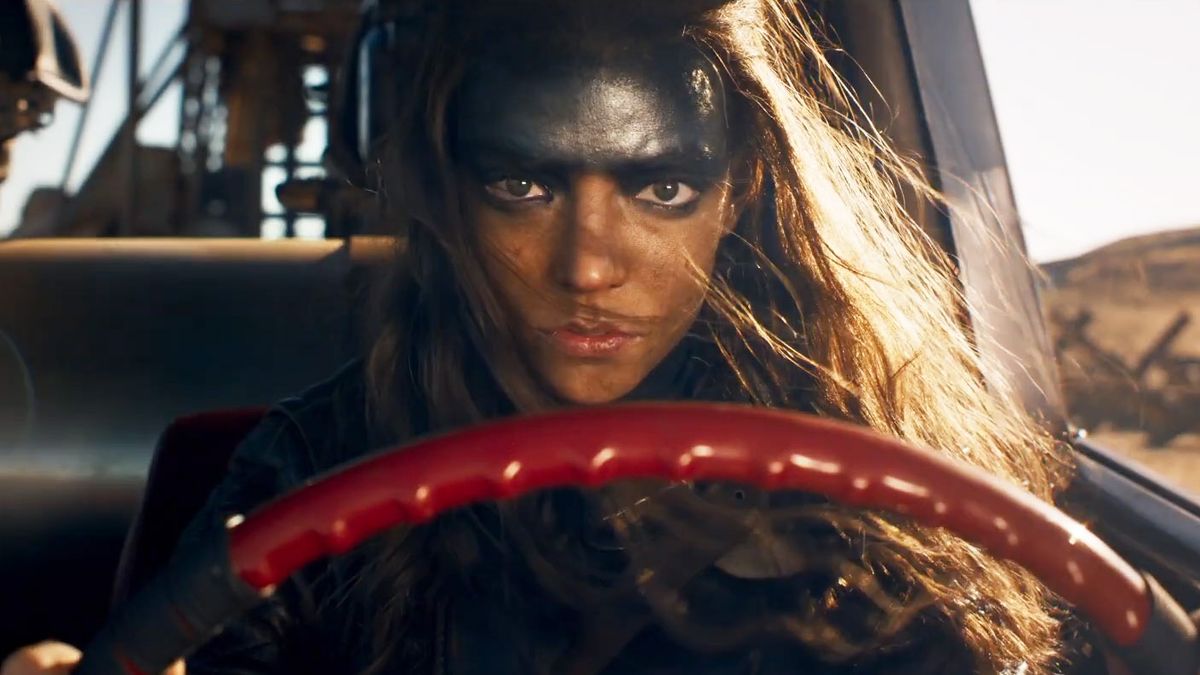
George Miller directed one of his finest films ever with an intense origin story about the breakout character from Mad Max: Fury Road. Anya Taylor-Joy was simply perfect as the younger version of Furiosa, who navigates her way through a brutal post-apocalyptic world overrun by vicious gangs and extreme car chases throughout barren deserts. It’s a Mad Max world at its best.
7. Alien: Romulus
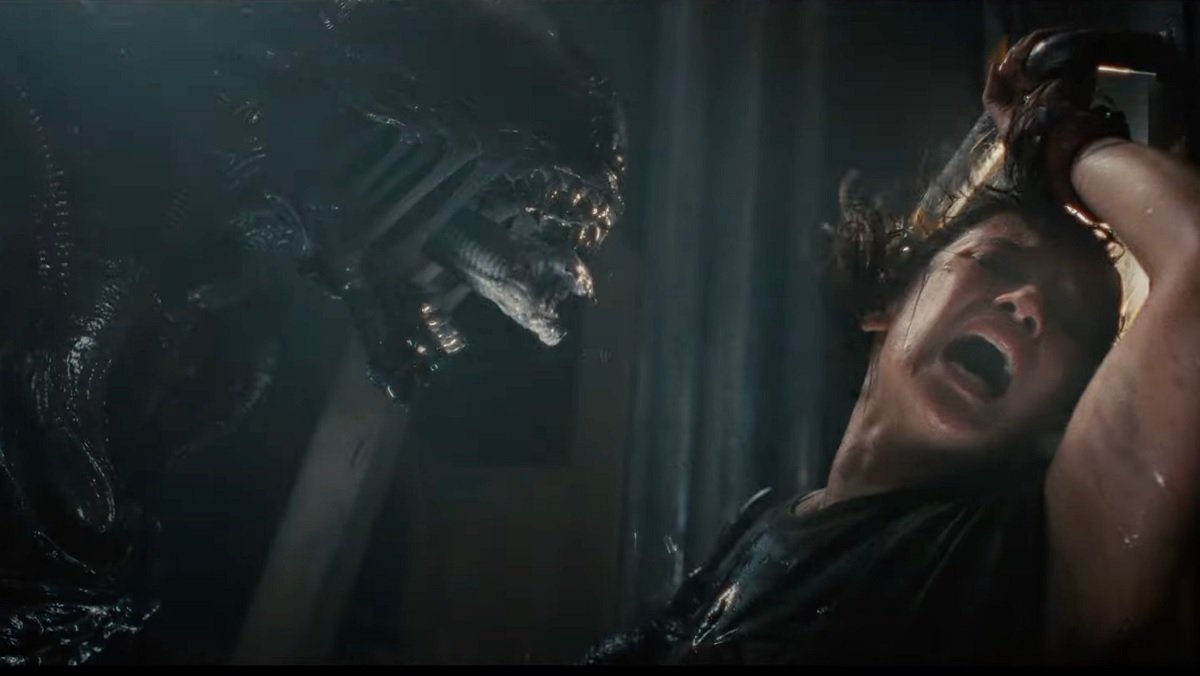
The Alien franchise rightfully returned to its horror roots with this entry that takes place in a claustrophobic space station swarming with alien xenomorphs hunting down the main characters. Even though a lot of the material was familiar and had callbacks to the other films, Alien: Romulus was fresh and inventive with its back-to-basics approach.
6. Nosferatu
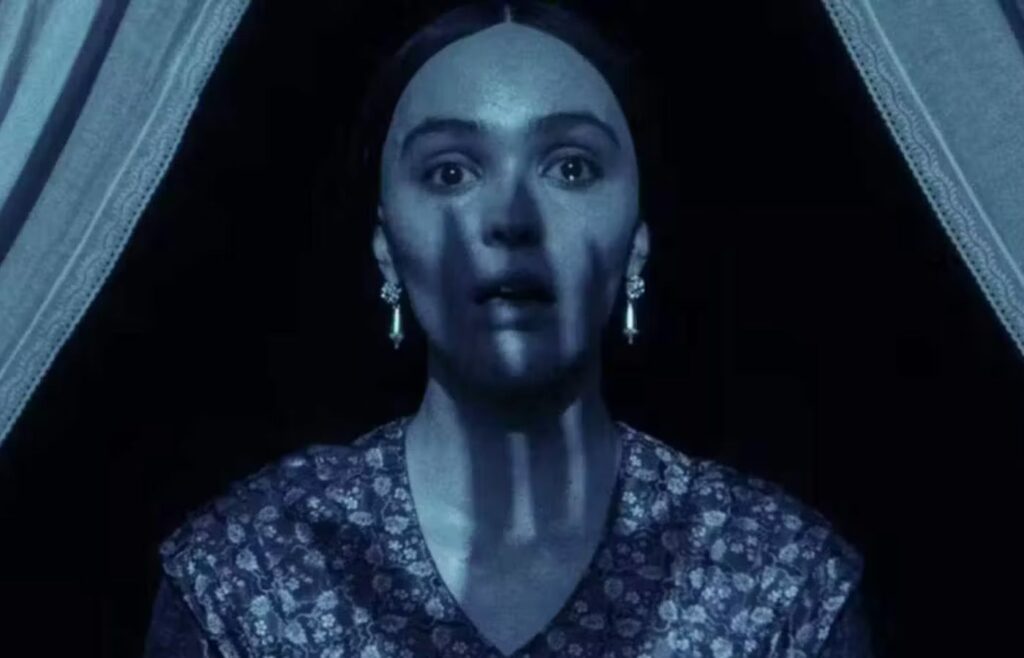
The latest remake of the classic German silent horror film version of Dracula was genuinely creepy and disturbing. Director Robert Eggers has emerged as a true master of film horror with his version of Nosferatu that fully utilized disturbing sounds, eerie shadows, dark cinematography and an overall unsettling atmosphere that will keep you up at night.
5. Civil War
This is one of the most disturbing recent films to be released due to its subject matter of a near-future civil war in the United States and its ramifications. While the choice not to explain what caused the war and its apolitical stance may not satisfy everyone, this approach allowed director Alex Garland to focus on the cruelty and insanity of war and its impact on modern-day society. The film was also a powerful and cringe-inducing war film that ramped up intensely in the final act with a distressing, yet pulse-pounding battle in Washington, D.C.
4. A Quiet Place: Day One
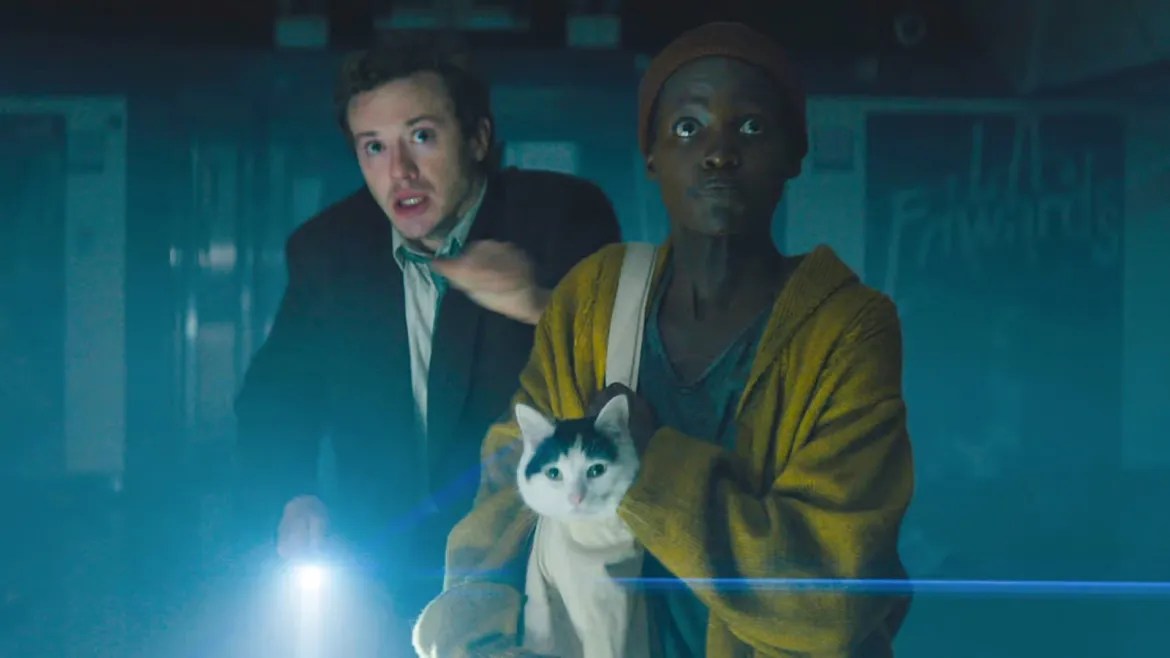
The third film in the A Quiet Place franchise, was a prequel that chronicled the early days of the alien invasion that devastated the Earth and brought it to a silent standstill. The film had the smarts to introduce new characters and a new setting which was a terrifying location for the invasion: a noisy New York City that could not help but attract the deadly alien creatures that murder anyone making sounds. Lupita Nyong’o and Joseph Quinn were outstanding as two misfit survivors trying to reach the home of Nyong’o’s character while avoiding the aliens. Their personal stories were the heart of the film and set the template for future installments.
3. Deadpool & Wolverine
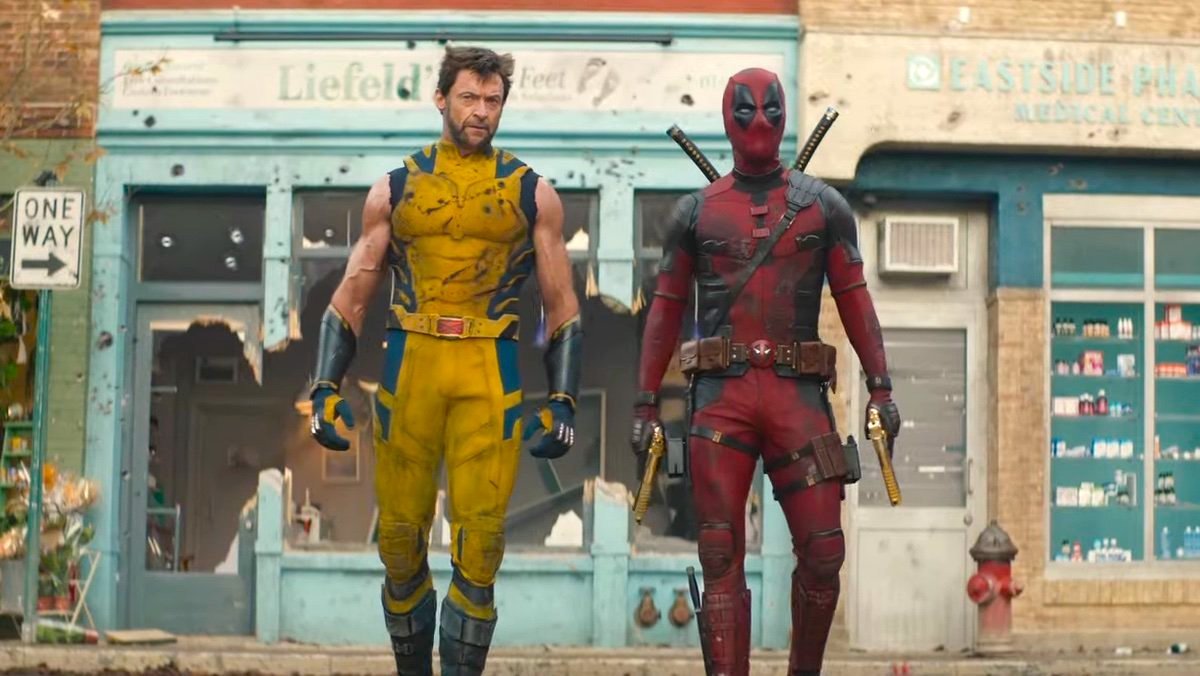
The fourth-wall-breaking Merc with a Mouth (Ryan Reynolds) teamed up with everyone’s favorite X-Man (Hugh Jackman) in a violent and humorous road/buddy trip throughout the multiverse. As the sole film release from Marvel Studios’ Marvel Cinematic Universe (MCU) for the year, Deadpool & Wolverine had a lot riding on it given the fact that recent MCU films have struggled. Fortunately, the film delivered a funny and entertaining romp that both serviced the grand MCU plotline about the multiverse and was a love letter to the now-defunct Marvel films from 20th Century Fox.
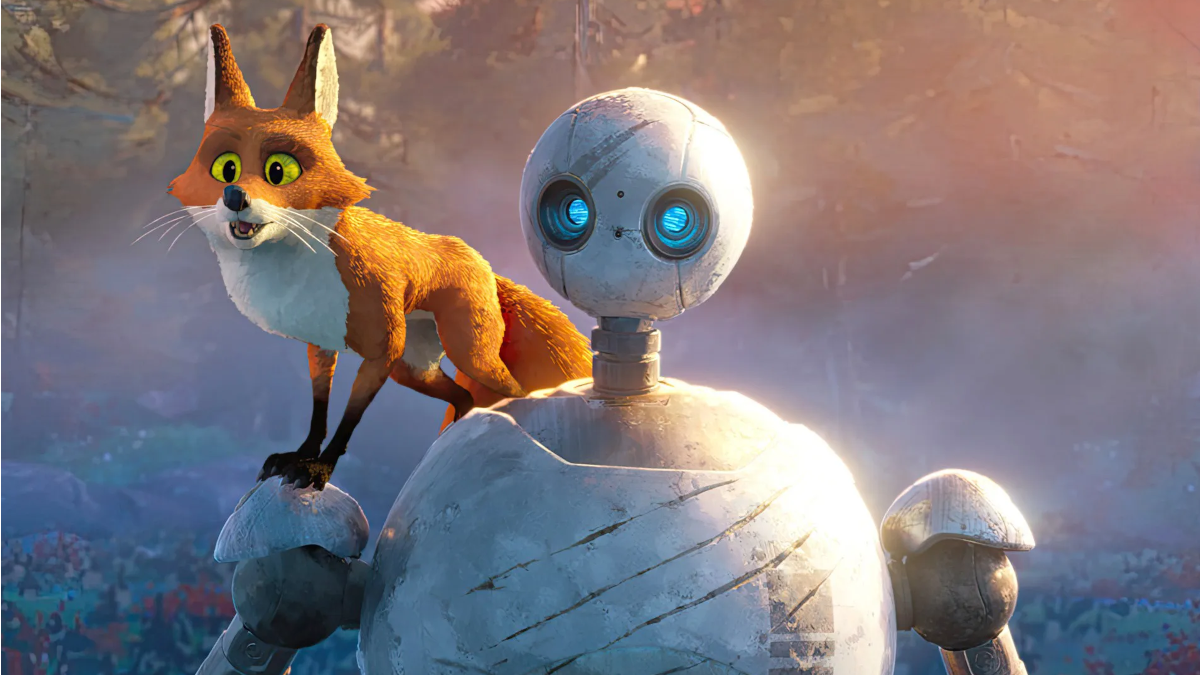
2. The Wild Robot
Arguably DreamWorks Animation’s greatest film, The Wild Robot is a heartwarming and beautifully animated adaptation of Peter Brown’s novel about a service robot in the future that was stranded on an island populated by animals that distrusted her. Over time, she gained their trust as she adopted and raised a young goose and befriended many of the animals. At the same time, the robot began to develop sentience and emotional attachments to her companions, especially her adopted child, who she must raise and protect.
The Wild Robot was surprisingly engaging with its themes of parenthood, friendship, environmentalism, and empathy. It is too bad that this will be DreamWorks Animation final in-house film since the company has proven it can deliver genuine animated classics as it did with The Wild Robot.
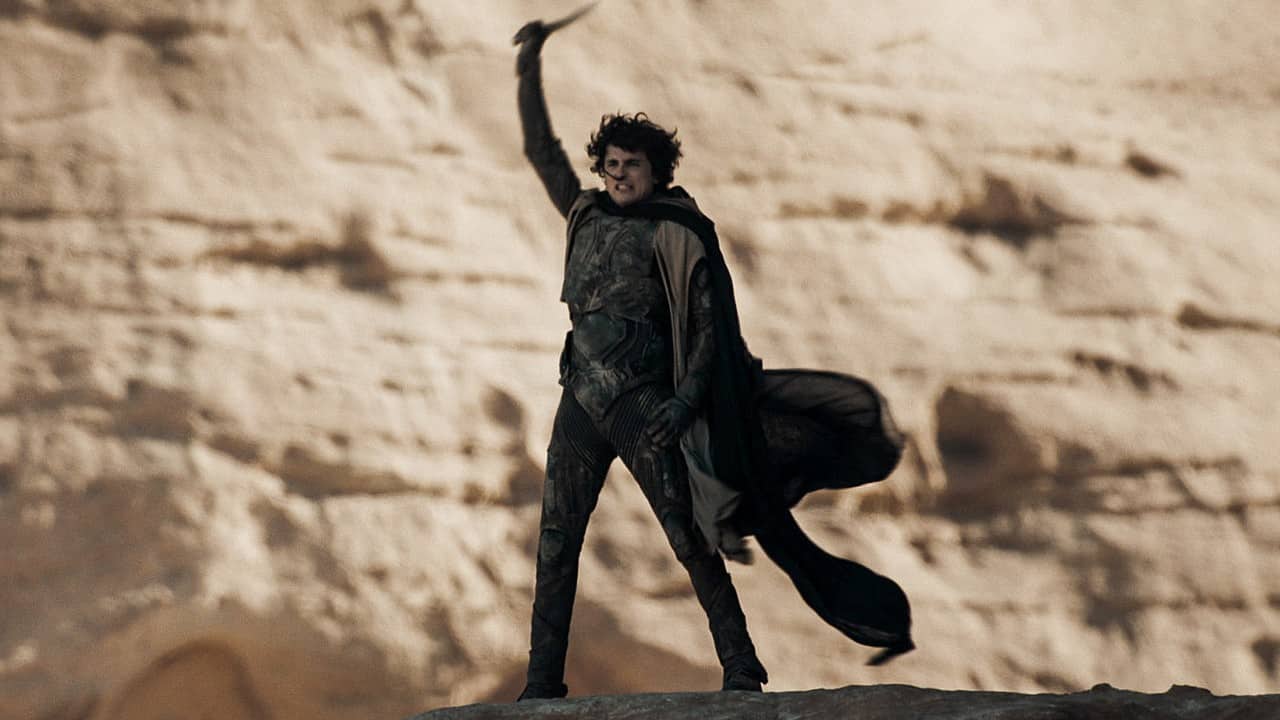
1. Dune, Part Two
Director Denis Villeneuve concluded his grand adaptation of Frank Herbert’s classic sci-fi epic novel about political and religious machinations and war in the distant future. Dune, Part Two actually adapted the second half of the novel and it was a wise decision to split the novel into two films since it allowed Villeneuve the time to fully explore the intricacies of the distinct human cultures across the universe.
While the film was wide-sweeping and bursting with glorious production values and effects, at its core, Dune, Part Two, focused on the burden of its main protagonist, Paul Atreides, who unwillingly became the messianic leader who leads the inhabitants of the desert world called Dune in a holy war. Any viewer could empathize with Paul’s struggle as he faced his destiny despite his doubts about his actions as he sought vengeance for his father’s death and freedom for his adopted people.
Dune, Part Two is a true cinematic epic that demonstrates once and for all, the validity of a solid sci-fi story being successfully adapted into a cinematic masterpiece. The film also establishes that Villeneuve is a true master of sci-fi films who has the bold vision needed to undertake such an adaptation.
Noteworthy Mentions:
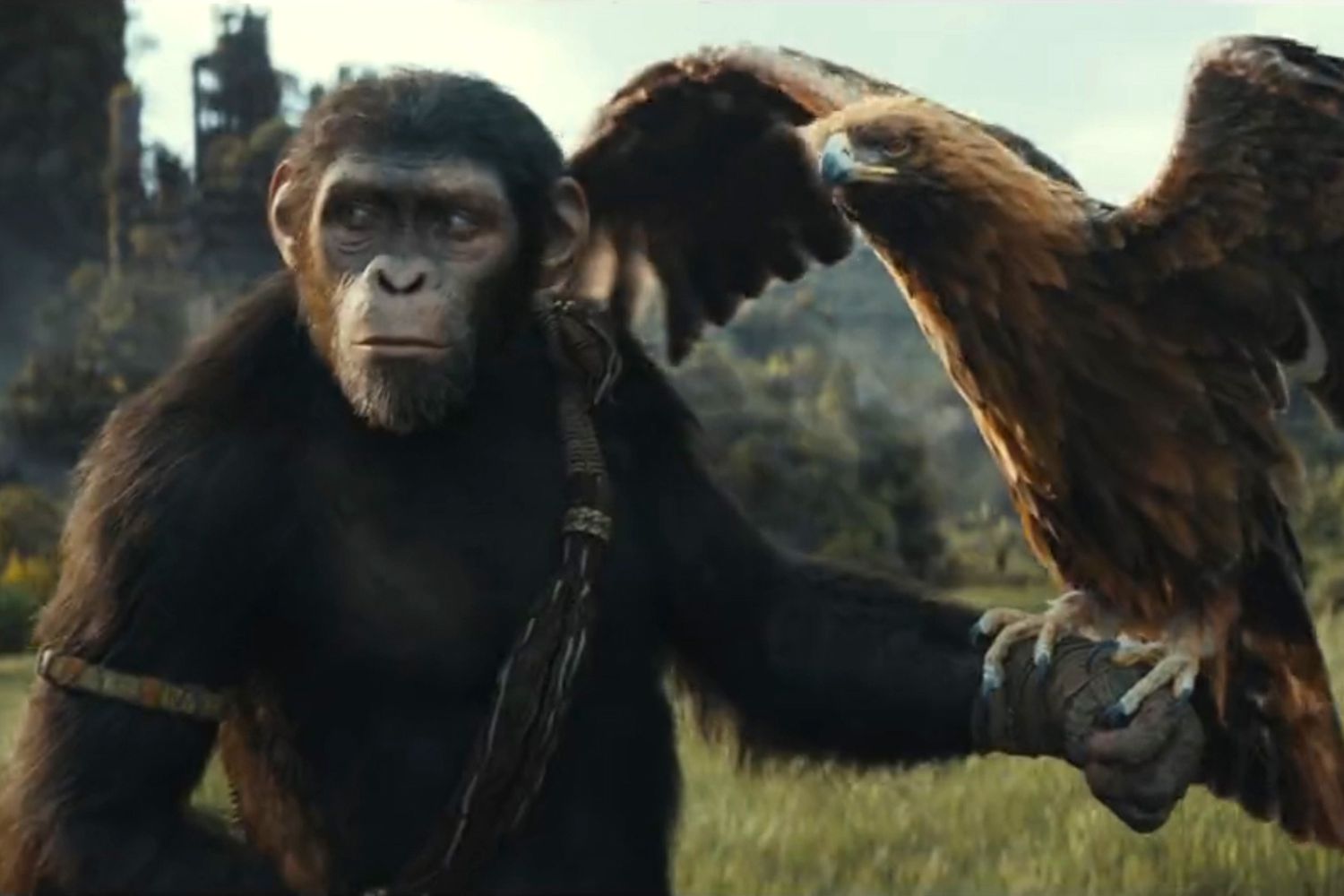
Abigail; Beetlejuice Beetlejuice; Elevation; Flow;Ghostbusters: Frozen Empire;Godzilla x Kong: The New Empire; IF; Inside Out 2; Kingdom of the Planet of the Apes; The Substance; Transformers One; Venom: The Last Dance
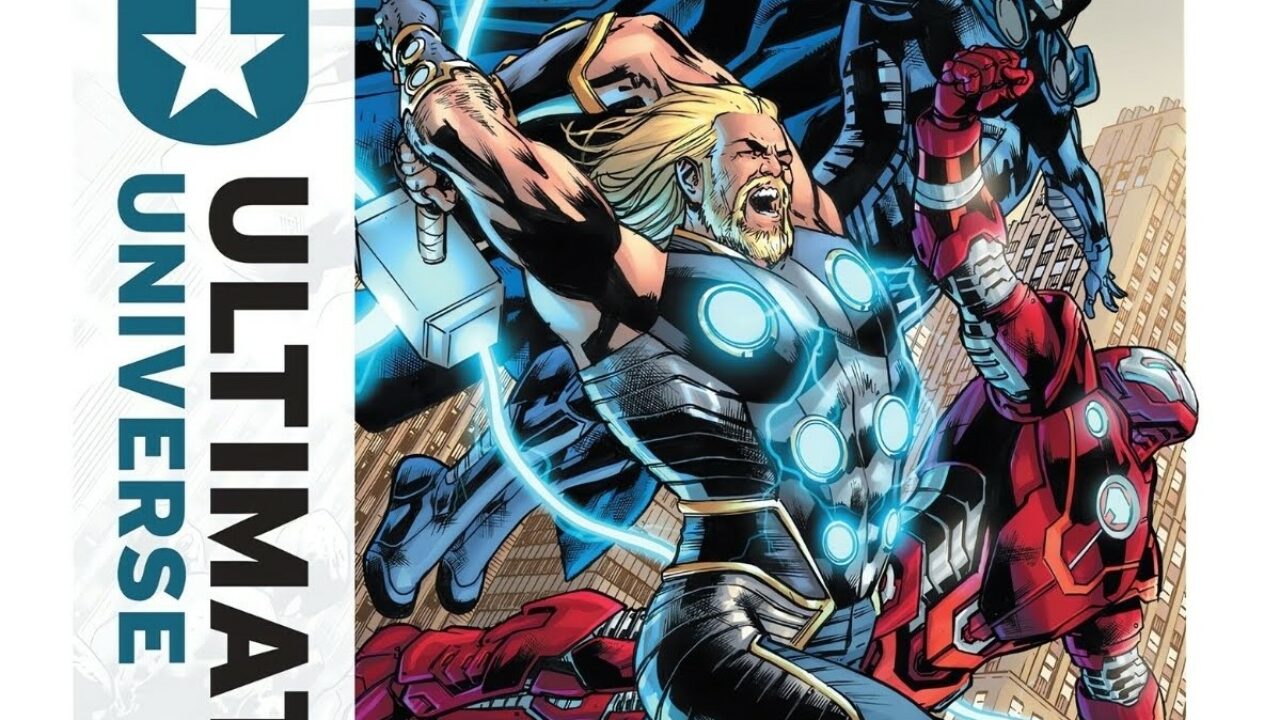
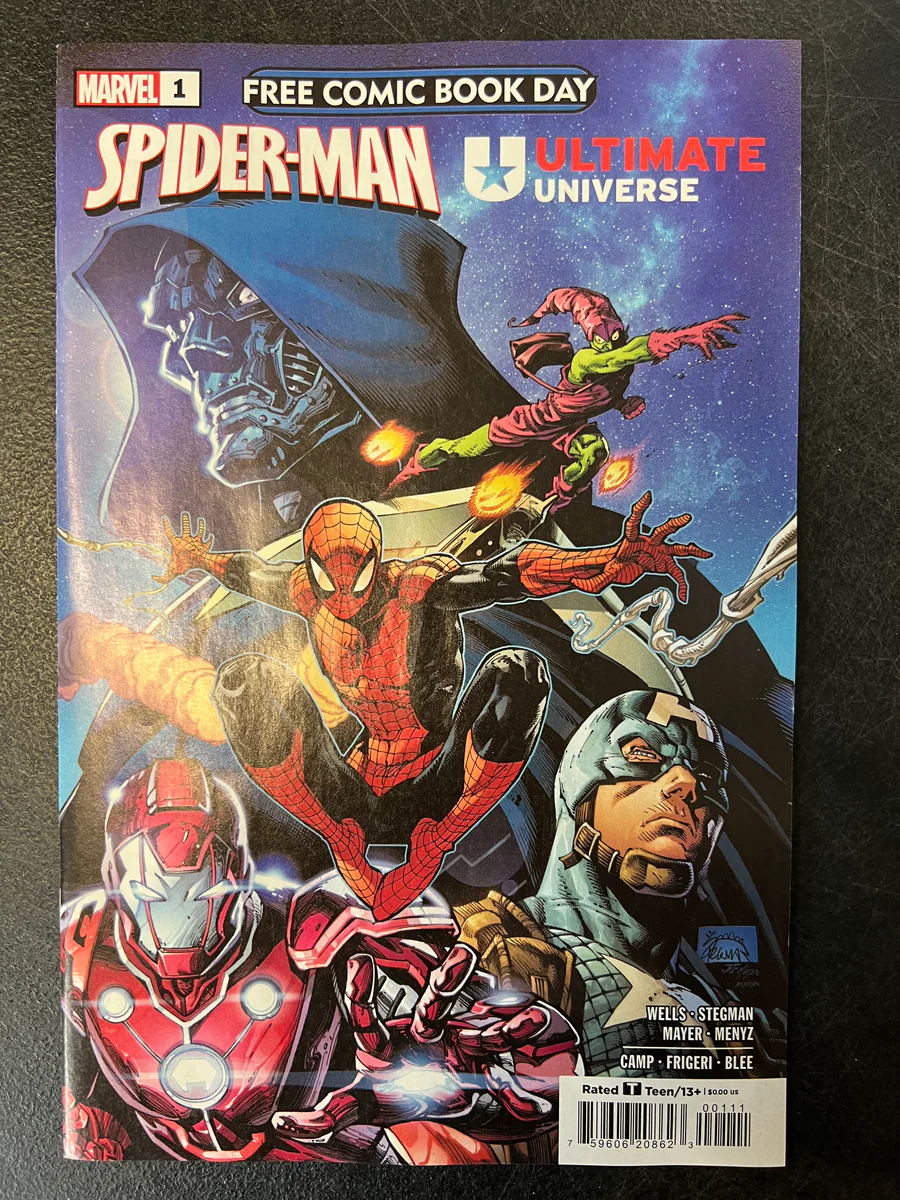
An increasingly popular sub-genre in comic books these days are reboots or reimaginings of famous superheroes and supervillains. We’ve seen this earlier in the year with the relaunch of Marvel Comics’ Ultimate Comics line, with Ultimate Spider-Man being the most popular and successful series in that line. The comic book reimagines Peter Parker/Spider-Man as much older than his counterpart in the regular comics, and is married with children, and only recently became Spider-Man.
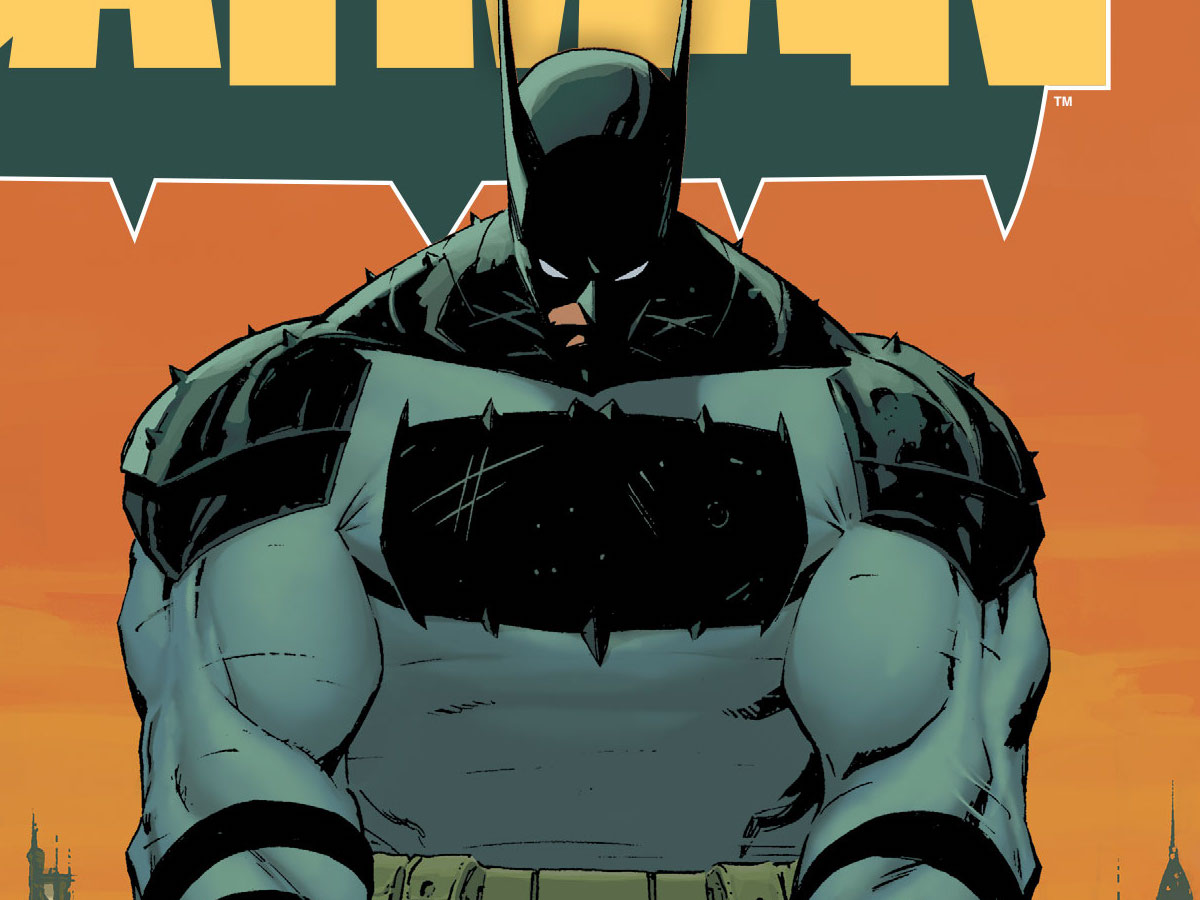
DC Comics has also jumped into reboot game (though they pioneered this back in the 1950s) with their Absolute line of comics that began this week with the release of Absolute Batman. In this series, Bruce Wayne/Batman is not a mega-rich playboy whose parents are dead. Instead he is an ordinary, lower-class citizen of Gotham, who happens to be the Dark Knight Detective. The Absolute line will continue shortly with the release of Absolute Wonder Woman and Absolute Superman, which will present radical interpretations of the iconic superheroes. Or are they?
These comics have caught on and become very popular thanks to inspired writing and artwork, but the heroes in the comics are essentially the same. Despite being older and married, Peter Parker is still a wisecracking superhero who looks and acts the same way as he does in the regular comics. The same goes for Batman. Sure there are some changes to the costume (with Batman’s bat-themed chest symbol doubling for a huge axe), but he is still a brooding vigilanted patroling the crime-infested streets of Gotham. Again, these are well done comics, but maybe the comic book companies could have gone further and given us radically different takes of these characters. In fact, it’s been done before.
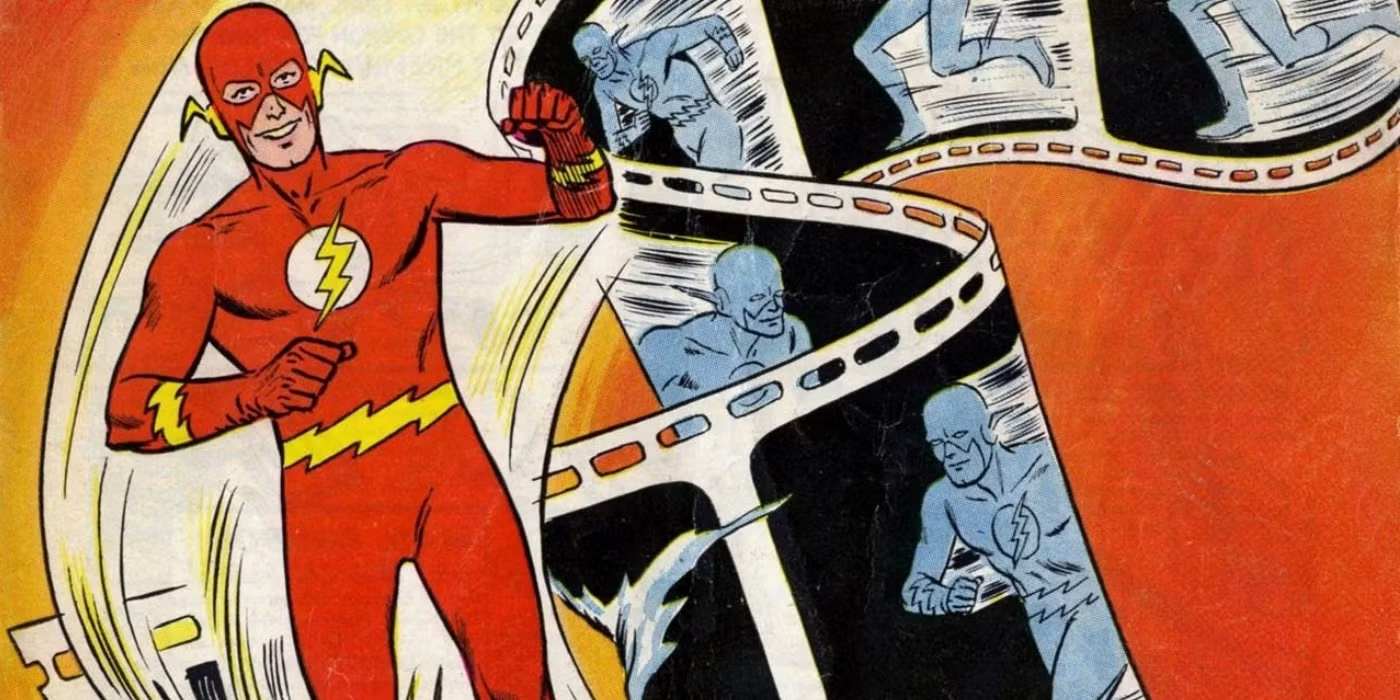
As mentioned before, DC Comics debuted a completely new version of their Golden Age hero, the Flash, in Showcase #4 in 1956, which actually launched the Silver Age of Comics. Originally, the Flash was Jay Garrick, a college student who accidently inhaled these special vapors that gave him his superspeed powers. His costume was fairly simple, with the only distinguishing feature being his steel helmet with wings. When the superhero was reintroduced in Showcase #4, he was reborn as Barry Allen, a police forensic scientist who was struck by lighting and doused with chemicals that gave him his powers. His scarlet costume was a stark contrast to the original Flash, by the way.
Following the success with the new Flash, DC gave readers new, distinctive reinterprations of their older, less popular heroes like Green Lantern, who now boasted a space-themed background, whereas the original Green Lantern had a mystical background. The comic book company went on to reinvent some of the Golden Age supervillains that plagued their most popular superheroes.
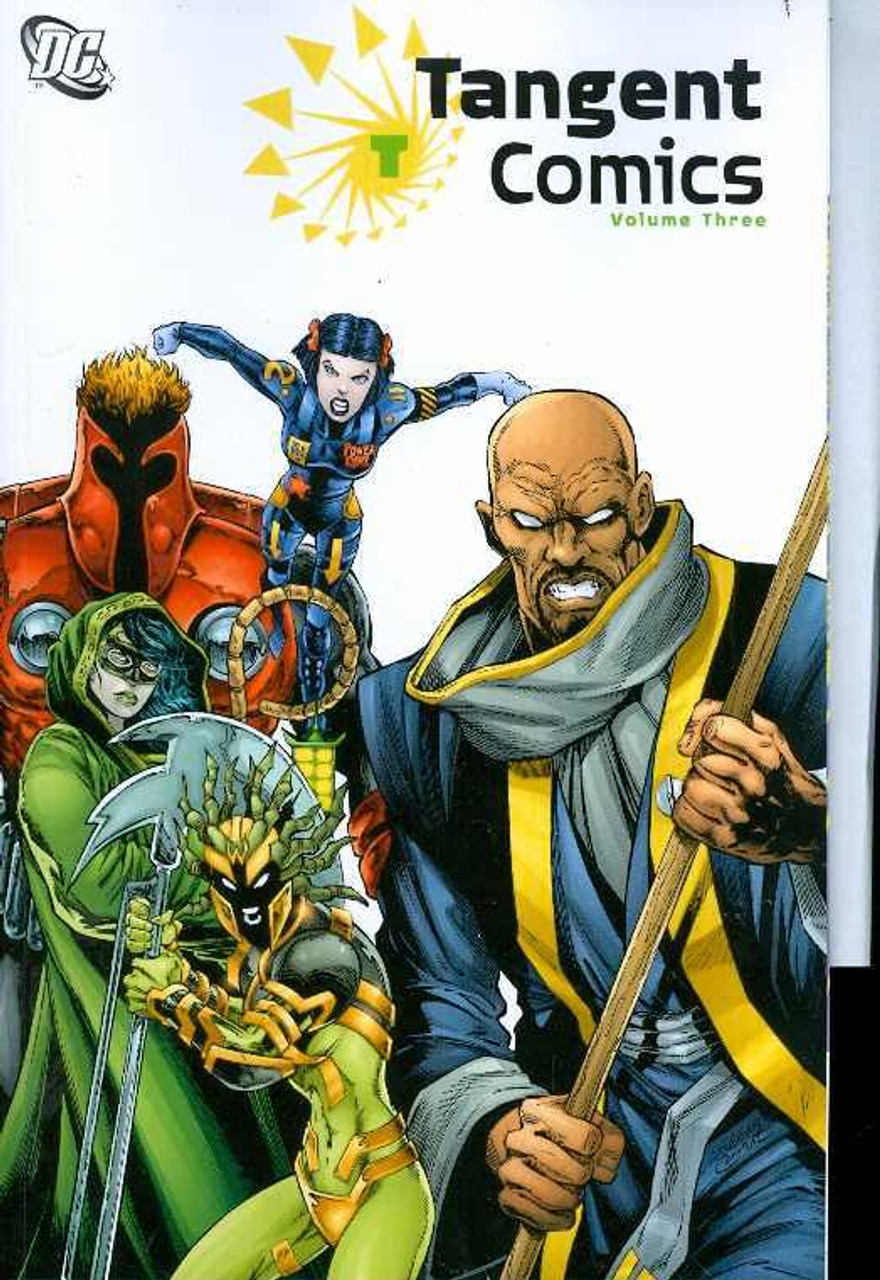
The last time DC presented radically different versions of their characters was in the 1990s and early 2000s with their limited imprint of Tangent Comics. Characters were wildly different from the traditional counterparts. For instance, the Flash was now a teenage girl with light-based powers, and the Joker was a female anti-hero who fought crime in the city of New Atlantis.
In 2001 and 2002, DC hired Marvel guru Stan Lee to reinterpret their famous characters. This led to several one-shots called Just Imagine… where Batman was a Black crimefighter whose real name was Wayne Williams and Wonder Woman gained her magical powers from an artifact.
While there is the potential for these radical reimagings to succeed as seen with the Barry Allen version of the Flash, there is also the possibility that the new versions fail to capture reader’s imaginations. The Tangent imprint, while very well done, did not take off in the long run and are largely forgotten to this day, though the comics are worth checking out. This is probably the main reason why the current reimagings of popular superheroes play it safe. Aside from some minor updates and tweaks, Peter Parker and Bruce Wayne are still the characters we know and love. But the comic book companies should be more willing to push the envelope and go for broke.
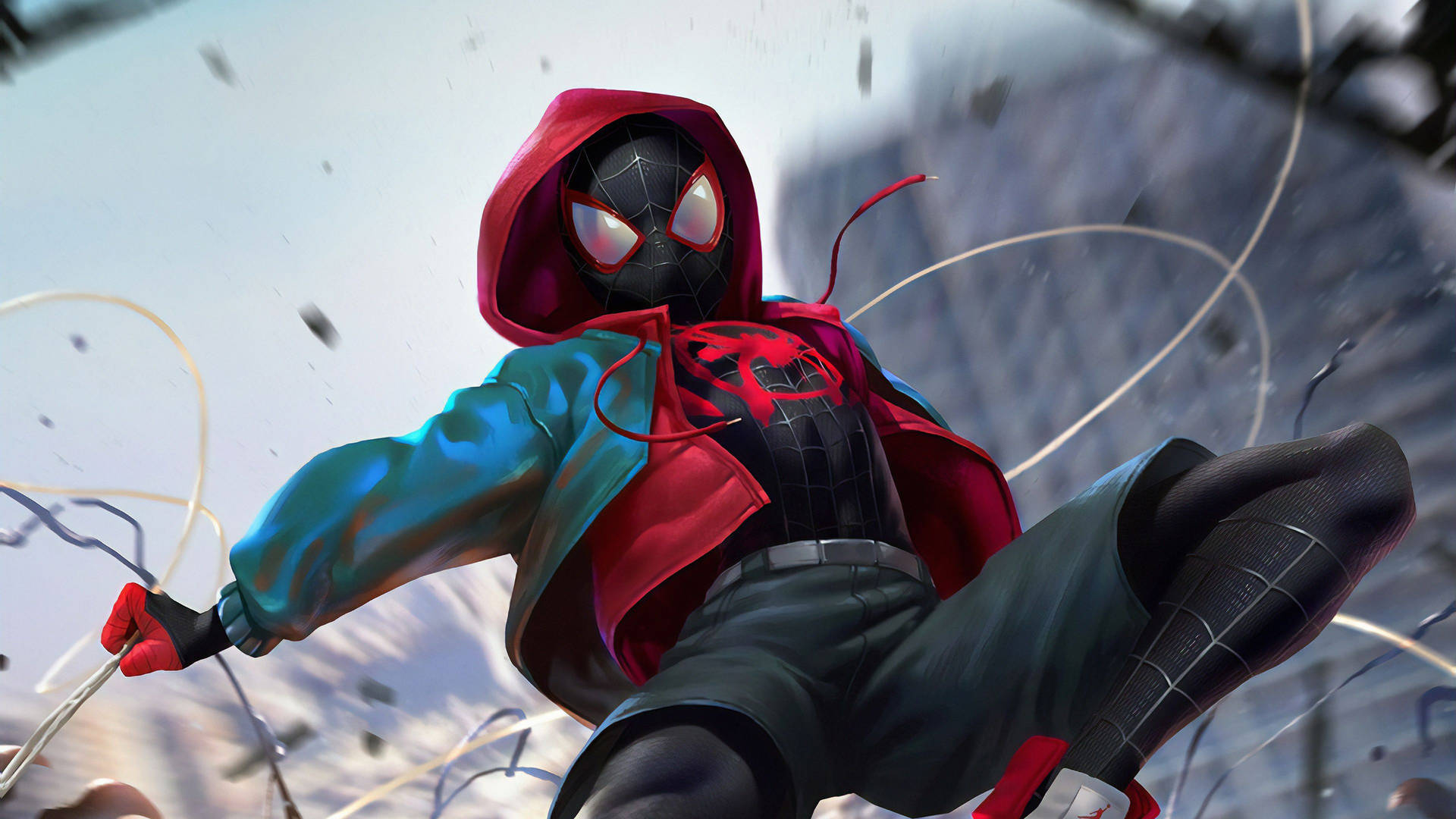
This has worked in the past, as with the Flash and even with the Miles Morales version of Spider-Man. Perhaps the Ultimate Comics imprint that Marvel first introduced in the early 2000s might have endured to this day if, for example, they had started off with Spider-Man being Miles Morales or have a completely different line up for the Ultimates (the Ultimate Comics version of the Avengers who were essentially the same superheroes in the regular comics).
One character that organically developed into a wildly different version than his regular counterpart was the Ultimate Comcis version of Reed Richards. In the Ultimate Fantastic Four comics the only noticeable difference with the team was that they were much younger than the traditional Fantastic Four. Yes, there were other differences such as the origin of their powers and group dynamics but none of it was out of the ordinary. However, over time, Reed Richards was radicalized and became the villain called the Maker, who continues to pop up. Actually, the Maker is responsible for the new Ultimate Comics line, since he time traveled to the past and prevented the creations of the Marvel superheroes, which is why heroes like Spider-Man got a late start in their careers.
It remains to be seen how long the new interpretations will last or maintain their quality, but comic book companies should not hesitate to allow their creators the freedom to let their imaginations run wild and present readers with radical and unique reinterpretations of their beloved heroes and villains.
As we enjoyed last weekend’s Free Comic Book Day event, it reminded us comic book fans about the trends we love to gripe about with the comic book industry. We’ve been griping about these trends for decades and while some have gone away, some new or persistent trends are plaguing the comic book industry. With that said, here are the top ten worst comic book trends plaguing the industry today.
10. FOMO = Increased Back Issue Prices
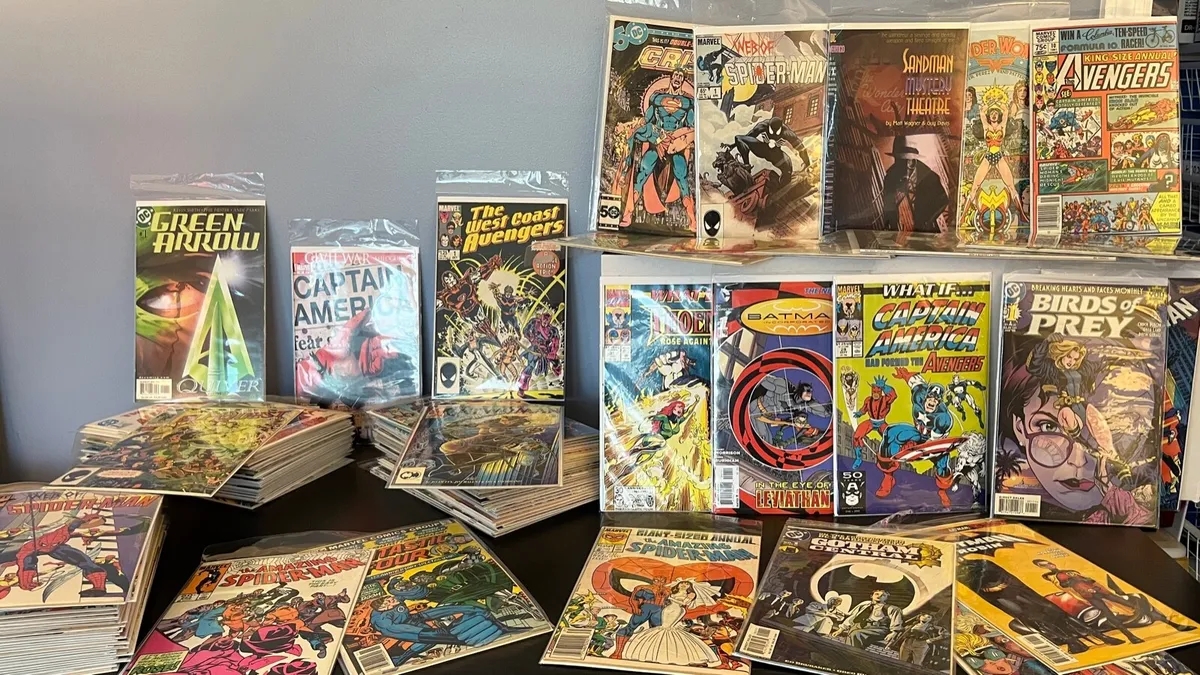
Fear of Missing out (FOMO) often plagues many comic book collectors who desperately go out of their way to get the latest trending comic. This was especially bad during the beginning of this decade when any mention of a character appearing in an upcoming movie would cause prices for back issues to explode overnight. This frustrates normal collectors trying to complete a run and at the same time ends up fleecing naïve collectors who have to get the latest trending comic book. Just look at The Amazing Spider-Man #210. A couple of years ago it was highly sought after because it featured the first appearance of Madame Web. Anyone think that book is still in demand after the Madame Web movie bombed?
9. Comic Book Prices Keep Going Up
Right now, the average comic book costs about $5 per issue. Back when the medium first started, a single issue would cost less than a dollar. What used to be a relatively inexpensive hobby, at least for older readers not dependent on their parents’ allowances, is now pricey especially if anyone is trying to buy all the comics that come out on an average month. This has led to overpriced special issues, such as an issue #100, that are priced around $10 and not worth the price as they often turn out to be anthology books featuring forgettable stories instead of monumental events.
8. The Overabundance of Mini-Series
When comic book mini-series first appeared on shelves, they were often devoted to characters who either were brand new or not popular enough to warrant an ongoing series. The limited series served as testing grounds for both the characters or creative teams. Usually, this lead to some characters becoming breakout stars like the Punisher or Wolverine or gave exposure to promising writers or artists. Nowadays, it seems like there is a new mini-series everywhere you turn and often they are about established superheroes like Batman or Spider-Man. Why couldn’t these stories be told in their own titles? Sure, a particular mini-series story may not fit with the ongoing storyline but why not just run the stories in between runs of creative teams? If the famous “Kraven’s Last Hunt” storyline was released today it would have been a mini-series with variant covers and more whistles.
7. Comic Books Villains Turned Anti-Heroes
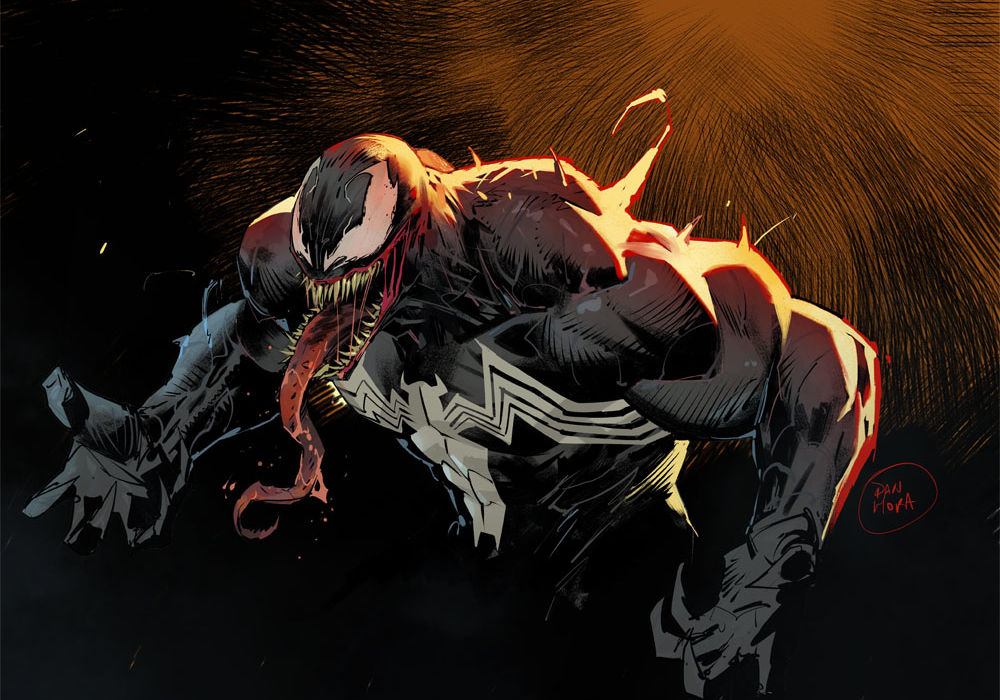
This is an annoying development with many classic comic book villains. They become so popular that the publishers wind up giving them their own solo titles where they become anti-heroes that we can relate to. The most famous or infamous example is Venom. When he first debuted in the pages of The Amazing Spider-Man, Venom quickly became one of Spidey’s deadliest and most popular foes. Unfortunately, Marvel Comics saw the character as a gold mine and increasing his appearances in the Spider-Man comics was not enough. No, Venom was given a bunch of mini-series where he faced off against other popular Marvel characters until getting his own title. The problem with this is that Spider-Man was deprived of a solid villain who could no longer be seen in the same way since Venom became an anti-hero.
6. The Multiverse Concept
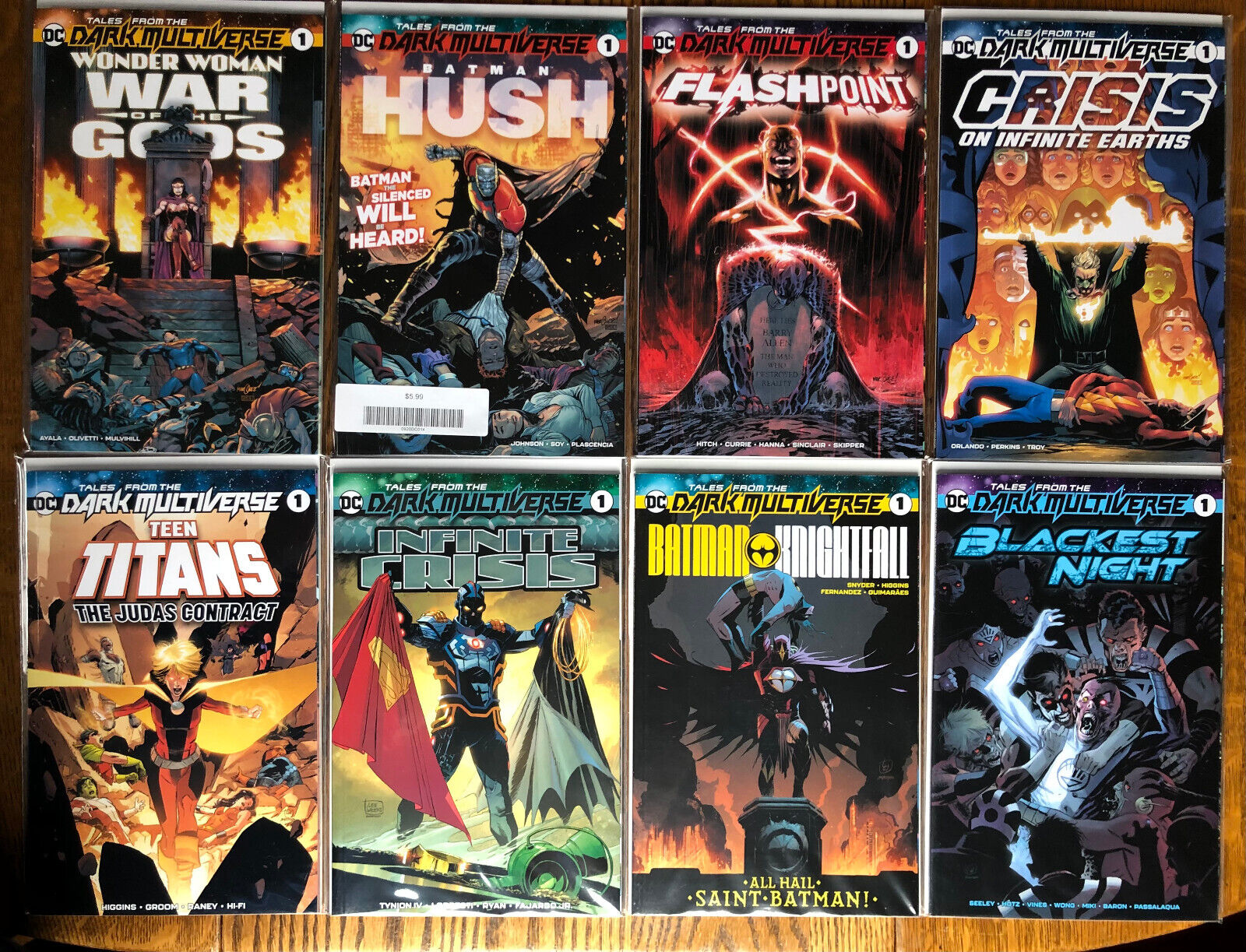
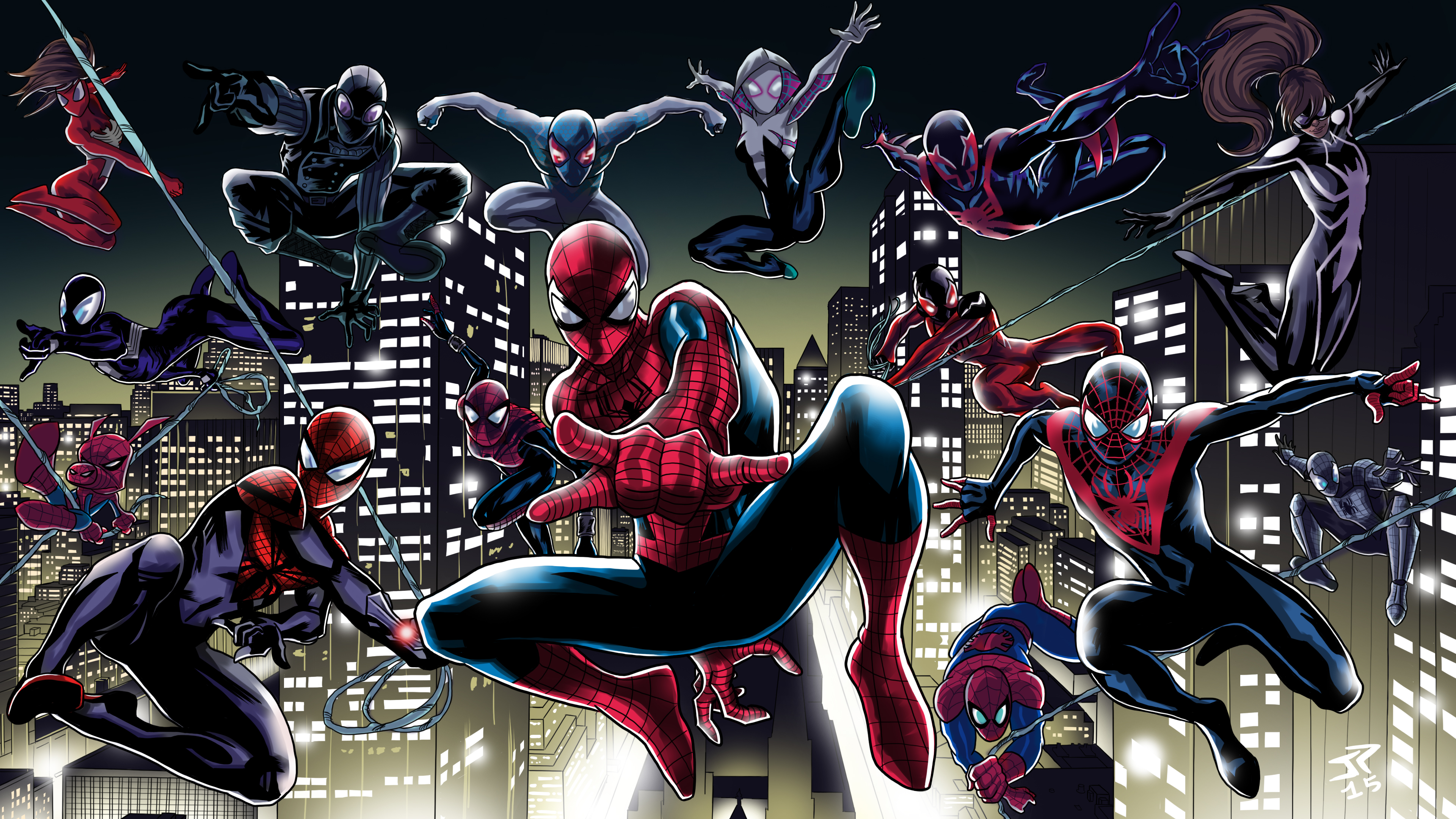
The Multiverse is a great concept that lets creative teams conjure up interesting stories outside of the limiting comic book continuities. Sometimes these stories featured the deaths of popular characters, which was unthinkable in regular comics. Great examples include the classic TheDark Knight Returns mini-series and Kingdom Come. But leave it to the comic book companies to dip into the well one too many times. DC and Marvel have released too many stories that take place in separate realities that dilute the impact of the stories and the characters. Just look at what Marvel is doing with the so-called Spider-Verse. What was a fun storyline in The Amazing Spider-Man that introduced imaginative and outlandish variations of Spider-Man has now become a means to throw up countless mini-series (see Number 8) with Spider-Man variants. On a broader scale, Marvel is going all out with a relaunched Ultimate Comics line that features our favorite characters in a different reality. This probably makes speculators happy as they look for the next Spider-Gwen but the rest of us don’t care and this leads us into the next worst trend.
5. Derivative Characters and Families
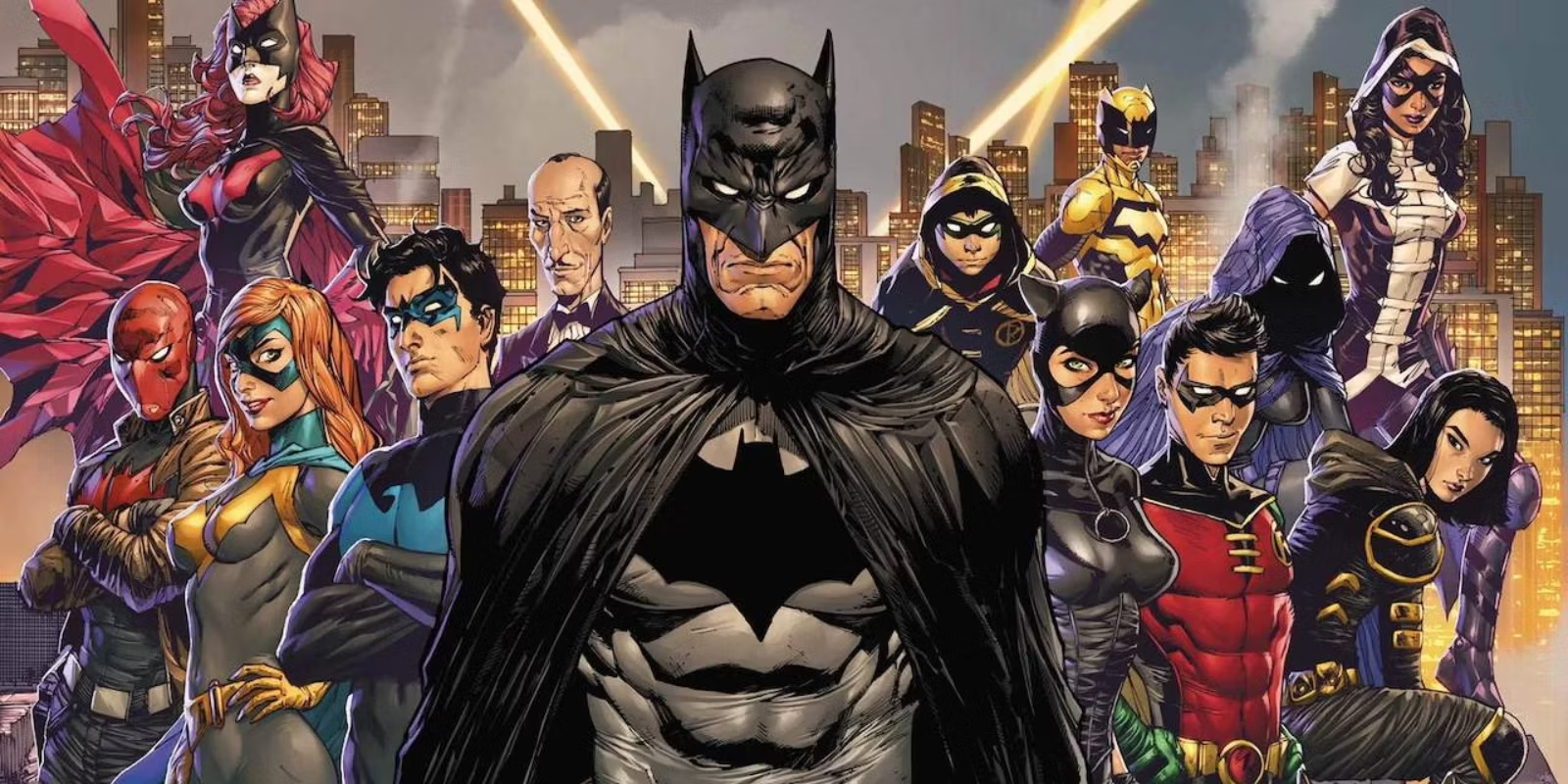
Legacy characters like Batman, Superman, or Spider-Man usually spawn a family of characters that are derivatives of them such as Batgirl, Superboy, Scarlet Spider, Red Hulk and so on. When some of these new heroes first appeared, they replaced the main characters and picked up the mantle and inspired fascinating takes on legacy characters. Steve Rogers’ Captain America led to Sam Wilson Captain America or Hal Jordan Green Lantern spawned Kyle Rayner Green Lantern. Other times these characters were just young knockoffs of popular heroes. The most recent example is Spider-Boy, one of the dumbest characters ever introduced to the Spider-Man family. Speaking of families, the problem with these characters based on legacy characters is that they dilute the original character. There should be only one Batman (who works best as a loner superhero), one Spider-Man, one Captain America, one Superman; except when it comes to Green Lantern since that character is just one of many Green Lanterns in the galaxy.
4. Too Many Crossover Events
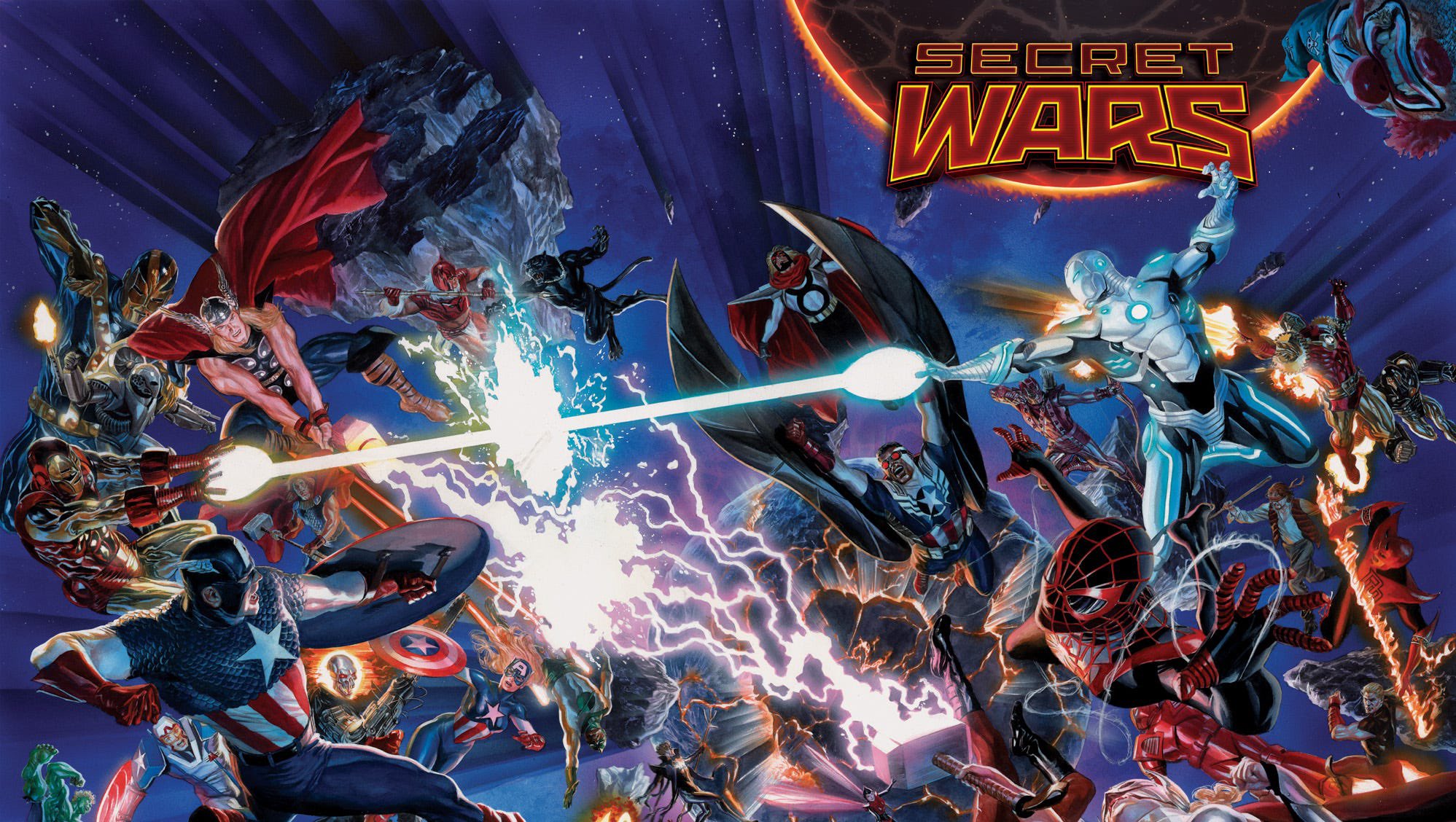
Remember when crossover events were truly special and had consequences? Ever since the success of Secret Wars and Crisis on Infinite Earths, crossover events across comic book titles have overtaken the release schedules of comic books. Often these events spill their way into regular titles and interrupt their ongoing storylines to squeeze in a tie-in story related to the crossover event. This is very annoying when following a run that builds up a certain momentum only to come to a crashing halt just to cram in an issue devoted to a crossover tie-in. Meanwhile, anyone who doesn’t follow a certain title feels compelled to buy it just to get the complete story if they were following the crossover event. We all know why these events happen (hint: $$$), and they are a good way to introduce readers to titles they often do not read, a good example was the “Unity” event in Valiant Comics way back in the 1990s. But there are too many of these crossover events now which has made readers tune out.
3. Meaningless Character Deaths
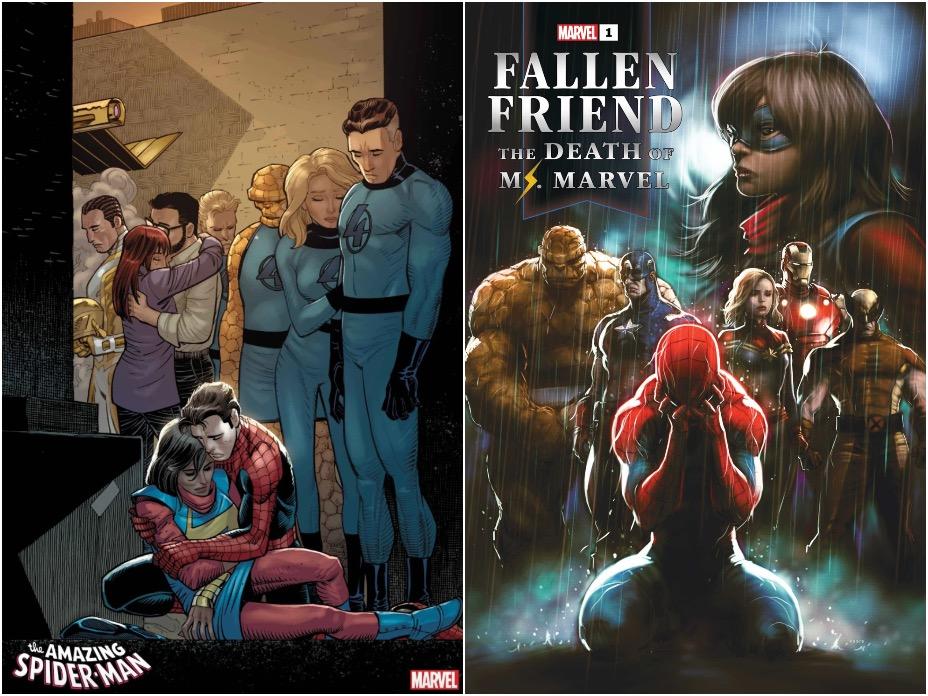
This has gone on for decades in comic books where the villains apparently were killed off only to reappear issues later with some implausible explanation for how they survived. However, this has recently happened with our superheroes, the best example was the famous “Death of Superman” storyline that made headlines and introduced new characters to the Superman family. But too often, these superheroes have been killed off just to tell stories of mourning only to have them resurrected. It has gotten to the point that a death of a character has no emotional impact. Seriously, did anyone believe for a moment that Ms. Marvel was actually dead when she was killed last year in The Amazing Spider-Man #26? The event was filled with empty platitudes and forced emotions. Note to comic book companies: If you kill off a character then that character should stay dead.
2. Variant CoversEverywhere
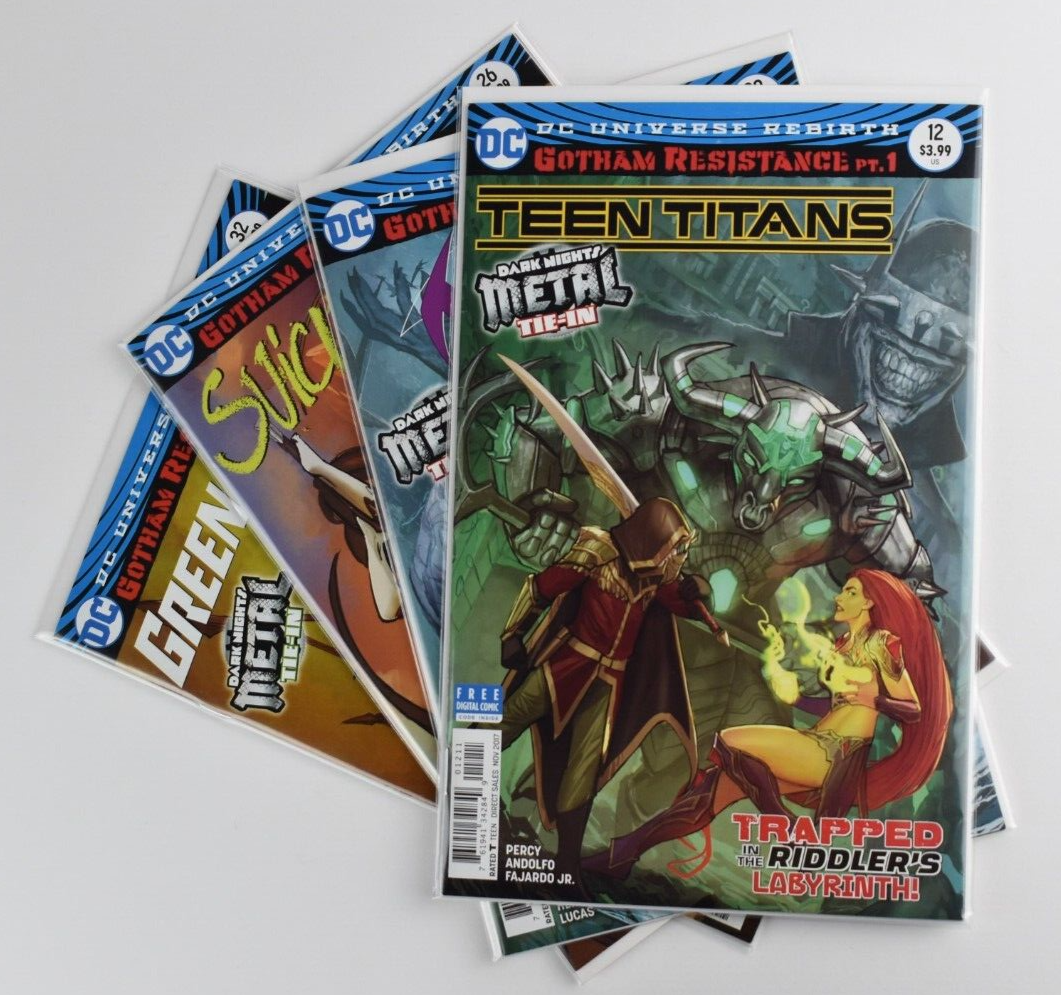
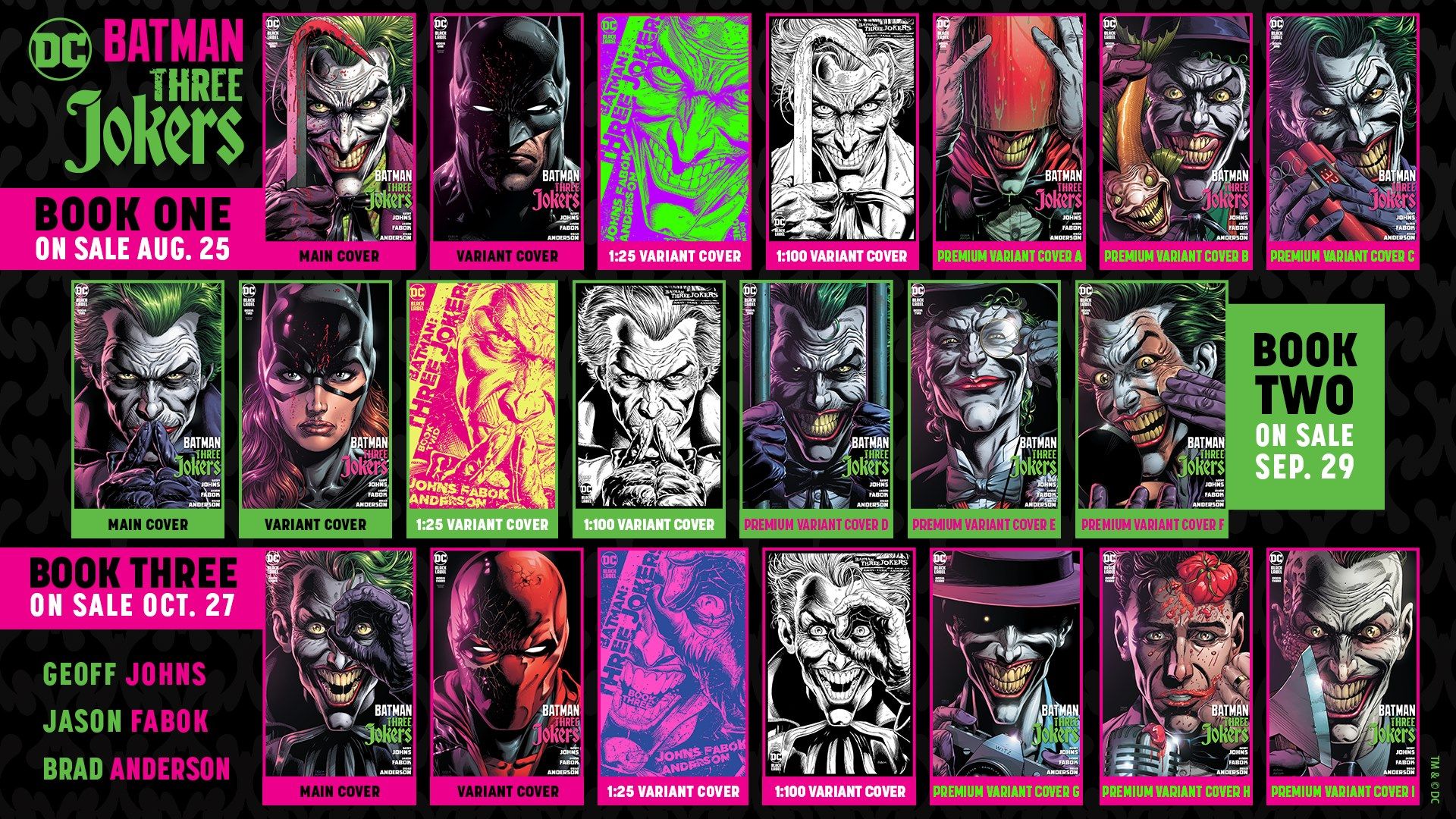
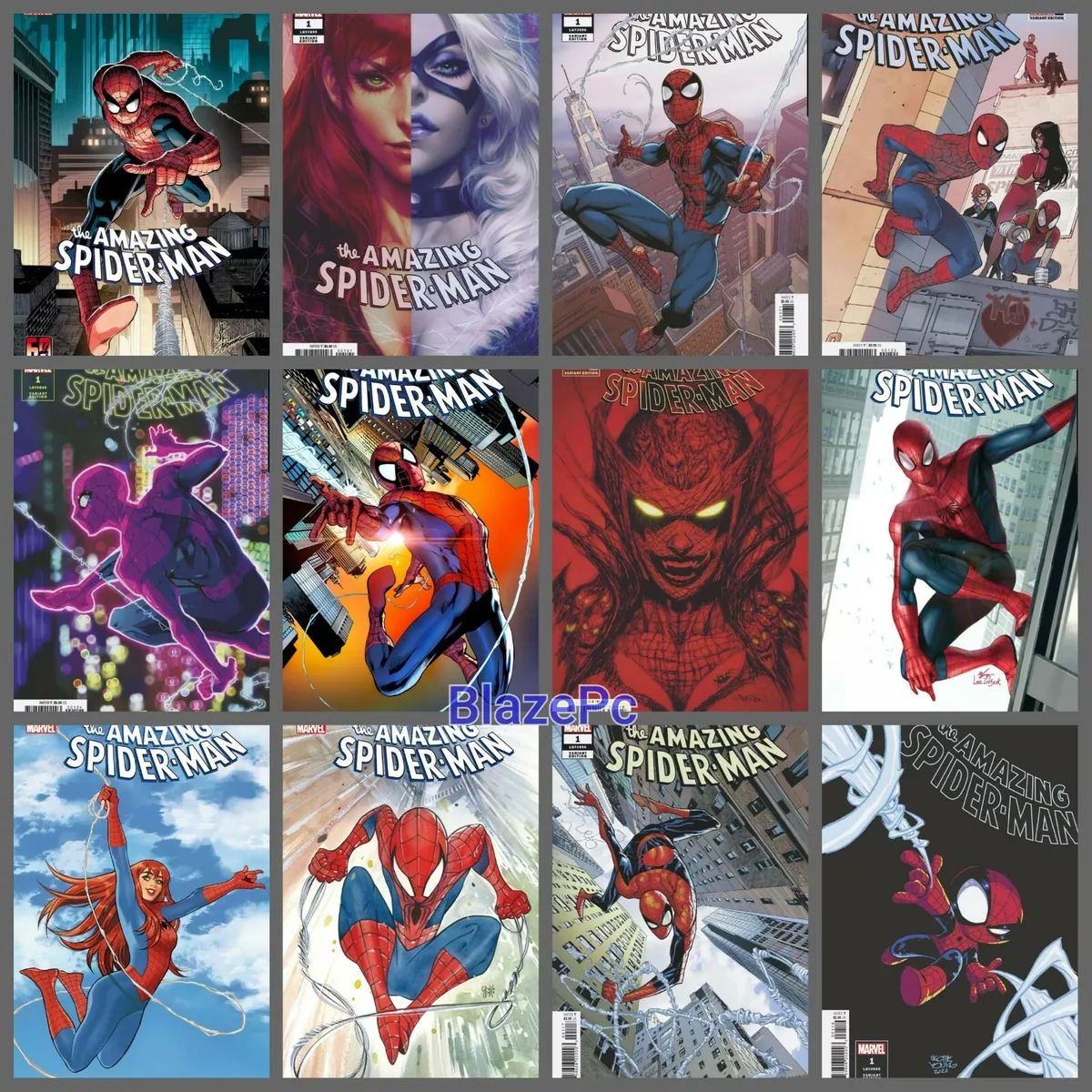
Pumping out so many variant covers to comic books is just a ploy to get collectors to spend more on the titles. It is also annoying and confusing for anyone who just wants to get a particular comic book to follow a story. Of course, no one is forced to get all the variant covers, which would be too expensive for average fans. But some completists can go insane and broke trying to find elusive covers that instantly go up in price at comic book stores. Another dilemma is that a person may only want the regular cover but sometimes that is hard to do, and that person is forced to buy a variant cover, which would be a nightmare for an OCD collector. Another very annoying trend with the variant covers is the tendency to put out covers that feature characters that do not have anything at all to do with the comic book! For proof, just look for any recent issue of The Amazing Spider-Man which is guaranteed to have Spider-Gwen or Black Cat on the cover even though neither character appears in that issue.
1. The Constant Cancellations and Relaunches of Popular Characters
This is the worst trend with comic books today and the most annoying. In the old days, a comic book would have a run that spanned hundreds of issues with creative teams coming and going from titles. It was fun trying to get the complete run or at least some significant key issues. But ever since the 1990s, comic book companies have been intent on canceling comic book titles only to relaunch them a short while later with a brand new number one issue. This is done to increase sales and attention to the comic book. While this may please some collectors who can now legitimately claim to own a copy of Daredevil #1 it annoys the rest of us who get confused when trying to complete a run. In the end, it’s just a tired marketing scheme that will not benefit the comic book in the long run. Want a long, successful run of a comic book title? Just focus on telling great stories. The word will get out to fans who will seek out the title and make it an enduring success.


 Starloggers