William Shatner Reunites With Leonard Nimoy For One Last Time In 765874: Unification

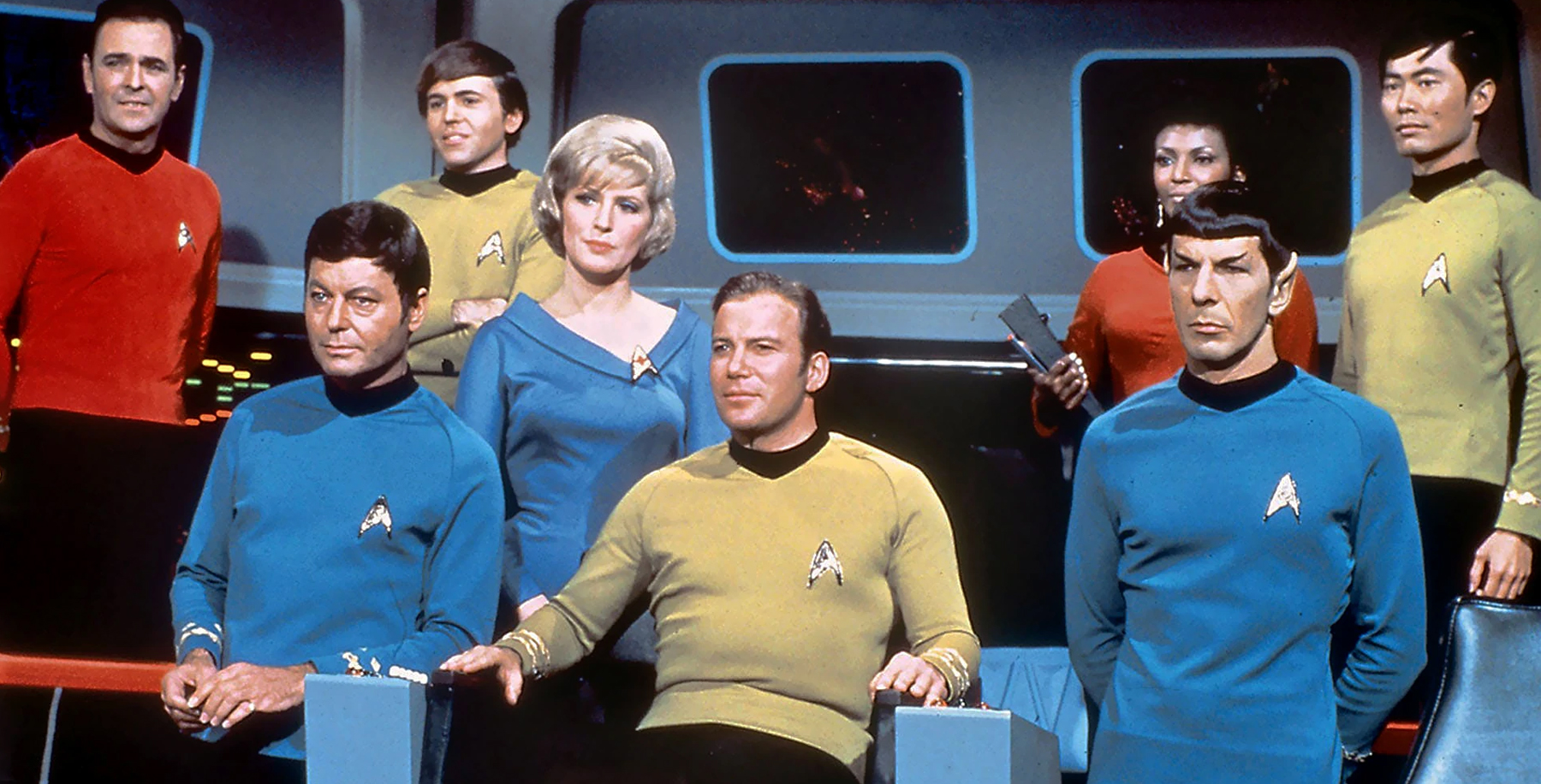
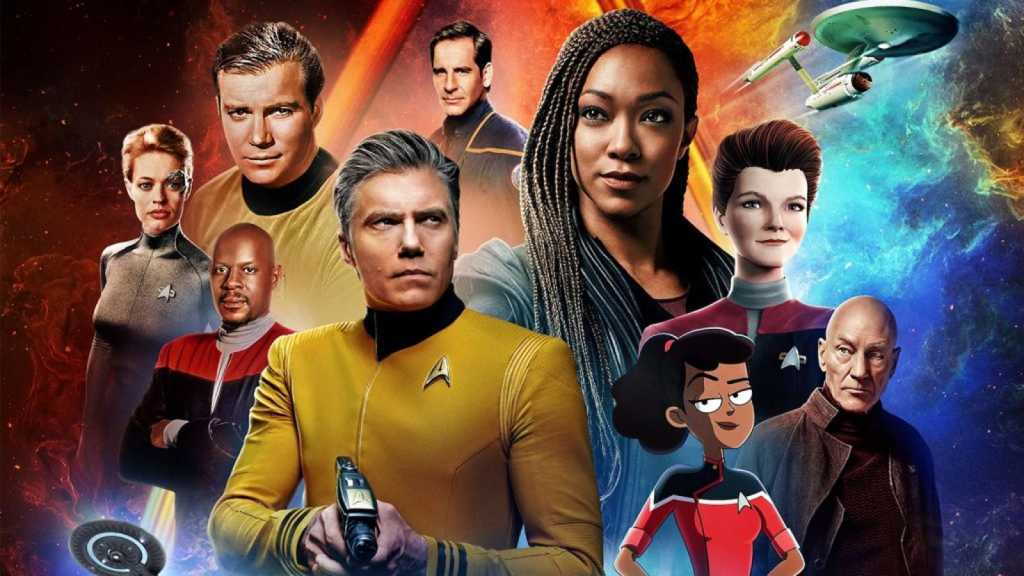
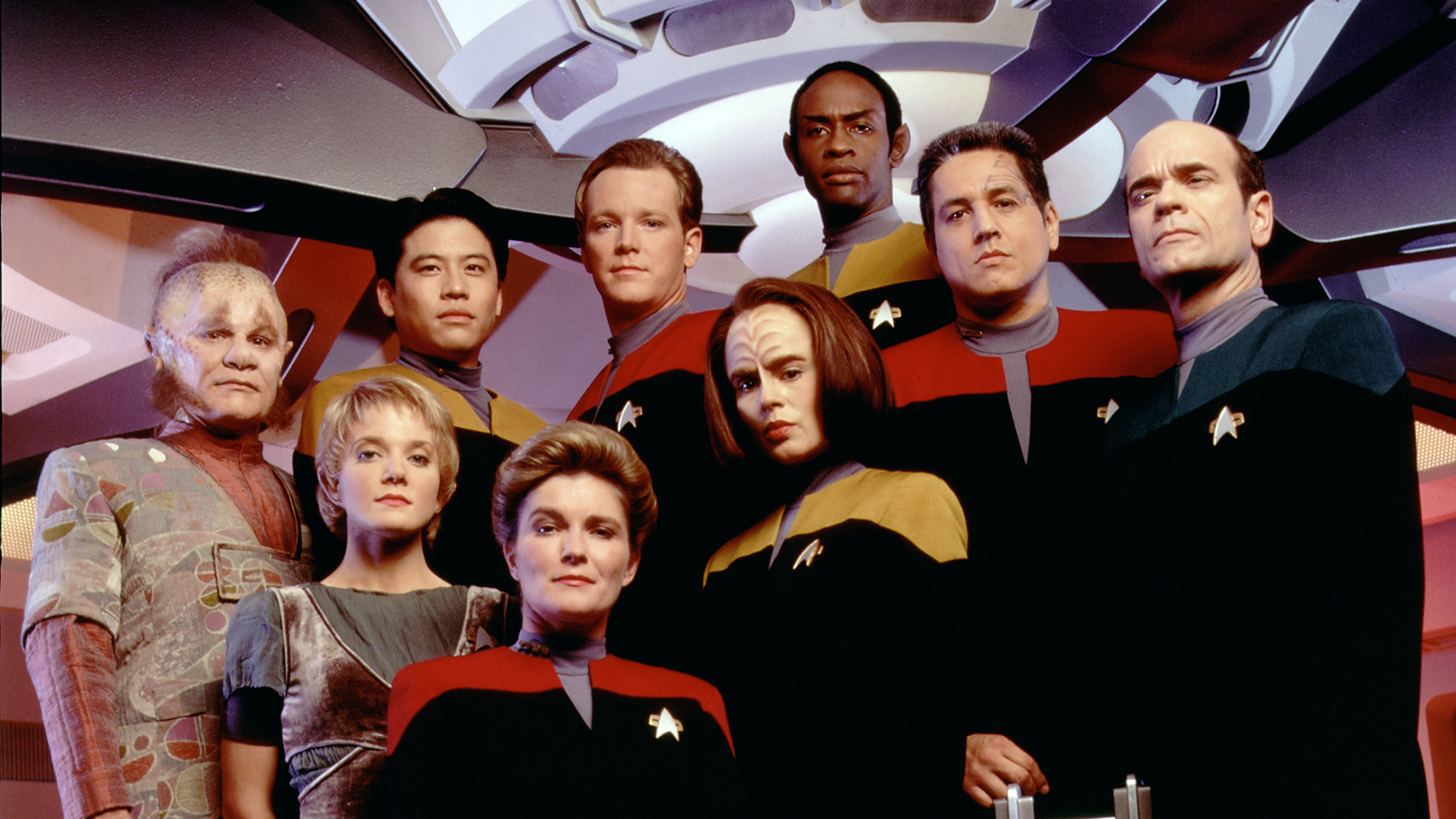
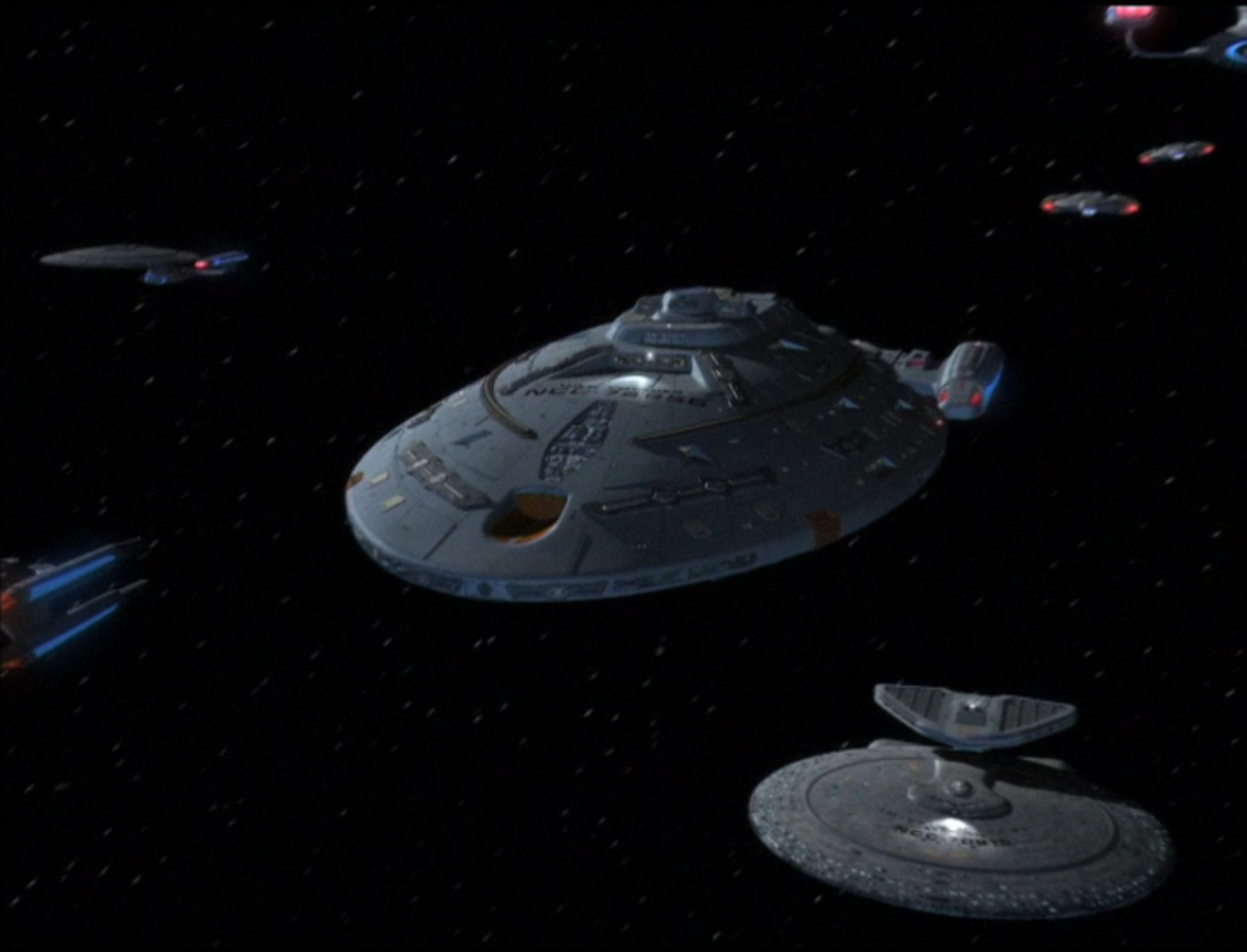
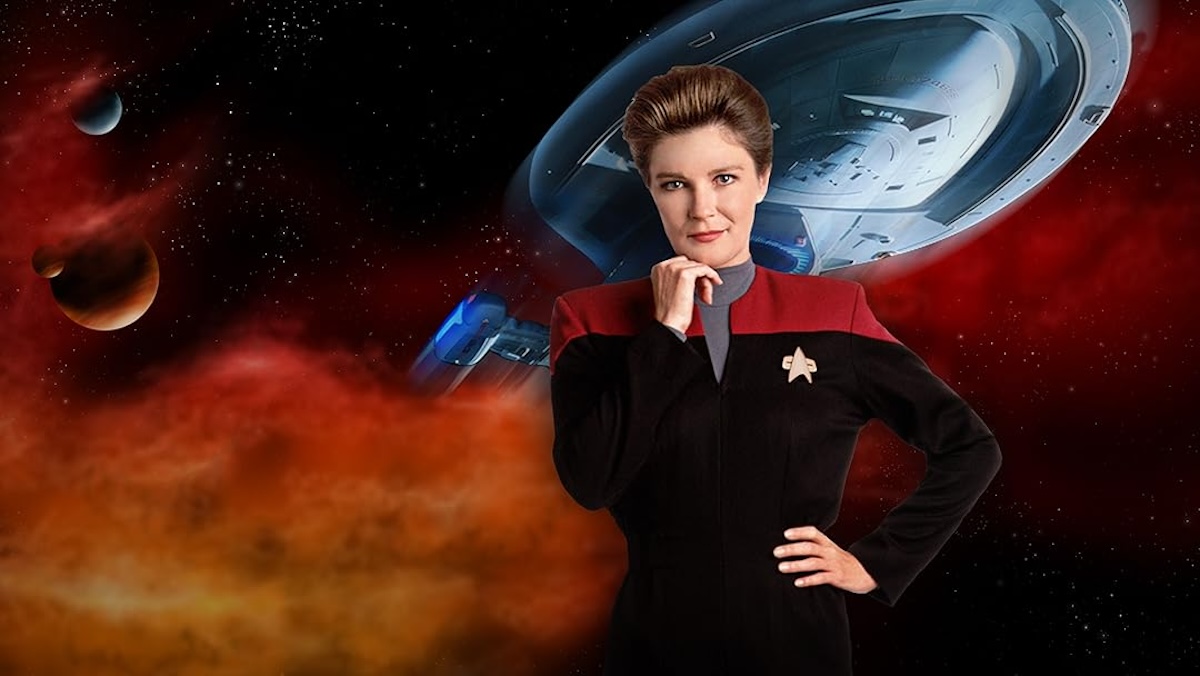
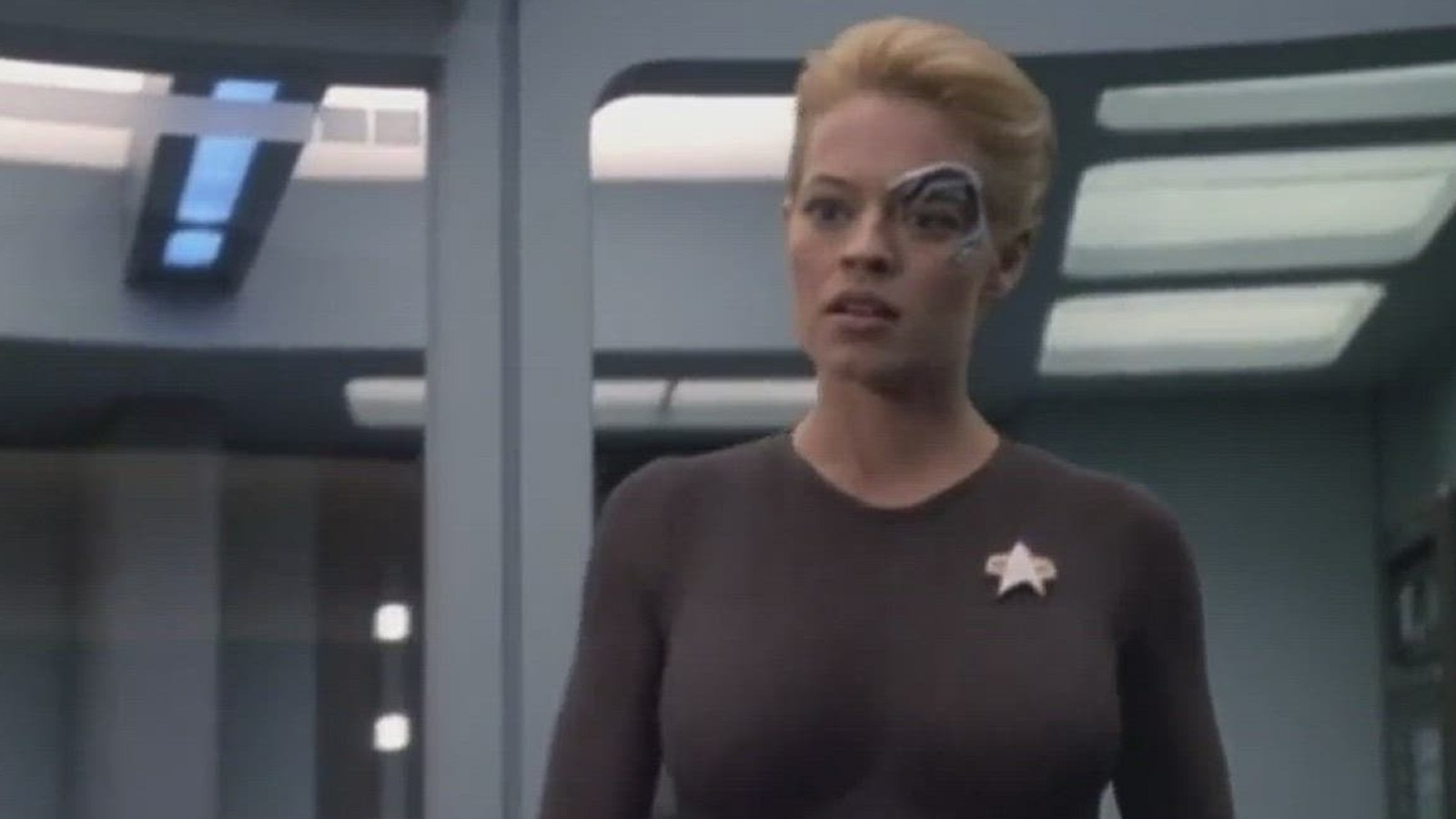
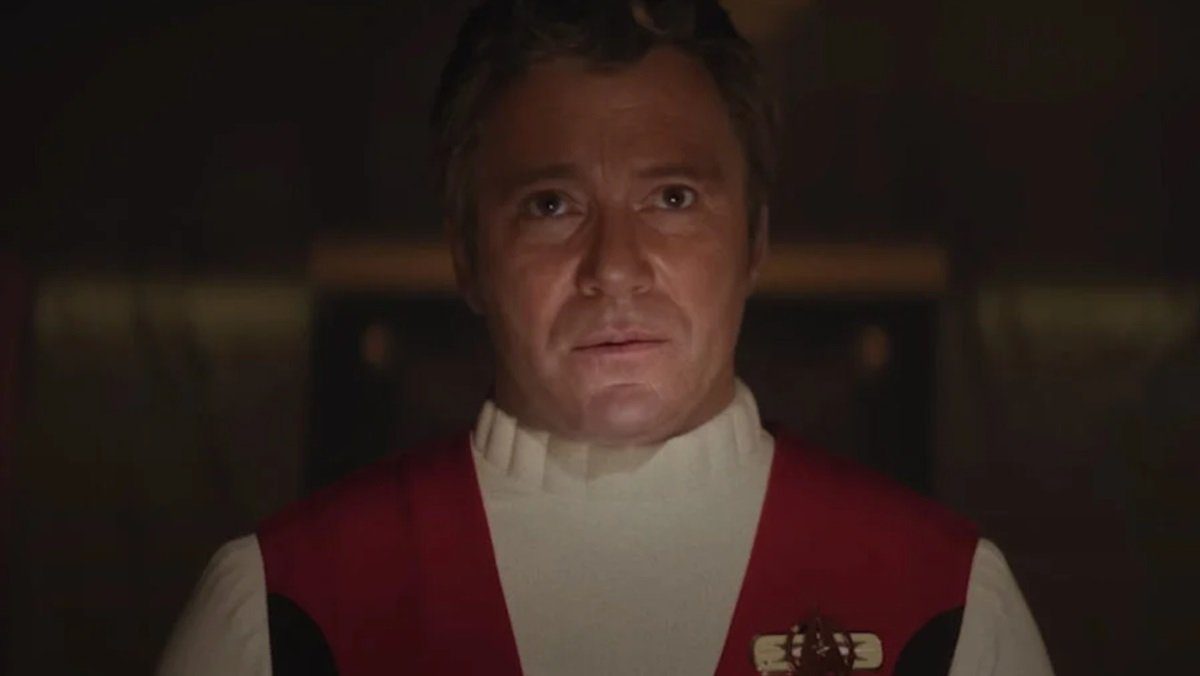
There have been numerous fan-made and unofficial Star Trek shorts and films made throughout the years that celebrated the legacy of Star Trek. Some of the more memorable efforts featured the actual actors from the Star Trek TV shows who reprised their famous roles. The latest effort, 765874: Unification, stands out from the rest not just for its production values or topnotch CGI special effects, but because it stars William Shatner in what will most likely be his final performance as Captain James T. Kirk as he reunites with the late Leonard Nimoy as Spock.

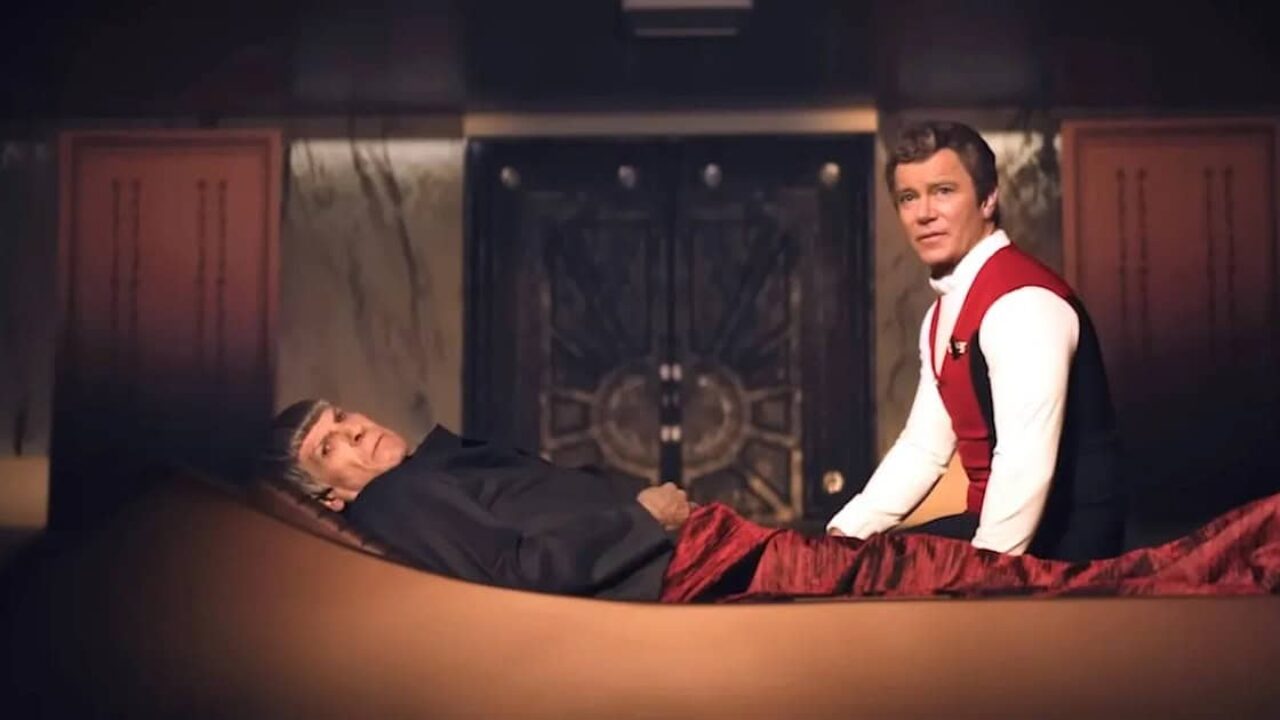
Directed by Carlos Baena, 765874: Unification is produced by the VFX studio OTOY in conjunction with the Roddenberry Archive and was released on the heels of the 30th anniversary of the film Star Trek Generations. It serves as a bookend or an epilogue or a post-credits scene to that film as it finally shows us Kirk and his best friend Spock reuniting after their deaths. It is also a sequel of sorts to OTOY’s previous short film, 765874: Regeneration, which featured Leonard Nimoy as Spock reacting to the death of Captain Kirk.

Taking place in the afterlife, moments after Kirk died in Star Trek Generations, the film stars Shatner and Sam Witwer as Kirk, who is jaw-droppingly rendered with CGI and live-action performances. Basically, Kirk wanders through a heavenly afterlife that is similar to what he experienced in the Nexus from Star Trek Generations. During his journey, he comes across many people from his life including Saavik (reprised by Robin Curtis who was digitally aged into an old woman). The film also features numerous Star Trek Easter eggs and characters such as Gary Mitchell (reprised by Gary Lockwood in a performance that was obviously rendered through CG), who plays a role in guiding Kirk during his first moments after his death.

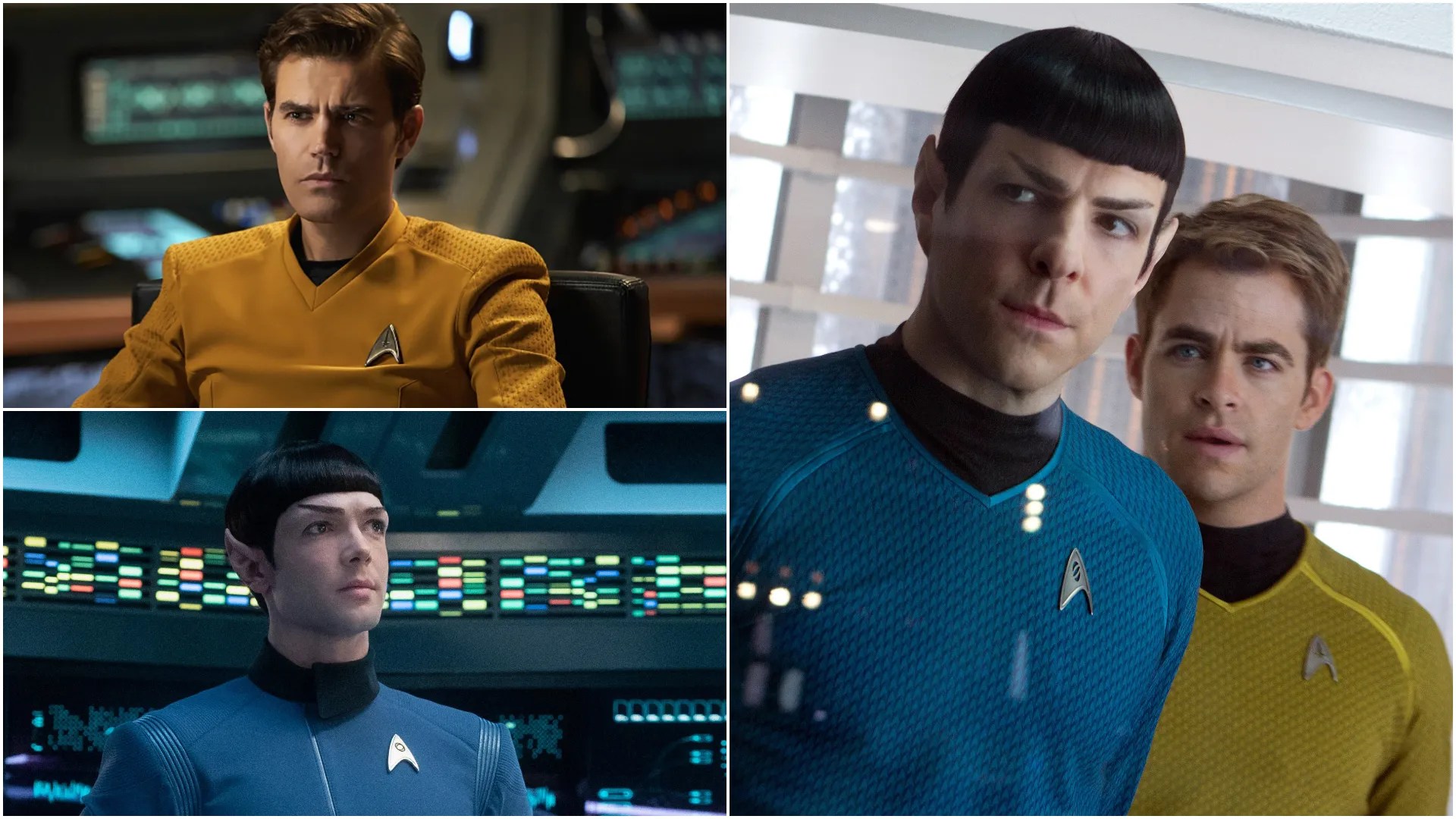
Eventually, Kirk encounters the alien Starfleet officer Yor, who was briefly featured in the Star Trek: Discovery episode “Terra Firma”. For anyone who hasn’t seen that episode, it was revealed that Yor was originally from the Kelvin Universe (the alternate reality where the J.J. Abrams’ Star Trek films take place in) and was stranded in the Star Trek Prime Universe until his death.

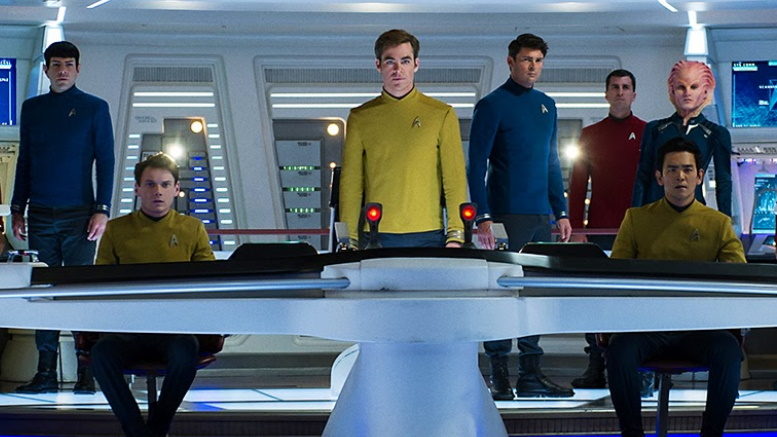
As Trek fans know, Spock (as portrayed by Leonard Nimoy) was stranded in the Kelvin Universe and remained there until his death of old age (as noted in Star Trek: Beyond).

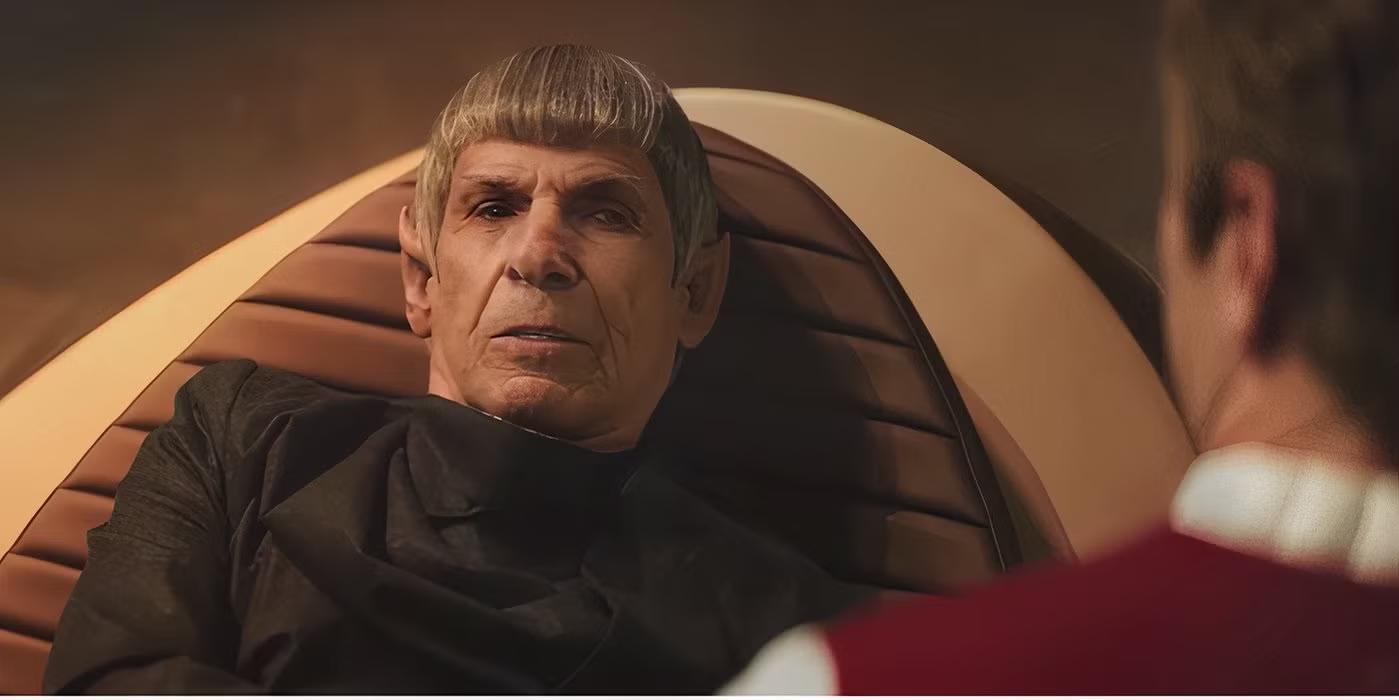
Yor serves as a conduit for Kirk to enable him to crossover into the Kelvin Universe. In the final moments of 765874: Unification, Kirk appears at the deathbed of Spock as the two old friends silently watch the sun set with the promise of a new adventure awaiting the both of them in the afterlife.

Aside from the nearly perfect special effects, what made the film stand out was its lack of dialogue, aside from a brief voiceover by Kirk taken from Star Trek II: The Wrath of Khan. But words were not necessary, Shatner and Witwer were able to convey genuine emotions as Kirk explores the afterlife filled with wonder and surprise.

Still, the special effects are just amazing and feature the best use ever of de-aging and CGI to render Kirk as we last saw him in Star Trek Generations and as the more youthful version of the starship captain seen in the original series. The only times the effects falter are in two shots where Kirk walks awkwardly in profile. But other than that bravo to OTOY for their work!

Yes, the use of CGI to bring Spock back to life (through CG and a live-action performance by Lawrence Selleck) and de-aging Shatner and others is controversial for some. But for others, this film is a fitting tribute to the brotherly bond between Kirk and Spock that spans time, space and life itself. Afterall, death cannot destroy relationships or bonds.

More importantly, the short film is a love letter to Star Trek fans, especially those who still appreciate the older more iconic iteration of the sci-fi franchise and have fond memories of those early films and TV shows. After so many years, it feels great to see these two Star Trek legends together for one last time.

Needless to say, whether or not it’s official or canon, 765874: Unification finally gives us the opportunity to say farewell to these two characters as we see the Shatner and Nimoy versions of Kirk and Spock have a final performance together. Using the afterlife as the vessel for their unification is an appropriate and dare say, logical, way to close this chapter of their existence and the landscape for their next great adventure.

José Soto

Exploring The Land Of The Lost

Fifty years ago, the children’s program Land of the Lost premiered on Saturday morning on the NBC television network and surprised many viewers with its well written and imaginative scripts. Even though the production was undeniably low budget and the acting by some of the performers was a bit over the top, Land of the Lost quickly won over many fans thanks to its spirited presentation. The TV show was produced by Sid and Marty Kroft who ruled the Saturday morning TV landscape in the ’70s with many fantasy and comedic live-action programs. Land of the Lost stood out and was their best production because it ditched the juvenile humor seen in their other programs and focused on drama and sci-fi elements. Even though it was a program aimed at children, Land of the Lost had an unexpected mature and serious tone that was appealing to anyone.

The TV show followed the adventures of the Marshall family, Rick (Spencer Milligan) and his children, Will (Wesley Eure) and Holly (Cathy Coleman), who while out whitewater rafting in the Grand Canyon fell through an interdimensional portal that transported them to a timeless world full of dinosaurs. Trapped in the lost land, the trio struggled to survive while trying to find a way home. During their adventures the Marshalls encountered many unusual denizens including Cha-Ka (Phillip Paley), a member of the Pakuni, a primitive tribe of ape-like humanoids, and Enik (Walker Edmiston), an advanced reptilian/insect-like humanoid who was also trapped in the Land of the Lost. What made Enik’s backstory so fascinating was that his race the Altrusians actually devolved into the savage Sleestaks, who were the dominant species in the Land of the Lost. The Marshalls usually met other travelers from different eras who wound up trapped in the land and often found a way to return to their own time period.

The episodes were devoted to plots about environmentalism, family strife, survival and surprisingly imaginative sci-fi concepts, especially time travel. During the show, the Marshalls discovered these interdimensional constructs called pylons that could transport anyone who entered them into different dimensions including modern-day Earth, though navigating them was difficult. These devices were used to explain why Rick Marshall left the show (in reality Mulligan was removed from the TV show due to conflicts over merchandising) as the father was whisked back to Earth unexpectedly at the start of the third season and replaced by Uncle Jack Marshall (Ron Harper). As Jack explained to his nephew and niece, he was trying to find his brother and his children and followed the same route that stranded the Marshalls in the lost land.

By the third season, the scripts were less imaginative and more geared toward children. The storylines took on more fantastical elements as Uncle Jack, Will and Holly encountered the Medusa, fire-breathing dimetrodon, a unicorn and the ghostly captain of the Flying Dutchman ship. Still the first two season were very thought provoking as the Marshalls met an eerie translucent alien called the Zarn, mysterious human visitors, and alternate versions of themselves. One of the reasons why the scripts stood out was because many of them were written by acclaimed sci-fi authors like Ben Bova, Norman Spinrad, Theodore Sturgeon and Larry Niven. Star Trek scriptwriter David Gerrold was the story editor in the first season and recruited fellow Star Trek writers like D.C. Fontana, Margaret Armen and even Walter Koenig to write a few episodes.

Thanks to its dramatic tone, the stories that focused on survival were more impactful and viewers felt the constant dangers the Marshalls faced as they dealt with carnivorous dinosaurs, environmental dangers, temporal and interdimensional dilemmas and the barbaric Sleestaks. One haunting episode, “The Search” had Will and Holly struggling to save their father who was electrocuted by crystals that operated the pylons. Anyone watching it could sense the desperation and panic from the siblings who were forced to face the possibility of their father dying. Another eerie episode “Split Personality”, had the Marshalls encountering alternate versions of themselves who were frozen in time and needed their help.

Even though the series never had a concluding episode, due to the temporal nature of Land of the Lost it can be argued that the Marshalls did find their way back home in the first season finale episode called “Circle”. Inside one of the pylons, the family was able to return back to their home but it was revealed they were trapped in a Mobius loop and another version of themselves wound up trapped in the Land of the Lost by the time the episode concluded. So in a sense, at least one version of the Marshalls returned home and subsequent episodes followed their variants.

In the decades since Land of the Lost stopped airing, the program has maintained a cult following thanks to a heavy syndication run that lasted many years. There were two attempts at remaking Land of the Lost. One included another TV show that aired for two seasons and featured the Porter family who were stranded in another dimension inhabited by dinosaurs and Sleestaks. Then there was a feature film in 2009 that starred Will Ferrell and as expected by the casting was more comedic. The film was a major dud with critics and fans and flopped at the box office. It also featured one of Leonard Nimoy’s last voice performances as he portrayed Enik. Sadly, the film ignored the dramatic survivalist aspects of the original Land of the Lost and insulted the memory of the original with its moronic humor. Regardless of how the remakes were received, Land of the Lost still has many devoted fans who appreciated the bright scripts and its imaginative, dramatic tone that engaged viewers.

José Soto

The Bell Riots, September 1, 2024: A Critical Moment In Star Trek History

Once again reality has caught up and will pass science fiction at the time of this post, in this case with Star Trek: Deep Space Nine. Fans of the TV show know all too well that this date marks the time of the infamous Bell Riots.

In the two-part episode, “Past Tense” Commander Ben Sisko, Dr. Julian Bashir and Lt. Commander Jadzia Dax accidentally time traveled to San Francisco on August 30, 2024, and were pivotal figures in the Bell Riots on September 1, one of the most violent periods in American history.

For anyone who has not seen these episodes, the Bell Riots were an important event in American history that influenced the country to seriously tackle its social problems. During this time period of the 2020s, the homeless and jobless were forcibly housed in so-called Sanctuary Districts, which were essentially walled-off, overcrowded internment camps were the residents were poorly treated and lived under harsh conditions. Things came to a head on August 31, 2024, when Bashir was attacked by a gang of thugs. One man, Gabriel Bell, tried to help Bashir but was stabbed and killed for his action. Bell’s death created a ripple effect in history were the United States deteriorated and ultimately the United Federation of Planets was never formed.

It turned out that Gabriel Bell would have become a key figure in an uprising in the San Francisco Sanctuary District that took place on September 1, 2024. Bell became the face of the riots and his actions by protecting District employees who were taken hostage and giving a sympathetic face to the homeless residents. Unfortunately, Bell was killed by national guardsmen who took back the District, but his actions were publicized and turned public opinion against the Districts and swayed the United States to find long-term solutions to its social problems.

Bell was killed near the conclusion of the first episode and Sisko quickly realized the devastating effect Bell’s death would have on history. Thus, when “Past Tense, Part I” concluded, Sisko and Bashir took part in a takeover of the District’s processing center where the hostages were held and announced that he was Gabriel Bell. The dilemma was that in order to carry out Bell’s life to its conclusion, Sisko had to die. But how was this resolved in “Past Tense, Part II”? Well, this is Star Trek. 😀

“Past Tense, Part I and II” was one of the better time travel episodes in the Star Trek franchise because of its unique nature that it took place during a then-future period in our history (the episodes aired in January 1995, which was a risk. After all, it was very likely at the time of filming that the future portrayed in “Past Tense” would not come to be and fortunately the Districts do not exist in our reality. Obviously, the now-contemporary Earth depicted in those episodes are set in an alternate timeline. Yet, the social issues are still with us.

Homelessness is a major social issue affecting many communities in the United States and is getting worse partly because of the affordable housing crisis. San Francisco has been demonized by many who decry it as the epicenter for urban decay as it faces homelessness. Thankfully, no one has advocated for rounding up the homeless population and dumping them into so-called sanctuaries. Then again if things get worse, this can happen in our future.

At least unemployment is low and not a major issue as depicted in those Star Trek: Deep Space Nine episodes. It should also be pointed out that the episodes did not and could not have predicted that the world was recovering from a pandemic or that a woman was running for president of the United States. But the episodes did hint that democracy was at risk based on the authoritative actions of the California governor in the episodes (who was not Gavin Newsom). Sure it was inevitable that predictions would turn out to be incorrect, but at least it did get correct that housing and homelessness would still be issues and as a bonus the episodes did get correct that the internet would be prevalent in our culture.  

While these episodes of Star Trek: Deep Space Nine may have been a bit heavy handed when it tackled the issue of homelessness and social and economic inequality, it carried out the noble Star Trek tradition of examining current issues facing our society in a sci-fi setting. The backdrop of the social messaging capably added to the tense drama of Sisko and his companions trying to survive a savage period of time. More importantly the issues it brings up were not easily solved and still provide food for thought to this day.

Sci-Fi Properties That Should Be In Theme Parks

Many of us will head to the theme parks this summer to enjoy abundant thrill rides and attractions that are based on beloved sci-fi properties like Star Wars, Tron, Avatar and Jurassic Park. While it seems like many sci-fi films and TV shows have been adapted into popular rides and attractions, there are actually a gold mine’s worth of material that either haven’t been done yet, are no longer available or are only available in the less visited theme parks throughout the world. Let’s explore some sci-fi properties that should be featured in more popular theme parks.

Alien/Predator

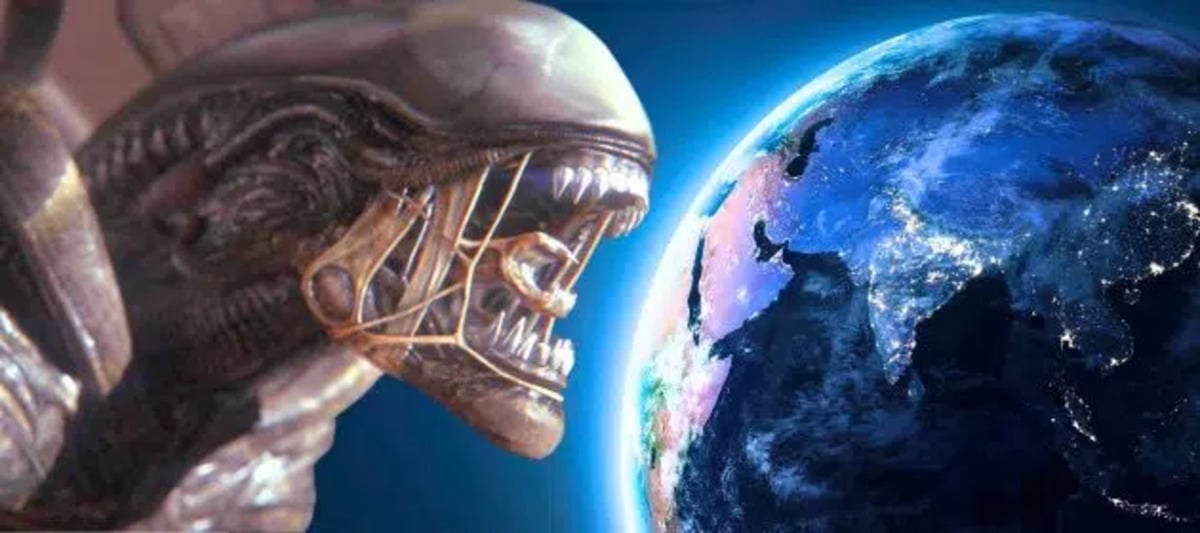
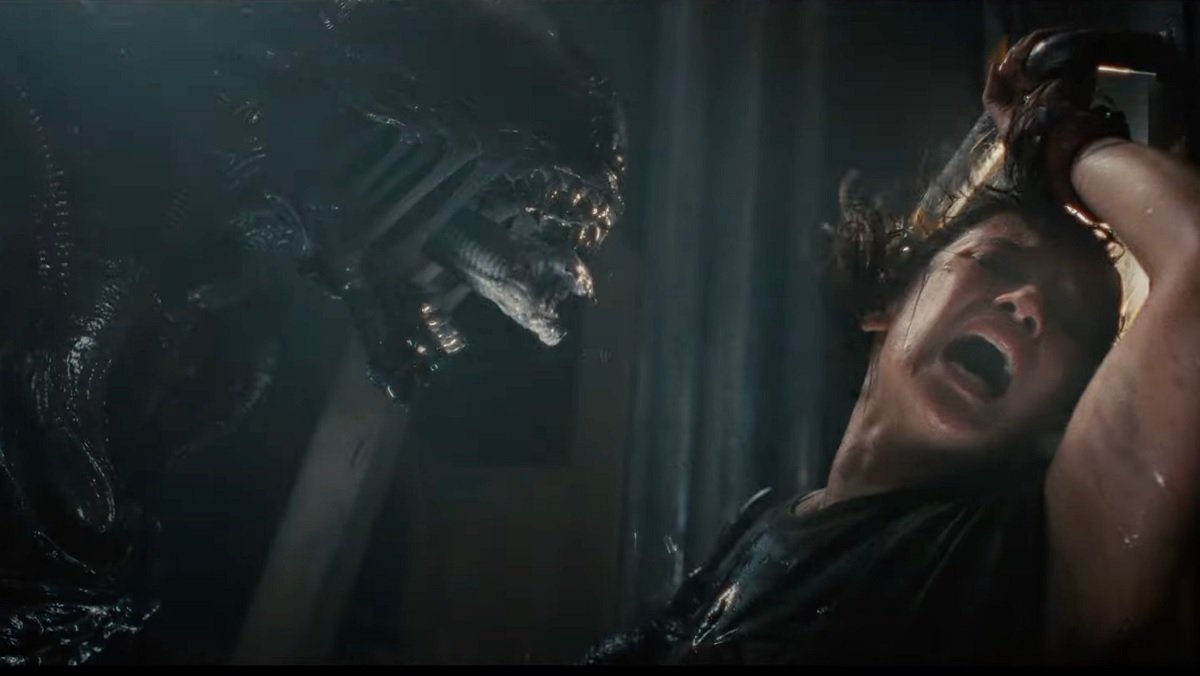
Both sci-fi/horror properties have been featured as haunted house attractions in Universal Studios’ Halloween Horror Nights, while Alien was part of the sorely missed attraction The Great Movie Ride at Disney’s Hollywood Studios. Although both properties don’t gel well with the standard Disney family friendly image and their current parks, they are popular IP owned by Disney and should be considered for some kind of dark ride that is geared for adults.

Back to the Future

The old Back to the Future: The Ride simulator attraction closed years ago in the Universal Studios theme parks to make way for The Simpsons. The original ride is still remembered fondly by fans of the film trilogy and ride enthusiasts. With the rumor going around that Universal may get rid of The Simpsons since that property is now owned by Disney, why not remake the original ride, but with better special effects to rival Avatar: Flight of Passage?

Battlestar Galactica

There is a roller coaster based on Battlestar Galactica in Universal Studios Singapore, but much more can be done with this property. A trackless simulator ride would work where a random ride operator accompanying the riders could be revealed to be a Cylon. Or go for a high-tech simulator ride that takes you on an epic space battle as you defend the Galactica from Cylon raiders like with Star Tours.

Doctor Who

This is what you do with a Doctor Who ride, have guests line up to enter a blue police box/phone booth which turns out to be the TARDIS! After exploring the time ship and guided by an actor playing the Doctor, guests can choose which door to go through that leads them into some kind of dark ride or walk-through attraction. The choices can lead to an adventure featuring the Daleks, the Cybermen or even the Weeping Angels. Voila!

Godzilla

At one point, the Japan pavilion in Epcot was supposedly going to have a ride based on Godzilla, but of course that never happened and is why that area is usually skipped by visitors looking for an attraction. A ride featuring the world’s most famous kaiju could be in the form of a simulator/trackless ride like Skull Island: Reign of Kong, or be more like the old Kongfrontation ride in Universal Studios with jaw-dropping giant animatronics of Godzilla himself that we can see up close.

Mad Max

This is soooo easy. Put out a motorized stunt show on a recreated barren, desert wasteland. Throw in lots of jury-rigged vehicles, including a V8 Interceptor and a War Rig, plenty of stunt driving and performers, and there you go: a Mad Max themed stunt show. Other options can be explored for a Mad Max-themed attraction. Just don’t do anything like that Fast and Furious abomination at Universal Studios.

The Matrix

Think of the awesome attraction The Bourne Stuntacular at Universal Studios Orlando or the closed Terminator 2- 3D: Battle Across Time show. One featuring the Matrix could be a similar theater attraction could be where patrons are released from the Matrix itself and witness an epic, live-action stunt show with dazzling effects where our rescuers battle deadly Agents in a theater setting.

Planet of the Apes

Genting Skyworlds in Malaysia has a trackless ride called Invasion of the Planet of the Apes that looks pretty interesting. Some kind of deal should be made to bring the attraction to the Disney parks since Disney owns the property. Disney’s Animal Kingdom would be good spot for Invasion of the Planet of the Apes or any other ride/attraction based on the other great sci-fi franchise from the ’70s that is still popular today. After the ride, guests can go visit the gorilla exhibit at the park.

Star Trek

Those of us fortunate enough to have visited Star Trek: The Experience still have fond memories of it. Based in the Las Vegas Hilton, Star Trek: The Experience was how Galaxy’s Edge was supposed to be for Star Wars, a fully immersive mini-park/themed area that celebrated all aspects of Star Trek. The mini-land featured two attractions, one was a simulator ride that took place on a faithfully recreated Enterprise D set, while the other was a 4D movie featuring the Borg and characters from Star Trek: Voyager. Both attractions would work today with some minor upgrades or there are many options that could be utilized for Star Trek. There is so much material ranging from the original TV show through today’s Trek offerings that an entire park can be built that is solely focused on Star Trek. If only!

WALL-E

This sci-fi property based on the classic Pixar film is a no-brainer for Epcot with its environmental themes and the cute robot. WALL-E is practically tailor made for Epcot. Yet for all the IP flooding the park these days, it is a mystery as to why WALL-E isn’t included aside from a minor playground for young children. A trackless simulator ride with animatronics taking place onboard the Axiom with WALL-E trying to protect the plant he found on Earth would be more than suitable.

José Soto

Wither Physical Media? Or The Downside Of Digital Streaming

By now, we all know about how physical media is dying, especially after the retailer Best Buy announced last year they would discontinue selling DVDs, Blu-rays and 4K disks this year. This is largely due to the prevalence of digital media and digital streaming services like Netflix, Hulu, Max, and so on, and declining sales of physical media. These platforms made it much more convenient to access and watch your favorite films and TV shows without the bother of physically getting up, searching through your DVD/Blu-ray library and inserting disks into a player. However, something has been lost with the downfall of physical media. Or is it truly dead?

By announcing that physical media was doomed, interest has increased in fans and collectors to obtain the remaining physical media, especially in secondary markets, as fans are now actively hunting down copies of their favorite films. What helped drive the hunts was a major flaw that became clear with the rise of digital media: the availability of a favorite film or TV show.

On paper, digital media and streaming takes care of the problems with buying and collecting physical media, namely storage and the ease of accessing your favorite Star Trek episode. The problem is the streaming market has become so diversified that these services feel like you’re accessing incomplete libraries. A draw of streaming was the vast libraries they boasted. This was the case when Netflix was the only large streaming service years ago, but with the coming of Disney+, Max and other streaming services, these companies understandably took their toys and went home. Good luck if you subscribed to Netflix to watch the latest Marvel superhero film. You might get Morbius or some knock-off film, but if you want to watch Iron Man or Avengers: Infinity War you’ll have to subscribe to Disney+. The same thing happened if you wanted to watch Star Trek. While you can watch some of the films on other services, for the “complete” Star Trek library you have to subscribe to Paramount+, which offers little else that would interest the average Star Trek fan. And by “complete” we have to keep in mind that Paramount+ cancelled and removed Star Trek: Prodigy from their service. Now you can only see that show on Netflix, which will exclusively stream the second and final season of Star Trek: Prodigy.

Anyone sees where this is going? Essentially, you have to subscribe to all the major and even minor digital streaming services to be able to access the films and TV shows you want to see. That is if they have the rights to stream them. Anyone want to see Outland? Never heard of it? No surprise. Outland was a sci-fi crime drama that starred Sean Connery as a sheriff on a mining station on IO. It copied the gritty and grounded look of Alien but was a well done film. Now where can you find it. Sure, anyone can buy it digitally, but why should they if they are supposed to easily access it on digital streaming? Also the money spent to download Outland is comparable to buying a physical disk.

The same issue has been noted online with the sci-fi film Cocoon. It was successful back when it was released in the 1980s, it even won Academy Awards, but it is unavailable on physical media and you have to hunt for it on streaming. Then there is the situation with trying to watch the original version of Star Wars, no bloody Episode IV or other silly subtitles, and where Han shoots first! Many fans hoped that Disney+ would have streamed the original vision of George Lucas, but to date that has not happened. The only way to see the unaltered Star Wars is by purchasing old VHS cassettes, laser disks, and DVDs. Of course, the quality won’t be 4K but at least it is accessible to you and owned by you.

The problem with buying digital downloads of films and TV shows is that you don’t actually own the downloads. Disney+ boasted that with its service you could download their content to watch anywhere on any device. But do you get to keep the downloads if you unsubscribe? If you can please drop a comment below.

Many owners of the PS5 learned the hard way that their digital downloads are not theirs to keep forever, as it was announced late last year that any Discovery+ content that was purchased and downloaded would be removed from PS5s. So, what is the point of buying downloads if you cannot keep them? With DVDs and Blu-rays, the disks are yours forever, you can watch them at anytime just as long as you have a player, which are very cheap these days. Of course, a problem with all the media platforms is the availability of old and obscure content. There are countless sci-fi, fantasy and horror films and TV shows that have basically disappeared since they are not streaming (usually due to rights issues) on any service and if they had a DVD or Blu-ray release, they have gone out of print a long time ago. This makes me glad that I never got rid of my DVD copy of Peter Jackson’s The Frighteners since it is a favorite that cannot be easily seen these days.

What can a genre fan do? Sure you can subscribe to every streaming service but that is expensive and you’ll be stuck paying for subpar services just to access a film or TV show, which can be removed at anytime, often without notice. This happened to me when I was binging Snowpiercer on Max and stopped watching it a few episodes away from its season finale. The next day the entire series was removed from Max. This streaming service was infamous for removing other genre content because the parent company did not want to pay residuals to writers and so on. Such content included Raised By Wolves and Westworld. Anyone who intended to watch the complete series is out of luck these days.

Another thing that makes physical media superior is that many disks come with unique interactive menus and features that you cannot get on a digital download. Some like The Lord of The Rings films are renowned for the exhaustive content on their Blu-rays and 4K disks like extensive behind-the-scenes features, production art, games, and of course deleted scenes. You certainly won’t get this much material in a download!

The best option is to shop for obscure products on second-hand online services that specialize in obscure and out-of-print DVDs and Blu-rays. But be prepared to pay a lot. Then there is cable or satellite TV. Yes, the point of streaming services was to enable viewers to cut the cable cord, but many times, cable is the best place to watch obscure genre films. However, while sales these days of physical media are past their heyday, they are still being made. It is easy to see a time when physical media makes a comeback like vinyl records did as streaming services and digital downloads become more expensive and inconvenient for fans. But for now, make a point of actively seeking out and buying your favorite obscure sci-fi film like Silent Running or the original version of the Star Trek TV shows. You never know if an increase in sales would have an influence on the decision makers in Hollywood. Besides a Blu-ray or 4K disk library definitely looks cool on display in your homes!