In the biggest cinematic and media earthquake since the Walt Disney Company acquired 21st Century Fox and many of its assets, Netflix announced that it will purchase Warner Bros. for $82.7 billion. This is one of the most important events to happen with film, TV, videos, comics, and other media and it will have long-lasting repercussions throughout the media industry.
Up for Sale
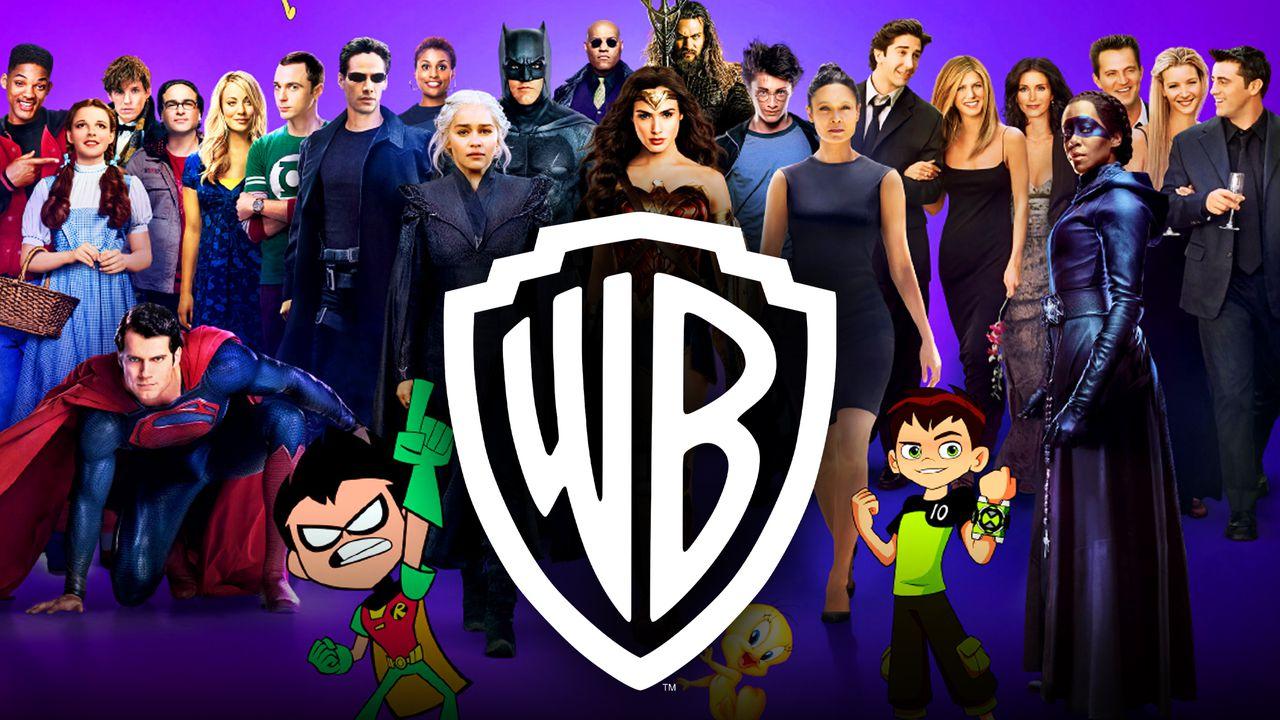
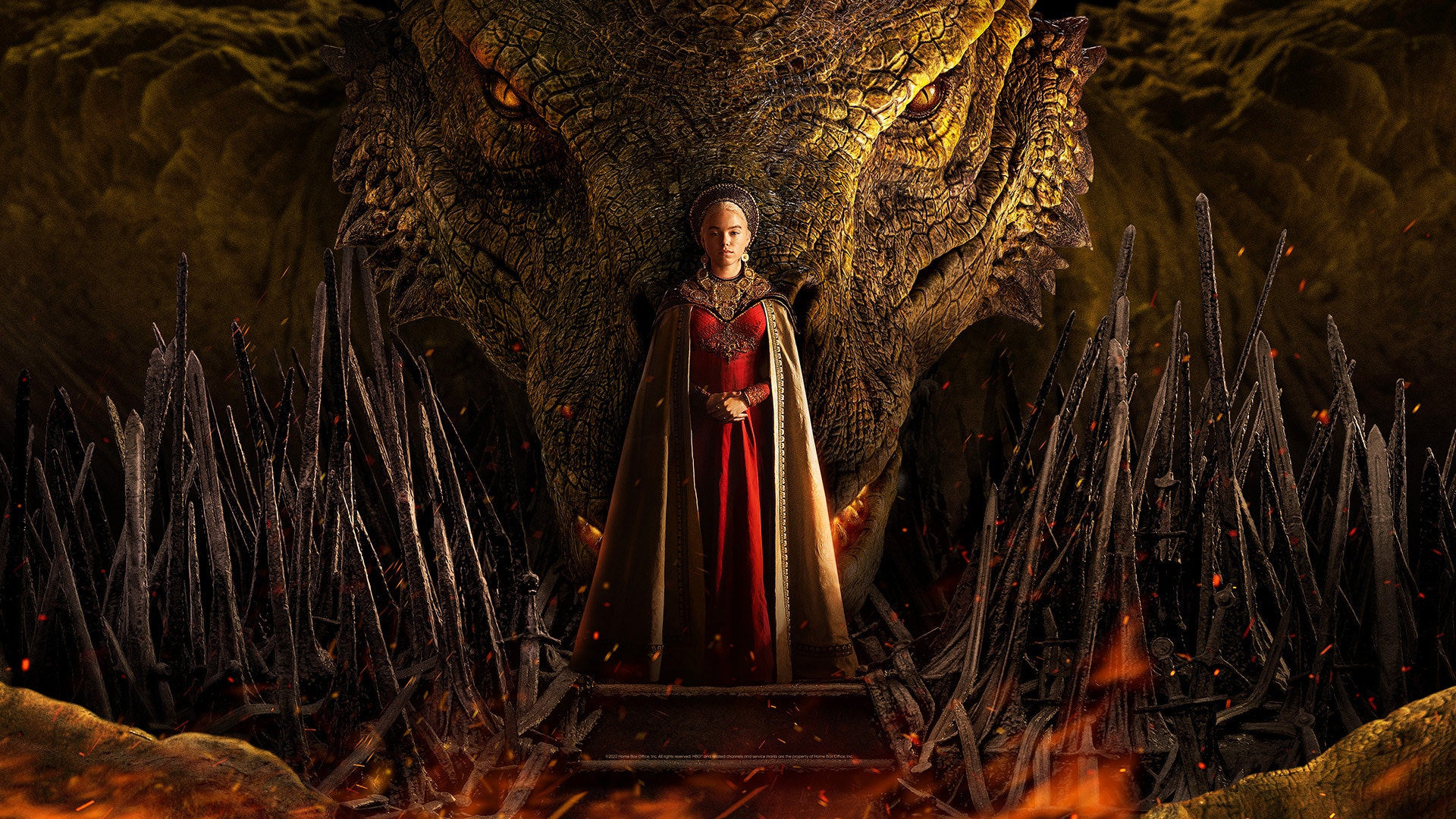
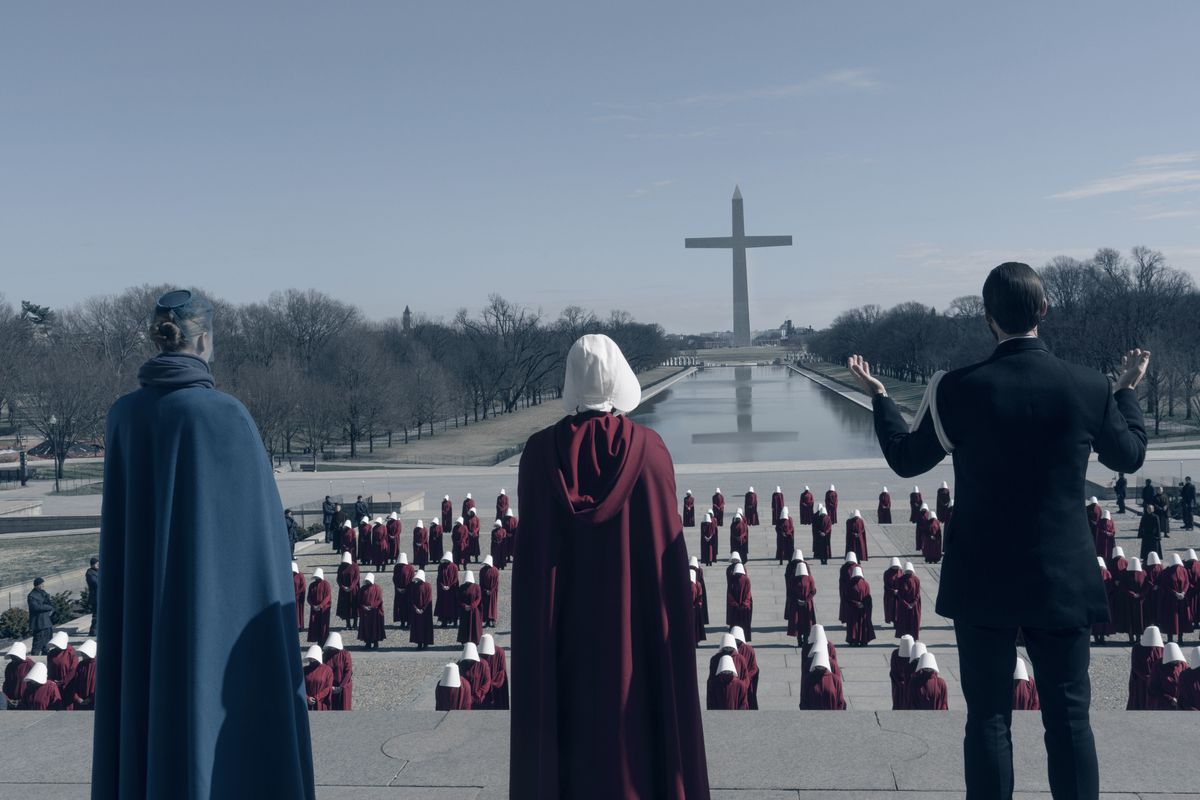
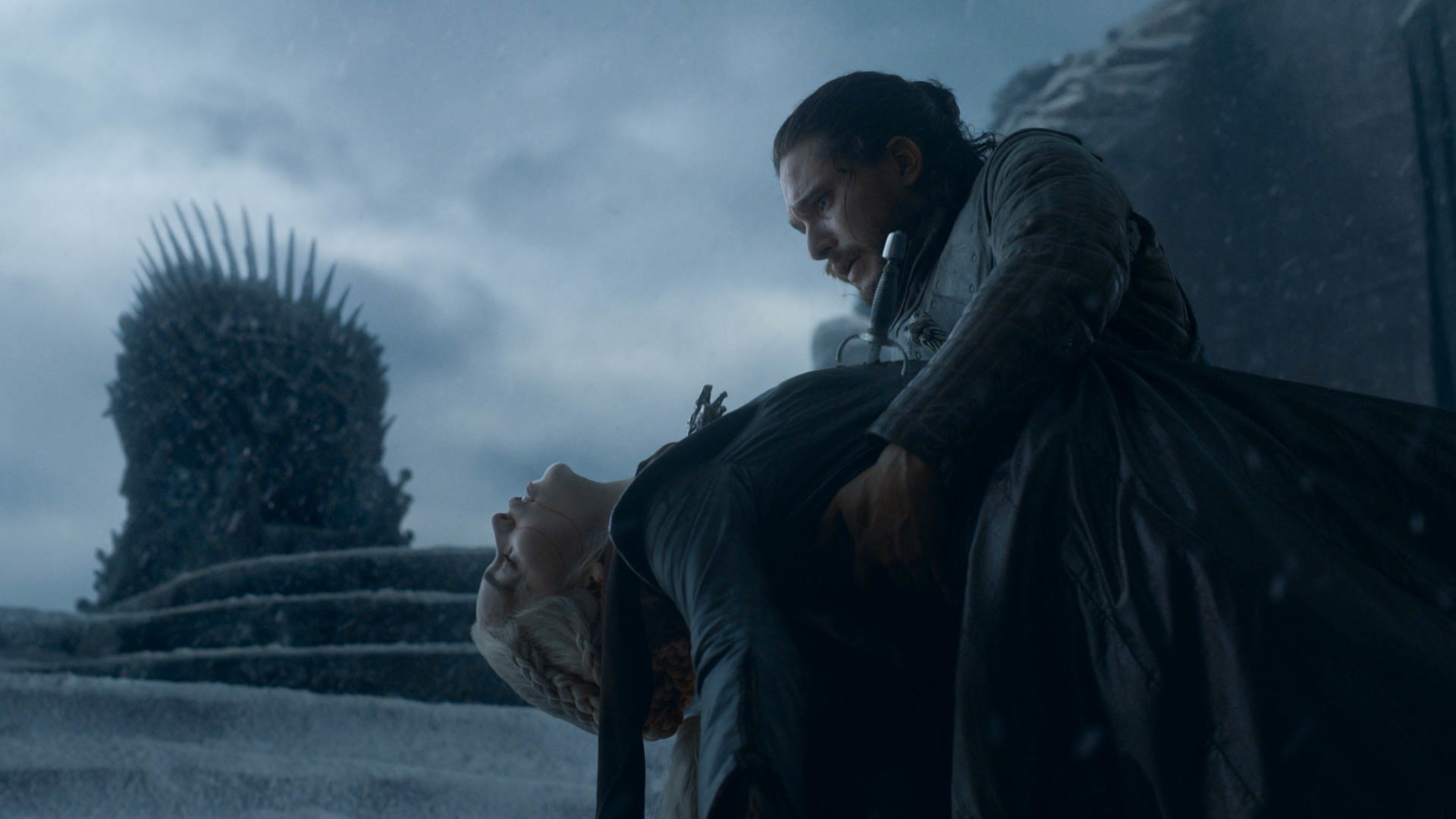
Warner Bros. had been up for sale for some time and several major companies expressed interest in buying it, especially Paramount Skydance. Many expected Paramount to purchase Warner Bros. given their public and aggressive efforts to purchase the company but in the end the streaming giant Netflix beat out Paramount and will acquire the film and HBO segments of Warner Bros. as it chose not to purchase the cable TV channels that were part of Warner Bros. Discovery. This acquisition will give Netflix access and ownership to an impressive film and television library and major IPs, including DC, Looney Tunes, Hanna-Barbera, The Wizarding World of Harry Potter, The Matrix, Game of Thrones, Mad Max and more.
Many have watched the bidding war with caution and were concerned with a possible ownership by Paramount, mostly because its CEO, David Ellison, has openly expressed fealty to the Trump Administration to the point that a Rush Hour 4 has been greenlit simply because Trump expressed interest in such a film. This meant that the government has influence on what media entertainment gets released, which leads to First Amendment questions. Imagine if Paramount bought Netflix and the government had a hand in deciding the direction of DC films, TV or comics. A film like Superman, which openly criticized America’s current immigration policies, would never be allowed by Ellison. On the other hand, the purchase by Netflix has opened up another can of worms that has the film industry reeling because of the implications.
Streaming Influence
One possibility of the purchase is that it could lead to the death of cinemas since the majority, if not all, Warner Bros. films could be released straight to streaming. This would create a domino effect with other film studios copying the release model, which would hasten the demise of the theater-going experience.
This has been a growing problem in recent years that was accelerated by the COVID-19 pandemic which caused many film and TV studios to lean heavily on streaming to provide content to consumers. Netflix has upended the conventional model of film releases where films normally had theatrical lives of a few months before being available on digital or for streaming. This has conditioned viewers to skip going to theaters and just wait for a film to appear on a streaming app a short while after its release. Now it is becoming the norm that films would be released on streaming weeks after a theatrical release and even the same day the film premieres in theaters. Many have speculated that Superman might have had a larger box office haul if it was not announced roughly a month after its initial film release that it would be available for home viewing. While short theatrical runs is convenient and deceptively cheaper for consumers (the idea that they will see the film for free on streaming is silly since they still have to pay for the service), this practice is a major issue with theaters with lost revenue and content.
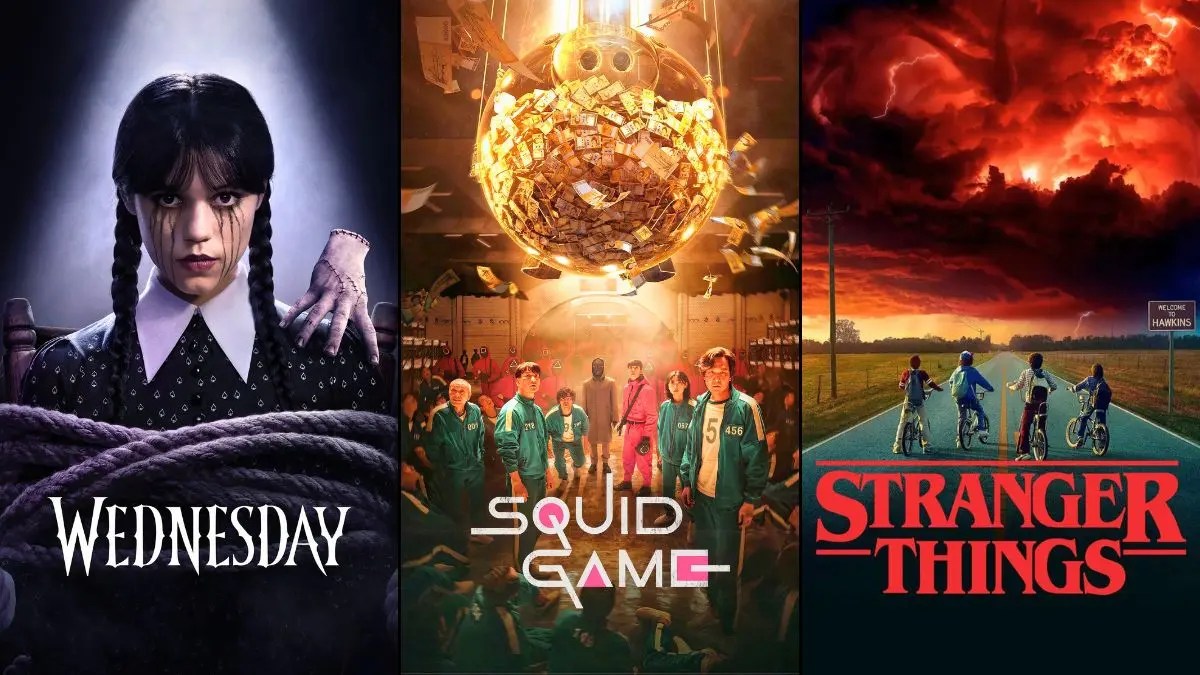
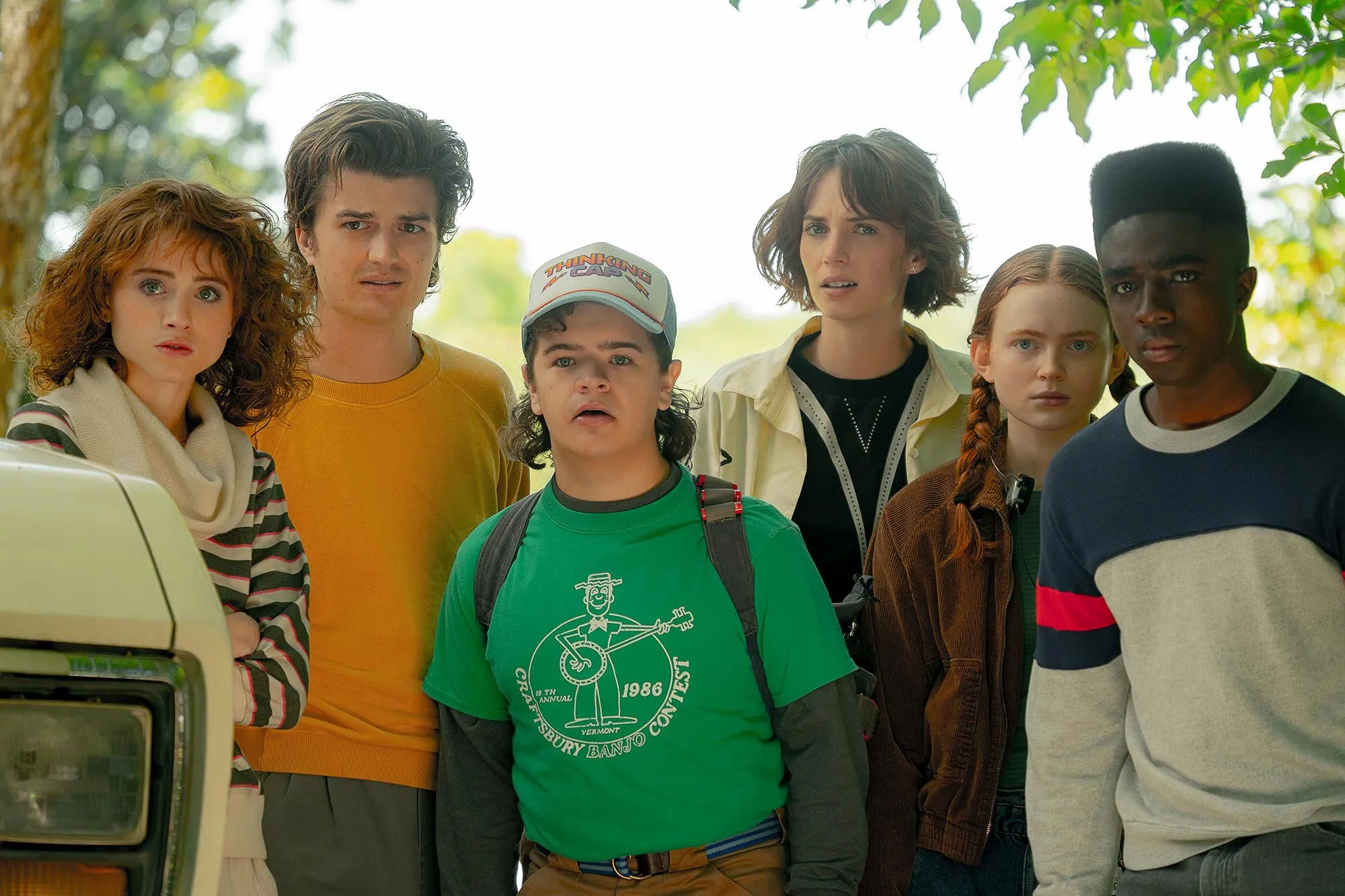
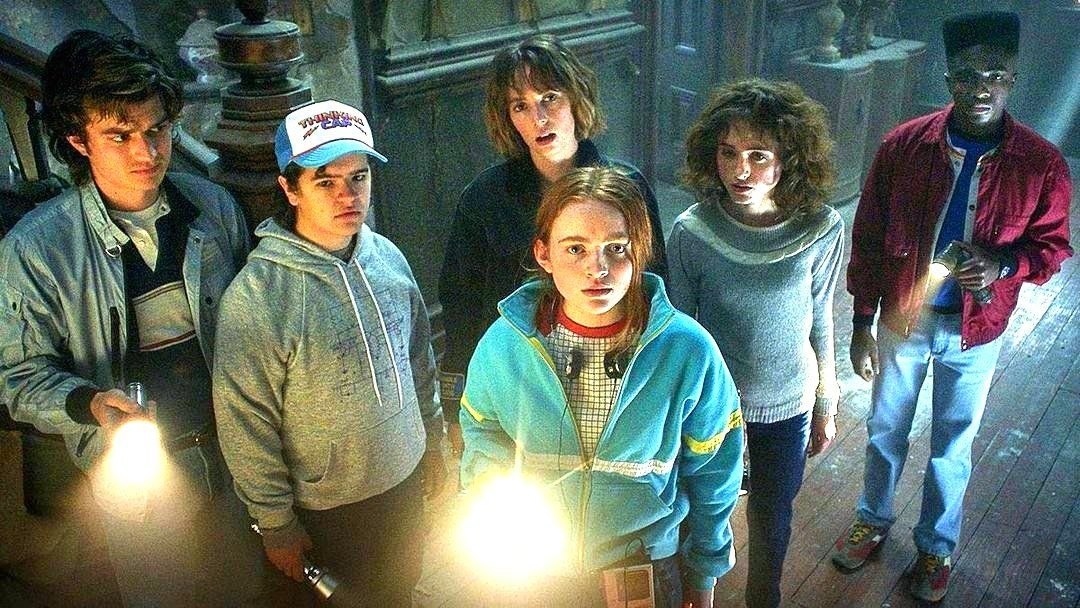
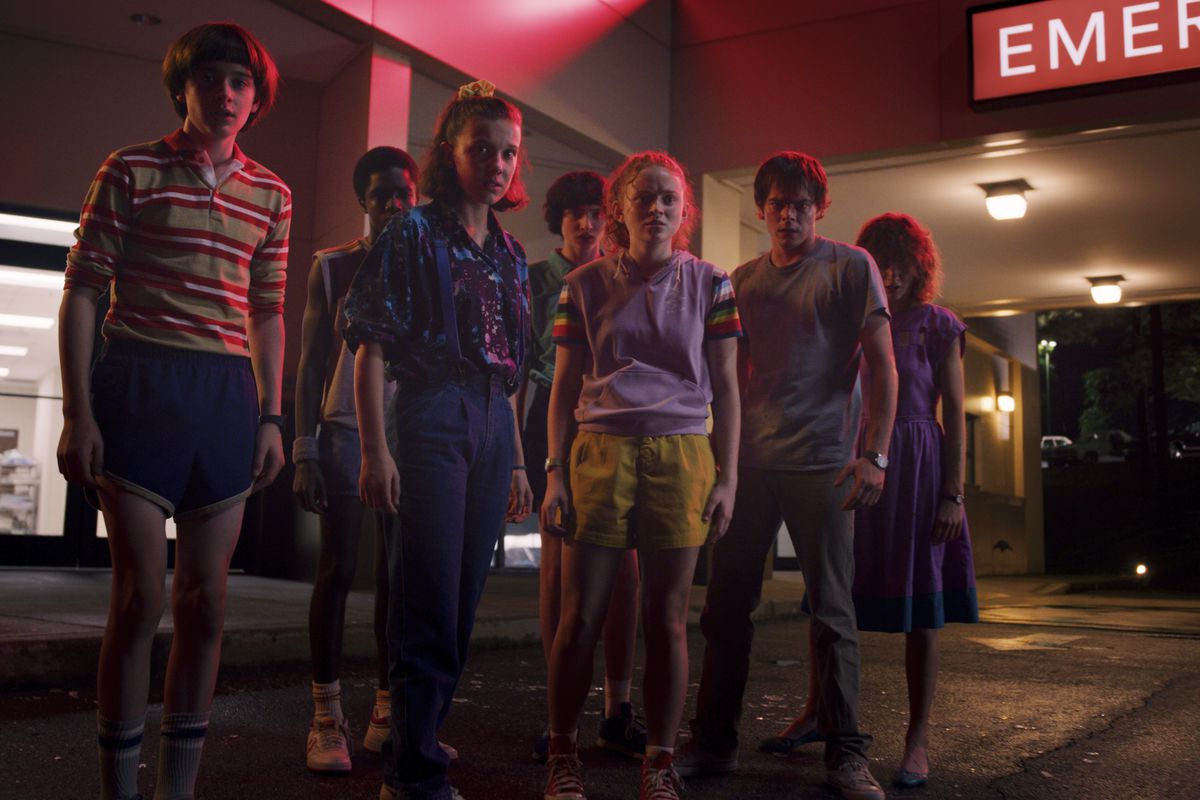
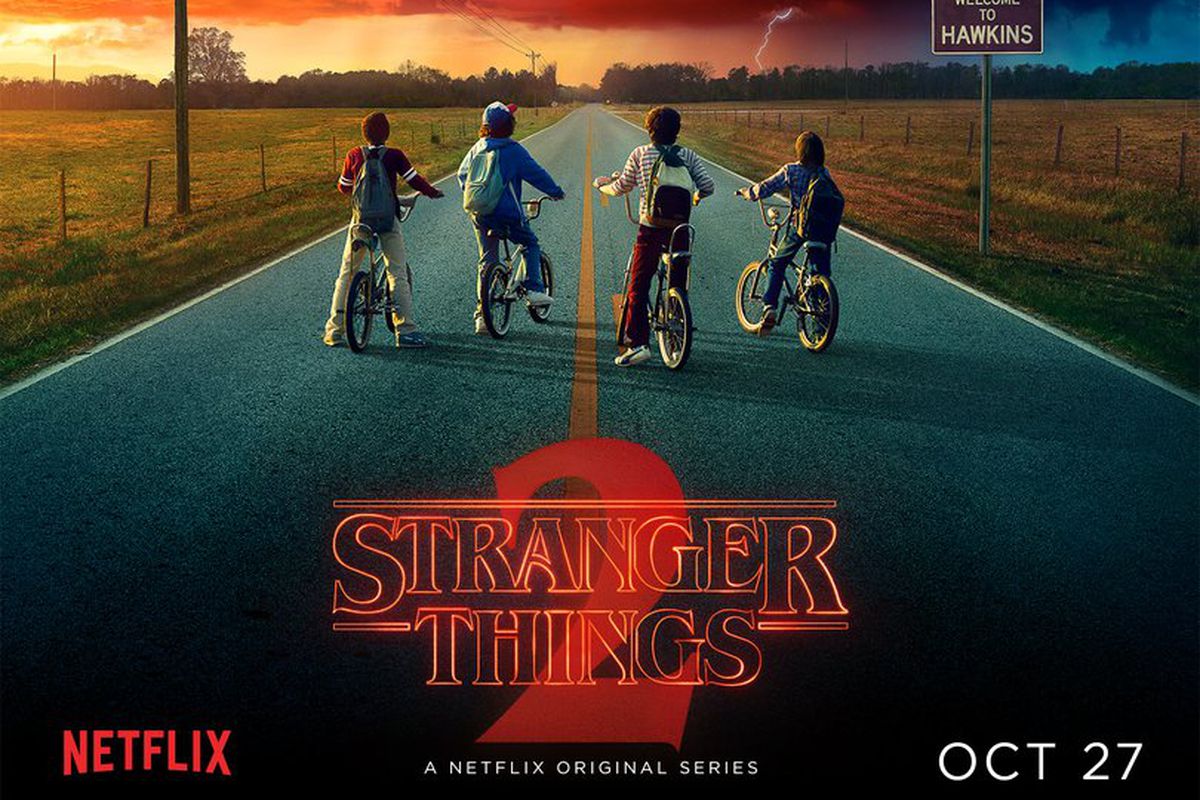
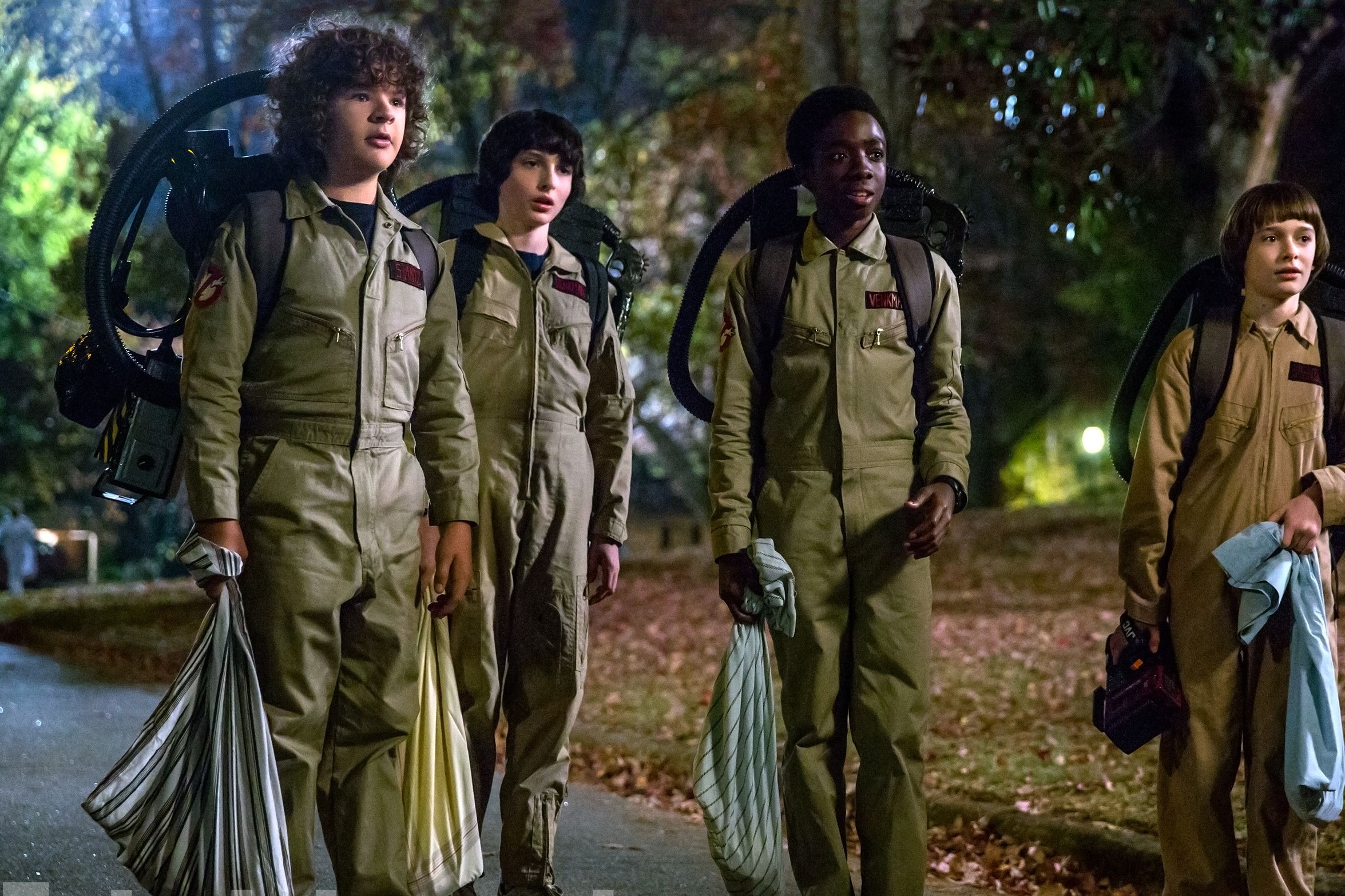
Another supposed plus for Netflix subscribers is that the service will have an even more exhaustive library of content, but now with prestige content. One problem for the streaming company was that recently it did not have easy access to popular content as film and TV companies created their own streaming services. Netflix has been criticized for having a glut of inferior films and TV shows that are just placed on the streaming app with little promotion. It’s true that Netflix has many quality and popular TV and films like Stranger Things, Wednesday, Squid Game, The Witcher, Black Mirror, and KPop Demon Hunters, with the glut of content dumped on the platform a lot of quality product has gotten lost in the overwhelming mixture. How will prestige films and TV shows from HBO and Warner Bros. stand out from the low-budget dreck flooding Netflix’s landing page?
One possibility is that Warner Bros. and HBO could have their own pages or remain as separate streaming services as we see now with Hulu, which is owned by Disney but is its own streaming service that subscribers of Disney+ could access by purchasing a bundle service. This would allow Netflix to have its own prestige platform to stream high-end quality products that stand out in the crowded streaming service.
But do not be surprised when the monthly subscription rate for Netflix increases dramatically to help pay for the $82 billion purchase. Expect to pay up to $50 and more monthly in a few years.
Impact on DC & Other Popular IP
Now the big question genre fans have is what impact will the purchase have on DC Studios and the DC Universe (DCU) and other popular genre IP? For now nothing. There are contracts that have to be honored so projects in production should be safe, so no worries about Man of Tomorrow, Clayface, or Supergirl. However, the head of DC Studios, James Gunn, might get pressured to favor some popular characters like Batman over obscure ones that he favors such as Booster Gold. Let’s hope that Netflix executives learned a lesson from Disney and Marvel Studios, where in the early 2020s the Disney executives forced the film studio to quickly churn out a lot of TV shows and films to fill out content on Disney+ and to announce projects before they were ready. What happened was that a lot of mediocre films and TV shows were released which damaged the reputation of Marvel Studios’ films and TV shows and led to the recent reduced box office haul for some of their films. Sure, Marvel Studios is taking steps to course correct, but they’re still recovering from this misstep.
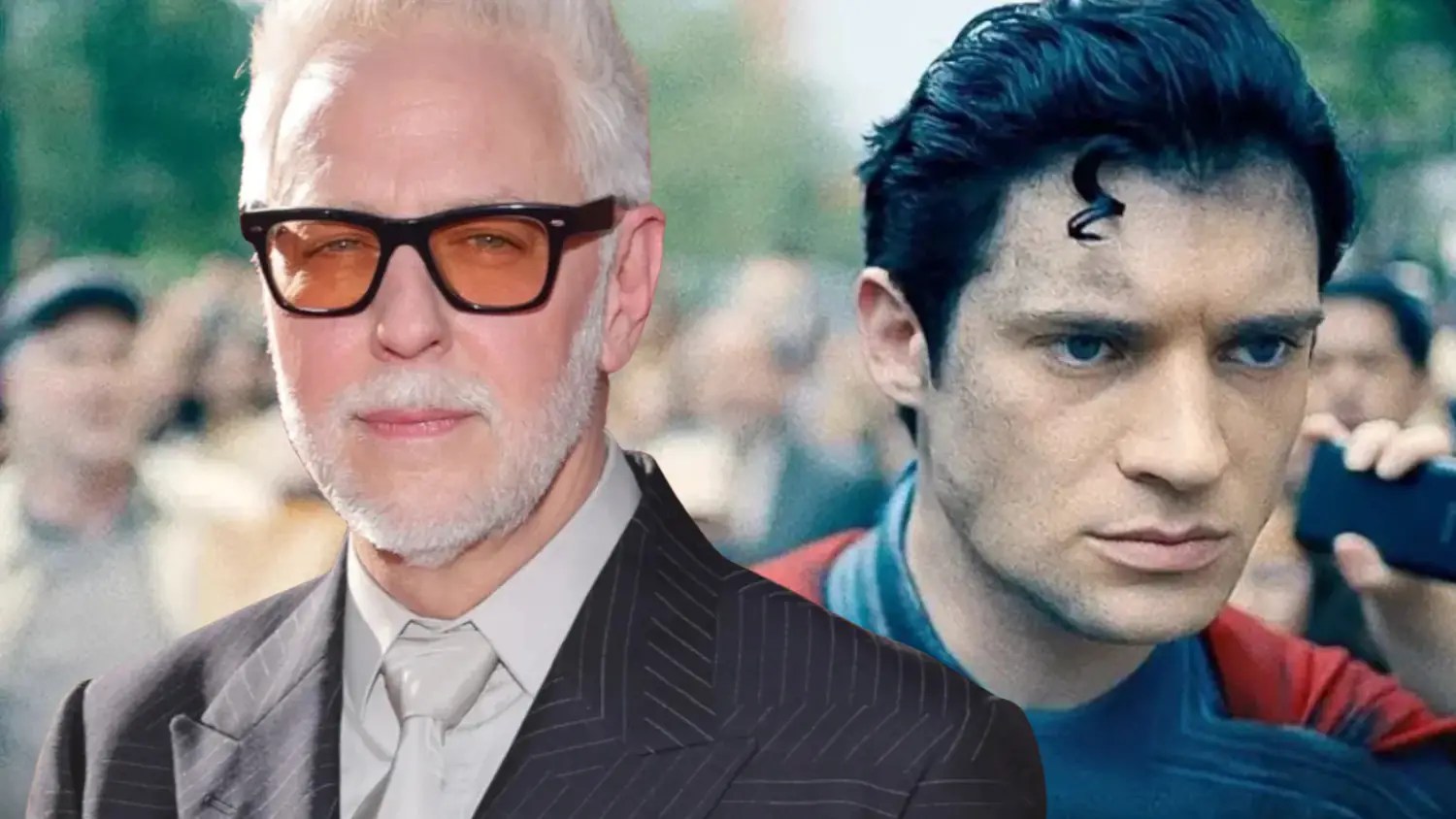
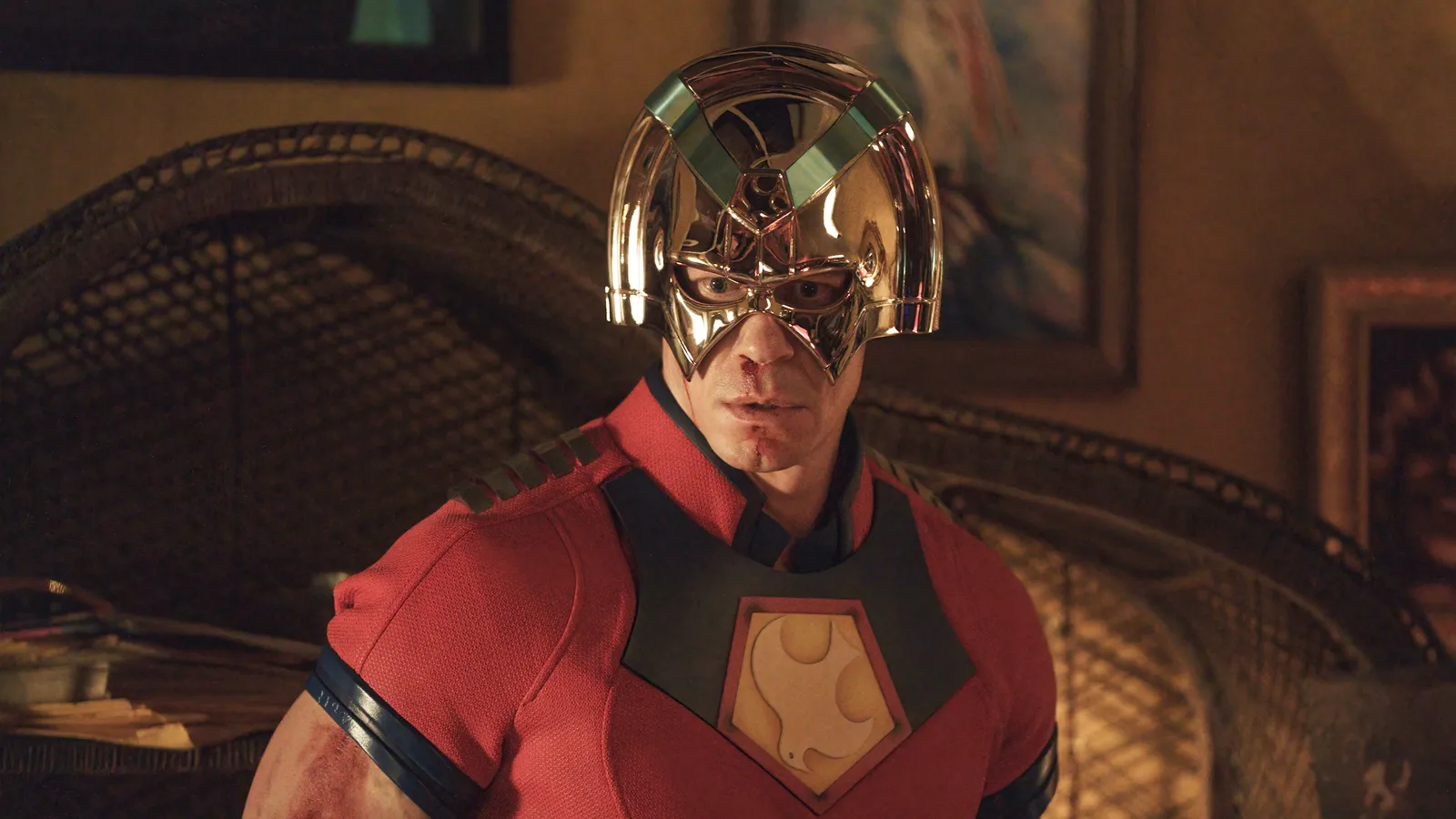
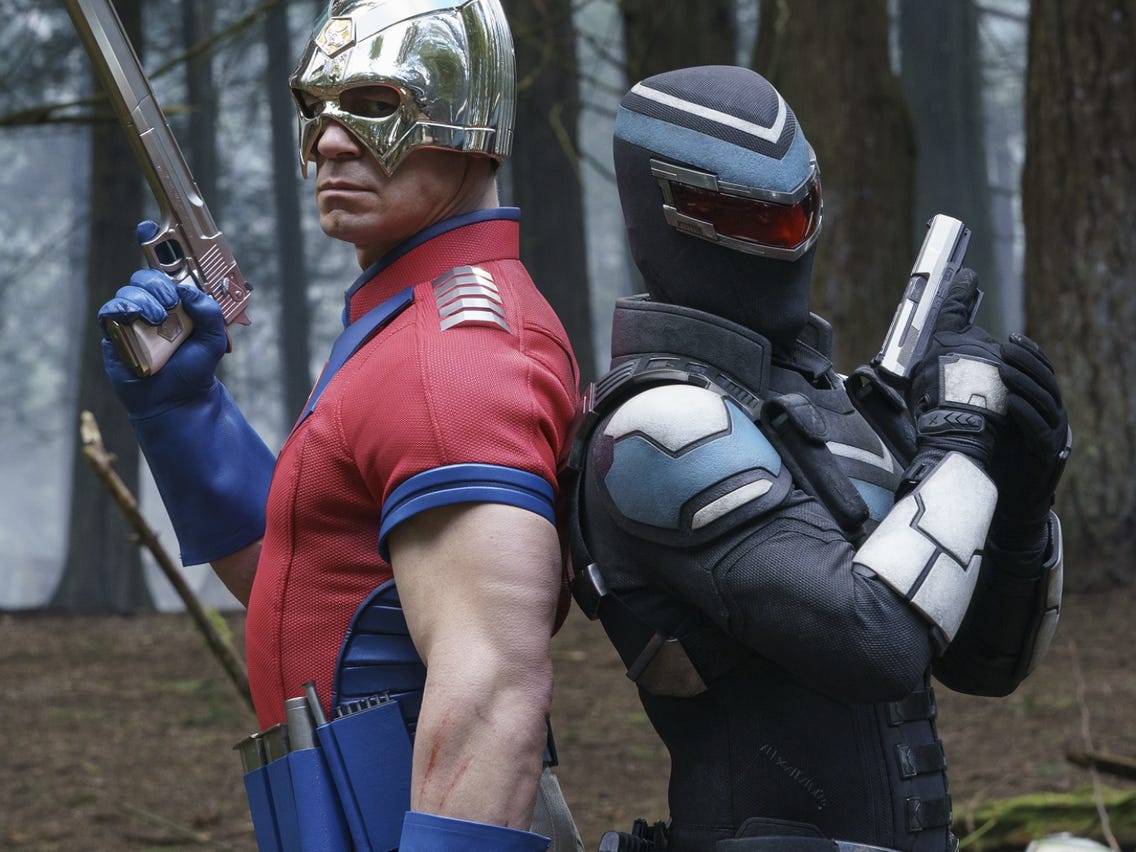
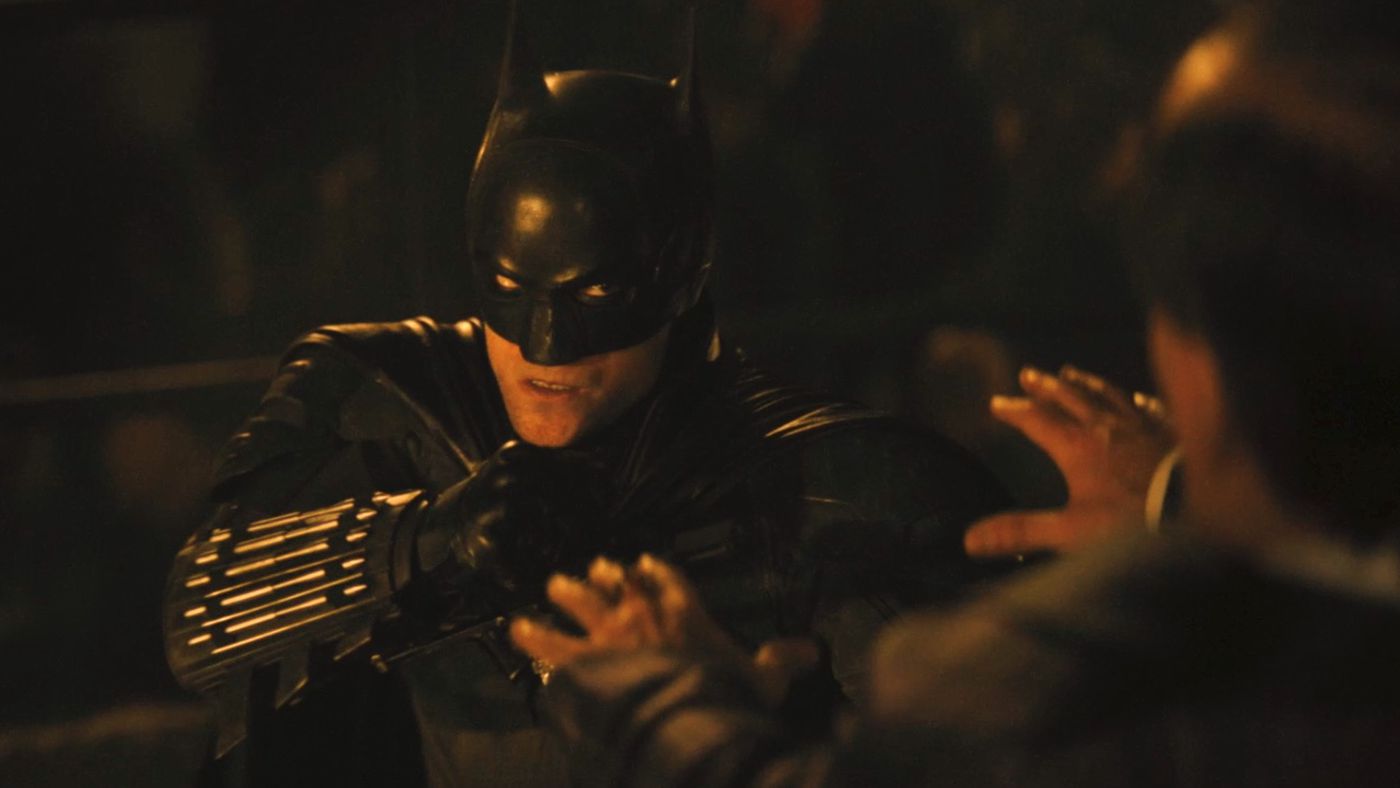
Getting back to DCU and all things DC, it’s possible Netflix may force Gunn to step up the output of DC films and TV shows since again Netflix wants a return for their investment. Thankfully, The Batman, Part II is about to enter production, which may keep the streaming company off Gunn’s back. On the other, the company might pressure him to make a decision on the DCU version of Batman soon, and casting some of the more popular DC characters in order to greenlight productions already. Despite rumors about Gunn leaving DC Studios, which were rampant when Paramount was actively looking to purchase Warner Bros., it has been reported that Gunn will stay put. Even though there hasn’t been a lot of DCU projects released to date, Superman, Peacemaker and Creature Commandos have been well received and Netflix is not foolish enough to scrap the DCU and go through the trouble to launch another reboot at this time.
One thing to consider is that while the more obscure DC characters may not get the big-screen treatment, they could wind up as straight-to-streaming projects that could be a proving ground for the characters. The main thing is to just let Gunn alone to produce quality product and all should be fine. In fact, this should be the case for all of the film and TV projects.
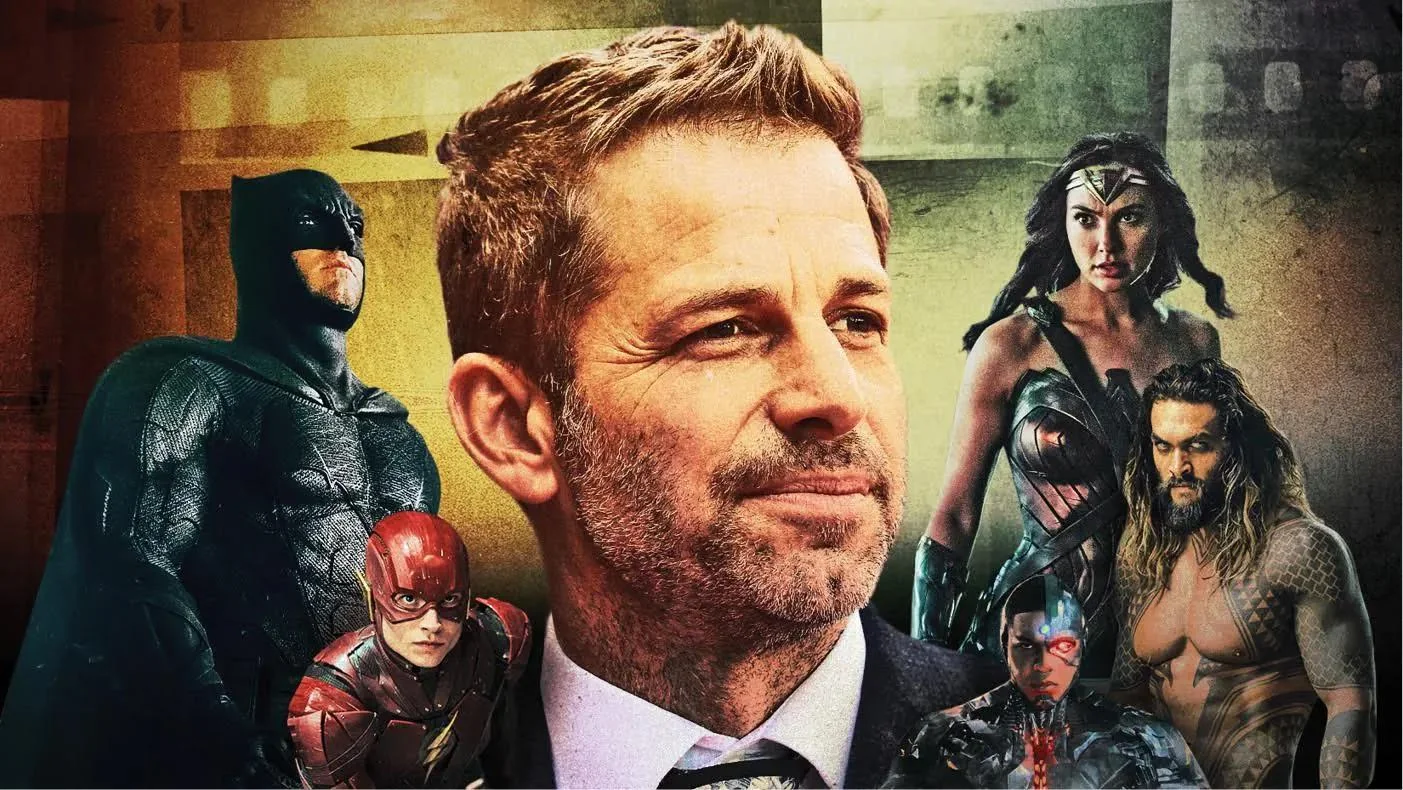
While it’s very possible that Netflix will greenlight a lot of DC animated films there won’t be a revival of the Snyderverse. After the dismal failure of the Rebel Moon films, Netflix has been moving away from filmmaker Zack Snyder and it is doubtful that the company will approve a revival of his brand of DC films. The slimmest of hope for diehard Snyderverse bros is that some kind of Elseworlds animated film will be made.
Oh yes, expect Stranger Things and DC to have a crossover in the comics, along with comic books featuring Harry Potter and other popular Warner Bros. IP.
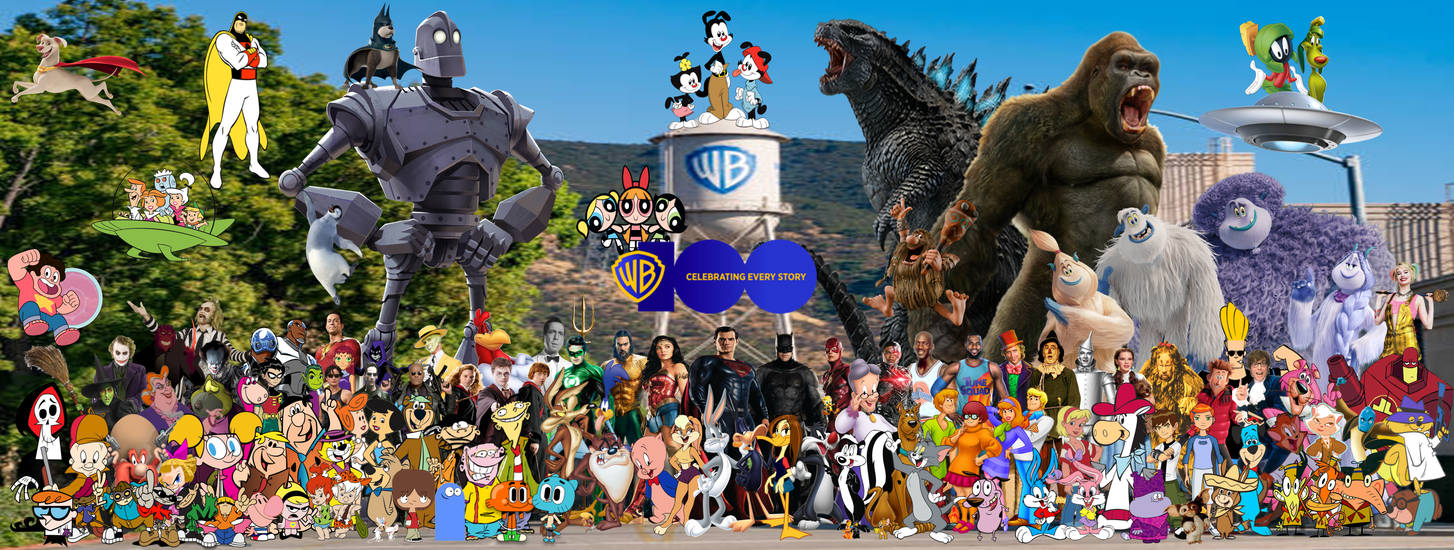
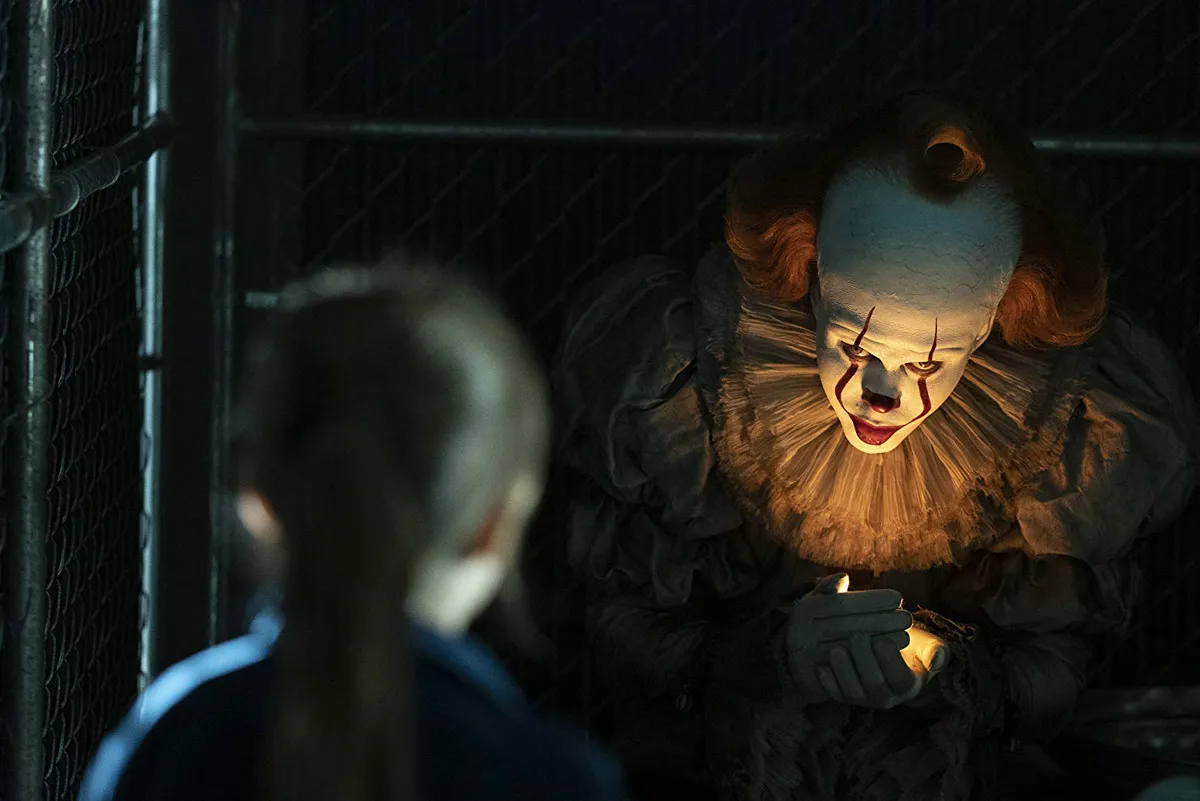
As for other IPs like Mad Max, It and related Stephen King works, and Harry Potter, there has not been any word yet about them. But it’s expected that Netflix will take full advantage of their newly acquired IP. Announced projects like the reboot of Harry Potter, more TV shows based on Game of Thrones, and the second season of It: Welcome to Derry will proceed as scheduled and if HBO is kept as a separate streaming platform those prestige projects will stream there first before migrating to Netflix years later. Will we ever see shelved projects like Batgirl or genre TV shows that were removed from HBO Max such as Westworld or Raised By Wolves? It’s anyone’s guess, but consider this: these projects were removed to save on paying residuals or for tax write offs by Warner Bros. Without these burdens and with the need to put out recognizable content, it is possible that these projects may have a second life on Netflix.
Of course, there are a lot of hurdles for Netflix such as government approval so it will be at least two years before we see any impact. For now, the company indicated they will leave things alone, and supposedly commit to theatrical releases for Warner Bros. films, which would be to their and everyone’s benefit.





 Starloggers